I went out on a cross country from Everett, Washington to Walla Walla and back the
   last few days. Cruising at WOT at 11, 500 feet I had a MAP of 19-20 and was making
   about 140 mph true rpm was around 6200 with a catto 3 blade 74 x 88 pitch. I need
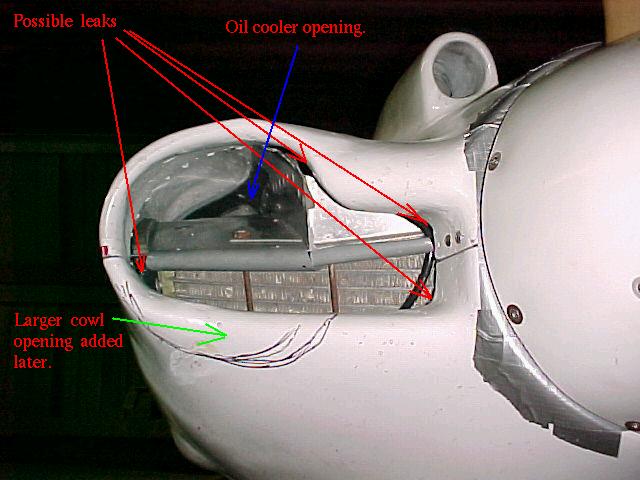
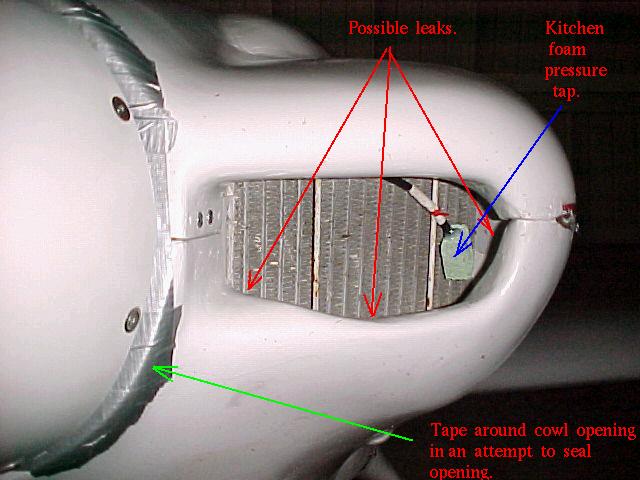
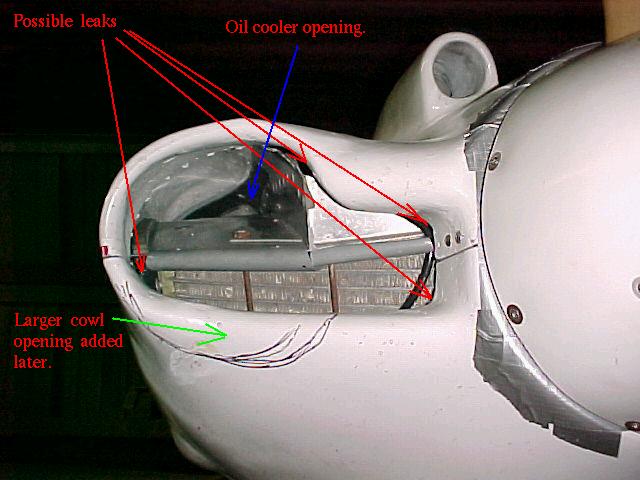
   some aerodynamic cleanup on my cooling scoop, something I intend to work on this
   winter. But I think that I'm probably only making about 150 hp or so- not bad, but
   not what I could make. I think that the NA 13BREW with four ports and 9.1/1
   compression would not be a match for a 13 b with p ports and 9.7/1 compression. I'm
   thinking that I might be building such and engine for an engine swap in the future.

   Oh, and by the way, it was a great day for flying.

   Brian Trubee

   Build another engine with a p-port Brian. It will really help up high.
   A 4 port will never match a p-port. A good 4 port manifold is hard to make as well.
   I assume you have a 2.17:1 gear box.

   Paul Lamar

   I don't know if I would get an appreciable increase in power if I were to use
   premium, I am using regular mogas at the moment.

   Brian Trubee

   BTW power in a rotary is directly related to RPM in that range.

   The best pay off is work on the cooling drag first.

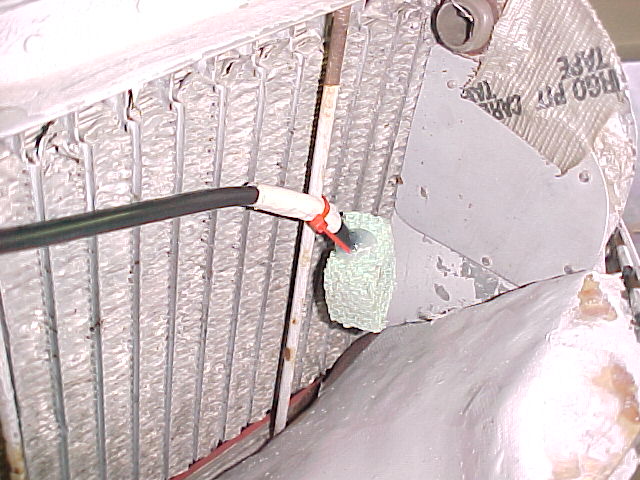
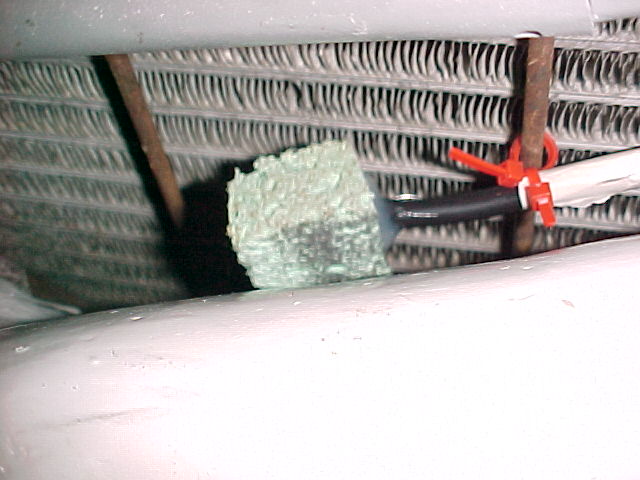
   Pressure on any surface facing forward is drag. Use a water manometer.
   Get a Gopro camera to record the results.

   Paul Lamar

   Right now I'm happy to just be flying, I'll wait until the weather turns crappy out
   here before I start doing aerodynamic cleanups and other refinements. Oh, and my
   temps were pretty good- highest was 201 one the coolant, 208 on the oil, that was at
   10500 feet at 21 inches MAP and 39 OAT and 6000 rpm. . A little less throttle and the
   temps dropped down to the 180s-190s.  Exhaust is running high- about 1950 -2000- but
   my EGT probes are 1 1/2 " from the exhaust flange. The lowest that the EGTs run
   regularly are around 1800. I think that these alarmingly high egts are a function of
   the close proximity of the probes to the exhaust ports. Must keep an eye on the
   headers when doing maintainance/checks.
   Brian Trubee

 Hey Brian,

 A good part of the temperature that you are reading is due to the
 stagnation pressure of the high velocity exhaust gasses impinging on
 your temperature sensor elements.  The exhaust gases are compressed
 against the leading edge of the sensor element.  The effect can be quite
 impressive at the supersonic velocities found in the exhaust flow of
 rotary engines.  The same effect causes triple digit temperatures on the
 leading edges of high velocity aircraft, like the SR-71, when the actual
 OAT is in the double digit negative degree range.

 Boyle's Law explains the relationship of temperature with compression.
 This effect is also explained by the the law of conservation of energy.
   The kinetic energy contained in the supersonic velocity gas is
 converted to thermal energy when the gas slams into the stationary
 temperature probe and comes to a full stop.

 This is the same energy that is recovered by the turbine blades in a
 turbocharger.  It also contributes significantly to the heating of the
 turbocharger blades.  It also makes a significant contribution to the
 heating of the exhaust valves in boing boing engines.

 If you want a more accurate reading of the temperature of the gas stream
 the reading must be taken behind some obstruction that will slow the gas
 stream, absorbing the heat resulting from flow compression, similar to
 the way combustors are designed in jet engines, to slow the gas flow so
 the flame will not be blown out by the air stream.

   Mark LaPierre

 Very interesting Mark. Thanks. You obviously have some experience with
 this. What is your occupation?

 Paul Lamar

Hey Paul,

I have engineering degrees in HVAC and Structure.  I've spent most of my
professional time building ships and hacking computers.  At the moment
I'm working as a database developer.  I've been a Linux user since
before optical drives were invented. Remember those stacks of floppy
disks ;-)  I've designed and built several K-8 size computer networks.

At the moment I'm fascinated by the mathematics of geodesic structures
and their relationship to the value Phi = (1+sqrt(5))/2.  My plan is to
build a geodesic greenhouse roof.  Probably a 3rd frequency Type 1
structure.

You may recall my previous post on counter flow cooling systems.  Both
that post and this post draw heavily on my experience in HVAC design and
engineering.  Engineers have the best fun!

One of the issues with measuring the flow velocity in ducts is dealing
with stagnation pressure at the sensing site.  Careful consideration has
to be used to be sure that your pitot tube is measuring the velocity of
the flow, not the static pressure.

Flow velocities in ducts are used to calculate air balance across HVAC
systems where measurements at the diffuser are impractical.  The flow
velocity in an A/C duct is so low that there in no need to consider the
compressive heating effects of the sensor in the gas stream.

Mark LaPierre

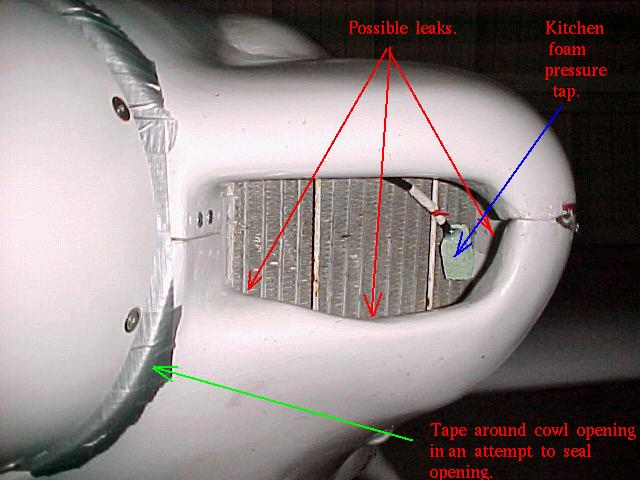
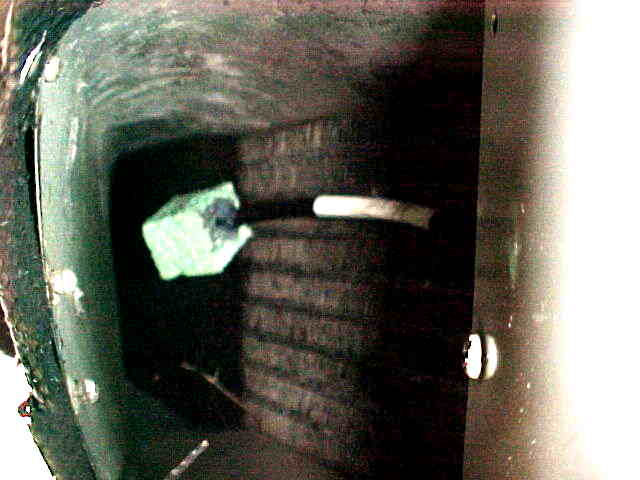
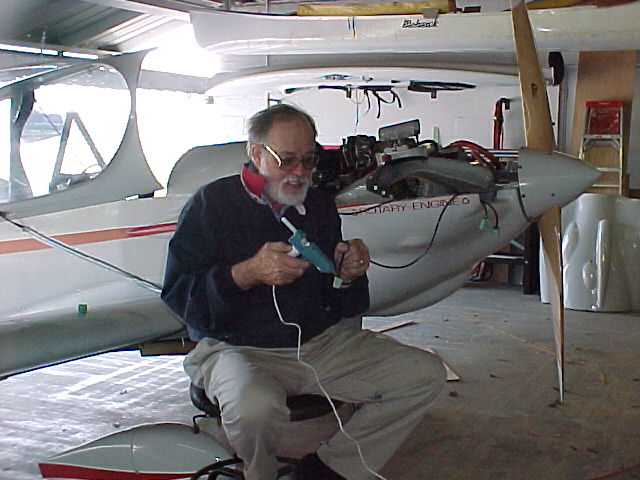
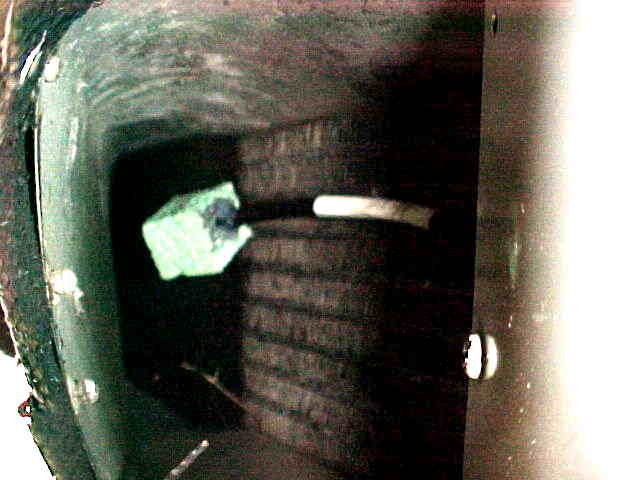
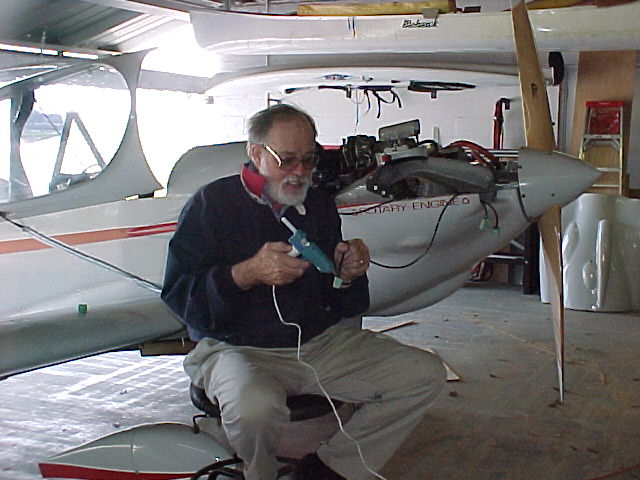
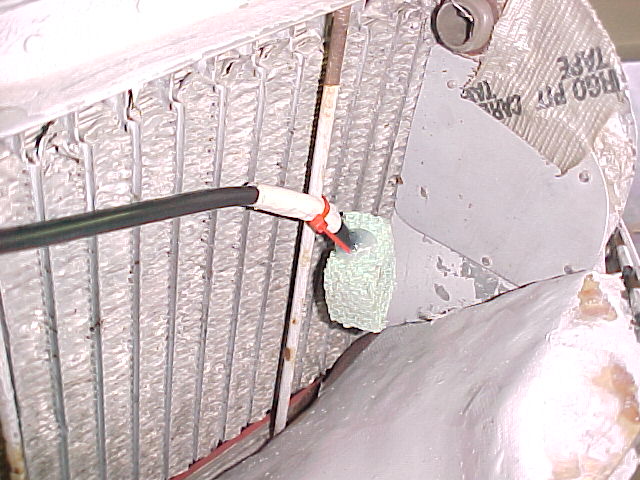
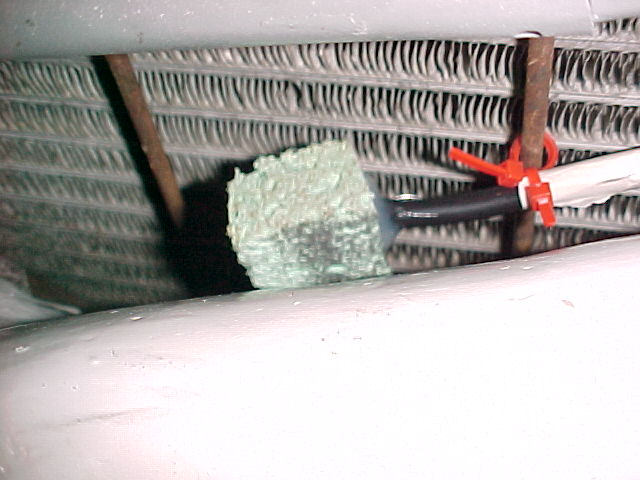
For measuring static pressure I use porous kitchen foam. Put a static tap as well as
a pito tube in the duct. I hot glue it to the end of drip irrigation tubing :)
We started with Magnehelic in the old days 1960's :)

Paul Lamar

--
The Rotary Engine News Letter. Powered by Linux.
ACRE NL web site. http://www.rotaryeng.net
You Tube key word PaulLamar2
Copyright 1998-2012 All world wide rights reserved.