We need to know the exact engine RPM at all times because of the inductive
ignition coil on plug.  These coils cannot tolerate being on all the time
like the old fashion coil.  They burn up.  They need to be turned on only
about 4 milliseconds before a spark is needed so the current can be built up
in the coil and store magnetic energy.  When the coil is turned off the
field collapses and the spark is created.  At low RPM the coil would be on
for about 150 milliseconds during one revolution of the engine.  At 8000 RPM
it only takes about 7.7 milliseconds to make one rev.  Still ...we have to
leave the coil off half the time.


If the PIC timer is supplied with pulses
from one of the microcontroller input pin, then it turns into a counter.
The quickest way to do this is have a lot of pulses generated in one
revolution of the engine.  There are about 100 teeth on the flywheel so that
is the best thing to use.  A low cost anti lock brakes sensor can look at
the flywheel teeth and send these pulses to a microcontroller input pin.  If
we count them for only .018 seconds we can achieve acceptable resolution.
at 400 RPM we are getting 666 pulses per second so the count would be 12.
At 8000 RPM we are getting 13,333 per second so the count would be 239.
Perfect for an 8 bit counter that can count to 256.


With BASIC we can divide these numbers into 1 and get a number that is
proportional to RPM. .0833 at low RPM and .00418 at high RPM.

To summarize we have come up with a digital tach that updates about 55
times a second.  Important when an engine is rapidly accelerating.

The difficulty of this problem is why B&G
left the ignition control out of the early megasquirt EFI's.  It will only
worked with the big and heavy old fashion coils that were on all the time
and only turned off briefly to fire the plugs.

 Paul Lamar

OK, first question is about the coils. The stock coils with igniter have a
12 volt in and shut down at low rpm. Since these coils were designed for
this engine why are we looking for an alternative? If there is a problem
with these coils I would like to know while I am on the ground.

Second, the stock car used the 24 teeth in the CAS and the TPS to tell the
computer what was going on.  Tracy decided not to use the TPS because of
the constant loading and predictable fuel/map curve. Is this approach
causing problems and causing a need for a change?

Tracy's approach is functional simplicity. Every part that is added is a
potential failure point. As we move forward we should keep in mind that our
ultimate goal is a system that provides more benefits than the older a/c
systems, with an added margin of safety as well. The KISS mantra will serve
pilots well in the end.

Kevin Alderman

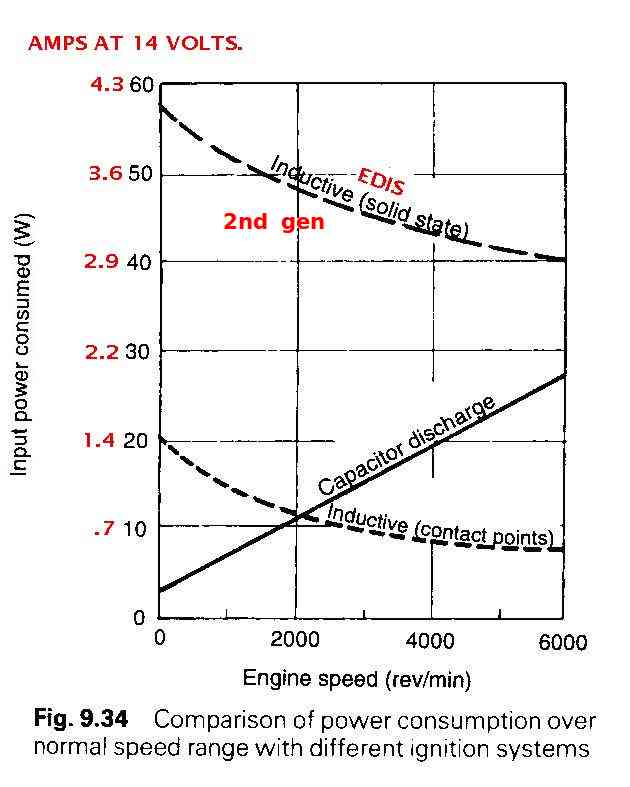
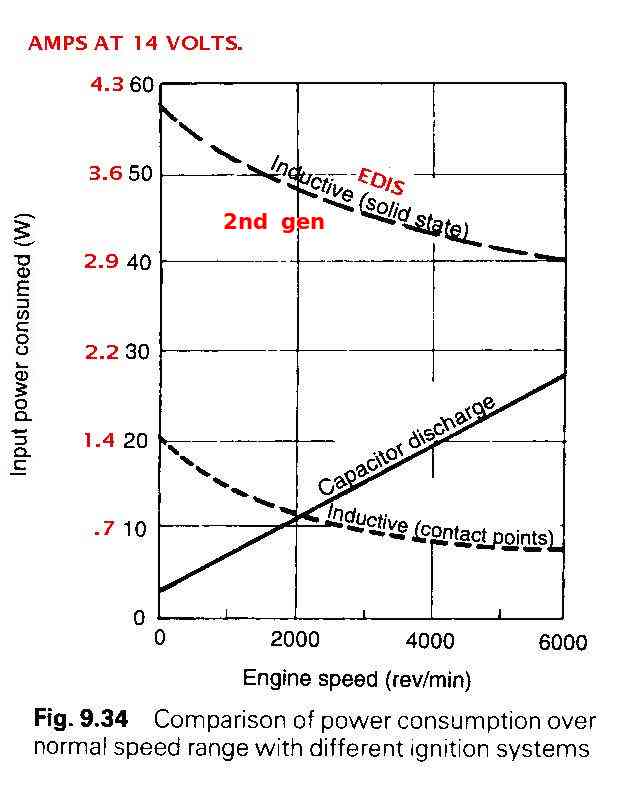
Weight, size, cost, availability and current drain. If you lose the alt you have a
limited time to fly.

New RX8 coils are $25 each and readily available. Current drain is low at low RPM and
increases with RPM like a CD system.

We could use the 24 teeth in the 2nd gen CAS but that too has not been made for 22
years. It has been done away with in 1993 and since it is not there it does not weigh
anything.

We could use the time between engine TDC's and a PIC 16 bit counter to calculate the
RPM and I am looking into that. Does away with the ABS sensor looking at the flywheel
teeth. RPM update time is once a rev. That is 6.6 times a second at 400 RPM and 133
times a second at 8000 RPM. That may be enough.

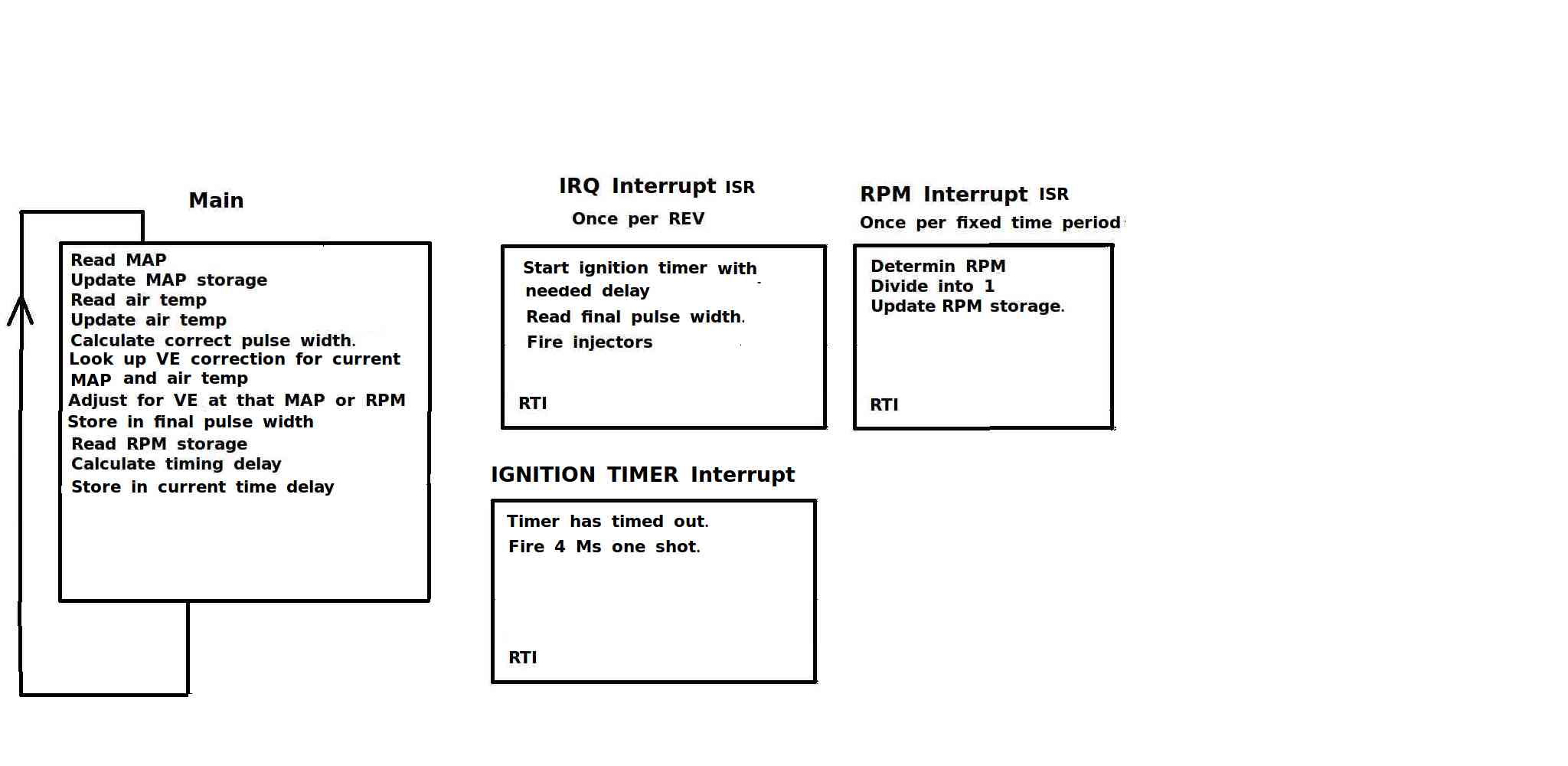
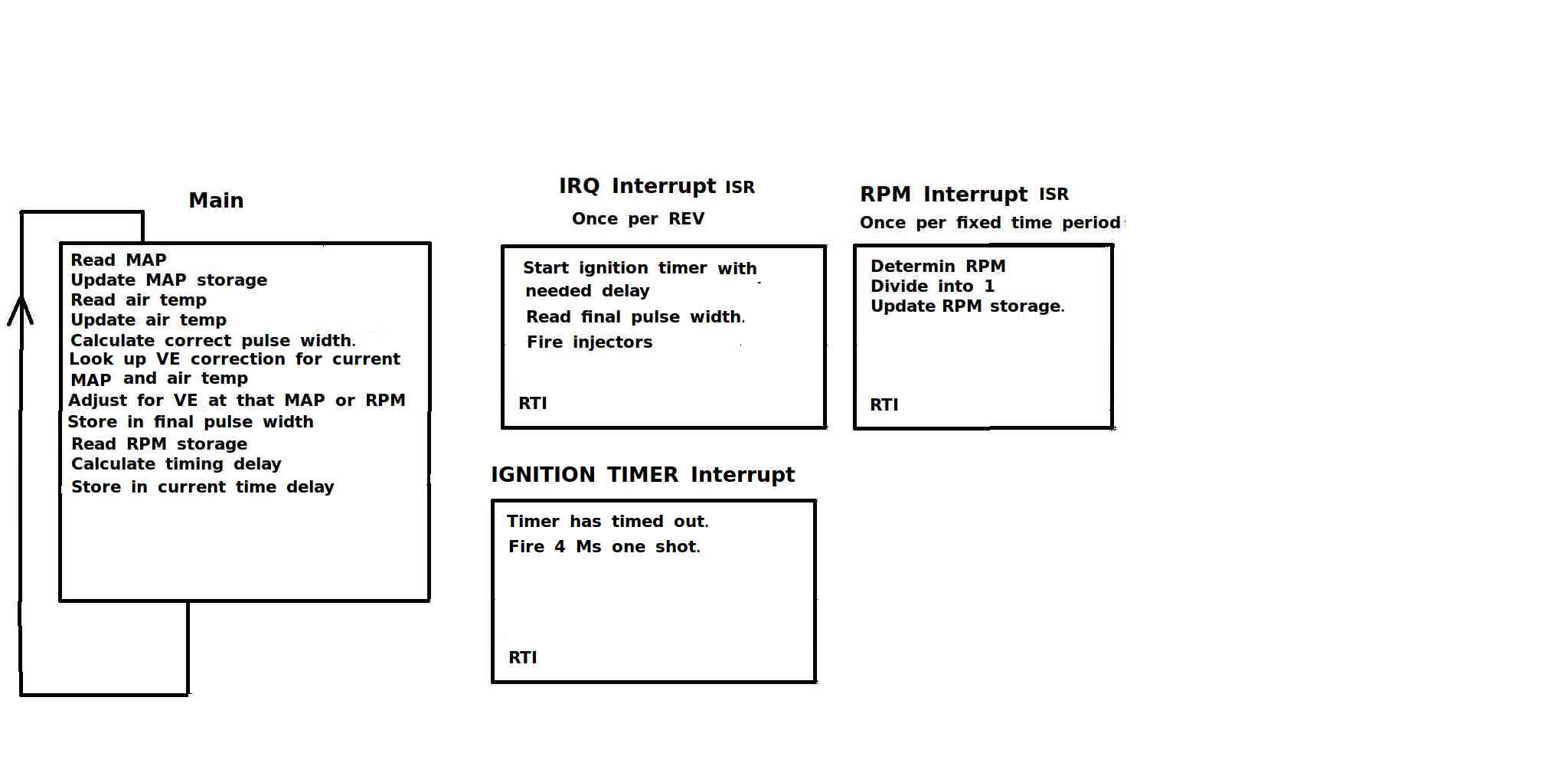
Here is the  latest flow chart for the ABS sensor on the flywheel teeth.

The beauty of the BASIC is things can be easily changed.

Paul Lamar
--
The Rotary Engine News Letter. Powered by Linux.
ACRE NL web site. http://www.rotaryeng.net
You Tube key word PaulLamar2
Copyright 1998-2012 All world wide rights reserved.