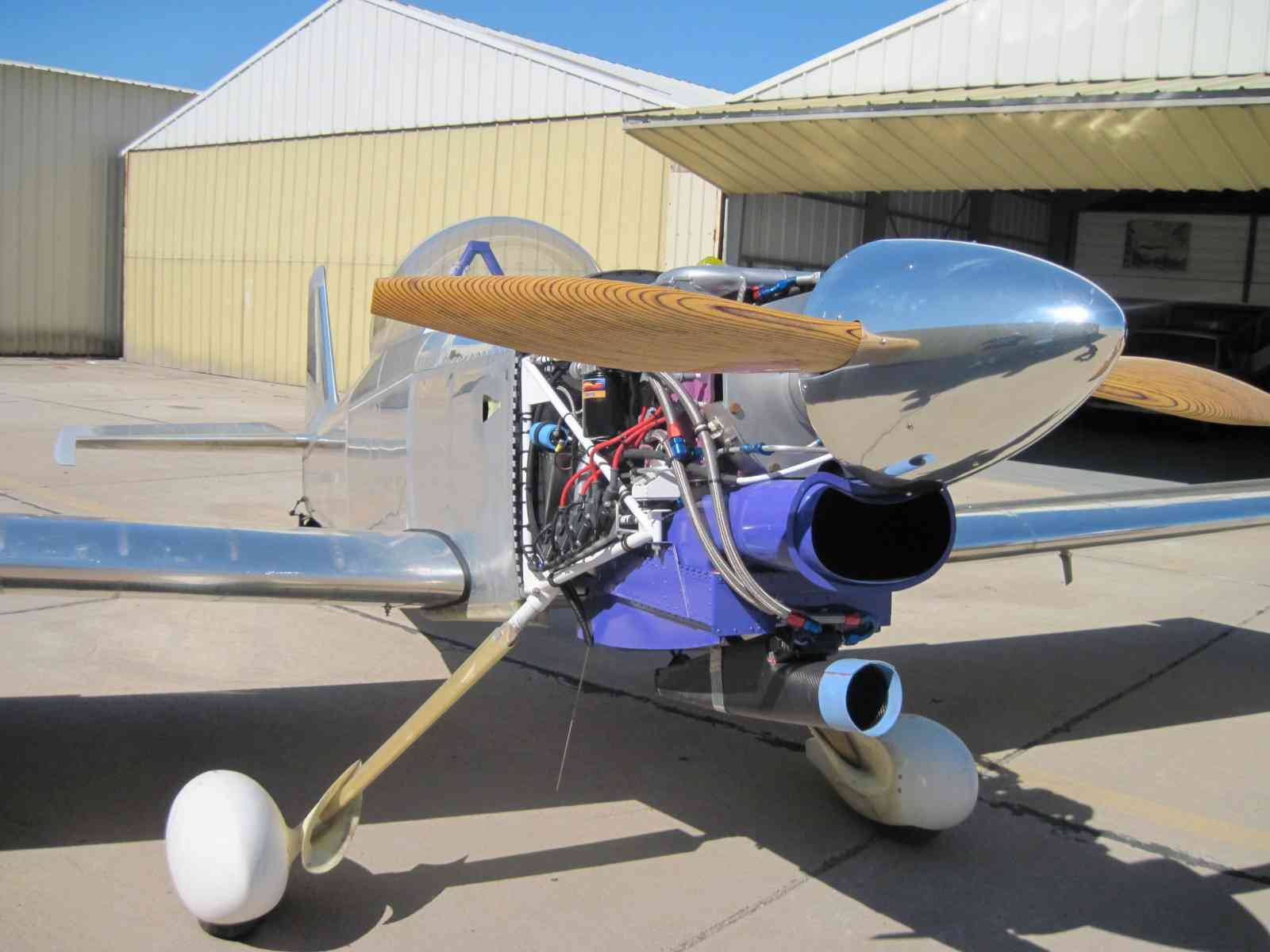
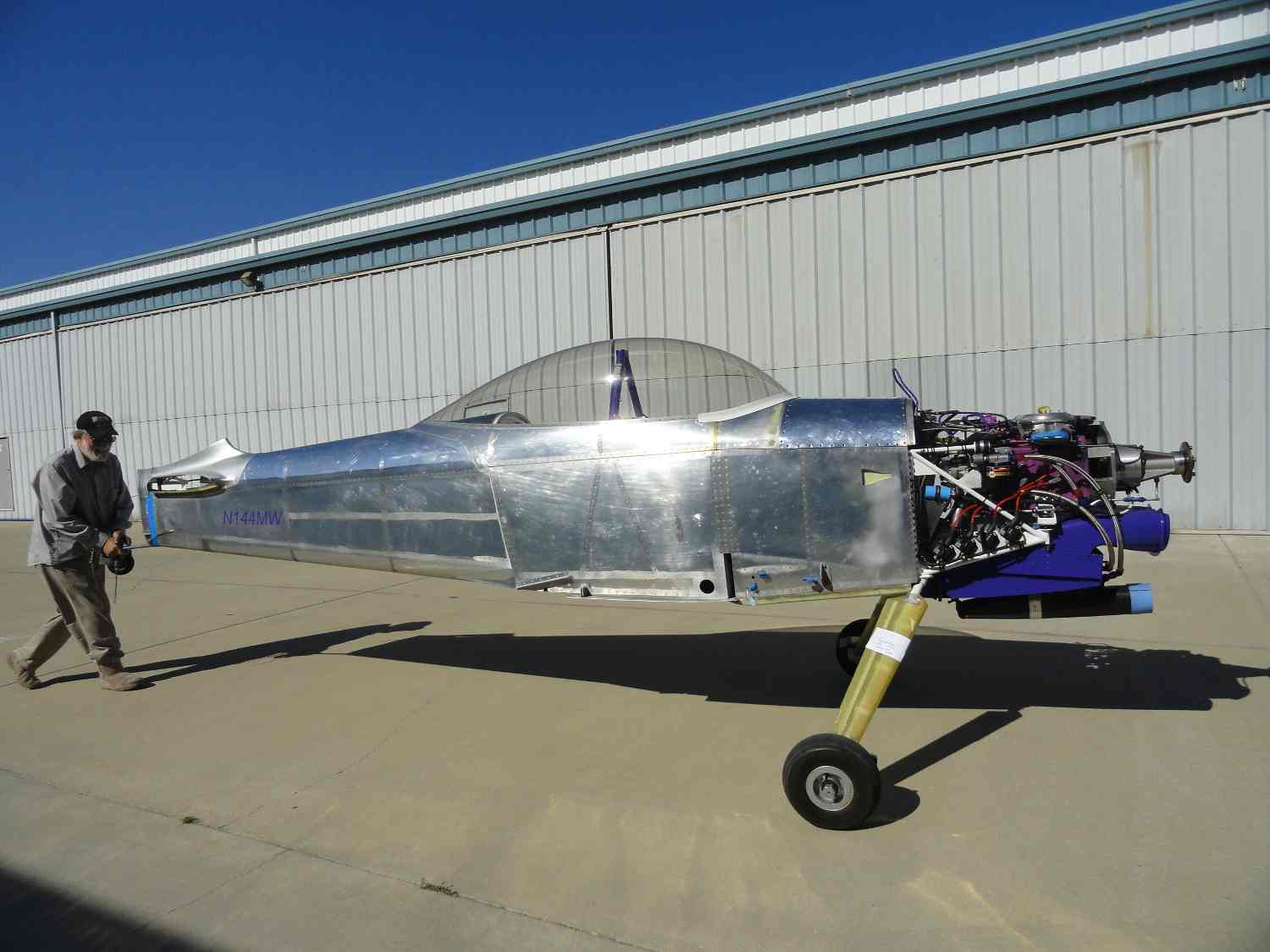
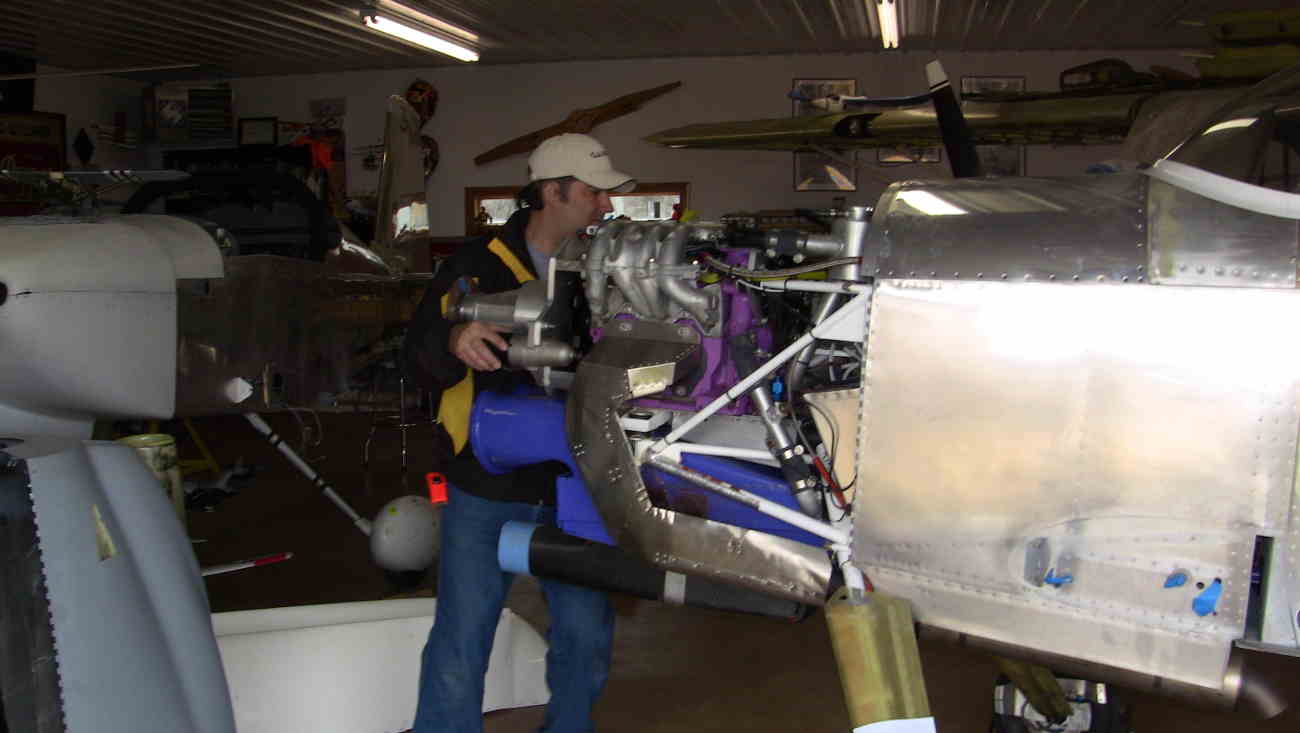
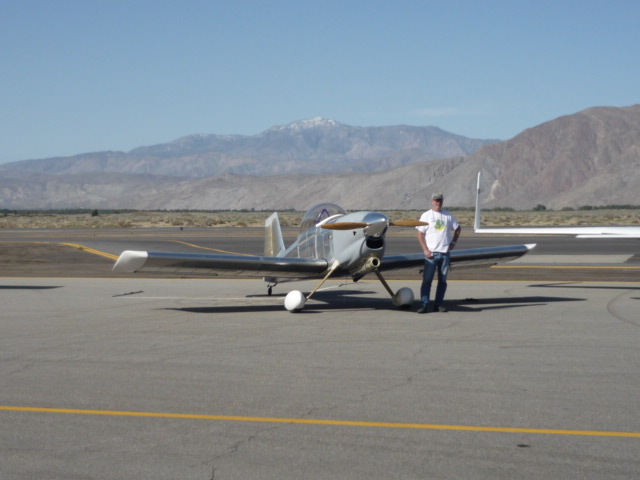
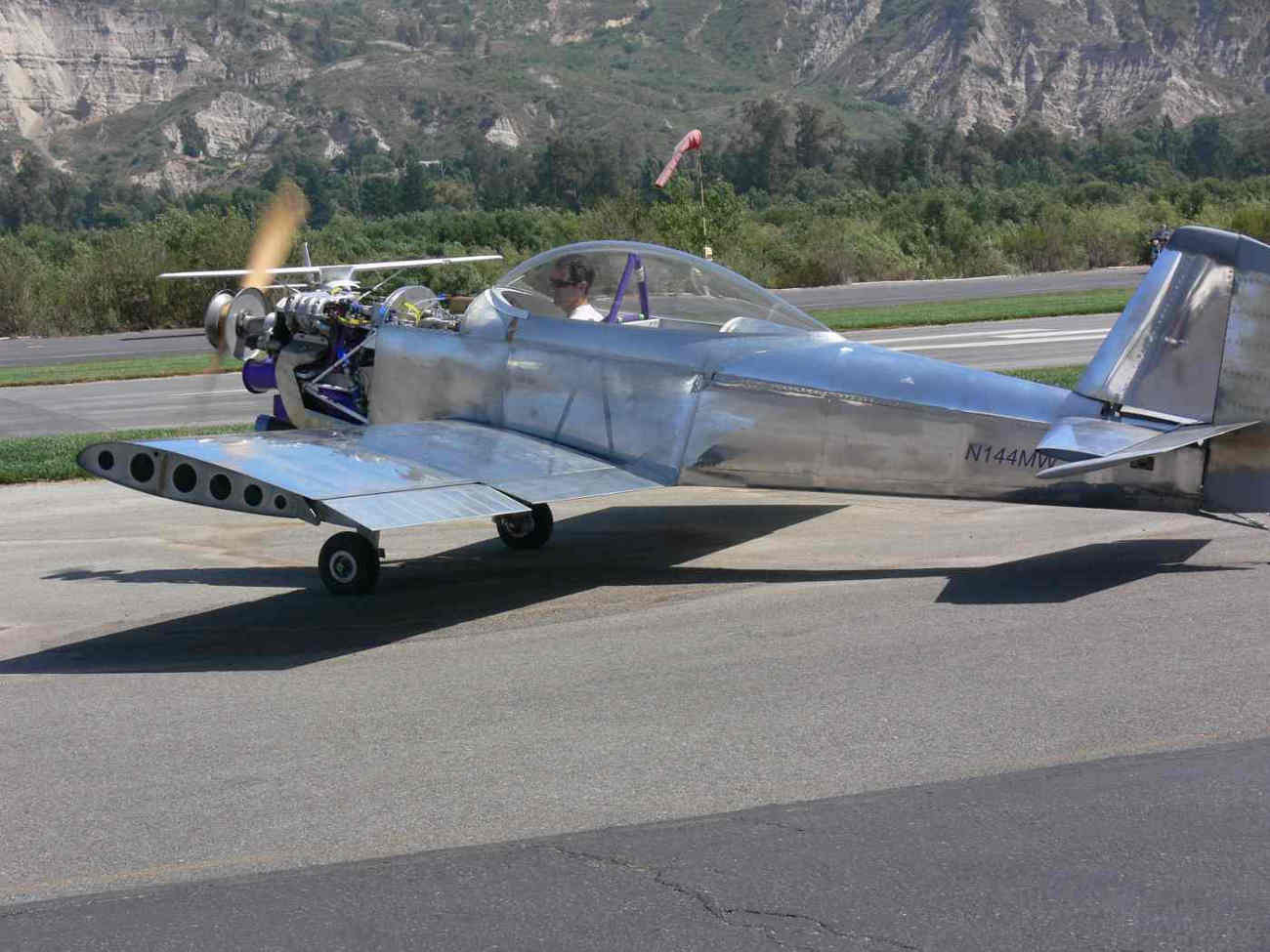
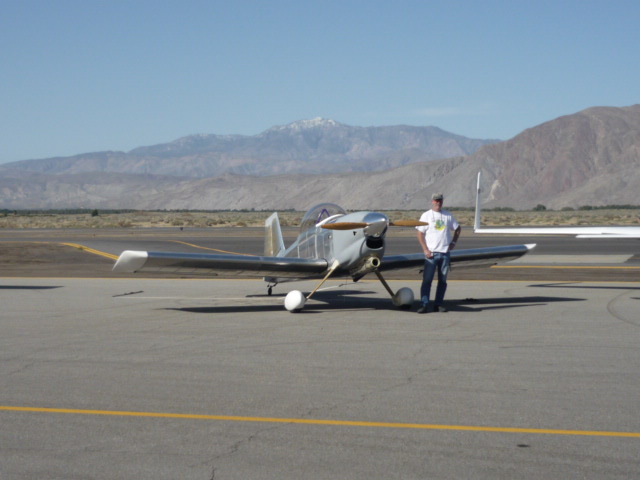
This week I flew my RV-4/13BREW from Everett Wa.  to MedfordOre.
 and back.  Headwinds on the way down were brisk- 30 kts at 8500
 feet onthe way down, but 35 kt tailwind on the way back.  The
 engine ran flawlessly but theplane is slow- true airspeed was
 110 kts at 19.5 manifold pressure,5600 rpm oiltemp 161 and
 coolant 170, fuel flow around 8 gpm.

 My prop is a three blade Catto, 72 diax 88 pitch.  For one, the
 plane is over propped.  I'm going to have CraigCatto cut it down
 a little during the winter maintenance.  The other thing is
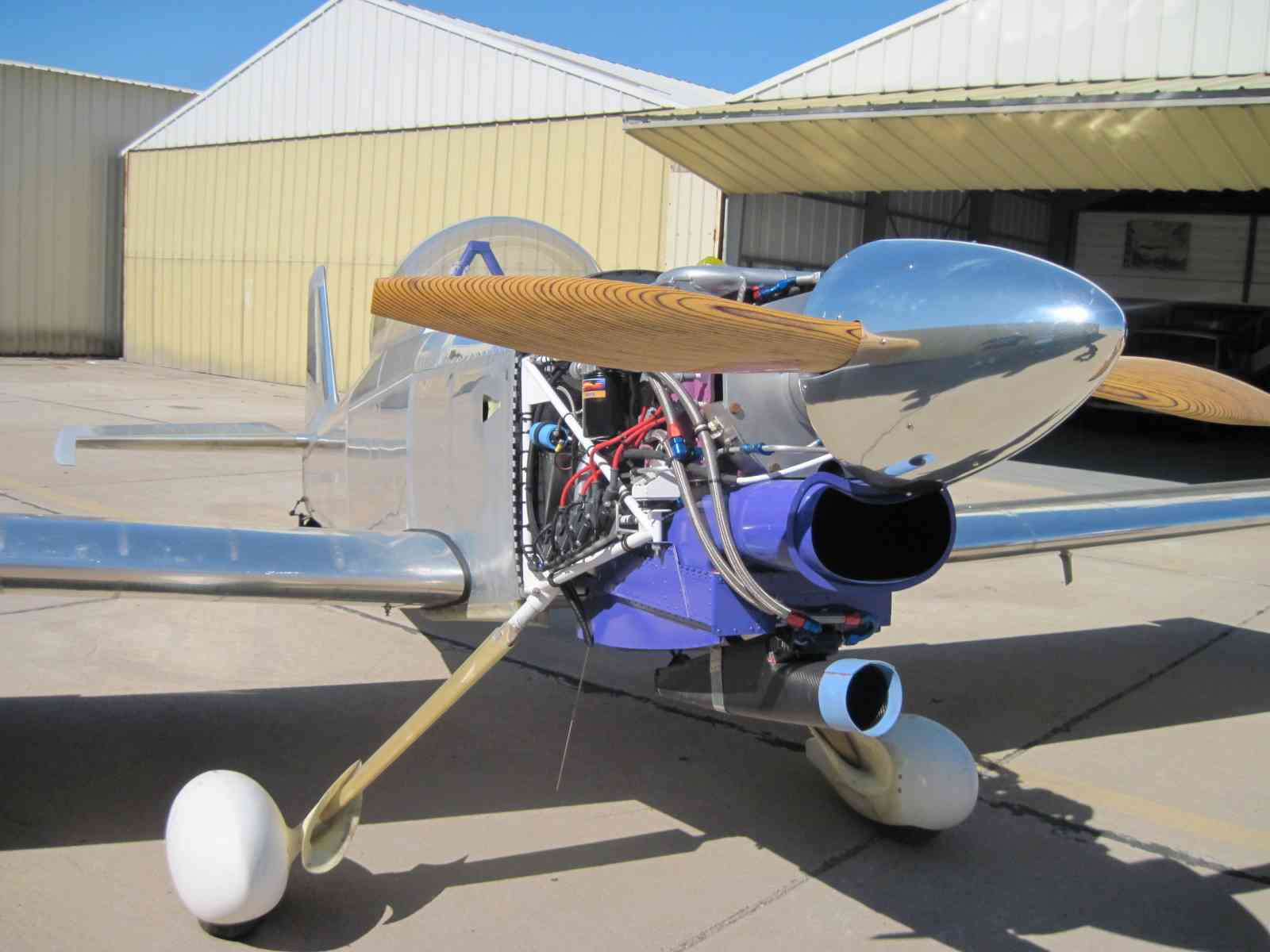
 that the cooling scoop is effective, but way too draggy, so I'm
 going to re-do it this winter.

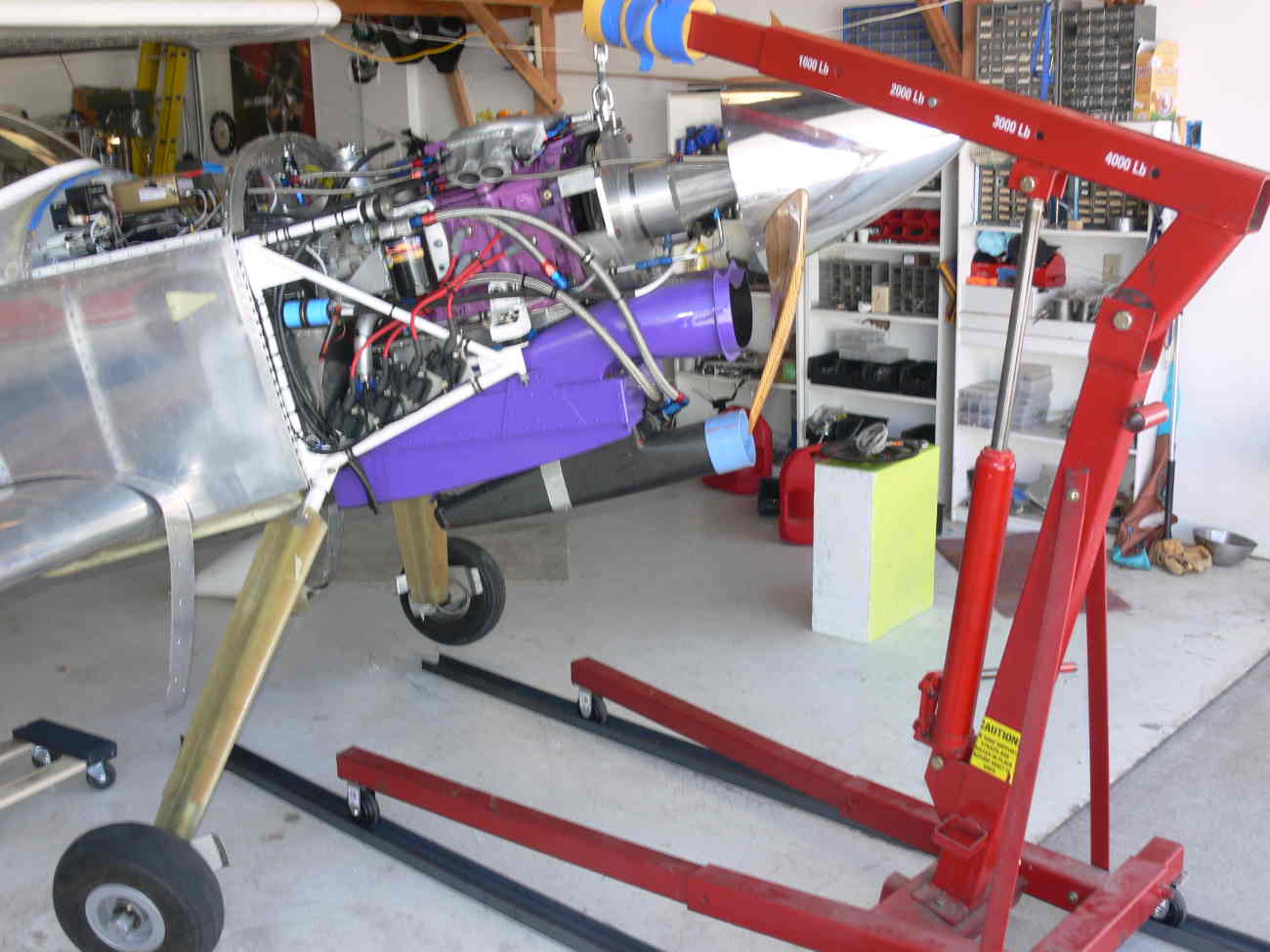
 Another issue is my left brake line- I"ve melted it twice. It's
 plastic, and although it is shielded from the exhaust pipes and
 insulated with fiberfrax, I think that heated air from the
 exhaust pipes is being forced out the opening in the cowl where
 the brake line goes to the gear leg.  That's where I have found
 the line melted.

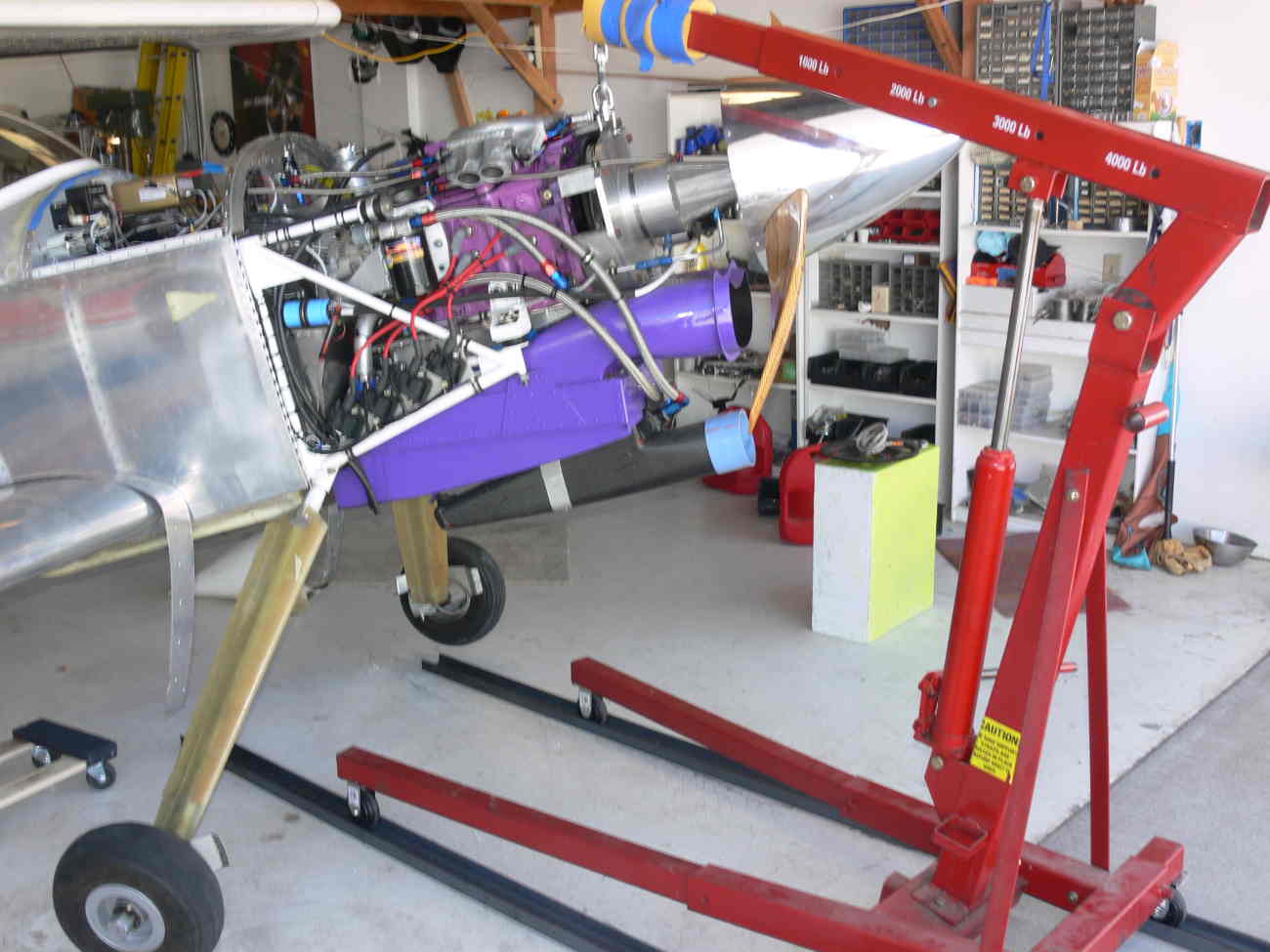
 I want to put a reverse scoop near the exhaust
 pipes to get the heated air out of the cowl, and to replace the
 brake line with stainless steel.  Everything inside the cowl
 except for the brake line looks OK- I wrapped and shielded
 everything - wires, coolant, fuel,and oil lines.  There are
 three NACA ducts bringing air into the cowl to cool the
 alternator, the coils and exhaust pipes, and an exhaust eductor
 to suck air through the cowl and over the muffler.


   Comments?

   Brian Trubee

   Couple of questions.
   EGT?
   Size of throttle body?
   Is the engine ported?

   The manifold pressure is very low.

   Is the air filter plugged? :)
   Are you getting cold air?

   8 GPH is 50 pounds per hour at 6.25 pounds per gallon. At a BSFC of .47
   leaned that
   is only 106 HP. At a fuel burn of .5 that is only 100 HP. If it is really
   rich and
   the BSFC is .55 and that is only 90 HP.

   You need a p-port Brian :)

   Paul Lamar


   Brian,

   As some of you know my Wheeler will be a blend of certified parts and
   experimental parts. I noticed the issues with the nylon brake lines long
   ago. I went to NAPA and bought (8) 12" standard brake lines that go on
   trucks from the hard line to the wheels. I also bought a 25 foot roll of
   3/32 brake tubing, 24 double flare fittings, and a double flare tool.
   Total
   for all of this was $170.00. After I got back to my plane, within 2 hours
   I
   had the brake lines made up from the master cylinders to the wheels. Galv
   steel line inside the cockpit, 12 inch flex at the master cylinders, at
   the
   turn into the wings (mine are removable) one more at the flex point of
 the
   gear leg, and the last one at the wheel. I don't anticipate melting my
   brake lines. This is the way my Viking was done, and I had no issues with
   my 1968 Viking until I blew the Continental up.

   My fuel and oil system will be similar. The materials are inexpensive,
 and
   the labor is minimal. Cheap insurance.


   Kevin Alderman

   brian,
                 This is the blind leading the blind as I have yet to depart
   the earth, but tied to a tree I get MP of 22 at 5000 rpm and from memory
   24
   at 5600 rpm.  Where are you reading it from?  Neil.


   It's been a while since I did any static runs on the ground. I"d just be
   guessing at
   this point to give some numbers for static running.

   Brian Trubee


   Brian,

   You stated "...my EGT temps- they show up to 2000 at times- and above
   1800 most of the time in cruise."  I too experienced very high EGT's
   in excess of 1800* when I was using a muffler that was too
   restrictive.  Also, power was way down, but it was quiet.  ;-)  The
   high temps ended up damaging the o-rings and I had to rebuild the
   engine.  Since replacing the muffler the egt's have dropped down to
   1600 - 1650* range and power is much improved.  I suggest you examine
   and modify or replace your current muffler.

   Mark


 The best muffler for a rotary is 3 to 8 feet long about 4 to 5 inches in
 diameter.
 That gives the lowest aero drag for a given silencing. Lowest frontal
 area. Mufflers
 work by the exhaust gases rubbing on the metal surface losing kinetic
 energy to skin
 friction and losing heat to the metal surfaces. The cooler the gases in a
 pipe the
 lower the gas speed. When high speed gas exits a pipe there is a sudden
 expansion
 that causes the noise. The idea here is to cool the gases before they get
 to the end
 of the inner pipe.

 The inner tube is best done in .045 Inconnel but there is a trade off with
 thickness.
 If you make the inner tube 2 inches in diameter and use 321 SS make it
 .065 thick
 with a bunch of holes drilled in it. The outer tube can be .030" thick 321
 SS as it
 will always run cooler. Also make the front of the muffler look like this.

 Don't drill any holes for the first 8 to 10 inches. The slip stream will
 blow cooling
 air down between the coaxial tubes. At the back end make the inner tube 6
 inches
 shorter than the outer tube. That will act as an ejector to draw cooling
 air between
 the two tubes. Patent applied for:)


   A 2 inch diameter SS tube .065 thick 72 inches long will weigh about 8.8
   pounds.

   A 4 inch diameter SS tube .030 thick 72 inches long will weigh about 7.50
   pounds.

   Here is a dwg.

   A 2.5 inch inner tube and a 5 and 1/2 inch outer tube may give a little
   less back
   pressure for a weight trade off.

   Paul Lamar


   Paul,

 If it is inside the cowl, drag is insignificant.  You forgot to consider
 the "UGLY FACTOR".  Maybe you could put fins on it and tell everyone it is
 a torpedo.  ;-)  Personally, I don't want an 8' pipe hanging on the belly
 of my a/c.  As I recall, the perfect exhaust system is 105" in length.  But
 I don't see anyone flying with that type of system either.

 IMHO, the best muffler is a turbo.

 Mark

 Agreed on the turbo.

 It looks better on flat bottom RV's.:)

 Paul Lamar

 It is also easy to say as you have a 48" wide cowl :)


 Paul Lamar

 Yes, I had my reasons for choosing the Lancair ES kit.  A 4' wide firewall
 was one of them.

 Mark

 It's around 24 inches on a RV4 as I recall.

 Paul Lamar


 Brian,
 If you have a non -contacting infrared temperature gage you could measure
 the temp of
 the muffler after a static run up. That assumes that the prop slip stream
 is almost
 as good at cooling it as free stream.

 Paul Lamar

 I can borrow one of those locally, but thanks for the offer.

 Brian Trubee

 One of those little LED flash lights taped to the neck will help.

 Paul Lamar

 Paul,

"... makes for a slick looking cowl."  Yes, but then you end up with a big
ugly muffler hanging from the belly.  ;-(

Mark

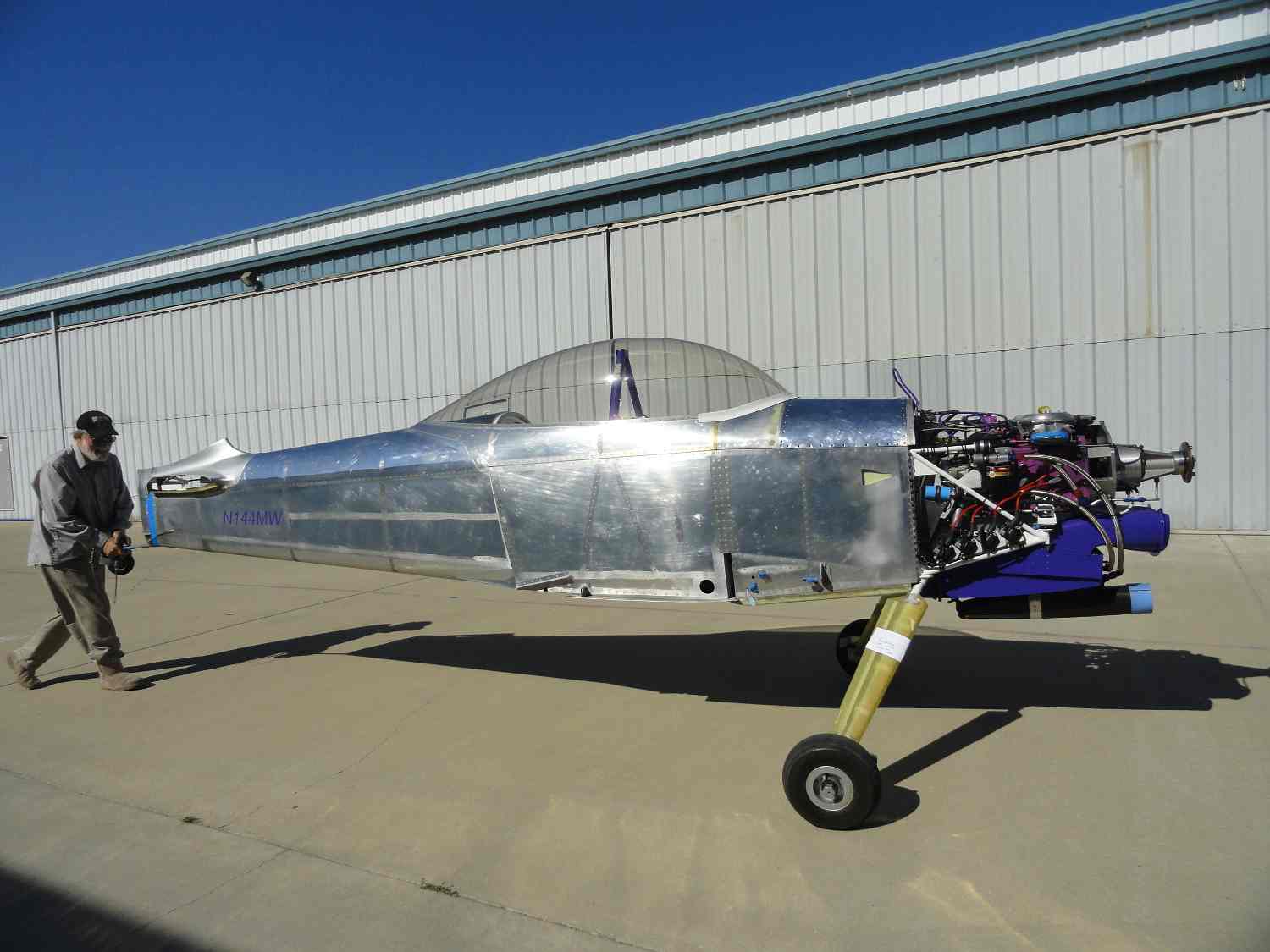
It is not ugly. From most angles you can't even see it. From the left front it looks
like part of the fuse.

Lets see if I can find a better picture of Mike's airplane. Here are a few. Actually
standing along side you don't even notice it. The outer layer could be a U shaped
aluminum hat section fairing rivnut fastened to the bottom skin and insulated with a
layer of fiber frax (good to 2600 F)  and a thin sheet of stainless steel. That
assemble would form the outer tube of the coaxial muffler. Similar to what Brian did
only but not all the way across the bottom of the fuse.

Anyway the RV4 is a unique case. Most aircraft have a cowl large enough to get an
internally cooled tangential muffler totally located within the cowl.

Take a picture of your current muffler and send it to us.

Paul Lamar
--
The Rotary Engine News Letter. Powered by Linux.
ACRE NL web site. http://www.rotaryeng.net
You Tube key word PaulLamar2
Copyright 1998-2012 All world wide rights reserved.