We'll I finally got some time off to check out my airplane after the
round trip from
Everett to Medford. The heat cooked my left brake line, and I
suspected the muffler
had too much back pressure, so I resolved to investigate. Here's
what I found when I
removed my Hushpower from the airplane. There is way too much heat
coming off my
muffler- the powder coating on my engine mount is cooked near the
exhaust pipes, even
though I coverd them with fiberfrax and placed a SS heat sheild to
cover the tubes
from view of the exhaust. The muffler was making like a baby rattle
so I cut it open
and this stuff came out of the inlet side. I'll send more pictures
of the innards.
What I have is an RV-4 with the radiators and oil cooler hung
underneath the plane in
a scoop that is reminiscent of a P-51. I had the muffler submerged
under the
fuselage. I"m thinking that it would be better to have the exhaust
pipes exit the
side of the cowl, in a reverse scoop that would vent a huge amount
of heat from the
cowl. The muffler would be a straight 6 foot muffler like the one
Paul outlined about
a week ago. It would be mounted along the side of the fuselage. I
hate to ruin the
clean lines of an RV-4, but nothing would ruin it more than having a
mechanical
failure due to excessive exhaust heat bringing the plane down. My
biggest worry about
this rotary conversion is excessive exhaust heat and how to manage
it effectively.
Here is the muffler cut open. The red chunks are what is left of the
melted
insulation material between the perforated inner case and outer. The
outer case
showed signs of bulging. The perforated inner case was split on the
seam closest to
the camera. The inner cone material which is also perforated was
mostly gone, but big
chunks were still left inside the muffler and undoubtedly were
causing some obstruction.
Here's the split in the inner perforated case. Not real confidence
inspiring.
Crap that I shook out of my baby rattle/Hushpower muffler.
Brian Trubee
That will work out OK but I would put it on the bottom like Mike did.
I think you could get the rad under the engine.
Either that or use a narrower rad and put it next to the rad under
the fuse.
Paul Lamar
I'd better take some time to think about it- running the exhaust
under the fuselage,
around engine mount tubes, near the coolant lines, near the
radiator, making
allowances for cooling duct considerations, etc, not to mention
momentary cash flow
situation etc. I'm inclined to just exit out the side of the cowl-
makes all those
considerations other than $ easy to address.
Brian Trubee
I am not sure you have enough room to do it this way but it is sort
of what Mike
wound up with. He had the advantage of his motor mount being further
back. These are
two inch tubes with 3 inch CL radius bends. If you have Wagner pipes
the bend CL
radius is bit tighter and the OD is 1 7/8" as I recall. Under the
engines the tubes
can be side by side. I'll modify the 3D for that.
BTW we might make it up there next week. We will try to go from SFO
to SEATAC
on Monday. I put your number in my cell.
Paul Lamar
Here is what it looks like side by side under the engine.
Perhaps it is possible to shorten the top pipe a bit more.
That is the great thing about 3D. It is quicker than doing it with
hardware.
Paul Lamar
Paul,
Brian's engine's high EGTs are aggravated by the exhaust back pressure
and the added reversion from the side intake ports. The burn-rate
suffers with extra reversion.
You probably set advance by MBT. Do you see much difference in advance
between peripheral and side port engines?
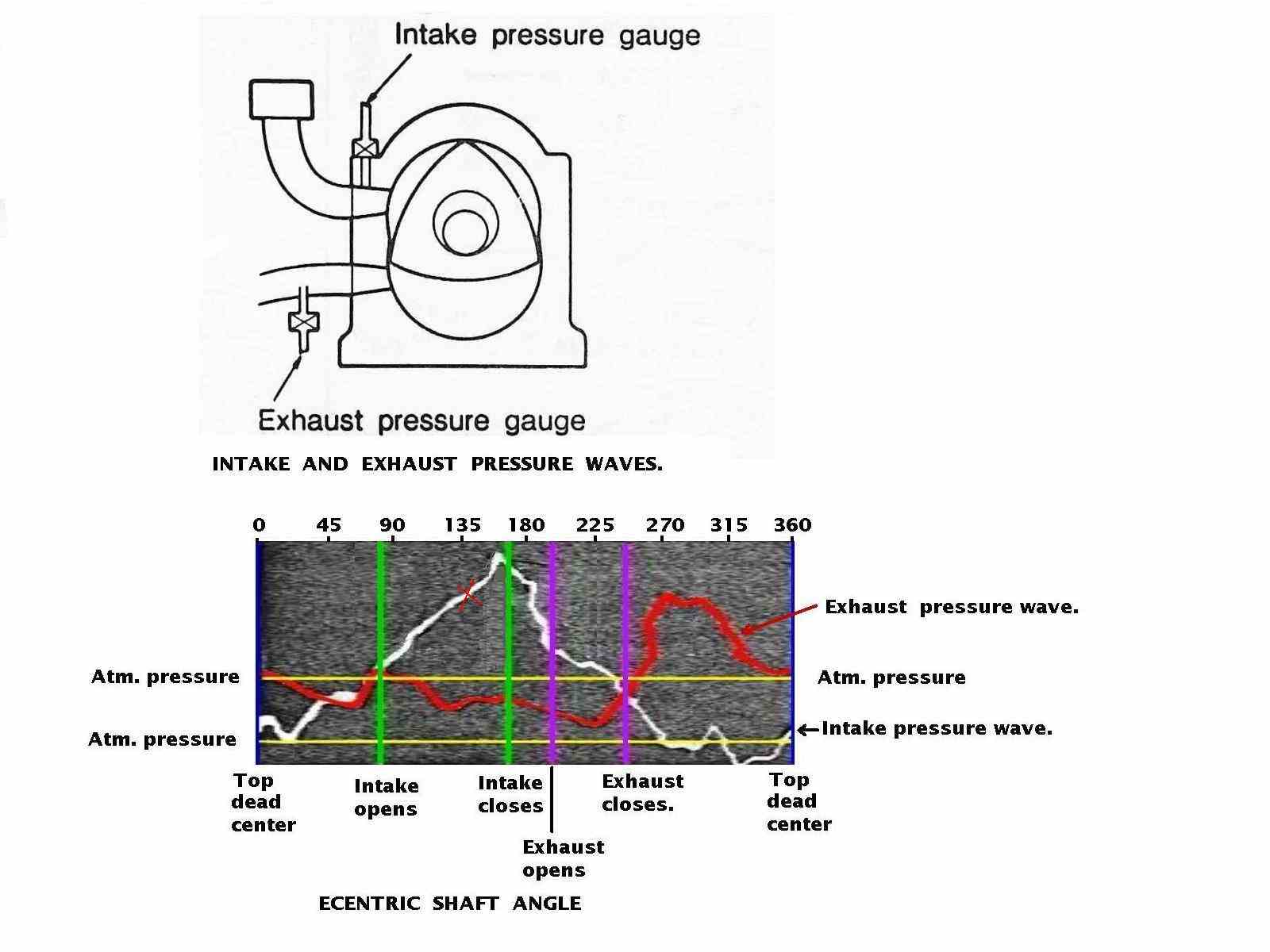
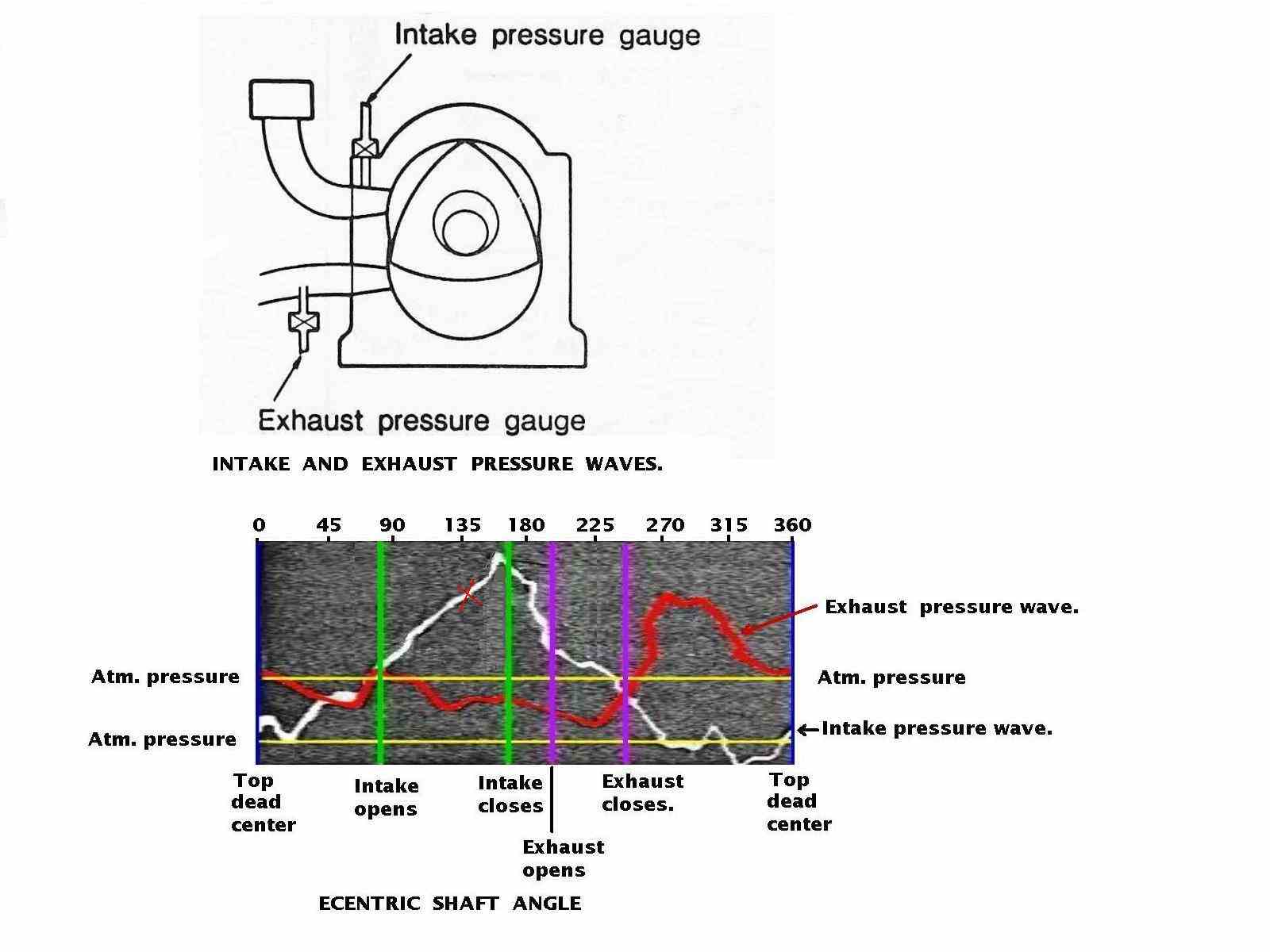
Have you tried to install the pressure sensors in both the intake and
exhaust to analyze the differential when the ports are in overlap?
What is response time those sensors shown in some earlier posts?
I would like to try to use them in conjunction with TFX's 330KHz
combustion pressure sensors for intake and exhaust tuning.
Attached shows actual theoretical pressure changes with different
ignition advance.
http://s287.photobucket.com/albums/ll129/bbordes/?action=view¤t=combustionlate.jpg
<http://s287.photobucket.com/albums/ll129/bbordes/?action=view¤t=combustionlate.jpg>
Barry
That would be interesting but we have not measured the pressure diff.
What Mazda did in that regard is all we have to go on.
Paul Lamar
--
The Rotary Engine News Letter. Powered by Linux.
ACRE NL web site.
http://www.rotaryeng.net
You Tube key word PaulLamar2
Copyright 1998-2012 All world wide rights reserved.