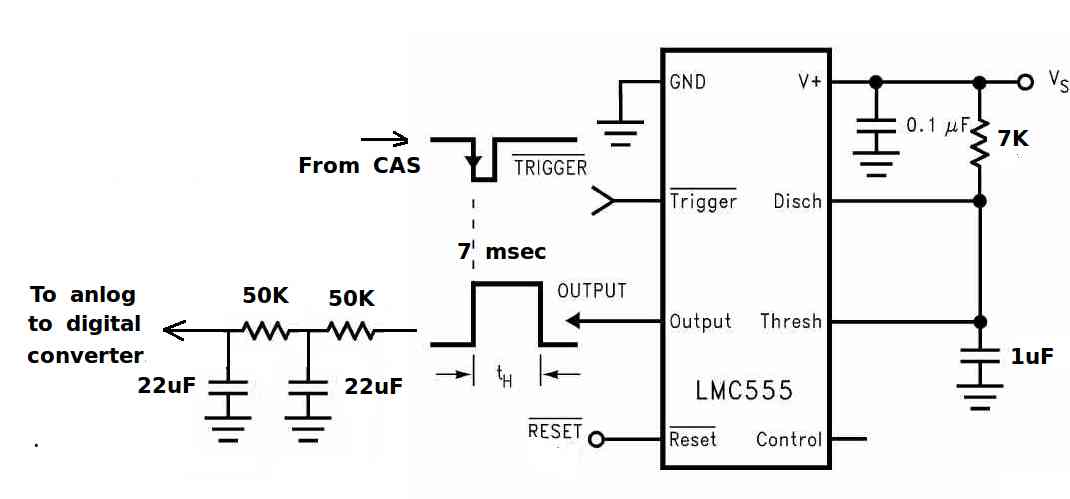
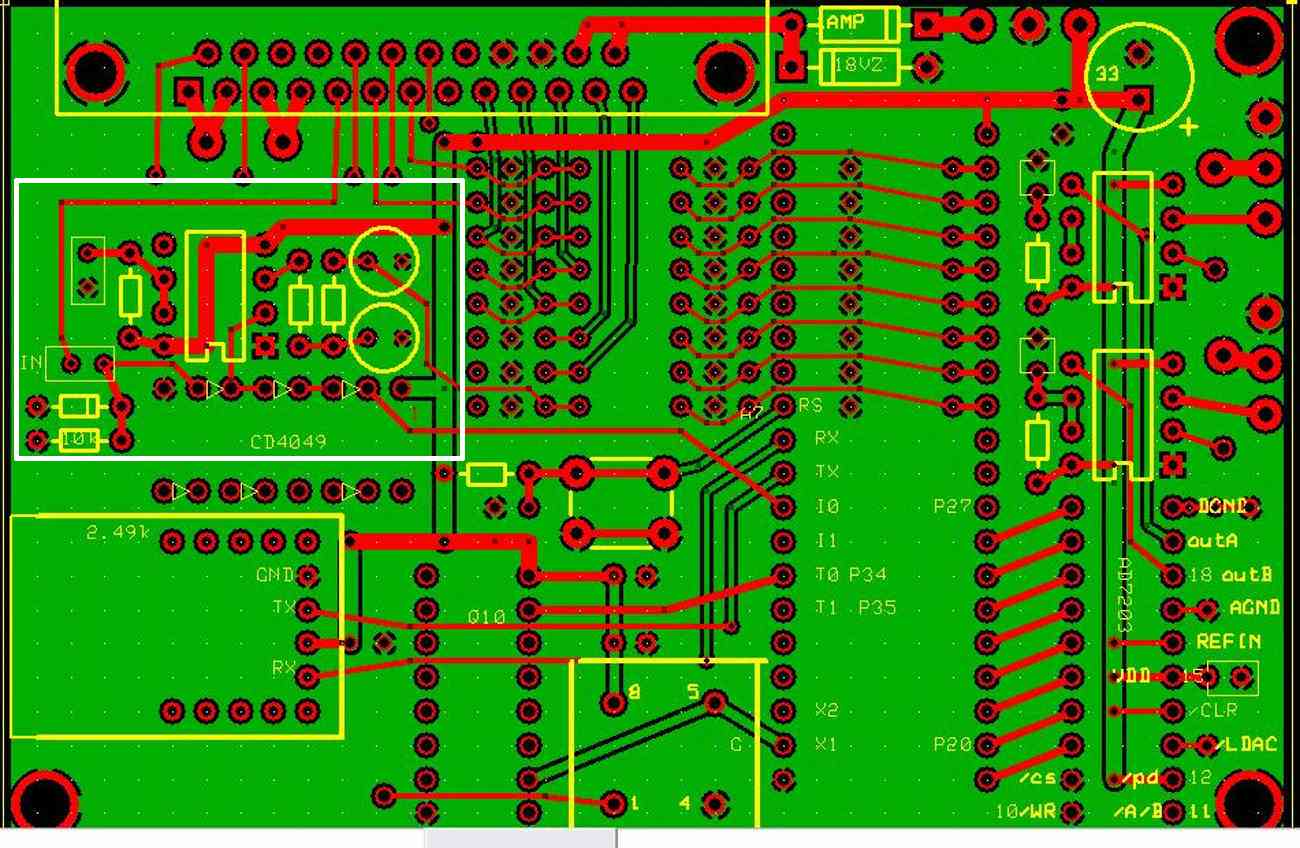
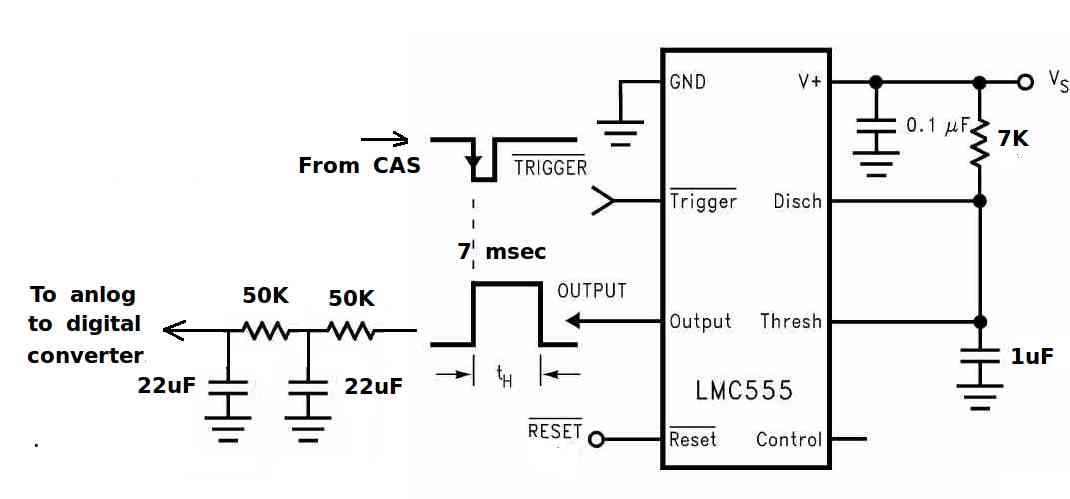
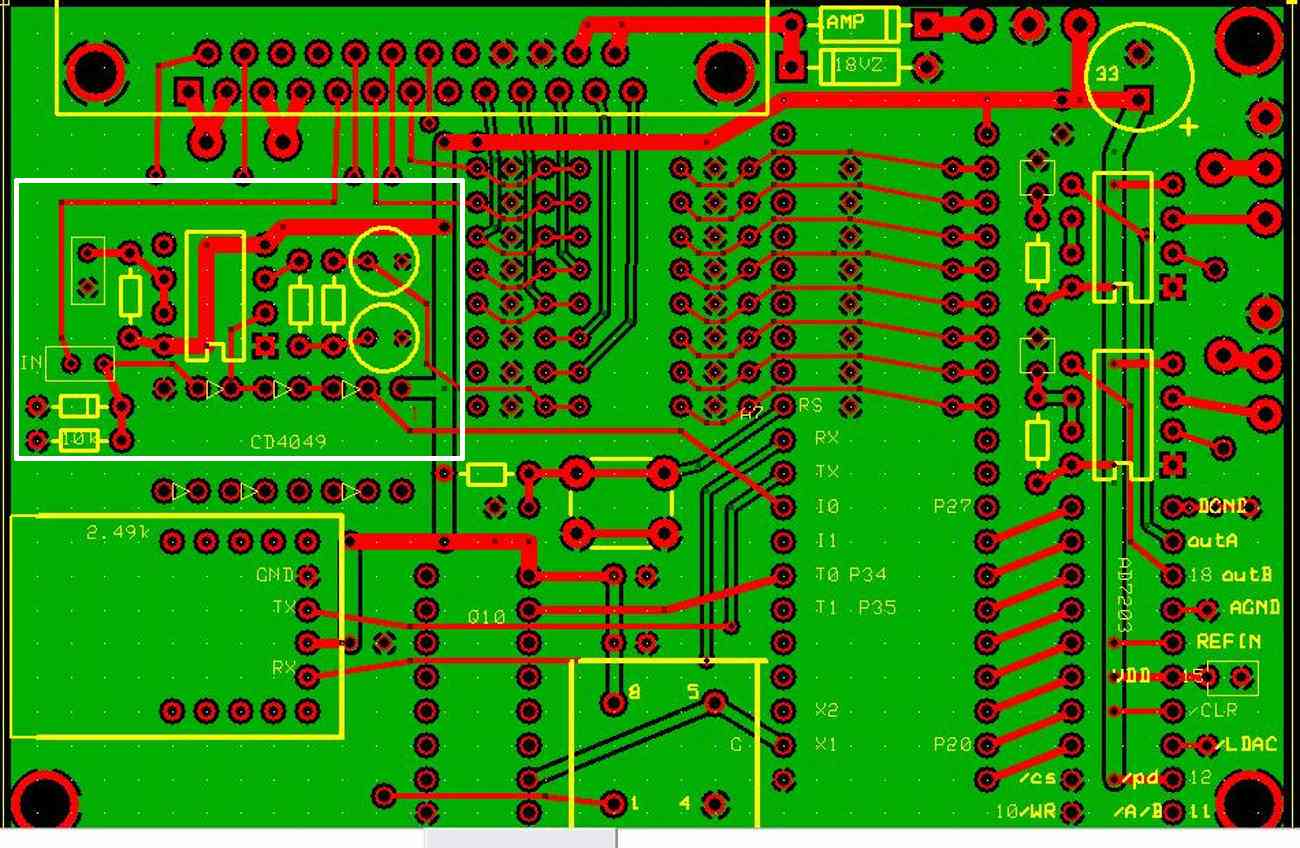
Paul, My situation [flex plate failure] was exacerbated by a lengthy period of tuning issues. Turns out it needed diodes on each of the fuel injectors. There was also a problem with the Renesis style CAS, which I later had converted back to the stock CAS. I'm sure the rough running engine didn't help the gearbox any. Mark The RX8 style trigger wheel with one CAS is difficult to handle in software over a wide RPM range. It is easier to use two CAS's 180 degrees out. The RX8 software must discriminate between 3 different wave shapes. It takes a very fast processor and maybe an EFI specialised computer chip to do that. Or missing pulse hardware. Which CAS system did you revert too? The 2nd gen or 3rd gen? Tell me more about the diodes on the fuel injectors. FET's usually have them built in. Paul Lamar Paul, I reverted back to the 2nd gen CAS... the one that came with the engine. My EC-2 was initially set up for the 2nd gen CAS, but I decided to change to the newer Renesis "crank mount" style. Tracy had to "convert" my EC-2 to work with that system. After over a year of trying to tune it, I finally had it changed back. It was an improvement, but there were still tuning problems. It wasn't until after Tracy told me about the 3-rotor applications needing diodes in the injector circuits (very near the injectors) was the problem fixed. I don't think the diodes are needed on the 2-rotor engines, or with the new EC-3 controllers. Mark That version has two mag sensors. One for the RPM and one for 22 degrees BTC. That is much easier to deal with in software. I have an early EFI and I will take a look at the FET's and see if they are the kind with the built in diodes. Paul Lamar Timers are used in EFI CPU's to interpret the data coming in from the CAS. A little background on CPU timers. Obviously one of the primary uses of timers is to measure time. Duh :) When a timer is used to measure time it is also called an "interval timer" since it is measuring the time of the interval between two events. It will increment by 1 every machine cycle or 921,583 times per second in a CPU. 8000 RPM is only 133 revolutions per second. In a 2nd gen CAS there are 24 teeth on the lower wheel but it rotates at half engine speed. That means there are 12 pulses coming out of the lower mag pickup in one rev of the engine. Times 133 and we get a frequency of 1596 PPS. That means the timer in the CPU can easily determine the length of time for one of those teeth to go by the lower mag pickup. The resolution of the measurement is 921,583/1596 or one part in 577. More than enough resolution for RPM and we are checking the RPM 12 times per engine revolution. The drawback to this method is the processor is being interrupted 1596 times a second. That is once every 625 usecs. It takes about 2 usecs to complete a asm instruction so we must get everything that needs to be done in about 300 instructions. Does not leave a lot of time to send engine parameters to the instrument panel display tablet or cell phone. Now having said all that I am not sure any given EFI program works in that fashion. There are other ways of doing it. Paul Lamar If counting time between events is the plan then would it not be far better to count the time between the single pulse per revolution that is used to trigger the ignition? That would leave way more time for auxiliary functions such as managing fuel injection and communicating with display hardware. There really isn't going to be even a percent or so of difference between the momentary RPM of one revolution as compared to the next. The longer time span between pulses would result in improved resolution, even with the error created by acceleration, than would be possible with 12 pulses per revolution anyway. One part in 921,583 at 8000 RPM.-- _ Mark LaPierre True Mark. And that is a good plan. The plan I am going to use is an analog tach which has way less software overhead. All that needs to be done is read an analog to digital converter. Not as accurate but a lot quicker and the rez is always 10 bits. No fooling around with timers required. Paul Lamar-- The Rotary Engine News Letter. Powered by Linux. ACRE NL web site. http://www.rotaryeng.net You Tube key word PaulLamar2 Copyright 1998-2012 All world wide rights reserved.