How is it that Tracy could use small radiators on his 13b and a smallish
radiator on his 20b, and get satisfactory cooling?
Tracy said that for his 13b he used junkyard GM A/C condensers one on each
side and reports that it cools quite well.

When I look at photos of the installations here, the radiators are
exponentially larger. How can Tracys engine cool adequately with the small
heat exchangers that he is using? I know that his engine is not P-ported
and therefore not producing the power that I am planning, but all things
considered even his 20b radiator isn't as big as some I have seen on here.

(I am sure that I will be enlightened with the book, and I can to the math
using the laws of thermodynamics), however either this group is going way
overkill with cooling capacity or Tracys setup is marginal at best.

 Any wise words? You guys with engines running and big radiators, do you
have adequate cooling, do you think your radiator is too big, just right,
etc?

I seem to have plenty of room to install a radiator on the side and have a
direct inlet from the front of the plane to the radiator, and this is
likely the route I will take. Just curious why some radiators are so big
and require draggy scoops, etc.

Kevin Alderman

You can stick a big rad out in the air stream like a WW 1 airplane  and it will cool
well. The trick is get it to cool with low cooling drag.

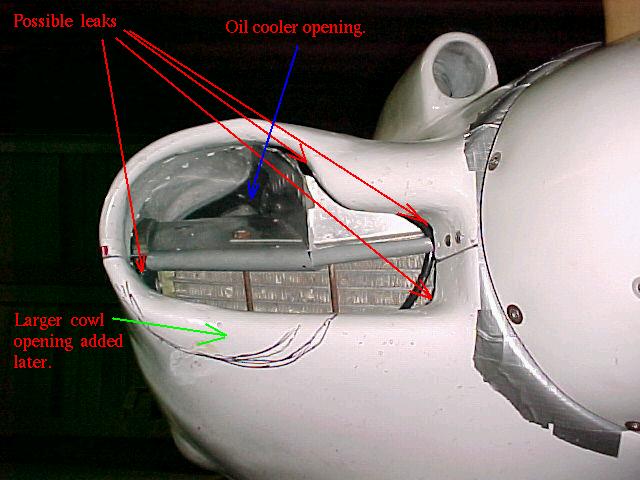
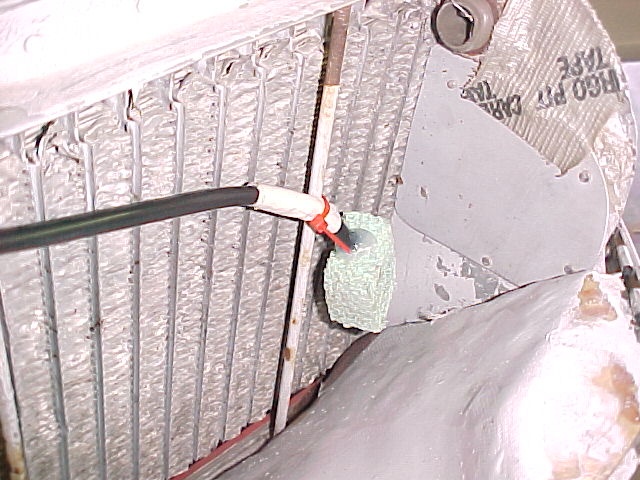
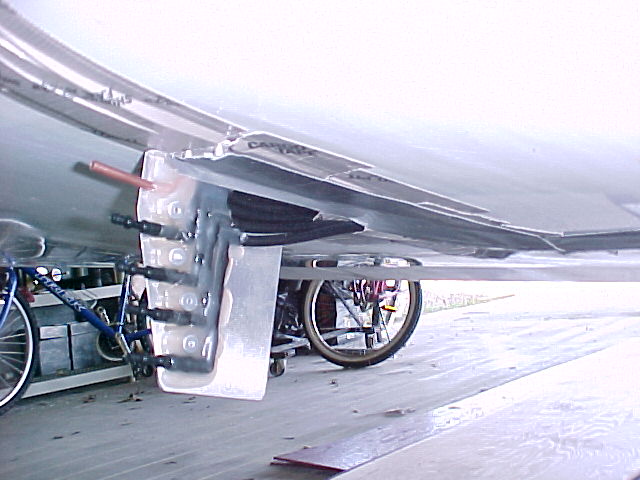
Smallish and thick are too different things. They are about 12 by 12 but they are
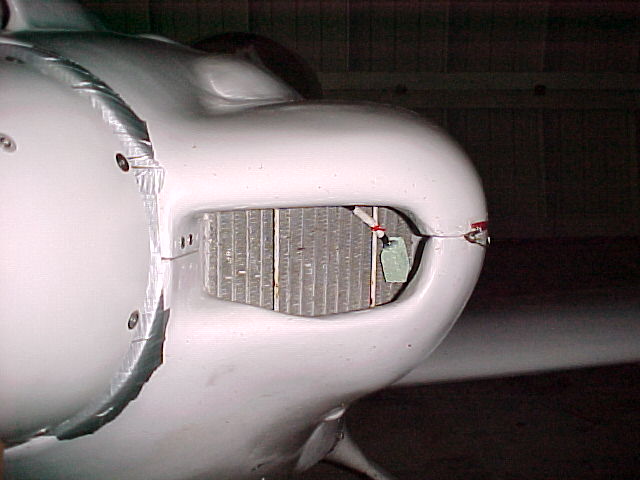
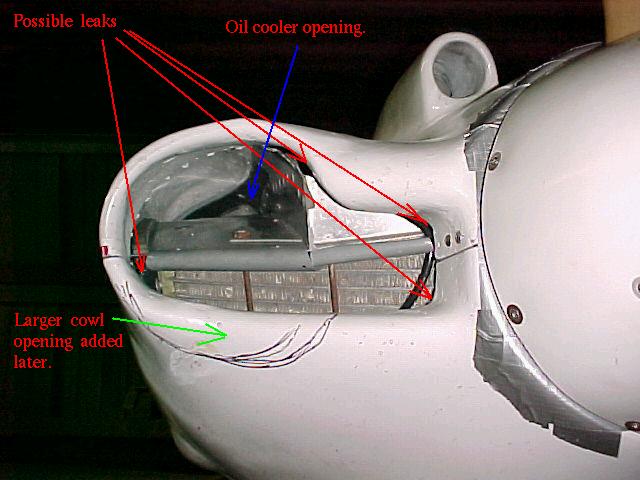
quite thick at 5.5 inches or so. Not the best for low cooling drag. You can see that
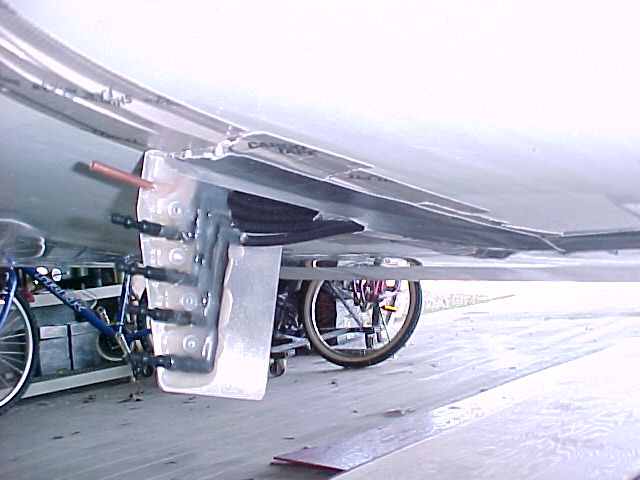
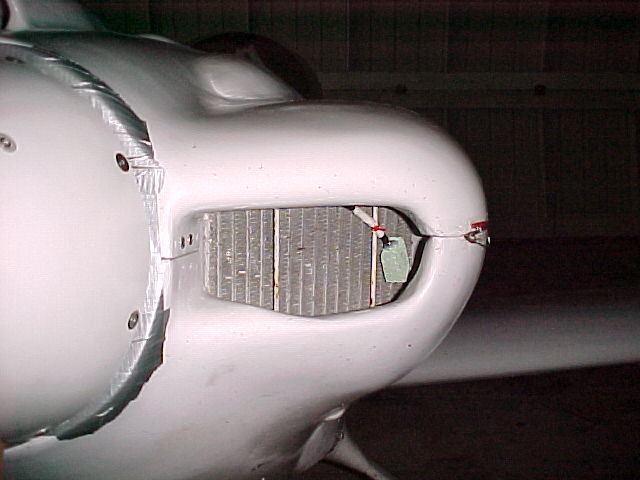
by the size of the cowl scoop openings. The necessary air mass  much go through the
core with low resistance to minmise drag.

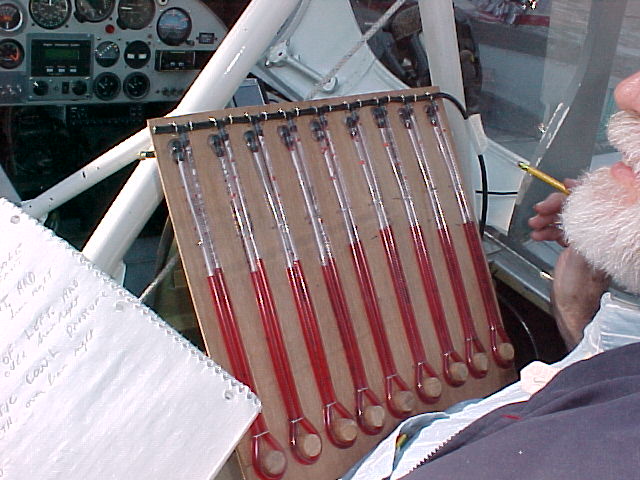
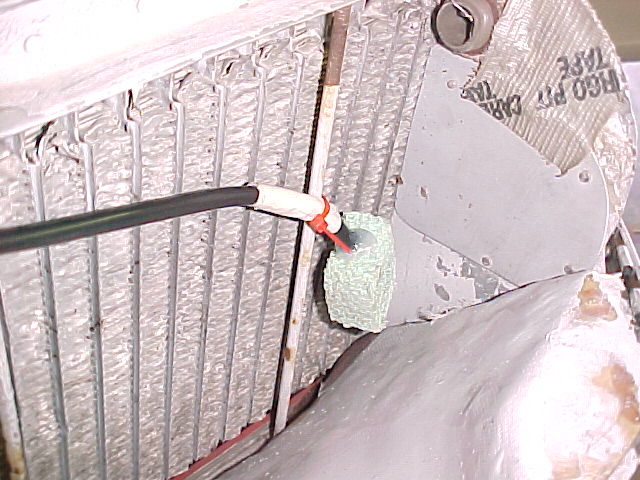
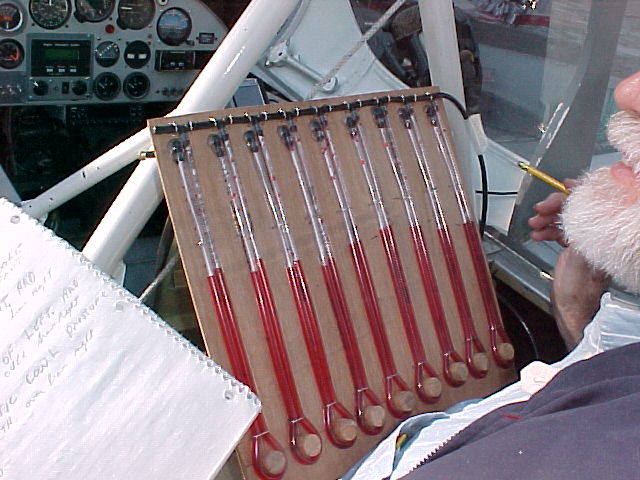
It did not cool very well until I went down there and helped him refine the duct work
with some manometer measurements. The thing about Florida is the over cast. You don't
need to climb very far. Out here in the west it is hot and high. We have a lot of
10,000 foot mountains to climb over. His 3 rotor uses the principles out lined in my
book.

It is a long story but the best rad for the lowest cooling drag is of infinite
frontal area and infinite thiness. I go over all that in my book.

Paul Lamar

--
The Rotary Engine News Letter. Powered by Linux.
ACRE NL web site. http://www.rotaryeng.net
You Tube key word PaulLamar2
Copyright 1998-2012 All world wide rights reserved.