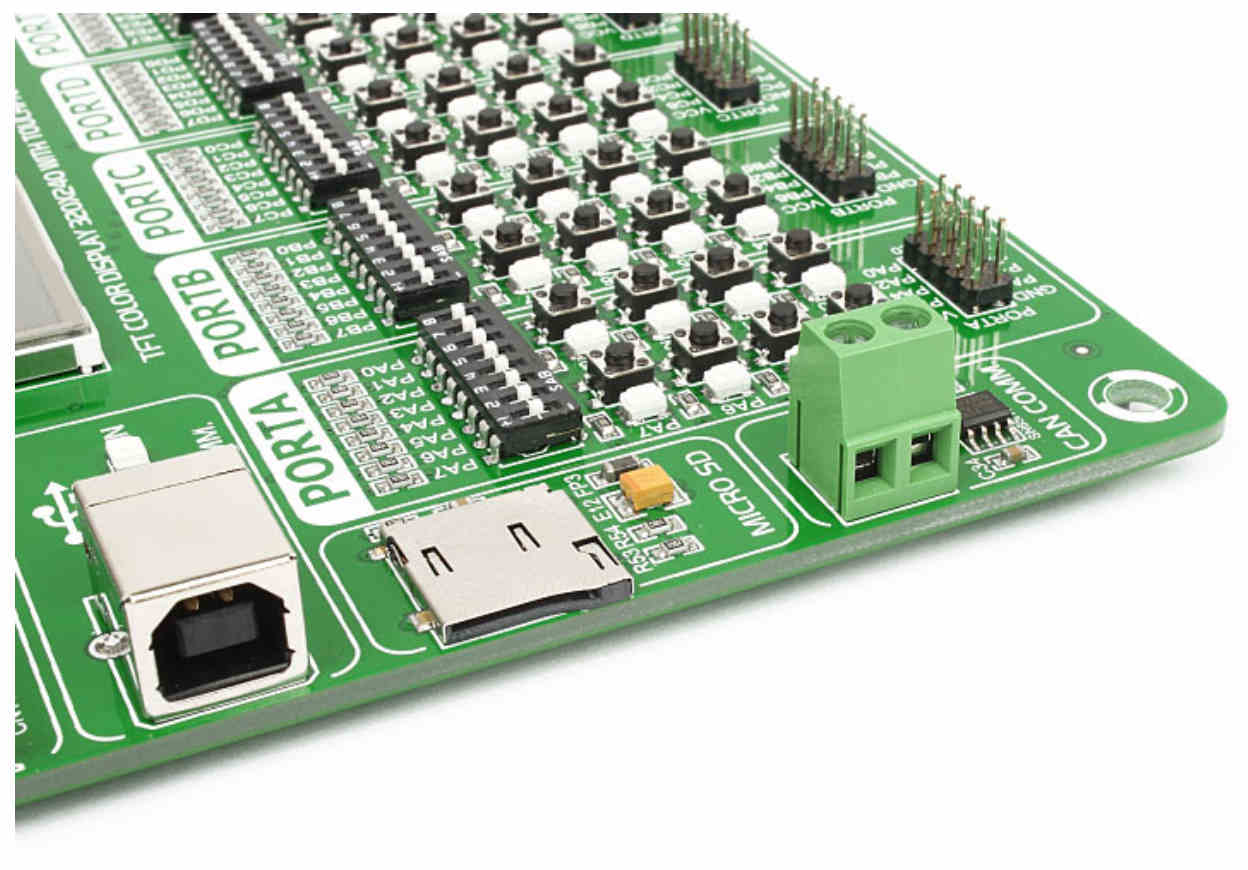
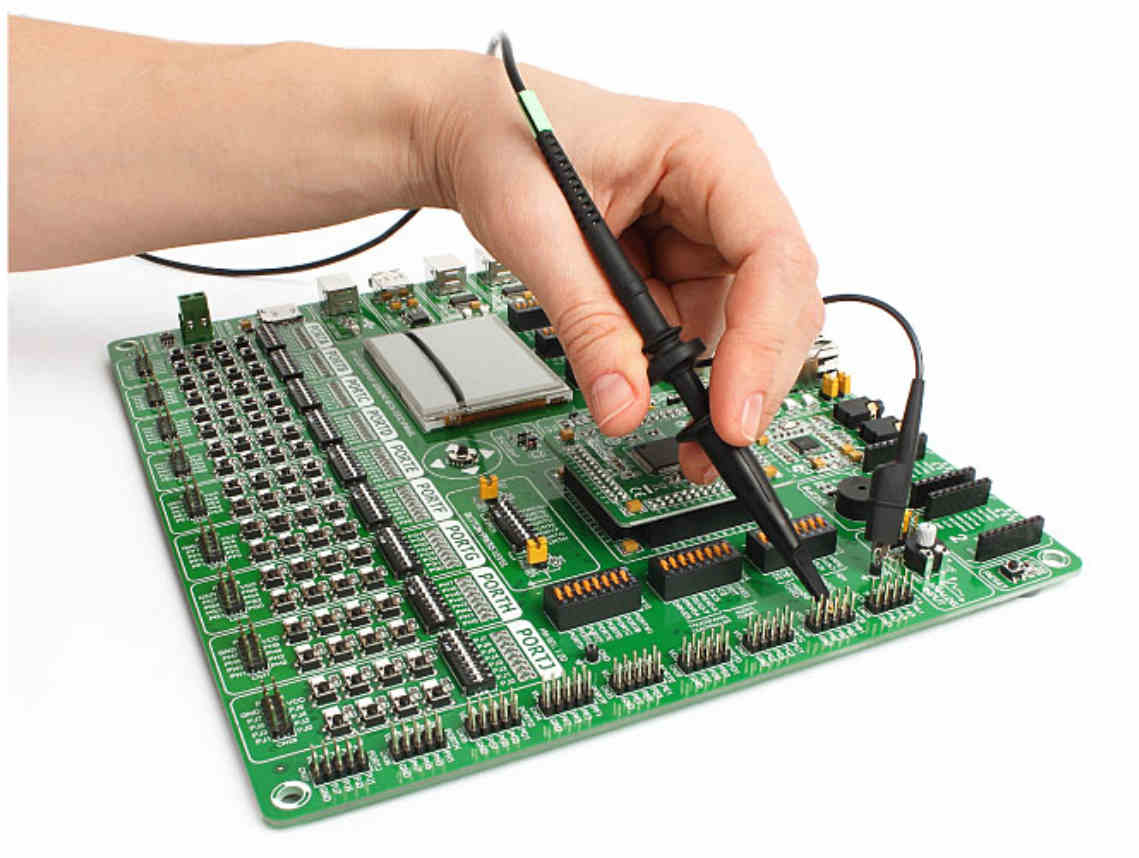
Arduino is over-rated. Look into NXP's LPC Series Arm Processors.
They are fast. Great peripherals and timers.
Rick Irwin
Hey Rick,
Can you provide a URL appropriate to the NXP LPC Series?
Mark LaPierre
Yes the URL for NXP processors is
http://www.nxp.com
Look into the LPC1768 series. There are some low cost boards available on
Digi Key. Also if you would like
full color LCD and don't mind paying more those are also available.
I don't work for NXP. I just use them and really like them.
Rick
www.roboticsautonomous.com
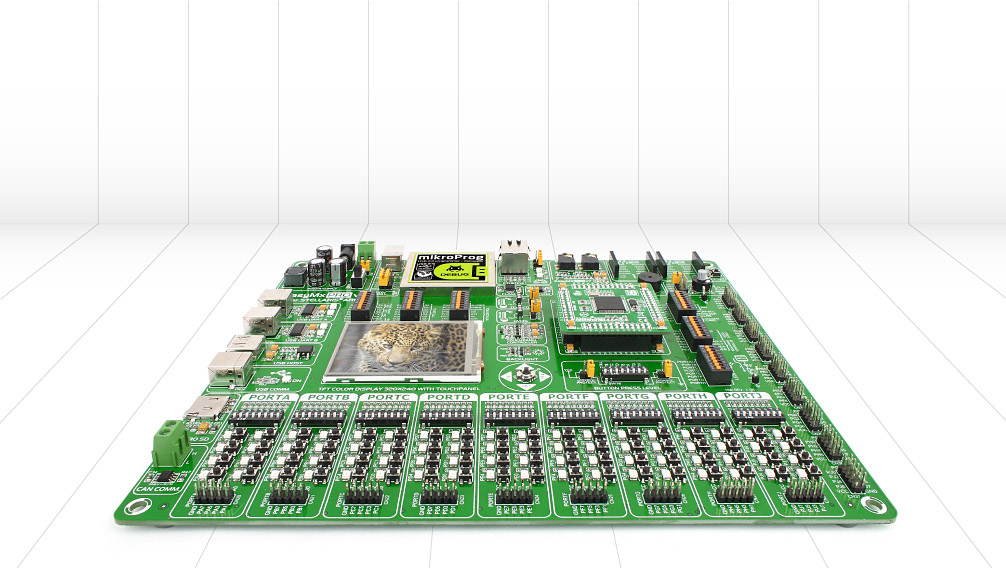
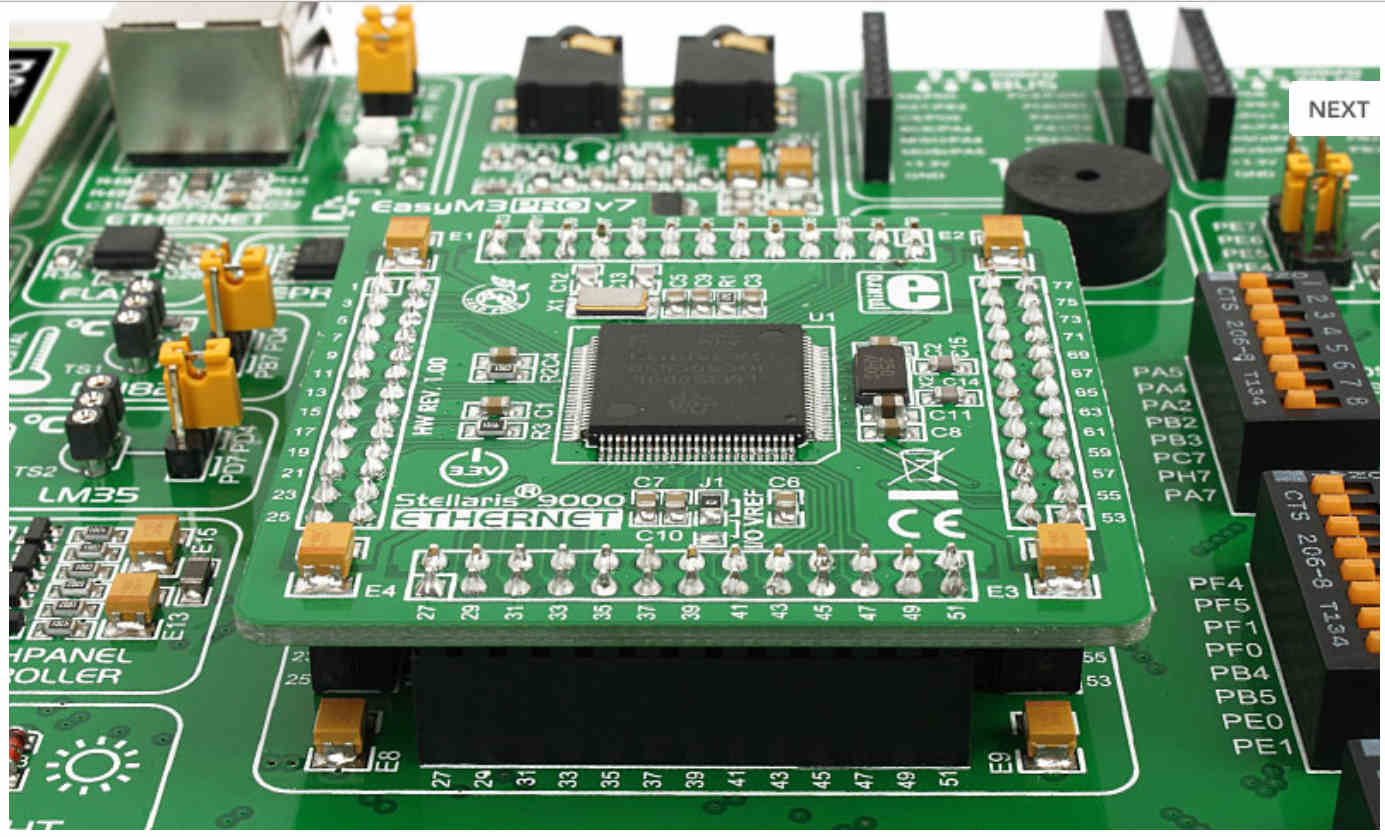
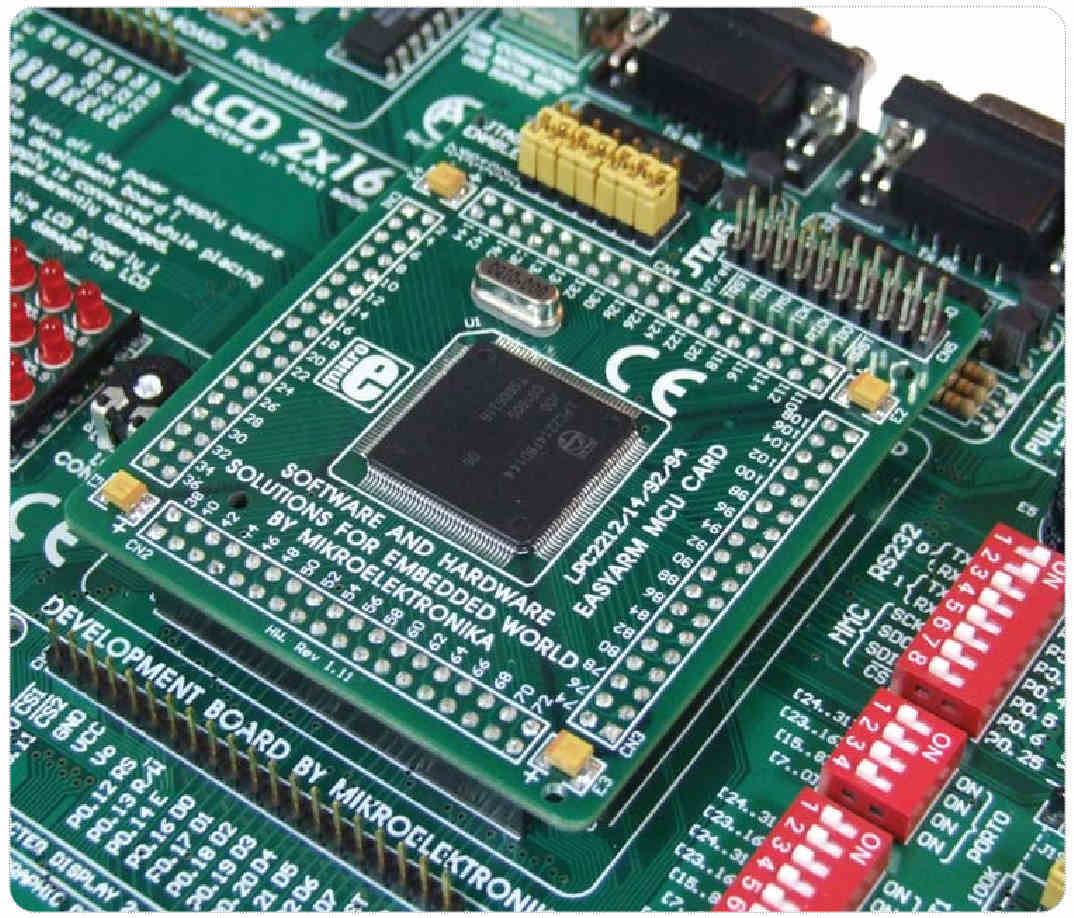
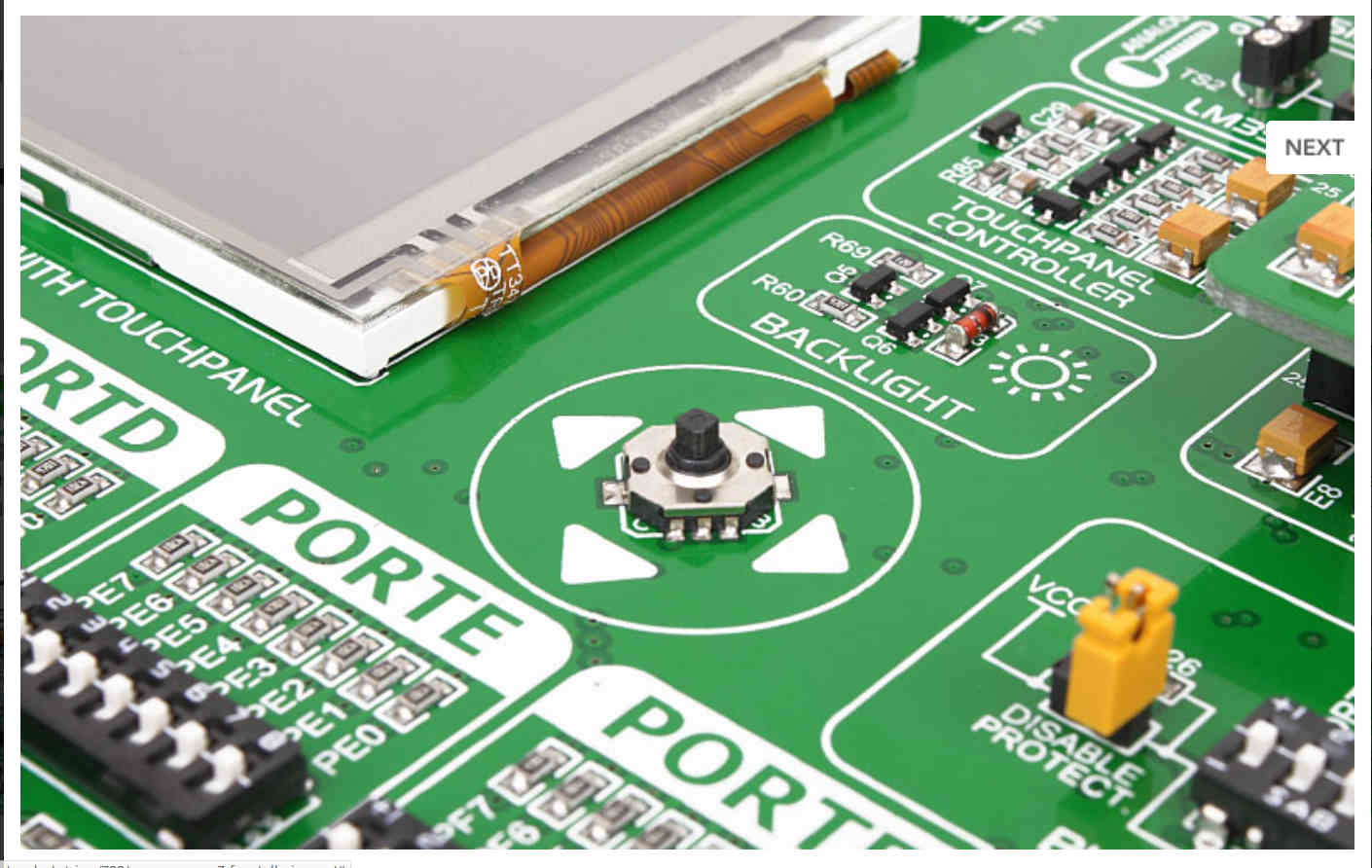
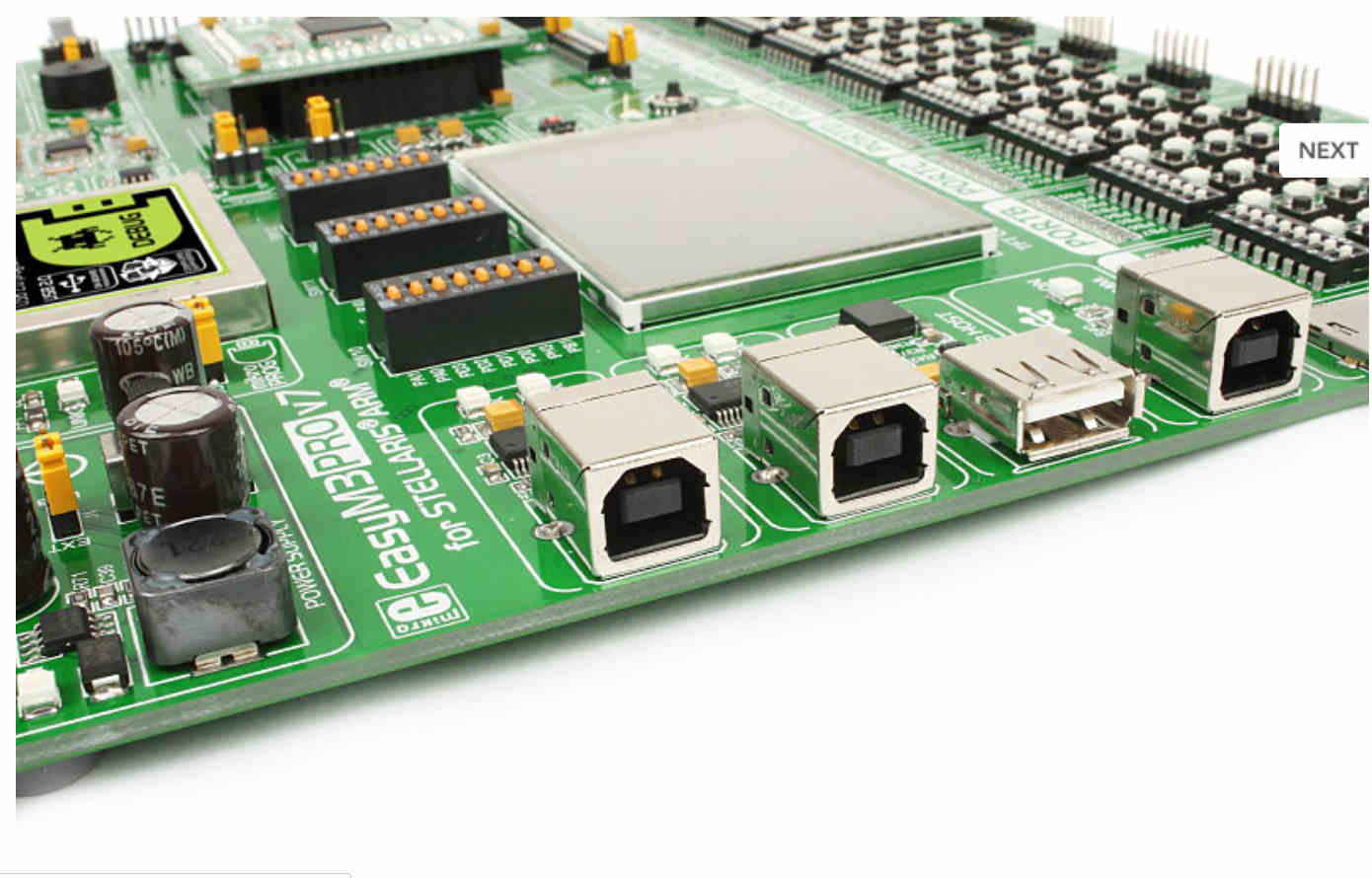
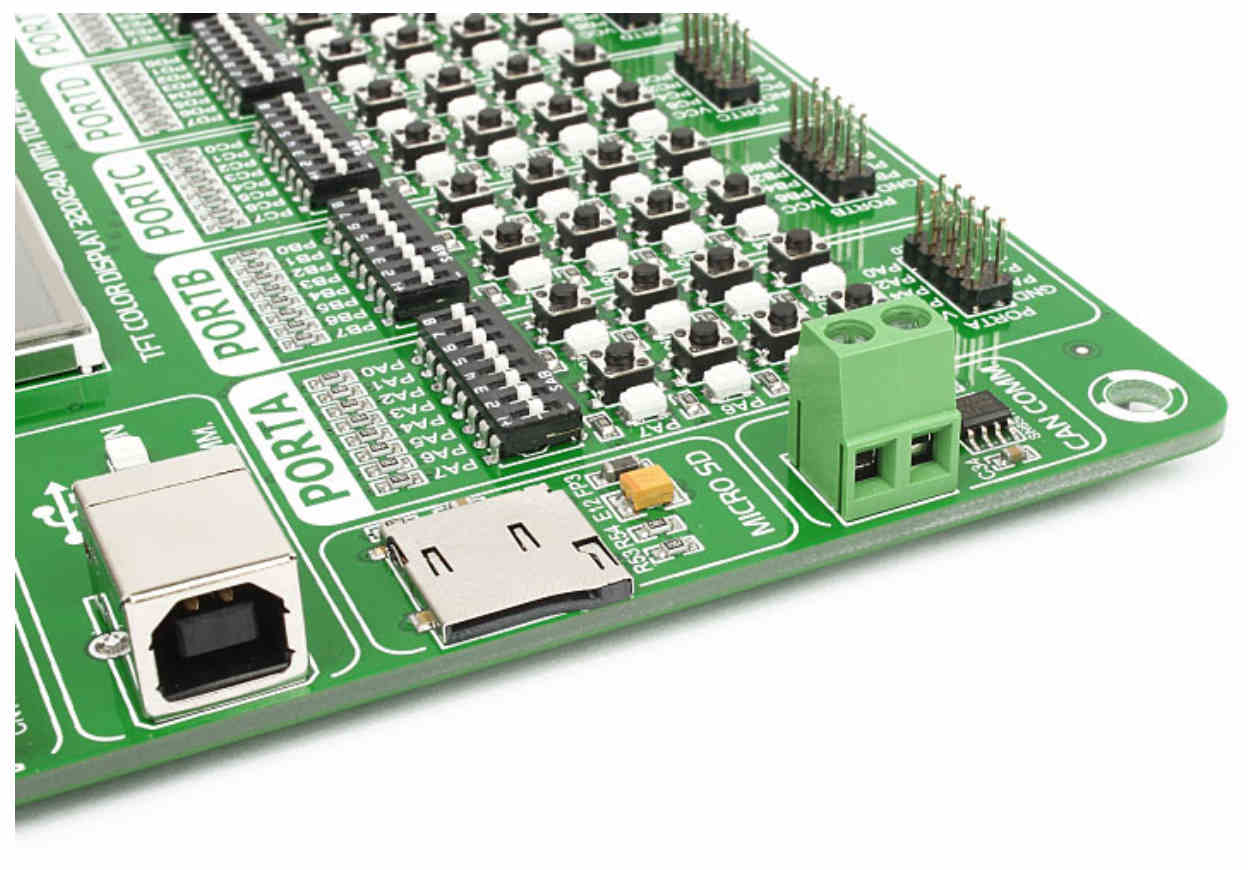
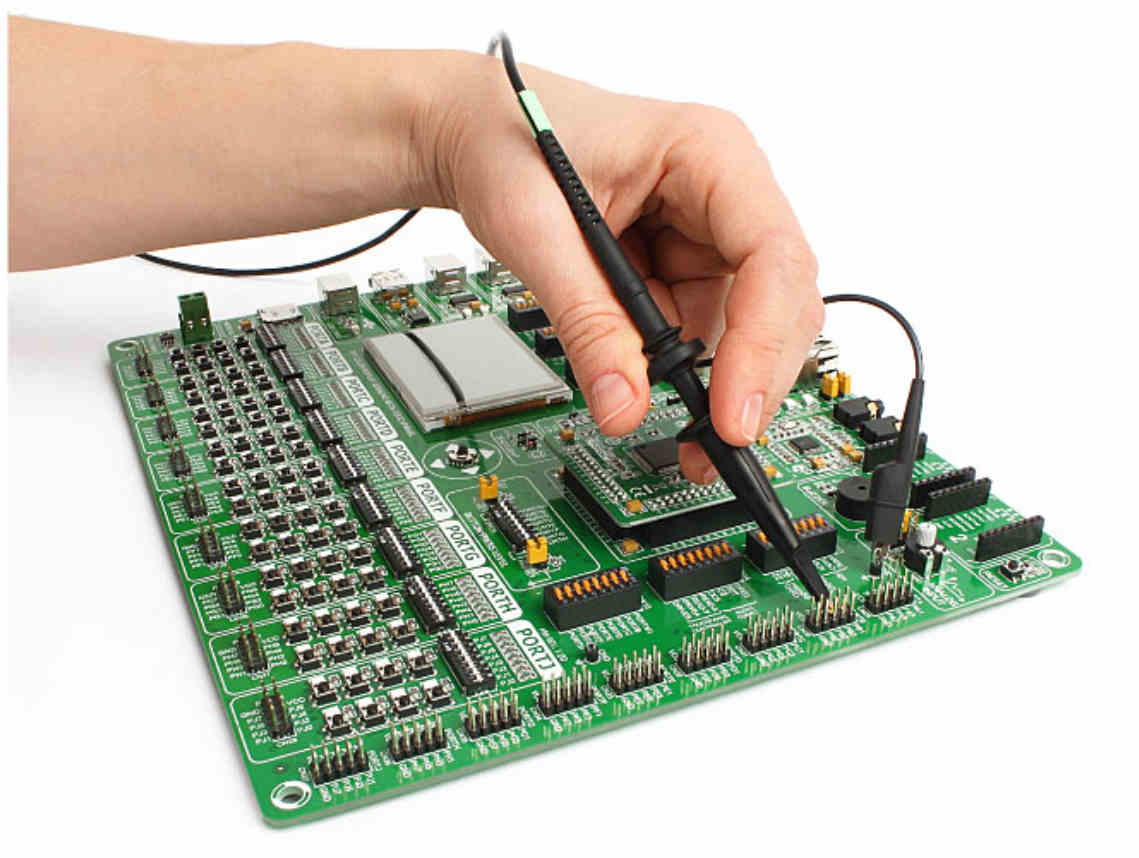
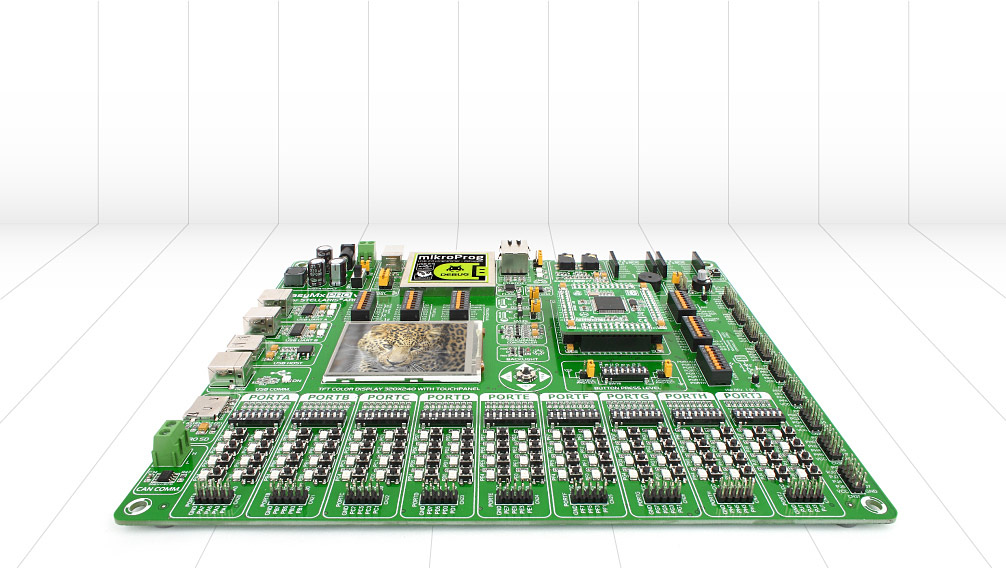
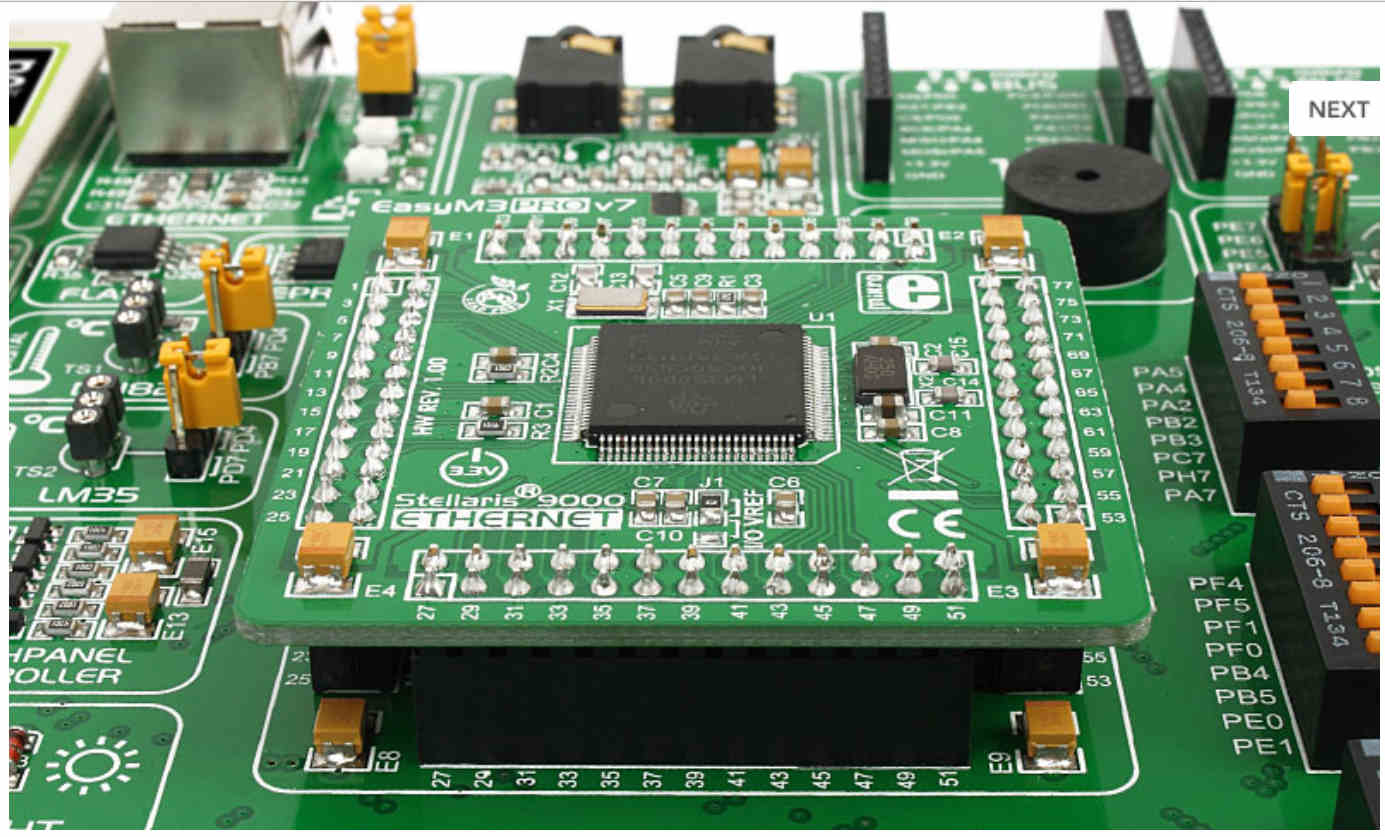
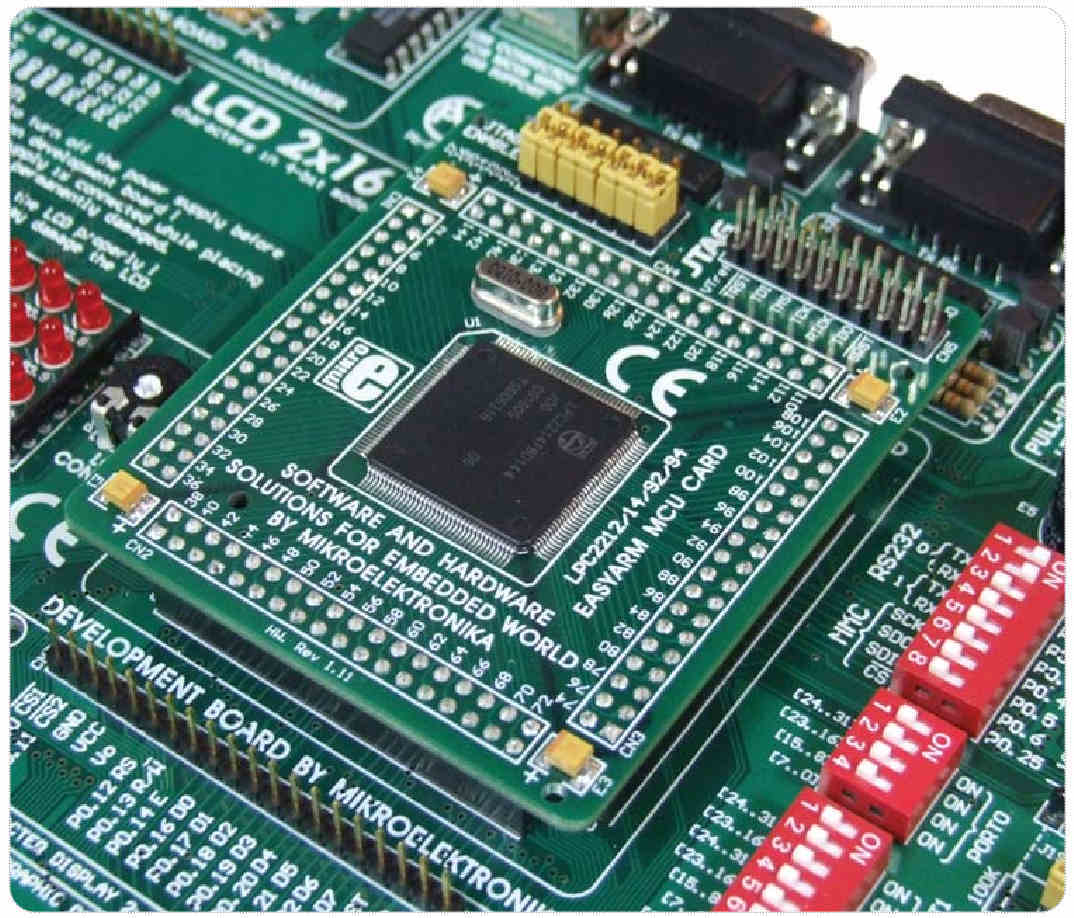
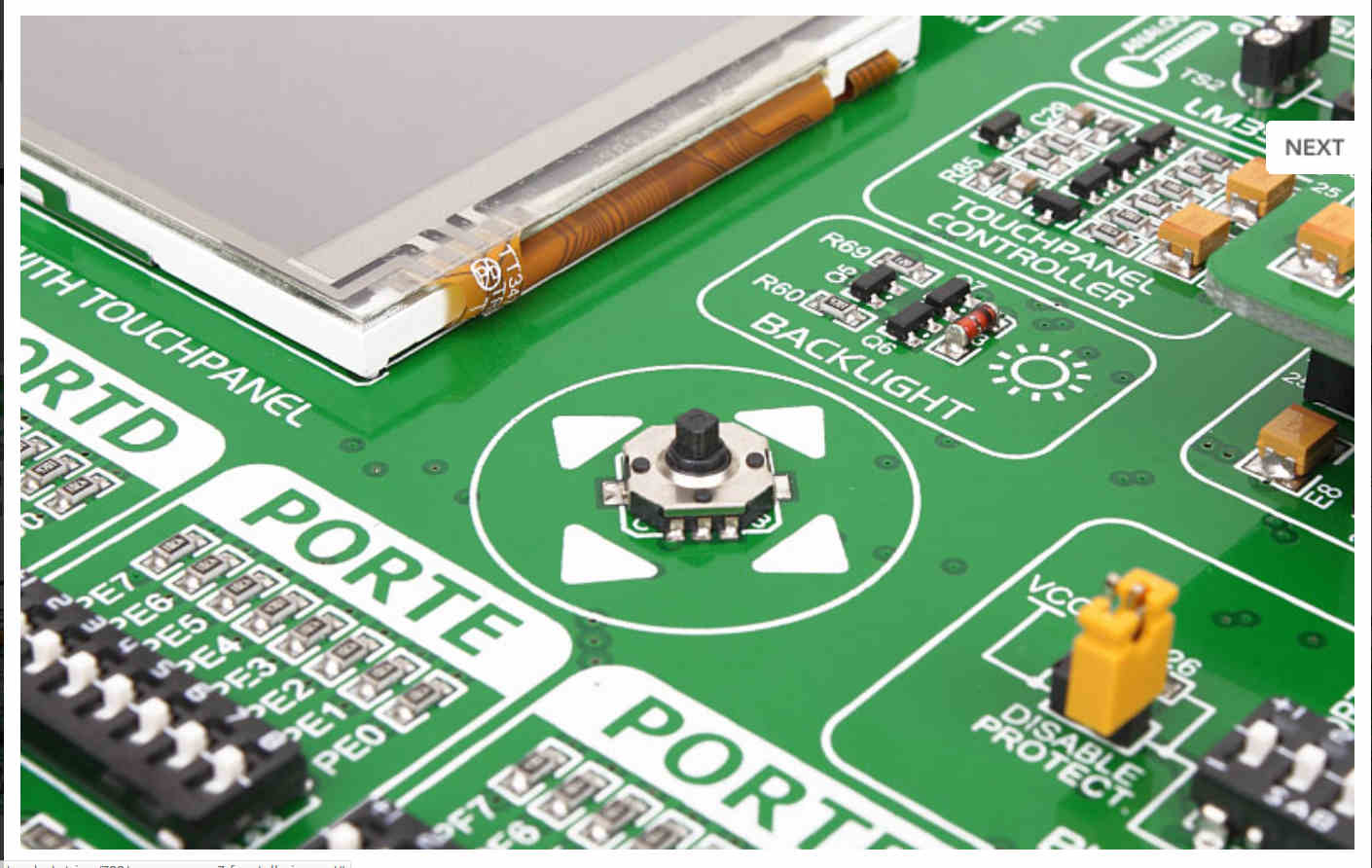
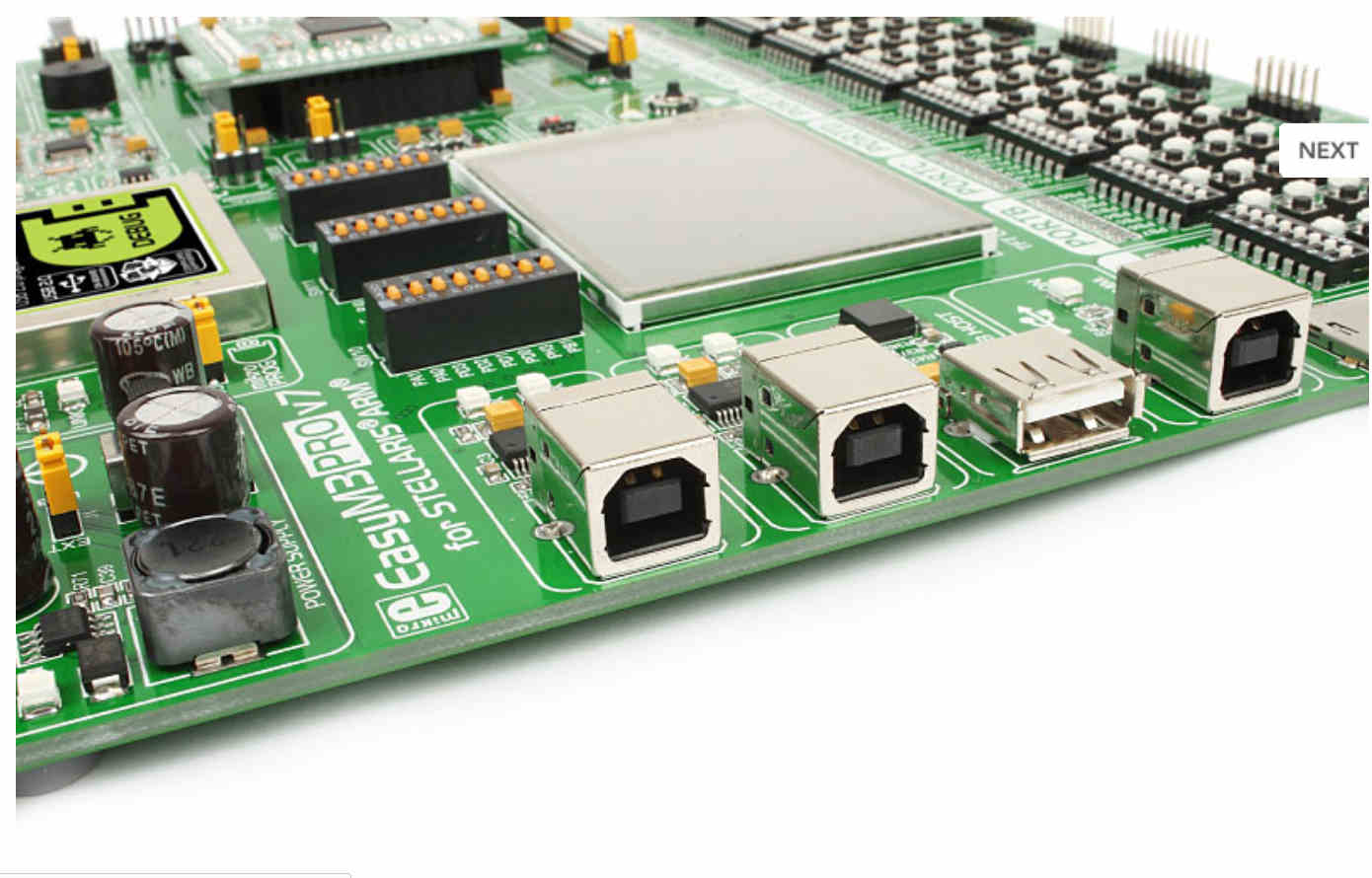
I have one of these boards Rick.
I have not got around to programming it yet.
-------------------------------------------------------
"The ARM2 featured a 32-bit data bus, a 26-bit address space and twenty-seven
32-bit registers. Program code had to lie within the first 64 Mbyte of the
memory, as the program counter was limited to 24 bits because the top 6 and
bottom 2 bits of the 32-bit register served as status flags. The ARM2 had a
transistor count of just 30,000, compared to Motorola's six-year older 68000
model with 68,000. Much of this simplicity comes from not having microcode
(which represents about one-quarter to one-third of the 68000) and, like
most CPUs of the day, not including any cache. This simplicity led to its
low power usage, while performing better than the Intel 80286. A
successor, ARM3, was produced with a 4 KB cache, which further improved
performance."
"The new Apple-ARM work would eventually turn into the ARM6, first released
in early 1992. Apple used the ARM6-based ARM 610 as the basis for their
Apple Newton PDA. In 1994, Acorn used the ARM 610 as the main central
processing unit (CPU) in their Risc PC computers. DEC licensed the ARM6
architecture and produced the StrongARM. At 233 MHz this CPU drew only one
watt (more recent versions draw far less). This work was later passed to
Intel as a part of a lawsuit settlement, and Intel took the opportunity to
supplement their aging i960 line with the StrongARM. Intel later developed
its own high performance implementation named XScale which it has since sold
to Marvell."
------------------------------
Paul Lamar
The Rotary Engine News Letter. Powered by Linux.
ACRE NL web site.
http://www.rotaryeng.net
You Tube key word PaulLamar2
Copyright 1998-2012 All world wide rights reserved.