I found a local Detroit Diesel repair shop and actually saw
the real thing. The shop is called "Big T's" 805 983 2408.
http://www.bigtsftln.com/default.htm
tmaloney@bigtsfreightliner.com
They kindly gave me some part numbers.
These engines are lasting up to a million miles so used
parts are in short supply. If you are lucky you
might be able to find one out of a truck wreck if the engine itself
was damaged. If the engine was OK I am sure somebody would pay big bucks
for it. Word is out. These engines are in high demand.
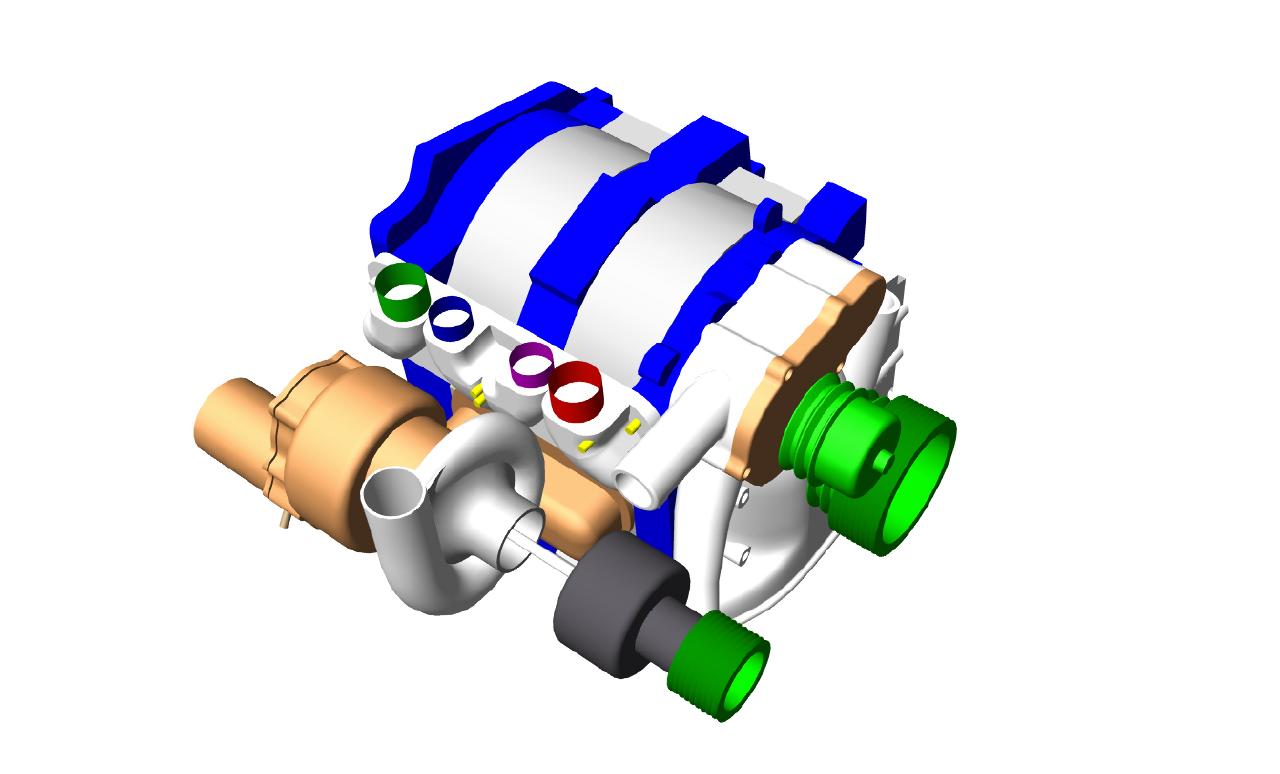
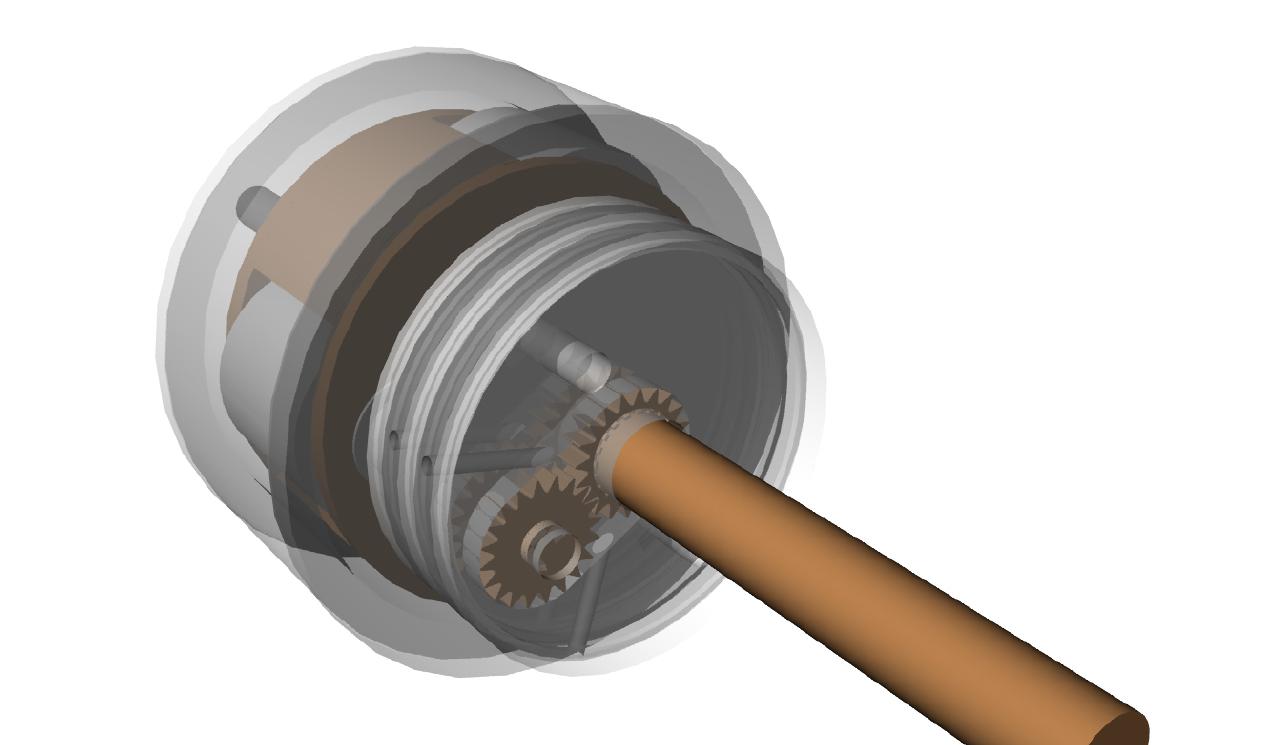
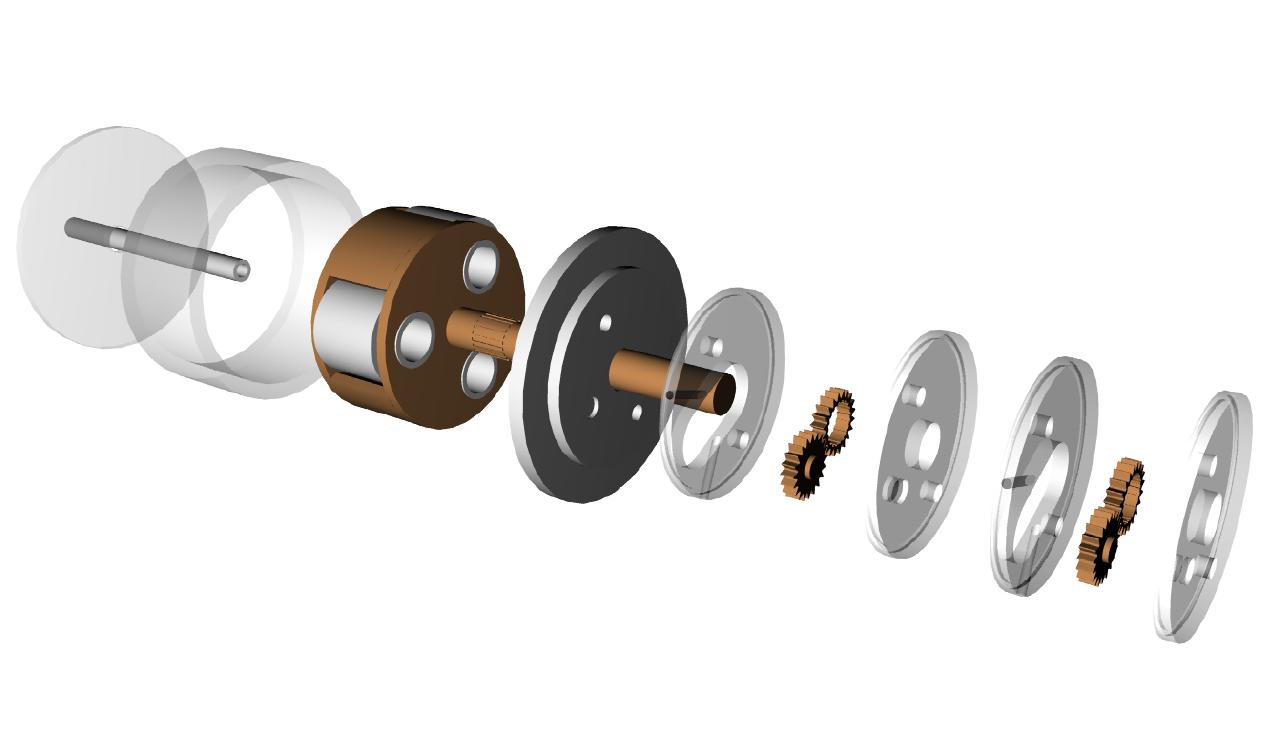
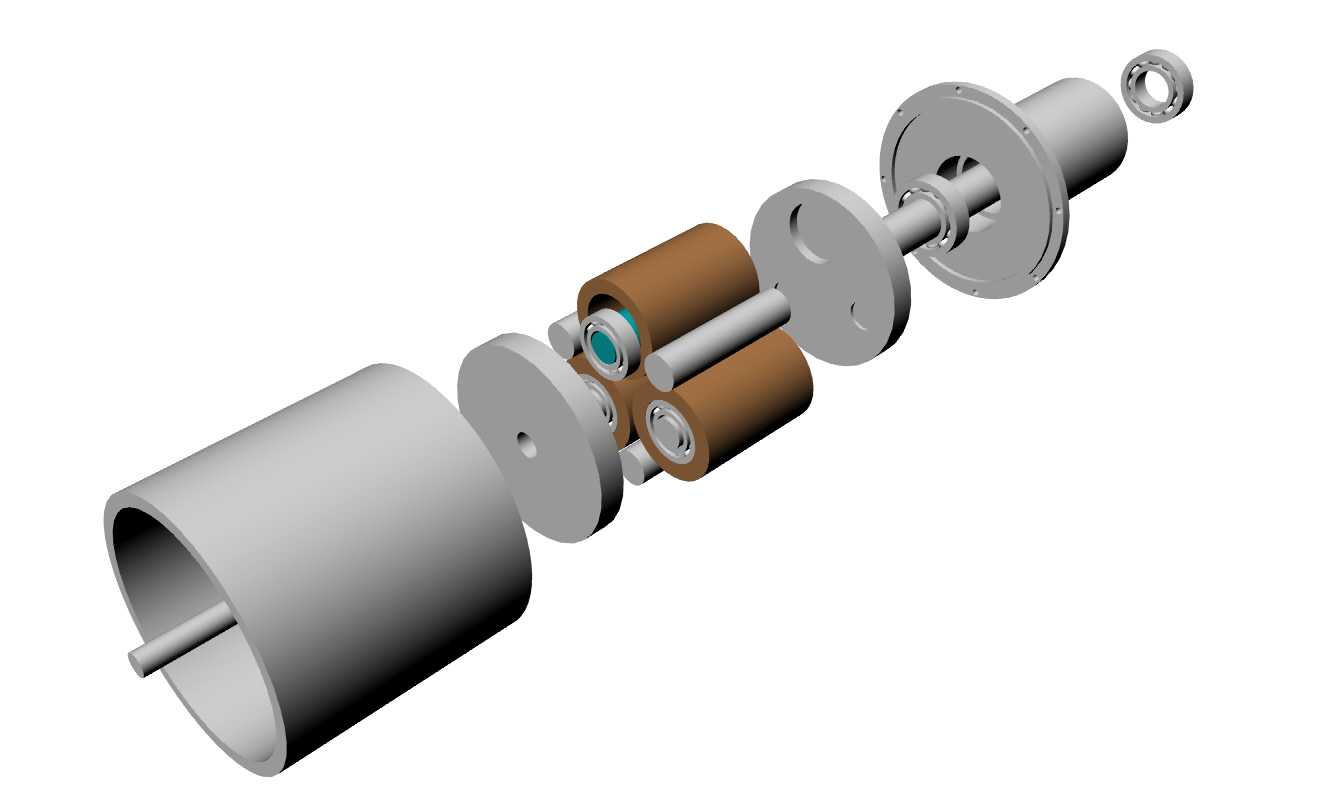
We just need the waste power turbine and gear box.
Any Mazda 20B turbo charger will work. Maybe even the stock sequential
turbo version which I have in the hangar will work.
All we need do is demonstrate a 5% or 10% improvement in BSFC
and the world will beat a path to the Wankel rotary door.
I'll kidnap the Mazda engineers here in SoCal and force them
to look :)
30% better BSFC is theoretically possible due to the lack of exhaust
valves
in the rotary and that would be a revolution in internal combustion
engines.
The 650 HP DD16 is even more sophisticated with a variable ratio gear
box.
If Detroit Diesel built a sleeve valve DD15 they would get
another free 50 HP bumping the power up to 500 HP from the non
TC 400 DD13 horsepower.
Paul Lamar
===========================================
This quote just arrived. This is very very cheap compared to what
it would cost if we had to do it from scratch. I hope the
Mazda engineers are paying attention.
Thanks Knute. Quick work.
This thing would easily replace a 600 HP turbo prop and have half
the fuel burn.
Paul Lamar
The link above describes a turbocompoundig system available for auto
engines now.
http://www.youtube.com/watch?v=CrpAWCnbw9s
Parker T May
Yes it works to a point but you missed my real point :)
Half the potential energy in the exhaust is dissipated by the exhaust
valves. In case you are not up to speed on the rotary the rotary
has no exhaust valves.
Paul Lamar
Hi Paul, Two strokes do not have exhaust valves. Turbo might be useful
if you could keep it from melting pistons.
Murry I Rozansky
Yes of course but they have a severe problem that makes their BSFC
worse. The fresh mixture is always mixed with exhaust gas. It is so
prevalent engineers have a name for it. It is called the scavenge ratio.
That makes two strokes irrelevant for this discussion. A rotary currently
has a best BSFC of .47 and two strokes are rarely under .60.
The rotary is not a two stroke.
Have you used the prop dyno yet? :)
Paul Lamar
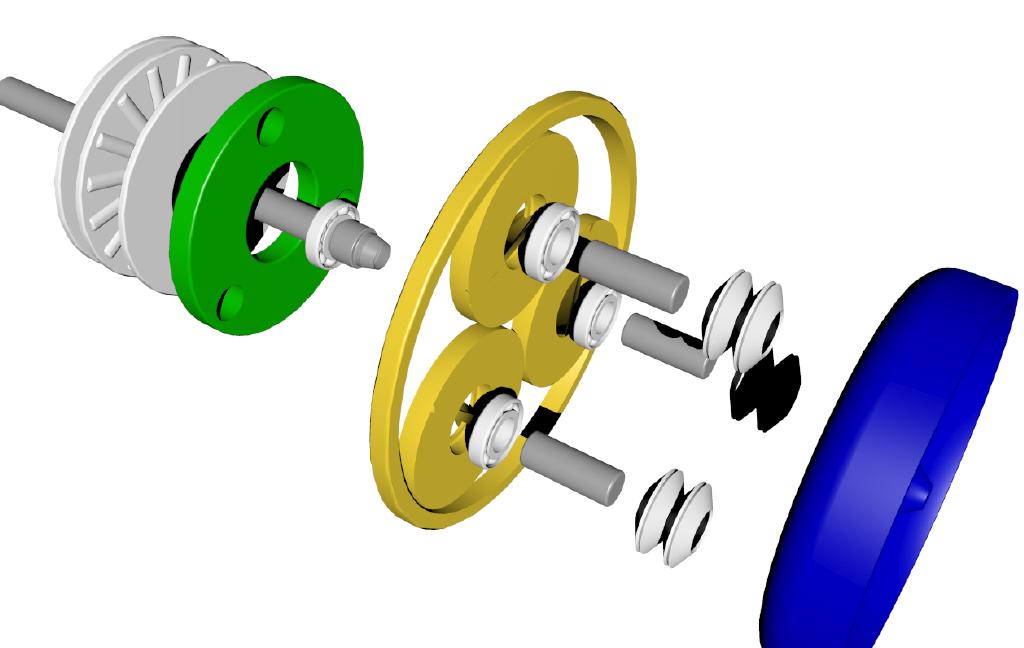
That VanDyne unit uses a traction drive and a limited CVT. I can't say
that I like sandwiching it all between the exhaust and compressor housings,
but it is fairly close to what we were talking about doing. I like the DD15
system better, but this one may be lighter since it's all one unit, and
usable on 2 rotor engines. It may be worth giving them a call to see if
they'd be willing to test one of their units on a 13b p-port.
Josh
They have known about us for years. What they are doing will sound
familiar to members that have been on here a long time. Here are some
early dwgs that we posted.
Quote from
http://www.rotaryeng.net/sum-turbo-comp.html
"The full whammy is variable ratio gear supercharger with inter-cooler for
altitude and variable ratio geared blow down turbine for a lower BSFC. This
is several steps above the 20% more efficient 1950's R3350TC by the way, as
it only had a two speed centrifugal blower (no inter-cooler) and a fixed
gear ratio blow down turbine. A variable ratio drive can be made from a wide
V belt and movable flange pulleys controlled by a linear electric servo and
a computer"
Van Dyne have an up hill battle with piston engines as CW spent more R&D
money on getting the exhaust valves to live than all the rest of it combined.
They never really solved the problem on the R3350 TC as exhaust valves
still failed and took out the blow down turbine.
Paul Lamar
--
The Rotary Engine News Letter. Powered by Linux.
ACRE NL web site.
http://www.rotaryeng.net
You Tube key word PaulLamar2
Copyright 1998-2013 All world wide rights reserved.