I am getting a little practice with 2D arrays in QB64
I have decided to use a 10 by 10 array which is
a little larger than usual for an EFI system.
As I recall Megasquirt uses an 8 by 8.
The array is a look up table. The x axis is the RPM
and the Y axis is the mass airflow.
Arrays have the form of A(xcoord,ycoord) in BASIC.
There will be a xcoord entry about every 75 RPM
and about every 0.5 Volts ycoord from the mass air flow
sensor. About 100 entries total It looks like this.
^ x x x x x x x x x x x x
M x x x x x x x x x x x x
A x x x x x x x x x x x x
F x x x x x x x x x x x x
^ x x x x x x x x x x x x
V x x x x x x x x x x x x
O x x x x x x x x x x x x
L x x x x x x x x x x x x
T x x x x x x x x x x x x
S x x x x x x x x x x x x
...... RPM
x represents a mixture setting or pulse width for the injectors.
I wrote a program to initialize the array to 30
because it is rather tedious to type all that in by
hand. Simple QB64 program. The array will be adjusted
before I run the engine on it. The tuning procedure
is dump the array to a PC and load it into a spreadsheet
program. Edit as needed and ship it back through the
USB to the EFI computer. The next guy that builds
a EFI computer like this will have a head start.
Eventually we will accumulate a bunch of tables that people
can try when they are starting up for the first time.
CLS
This gets loaded into the program in the init area.
It generates the mixture look up table.
It initializes the injector table to 30. Say 3 ms.
The numbers will change when the engine is tuned.
---------------------------------------
CLS
FOR x = 1 TO 10
FOR y = 1 TO 10
A(x, y) = 30
NEXT y
NEXT x
To read the array and send it out the USB port to the PC looks like this.
The purpose is to get it into a spread sheet for editing, storing
and sharing with others.
---------------------------------------------
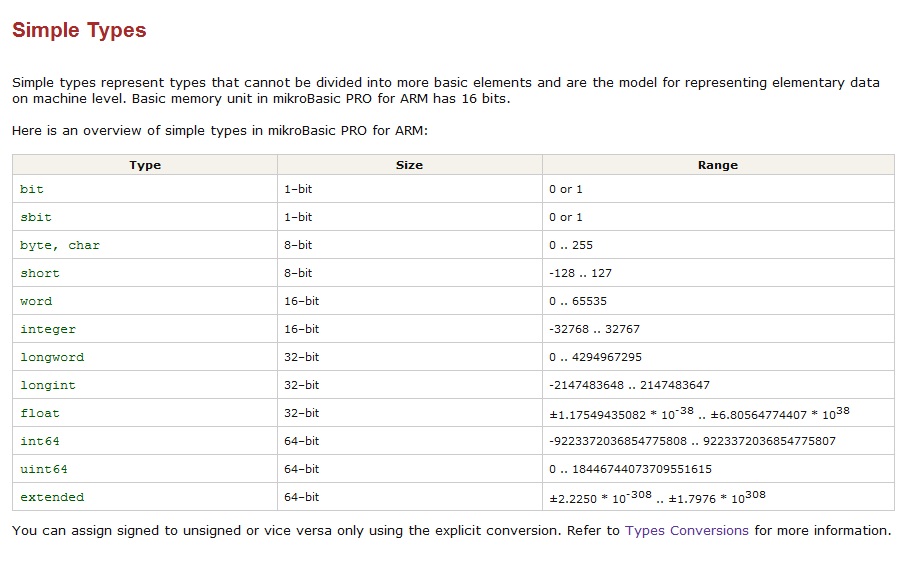
DIM injwidth AS INTEGER
FOR x = 1 TO 10
FOR y = 1 TO 10
injwidth = A(x, y)
injwidth$ = STR$(injwidth)
PRINT injwidth$,
NEXT y
NEXT x
END
----------------------------------------
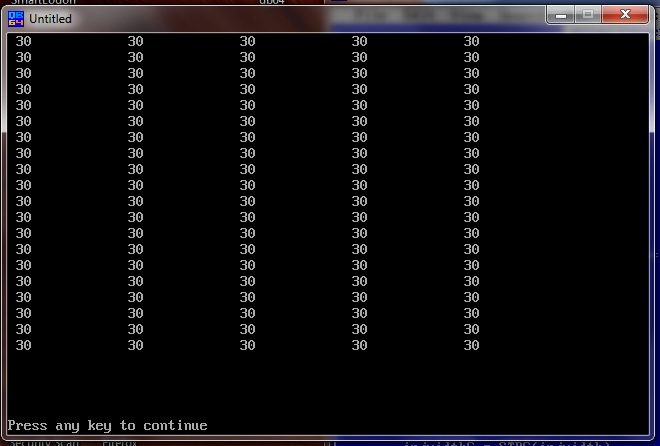
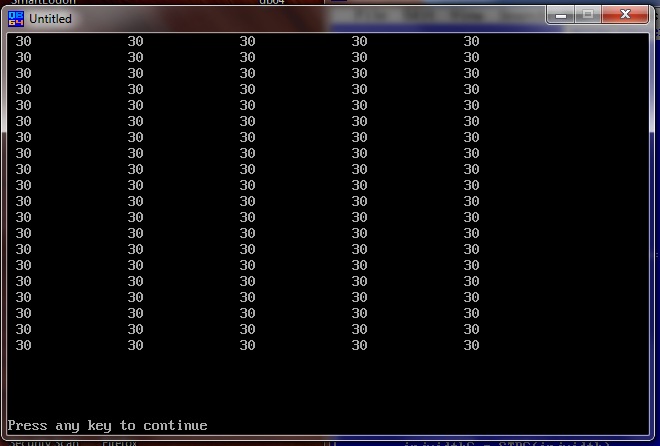
The screen print out looks like the attached jpg.
Inject-table-ascii.jpg
Spread sheet programs require ASCII numbers to be in-putted so the
integers that represent injector widths in the array must be converted
to an ASCII characters. AKA character or char for short. If you don't know
what ASCII characters are look them up on google.
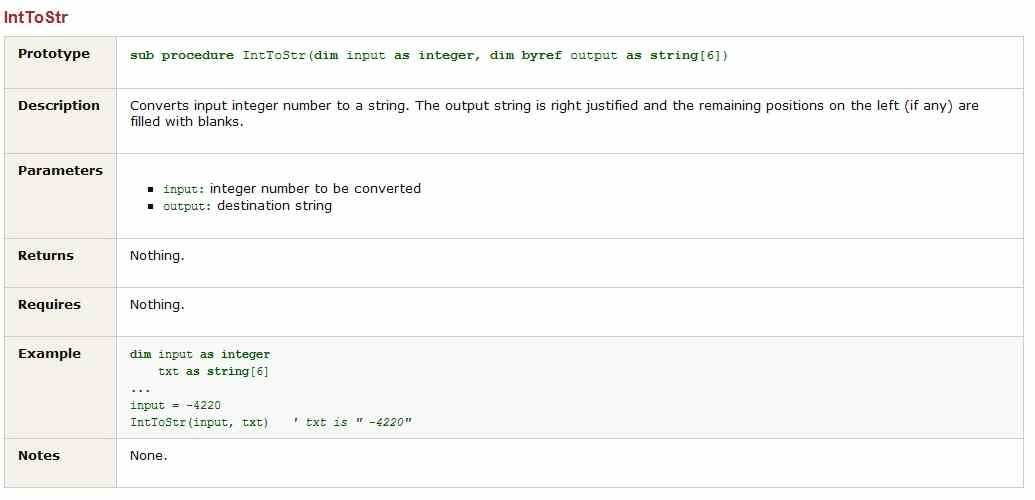
The function in QB64 that does this is STR$()
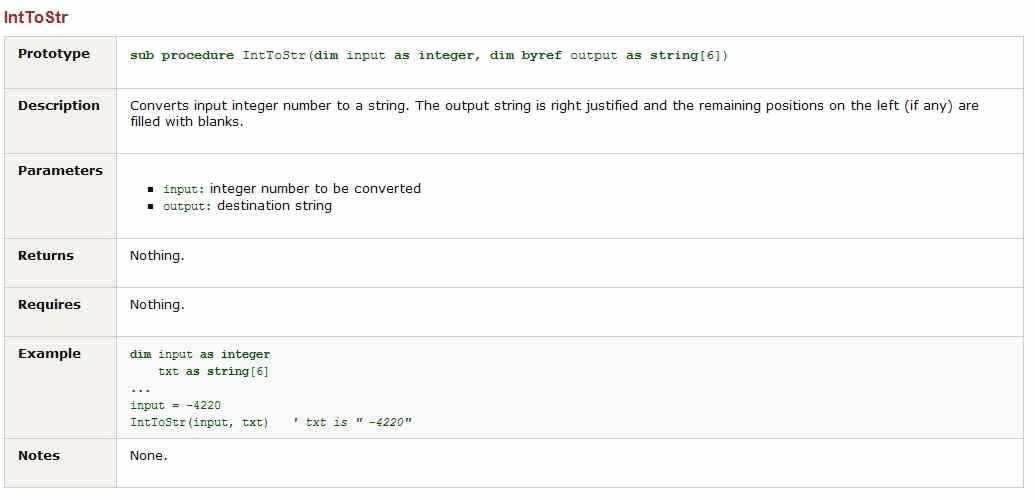
In ARM Mikro BASIC it is "IntToStr".
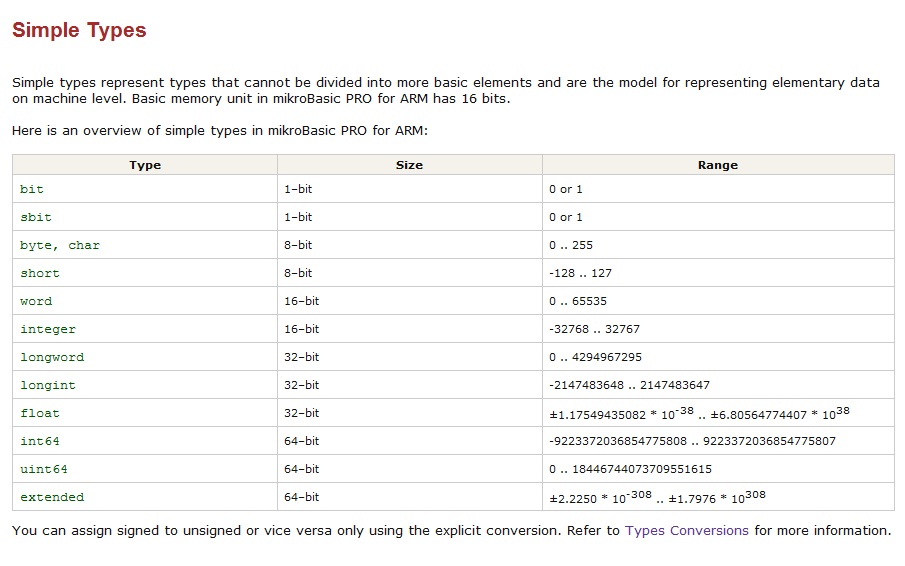
Attached is a screen capture from the help file on how to use it
and an example. It would be wonderful if the world
standardized BASIC.
All this is very very simple as programming goes.
Paul Lamar
The Rotary Engine News Letter. Powered by Linux.
ACRE NL web site.
http://www.rotaryeng.net
You Tube
http://tinyurl.com/beqqxas
Copyright 1998-2013 All world wide rights reserved.