I don't think there is anybody that far south.
This is Neal Unger in Parkes.
How's it going Neal?
Paul Lamar
The picture of Pete's aircraft is the opportunity for me to make a loud
question:
- how can we avoid to have this big and ugly airscoop in front of the
aircraft ?
The rotary has the advantage against the Lyc and Conti engines of being
almost cylindrical.
Furthermore, its low weight and PSRU mandates an extended nose
Therefore, we could dream of a sleek nose with super aerodynamic flow-line,
similar to a P51 mustang.
Is there anyway to achieve that and organize cooling scoops and flox such
that they do not overgrow the nose of the aircraft ?
Philippe CHENEVIER
I think you mean Neal's airplane. The scoop is large to deal with the
out back desert temperatures and full power take off's at high climb angles.
Bush planes in other words.
Back in WW II it was always easier to cool fighter planes in Europe as
opposed to North Africa.
Sleek pointy noses are not all that much better. The tear drop shape is
optimum. Pointy noses are frequently confused
with low frontal area. Apples and oragnes.
There might be a very slight advantage in increased thrust.
Paul Lamar
Paul,
There must be a better word for frustration. Still to leave
the ground. 5 months ago had a test flight lined up and the slide throttle
would not move with the engine running due to suction pressure. I had done
all my testing with the vernier throttle and winding the throttle open and
shut with my thumb turning the knob. However with a sudden thrust as in a
panic "go around" nothing happened. So the test pilot simply left telling
me to "fix it"! So I rang Darren from billet inc in Brisbane who assured me
that he could fix it easily. 4.5 months later I had a mate actually go and
collect it from him to find he had not touched it even though he had taken
full payment 3 months earlier telling me that it was finished! 3 weeks
ago it was sent to Rohan Ambrose of Xtreme rotaries in Melbourne to do the
job. Now the good news is that Rohan is actually still in business contrary
to advice put out 6 months ago. That is brilliant news for Australia, as
Rohan can do anything with rotaries including all alloy jobs, but he now has
taken his first flying lesson and is looking at getting a plane!! Now he
has a real interest in rotaries for planes.
So I still await my bird actually flying. Once the throttle body
returns I will then have to retune the motor and finally get off the ground.
Frustrated, but now hopeful. Neil.
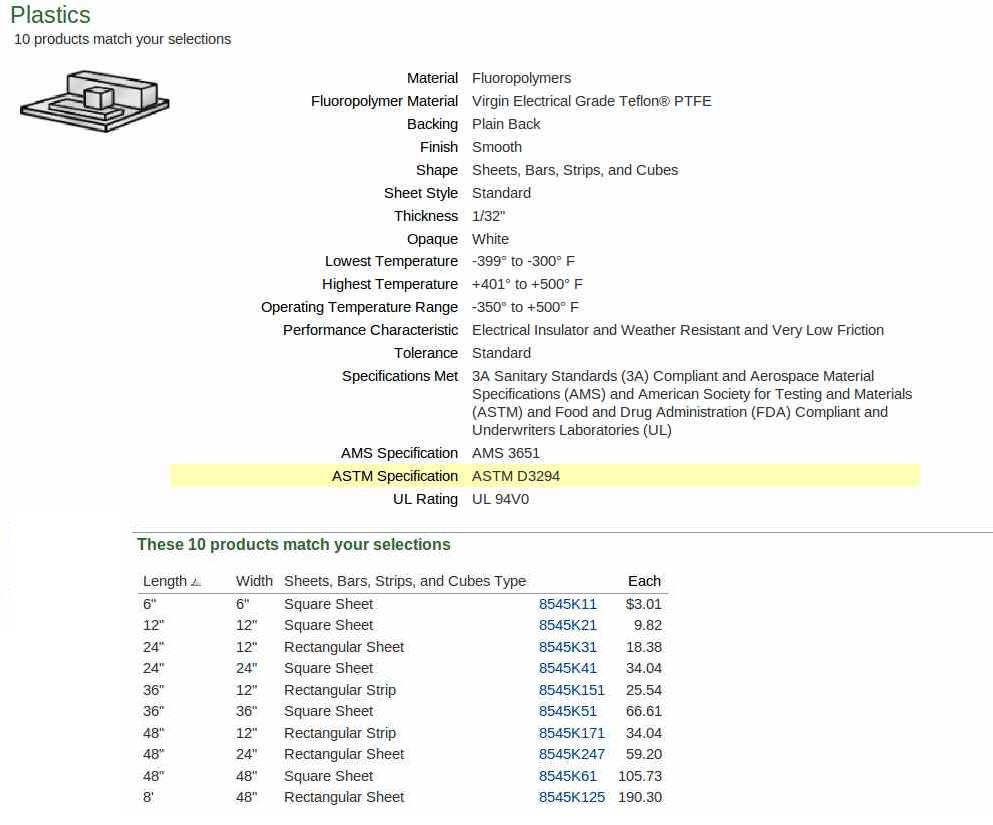
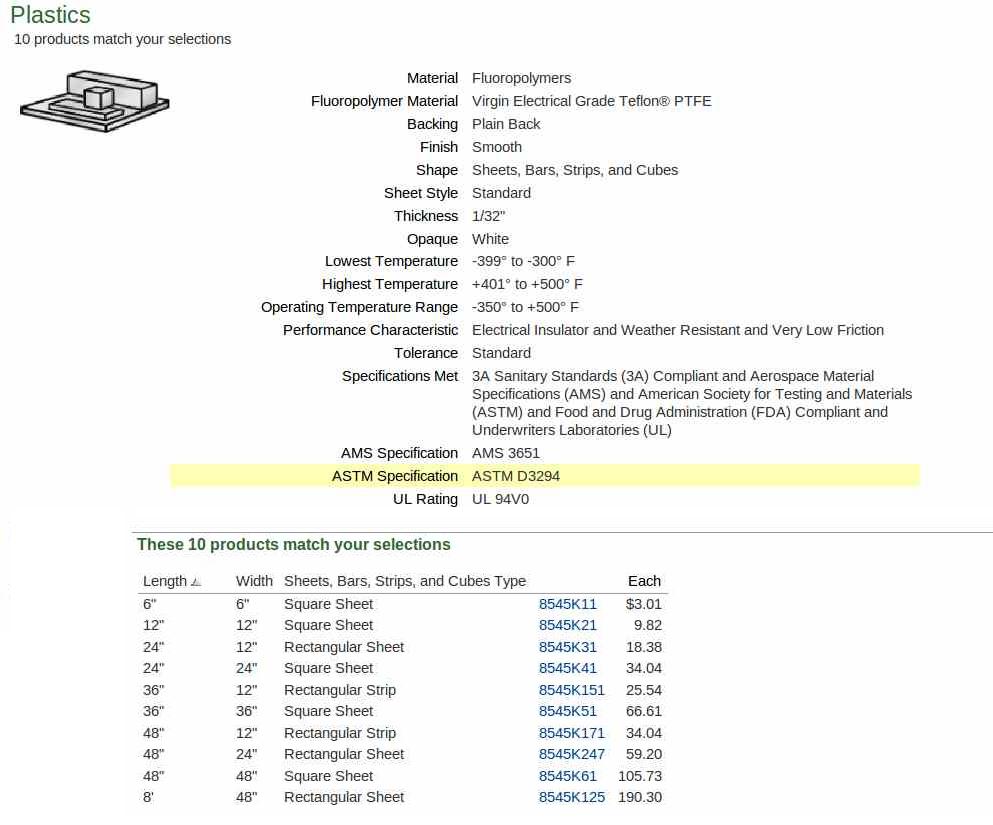
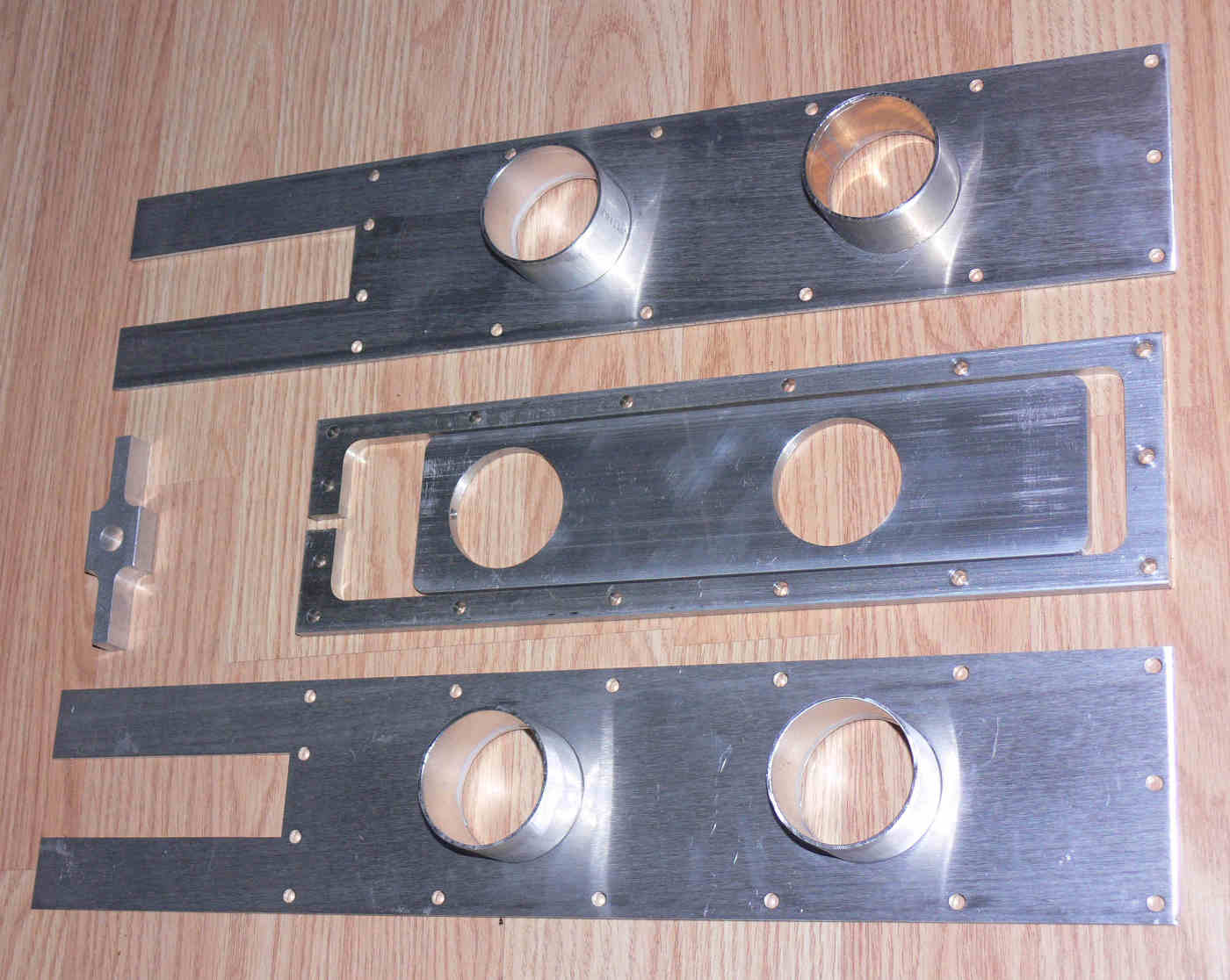
Was it one of my slide throttles? Did it have Teflon in it? Very
important. Teflon is the only material with coef of friction low enough to work.
With two... two inch diameter holes the port area is 6.25 square inches.
The pressure in the intake manifold can be up to 15 psi. That is
a clamping force on the slide of 94 pounds!!!!. That will not MOVE !!!!!
The right kind of Teflon has a friction coef of only 0.06.
That reduces the worst case force to a manageable .06 X 90 or 5.6 pounds.
All slide carbs use Teflon.
We went over this many times in the past 5 or 10 years :)
A lot a mechanics do not understand this and say "sure I can build a slide
throttle" :)
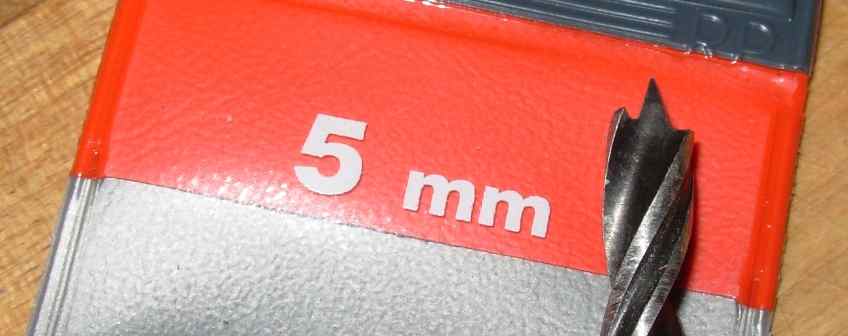
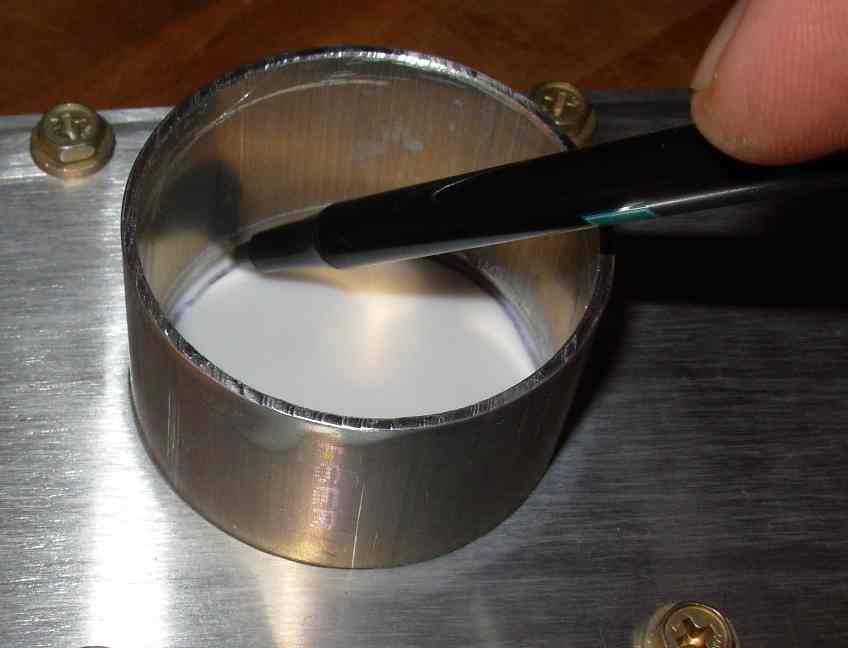
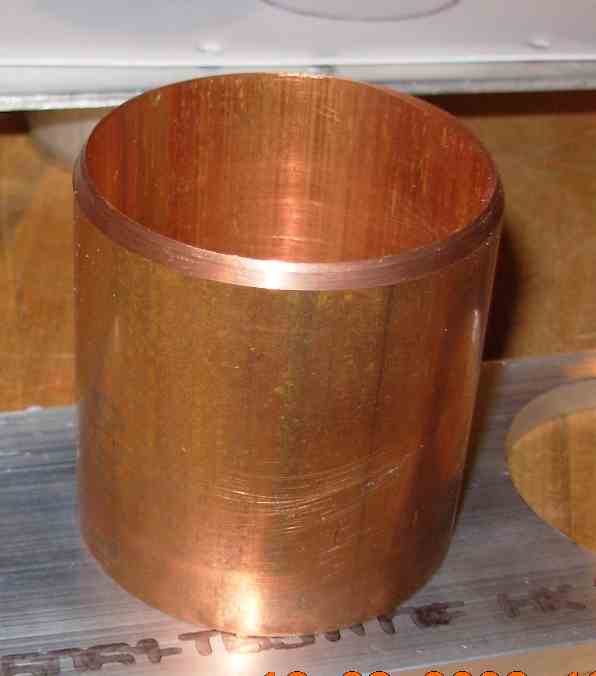
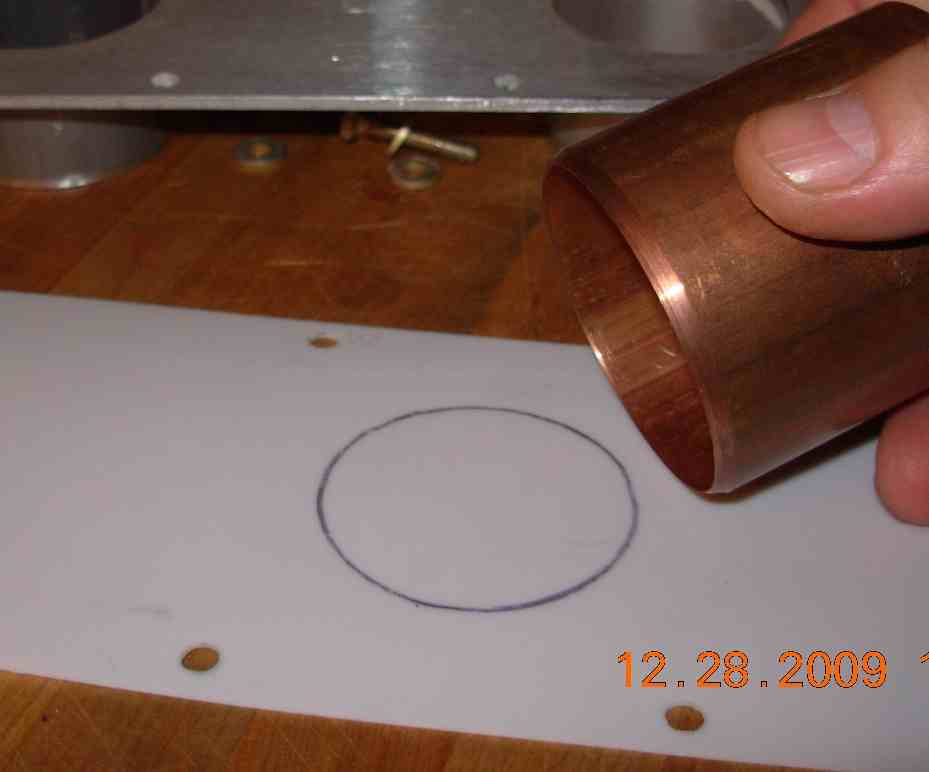
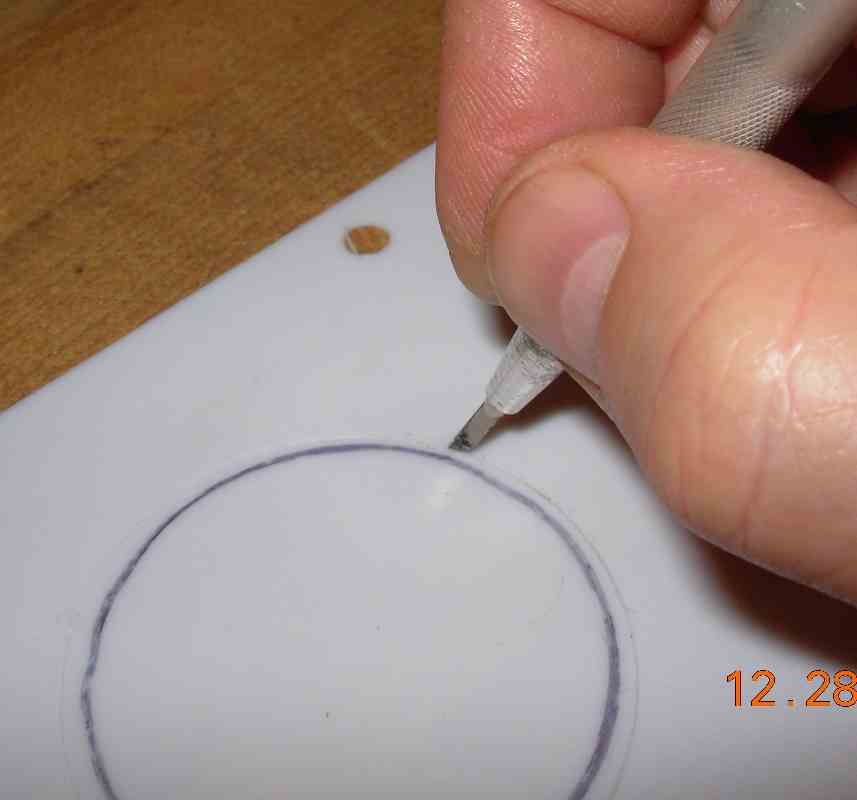
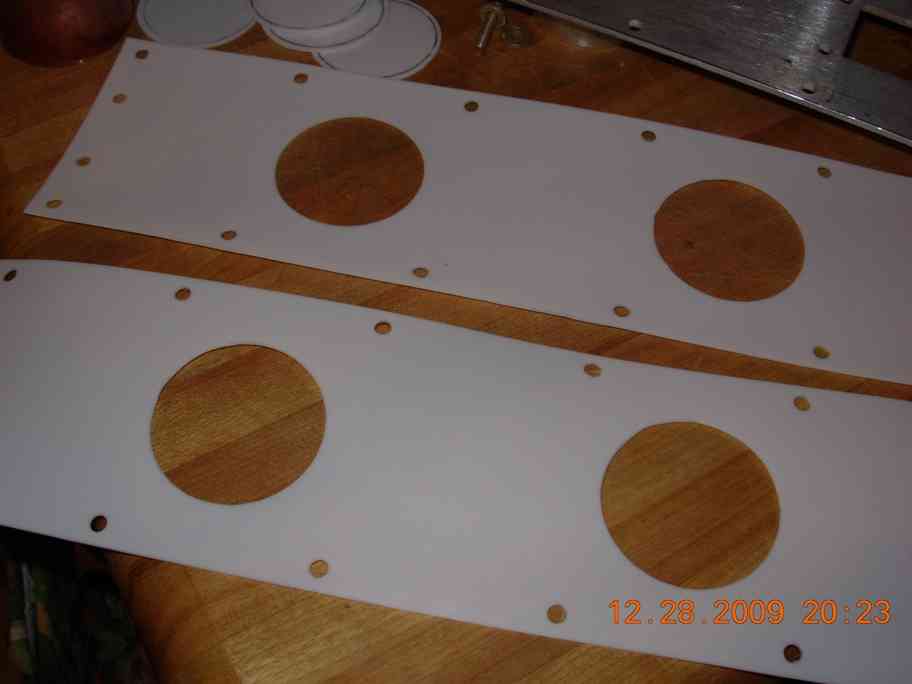
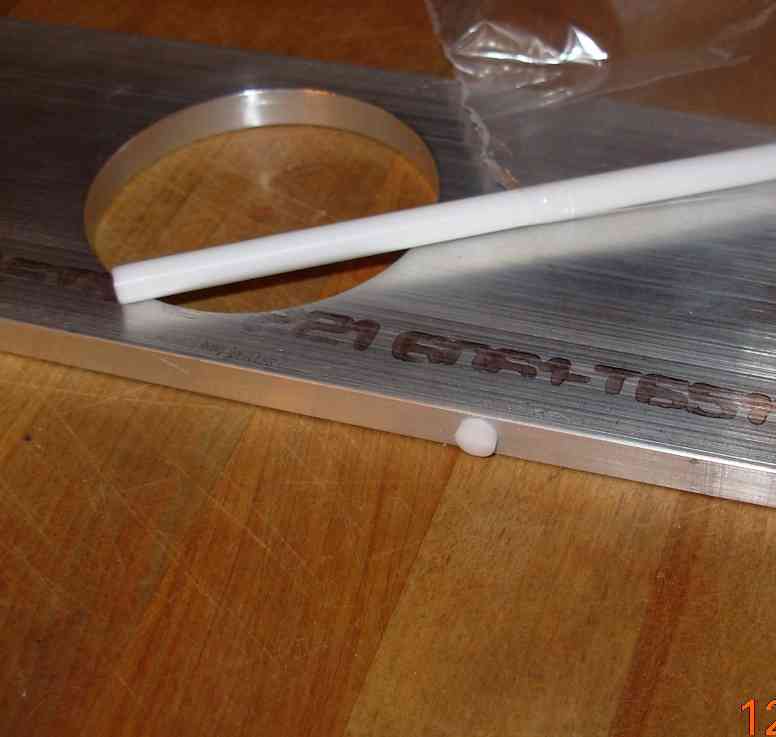
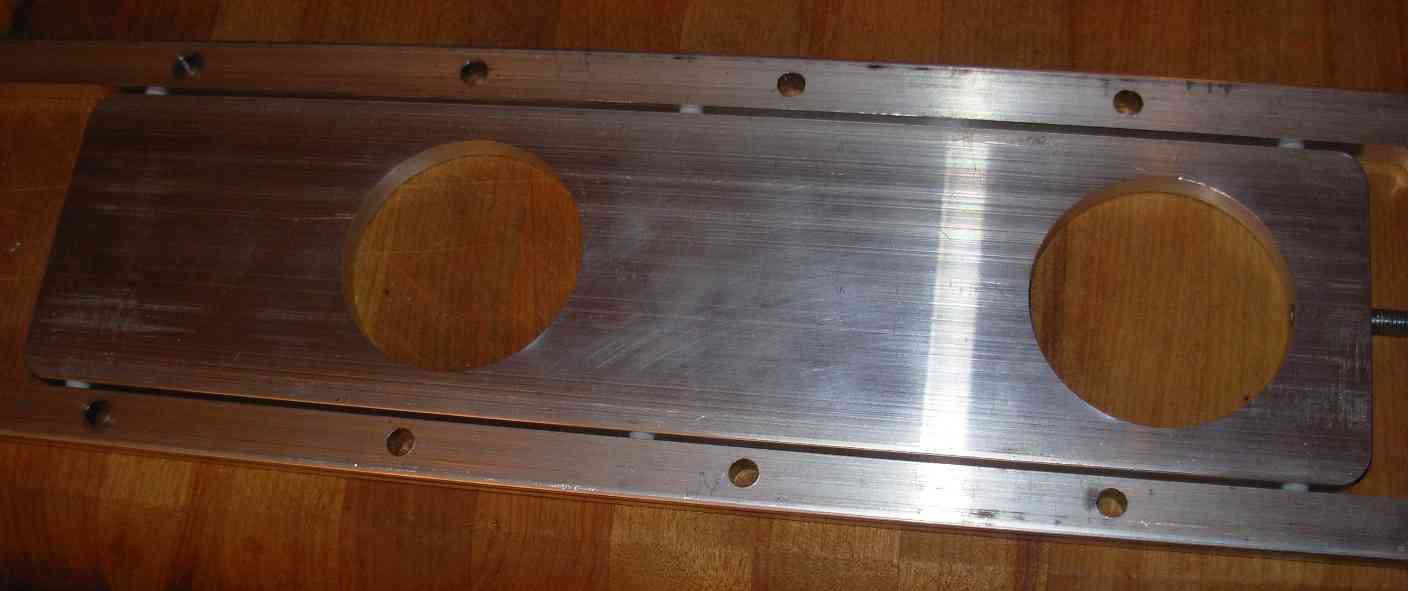
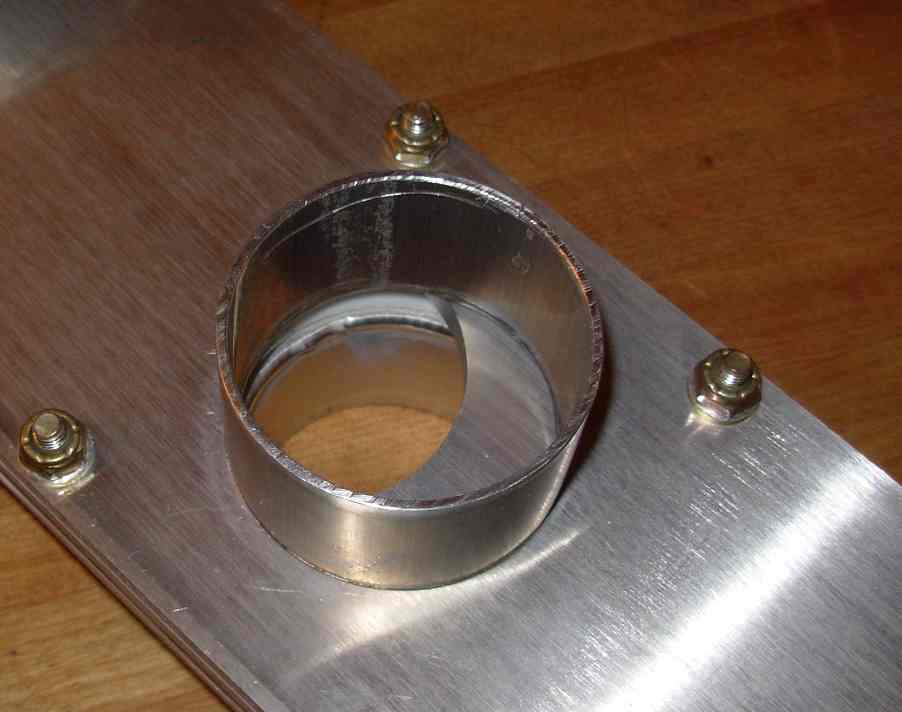
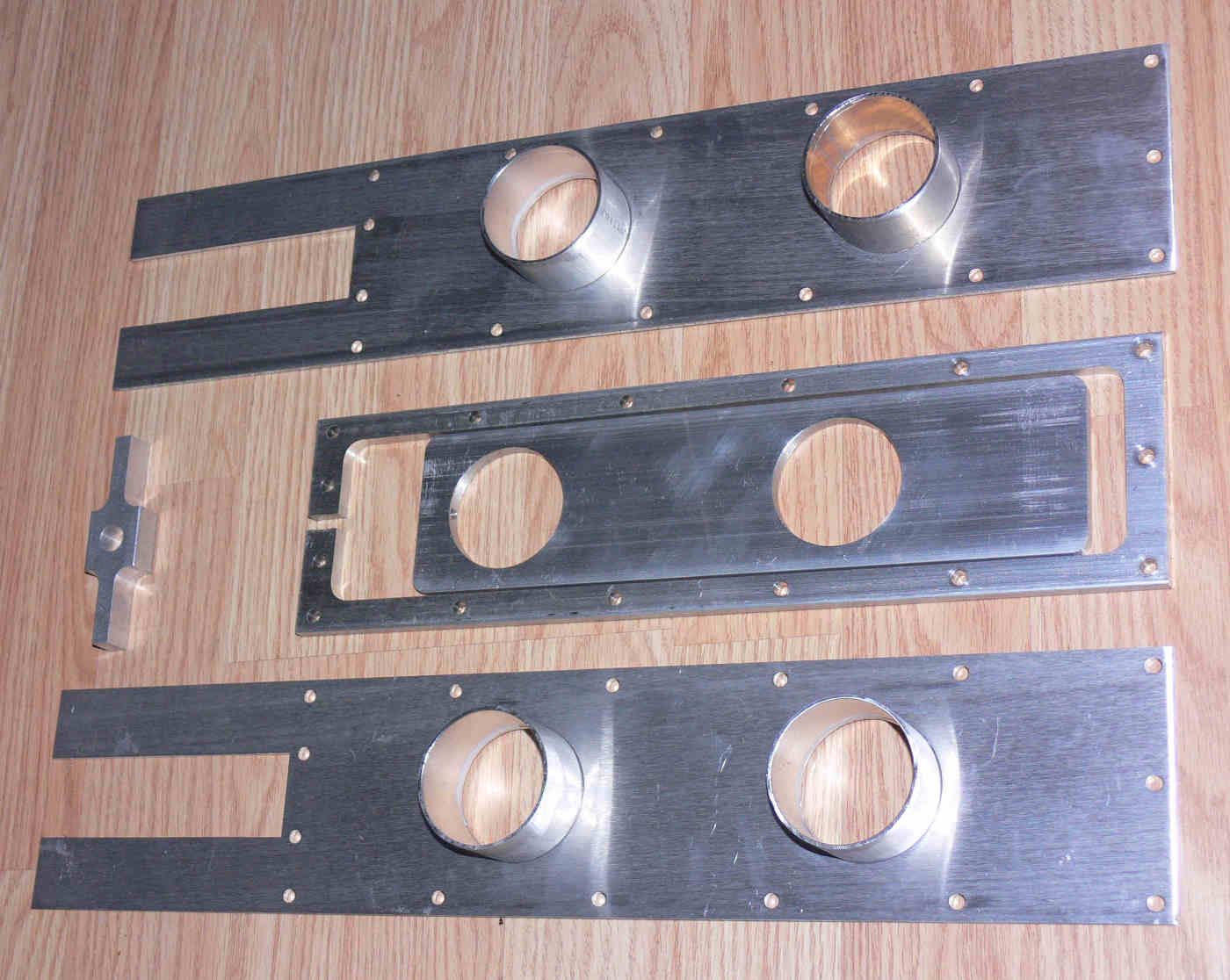
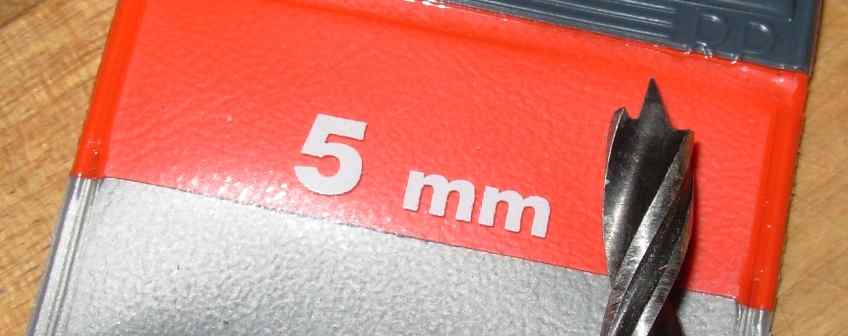
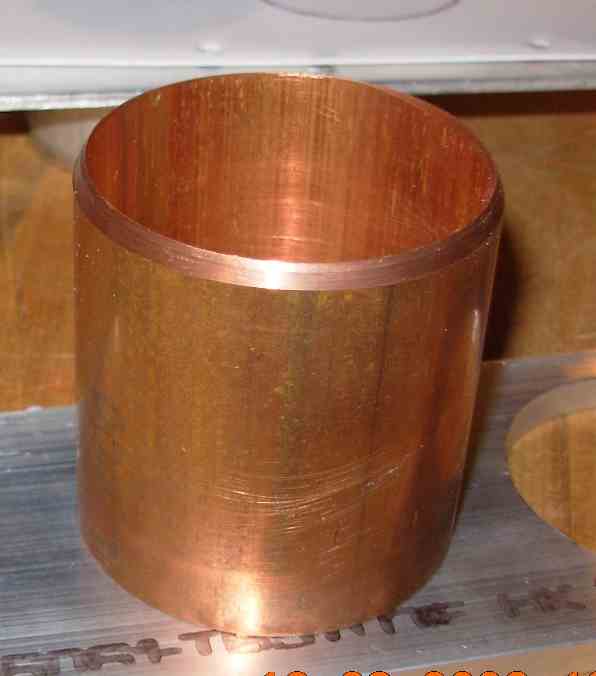
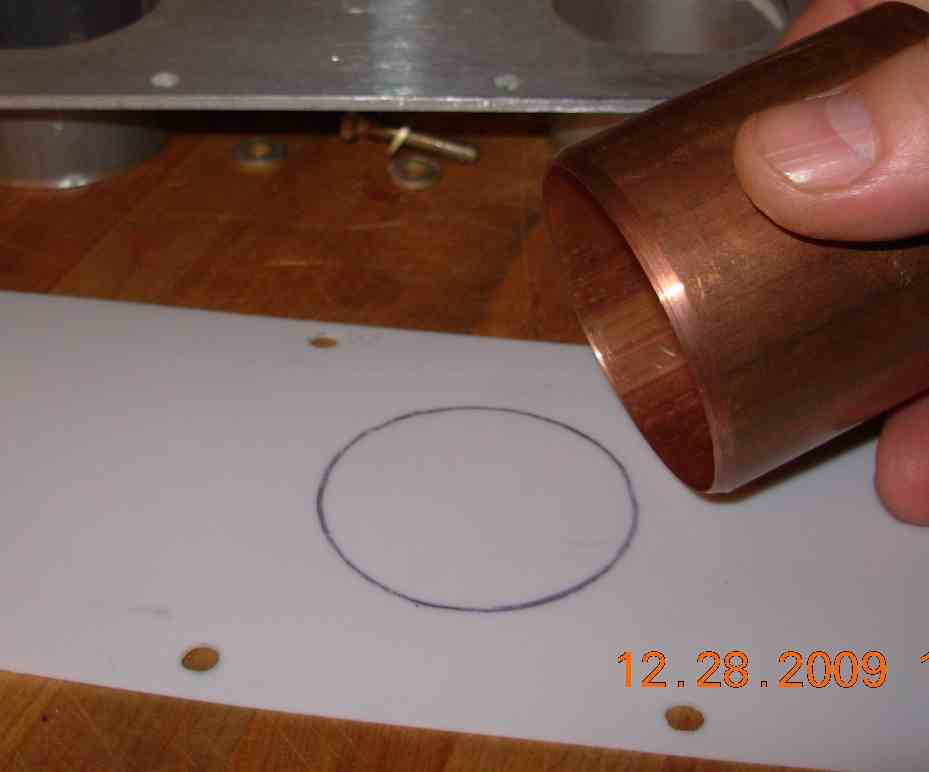
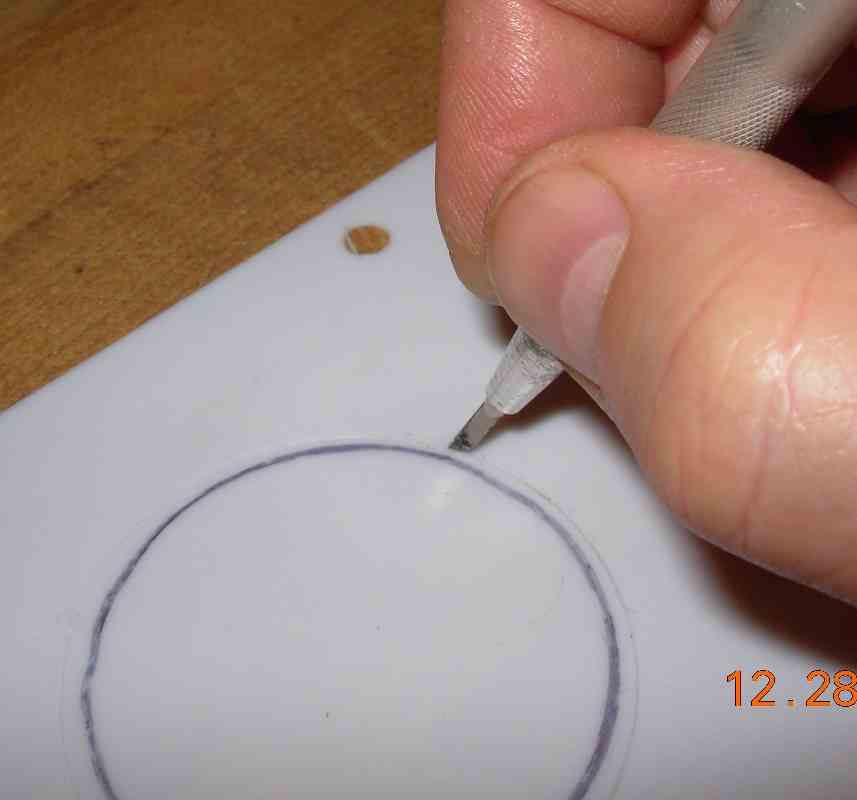
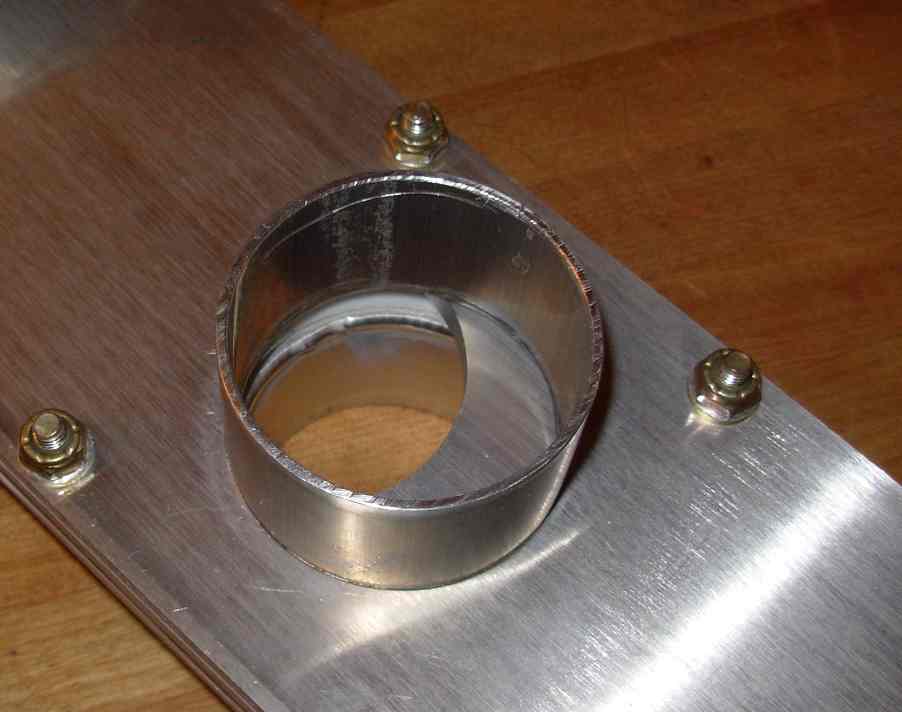
Here is how to cut the Teflon and install it thanks to Criag Smith.
Get it back and ship it to me. If I can I will install the teflon and test
it... no charge except.... for shipping.
Paul Lamar
--
The Rotary Engine News Letter. Powered by Linux.
ACRE NL web site.
http://www.rotaryeng.net
You Tube
http://tinyurl.com/beqqxas
Copyright 1998-2013 All world wide rights reserved.