One of the features of our new low costuniversal motor mount I
am working on is there are four tubes that need ball joint
adapters tig welded to the ends. Eight joints per motor mount.
This is easy to do for a skilled tig welder but it is like
riding a unicycle while juggling for me. I can get a functional
joint but it is far from cosmetic. I have to stop...weld about
30 degrees.... stop.... rotate the tube 30 degrees and do
another 30 degrees.
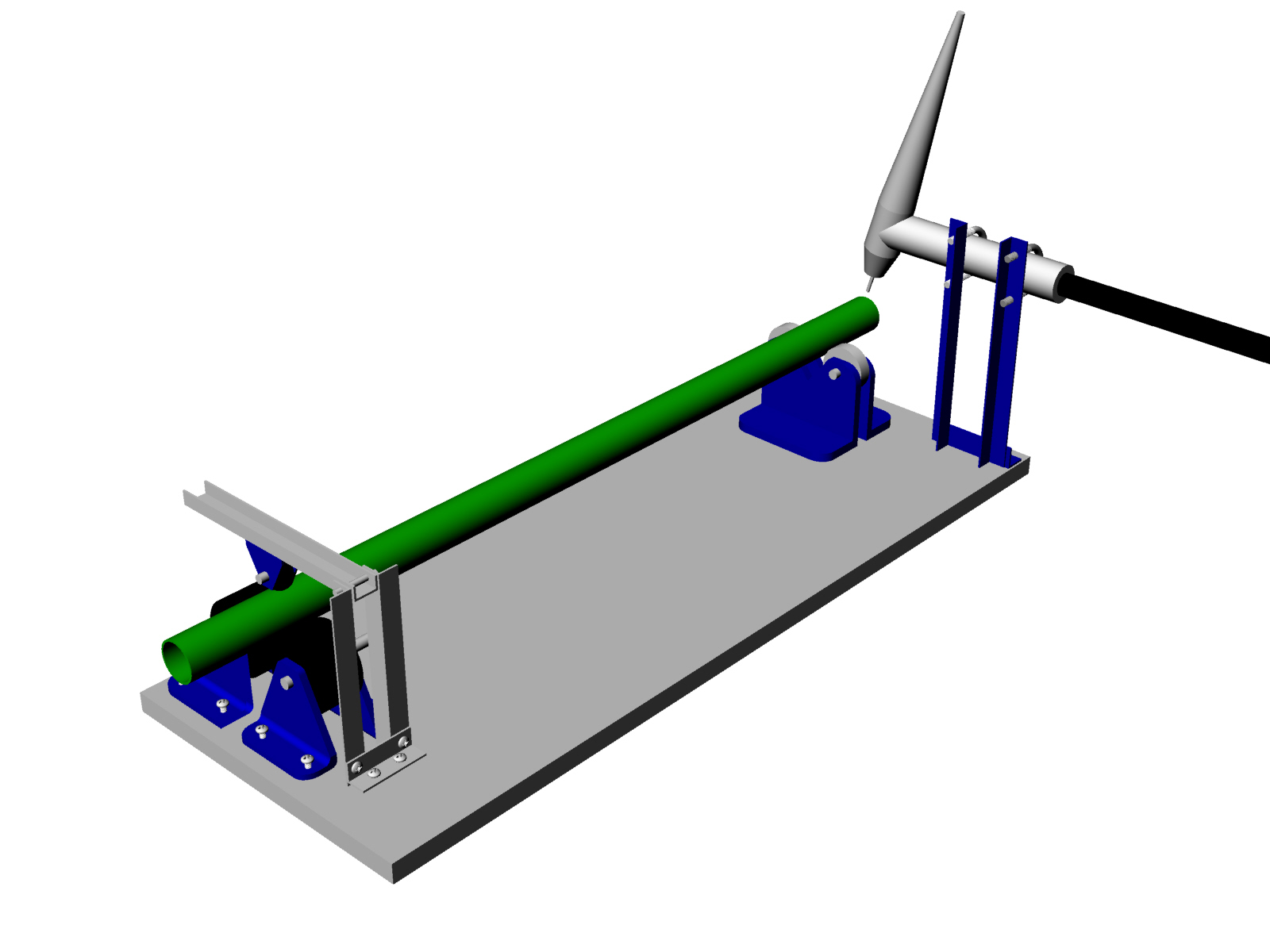
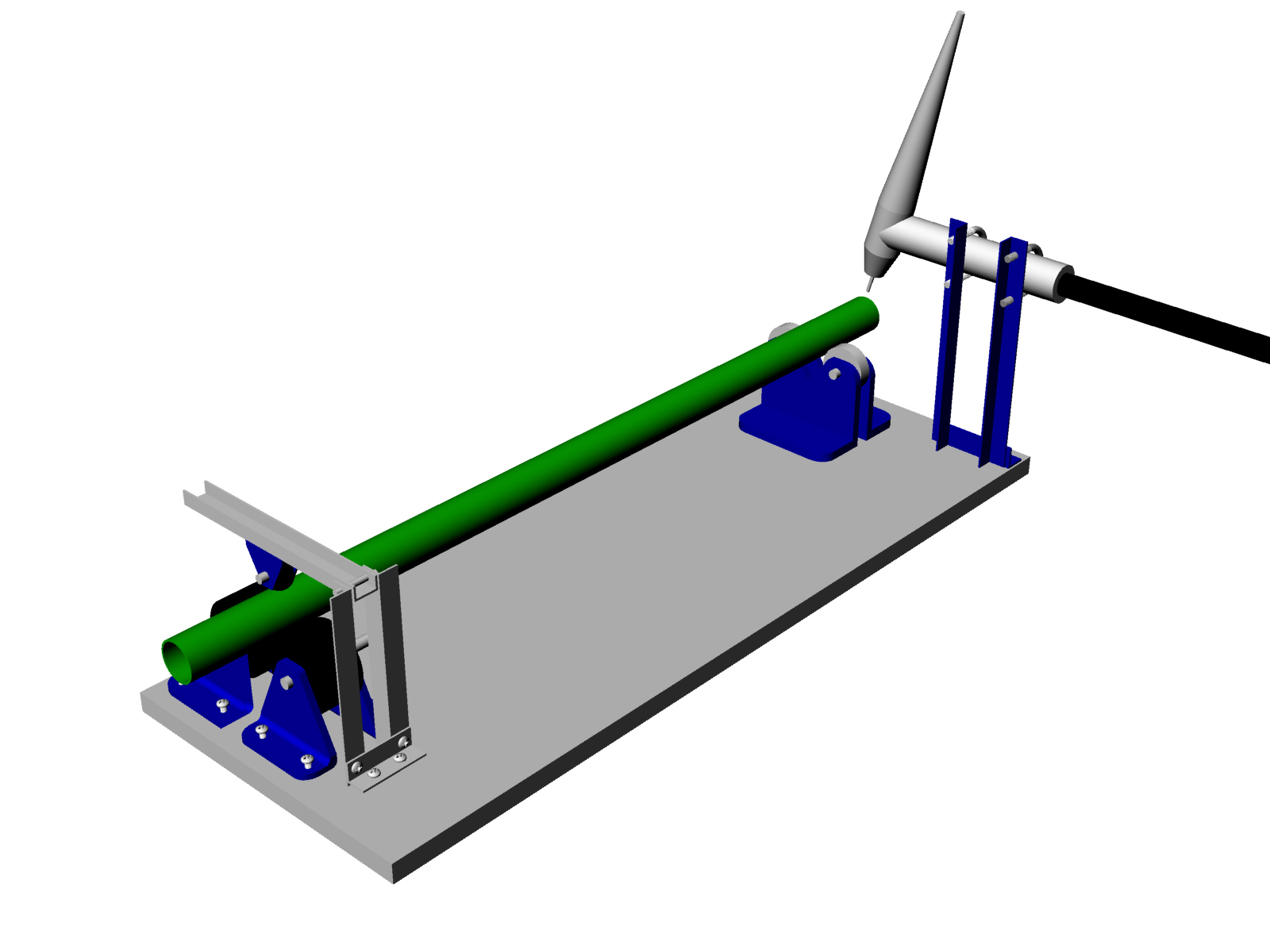
There must be another way so I am building a robo welder just for this
job. I'll offer it as a service because it only takes a few minutes for
each joint.
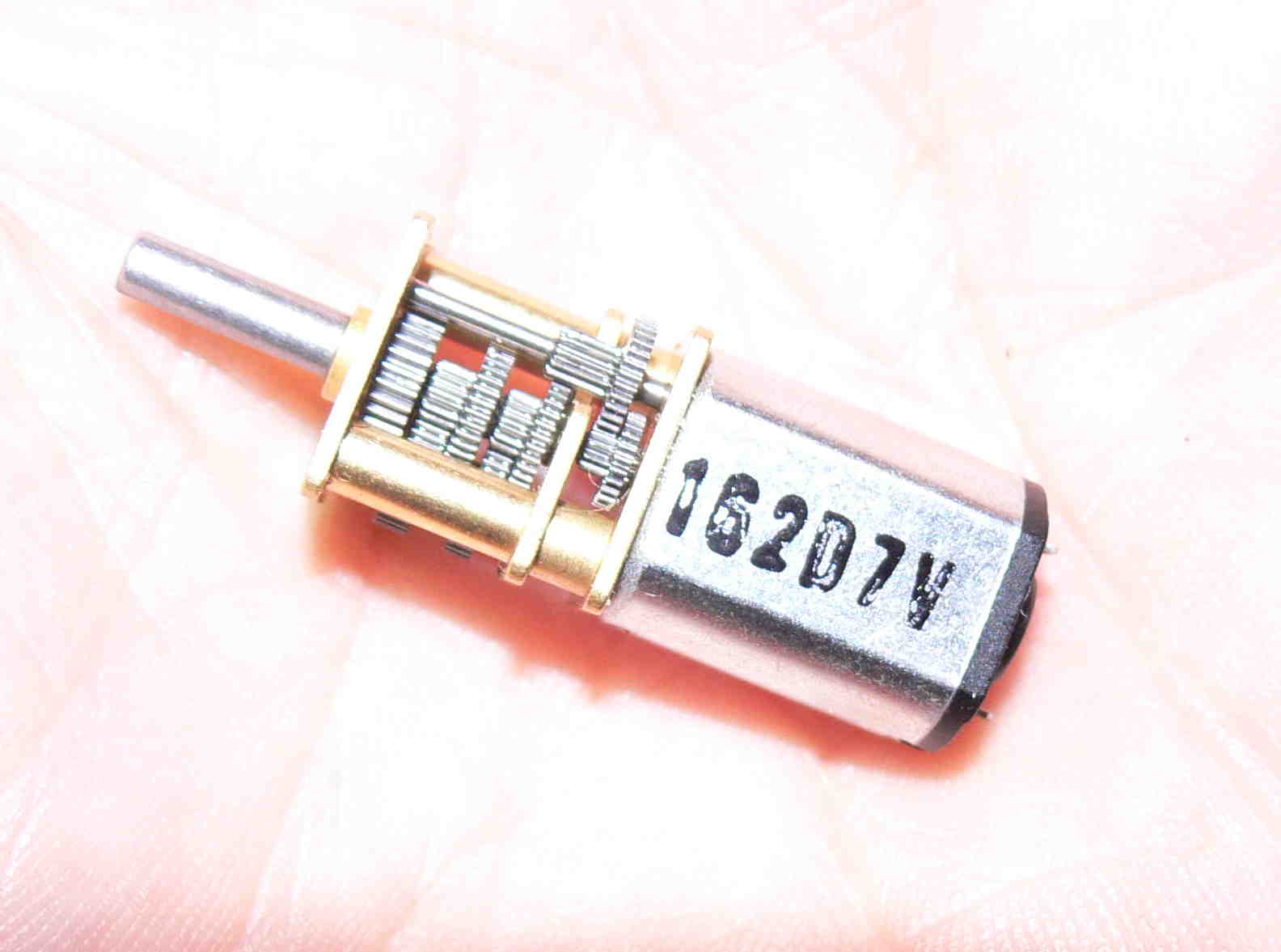
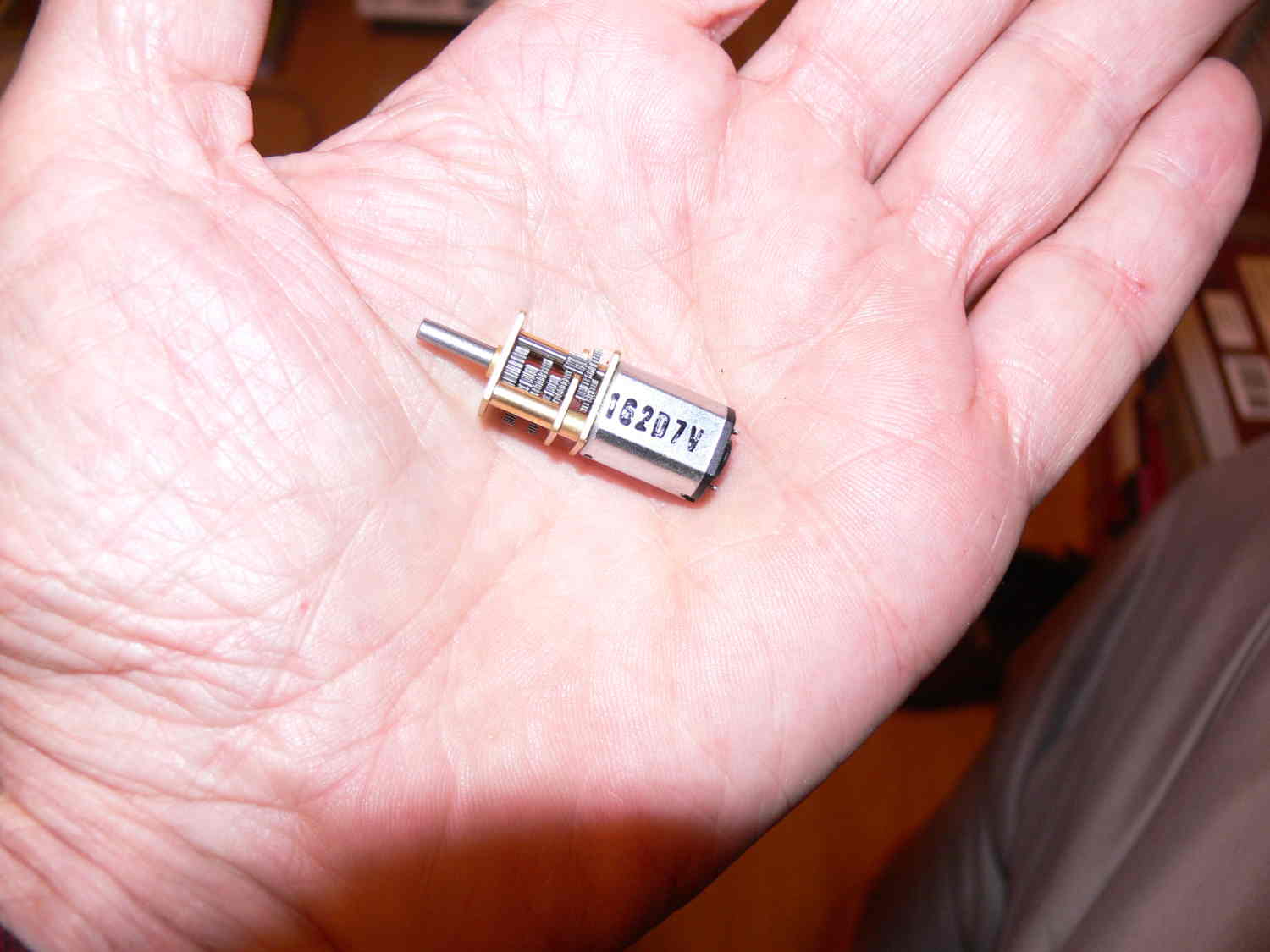
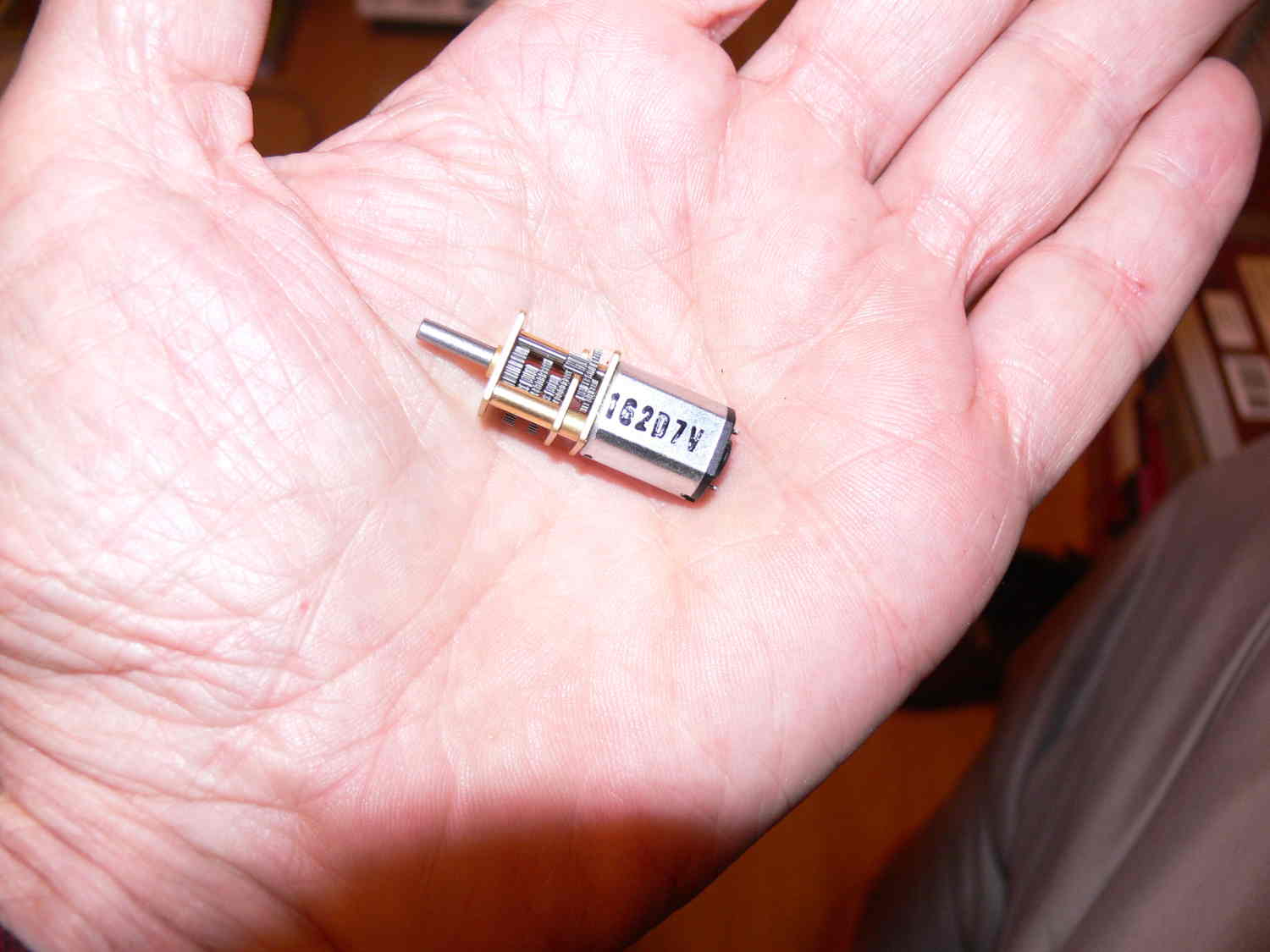
Pololu $22 gear motor has a 1000:1 gear reduction so it is
slowly rotating the the tube at a constant rate. You just need
to come up with the correct distance for the tungsten and the
right welding current and gas flow. The rest is automatic with
my Lincoln 175 tig I bought at Sun N Fun on sale.
The rollers that turns the tube are plastic as you don't won't 80 amps
flowing through the gear motor. There would be a spectacular fire with a
pool of liquid metal :)
Paul Lamar
Paul,I built one of these years ago to do boring welding at
our shop like putting hubs on gears or the end of a tank.I
don't think you want to have your ground dragging on the part as
it will leave arc pits as it conducts.I put a pointed vertical
shaft (1-7/16") into a grounded carbon block.Mounted the shaft
in two brass bushing sleeves under a 4' square table.There was
a 20" circular work table the part set on with some adjustable
centering blocks like a lathe chuck.I turned the shaft with a
variable speed 3/8" drill with the trigger locked on and running
thru a rheostat from a wire feeder as used on our MIG welders.
The drill turned a 100:1 gearbox and had roller chain drive to
the vertical shaft with about a 4:1?sprocket ratio.I have a
cover that closed everything inside for smoke control with a
large welding lens in the cover and a hand hold hole to set and
adjust the tig or mig gun while it runs for irregular shaped
parts.It welds 1" to 20" diameters with the same drive
sprocket and could do much larger with more sprocket reduction.
This rig welded thousands of parts with only the drill motor
brushes being replaced a couple of times.I also built one like
your sketch to weld headers shafts, and caps on roll case
rollers.There was a sleeve that slipped over the end of the
shaft for the ground clamp and it just twisted the ground cable
360 degrees to weld the part.That machine was used but not as
trouble free as the vertical one.
The big problem was the work
walking along the support rollers end wise.That was patched by
tilting the rig a few degrees and having an adjustable end stop
on the opposite end of the welding.The plastic rollers
(UHMW-green) didn't drive worth a crap.Real irregular feed and
stop and start while welding.I changed to steel wheels and put
a third weighted wheel on top at the drive set.It then worked
well but seemed like more trouble than it was worth.
We
continued using it but should have built something else.If
you like the vertical spindle you could have a threaded stub
sticking up to screw your weld bushing on and slide the tube on
till the shoulder of the sleeve.One other thing, I had a limit
switch to stop the rotation at exactly one revolution.The
start button bypassed the NC limit switch and started the welder
thru a 3 pole glass relay.The limit switch unlatches the relay
to stop.An idec solid state timer left the welder run a second
or so while the motor coasted to a stop to overlap the end of
the weld over the start point.These things did a wonderful job
with shield gas and flux core MIG welder but it is really hard
to get tig set up.A SS guide sleeve for the filler will aim it
but an operator must work the wire in and out to apply it.A
really tedious job.
george grimes
Thanks for the tips George. I'll let you know how it goes.
Paul Lamar
I took your advice on the tilting to locate the tube longitudinally.
I also decided to feed the current in from the other end of the tube
which will also serve as the metal stop you mentioned. Any pitting can
be sanded off.
I realized I had to make it adjustable if I were feeding the current
in from the other end.
The length of the tubes varies by up to a foot or so.
Paul Lamar
Paul there isa spray can variety of nozzle anit spatter for MIG welder
nozzles that you can spray your machine with everyfew parts to keep
spatter from sticking to things like the support roller slide rods.
george grimes
I don't notice a lot of spatter with the tig.
Just in case I'll get some.
Thanks for the help. There will be a third iteration :)
I'll move the stop rather then the torch.
Paul Lamar
Your not going to believe this George.
Here is my complete drive for rotating a one inch steel tube and one rev
per minute. Classic trade off for torque verses HP.
It does not take much HP to rotate the tube at one RPM.
The gear reduction here is one thousand to one.
This device does this at .5 volt in and 10 milliamp's.
The motor is rated up to 14.7 volts. God only knows the torque :)
It is possible to destroy this gear box by stalling the out put
so I am using a short piece of rubber hose to couple it to the drive
roller. All rotors use miniature ball bearings. The 2 near the torch are
screen door rollers. The stop is not shown. The stop will ground the tube.
Paul Lamar