This is a speed bench mark to see how the QB compiler compares with
the QB interpreter. I toggled the printer port when the program
started and ended.
See the QB source file below.
FOR X = 1 TO 100 :NEXT 225 usec interpreted
475 usec compiler!!! What ??? In this example the interpreter was
faster for some strange reason.
I suspect there is a lot of initialization code for the stand alone
compiled program.
In any event the interpreter is plenty fast enough as you have 8,000
usec at 7500 RPM to run all your programs. Fast enough for timed
fuel
injection but we don't need that. Batch injection will work fine.
This mother board is several years old. New Micro ATX MB's are
probably twice as fast.
What is truly wonderful is I can pull the DOS boot USB stick out of
the DOS computer and plug it into my Mint Linux computer and read
and
write on it. It would do the same thing on Windows 7 or below. I
think :)
Did you ever see a DOS computer with 2 Gig free on the hard drive?
:) This is the first time in my life. DOS was limited to 100 meg
drives as I recall.
-------------------------------------------------------
Here is the bench mark program.
ON KEY(1) GOSUB fish 'F1 key
KEY(1) ON
start: OUT 888, 1 'toggle bit 0 printer port
FOR x = 10 TO 1000
NEXT x 'count to 1000 OUT 888, 0 'toggle bit 0
GOTO start
fish: END
------------------------------------------- Be sure to save your QB
source files as plain text.
I am really jazzed about this approach to EFI/EFIS. The DOS USB
support put it over the hump.
Paul Lamar
Hey Paul,
How did you measure the time? Did you use a silly scope on the
printer
port to make the measurement?
Mark LaPierre
Yep. I'll do so more shortly like writing data to the USB stick and
sending data to the display.
Paul Lamar
Sending data to the EFIS display screen on line 15, character
position 15.
Not compiled.
---------------------------------------------------
CLS
ON KEY(1) GOSUB fish
KEY(1) ON 'F1 key
start:
OUT 888, 1 'toggle bit 0 printer port
LOCATE 15, 15
PRINT 1234
OUT 888, 0 'toggle bit 0
GOTO start
fish: END
This one took took only 6 usec!!!
So screen up date every one second is a piece of cake :)
Paul Lamar
-------------------------------------------------------------------------------------------------------------------------
This writes engine data to a file on the USB stick Black box mode so
you have a time record
of how the engine and cooling system performed. In spread sheet
format.
CLS
OPEN "ENGDATA.CSV" FOR APPEND AS # 1
ON KEY(1) GOSUB fish
KEY(1) ON 'F1 key
start:
OUT 888, 1 'toggle bit 0 printer port
PRINT #1 1234; ","
OUT 888, 0 'toggle bit 0
GOTO start
fish: END
This took 3 to 4 usec.
You can fill a USB stick if you let this run for more than a few
minutes.
I got about 22 meg in about 5 minutes.
Obviously you only want to do it every second or more.
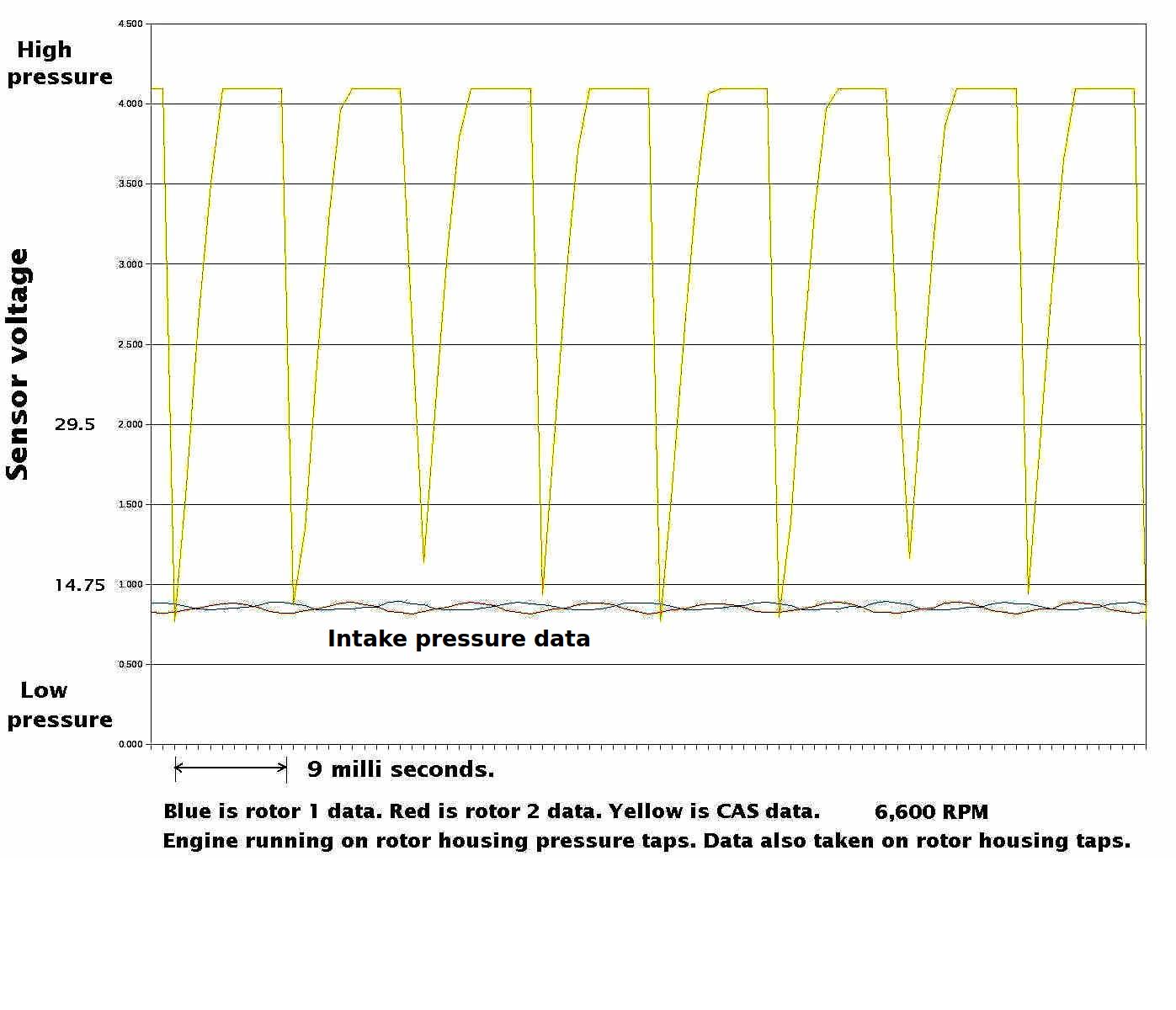
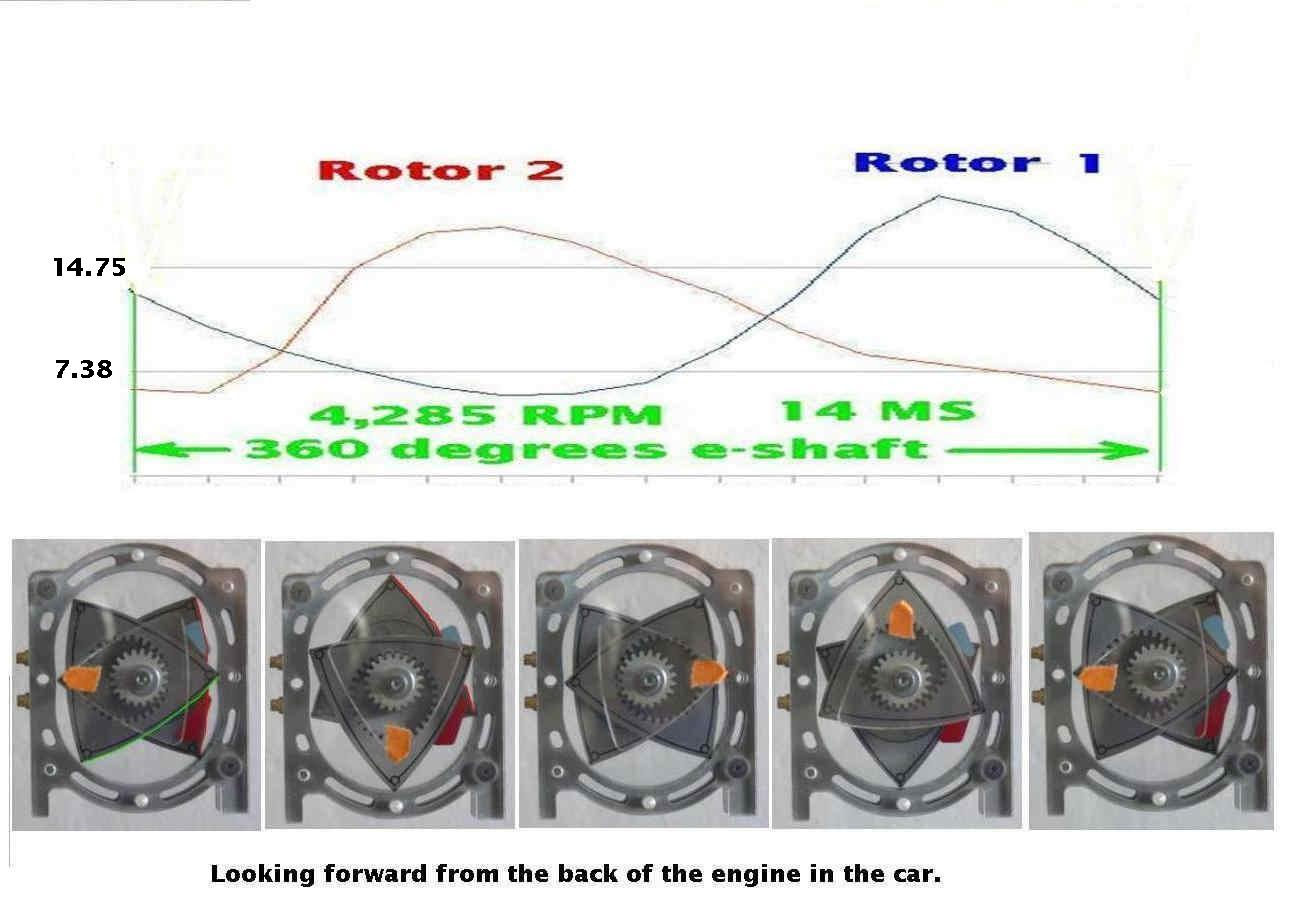
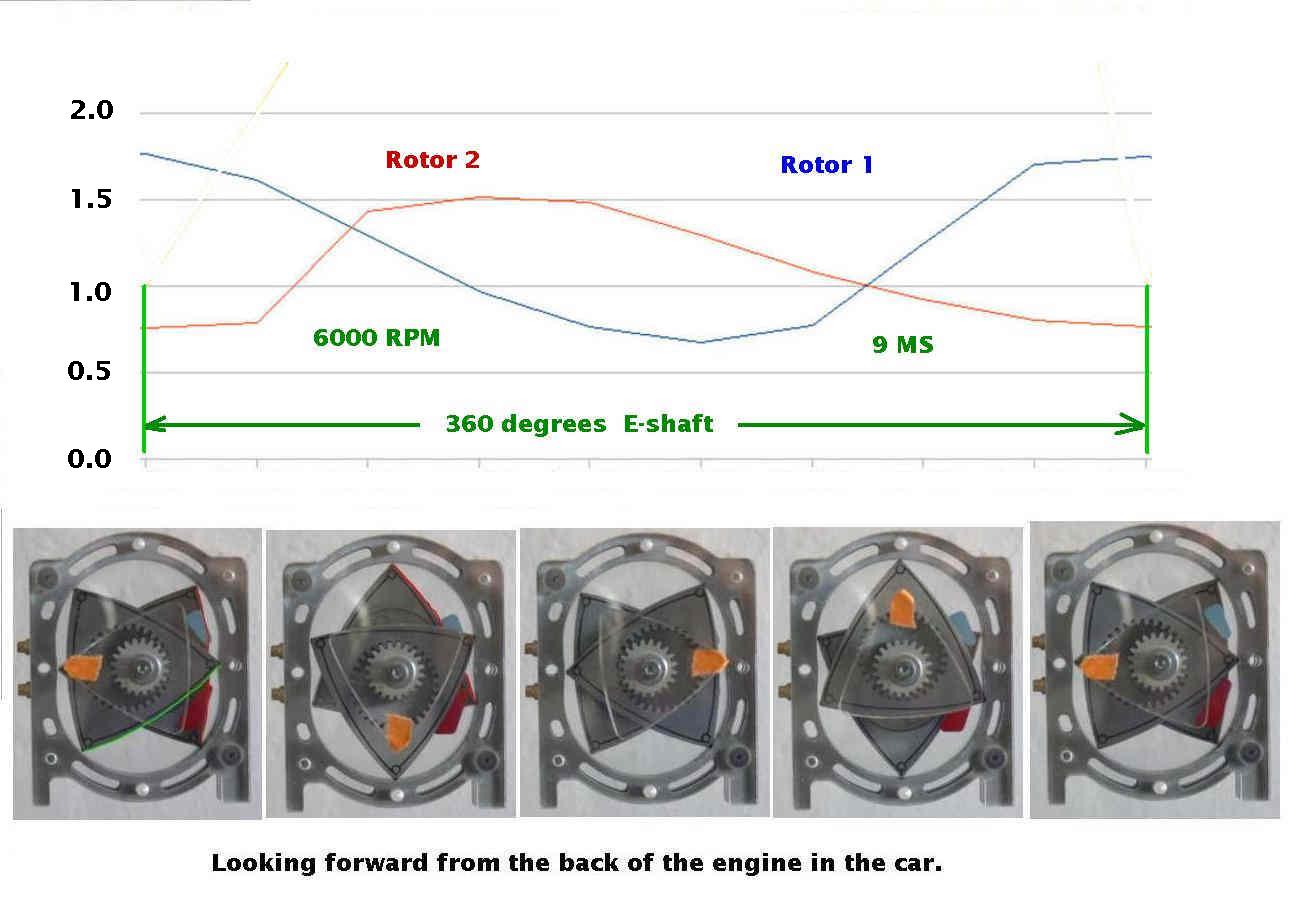
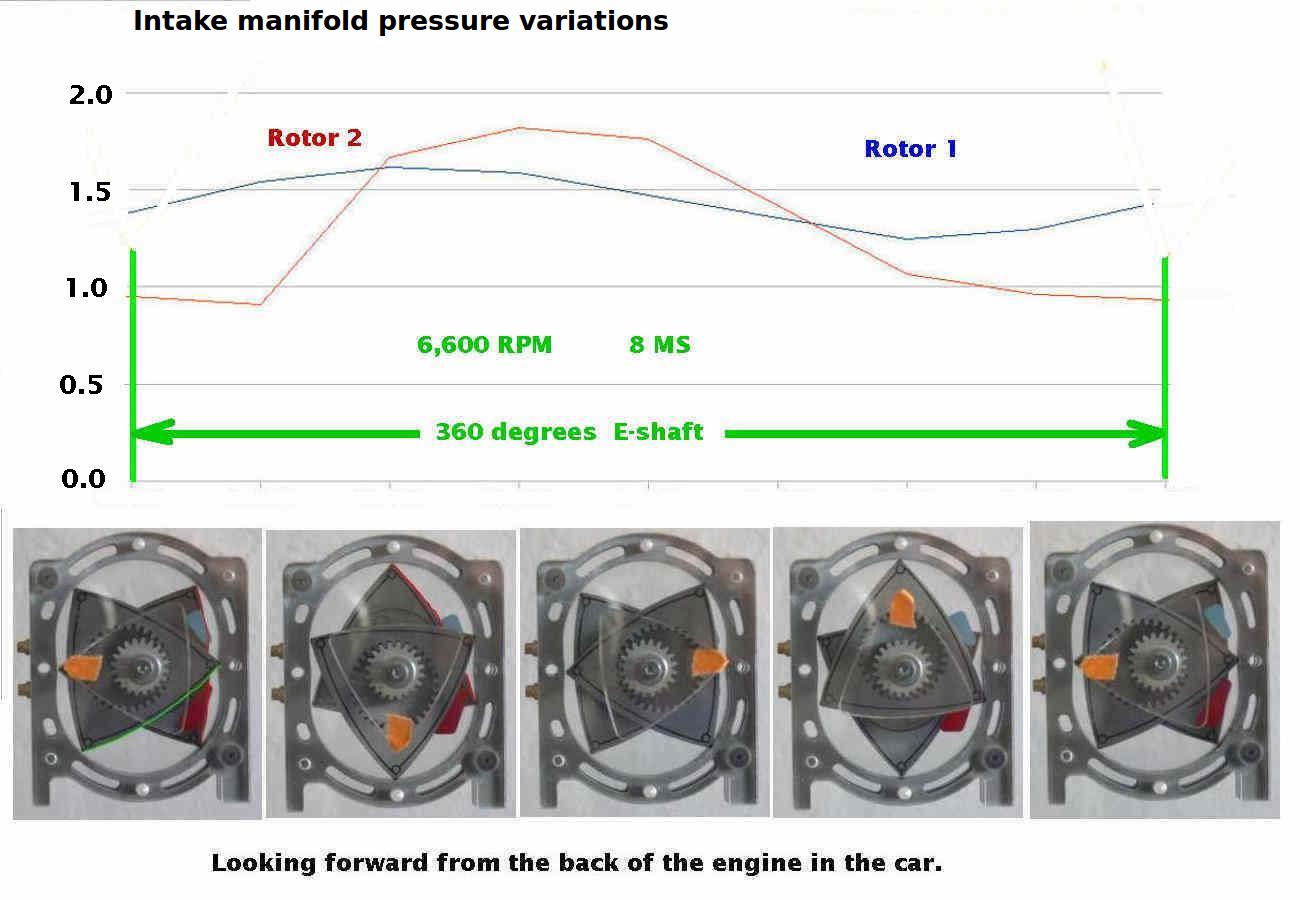
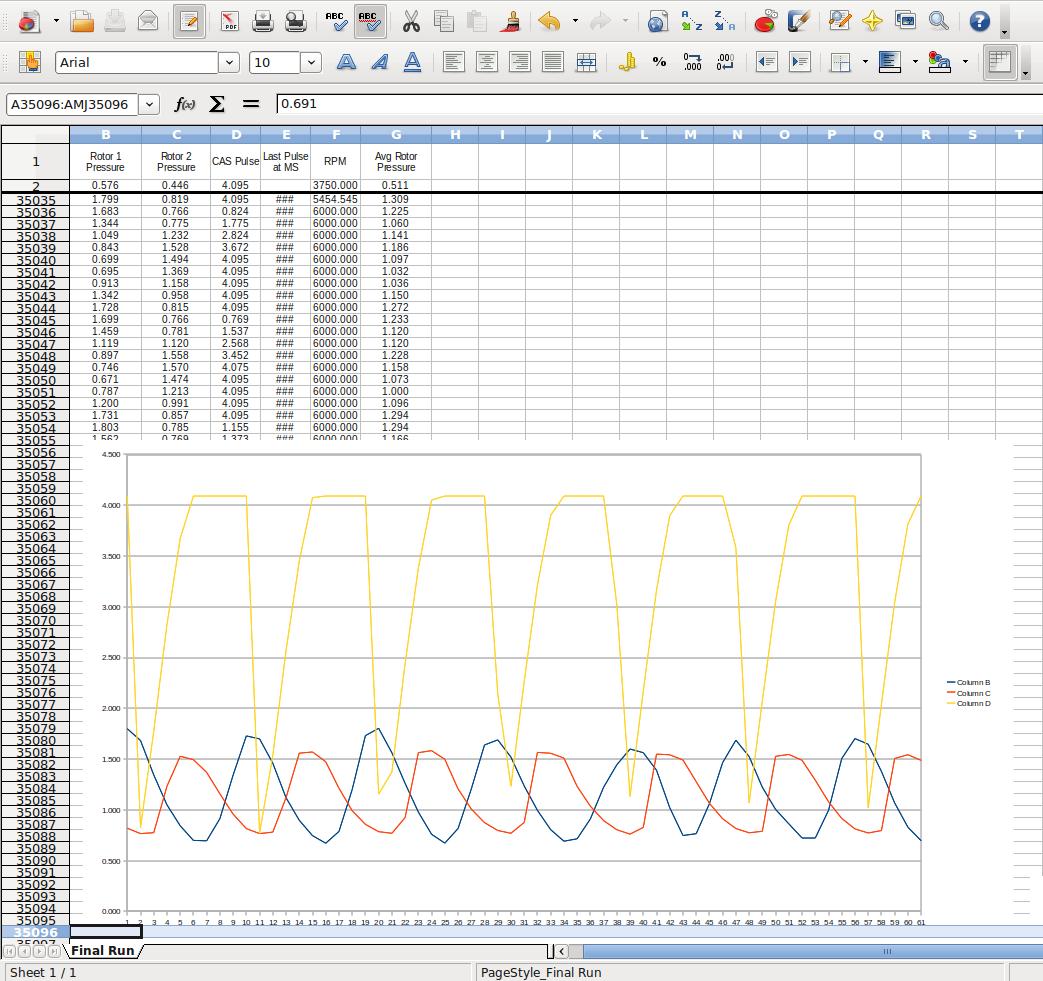
If you do it at high speed you can also record the tuned intake
manifold wave shapes as
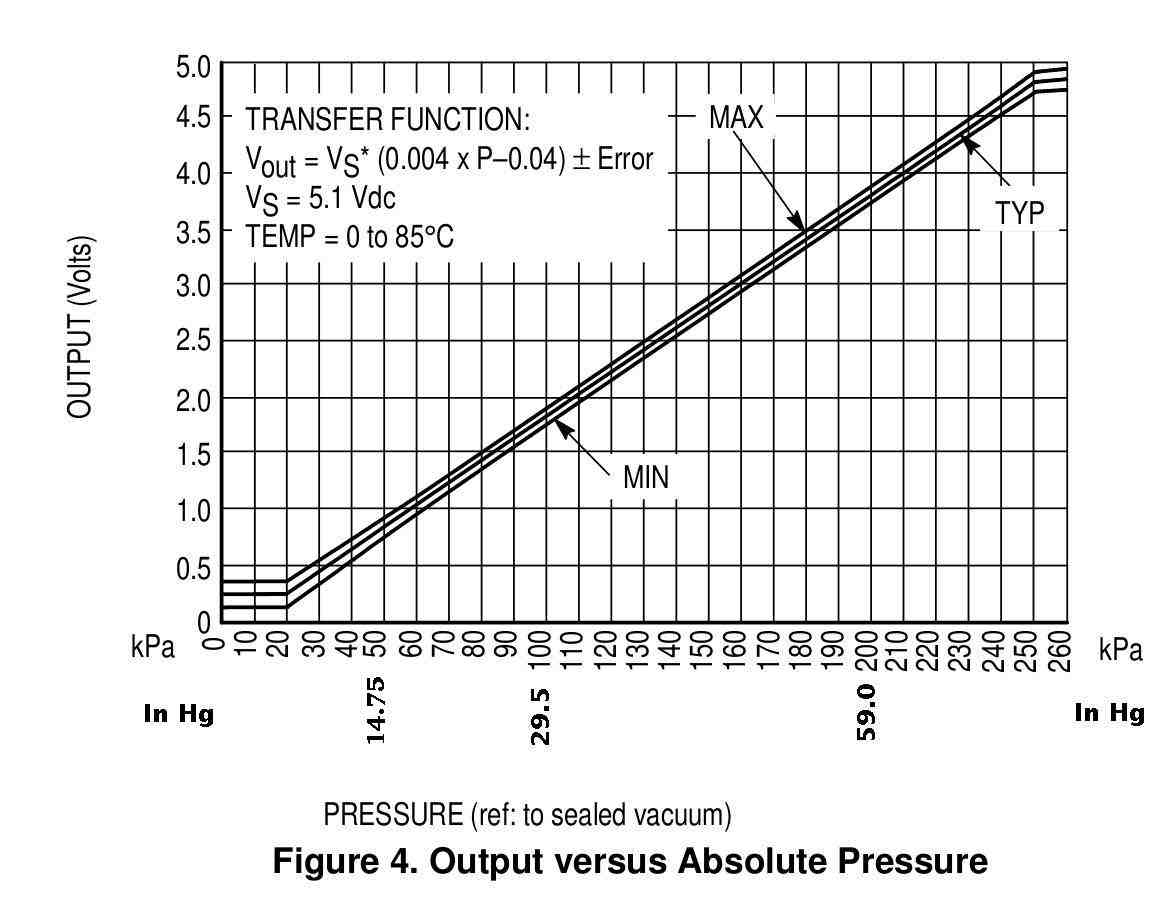
the pressure sensors take 1000 samples per second. One sample per
msec or one every 1000 usec
if my math is correct. Here is what the data would look like.
It can also be used to record the compression pressure of the engine
while
it is turning over with the starter. Great for assessing the apex
seal condition.
That alone is worth building a DOS QB system with an old mother
board and setting this up.
Paul Lamar
The Rotary Engine News Letter. Powered by Linux.
ACRE NL web site. http://www.rotaryeng.net
You Tube http://tinyurl.com/beqqxas
Copyright 1998-2013 All world wide rights reserved.