Paul Lamar
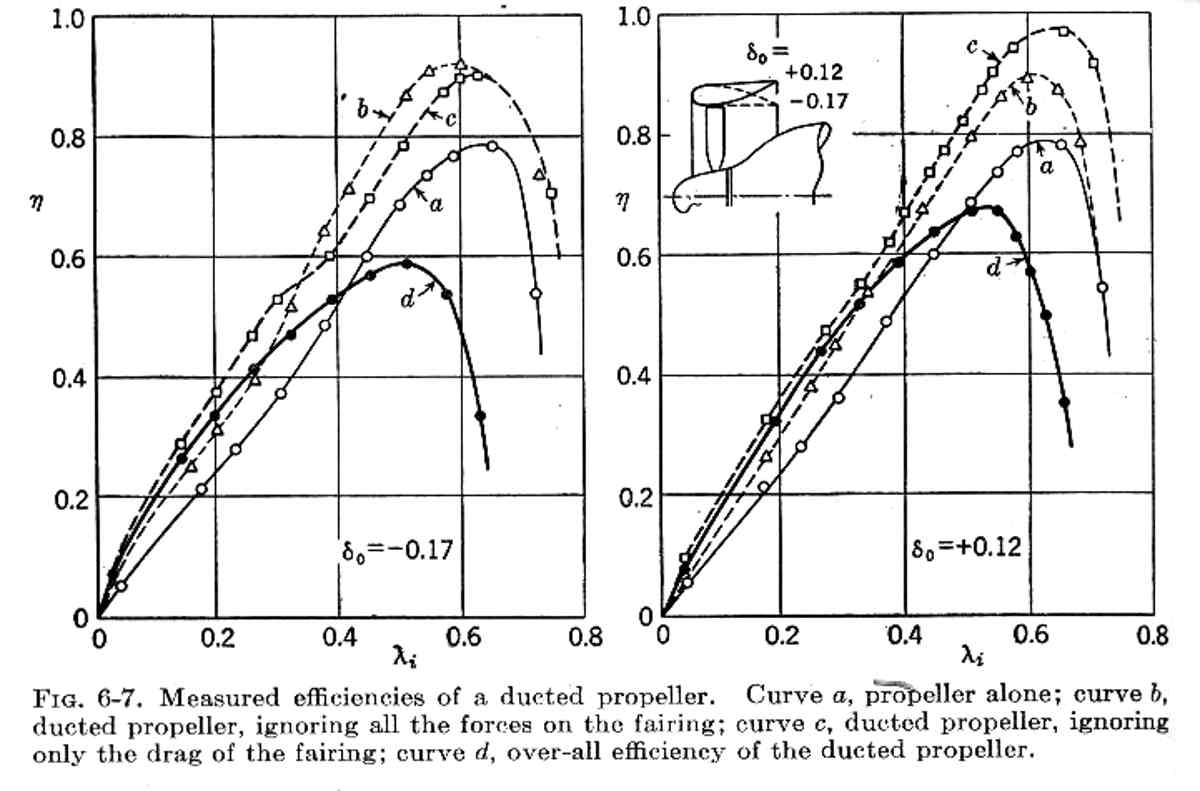
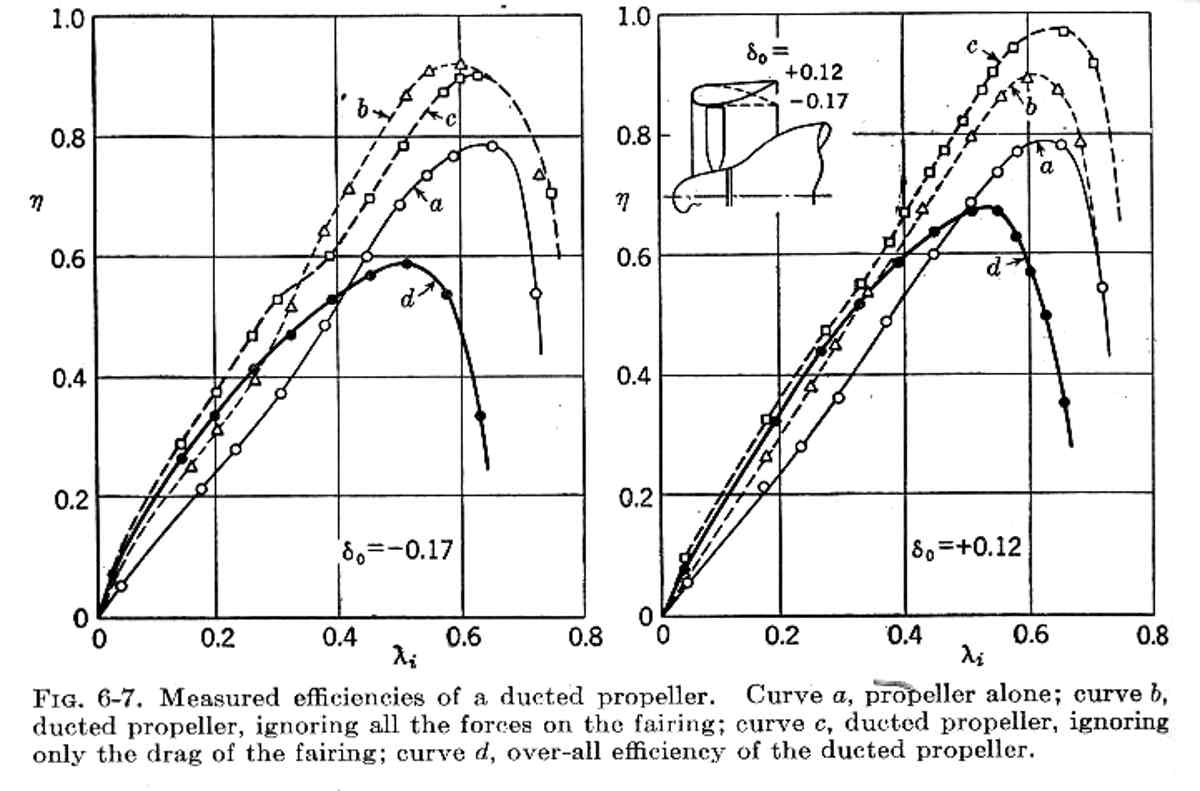
Hi!: are this data from the 1982 booklet by D.W. Hovey on 'Ducted
fans for light aircraft' still of value?The rest is the Canada
patents by Alfred P Grazen on the coating used for the Suzuki RE-5
stator. Thanks, regards, salut + Jose Gros-Aymerich Madrid,
Spain
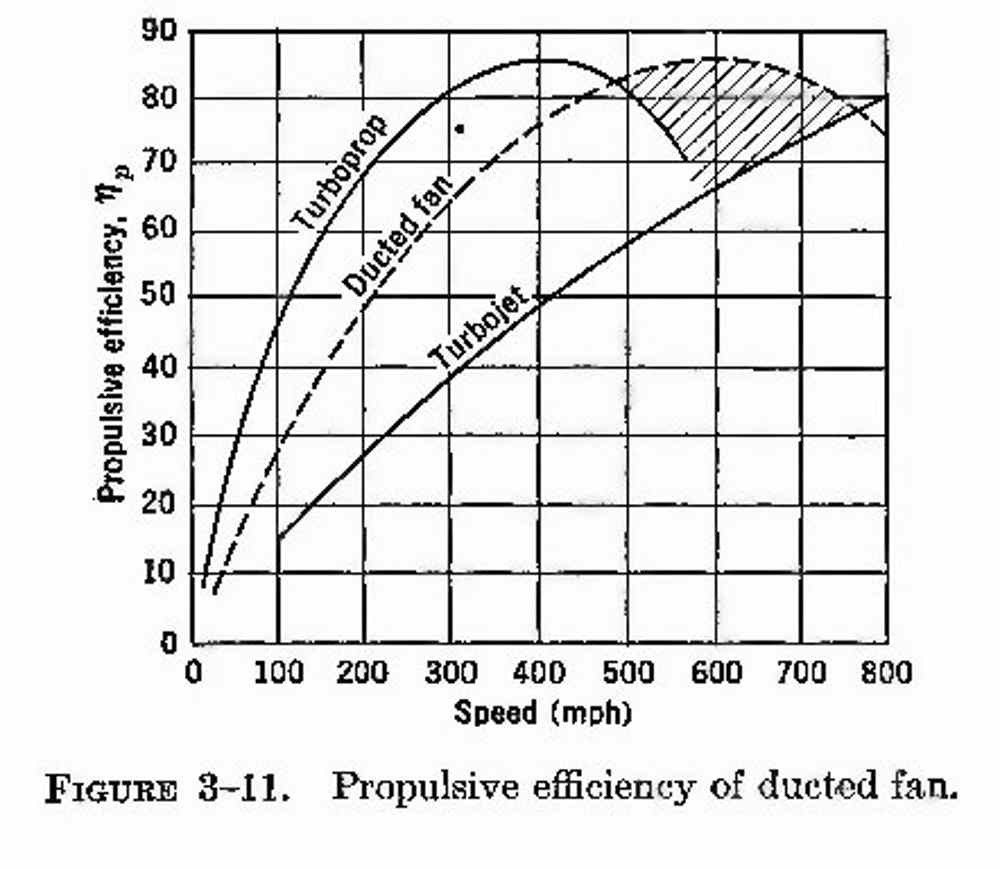
Ducted fans were discredited in WW II by German scientist. The duct
has drag which negates the alleged advantage. Over about 100 MPH. At
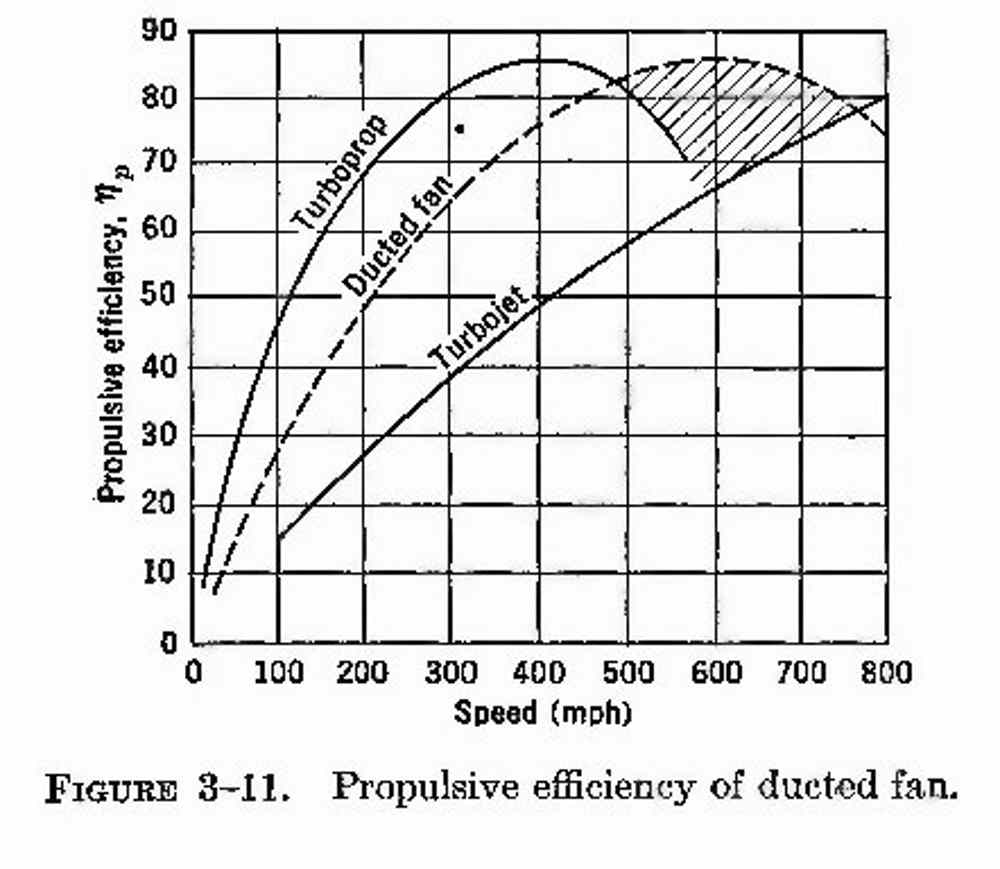
400 MPH and up to 600 MPH they are an advantage for high bypass turbo
jets.
Paul Lamar
Jose,
There isn't any reason that Hovey's work wouldn't still be of value.
Apologies if you already know the following:
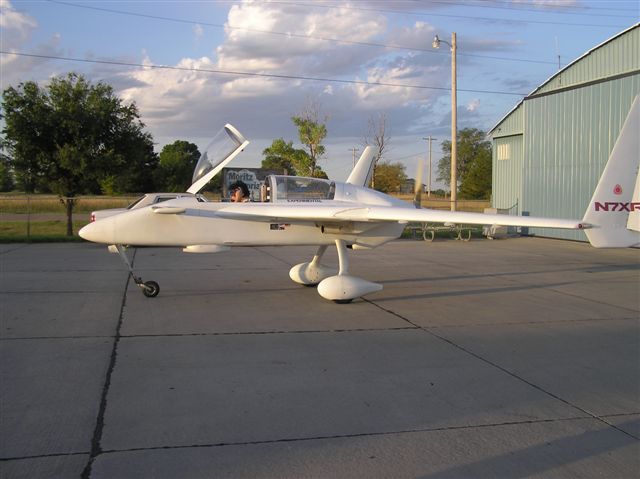
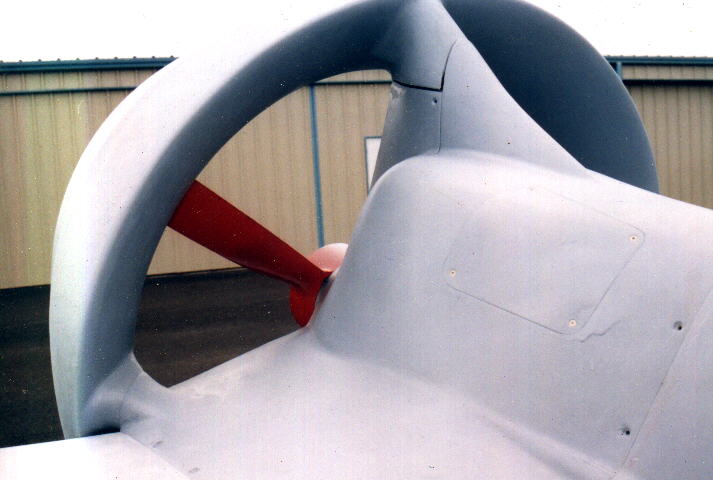
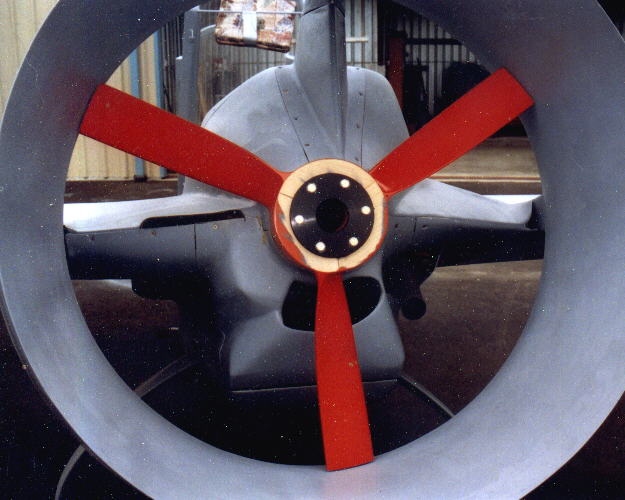
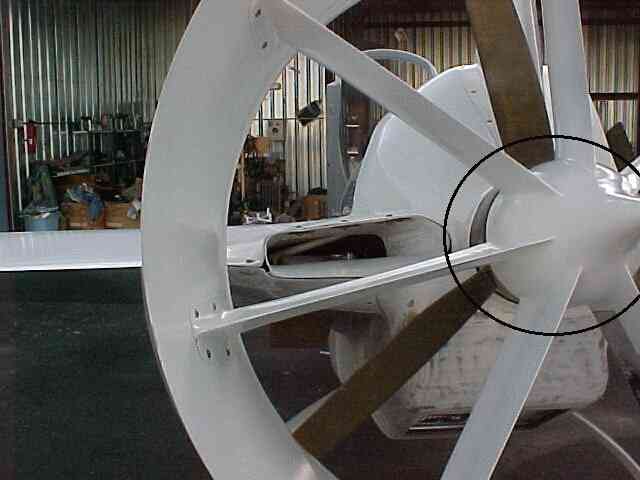
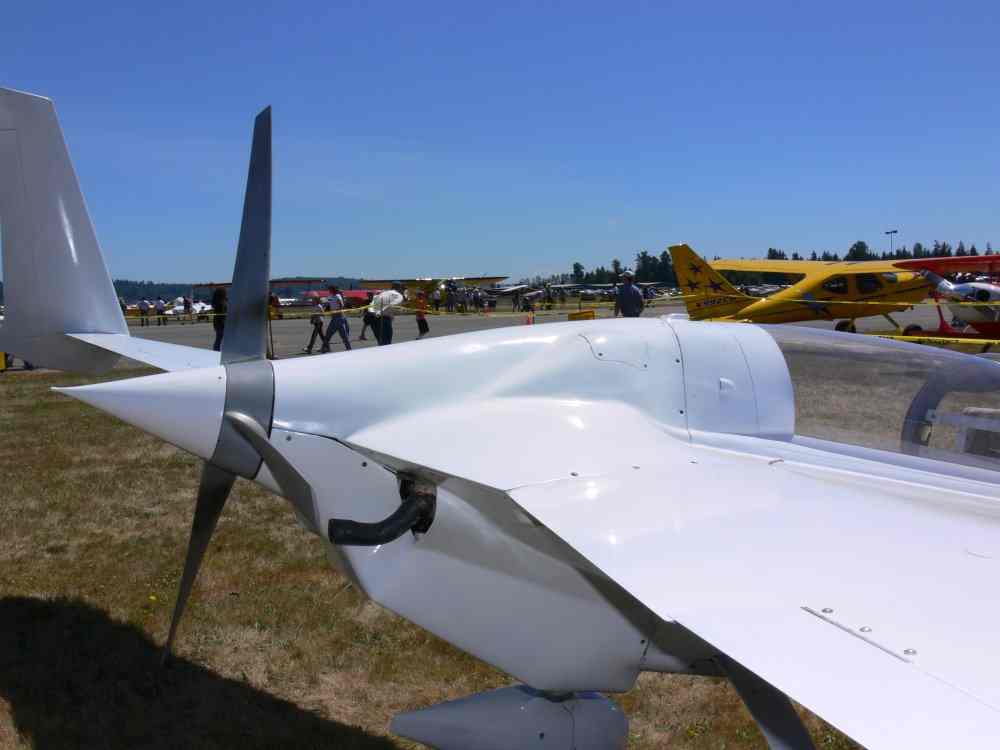
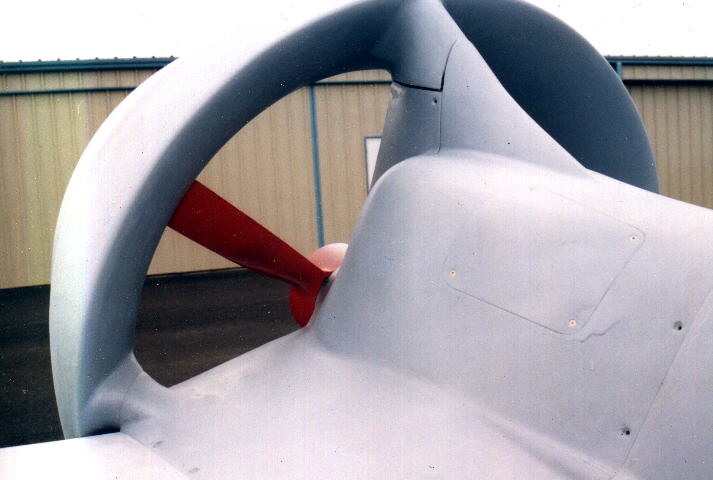
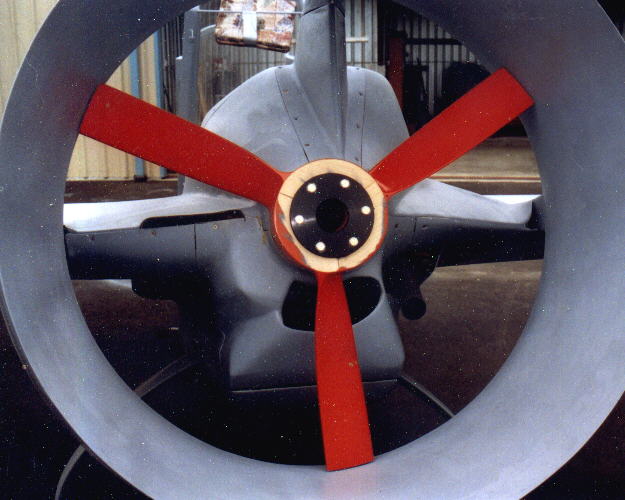
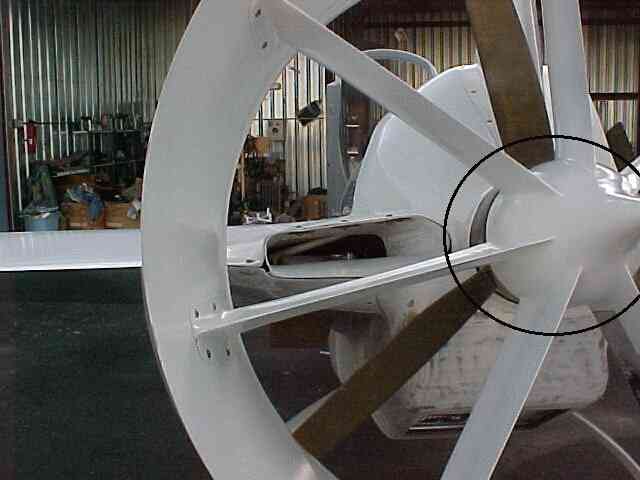
In general ducted fans are of limited use for small aircraft
because it's difficult to either make the fan large enough to be
efficient or the aircraft light enough to use a small fan.
Energy and momentum rear their pretty little heads.
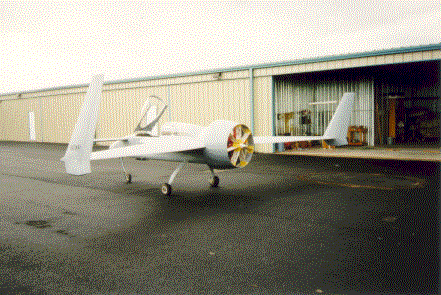
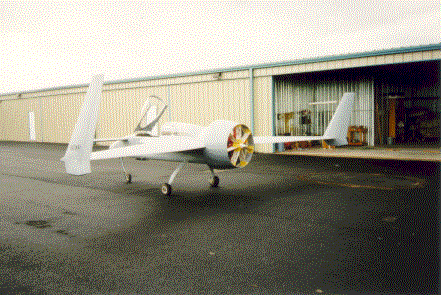
That doesn't mean they aren't viable. There are more ducted fan
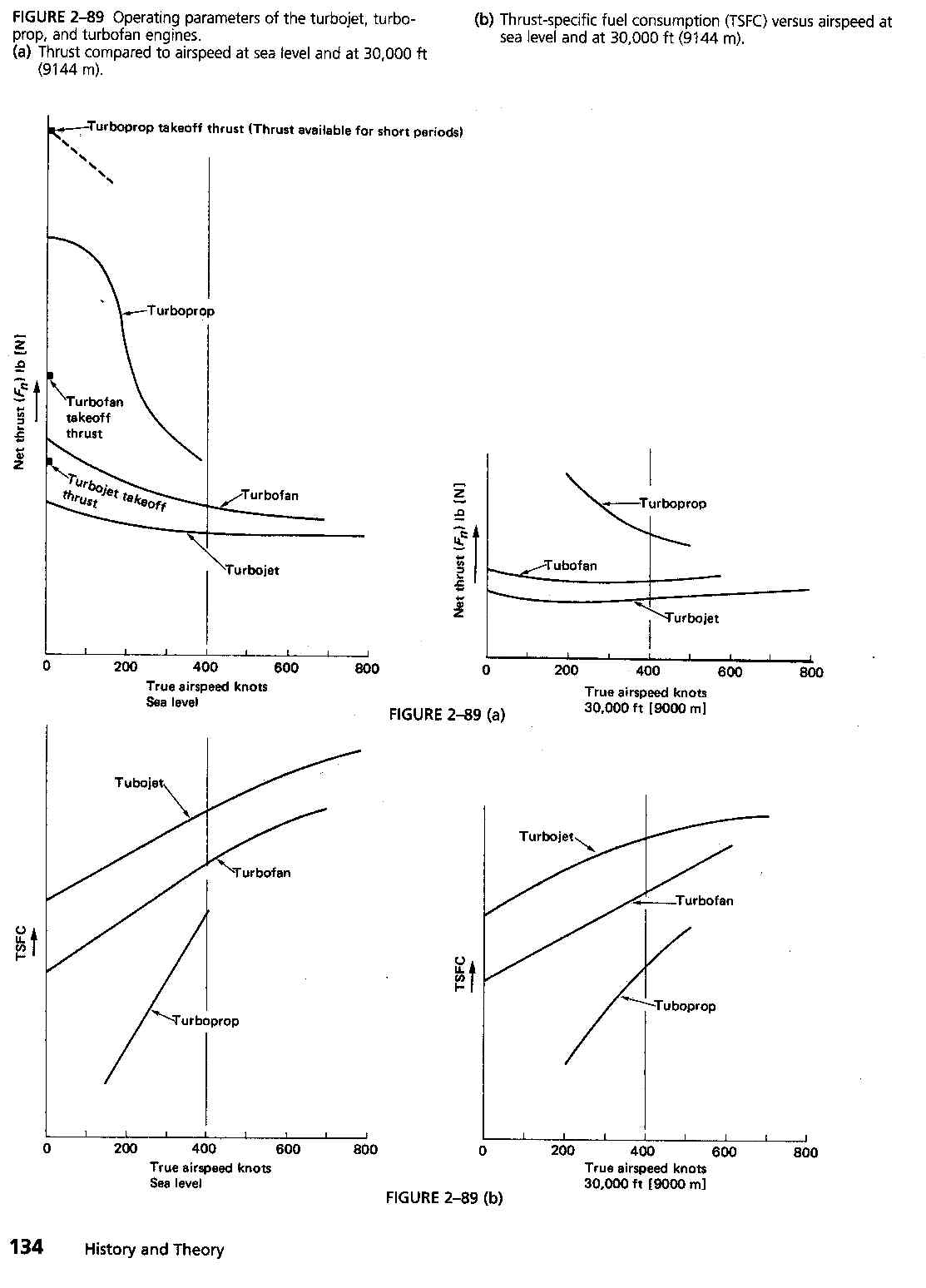
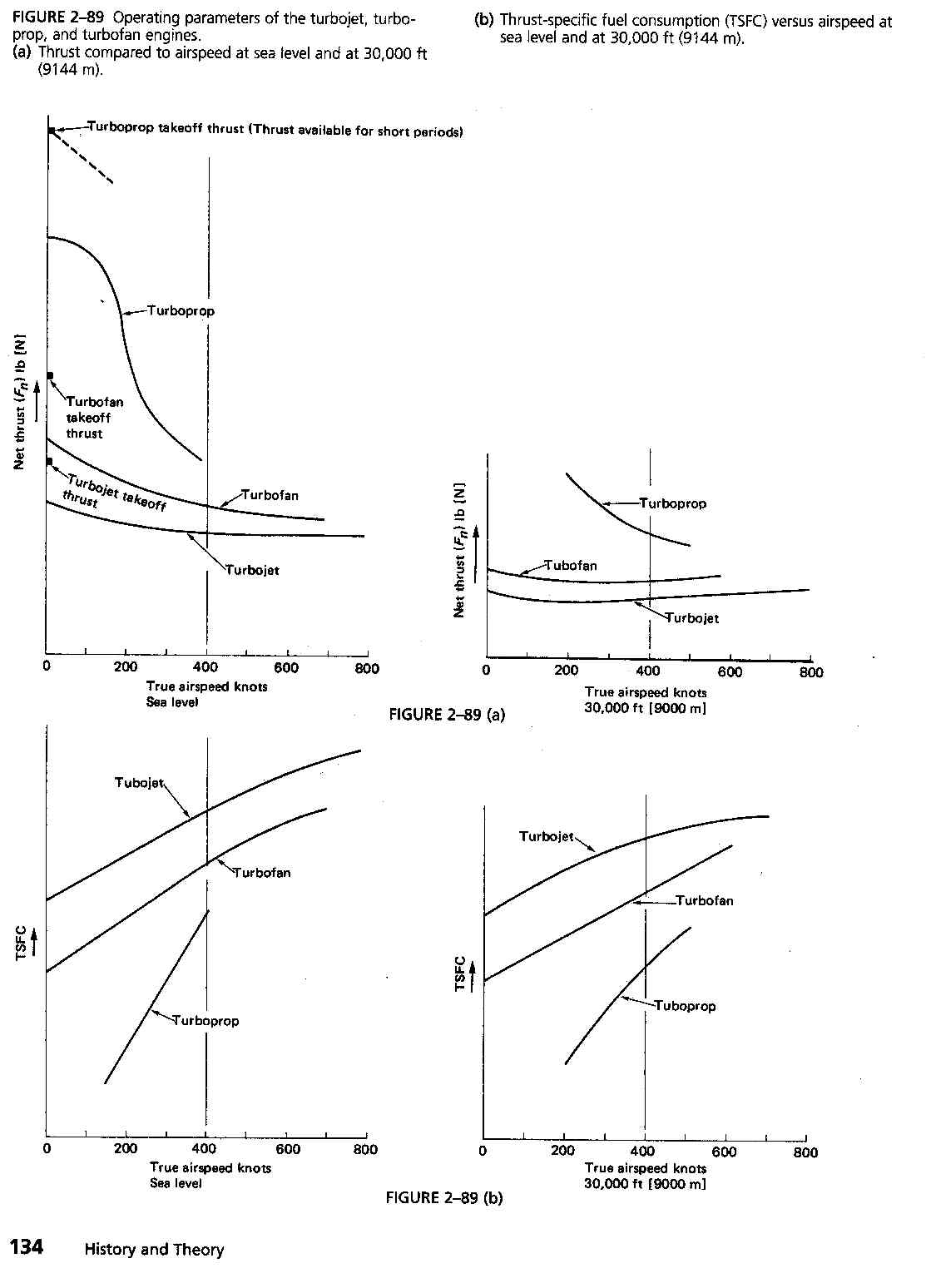
aircraft flying today than any other type. Turbofans are far
more efficient than turbojets, and virtually all non-supersonic
jet engine aircraft are high-bypass turbofans. For small
aircraft, however, an Otto cycle engine achieves far better
specific fuel consumption than a Brayton cycle engine (a turbine).
Dave Klingler
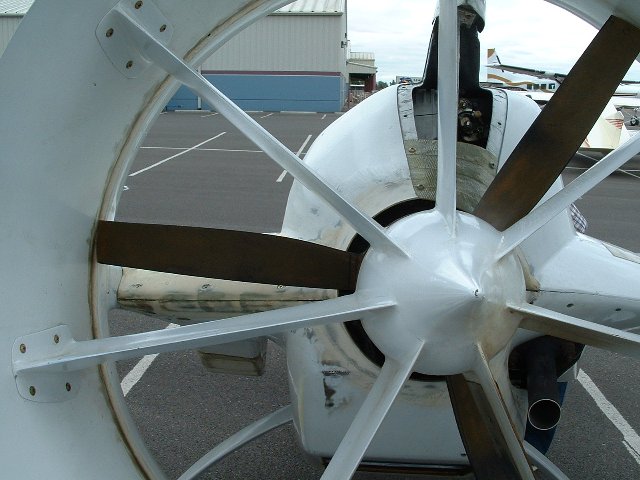
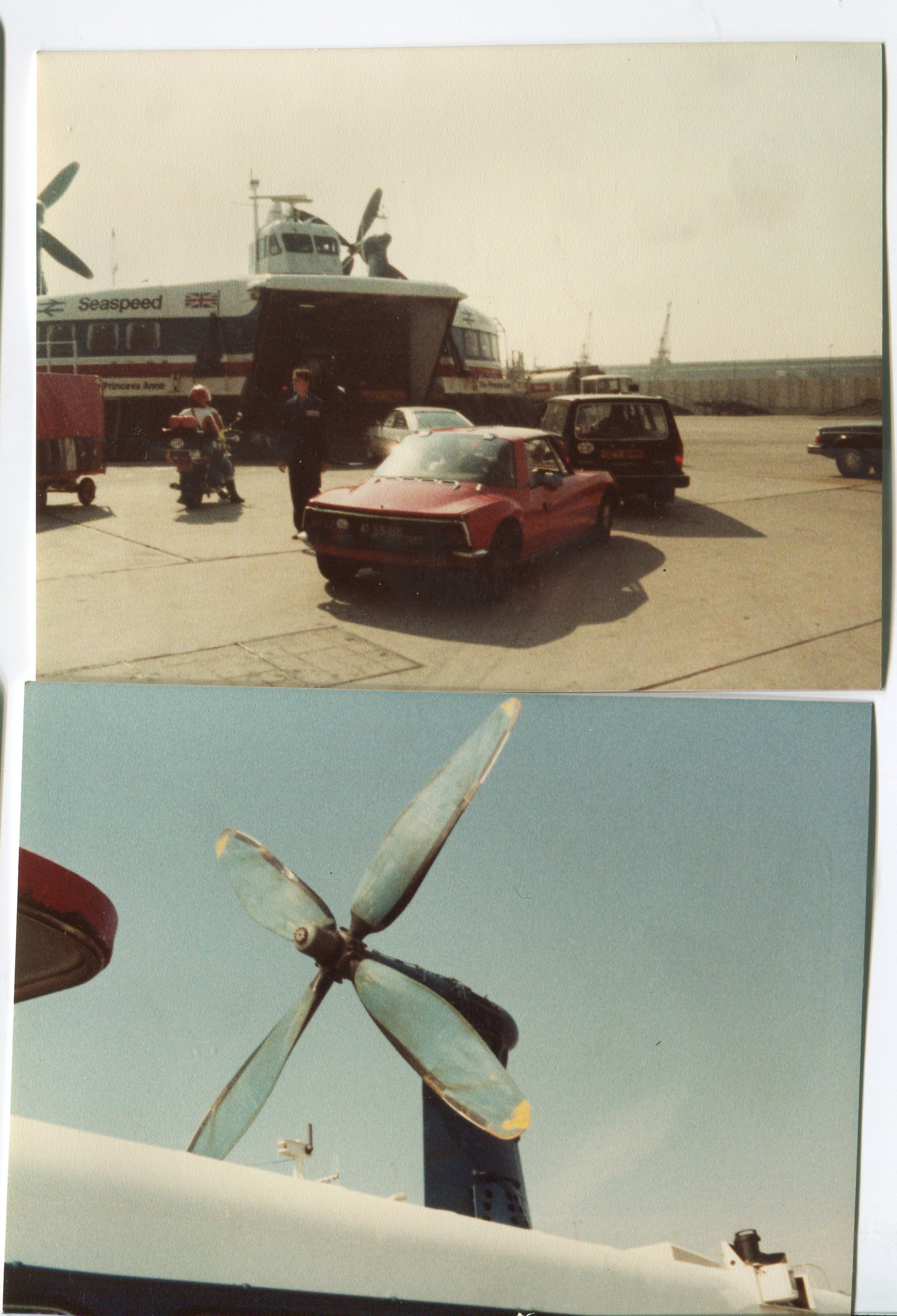
You must specify speed range. Large fans have large ducts. Large
ducts have
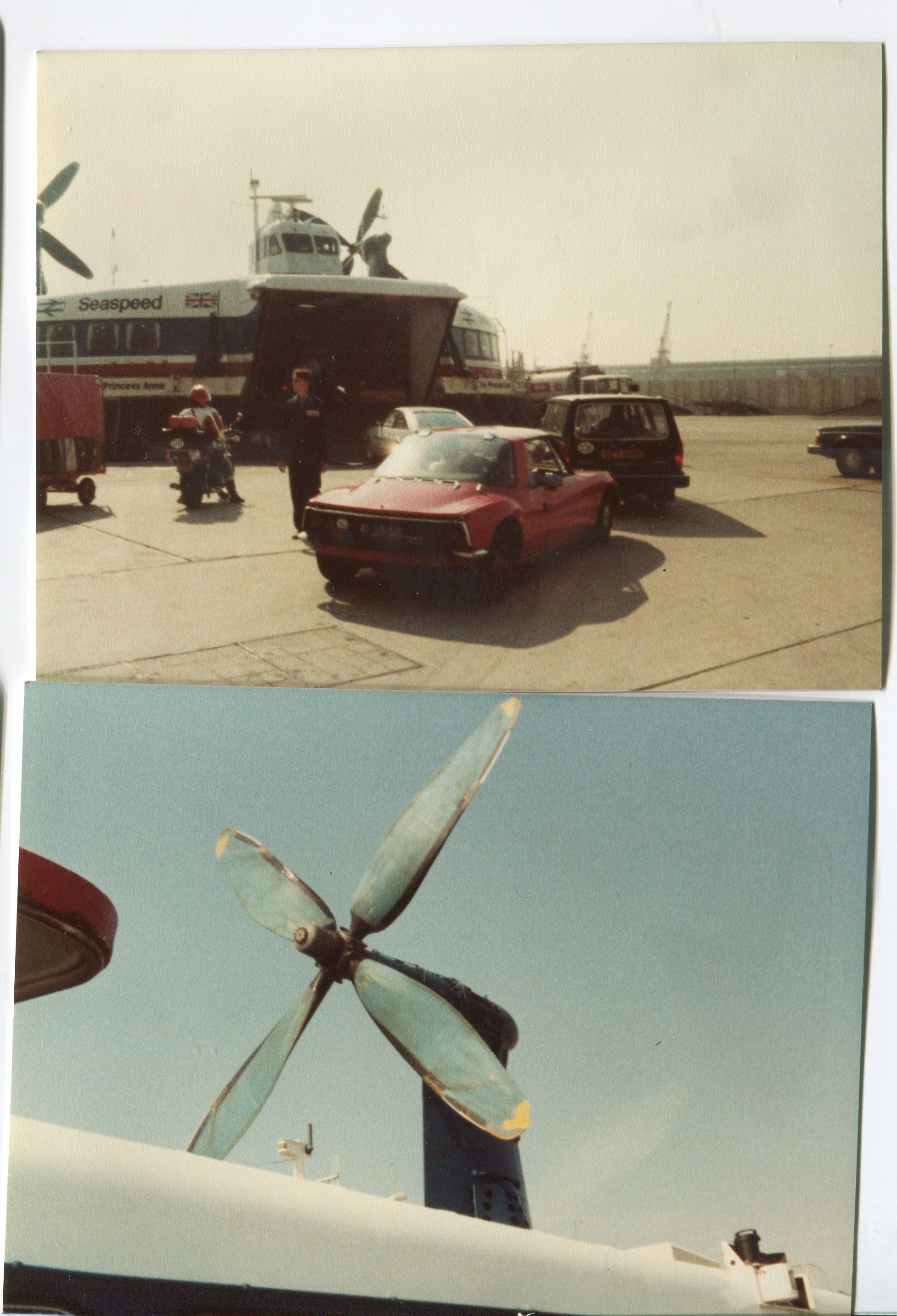
lots of drag. Note this hover craft operating in 60 MPH speed
ranges has no
ducts. It was better to just use a large diameter prop. I got to
ride
one across the English channel. Now done away with.
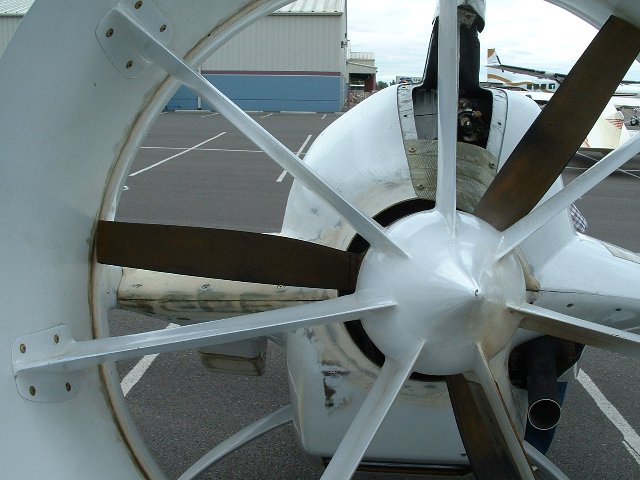
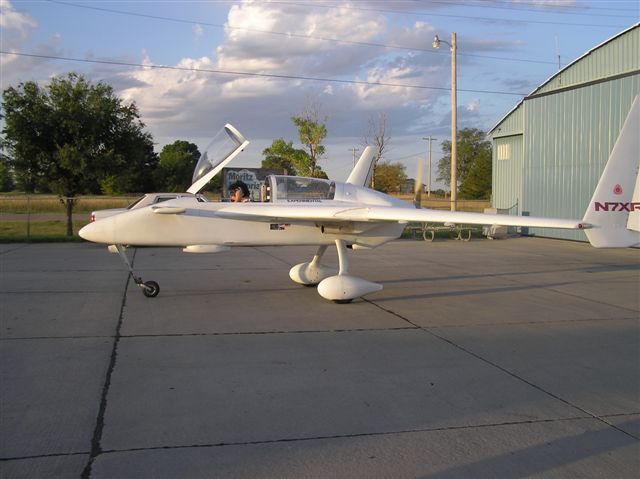
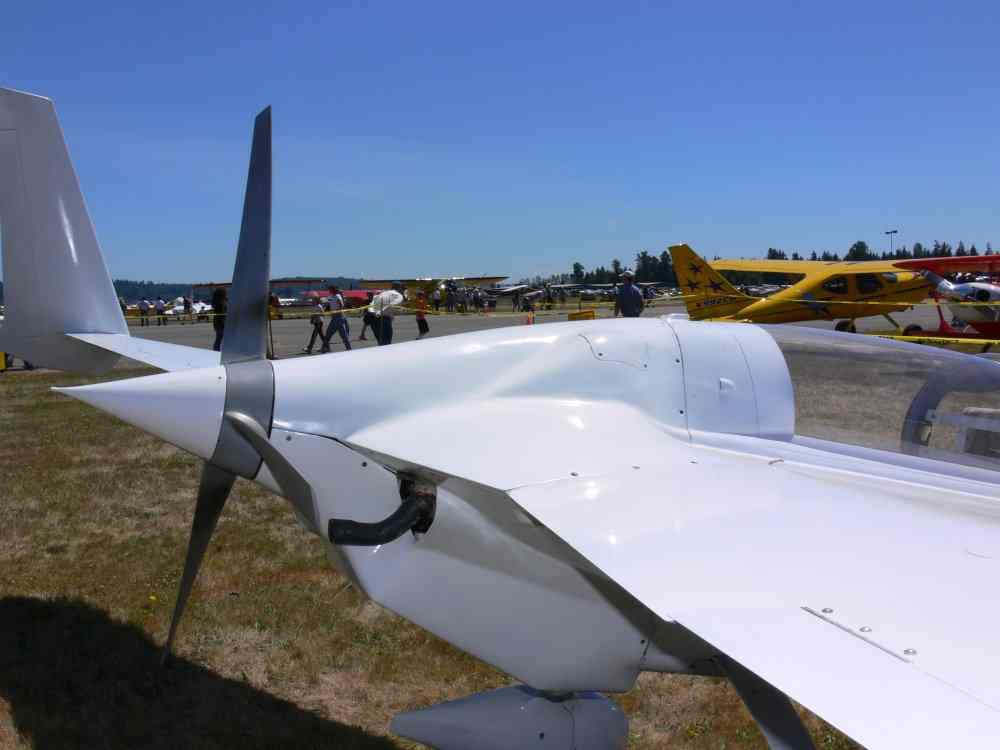
Perry Mick tried for years. Finally took it off, put a gear box
on and a larger diameter
prop and went 20 or 30 MPH faster on the same fuel burn.
Paul Lamar