Hi Paul,
You probably won't remember me. But I met you with Alex Molteno
in Williston when you were down there installing his engine
mount. What a pleasure to meet you.
I bought your book three years ago (Cooling the Wankel Engine)
and was going to buy a Mistral engine - but it was just around
the time they closed up shop for awhile. My misfortune. So I
ended up with an LS1 conversion, and the developer of my engine
didn't have a clue about plenums, per your book's
recommendations. I was so dismayed when I saw how he had
installed the radiators in my cowl. I did the best I could by
changing the way his radiators were installed and I think it will
work now. I slanted to radiators in at the base to develop more
room for expanding the plenum as you recommend. But it isn't
ideal. I did build the plenums completely out of composite
material - not using baffles which you pointed out leak. Also, I
have two large radiators, not just one. So there is a good deal
of cooling surface. So my fingers are crossed.
Anyway, the purpose of my email is water level sensors. I
believe you recommended in your book that it is a good idea to
have a water level sensor so you can determine if you are losing
coolant. Better to find out early, rather than at the point when
the engine overheats. I lent your book to
Alex so I don't have it here in San Francisco. I was looking up
water level sensors on the internet. There are so many different
types of sensors that I couldn't make head nor tails of it. I
was wondering if you had any recommended sensors that would work
for water cooled airplane installations. I want to hook up that
sensor to a warning light on my panel to get an early indication
that I need to land before the problem gets worse, just like you
pointed out.
Alex and I have become fast friends. He's a wonderful guy! I
gave him a pair of brand new Lancair seats that I had originally
purchased for my airplane. When I was investigating back seats
and seat belts I discovered a set of salvage Cirrus seats with
seat belts built in, and the rear seats folded down as I wanted
so I could have baggage space. For the 4 seats, plus seat belts
it cost me 50% of what I paid for the two lancair seats I gave
Alex. So I bought them. But I was delighted to give Alex those
Lancair seats, which are actually much lighter than mine and more
elegant (except the seat belts have to hang down from the
ceiling, which isn't as nice as the way it works on my seats).
Anyway, thanks for being such a great person for the experimental
aviation community. I admire everything you have done and I
really learned a ton from your book. Thanks.
Best to you,
Bob Mayer
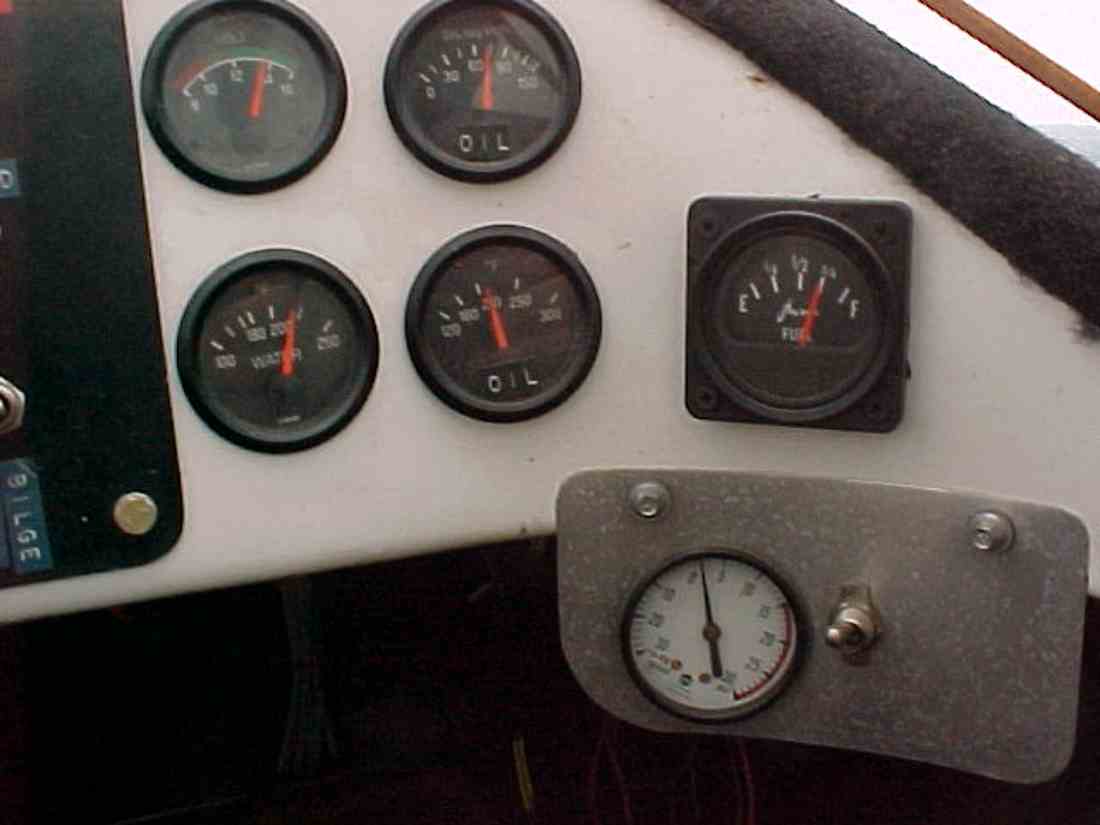
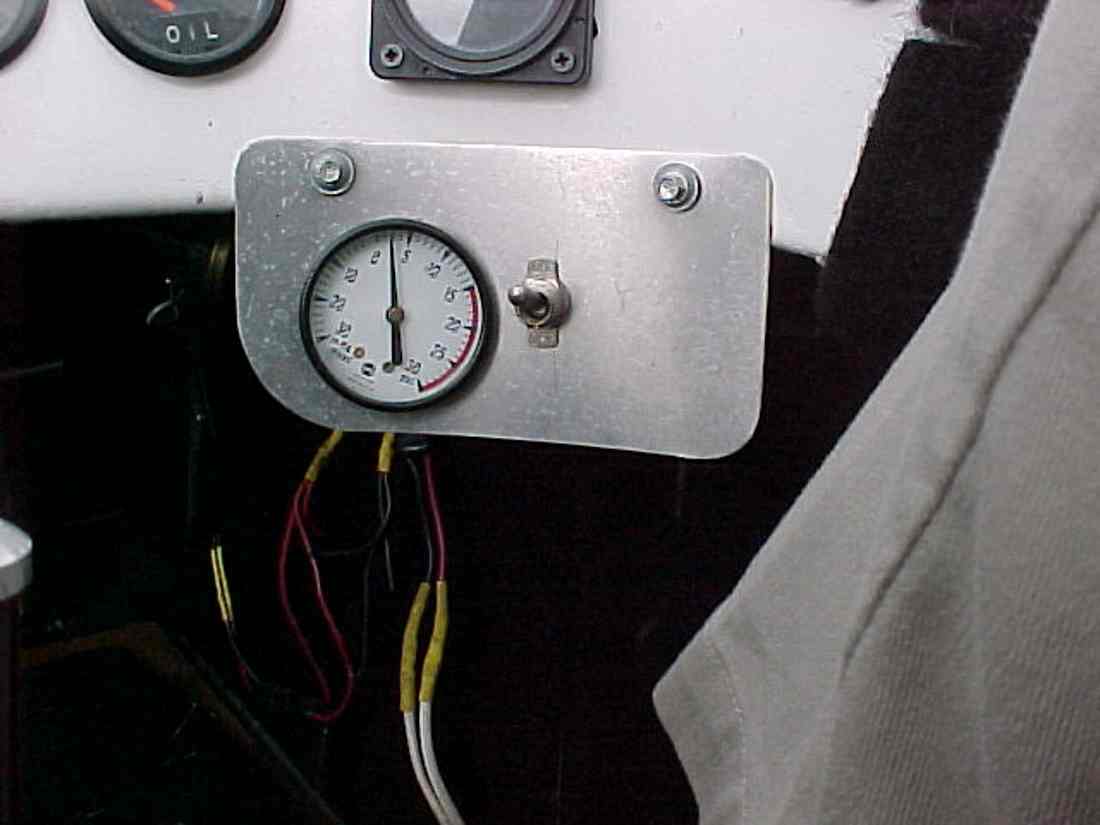
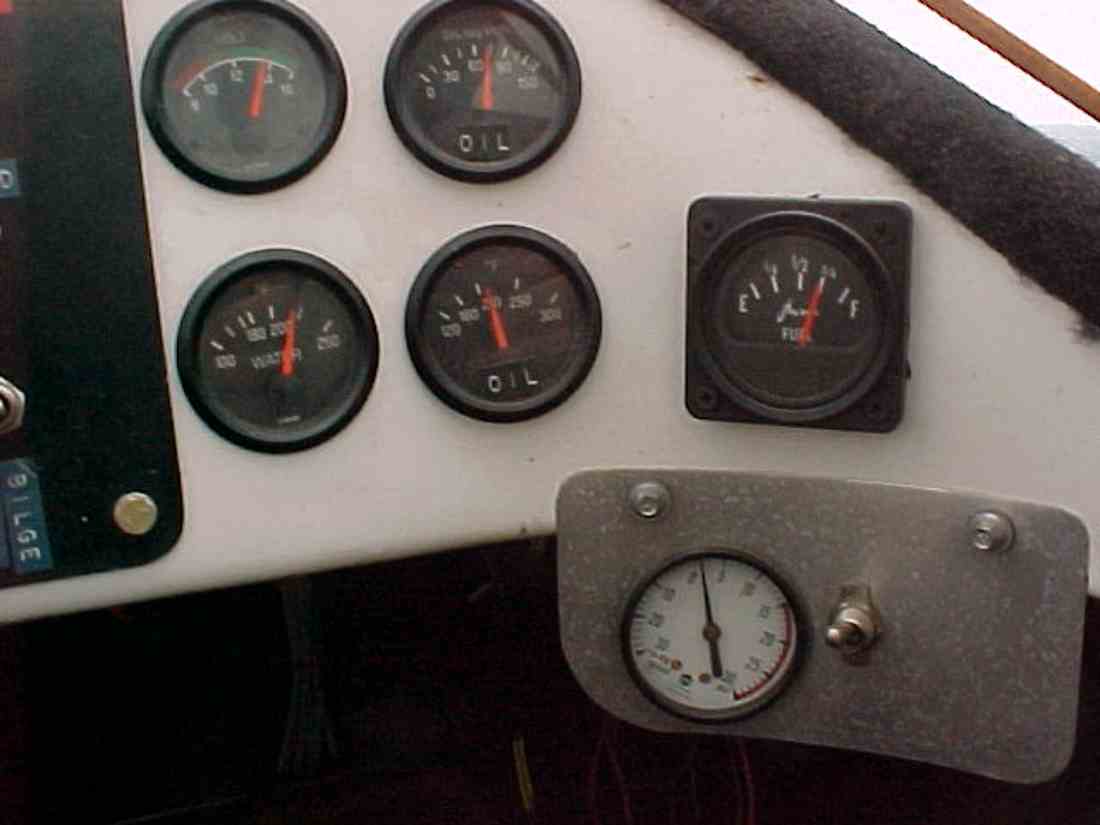
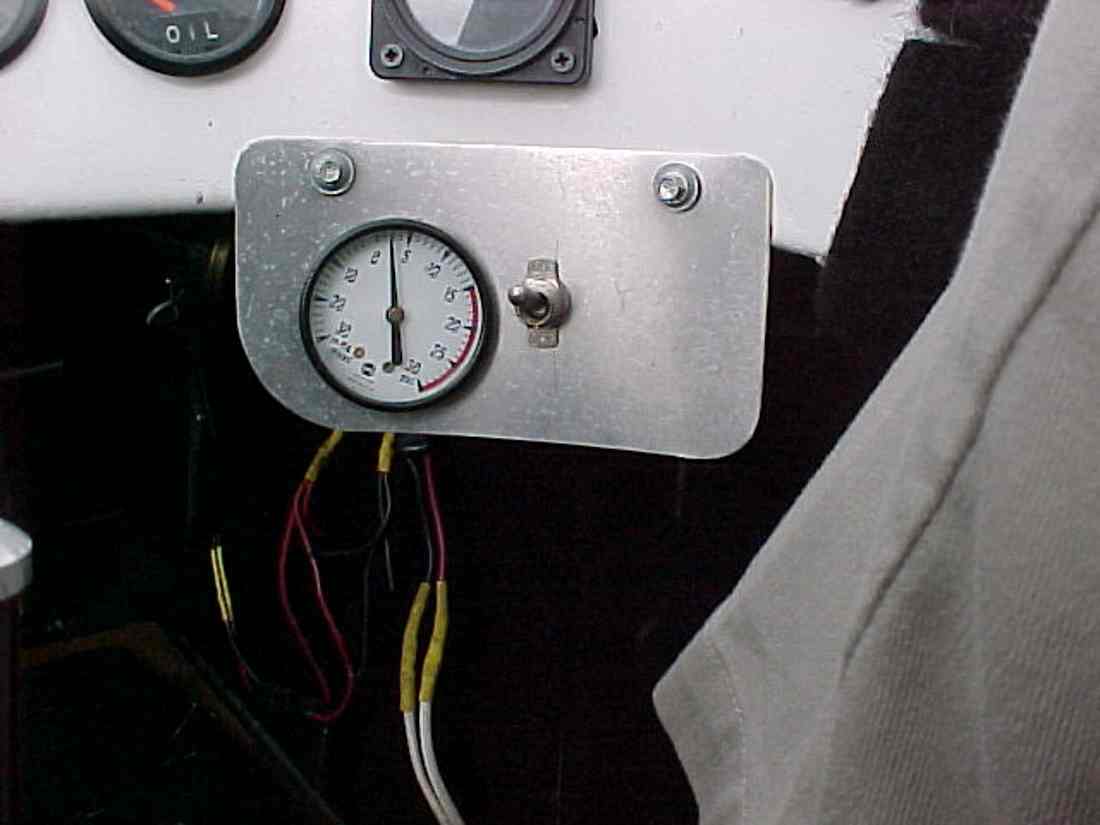
We don't actually sense the water level. We use a coolant
pressure gage
and pre flight pressure test the cooling system using a tubeless
tire
schrader valve.
'
Pump up the coolant system to 30 psi and watch the gage.
If it maintains the 30 psi your good to go. If the pressure
bleeds off
you have a leak either external or internal.
Paul Lamar
Hi Paul,
I was asking about a water level sensor. Do you recommend a
pressure sensor instead, which is what the attachment showed? I
thought the idea was that once there was a major drop in pressure
it was too late and you'd be overheating. I thought your
recommendation was to use a water level sensor so that very early
on it would be possible to tell if there was a leak in the system.
Bob
Yes. The pressure sensor is standard equipment. You should have
a 30 psi pressure cap. When the engine heats up the pressure will
be about 10 to 20 psi.
That raises the boiling temperature.
The first indication of a problem will be a rise in temperature.
Head for a landing.
If the water level goes down in the air there is little you can
do about .
Of course you could use a high pressure fuel pump and a auxiliary
gallon or so
of water to give you more time to get it on the ground.
Paul Lamar
Paul is correct. A temperature gauge and a pressure gauge will
keep you
informed properly. If there is a cooling system problem, one
gauge will
start to deviate from normal. The level sensors are used by the auto
manufacturers as a cheaper interface to the ECU than a pressure
sensor. If
using a level sensor and it alarms, you had better find a clear
or soft
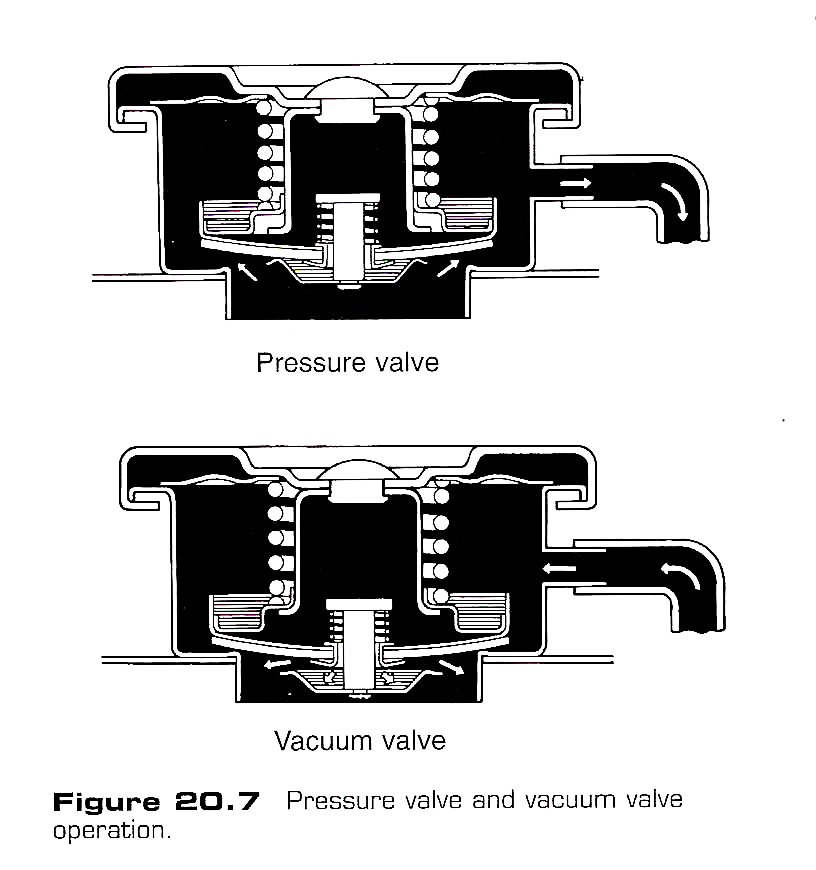
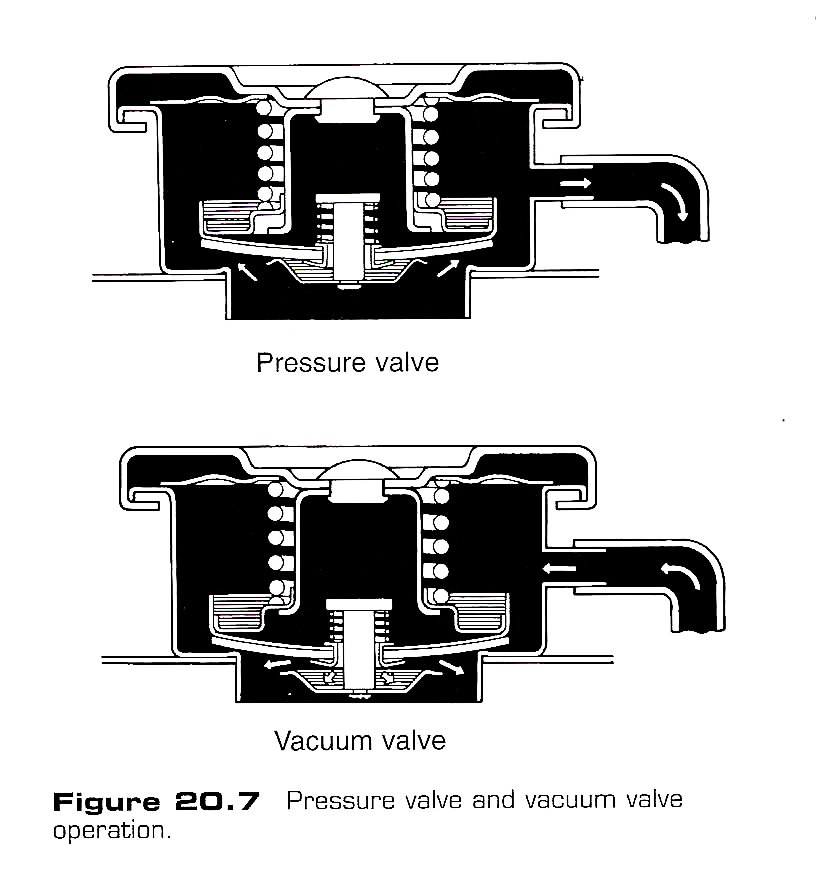
place to land real quick :-). Radiator caps have two valves
built into
them. One is the pressure valve that opens when the cooling
system reaches
the design pressure. Be it 5, 8, 12, 15 or 30 pounds. This is
the one with
the heavier spring and the outer seal area. The other is the
vacuum break
valve that has a light spring and is the center metal part when
looking at
the underside of the cap. It is there to prevent sucking the red
hoses flat
as the system cools. The only way the system pressurizes is the
expansion
of the coolant as the engine warms up.
Dale Davies
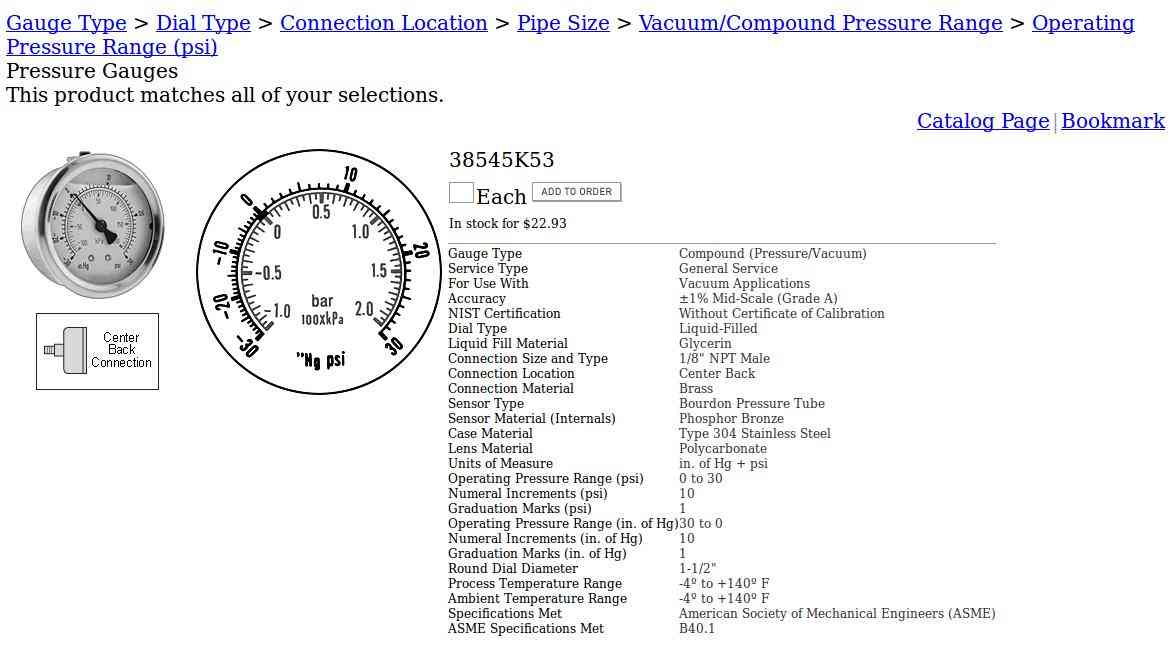
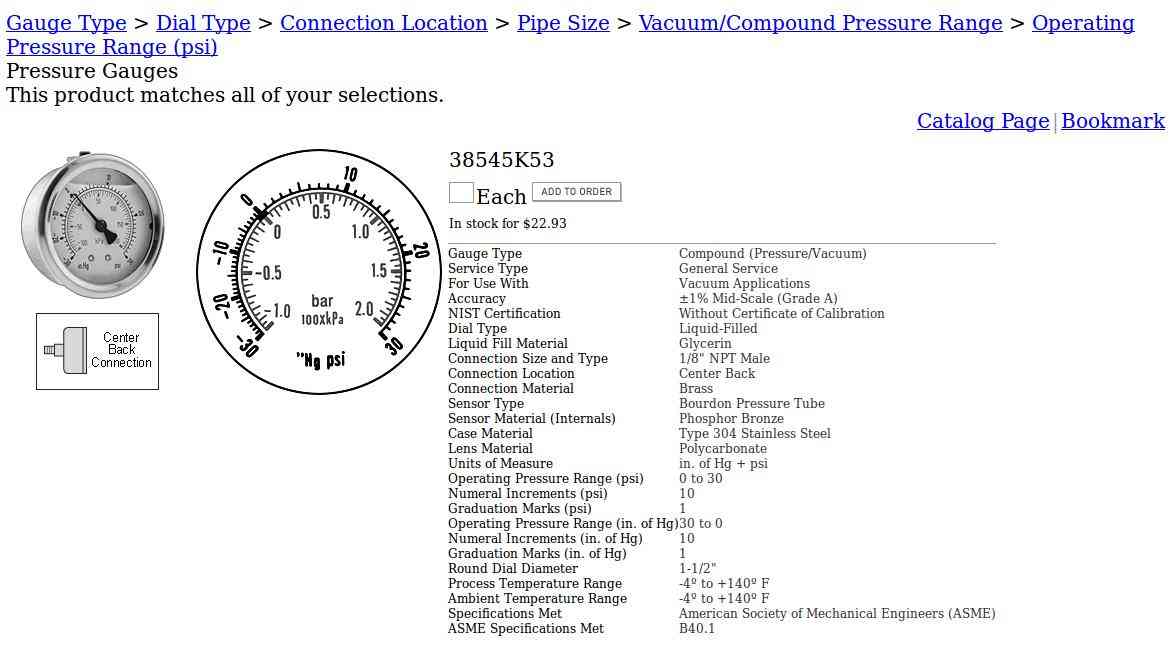
This is the type of pressure gage you want to use Bob.
It goes negative pressure when the engine cools down and
antifreeze is drawn back into the engine from the atmospheric
pressurize
coolant over flow tanks. This is a complete and comprehensive
test of
the entire coolant system.
BTW I would assign a TBO of 300 hours to that LS1. A TBO is a
complete disassembly and magnaflux and zyglow of all the
reversing stress major engine parts that are subject to fatigue.
GM is fond of powdered metal rods, cast pistons and crankshafts.
The standard GM engine durability test on the dyno is 300 hours
torque peak to HP peak. I know I used to work for them as an
outside consultant.
http://www.rotaryeng.net/who.html/Mid-engine-Firebird.pdf
Paul Lamar
The Rotary Engine News Letter. Powered by Linux.
ACRE NL web site.
http://www.rotaryeng.net
You Tube
http://tinyurl.com/beqqxas
Copyright 1998-2013 All world wide rights reserved.