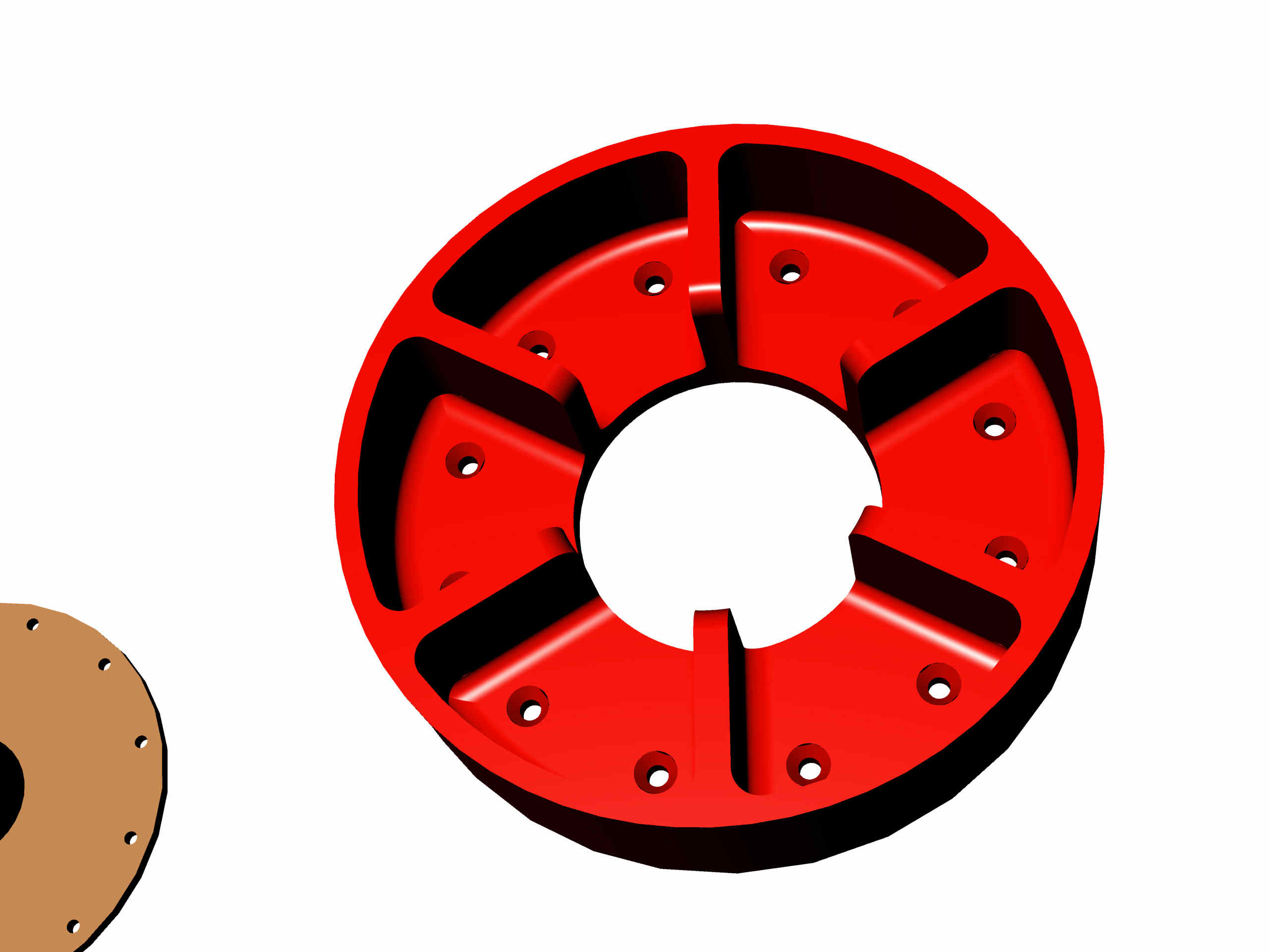
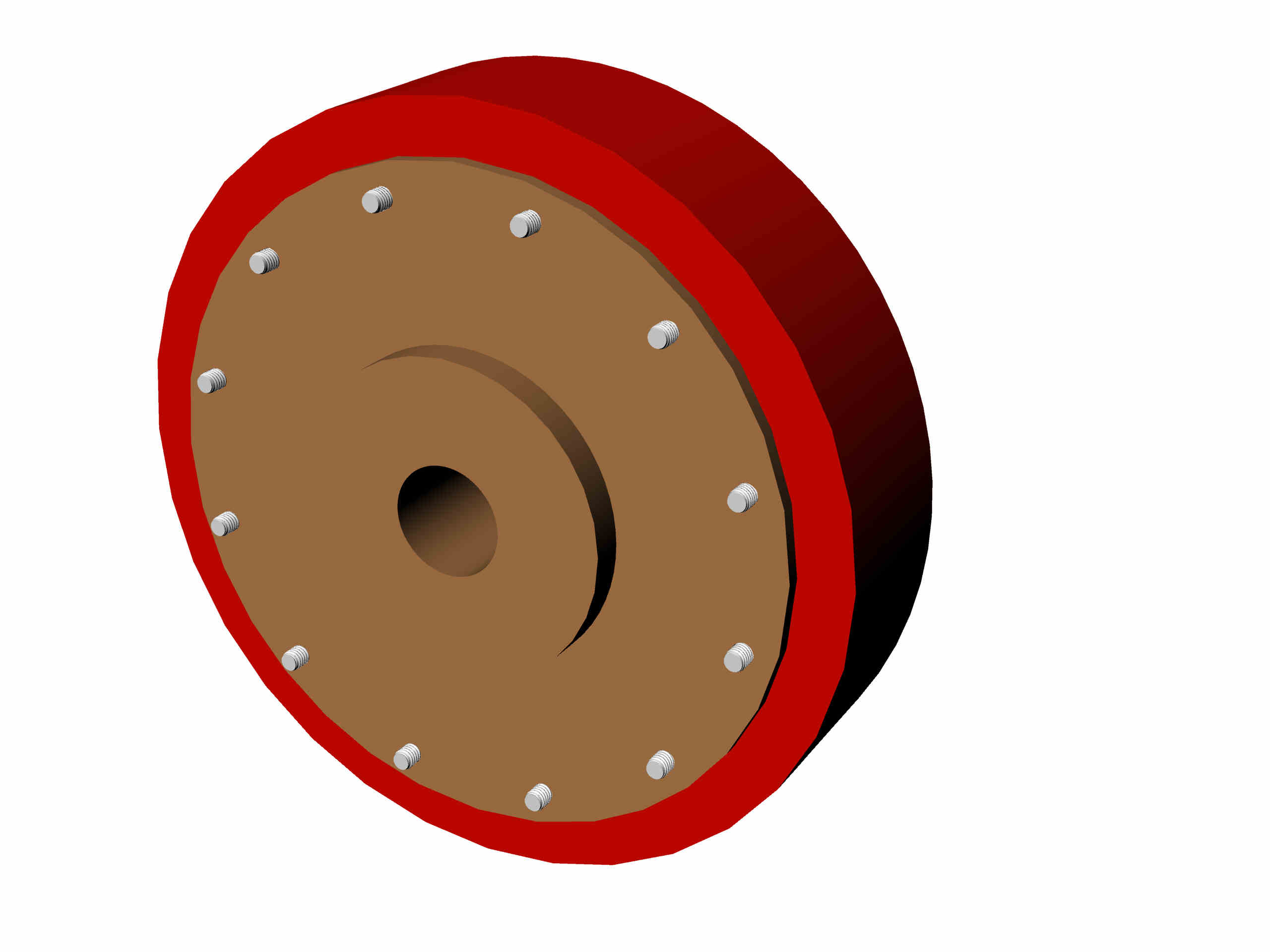
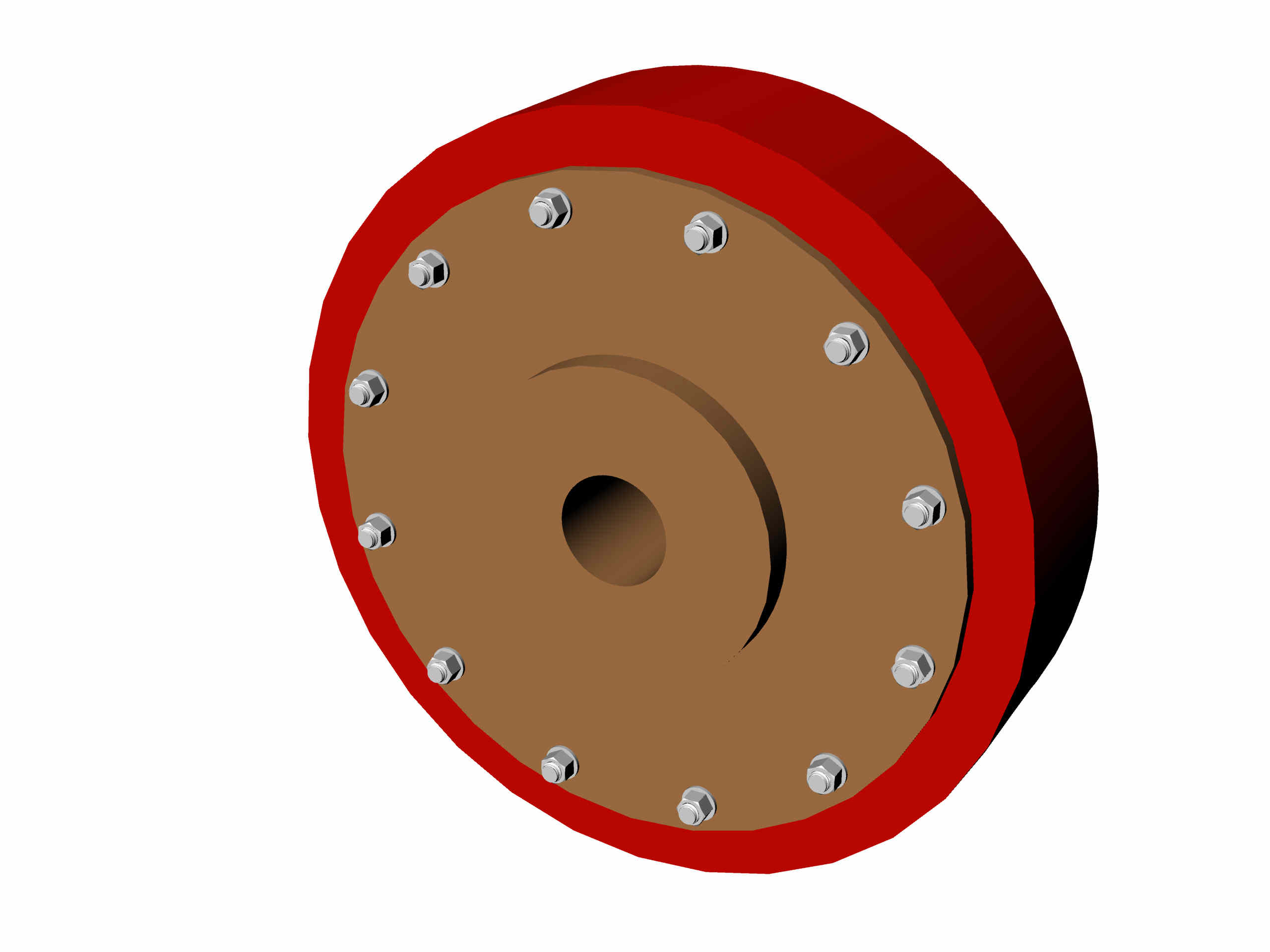
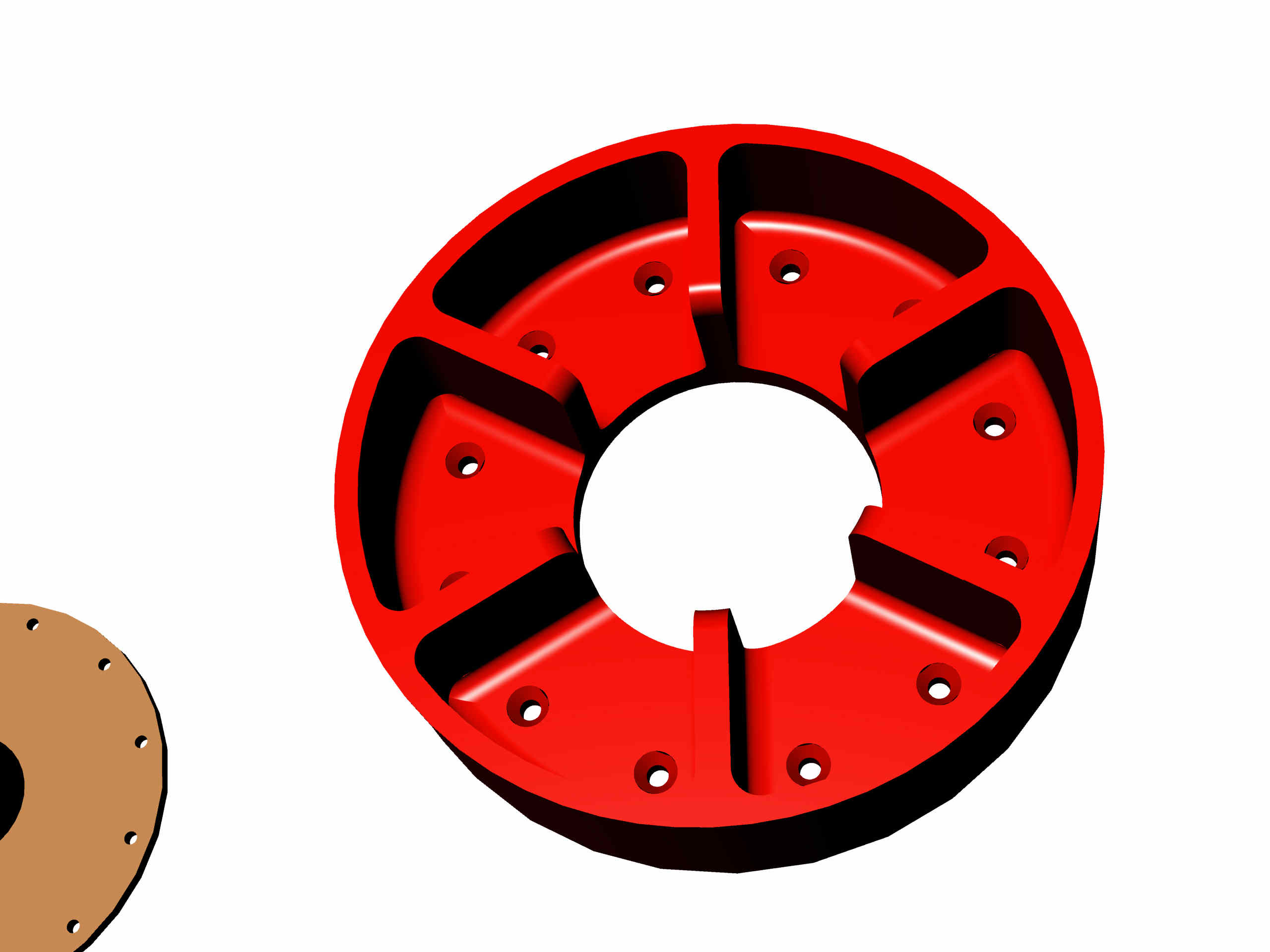
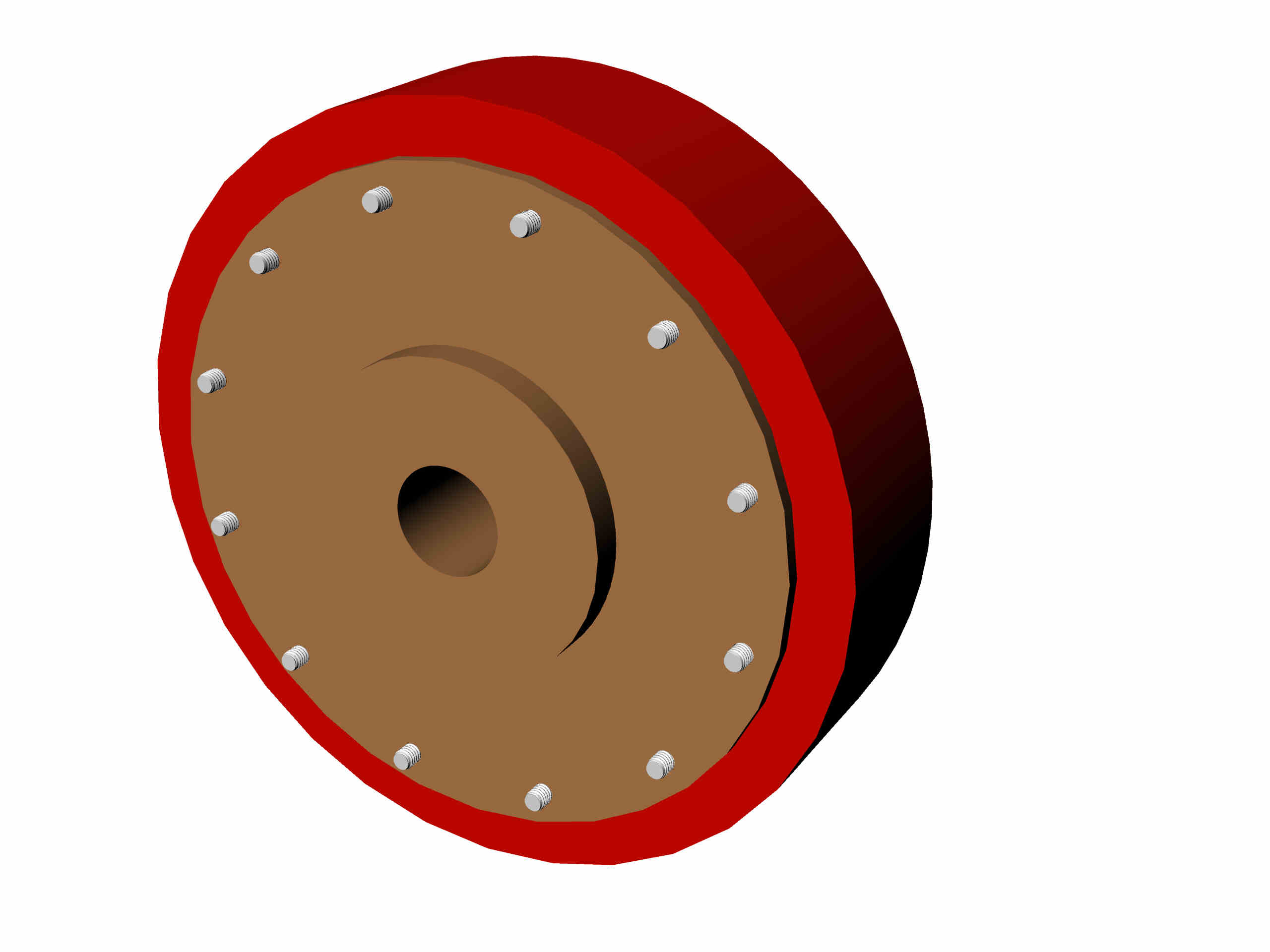
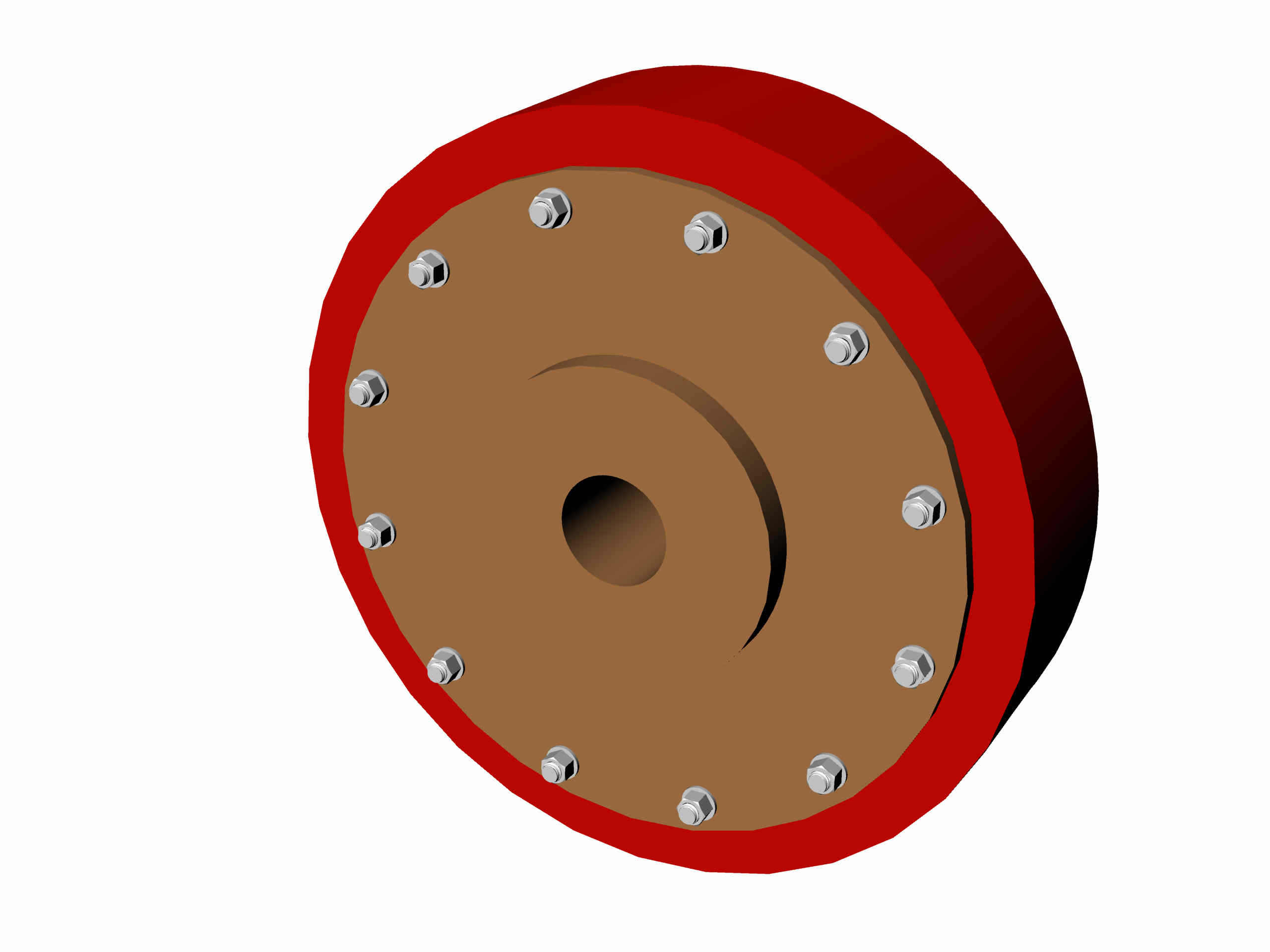
I had to cut back the fins to clear the 10 mm bolt heads I still
need one of Tracy's spline plates to get accurate
dimensions off of it. Does anybody have one they can loan me?
Also is anybody interested in testing this right now. You have got
to have an engine and gear box running.
If so I will find the Ford TX part Tracy made his spline plate from
and buy one for testing.
--
Paul Lamar
Paul,
If nobody has a running engine on a test stand, I could test it on my
3-rotor... ground runs only.
And YES, I want one.
Mark
Great Mark. Best man for the job. You have the most power and torque
of anybody.
I did not find a spline plate but most of the big auto tranny shops
in Ventura are closed today. I can order one from Slauson in LA on
Monday. Jean Proudhome sent me a picture of the part Tracy cuts the
spline plate out of. We will use that. No need to send yours Craig.
I'll will check the dwgs carefully again and see if I can find some
metric 10 MM flat head hex socket high strength bolts. That would do
away with the notch in the fins.
Paul Lamar
Hi Paul; I thought I sent an email for something similar to this
years ago. Those parts appear to be Ford C6/E4OD/4R100 forward drums
- there are many variants. Lots on ebay The spline is not full depth
on some later 4R100? versions.
IIRC, these are powdered metal parts. At least 1 person talked about
replacing the soft AL rivets in Tracy's splined adapter plate with
bolts - I'm curious to know if and how it held up? The excess forward
drum cylinder portions can be removed, to create the splined plate,
in a few minutes with a hacksaw blade with the drum mounted in a
lathe, and then finished. There are also stronger aftermarket 4140
billet versions.
Since you are already planning to CNC custom parts, have you
considered integrating the damper directly with the counterweight,
replacing or modifying the CW to save more weight? smaller
flexplates/ring gears, button race clutches?
Cheers Cary
To hog the counter weight and rubber coupling out of billet steel
would cost three or four times as much. Maybe ten times as much :)
Paul Lamar
Craig,
I had to replace the rivets on my 3-rotor damper assy. as they had
loosened and were beginning to "smoke". I replaced them with close
tolerance 1/4-28 bolts. So far, they are working out fine. This
should not be an issue for the new adapter, provided the bolts clear
the blades of the damper.
Mark
I'm trying to follow this issue closely. I'm building a 2 rotor, but
will get the necessary part and send it to Paul for this new damper
design. Safer is better. C. Smith
No need Craig. Ed Carver came over and he loaned me one. I am
thinking of using steel screws instead of the alloy rivets Tracy
uses.
Thinking out loud here. 300 foot pounds is 3600 inch pounds. 2 inch
radius is 1800 pounds shear on the screws. The usable bolt circle
diameter of the plate is 5.4 inches but I will choose 4 inches to
ease the calculations. 5.4 would be stronger of course.
The cross sectional area of a 10-32 is about .0276 square inches. at
100,000 psi that is 2760 pounds shear per screw. Check my
arithmetic.
Of course nobody in their right mind would use just one screw :)
Yes I know... in theory the screw does not take the load in simple
shear. The peak torque is transmitted by friction due to the clamping
effect of the screw in tension. That would increase the torque
capability of the screw so I will use simple shear to make the
conservative calculation and ignore that contention.
Two screws would be a safety factor of 3 and 4 screws a safety factor
of six. Lets use twelve 10-32 screws. IN THEORY. This is an example
of how how you can choose very conservative design numbers and have
it still fail from torsional vibration. What the screws have going
for them however is they are after the rubber.
Use an all metal lock nut on the screw for heat reasons.
Paul Lamar
Paul,
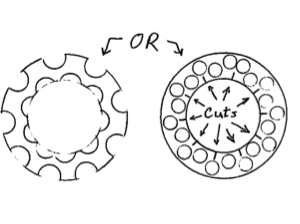
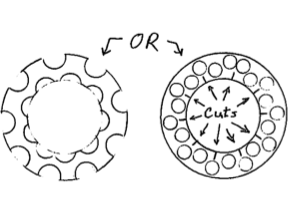
Would modifying the existing rubber bushings to those shown in the
attachment serve in the interim? The drawings show [either] material
removal around the inside and outside edges OR drilling holes and
making radial cuts. In both cases, these alterations might allow
some
expansion of the elastomeric material within the same thickness
confines between the washers. If the remaining amount of material
is insufficient to provide damping, a different material with a
different
durometer could be substituted.
Of course, there are many more patterns that could be cut out of
such damper rings.
Gene Kahn
I suspect once they started flexing on a regular basis they might
over heat
and melt as they appear to be made of neoprene.
You could try silicone replacements. Not a lot of volume to work
with there.
Not comparable to the torque damper size in a motor cycle wheel.
Therefor I would worry about heat dissipation.
Here are some more 3D's of the new damper assuming the flat head
10 mm
bolts work.
Paul Lamar
The Rotary Engine News Letter. Powered by Linux. ACRE NL web site.
http://www.rotaryeng.net You Tube
http://tinyurl.com/beqqxas
Copyright 1998-2013 All world wide rights reserved.