The aluminum billet version was getting expensive. The material alone
was $66. I know I just bought some today. I had to pay $16 just to
have it cut to lenght.
Then I was having trouble finding suitable 10 mm 1 mm pitch metric
screws. I never found any I was completely satisfied with. Making our
own was getting expensive.
The welded version can use the stock 10 mm 1 mm pitch bolts as it is
only .125 thick which can replace the stock clamping plate
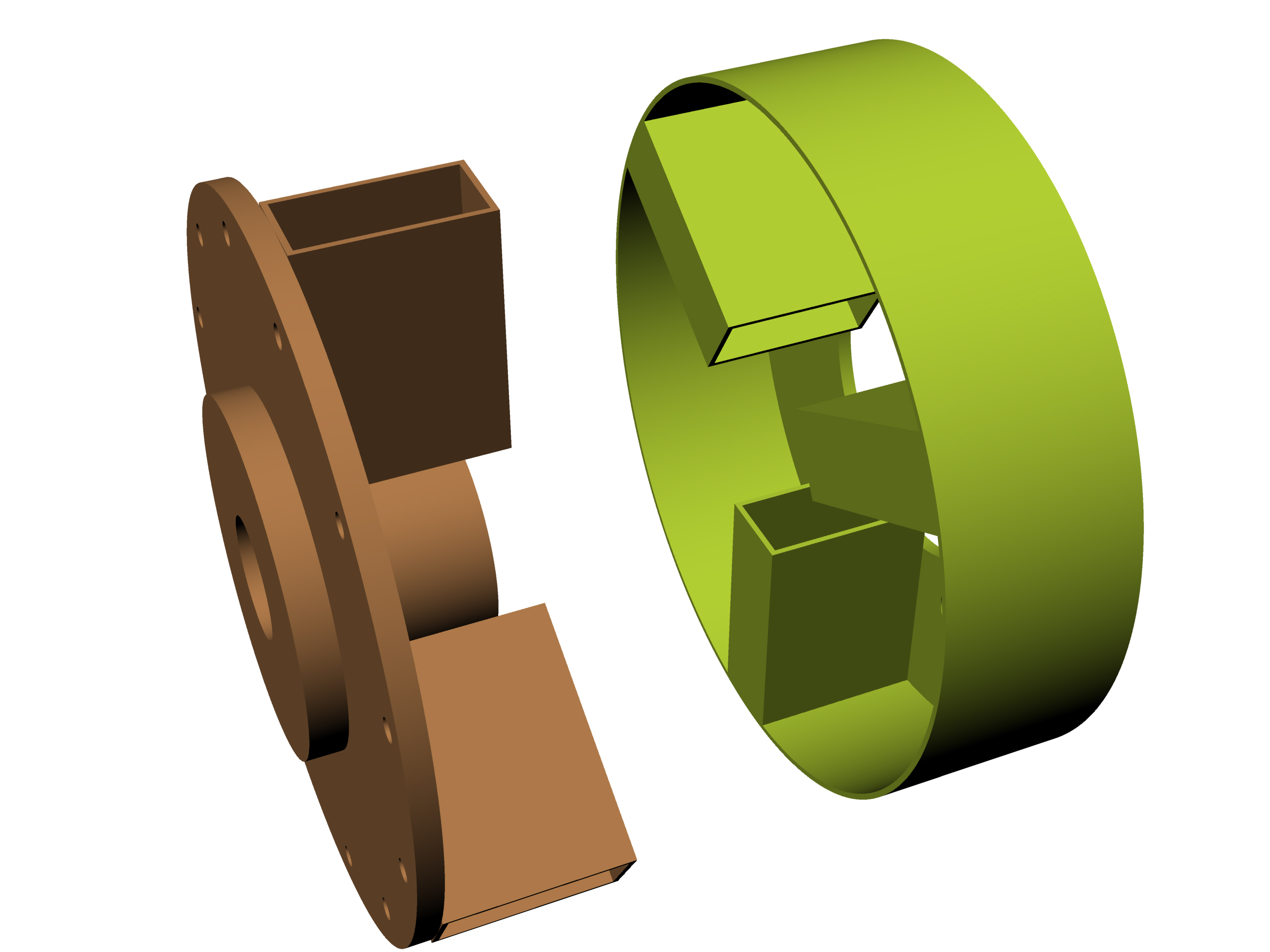
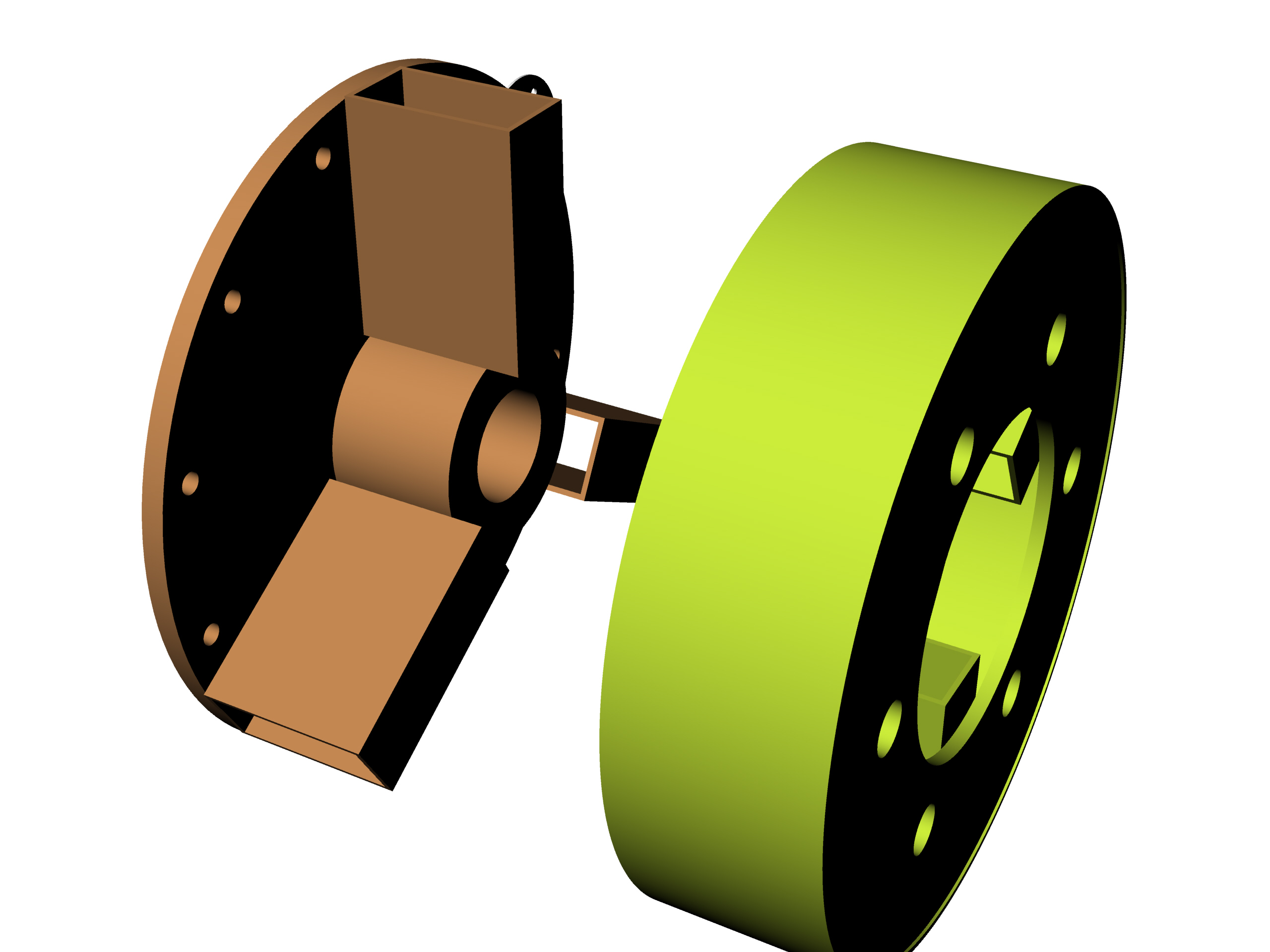
The light really went on when I thought of welding the walls directly
to the steel spline plate.
No bolts or screws needed to bolt the spline plate to the coupling.
The spline plate is half the coupling.
Nothing could be easier or simpler.
The walls are rectangular .75" by 1.5" 4130 tubing from Aircraft
Spruce. I have some in stock.
There must be only three walls because there are six 10 mm bolts.
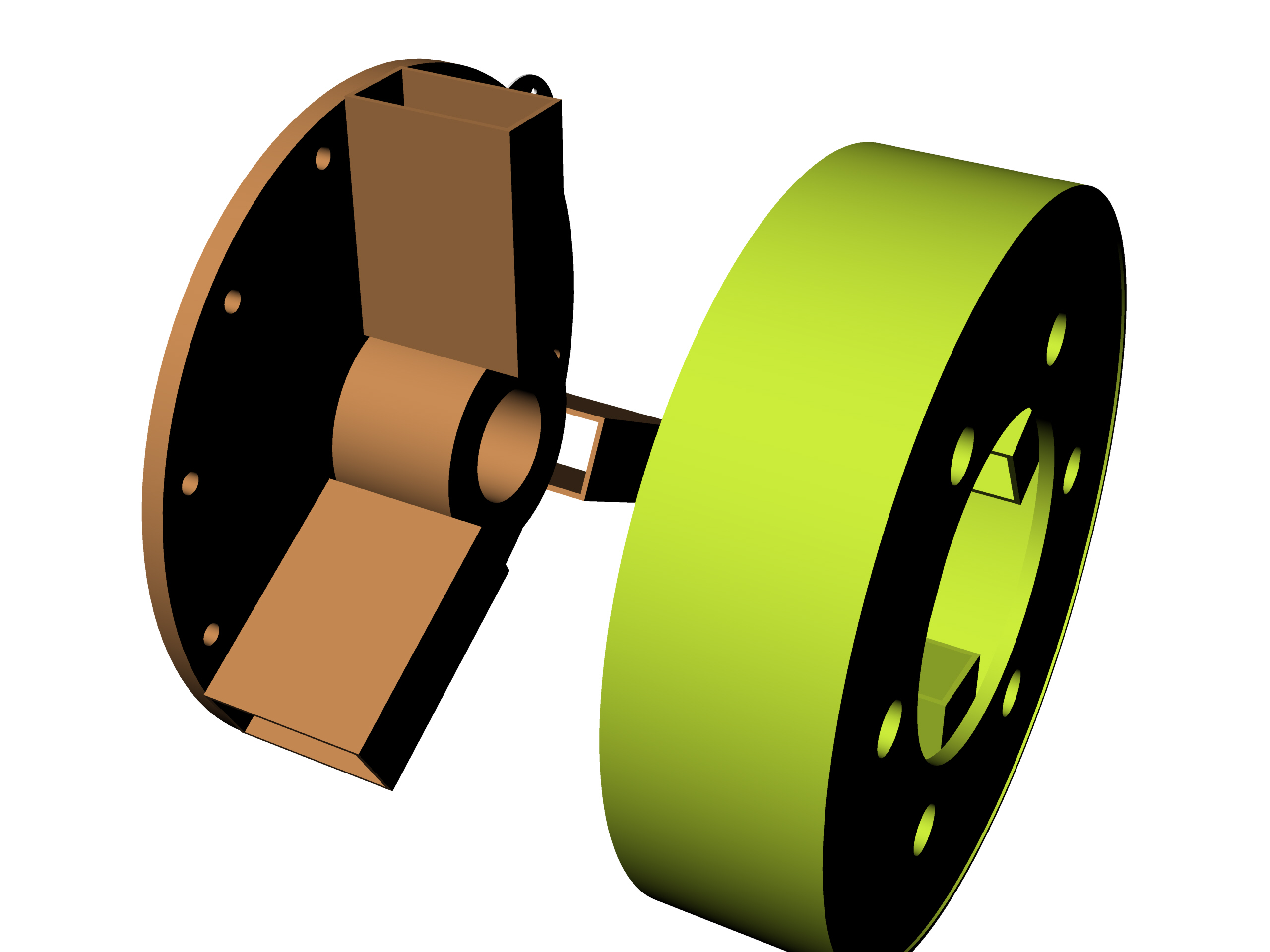
Here is what it looks like. It fits the stock 2 rotor flex plate but
does not stress it. All torque is transmitted by the six 10 MM
bolts.
I will weld one up and send it to you for testing Mark.
Paul Lamar
What amazed me is the coincidences. The rectangular tubing just
happened to be the right dimensions. There are only two choice's
from aircraft spruce. 3/4 by 1 1/2 is one of them. This leaves
plenty of room
for a couple of needle thrust bearings between the spline plate
and the gear
box adapter plate.
BTW asymmetric rubber bushing might work out to be the best
configuration.
Most of the rubber on the compression side. The acid test will be
the lowest
engine RPM that does not cause resonance. That does not mean it
is not mitigating
destructive torque pulses at higher RPM's. The kind that shear
bolts and pins.
Paul Lamar