On 06/09/2013 12:11 PM, rotaryeng wrote:
On Sun, Jun 9, 2013 at 8:52 AM, rotaryeng <
rotaryeng@earthlink.net
wrote:
The aluminum billet version was getting expensive. The material alone
was $66. I know I just bought some today. I had to pay $16 just to
have it cut to lenght.
Then I was having trouble finding suitable 10 mm 1 mm pitch metric
screws. I never found any I was completely satisfied with. Making our
own was getting expensive.
The welded version can use the stock 10 mm 1 mm pitch bolts as it is
only .125 thick which can replace the stock clamping plate
The light really went on when I thought of welding the walls directly
to the steel spline plate.
No bolts or screws needed to bolt the spline plate to the coupling.
The spline plate is half the coupling.
Nothing could be easier or simpler.
The walls are rectangular .75" by 1.5" 4130 tubing from Aircraft
Spruce. I have some in stock.
There must be only three walls because there are six 10 mm bolts.
Here is what it looks like. It fits the stock 2 rotor flex plate but
does not stress it. All torque is transmitted by the six 10 MM
bolts.
I will weld one up and send it to you for testing Mark.
Paul Lamar
What amazed me is the coincidences. The rectangular tubing just
happened to be the right dimensions. There are only two choice's from
aircraft spruce. 3/4 by 1 1/2 is one of them. This leaves plenty of
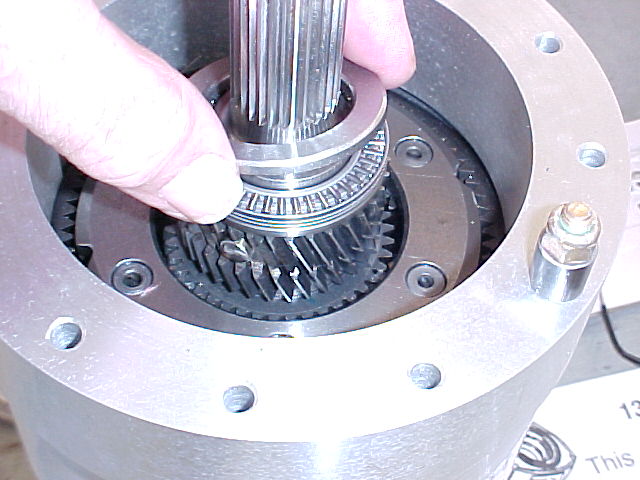
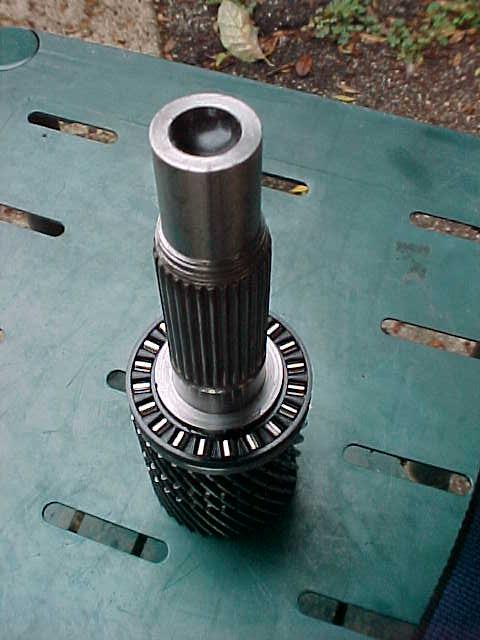
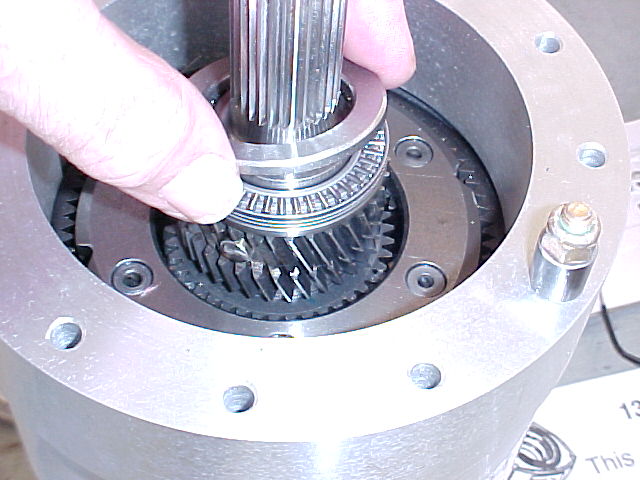
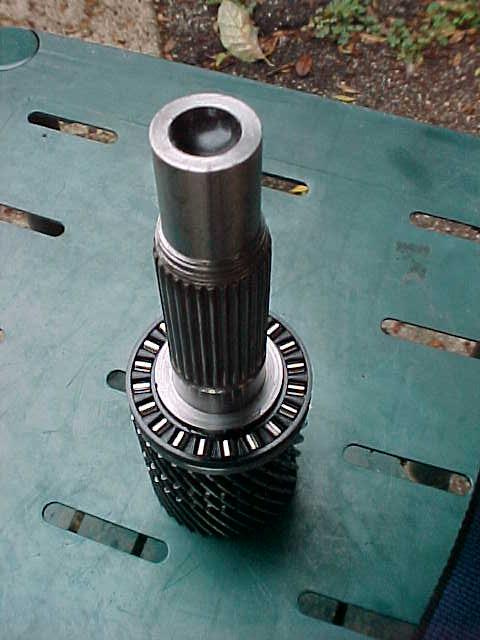
room for a couple of needle thrust bearings between the spline plate
and the gear box adapter plate.
BTW asymmetric rubber bushing might work out to be the best
configuration. Most of the rubber on the compression side. The acid
test will be the lowest engine RPM that does not cause resonance.
That does not mean it is not mitigating destructive torque pulses at
higher RPM's. The kind that shear bolts and pins.
Paul Lamar
Carrie Beasely was right. Powdered metal. I won't weld to powdered
metal. Back to 2 pieces 4130 sheet metal. Hard as heck. I ruined a
band saw blade on it. It came with all this stuff inside for $37.
Hack saw in the lathe does not work well.
Schabs Parts 12715 old plank road New Lenox Il 60451
Paul Lamar
This fixes the clitch. New 4130 welded sheet front coupling. The 4130
2.75" OD tube .120" wall clears the big nut and keeps the rubber from
getting chewed up by it.
This is what I will build. No welding to the powdered metal spline
plate. Separate 4130 front coupling weldment.
Paul Lamar
Paul,
That looks good to me. How do you plan on making the silicone
dampers?
If you can get the pieces cut to size and send it all to me, I can
weld it up and then test it.
Mark
No welding on the spline plates. Too risky. New 4130 front part
instead.
I was thinking we could buy fabric reinforced silicone rubber sheet
from McMaster or AC spruce and cut it to shapes. Then glue them
together with red RTV to form crude 3D shapes..
OK I'll do that Mark. I think I have located mild steel tubing of the
right sizes. The tube parts are lightly stressed so you can weld it
to the 4130 parts.
Paul Lamar
Paul,
Sounds fine to me. Will there be holes in the silicone to allow for
compression? I guess what I'll need is a sketch.
Mark
I think the crudeness of the 3D shapes will give the rubber enough
room to expand. Paul Lamar
Paul,
Something I need to add to the mix. My rear psru seal has worked its
way out of its bore more than once resulting in damage to the seal
and loss of oil. The fix I came up with was to install three
button-head screws into the flywheel side of the psru adapter plate
in order to retain the seal. These screws may interfere with your
"stacked bearings" solution to the flex hub adapter. I just wanted to
mention this as a possible problem area as we proceed with the
design. As far as I know, I'm the only one that's had this problem.
So, I'm keeping my fingers crossed on whether or not the double
stacked bearings are necessary, hopefully not.
Mark
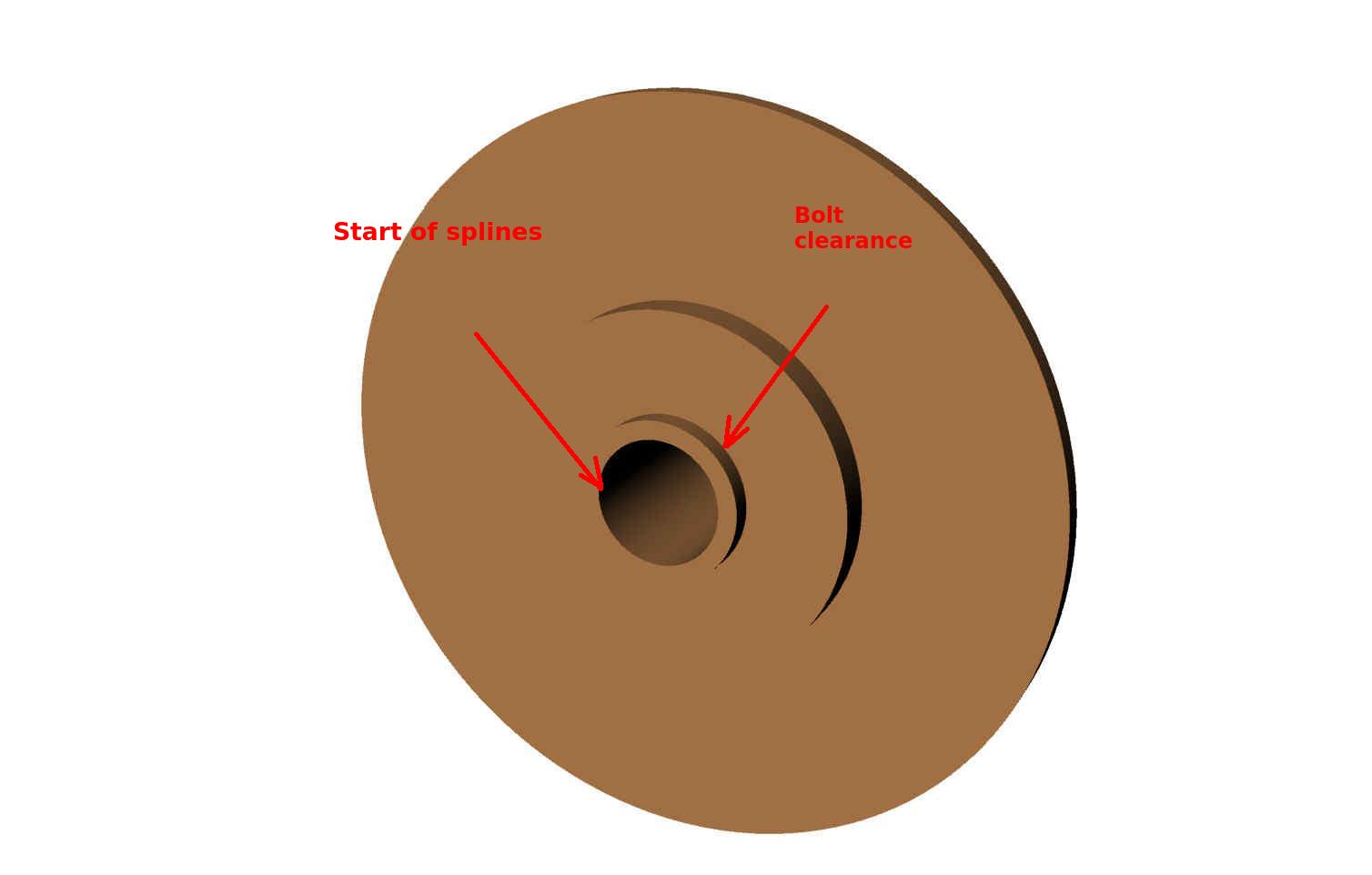
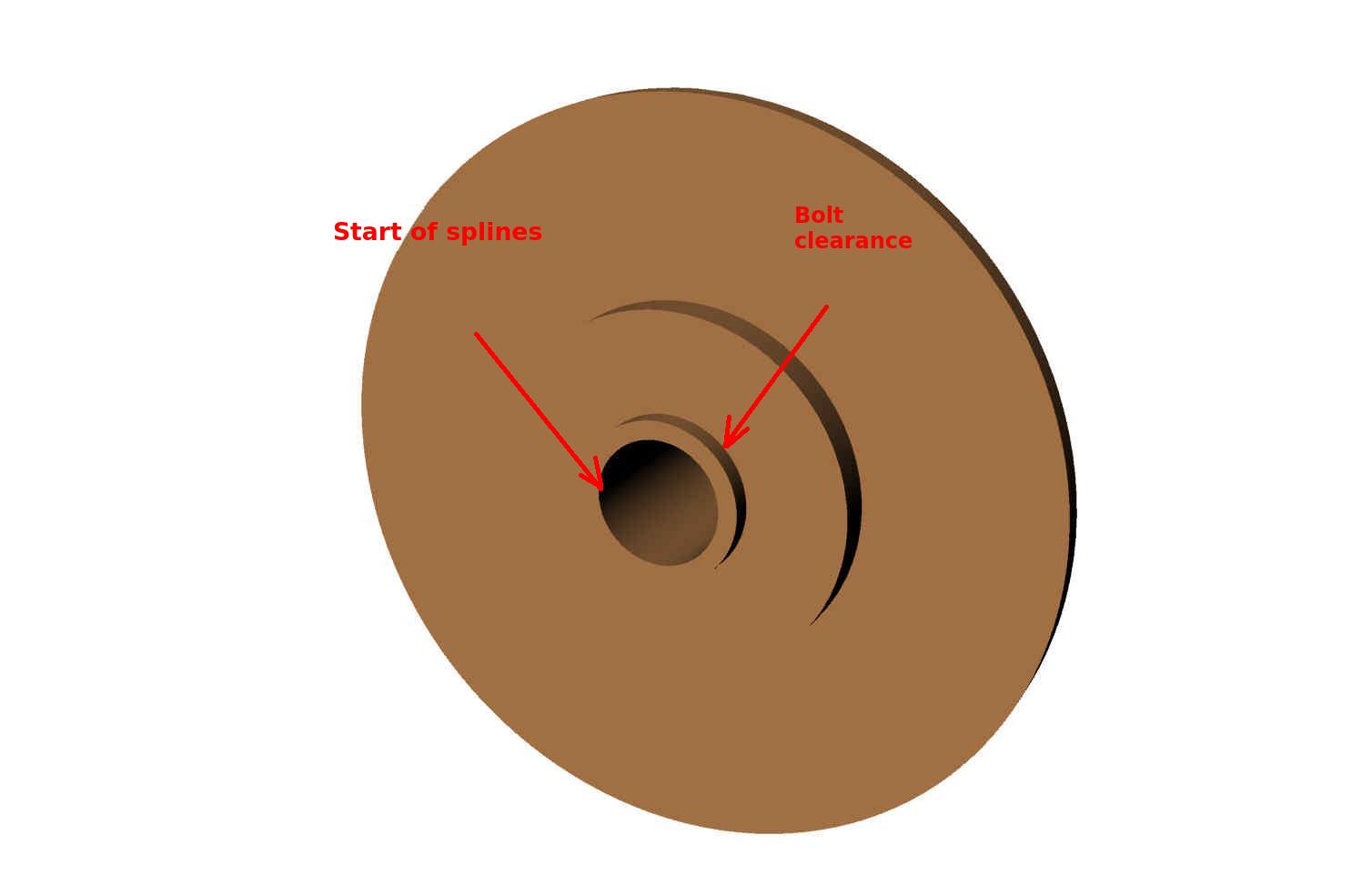
They can stay there. The spline plate can be turned down on a lathe
so the spline plate bottoms out the splines short of the screws and
clears the screw heads.
As it is now the seal surface on the input shaft extends back beyond
the lip of the seal to the splines which start some where on the back
side of the adapter plate.
The rubber coupling expansion will tend to reduce the force on the
helical gear thrust bearings.
Forgot the jpgs :)
Paul Lamar