Paul,
I understand that your mission is the turbo compound rotary project, yet you occasionally
express an opinion on the rotary torsional vibration issue. It's the latter issue I wanted
to discuss...
I understand that the torsional vibration critical speed of primary concern occurs at a
relatively low crank speed (1700 rpm is what I've read).
Since reading about this I have purposely driven my 1993 RX7 with manual transmission
through this range with no real sensation of a torsional resonance in the engine or drive
train. That does not discount the existence of the problem in our aircraft. It could be
that I just don't feel it in my seat or hear it in gear clanking. It could be that the
torsional vibration is less severe in the automobile installed configuration. Because of
the PSRU flex plate failures I continue to believe it is a problem in our aircraft that
merits consideration.
I have two lines of inquiry...
1. Why are the Mazda rotary cars with auto transmissions not exhibiting fatigue failures
of flex plates or other drive train components? Some possible answers...
- Minimal operating time at critical speeds (1700 rpm)
- Increased mass of Flex Plate + Torque Converter causes favorable shift in critical speeds
- Increased mass of Flex Plate + Torque Converter causes decreased pulse magnitude
- Pulse Dampening feature of the fluid coupling torque converter (lots of slip at critical
speeds)
2. Why are the Mazda rotary cars with manual transmissions not exhibiting fatigue failures
of flywheel/clutch/pressure plate or other drive train components? Some possible answers...
- Minimal operating time at critical speeds (1700 rpm)
- Increased mass of flywheel/clutch/pressure plate causes favorable shift in critical speeds
- Increased mass of flywheel/clutch/pressure plate causes decreased pulse magnitude
- Pulse Dampening feature of the clutch disk spring packs
I've read Tracy Crook's discussion discounting any pulse dampening effect from the clutch
disk spring packs. I am unable to provide a technical basis to support or dispute his
views on this topic.
A topic I have not seen discussed and want to explore is the effect of the increased
rotating mass that can be attributed to the total combined mass of Flex Plate + Torque
Converter assembly or the total combined mass of flywheel/clutch/pressure plate assembly.
I feel an increase in rotating mass would certainly affect the torsional vibration
amplitude and also the critical speeds, but it is just speculation that the change would
be beneficial for our aircraft application.
In automobiles the rotating mass is minimized (via light weight flywheels, drive shafts,
mag wheels, etc) in support of enhancing acceleration performance. This acceleration
performance is less important (maybe negligible) in aircraft engine applications. So we
might propose a heavier flywheel between the rotary engine crank shaft and the PSRU input
shaft.
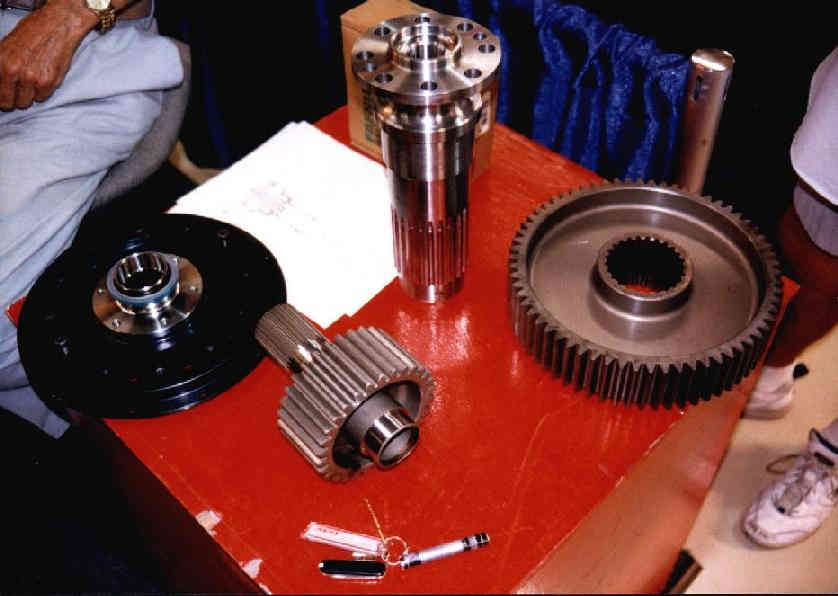
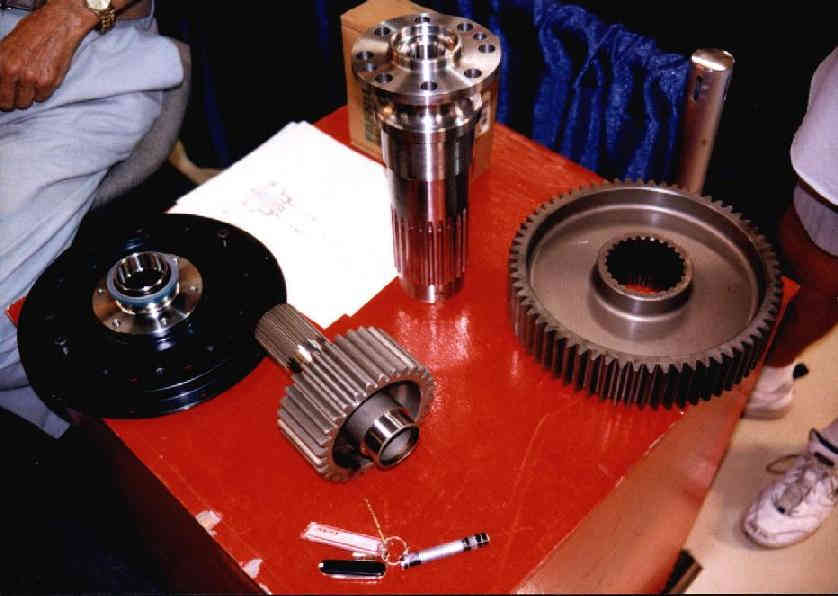
I'm just brainstorming here, but if we can find a clutch disk with the correct spline
shaft interface, I suggest that a Mazda flywheel/clutch/pressure plate could be used as
the coupling between the rotary engine crank shaft and the PSRU spline input shaft. Maybe
use the manual transmission bell housing too. I see no need for disengaging the clutch so
the throw-out bearing, linkage, and hydraulic slave cylinder would not be installed.
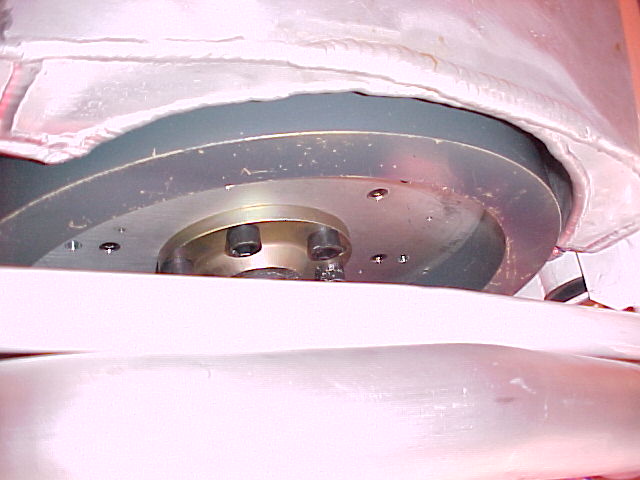
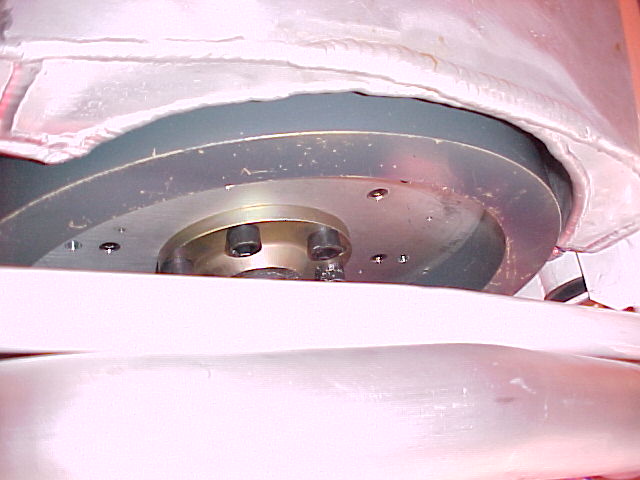
If that idea is not feasible, then I suggest we consider bolting Tracy Crook's plate to a
manual transmission flywheel with integral starter ring gear rather than the auto
transmission flex plate with welded on starter ring gear. The stock manual transmission
flywheel is much heavier than the flex plate (improved flywheel mass for torsional
dampening effect) and it's stronger than the flex plate (probably immune to the fatigue
failures seen in the flimsy flex plates).
Of course the PSRU mounting plates and spacers would need to be modified. Might add inches
to the PSRU length.
Your thoughts?
John Lindinger
Bede-4 Builder
1993 RX7 Owner
1951 Piper TriPacer Owner
1. The flex plate is bolted to a fluid coupling type of torque
converter. That absorbs torsional vibration. There is a fluid
coupling in the DD15 TC gear box I just bought.
2. The manual transmission cars have springs in the clutch plate
that mitigates the torsional vibration. These
work and have been used in the Ross gear. The springs are not the
best however. It is like having a car with no shock absorbers
(damper is a better description of shock absorbers).
It works but not as well as having some damping.
Rubber works like springs but also has damping built in. The rubber
heats up because of the damping so you need high temp rubber like
silicone. That is what we are working on.
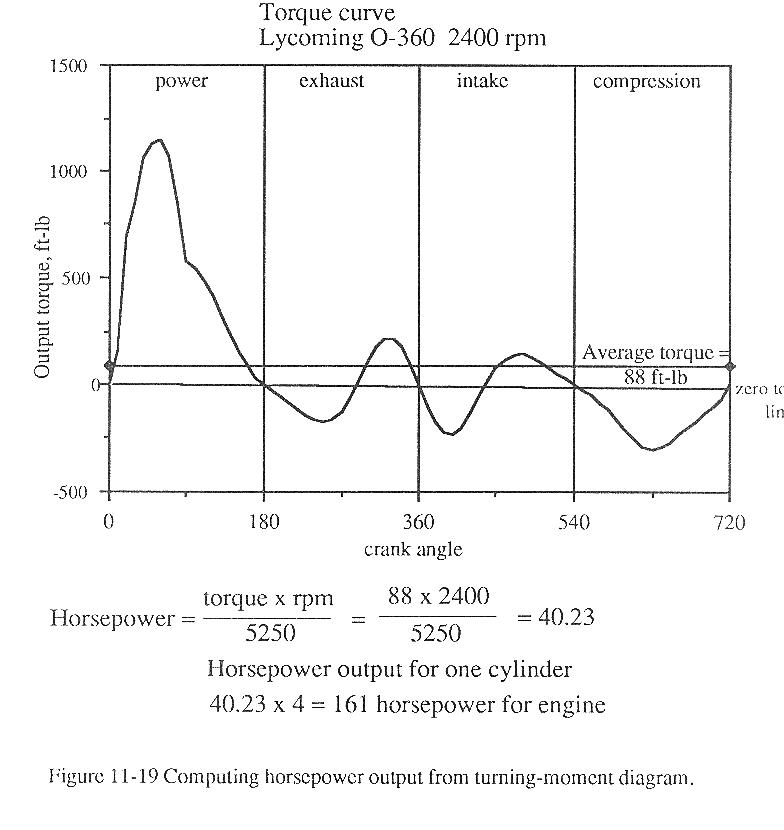
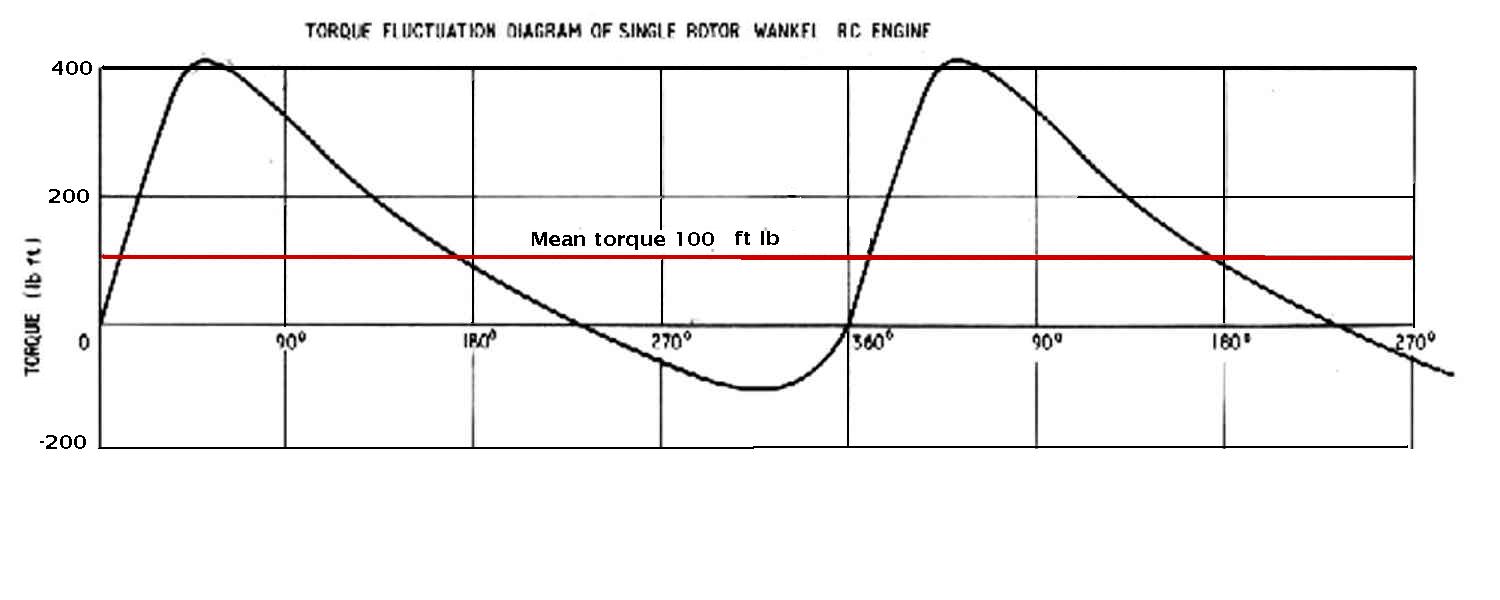
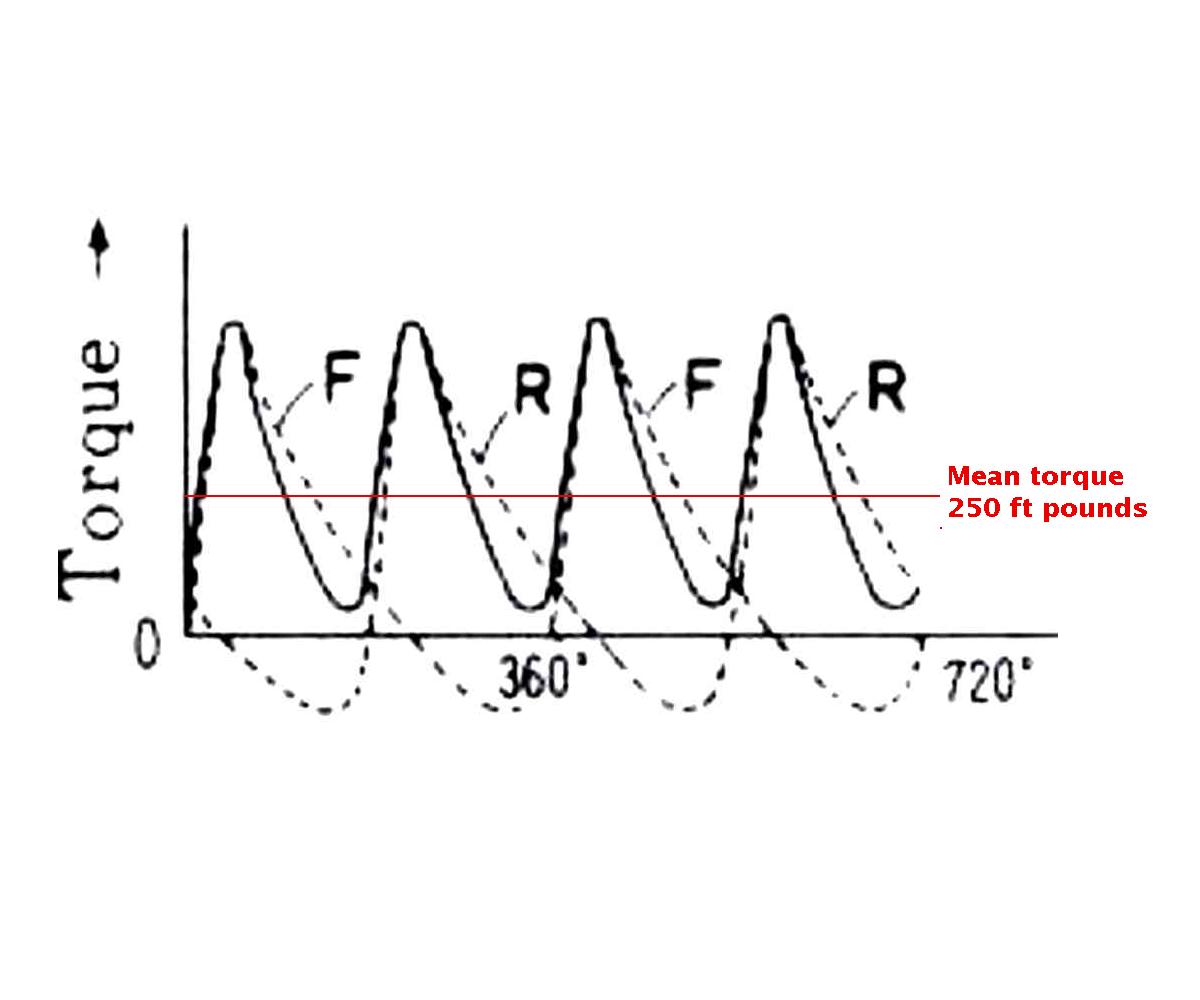
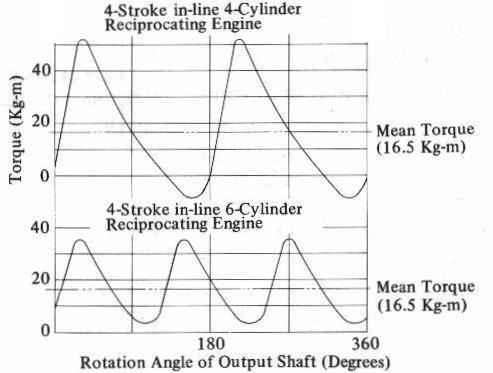
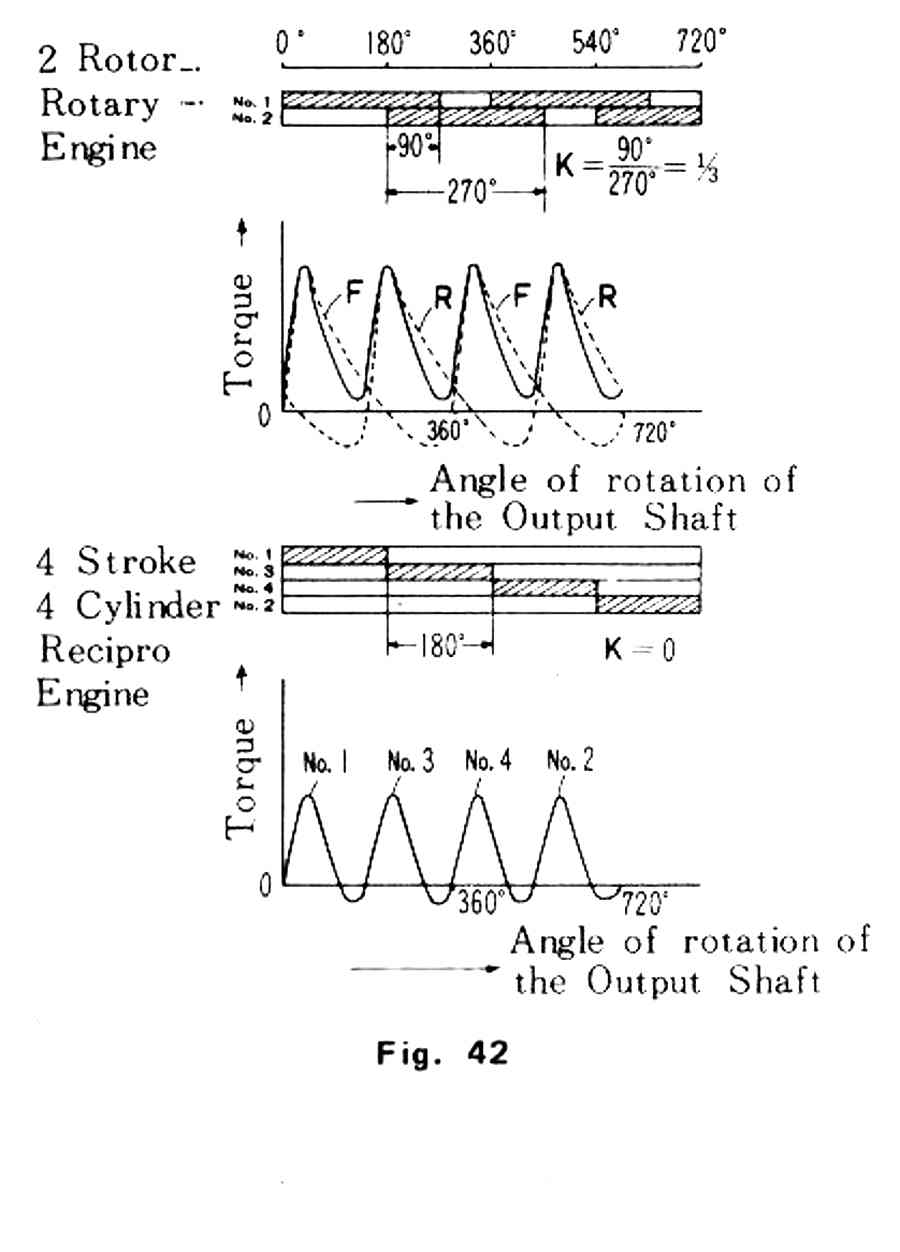
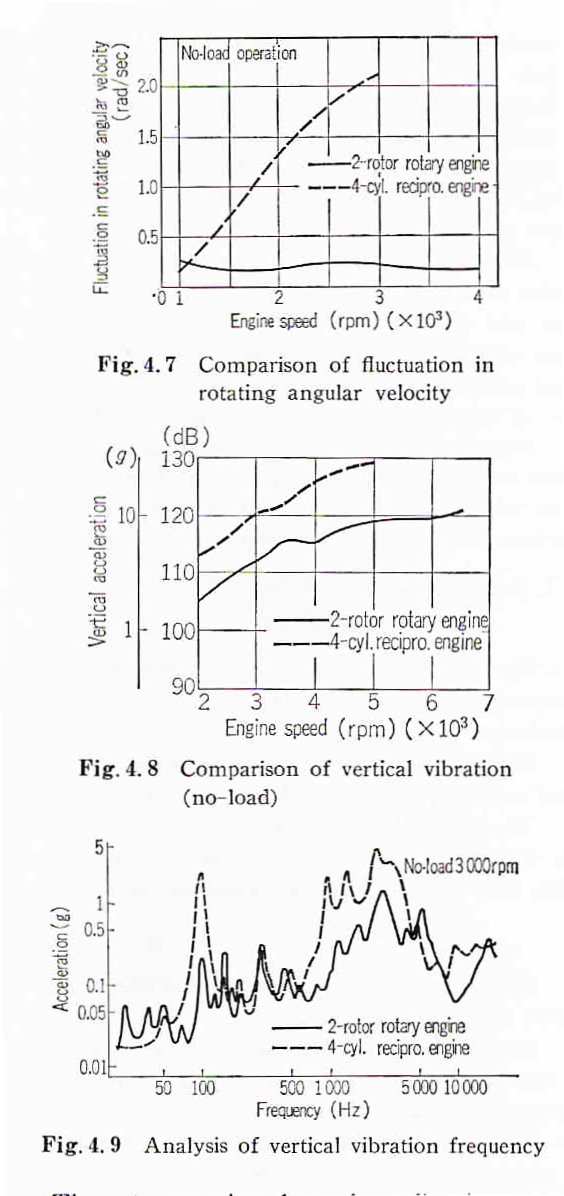
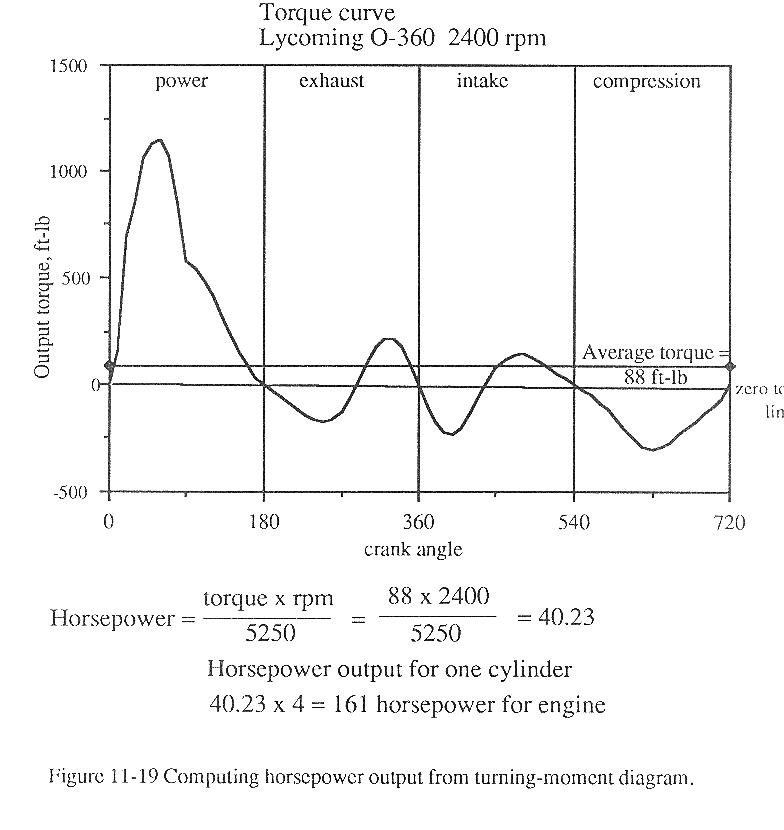
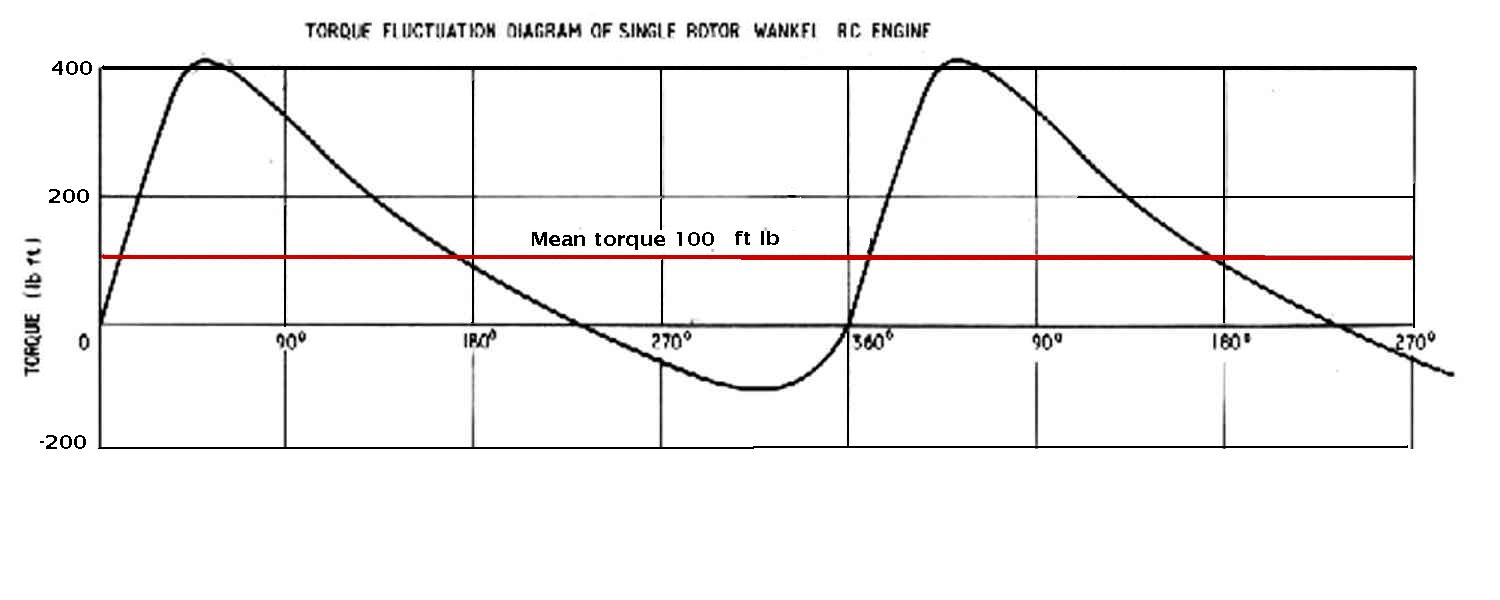
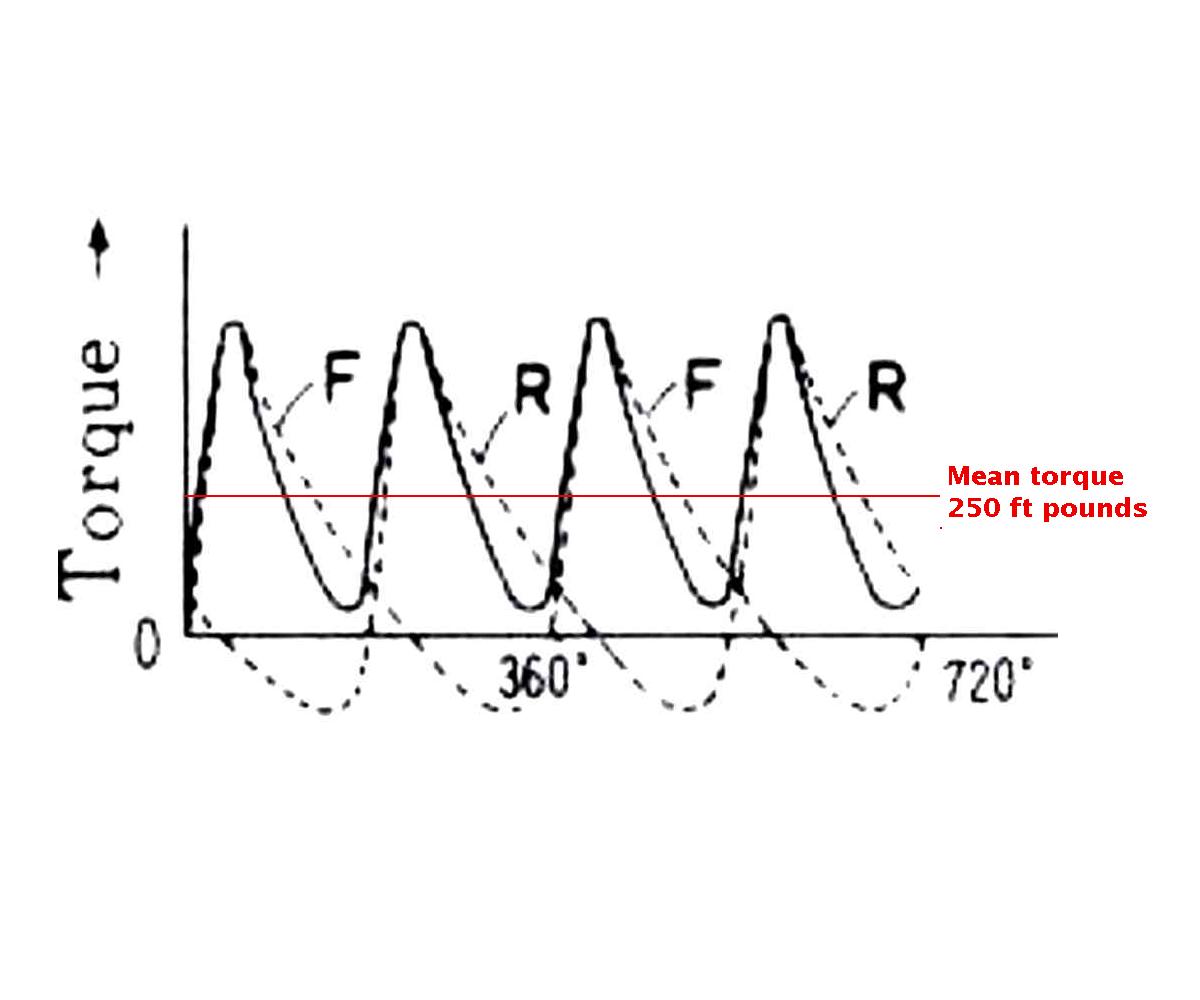
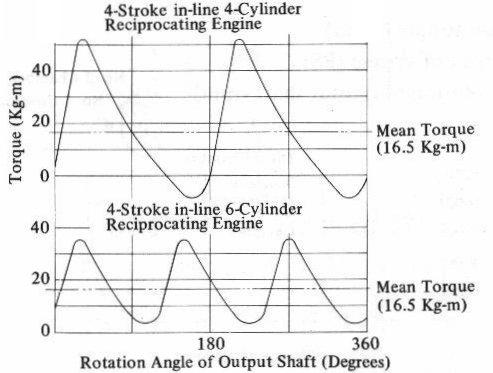
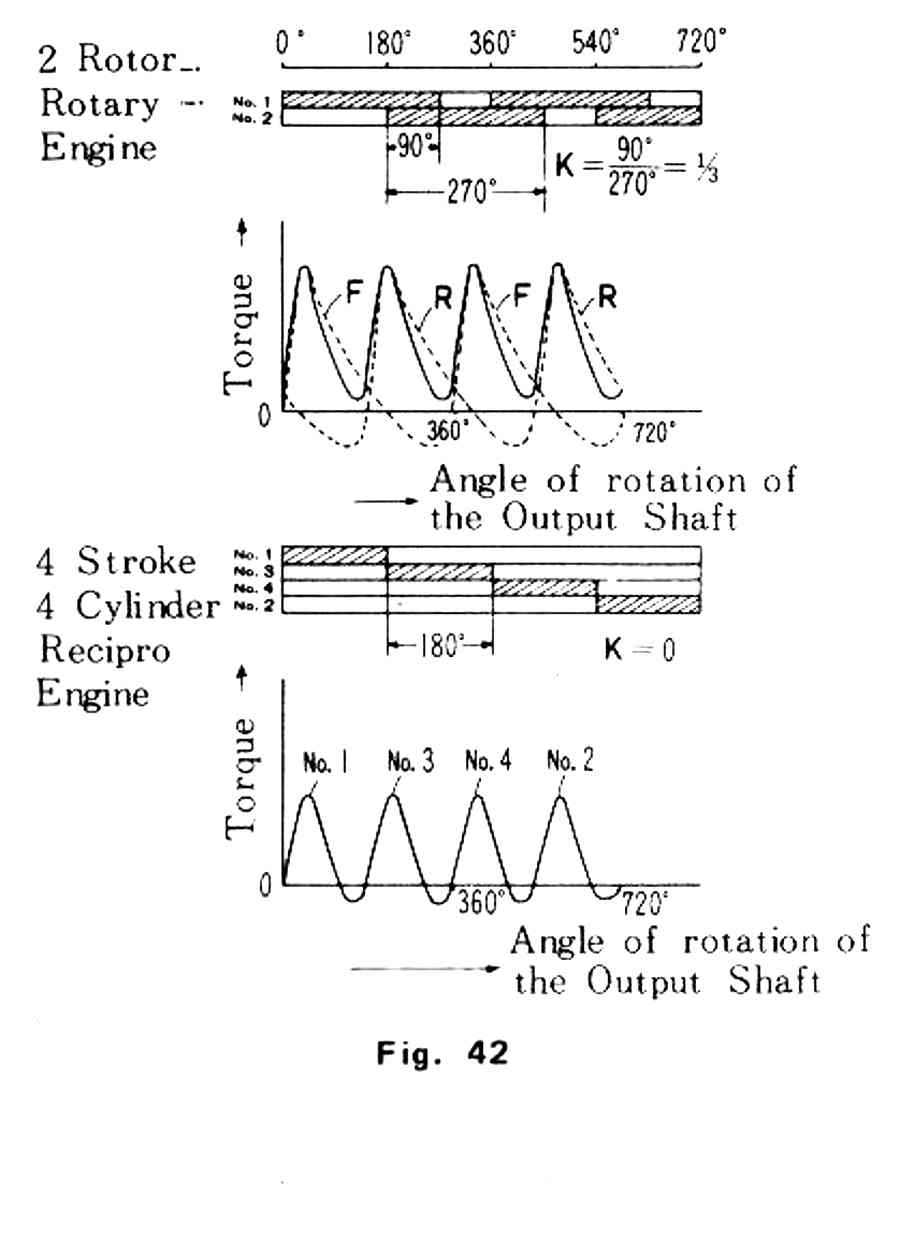
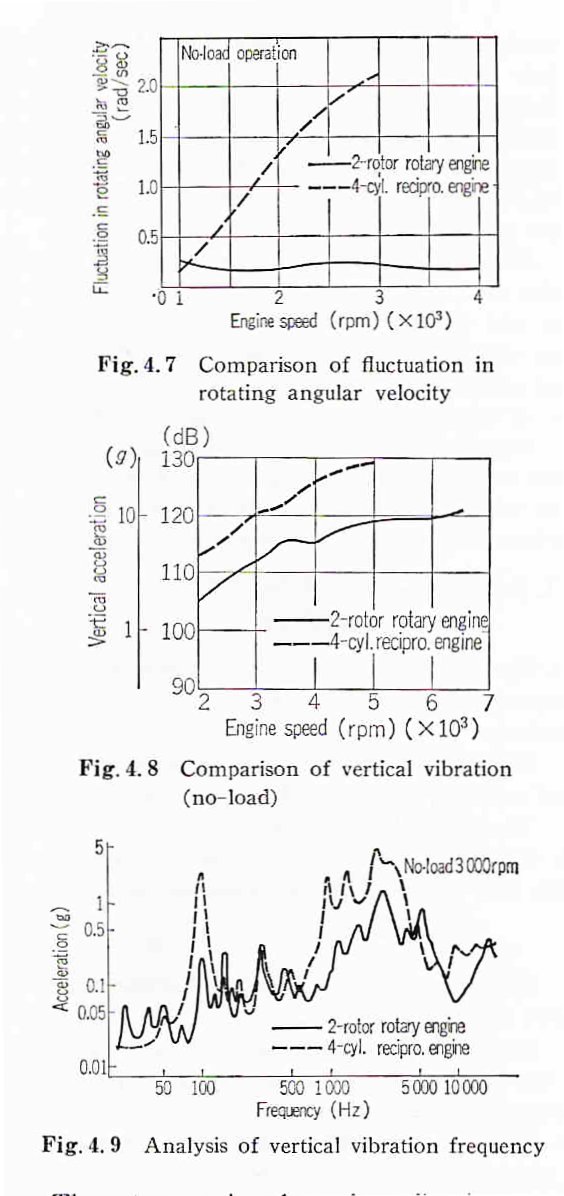
BTW the torsional vibration of a 2 rotor rotary is much lower than
that of a 4 cycle piston aircraft engine. The frequency is much higher as
it revs much faster.
Heavy flywheels are also used in man tx cars of course.
Heavy fly wheels have been used in a Chevy engine when used with
a gear box in an aircraft. Adding a heavy fly wheel is the sledge
hammer approach to aircraft design :)
Paul Lamar