You know, it will cost over a quarter of a million dollars to replace the
diesels in my boat, and with that in mind I am watching the TC rotary
with
genuine interest. My 12V71s are rated at 550HP each at 2200 RPM, but I
never run them at that because of the fuel burn. I have even
considered the
cruise ship approach- 3 generators and use electric motors to turn the
props. As the load increases, fire up another generator.
I run the diesels at around 1200 RPM because the fuel burn is almost
exponential after that- at 1200 RPM x 2 engines the fuel burn is
around 17
gph (total) and my speed is around 11 knots. At 2000 RPM the speed
goes to
18 knots, and the fuel burn passes 65 gph (total). less than 1/3 mile par
gallon, Obama would be shocked!
I have a fuel burn chart from DD for these engines at various RPM and HP,
when I get time to look through all these HDDs I will send it to you- but
here is what is important-
My props are 32" dia x 29 pitch, 4 blades put through a 2:1 gear box.
Each
12V71 weighs around 2.5 tons. Yep, 2.5 tons. And the Allison gear drives
weigh 850 lbs each, in addition to the engine weight. Not to mention that
these engines are loud, and are as big as the back of my truck. To get
them
out requires a big hole be cut in the side of the boat.
I have been looking into the Detroit Diesel series 60 650 HP diesels as
replacements. I would need to change the flywheel, bellhousing and add a
heat exchanger to make it work, but thats easy. I can get a reman
Series 60
for just over 12K in a box, which isn't too bad considering over 110K
for a
"marine" engine. The other plus is a 1/3 decrease in fuel burn and 2.5
tons
less weight.
As far as the TC rotary, we would need a 6:1 gear box, but I would be
interested in trying it out. Can you imagine the look on the other
captains
faces when I pass them in a boat that weighs 81,000 lbs with engines that
are as big in diameter as their toilet?
Thanks for the hard work Paul, we really appreciate it.
KA
Here is what it looks like currently.
Next project is the exhaust plumbing.
Paul Lamar
I worked on lots of the 12V71 and 92 engines. Yup they are heavy. Most I
worked on were rated as 2300RPM max no load; 2100RPM max in gear. Truck
drivers were under the impression you had to run the double breasted Yamahas
down the road at 2100. I overhauled a natural 92 that had 750,000 miles on
it. There had been a cam follower failure repaired on warranty, and no other
troubles. he said he got the same fuel economy as his truck with a Cat 375HP
engine. It had had two overhauls in the same mileage, one cost 5K and the
other 10K. Only trouble with Detroit engine was it burned rear tires off
sooner due to wanting to rev quicker. He ran down the road at 1700RPM. Truck
use is different than a boat.
Ever see photos of Roger Penske's boat? Pretty splashy.
I would be looking at the DD15 as they are now setting them up for other
applications than truck use. The fuel saving would be even more than a
Series 60. Initial cost would be higher but the end result would be better.
Paul, as I see by the photos you are going direct into the front of the e-
shaft with the drive and no extra gear box. Slick! A one degree offset on the
steering joints will keep them from wearing in one spot and failing
prematurely.
Dale Davies
The output RPM of the DD15 TC gear box is 8000 RPM
when the turbine is doing 40,000 RPM.
Perfect for direct coupling to a rotary.
For the cost of a new DD15 or 12V71 you probably could build a 4 rotor
p-port turbo with a DD15 TC system and you would be looking at about
1000 HP with a weight of less than 600 pounds with the fuel burn
of a diesel engine. The DD15 turbo compound system alone weighs
about 80 pounds.
The weight savings over the diesels would get the boat on plain
at a lower speed.
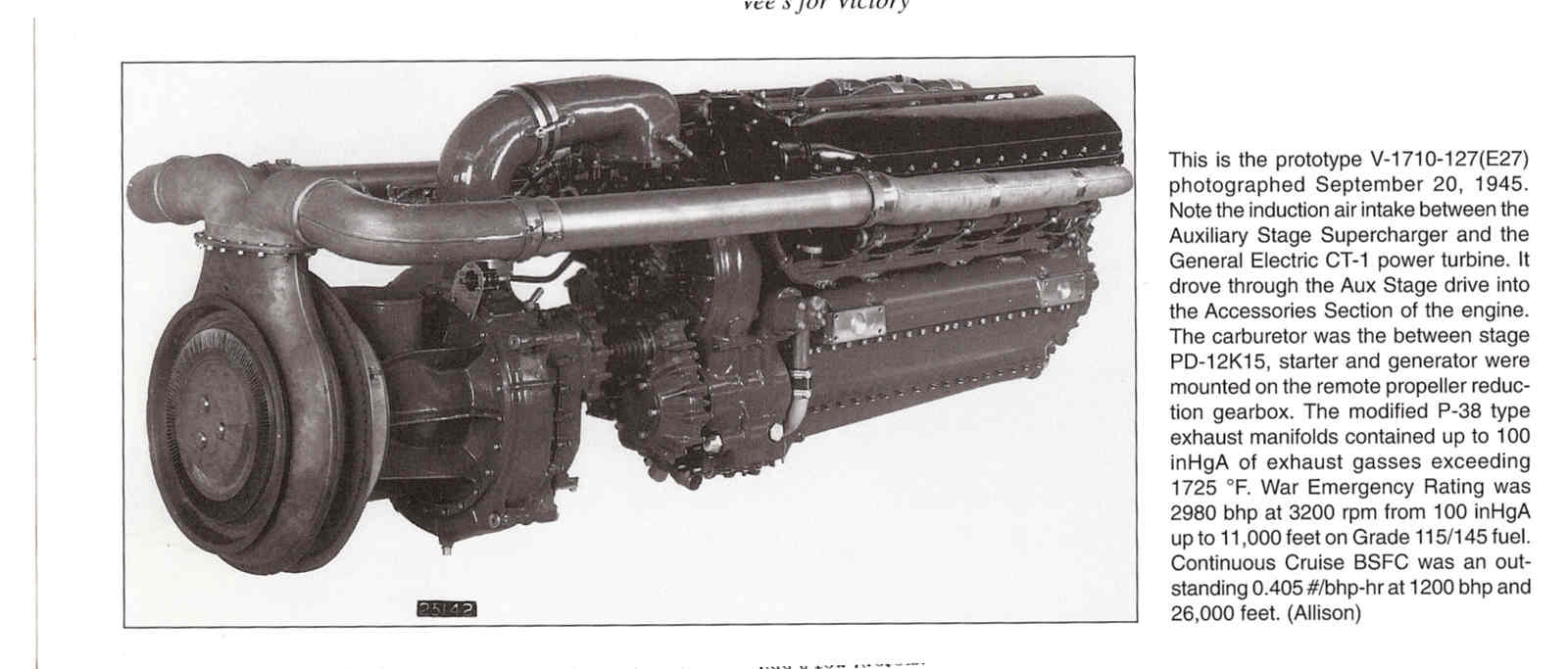
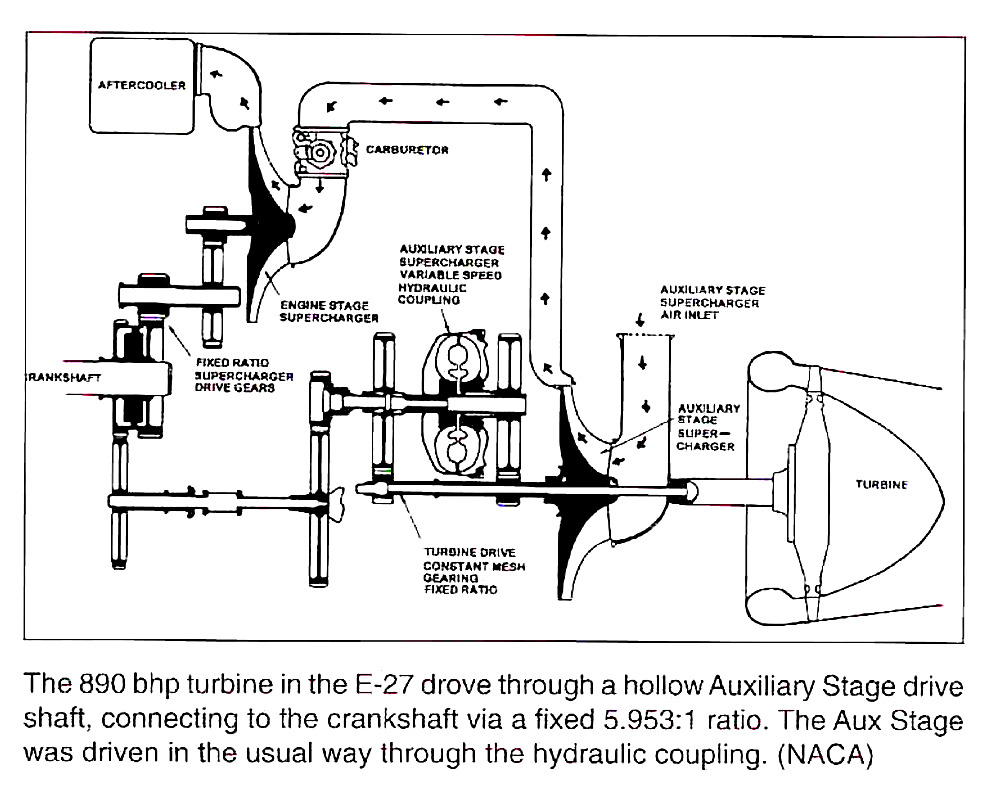
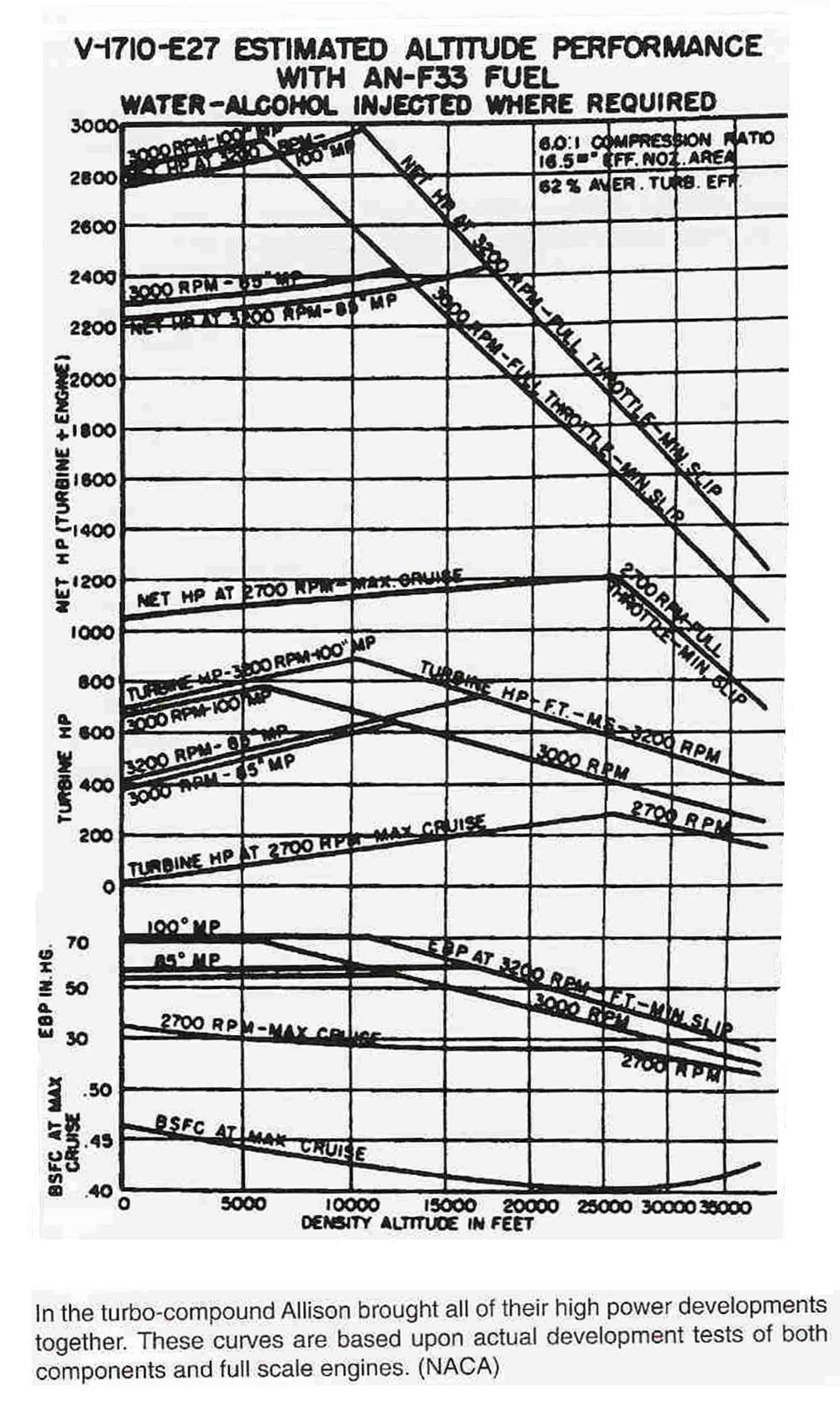
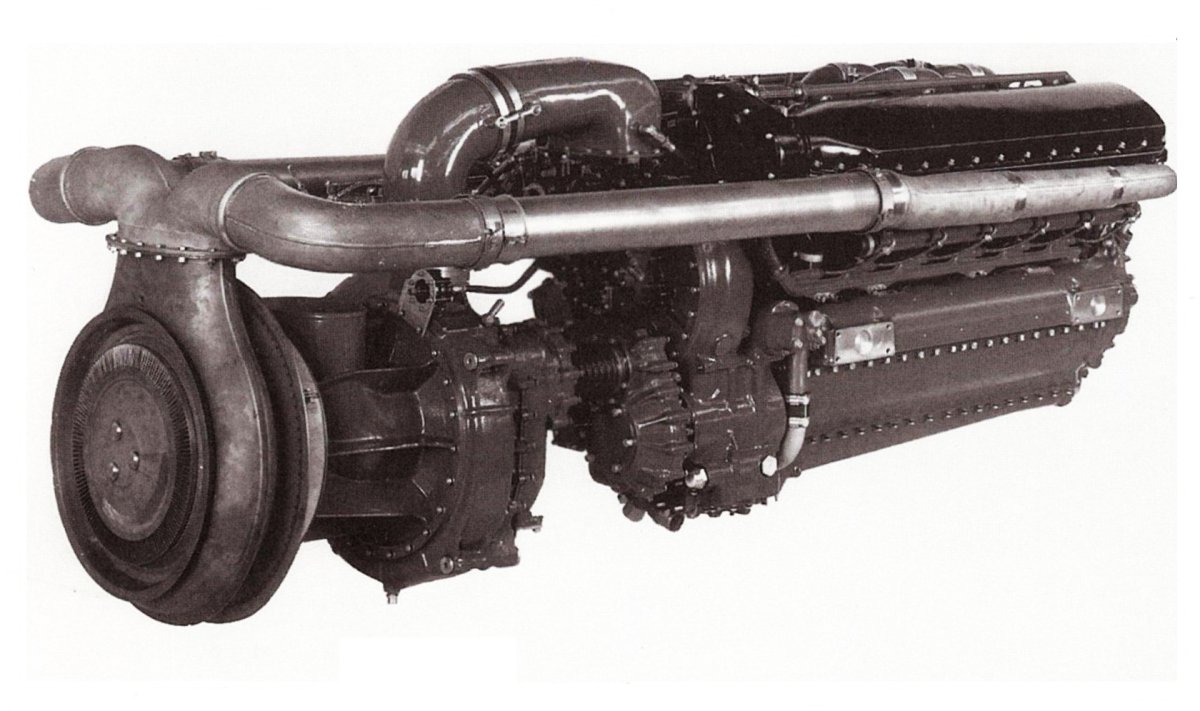
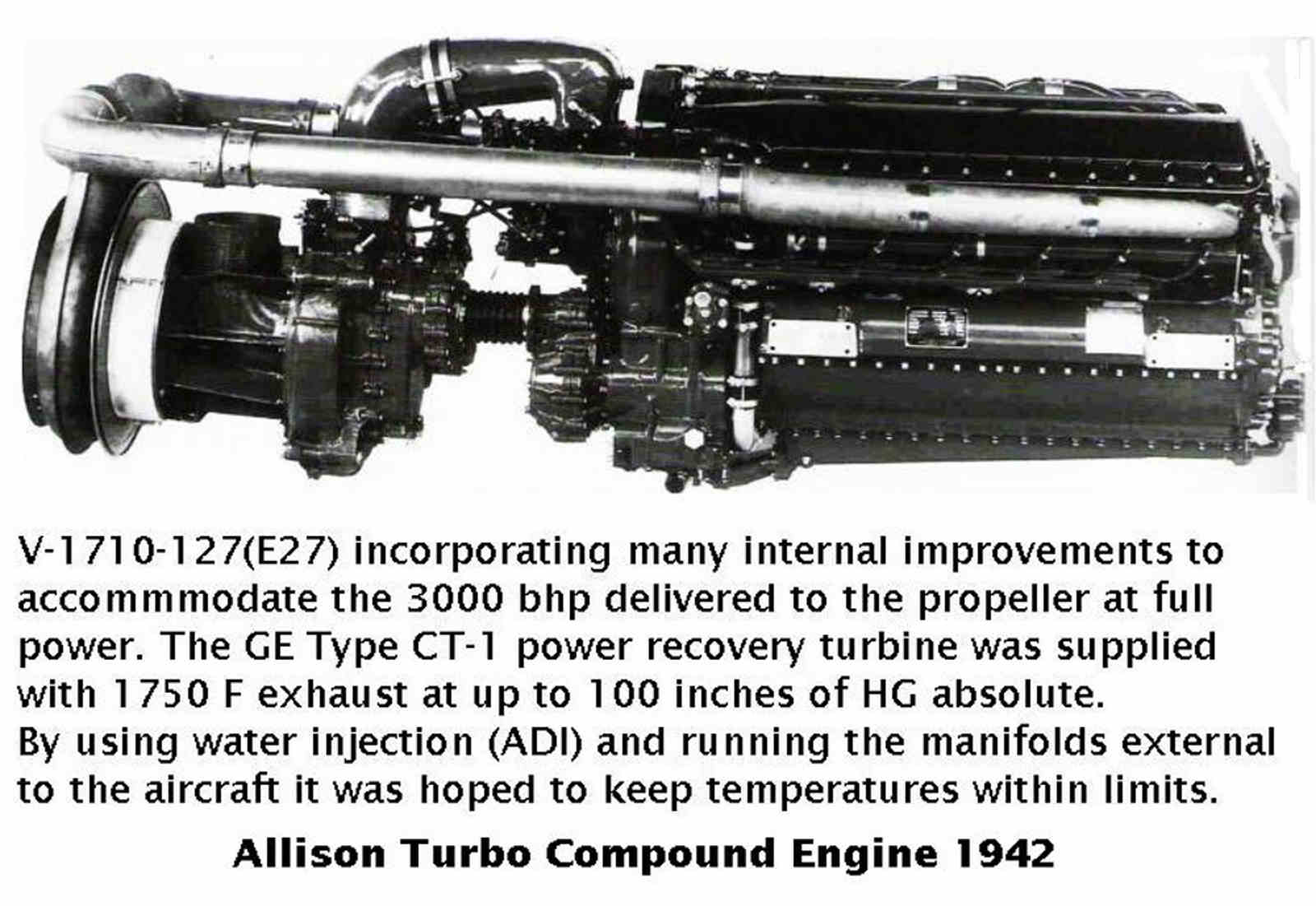
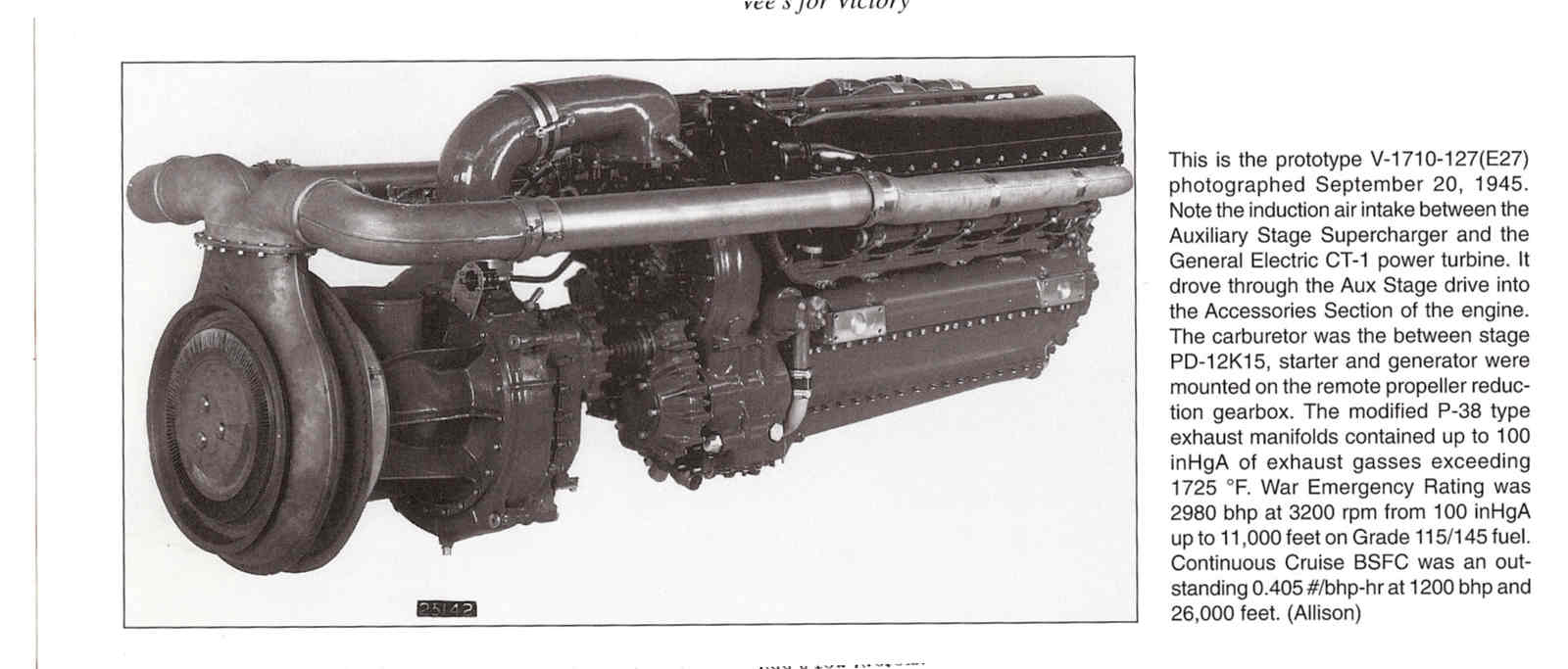
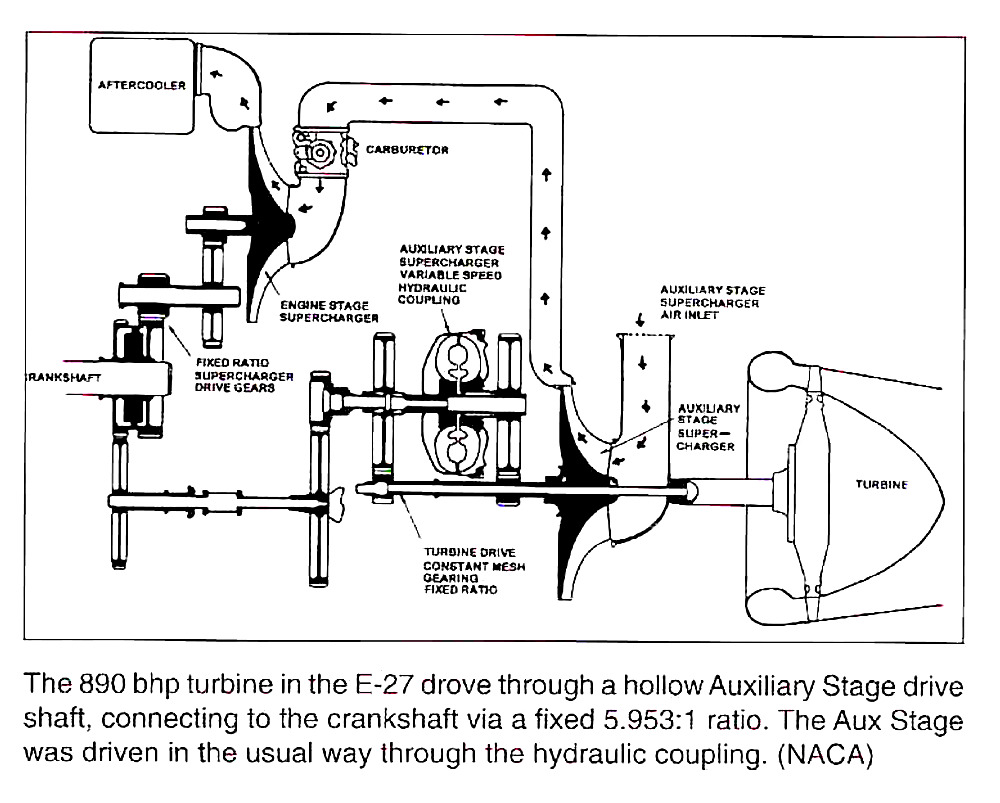
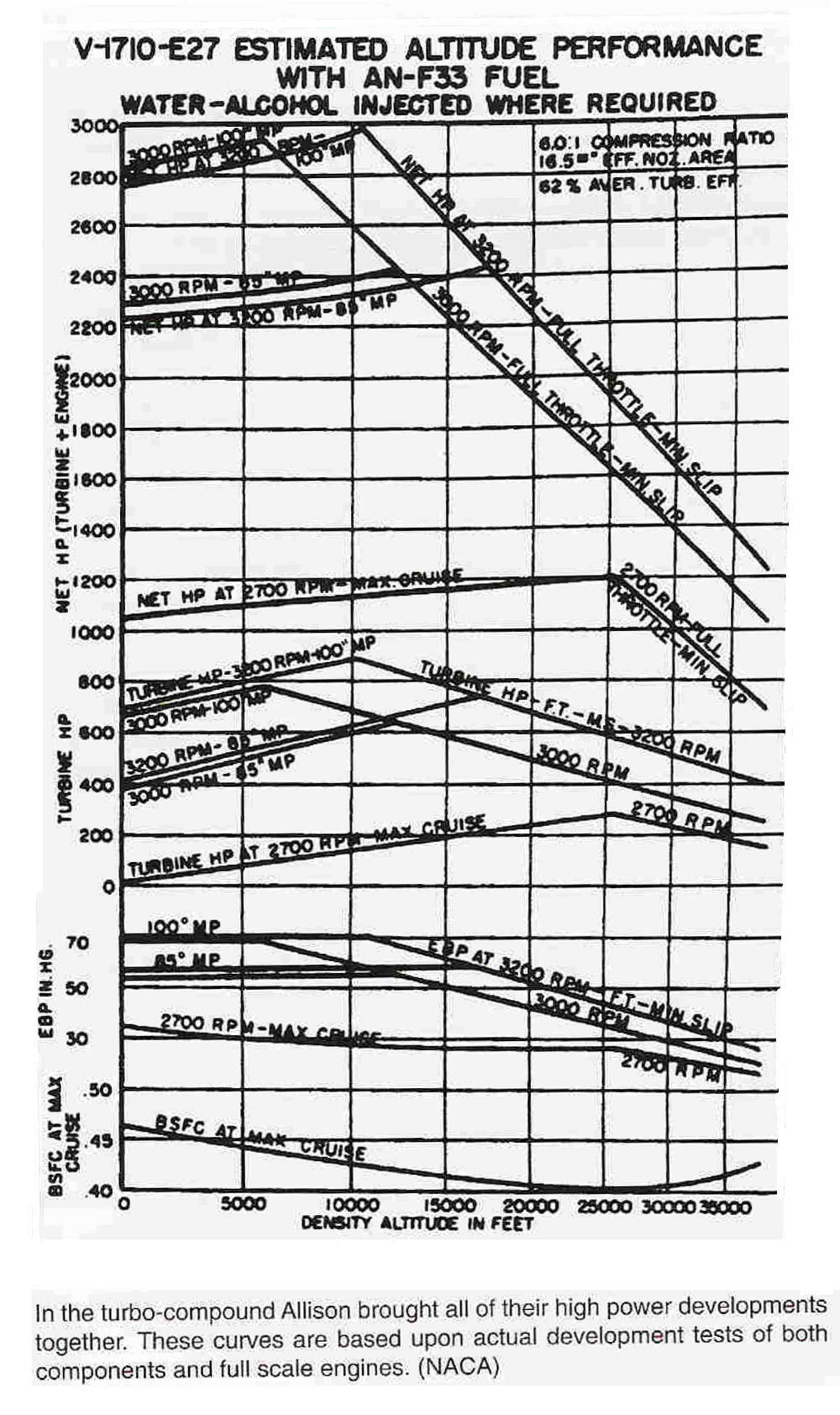
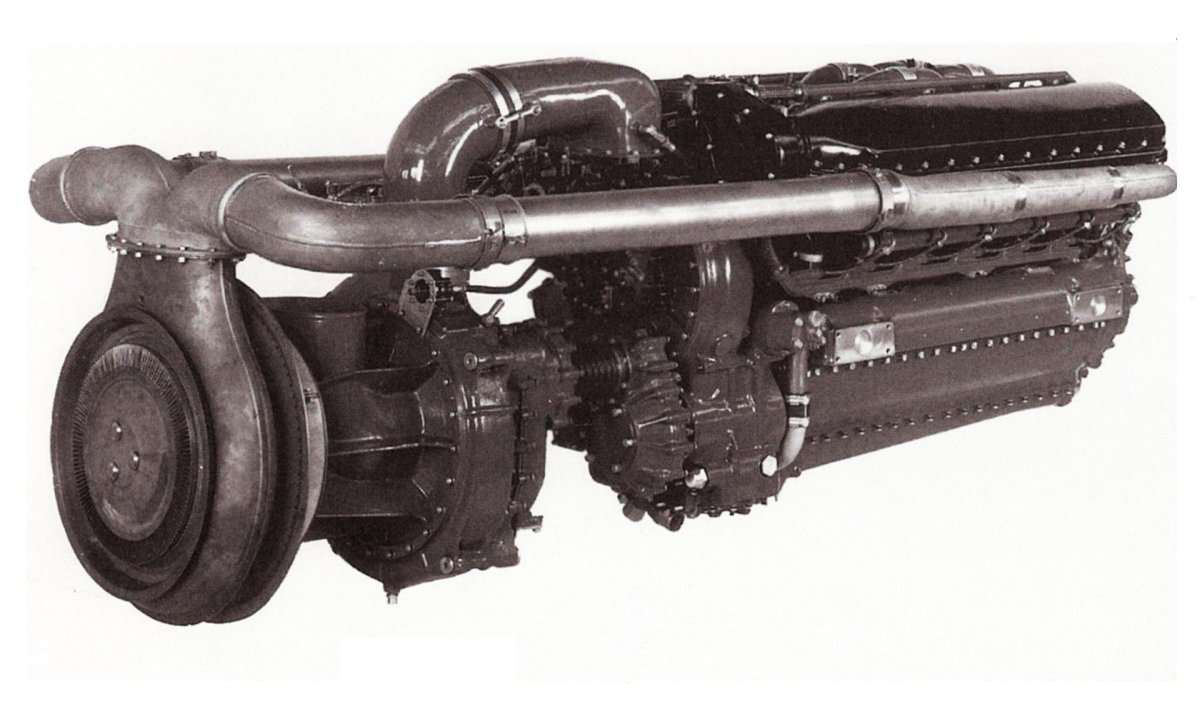
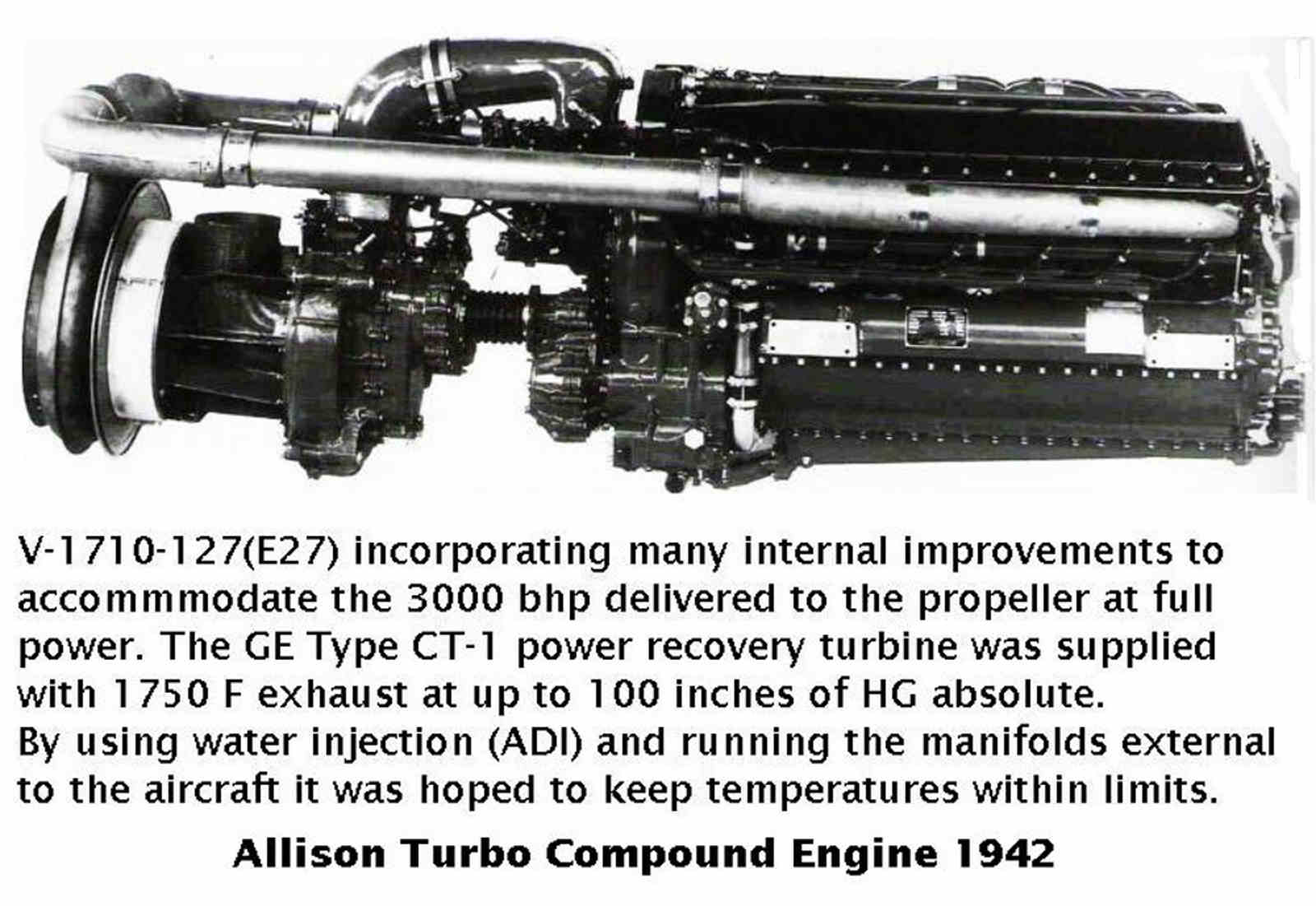
BTW I am doing the same thing Allison did back in the 1940's.
Paul Lamar
The Rotary Engine News Letter. Powered by Linux.
ACRE NL web site.
http://www.rotaryeng.net.
You Tube
http://tinyurl.com/beqqxas.
Copyright 1998-2013 All world wide rights reserved.