I am still wondering why you are re-inventing the wheel with the CS
governor. Many of you are not using the CAS and going with a hall effect
sensor. The engine already has the provisions to turn the CAS at half the
engine speed. It shouldn't be too difficult to use the spline adapter of a
Lyc or Cont machined in a block of aluminum bolted to the front cover. Oil
can be picked up from the line out of the front cover and routed to the
gov. The output line from the gov can be run to the PSRU.
The only necessary mods to the psru would be make a hole in the shaft where
the bushing is so that the pressurized oil can get to the hollow shaft.
Knock out the little freeze plug in the end at the prop and now the oil can
get to the prop.
If we run the engine at 8000 rpm, and the gov runs at half engine speed,
that means the gov is running at 4000 rpm. In a the geared continentals in
the Tbone at our airfield, the engines run out at 3900, with the govs
bolted to the engine and running at engine speed.
And, there are a few electrically actuated cs props out there as well. My
McCauley CS prop weighs around 45 lbs, more than twice what Catto said a
carbon fiber would weigh.
We are making new parts to take care of the resonating problems, but we
seem to be determined to stick a heavy prop on there that will make the
resonance problem worse.
Anyway, as far as an oil fed CS unit, it doesn't seem that difficult,
really. Myself, I will most likely go with the CATTO or an electrically
actuated CS prop.
Kevin Alderman
I agree with most of what you are saying but the oil pressure boost
pump in the gov takes a bit torque. The Mazda CAS drive does not.
"Consider the fact that a standard, single-acting governor such as
found on most light singles and twins (Woodward 210xxx series, Hartzell
and MT prop governors) requires less than 3/8 HP to drive at 220 PSI
output pressure. That is 12 pounds-inches of torque at 2000 governor RPM
and less than 9 pounds-inches of torque at 2700 governor RPM. If the
pitch diameter of the driven gear in the governor drive mechanism is
1.25", for example, then 12 pounds-inches of torque generates 19.2
pounds of contact force at the gear faces. Tha'ÃÂÃÂs not a very big load,
but it can destroy a badly-designed set of crossed helicals in just a
few hours."
The gov should run at prop speed. I think the main attraction
for the traditional metal CS prop is one of cost. An electric composite
CS runs $10K or more.
Paul Lamar
=============================================================
http://www.thaitechnics.com/propeller/prop_control.html
Constant Speed : If an engine driven governor is used, the propeller
will operate as a constant speed. The propeller and engine speed will be
maintained constant at any r.p.m. setting within the operating range of
the propeller.
Governor Operation (Constant speed with counterweight ) the Governor
supplies and controls the flow of oil to and from the propeller. The
engine driven governor receives oil from the engine lubricating system
and boost its pressure to that required to operate the pitch-changing
mechanism. It consists essentially of :
1. A gear pump to increase the pressure of the engine oil to the
pressure required for propeller operation.
2. A relief valve system which regulates the operating pressure in the
governor.
3. A pilot valve actuated by flyweights which control the flow of oil
through the governor
4. The speeder spring provides a mean by which the initial load on the
pilot valve can be changed through the rack and pulley arrangement which
controlled by pilot.
The governor maintains the required balance between all three control
forces by metering to, or drain from, the inboard side of the propeller
piston to maintain the propeller blade angle for constant speed operation.
The governor operates by means of flyweights which control the position
of a pilot valve. When the propeller r.p.m. is below that for which the
governor is set through the speeder spring by pilot , the governor
flyweight move inward due to less centrifugal force act on flyweight
than compression of speeder spring. If the propeller r.p.m. is higher
than setting , the flyweight will move outward due to flyweight has more
centrifugal force than compression of speeder spring . During the
flyweight moving inward or outward , the pilot valve will move and
directs engine oil pressure to the propeller cylinder through the engine
propeller shaft.
Principles of Operation (Constant Speed with Counterweight Propellers)
The changes in the blades angle of a typical constant speed with
counterweight propellers are accomplished by the action of two forces,
one is hydraulic and the other is mechanical.
1. The cylinder is moved by oil flowing into it and opposed by
centrifugal force of counterweight. This action moves the counterweight
and the blades to rotate toward the low angle position.
2. When the oil allowed to drain from the cylinder , the centrifugal
force of counterweights take effect and the blades are turned toward the
high angle position.
3. The constant speed control of the propeller is an engine driven
governor of the flyweight type.
Governor Operation Condition
On-Speed Condition
The on-speed condition exists when the propeller operation speed are
constant . In this condition, the force of the flyweight (5) at the
governor just balances the speeder spring (3) force on the pilot valve
(10) and shutoff completely the line (13) connecting to the propeller ,
thus preventing the flow of oil to or from the propeller.
========================================================
Guys,
Some of us like the hydraulic propeller. It responds much quicker. It's
a closed system that is proven. From what I understand of electric props
they can be a bit difficult maintenance wise and are susceptible to
moisture.
As Paul has just explained the CS hydraulic setup is much more
complicated than you realize. You need an input from the prop shaft
because as Paul pointed out the governor must be direct linked to the
propeller so the "speeder spring" can do its job. If it was that simple
it would be included in the Ross and Tracy redrive.
As far as cost is concerned the reason why I want a CS hydraulic prop is
because or the capability of reverse. My 2000 hrs in a float plane taught my that reverse
is a great asset if you can have it.
Correct me if I'm wrong but all Catto propellers are fixed pitch? Also
the prop I'm looking at will be an MT reversible (composite). As Kevin
said no point in hanging a 50 lb dinosaur off the front if you don't
have to.
Paul are these electric props you speak of MT props?
Will
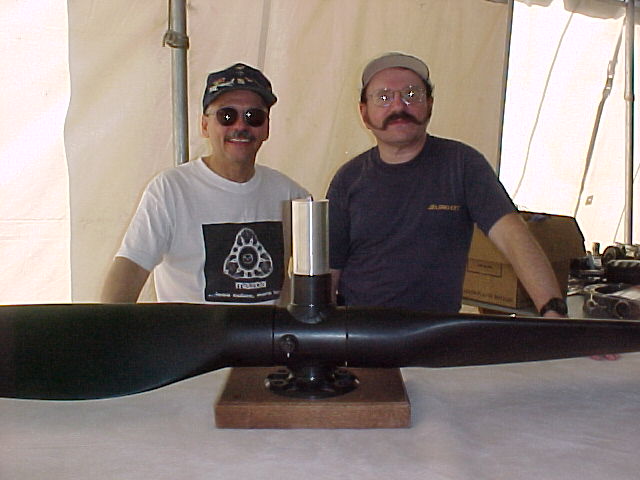
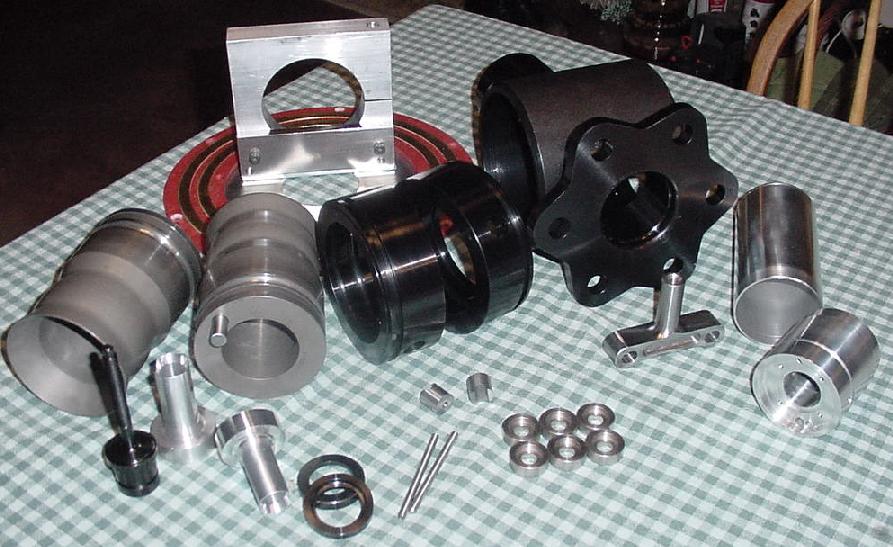
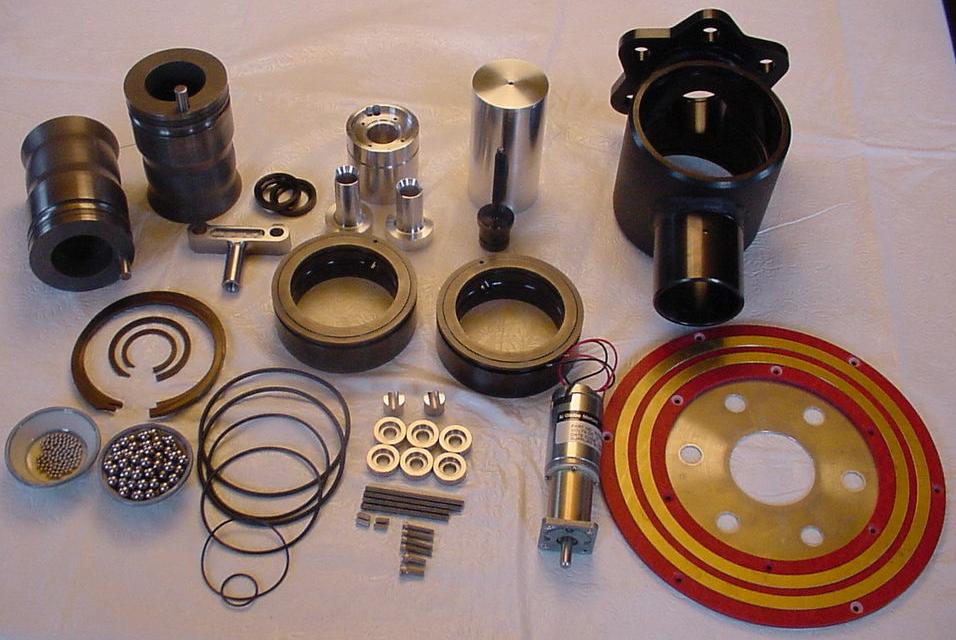
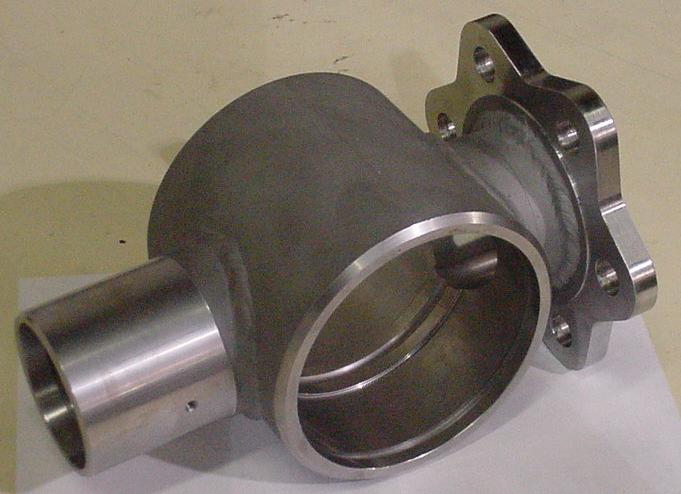
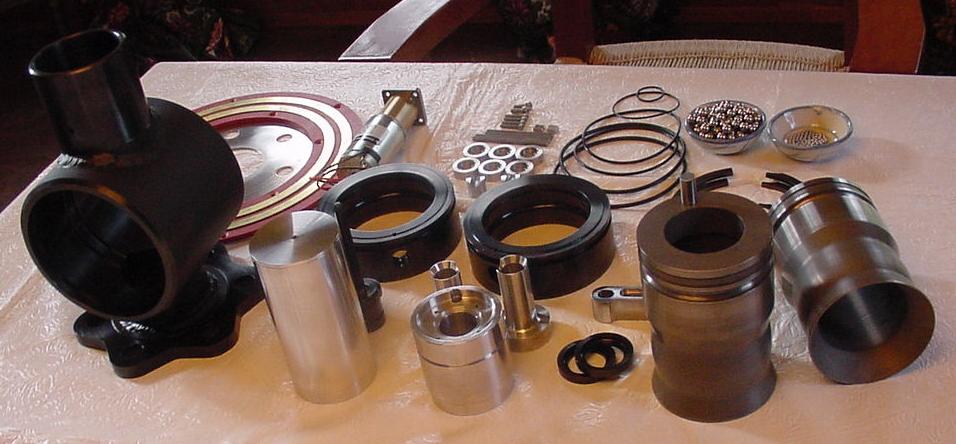
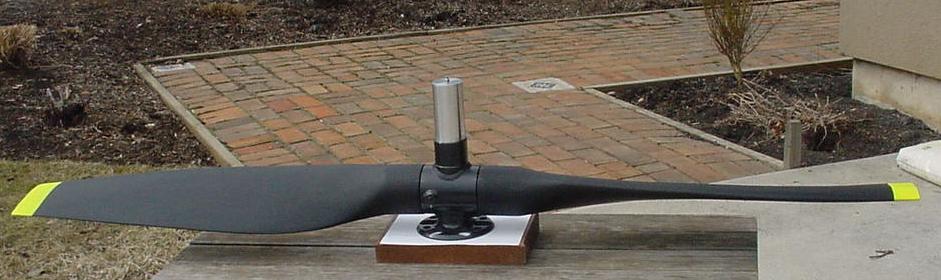
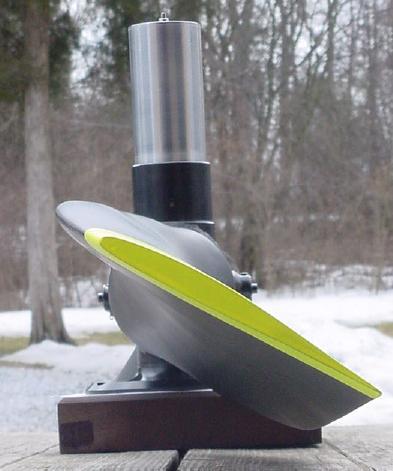
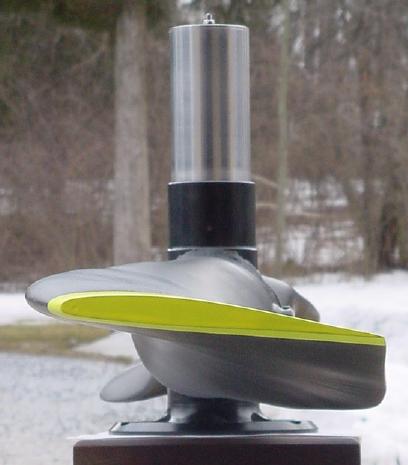
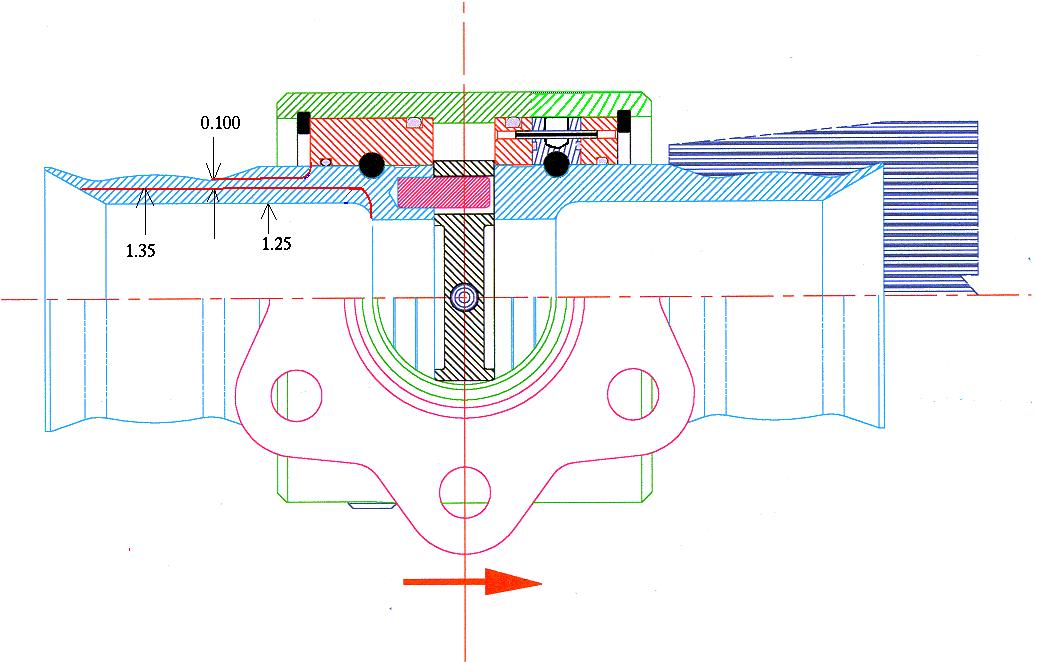
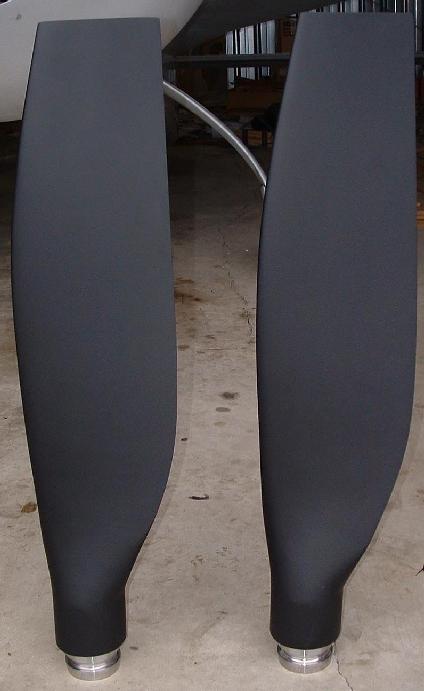
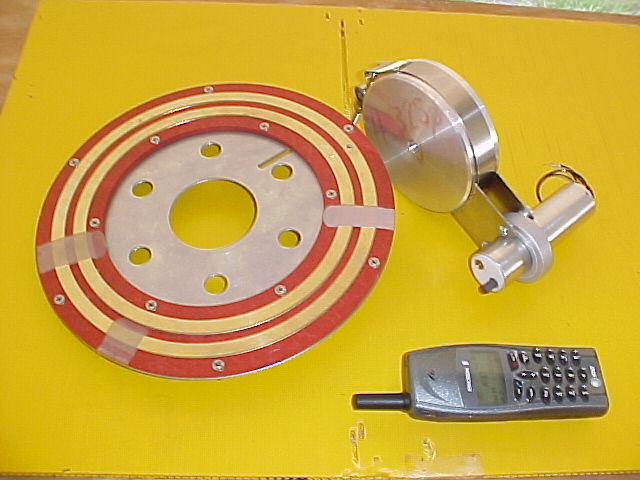
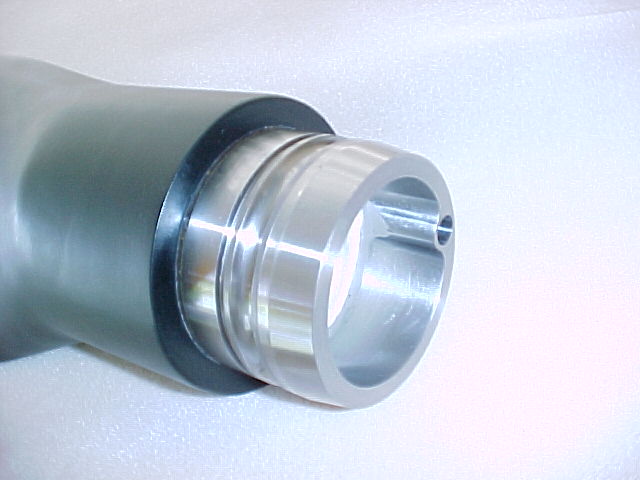
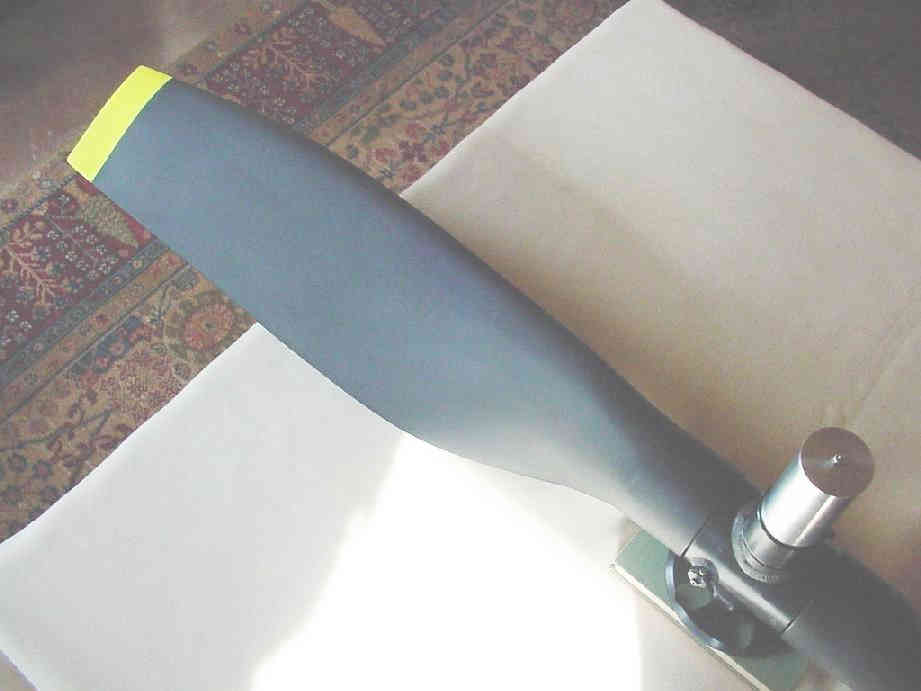
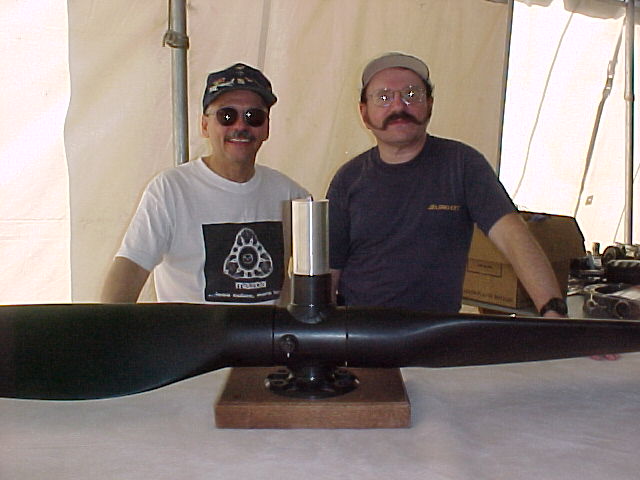
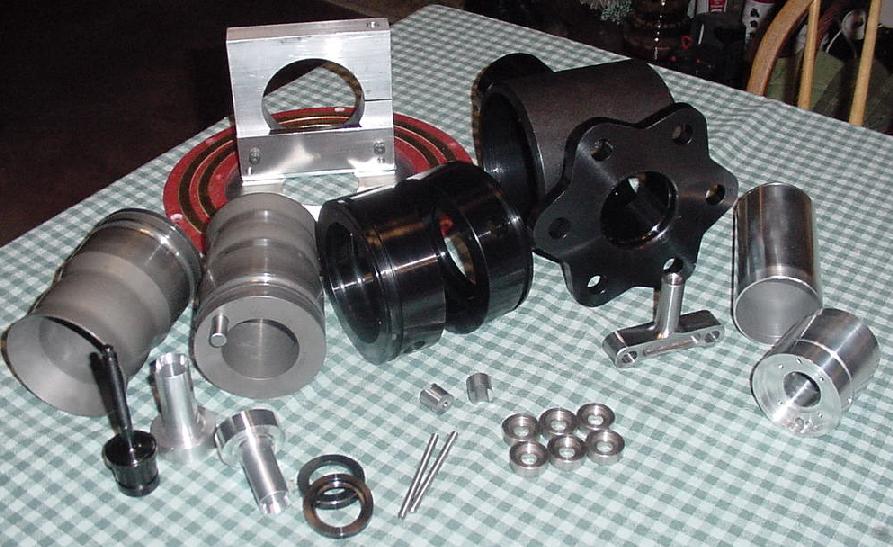
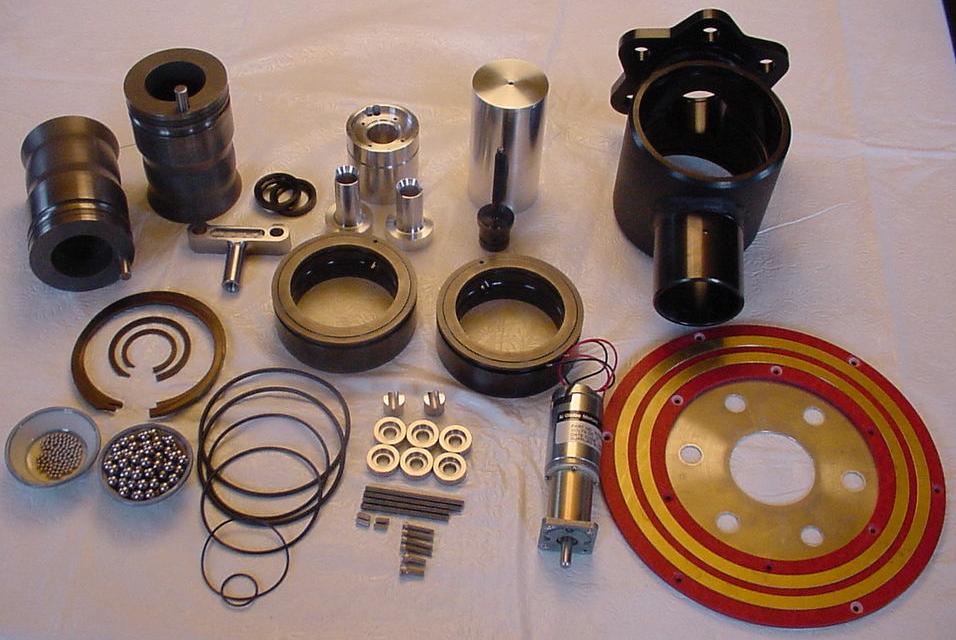
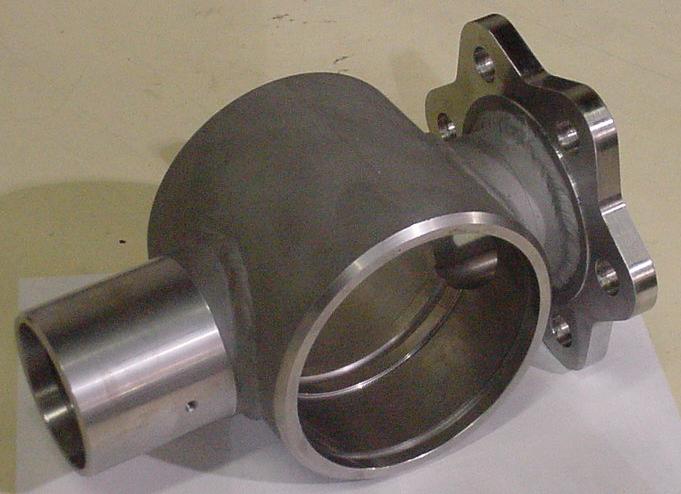
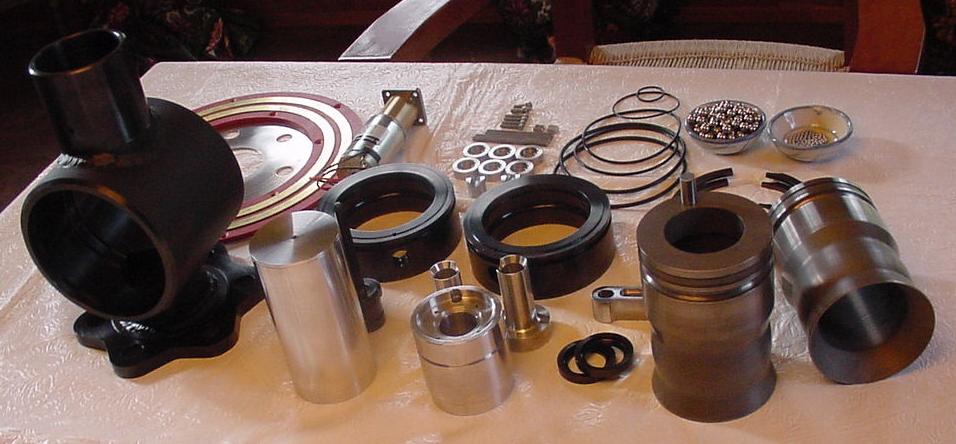
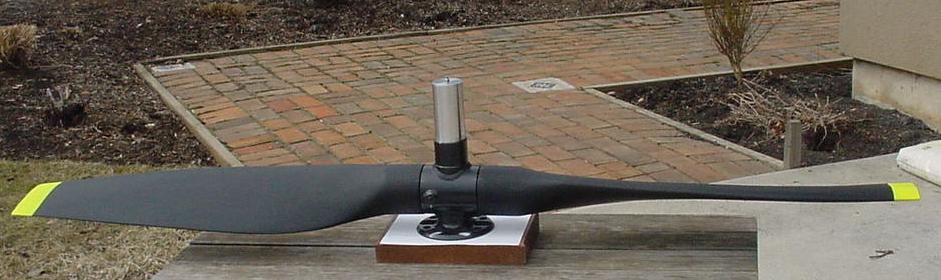
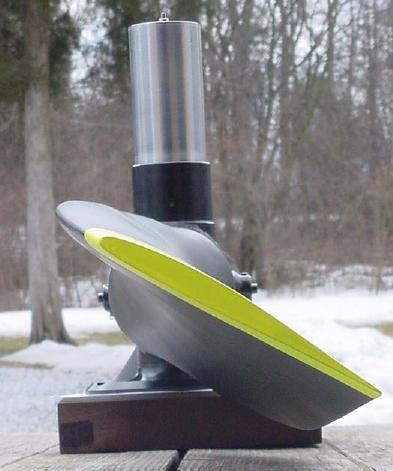
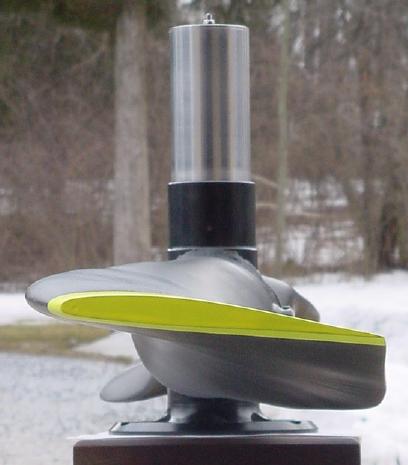
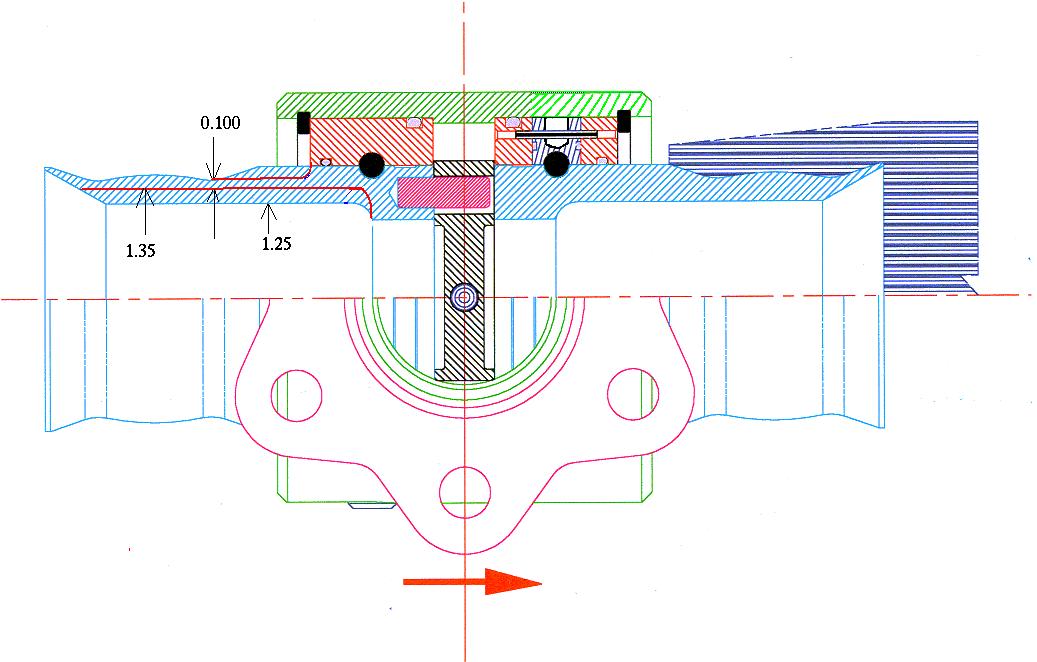
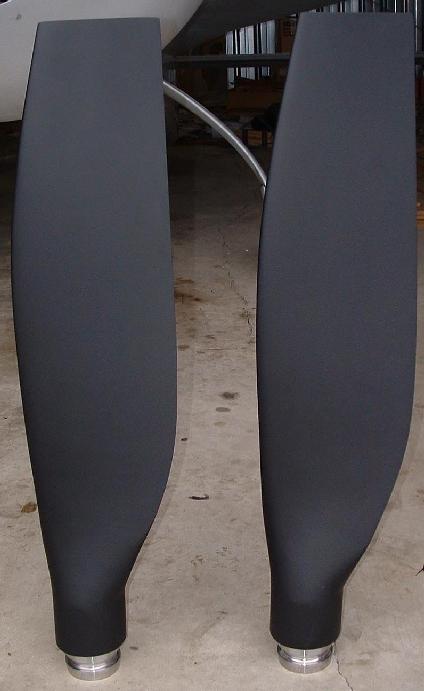
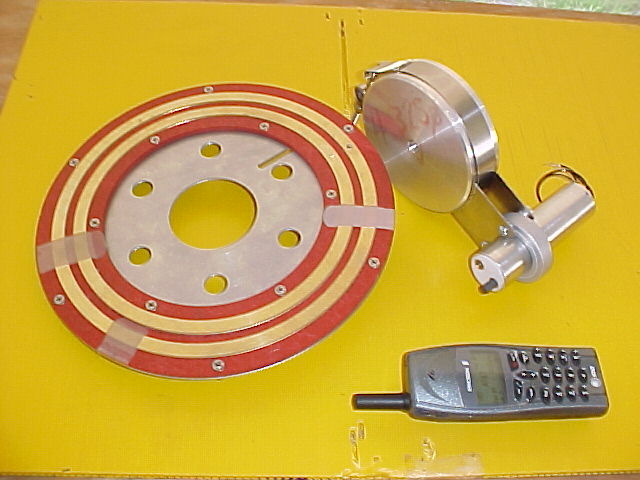
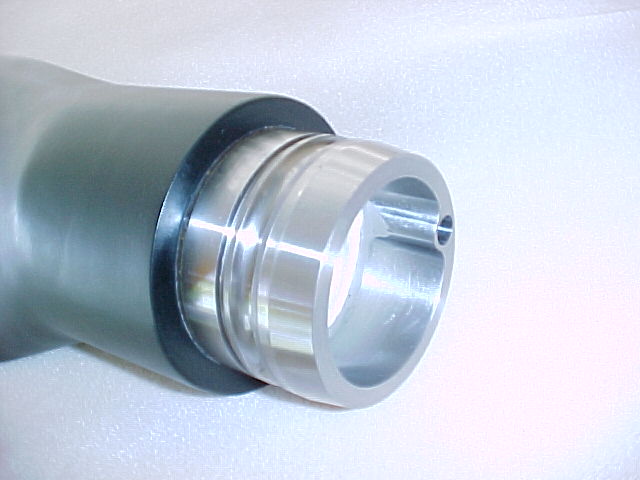
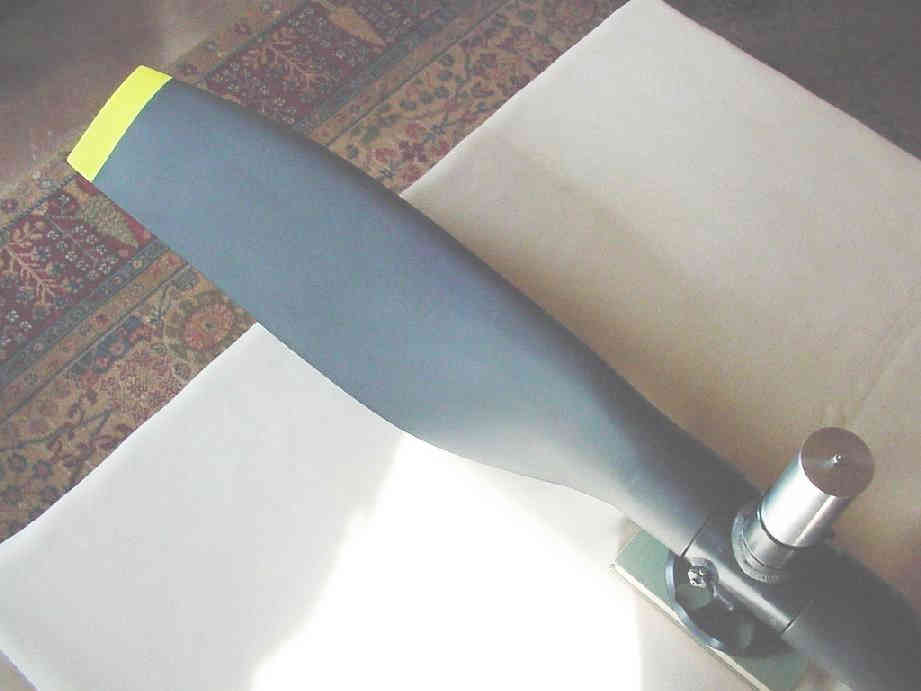
MT and a few others less well known. We actually went through the process of designing
one and building a prototype but it never made production because people did not want to
pay the price. It had truly carbon fiber blades. It was called the LAEV as in LA mar E
lectric V ariable :) It had a heat treated 4130 hub.
Paul Lamar
Wow,
Beautiful looking piece of engineering. Mot sure what it would cost but I'm sure it would
be worth it
Will
Minor change to make it go into reverse.
Also if you go to a 24 volt power supply it changes pitch twice
as fast :)
The big expenses are the hand made blades.
My hangar neighbor, who has a large NC mill in his
hangar just completed a female mold for a slightly smaller
composite prop blade. My guess on the mold cost was 5 to 10K
but if I see him today I will nail that down.
It is designed to have a silicone rubber core that is removed
from inside the blade onces the blade is curred. That provides
the internal pressure on the not yet curred composite layup.
Silicone rubber stretches to 1000% of its initial length
so that is how they get it out of the hole in the hub to
wind up with a hollow carbon fiber blade,
Paul Lamar
$10K. If we get 5 guys together willing to pay $5k for this
prop we would do a mold and build some props.
Paul Lamar