Tracy Crook has announced that he is no longer producing parts. Are there
any plans for someone to continue producing these parts? Seems like the
best options for PSRU's and EFI's. Is it possible to get working drawings
for these parts?
Paul Shamlian
We are thinking of making a 3.17:1 Ross copy after the TC is done.
It is ten pounds lighter than Tracy's and hundreds are out there since
1973. Tracy used the same Ford gears as the Ross. There is
probably 100,000 accumulated hours on both Ross and Tracy.
Lots of detail improvements have been made.
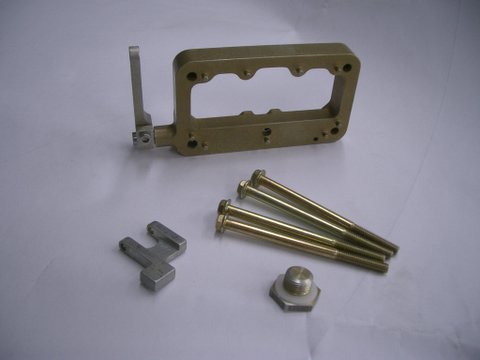
We will use Jeff's NC machined PSRU adapter with the built in motor mounts
and our new rubber coupler Mark S is getting ready to test.
Many sources for computers.
Mega Squirt is popular and well supported.
Much easier to tune than Tracy's.
Also
http://www.sdsefi.com/
Motronic is one of the best.
Paul Lamar
There's also FreeEMS, which differs from MegaSquirt in that it's totally open source.
Nobody's posted a FreeEMS Mazda rotary yet, although Kevin Alderman has posted on their
forum that he's building a Wheeler Express with it.
http://forum.diyefi.org/viewtopic.php?f=41&t=2081
Dave Klingler
EFI is fine for cars but you don't need it on an aircraft engine.
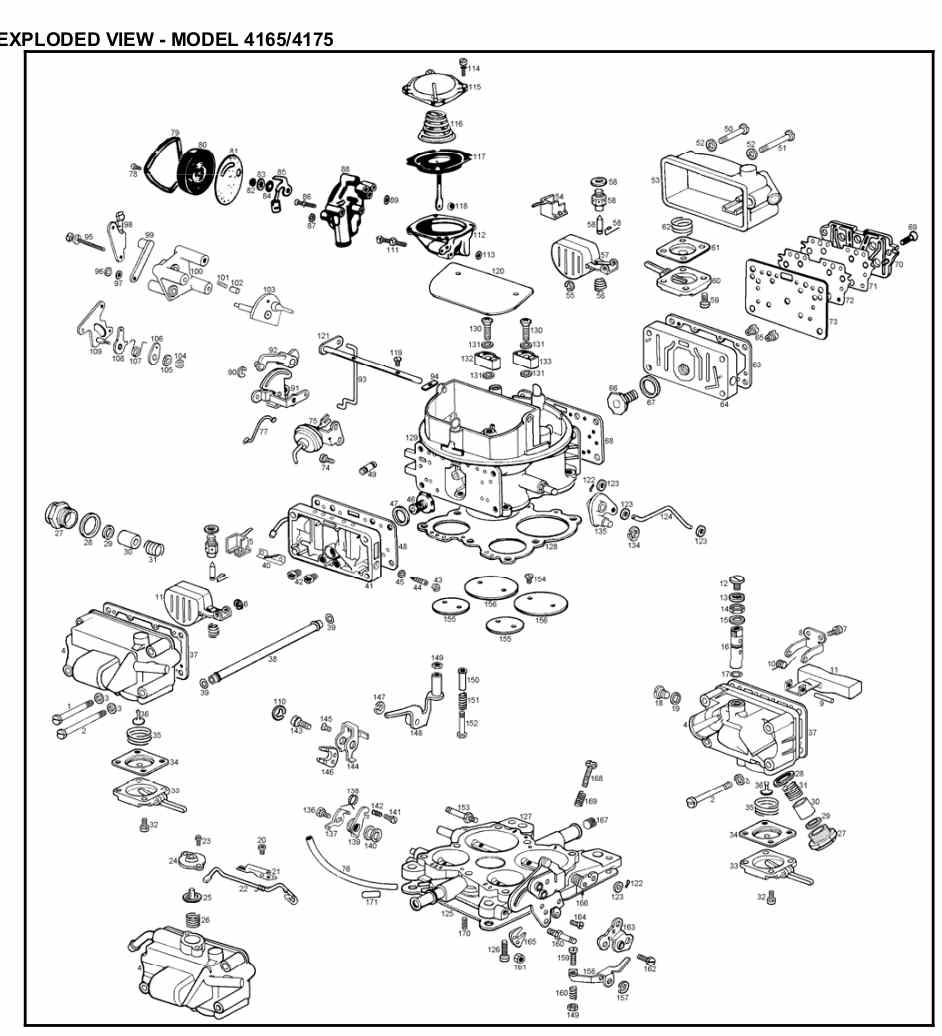
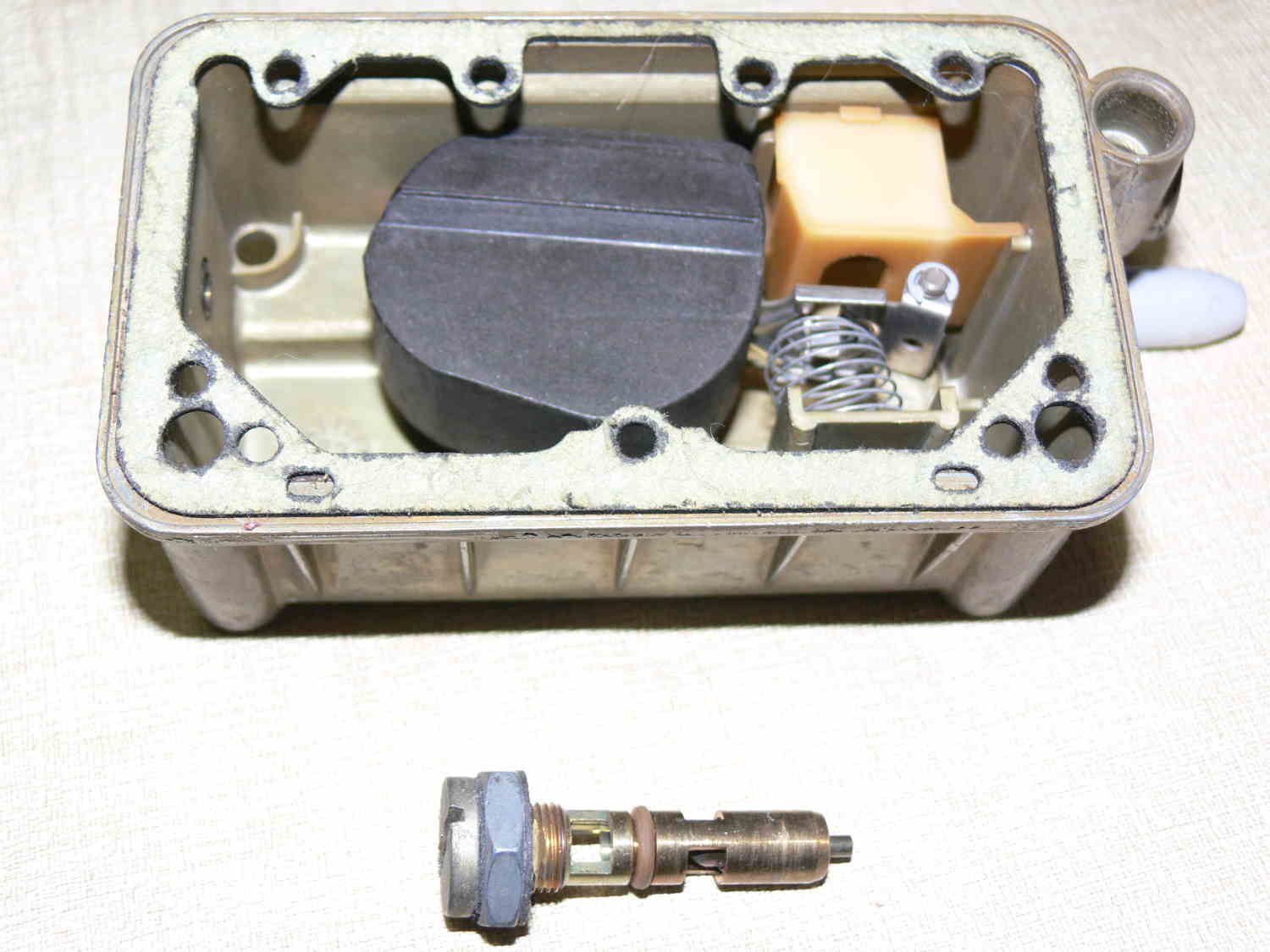
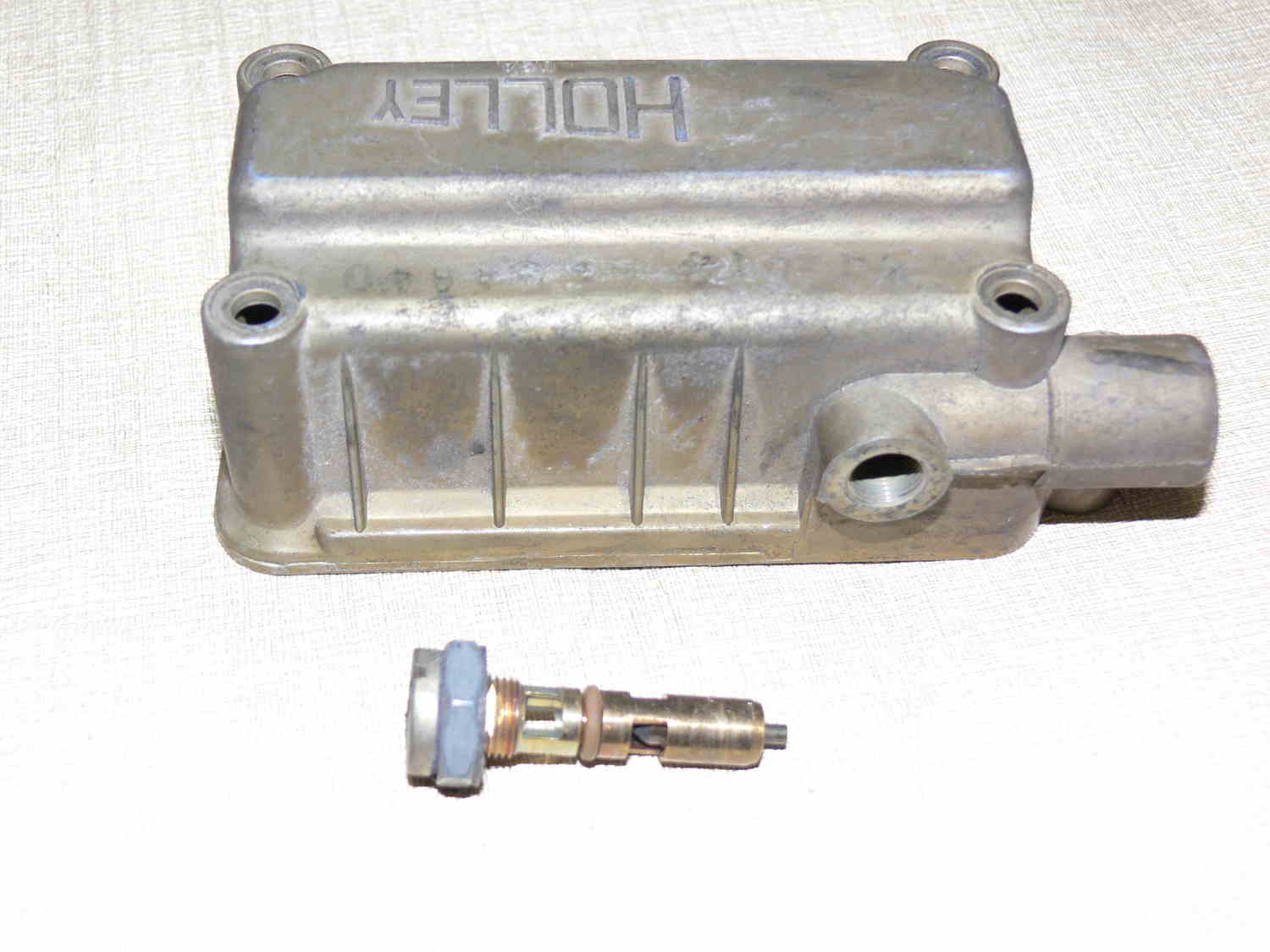
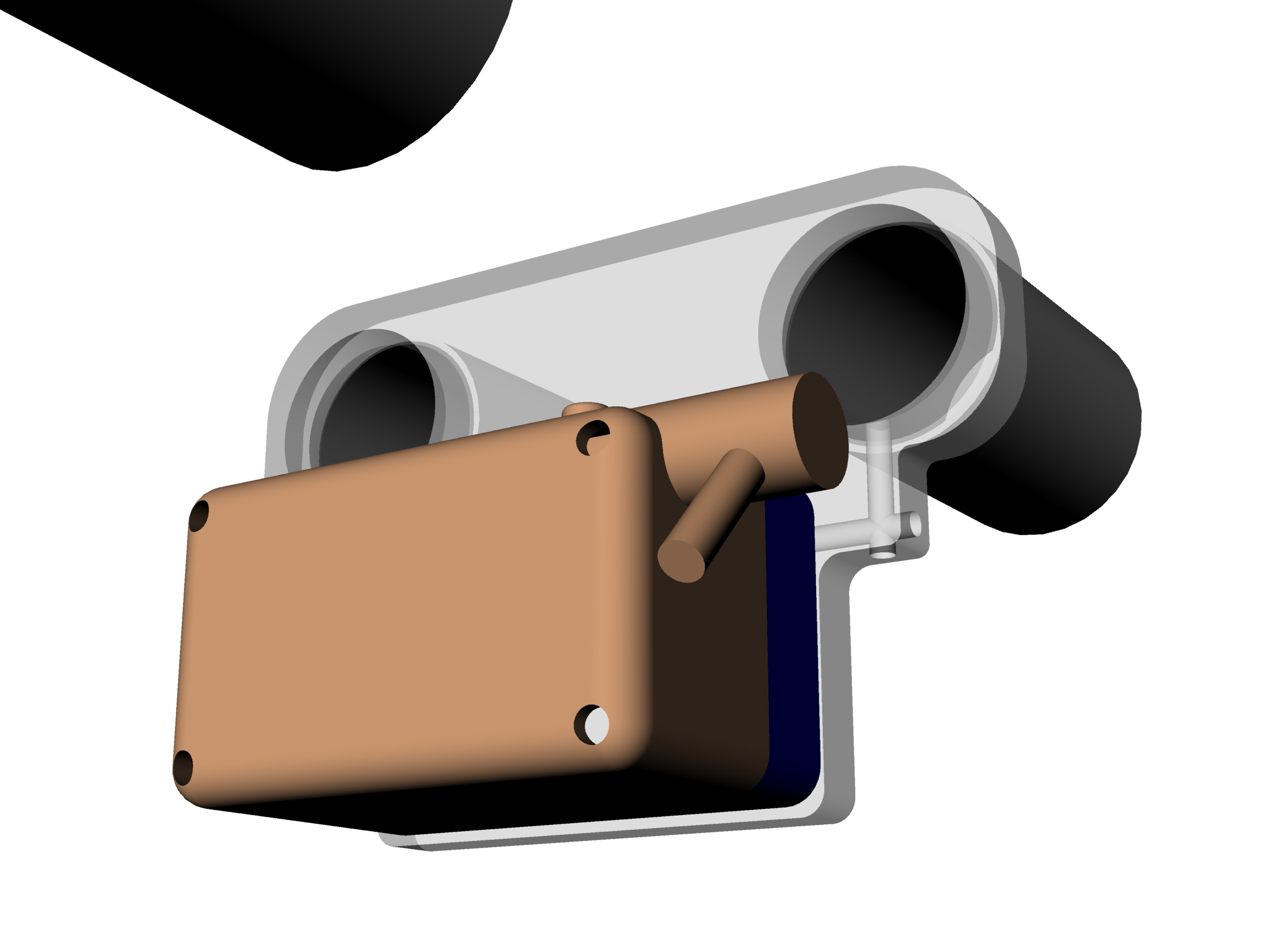
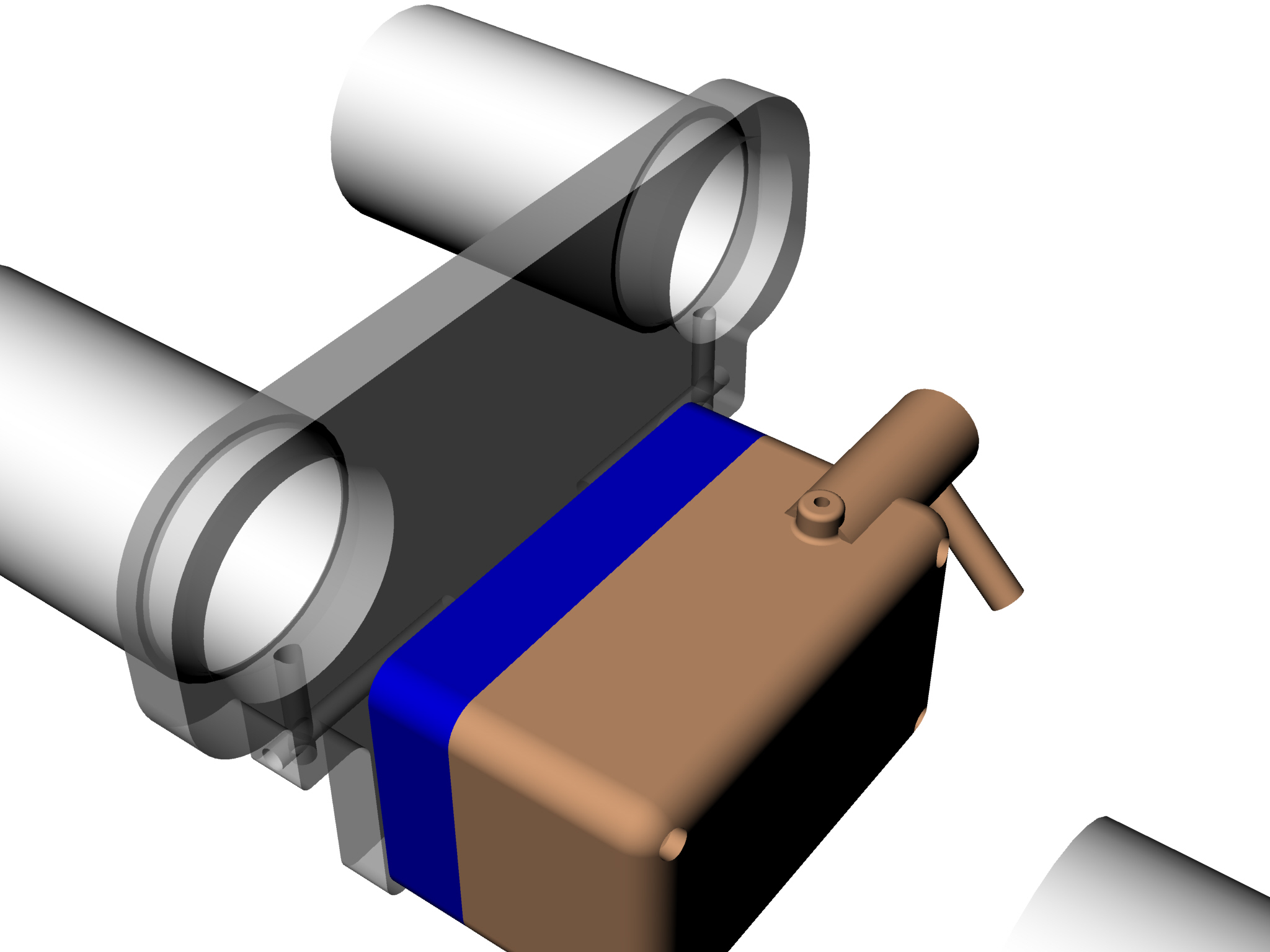
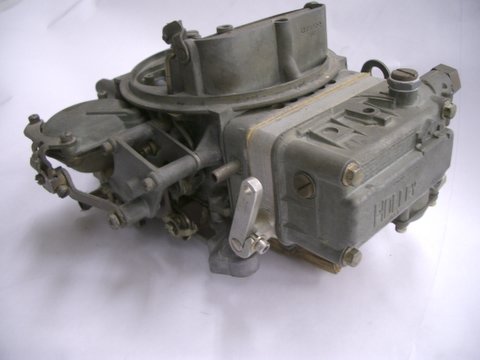
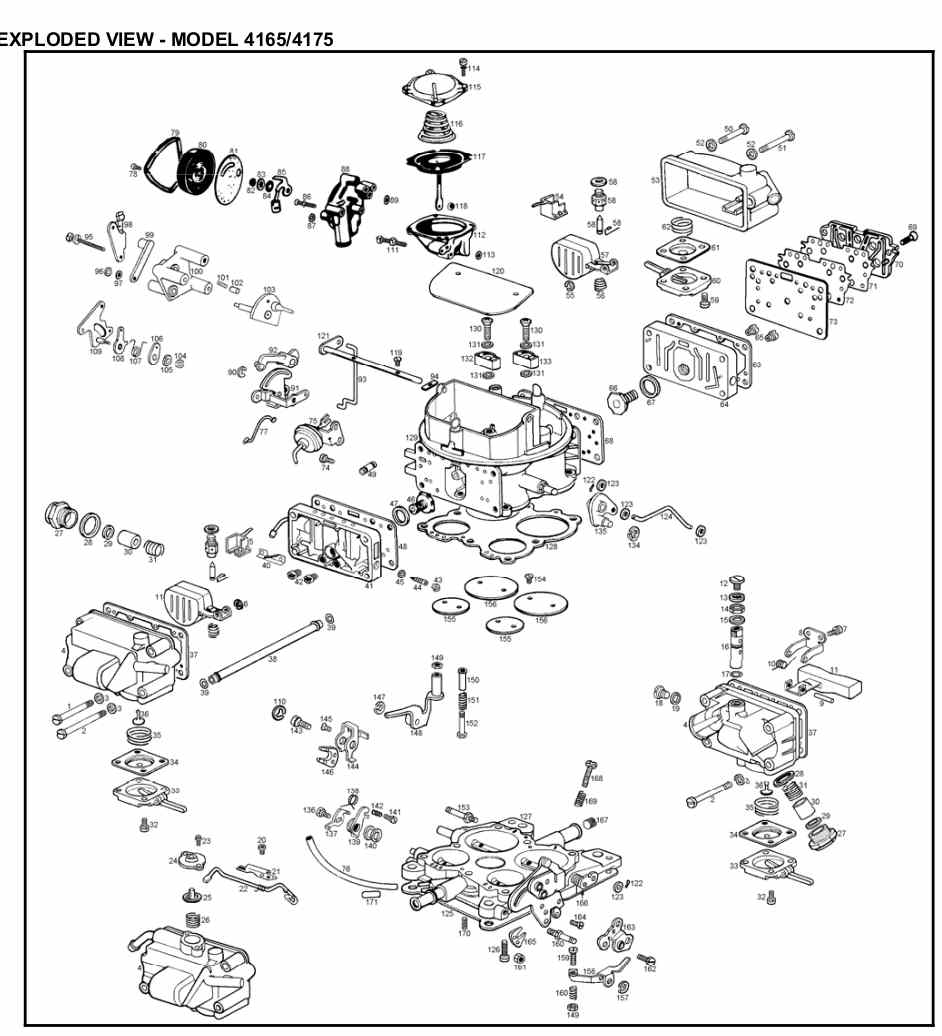
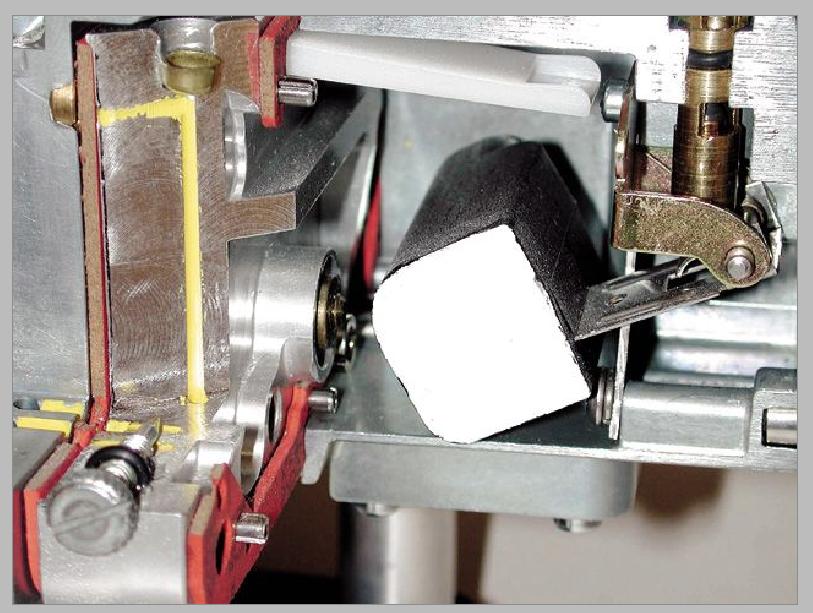
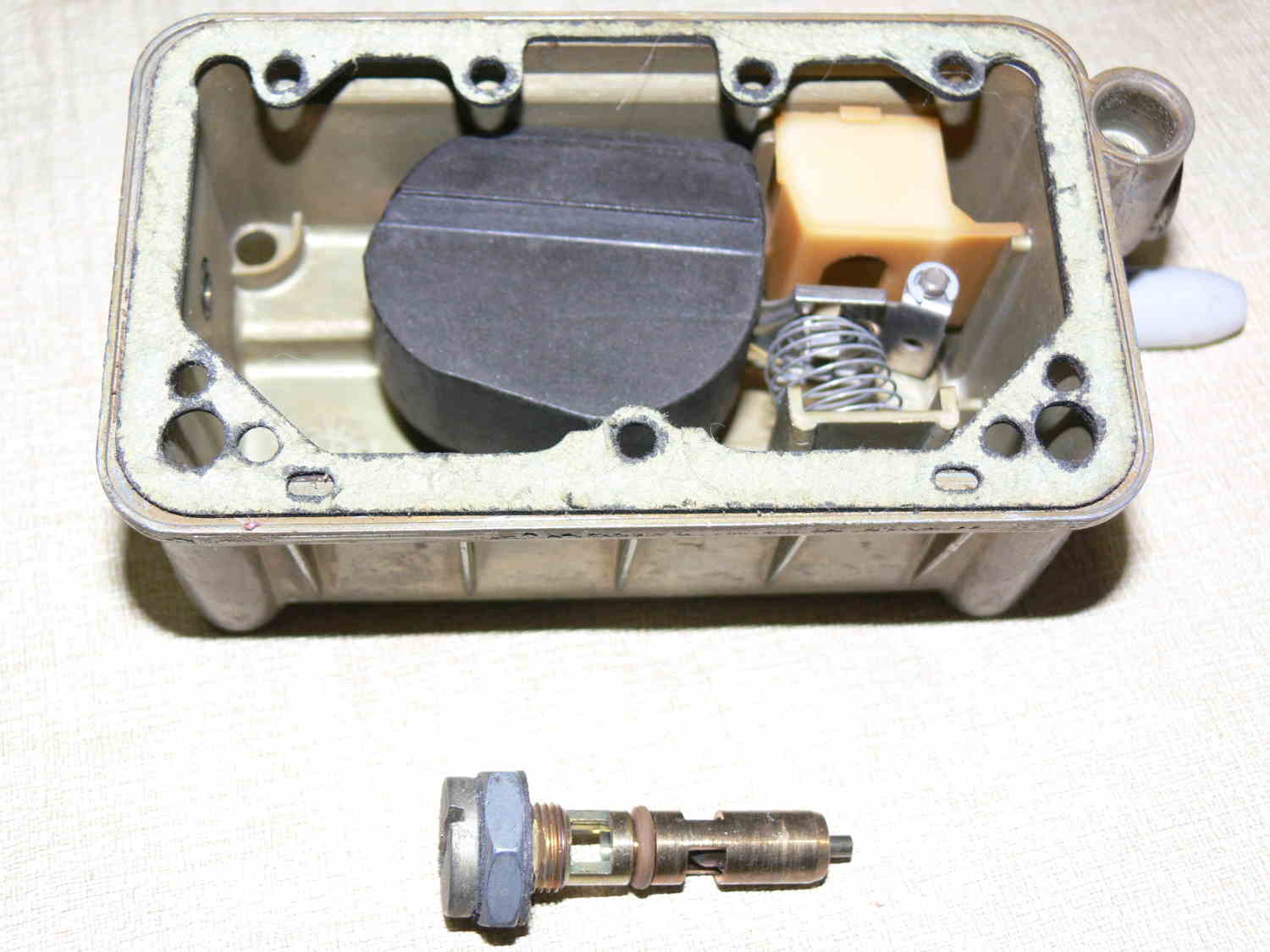
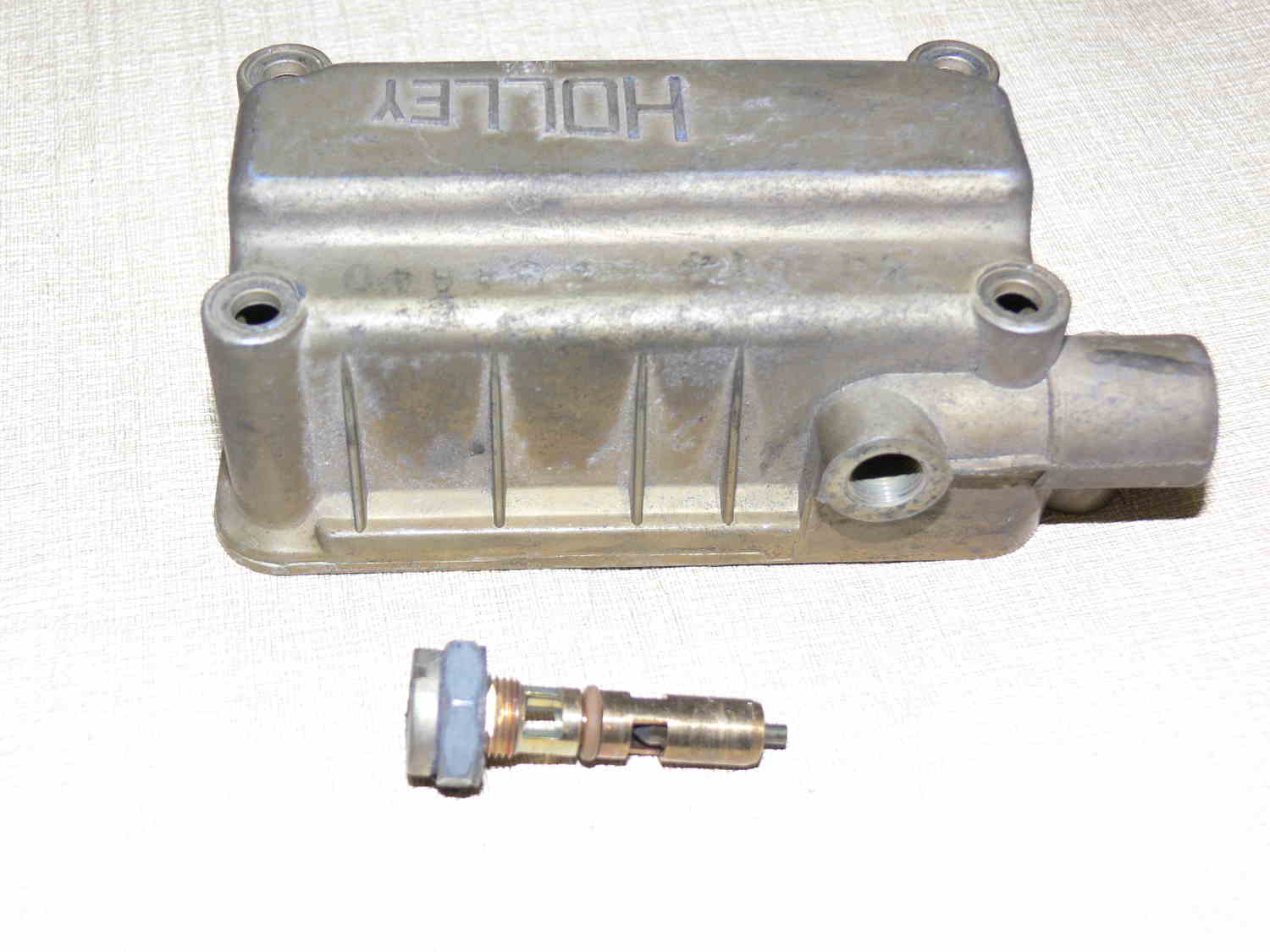
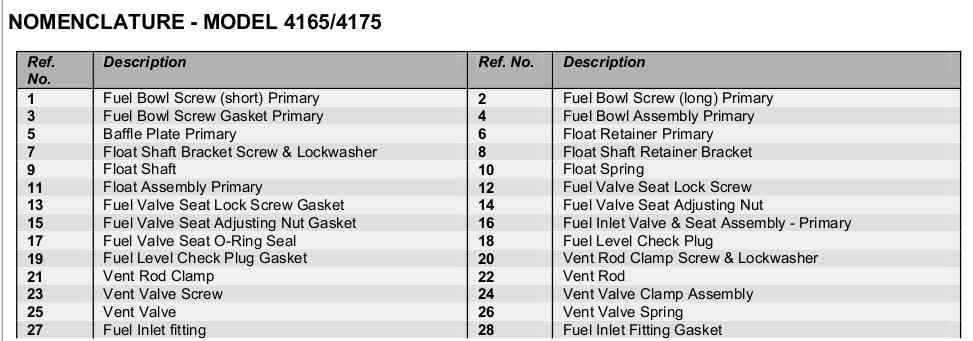
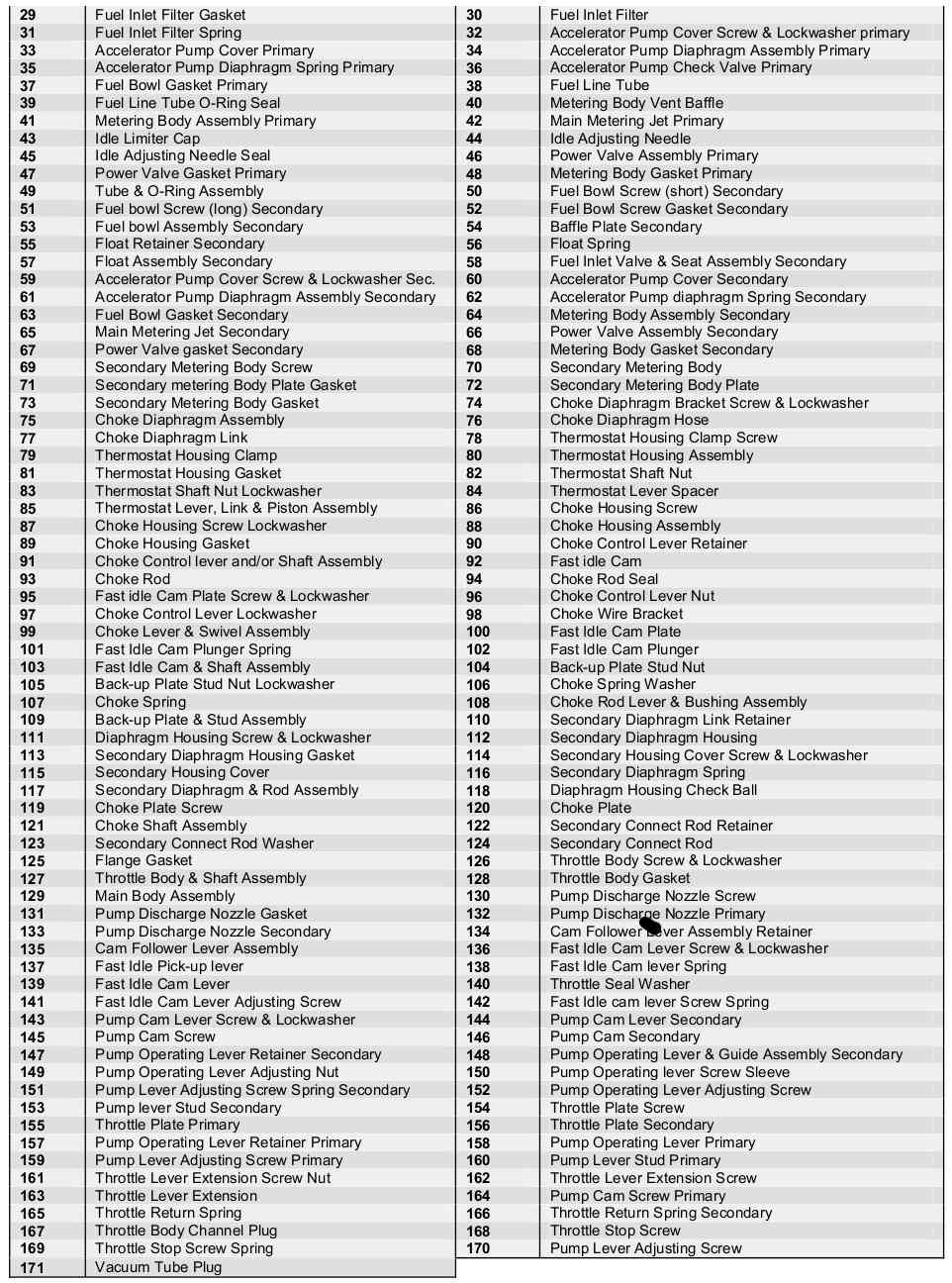
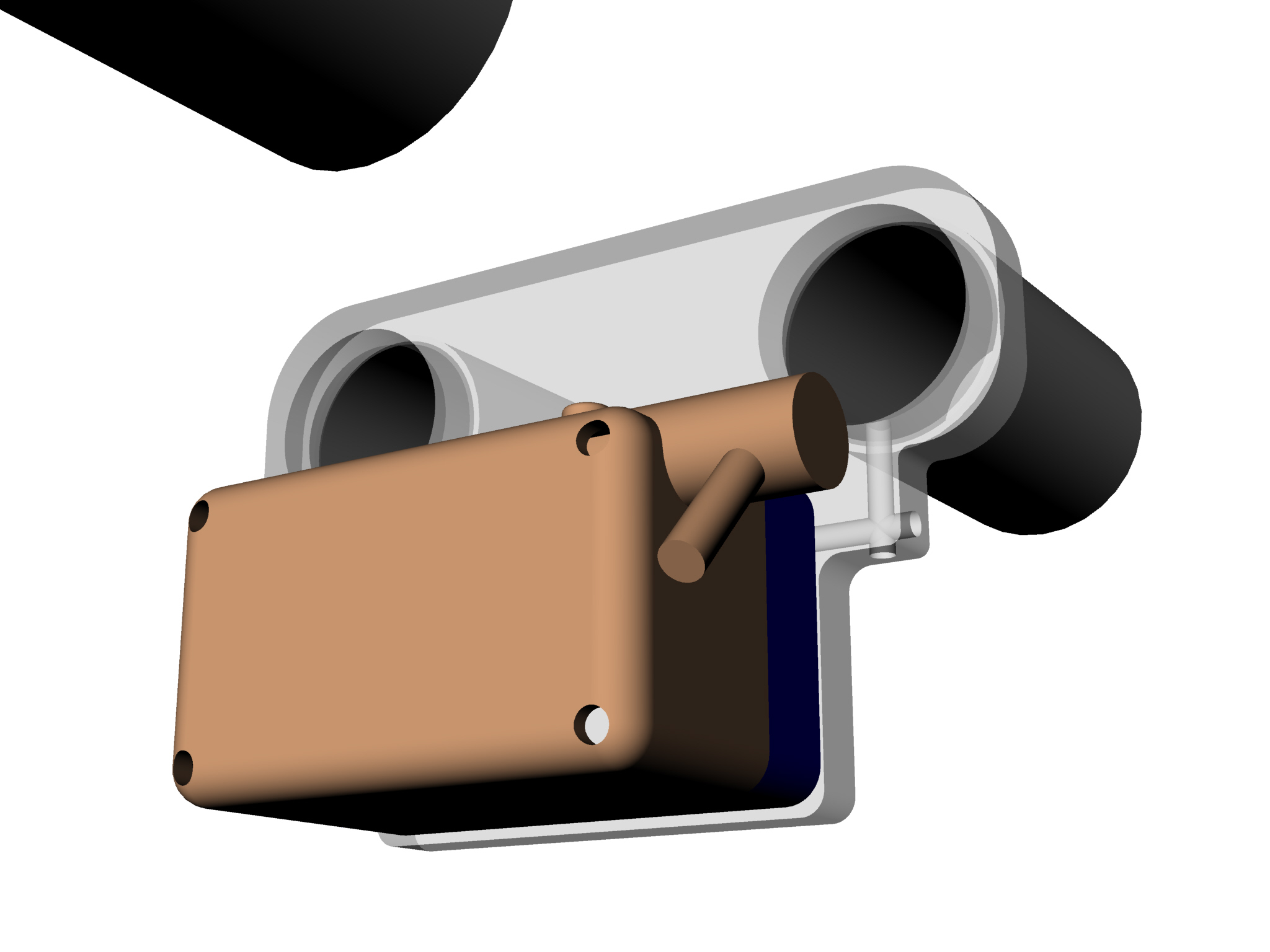
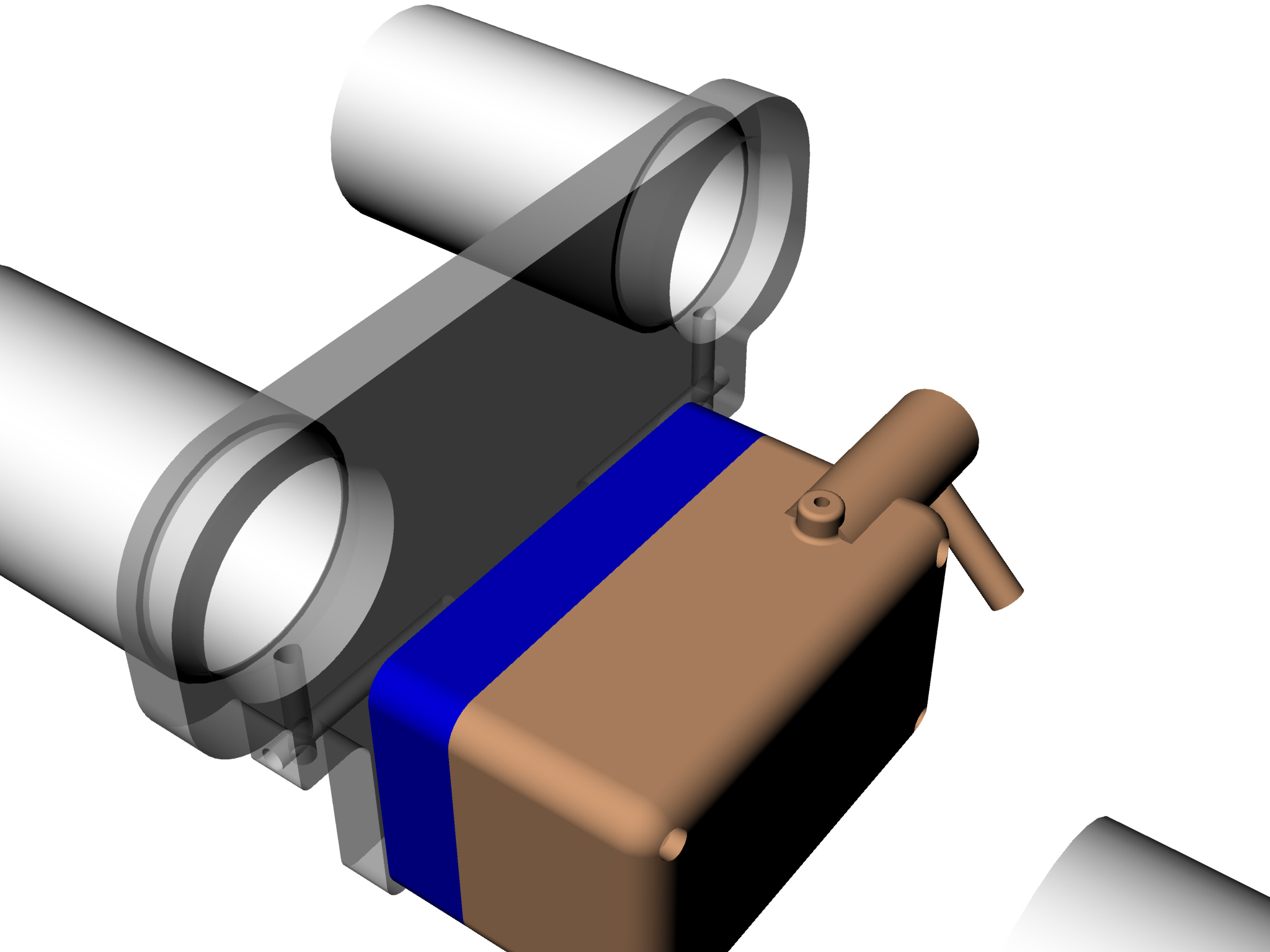
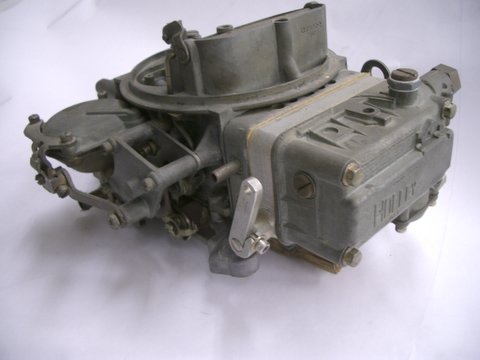
What the aviation rotary world really needs is a carb. Nothing wrong
with a carb. Simple, cheap and the engine runs with out electricity.
If you have mags.
I'll be working on this after the turbo compound is done.
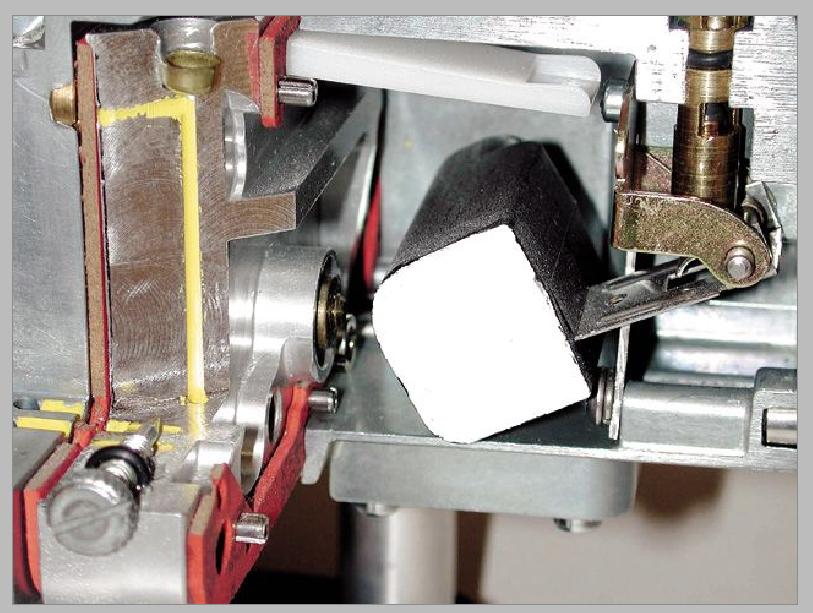
According to Sir Stanly Hooker, father of the high altitude RR Merlin
and many RR jet engines, what you want to do is vaporise
the fuel with heat for a better BSFC. Better than high pressure injection.
I am also going to try a power resister heater just down stream from the
venturi.
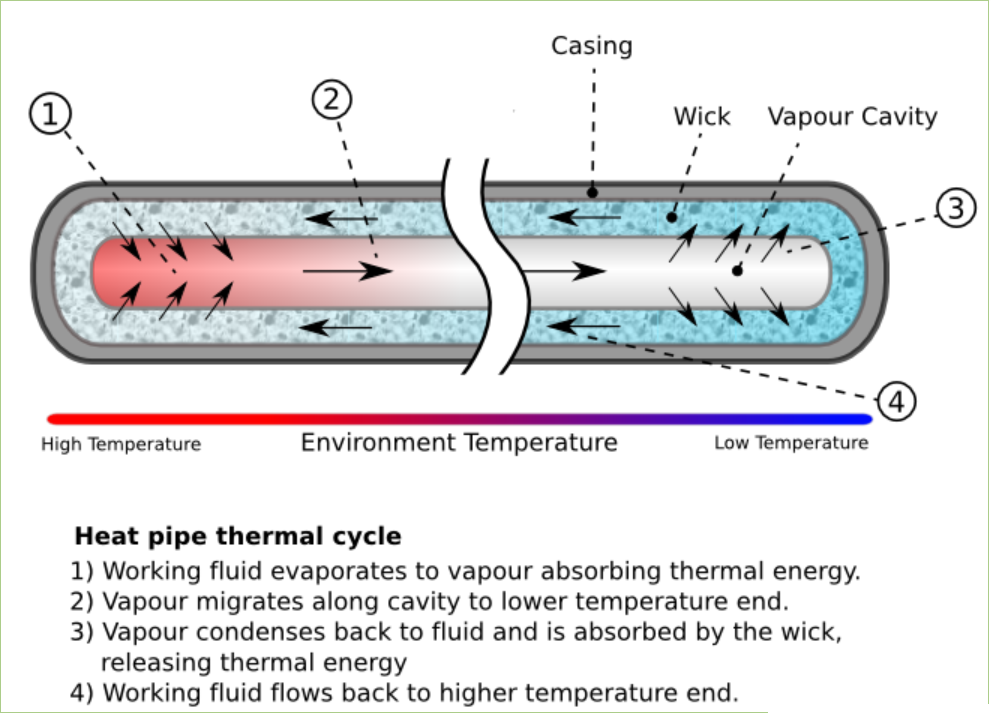
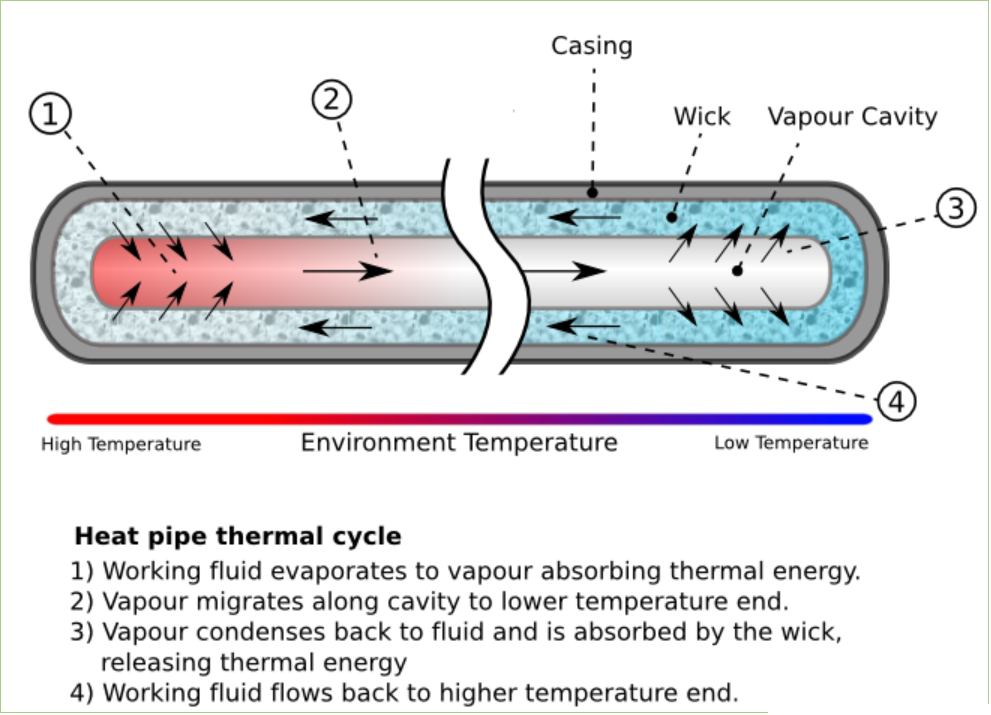
Another idea is use a heat pipe up from the exhaust.
"At the hot interface within a heat pipe, which is typically at a very low pressure, a
liquid in contact with a thermally conductive solid surface turns into a vapor by
absorbing heat from that surface. The vapor then travels along the heat pipe to the cold
interface, condenses back into a liquid, releasing the latent heat. The liquid then
returns to the hot interface through either capillary action or gravity action where it
evaporates once more and repeats the cycle. In addition, the internal pressure of the heat
pipe can be set or adjusted to facilitate the phase change depending on the demands of the
working conditions of the thermally managed system."
Paul Lamar