Paul,
I am a new "member" of your newsletter service and am most intrigued with
what I have gleaned thus-far from your elegant articulation of the
benefits- superiority - of the Wankel-cycle vs reciprocating
piston/crankshaft heat engine technology; additionally your discussion of
turbo-compounded engine technology has attracted my attention.
I am MOST INTERESTED in engine turbo-compounding technology and wonder if
someone in your "group" is able to supply or would be setting up to
manufacture units for the 2 and 3 rotor Mazda?
Where are you located ? I travel extensively in the US and perhaps, if
invited, could drop by your offices for a cup of coffee...
Thank You for a most interesting website and newsletter.
FParker
They are in mass production by Detroit Diesel. Look up DD15
There is a company in Colorado that offered enough money could be
talked into
building a production turbo compound for a rotary.
I don't have the money or the time in my life to start another biz.
I am building a turbo compound 3 rotor but strictly for dyno testing to
prove the concept.
I am in Santa Paula CA.
Paul Lamar
Paul,
I'm always impressed with your photos especially of the turbo
compound. What looks really great is the lounge that you have and I know of
no other that is allowed to build in the lounge room like you. How do you
manage it??? Neil.
That old comfortable leather couch is in the hangar. That is where I take
my naps :) The hangar is chock full of stuff not to mention two flyable airplanes.
Here is how it looked when we bought it 20 years ago.
How is the p-port Glastar coming. Any performance number yet?
Still flying around at 20 inches of Hg? :)
Paul Lamar
Paul,
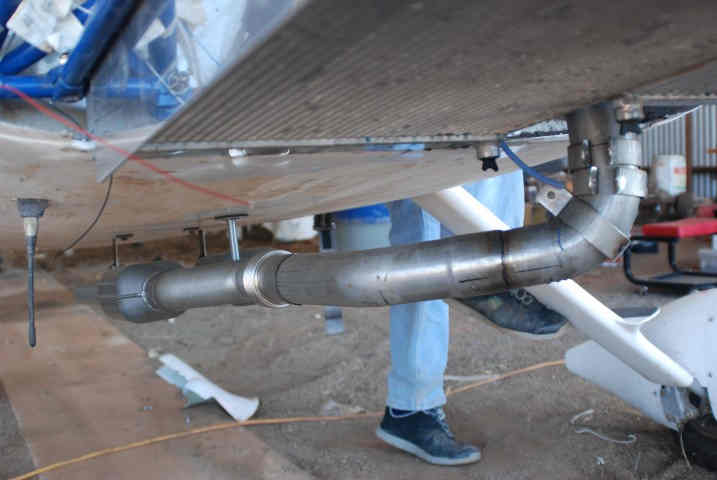
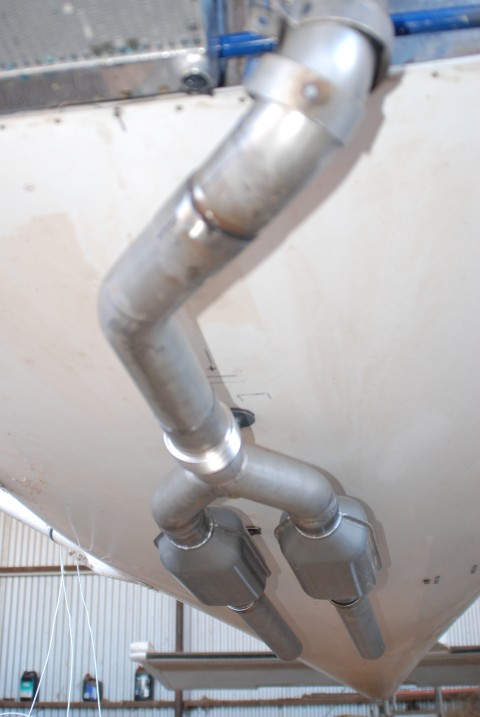
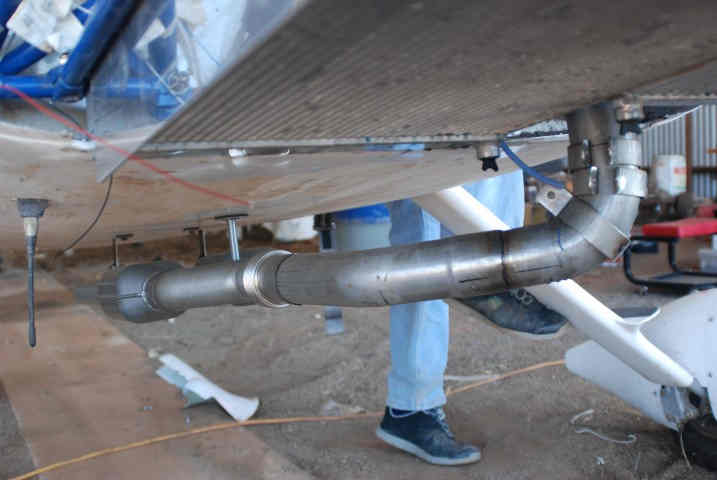
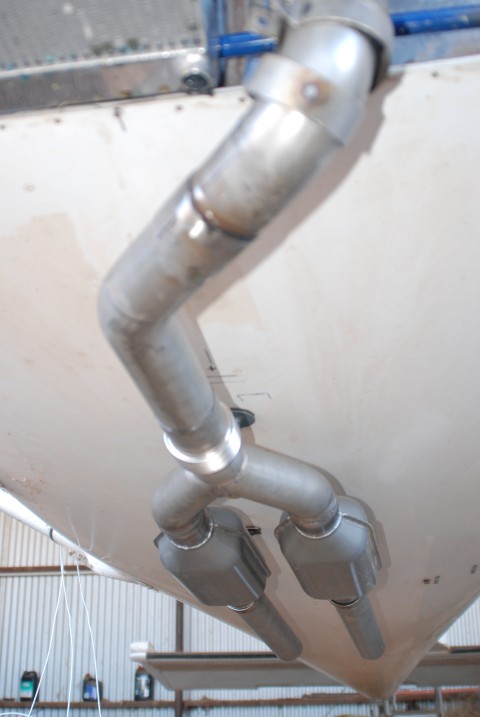
No mate I still await my muffler from Planexhaust.
Is over a month now with no response other than they are awaiting bits
for it as well. More time passes!!
Neil.
Should have kept flying with your old muffler.
Was there something wrong with it?
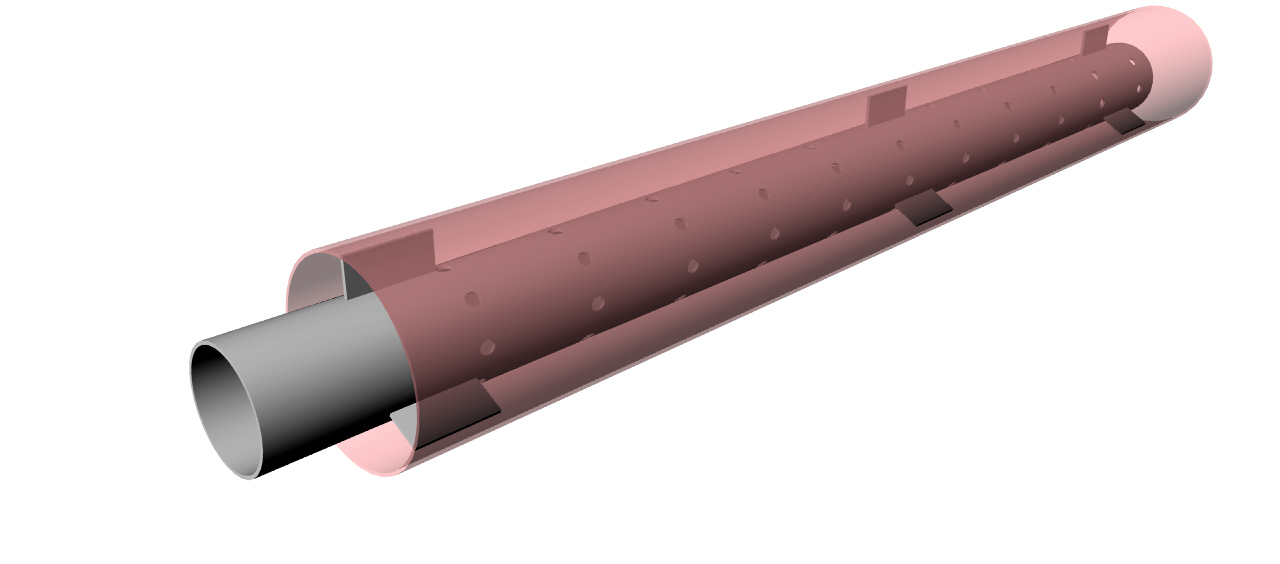
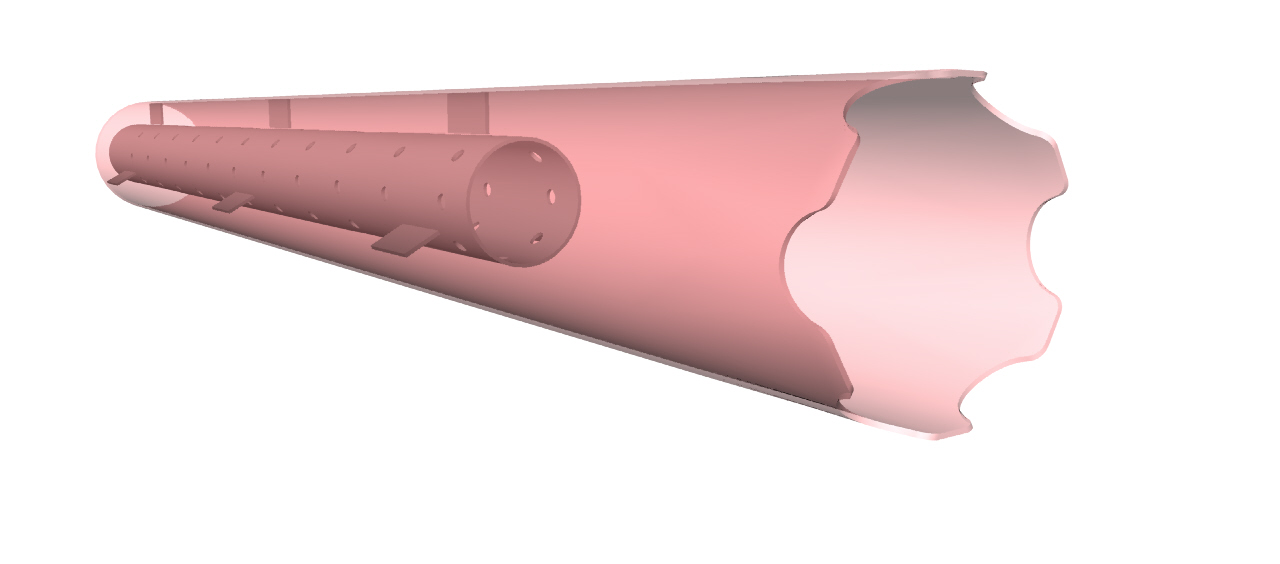
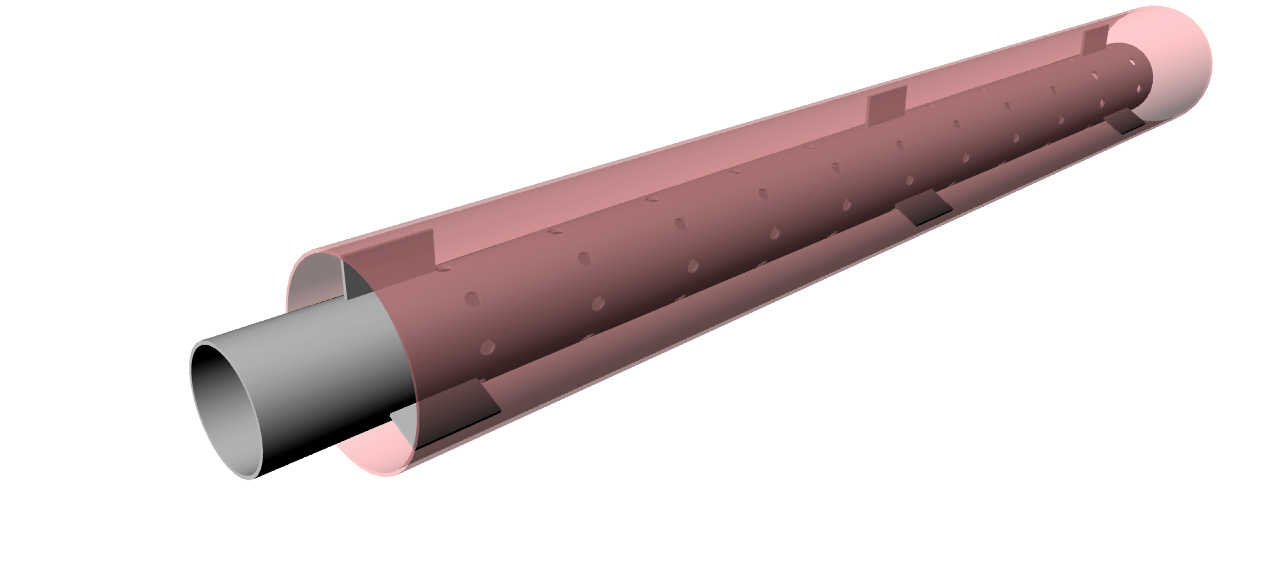
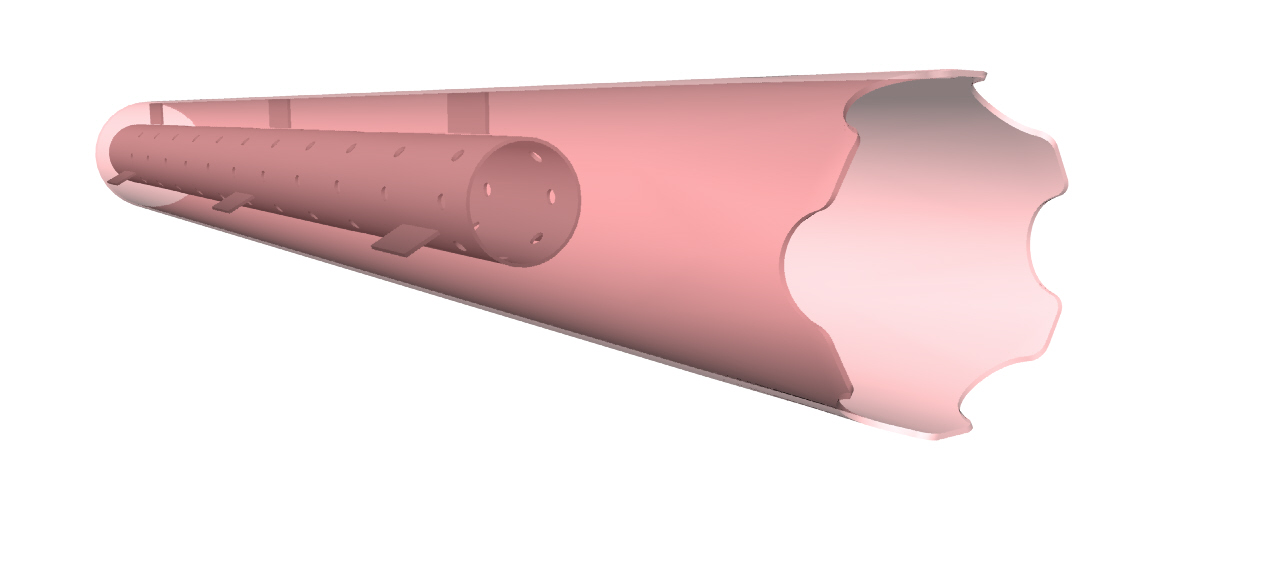
Speaking of the Coax muffler Sir Stanley Hooker had a few words to say about
the principle. HBPR = High By Pass Ratio. LP = Low Pressure.
"The reasons behind the giant HBPR engines now need explaining in more detail. Back in
1958 Pratt & Whitney had shown, in meeting the competition of the Conway bypass jet, that
it was possible to add on the front of an existing turbojet a large fan, with a diameter
much greater than the rest of the engine, driven by extra turbine stages (or an additional
turbine driving a separate LP shaft)."
"Such a fan would both supercharge the rest of the engine, called the gas-generator or
core, and also greatly raise the propulsive mass flow and reduce the mean jet velocity I a
system"
"In a simple turbojet this flow is allowed to escape through the propulsive nozzle,
producing thrust."
"The propulsive efficiency therefore falls. Propulsive efficiency is equal to 2Va divided
by Vj plus Va, where Va is the velocity of the aircraft (relative to still air) and Vj is
the velocity of the jet (relative to the aircraft). In round figures Va may be 850 ft/sec
(580 mph) and Vj 2,000 ft/sec, giving a propulsive efficiency of 60 per cent.
"The only way to do better with subsonic aircraft is to reduce Vj. If we could get it down
to 1,500 ft/sec, by augmenting the airflow, we could raise the propulsive efficiency to 72
per cent, thus other things being equal - cutting the fuel burn by at least 20 per cent."
Of course we are not going that fast (only about 200 mph) but our exhaust gas velocity is
similar. The energy in the exhaust is = to half the energy in the fuel
which brings up turbo compound. :)
Paul Lamar