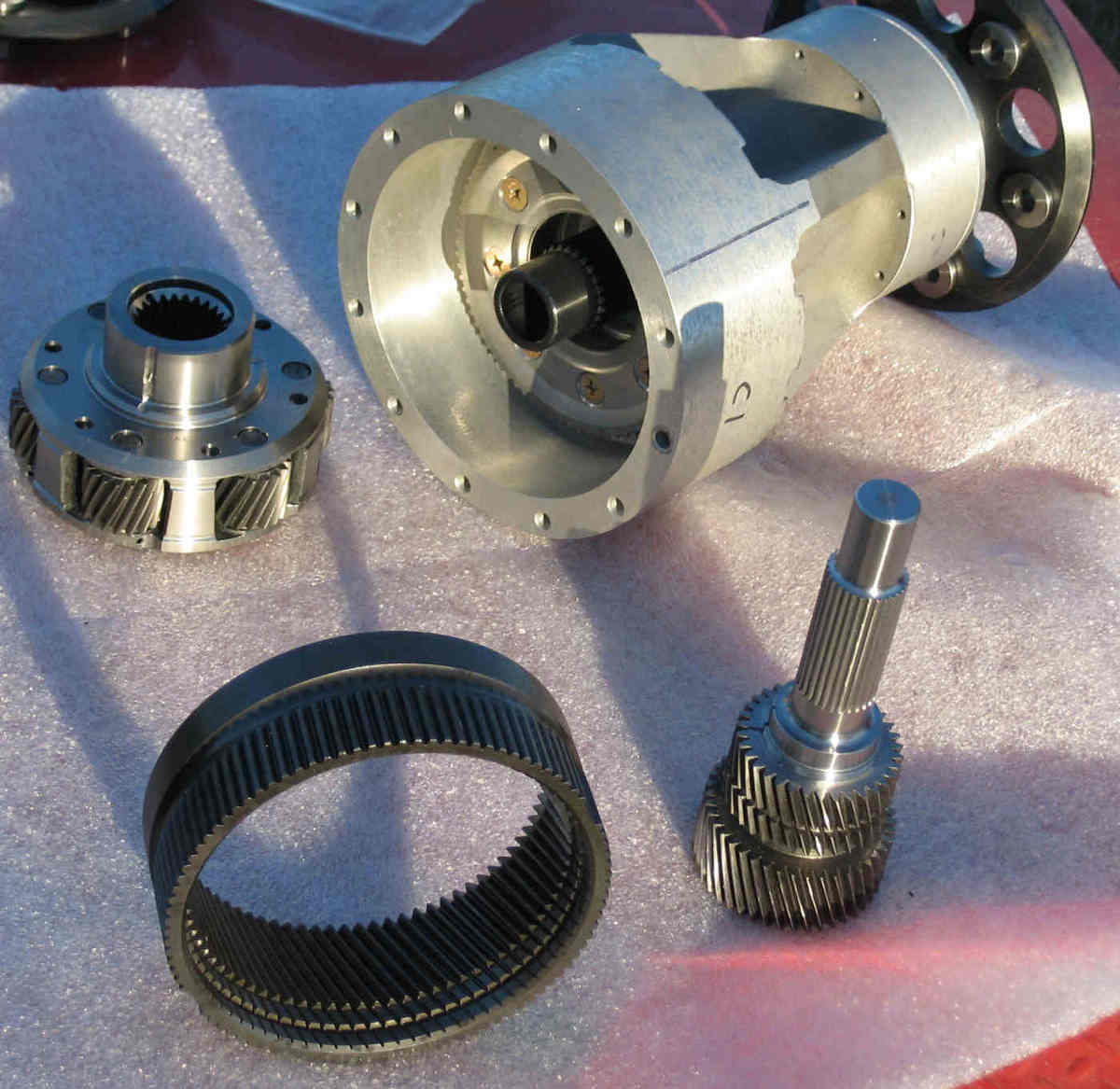
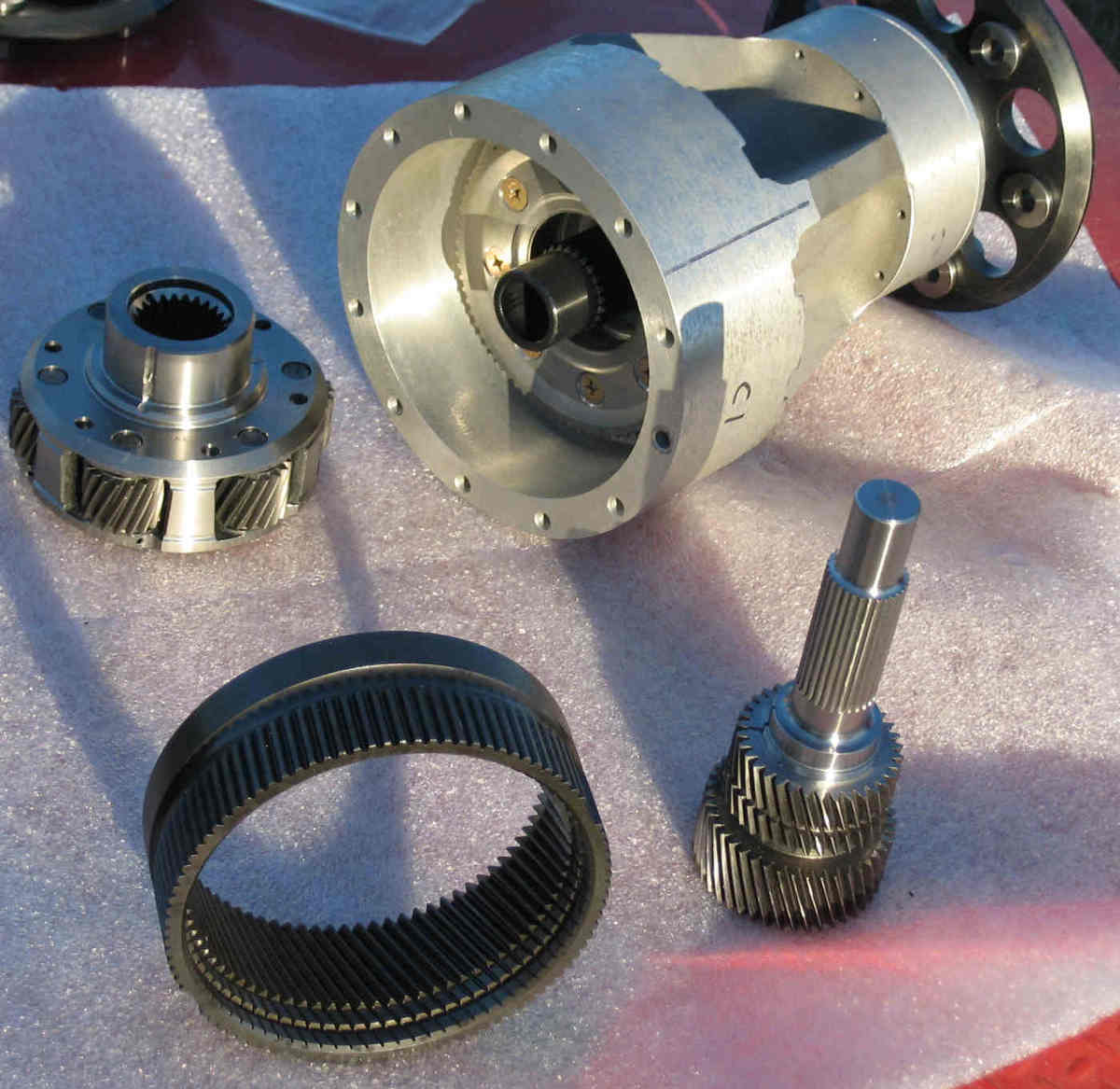
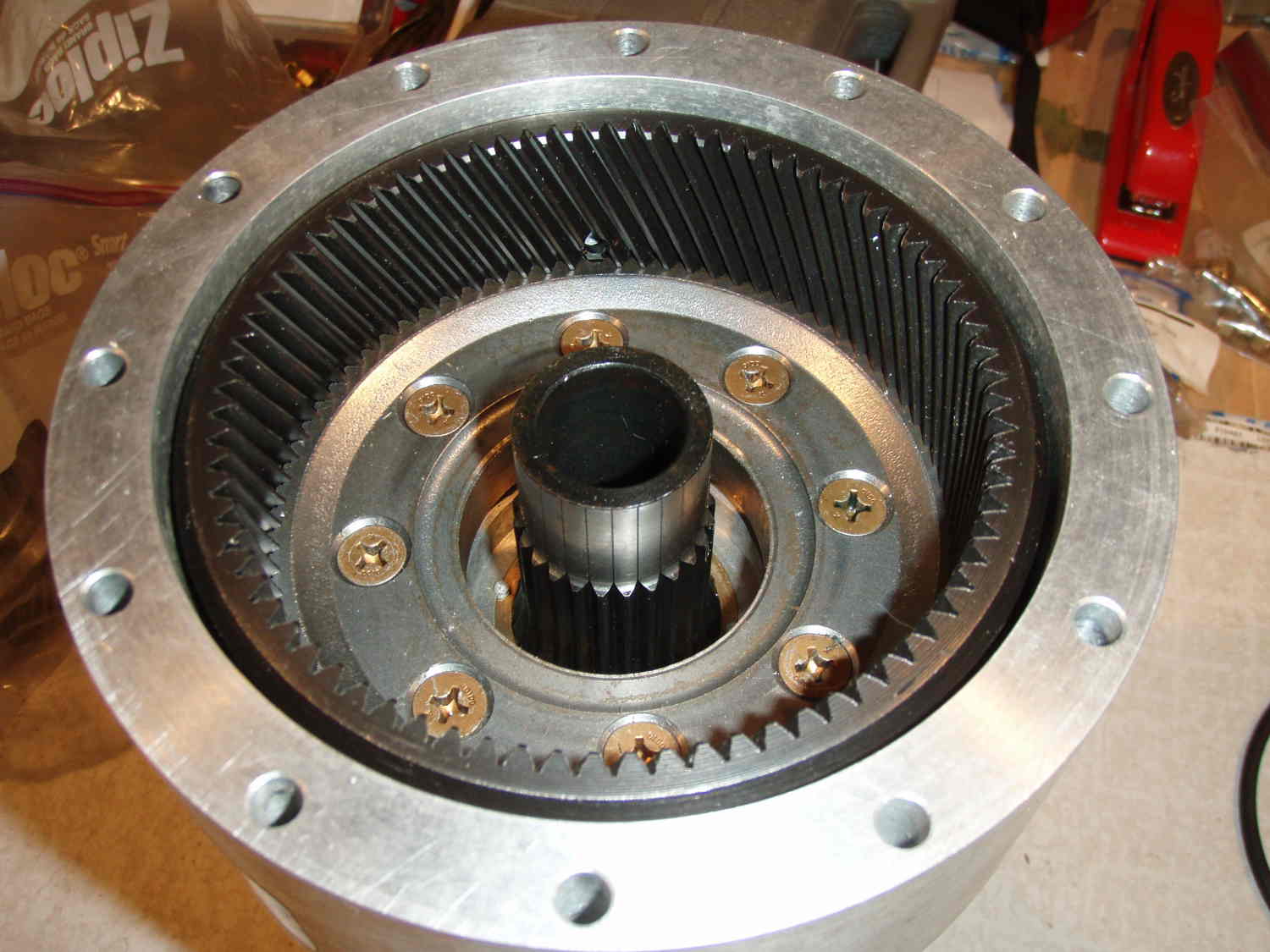
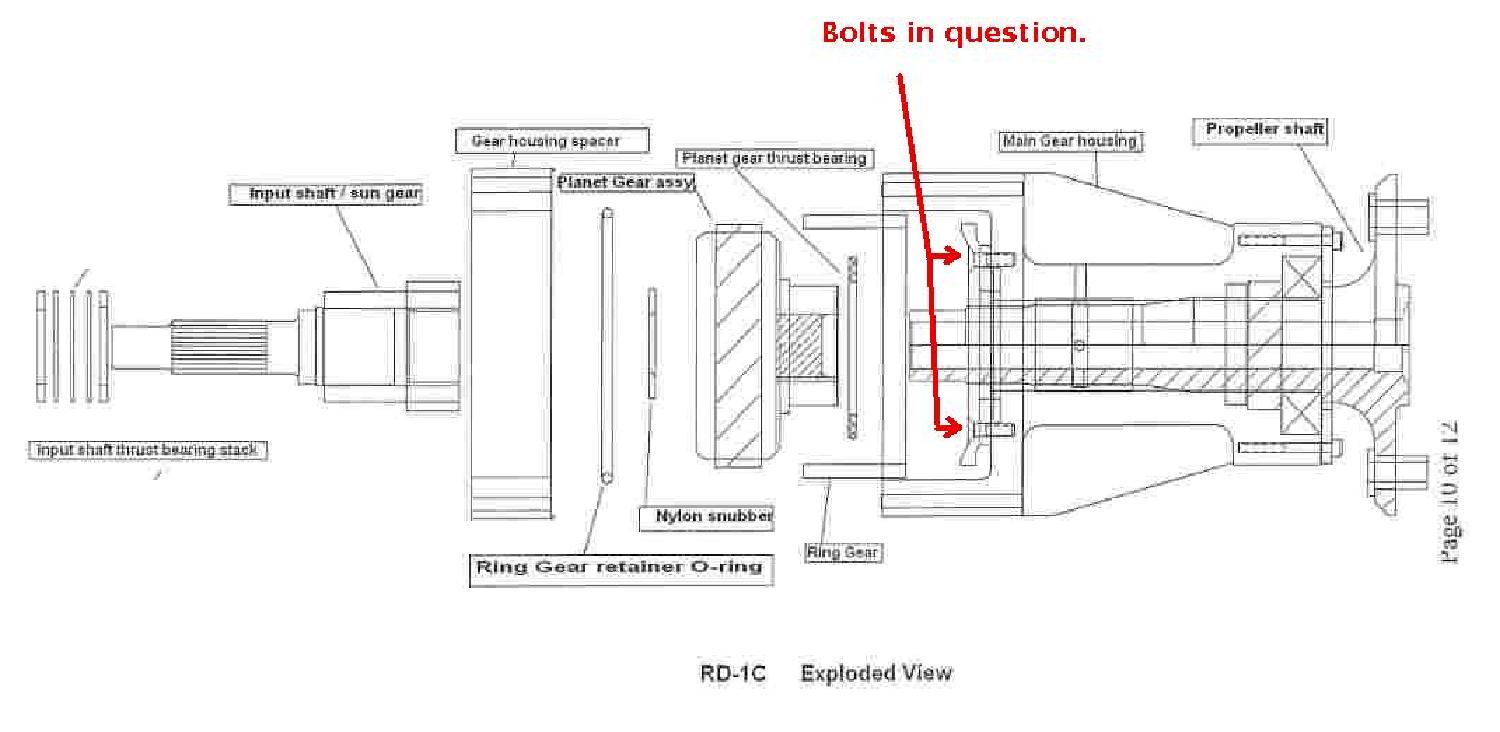
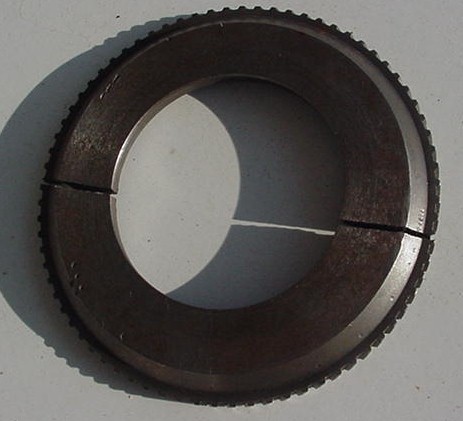
Does anyone have a suggestion on how to secure the Ford ring gear to the
reduction housing? Milo
You can try this trick.
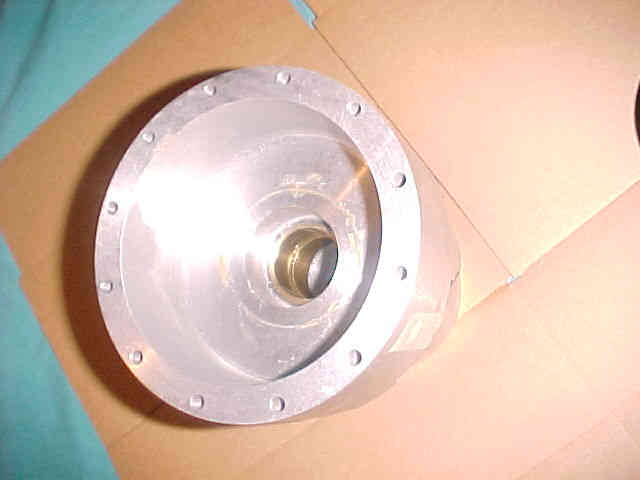
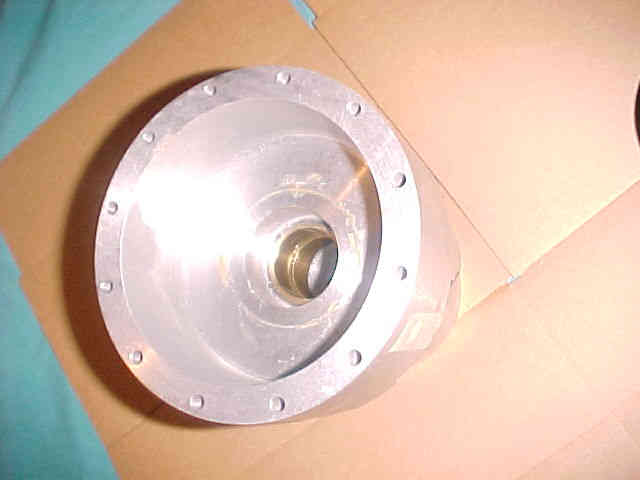
Make the housing bore about .1 inch larger in dia. than the OD of the
ring gear.
Glue the ring gear in the housing with red RTV.
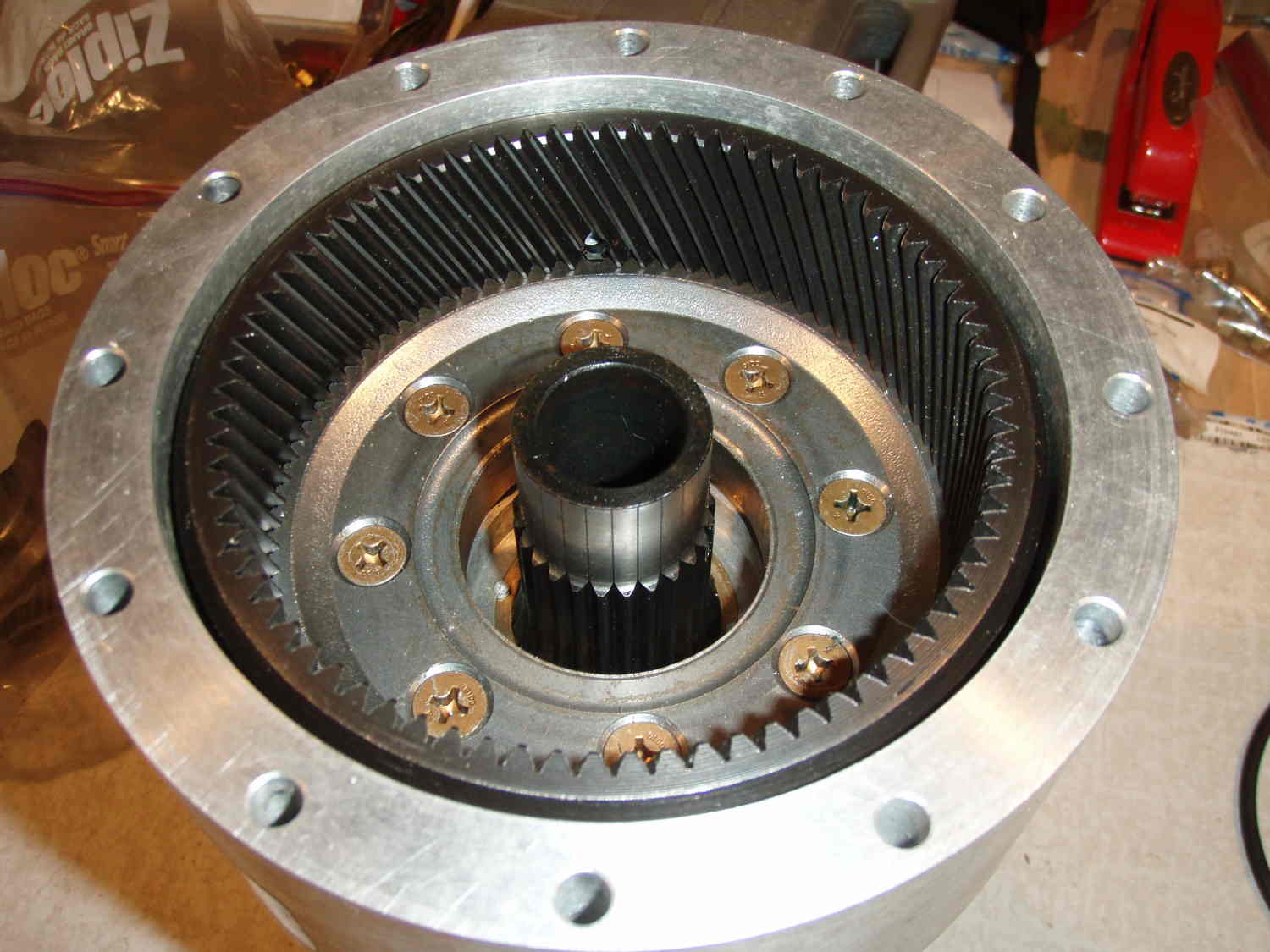
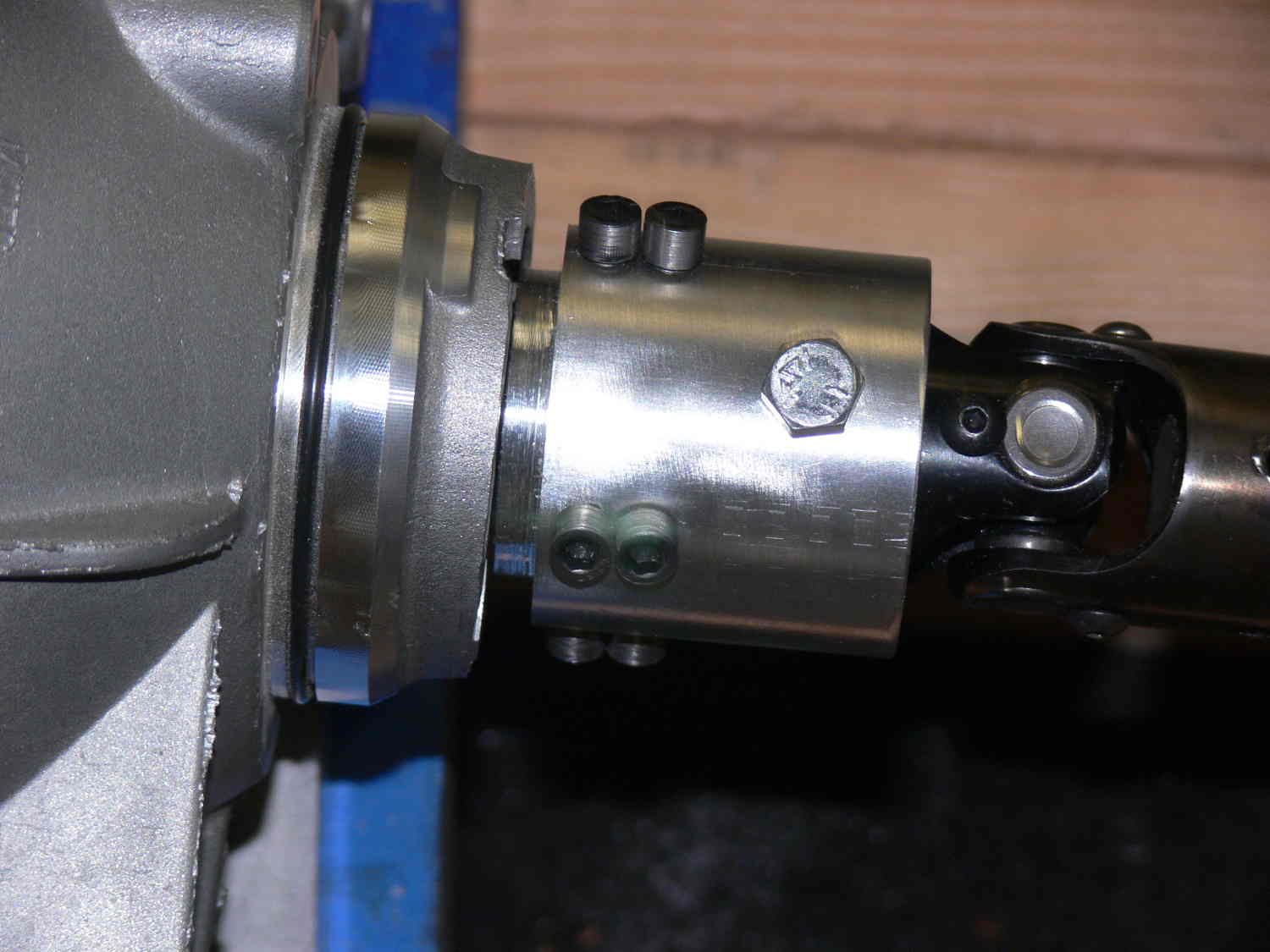
Drill eight holes in the pattern shown in the picture.
Use 5/16 18 tap drill "G" size drill.
Drill the "G" 0.2610 dia. tap drill holes down into the OD of the ring
gear about .150 to .2 inch.
The ring gear is .3 inches thick before you get to the base of the gears.
Overall thickness is .4 inches including the height of the teeth.
Tap the holes in the aluminum housing with an ordinary 5/16 18 tap as
far as you can.
Chase the treads with a 5/16 18 bottoming tap to the end of the aluminum.
Turn down the treaded end of the socket head 5/16-18 screws .1 to .15
inches long to
a diameter of .2 inches. Start at the ends of the trads
These studs will serve as a fail safe in the unlikely event the RTV bond
fails in shear.
This gives a bit of cushion to the ring gear as planetary's are self
aligning.
Drill the head of the screws and safety wire them.
Paul Lamar
BTW Milo. Install the ring gear last. Attach the planet carrier to the
output prop shaft first.
While the RTV is not yet curred rotate the prop shaft and planet carrier
to center the ring gear
in the RTV and housing. Then let it cure.
Paul Lamar
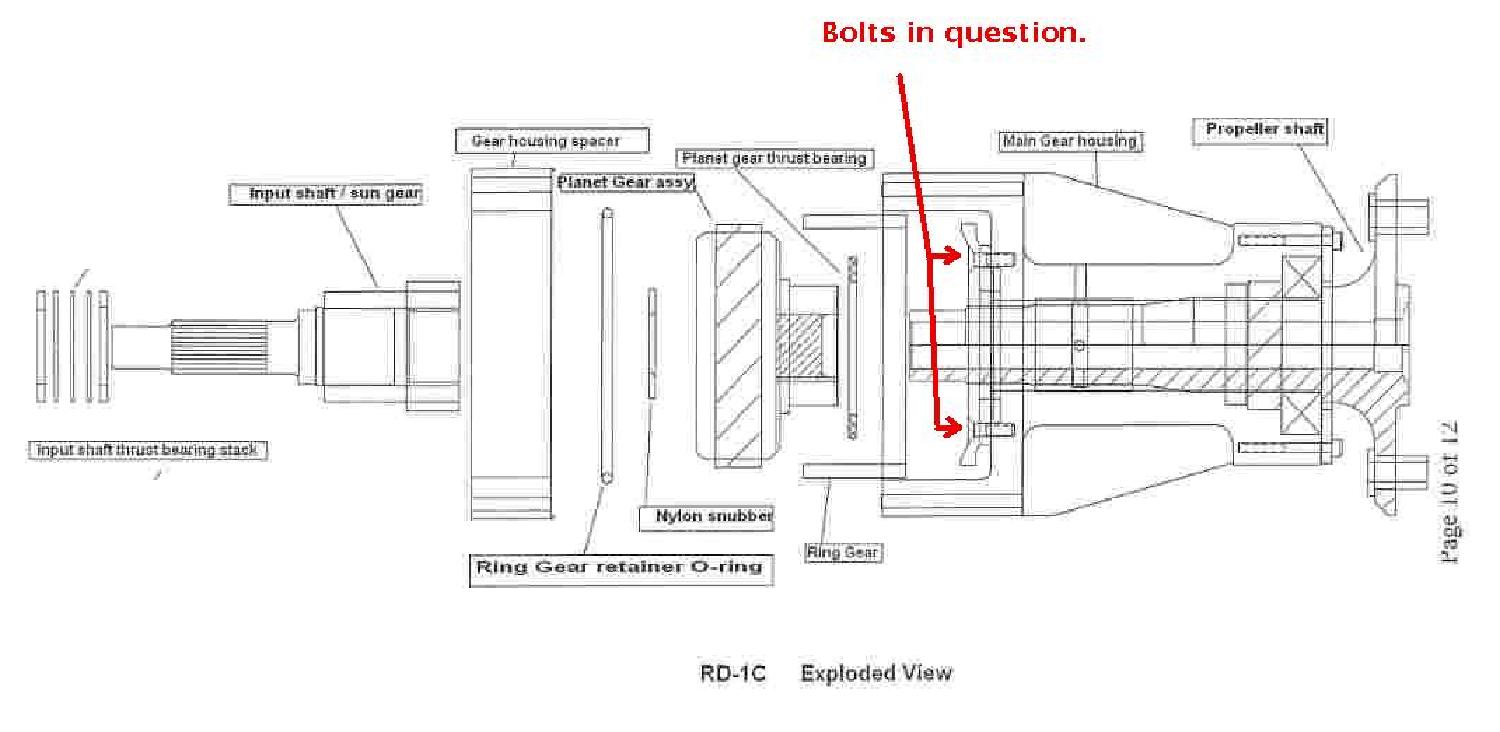
On Tracy's 2.85:1 gear box these eight 1/4" flat head bolts holding the ring
gear bulkhead have been known to shear when used with a high power 3 rotor.
In the stock Ford auto trans mission this bulkhead is not used in this way.
If one calculates the simple shear load on these bolts this should not
happen.
This result was a surprise to me as well as Tracy.
Tracy suggested replacing them with larger 5/16th bolts.
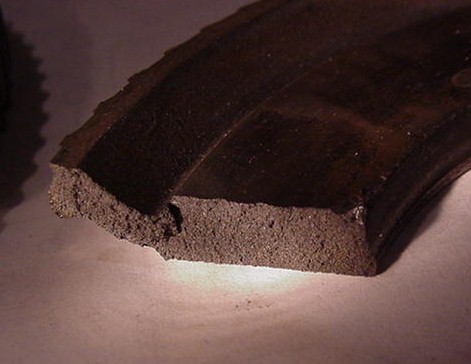
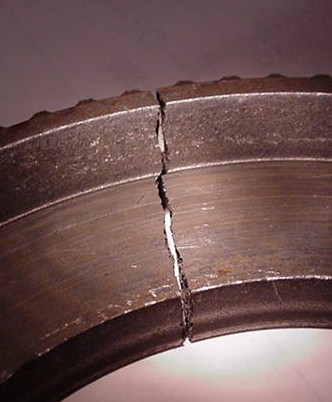
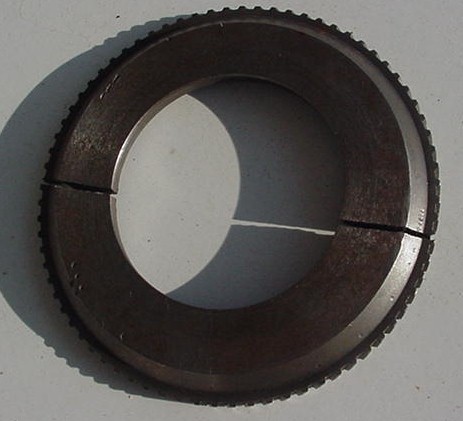
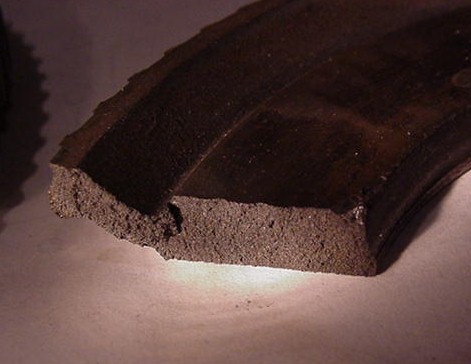
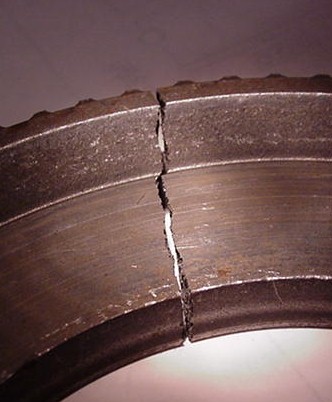
One of the reasons this happens IMHO is because the ring gear bulkhead is
powdered metal and as such is very hard and brittle. Just like a carbide
metal cutting tool. The bulk head can be broken by clamping it in a vise
and smacking it with a sledge hammer. A simple hardened steel bulkhead
would just bend.
Regular steel or aluminum locally yields slightly to share
the shear load with all the bolts. If the bulkhead material is too hard
this
does not happen and the torque pulses shears the bolts one by one.
The new rubber coupling, of coarse, is designed to mitigate these torque
pulses.
BTW the ring gear it self is not powered metal. Just hardened steel.
The trick outlined above will work on Tracy's 2.85:1 gear box.
I have a rotary table so I can accurately locate 12 holes in Tracy's
case for drilling and taping the back up radial bolts. If you dis-assemble
Tracy's box and send me just the housing and ring gear I can drill these
holes for you. With out a rotary table it can be done but is tricky to
layout the hole positions and drill them perfectly radial.
Tracy's cast aluminum case is thick enough to use high strength steel
5/16th or even 3/8ths course thread socket head screws. The taped holes
can be counter bored so the heads of the bolts are flush for cosmetic
reasons.
BTW the 3.17:1 planet set is larger diameter so the stress on all
the parts is lower.
Paul Lamar
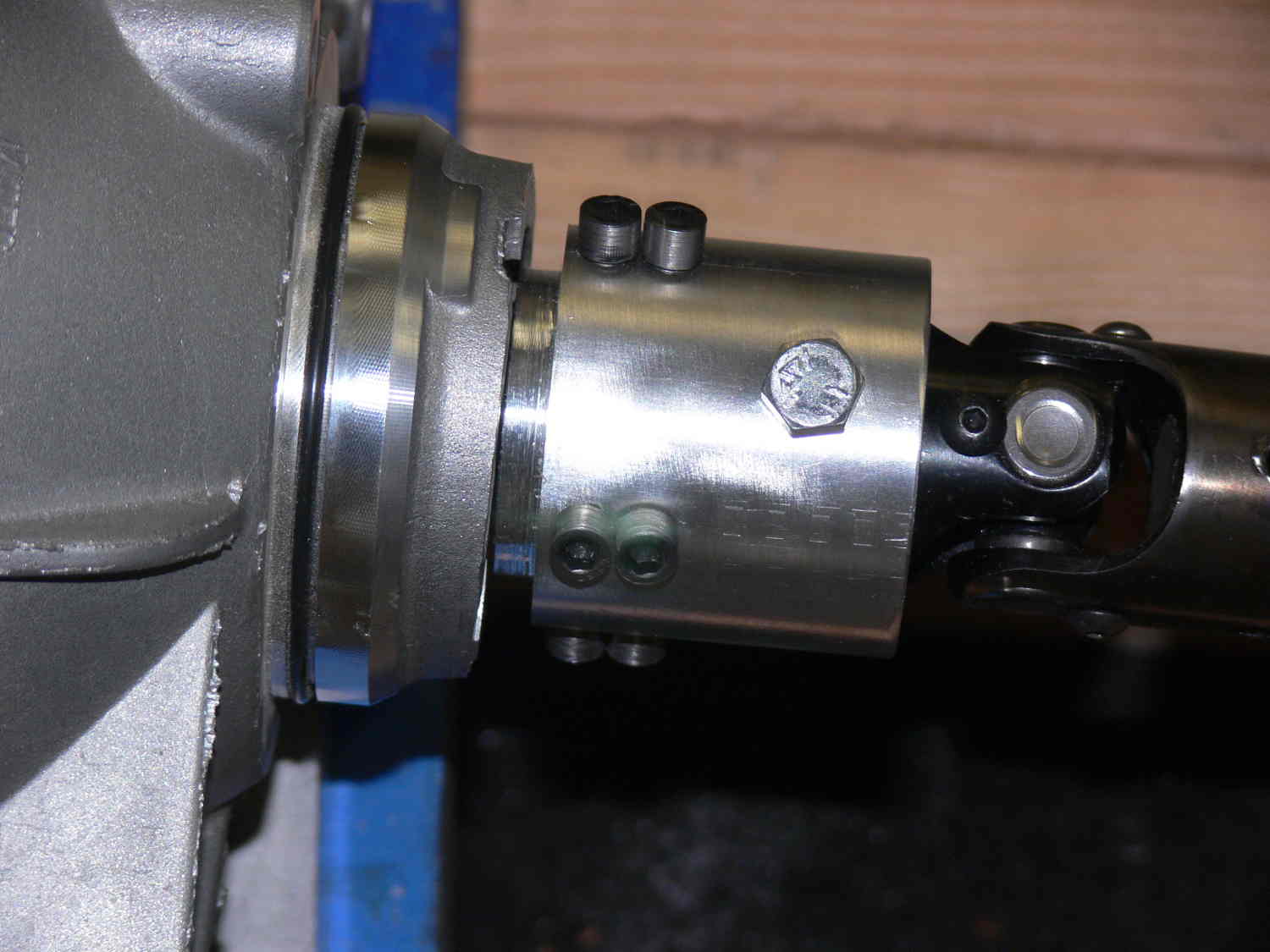
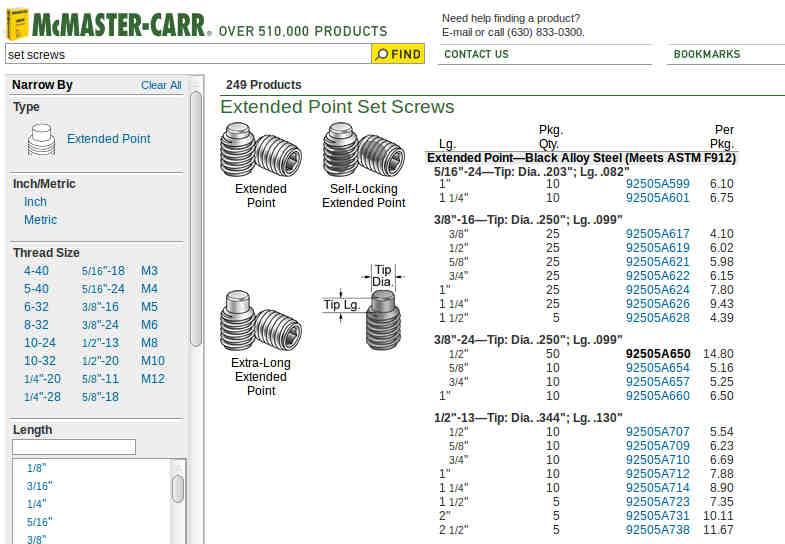
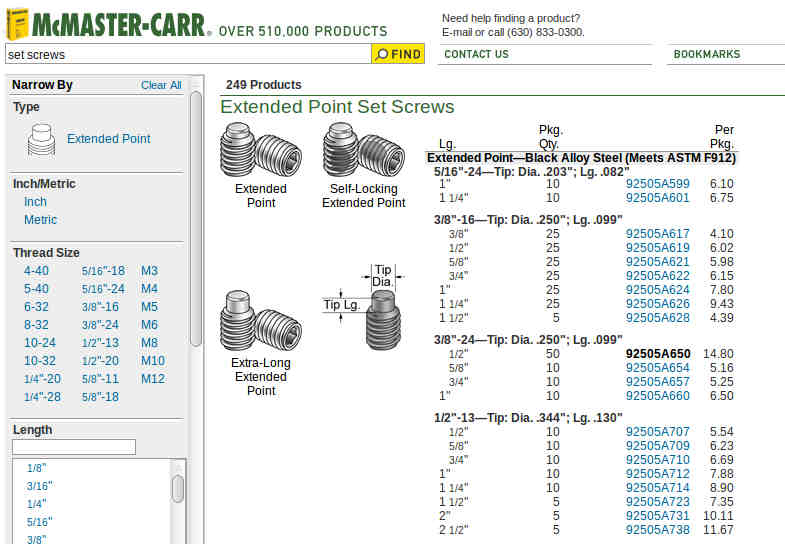
The set screws shown in the last attached jpg are ideal for fixing the
ring gear in the PSRU housing.
Paul Lamar
--
The Rotary Engine News Letter. Powered by Linux.
ACRE NL web site.
http://www.rotaryeng.net.
You Tube
http://tinyurl.com/beqqxas.
Copyright 1998-2013 All world wide rights reserved.