Hi Paul.
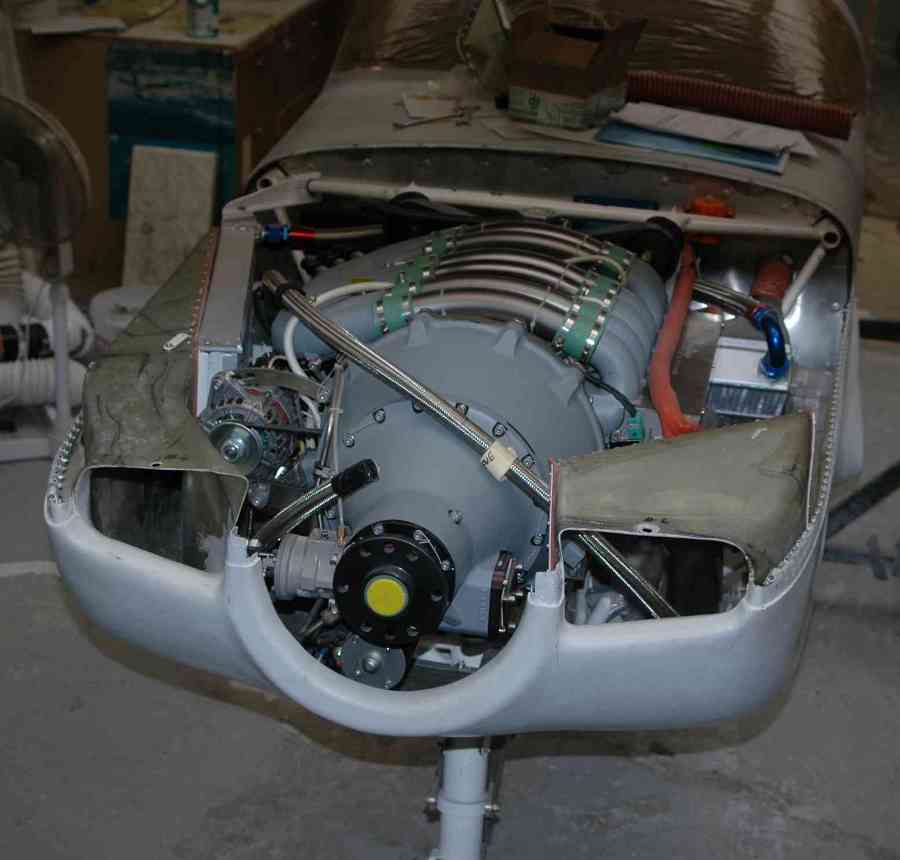
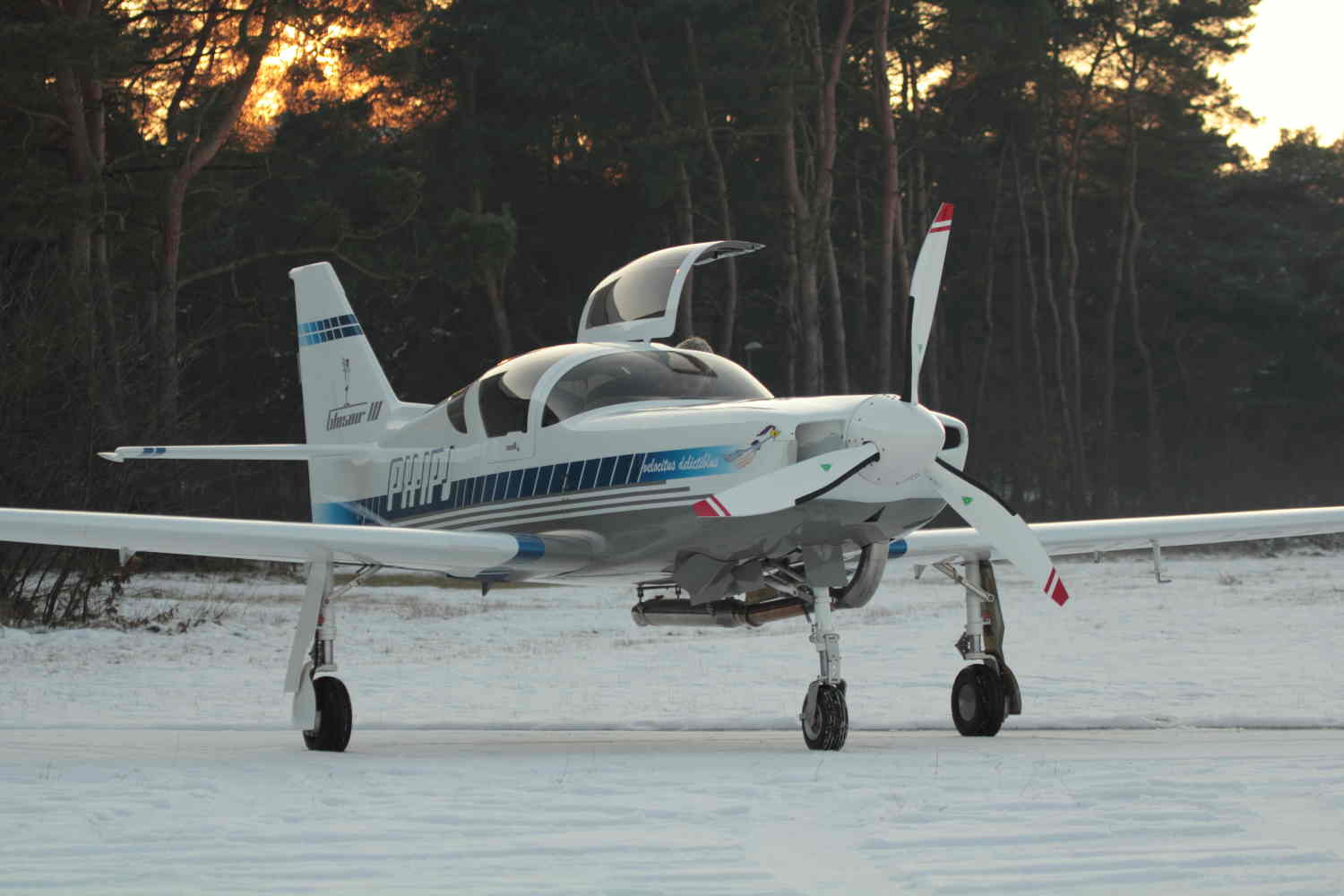
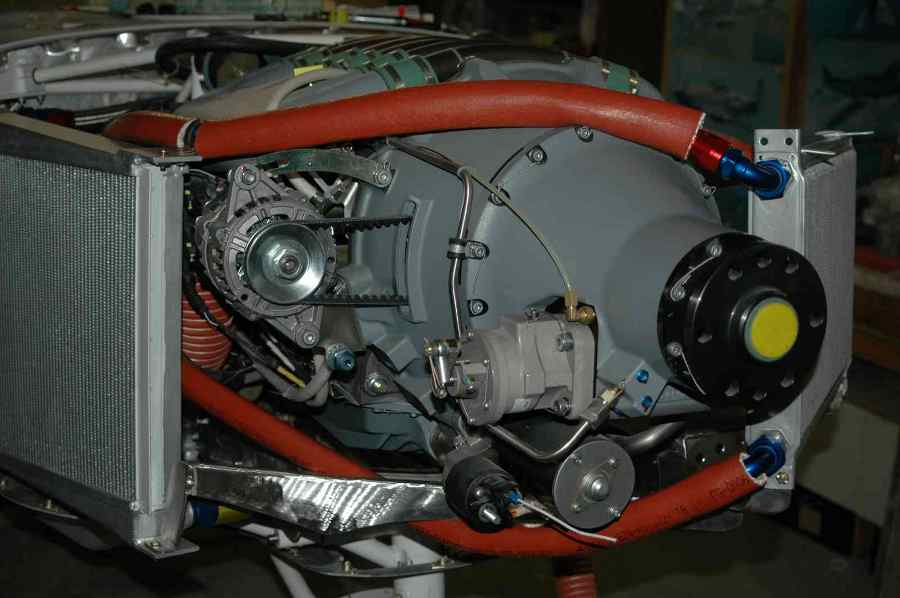
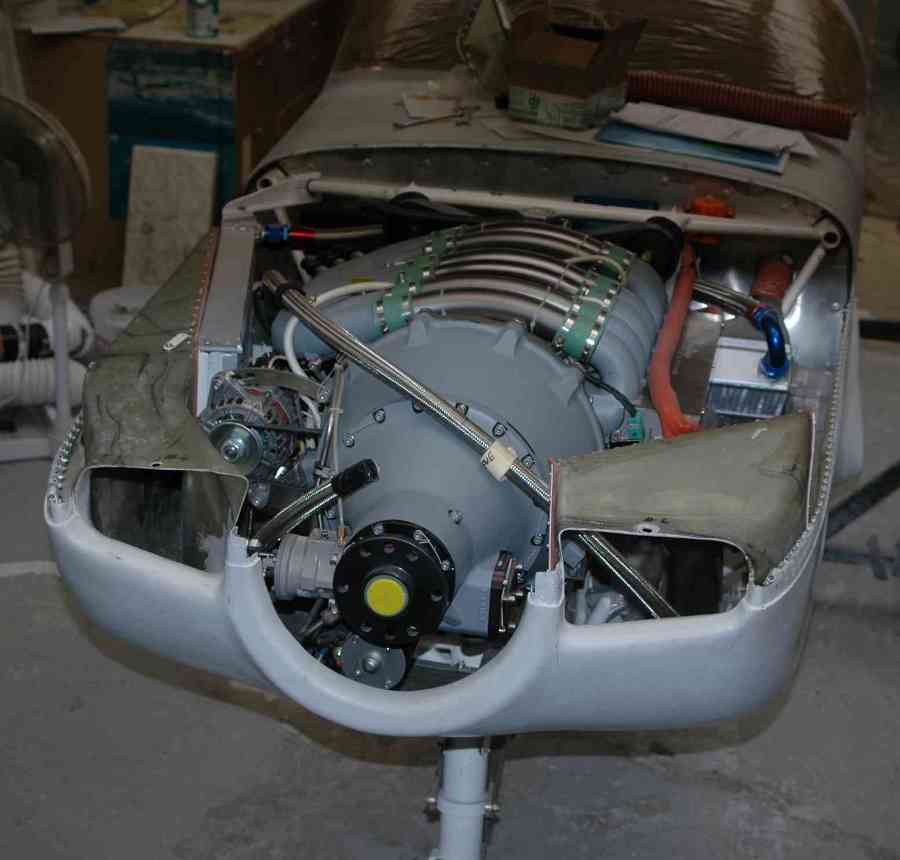
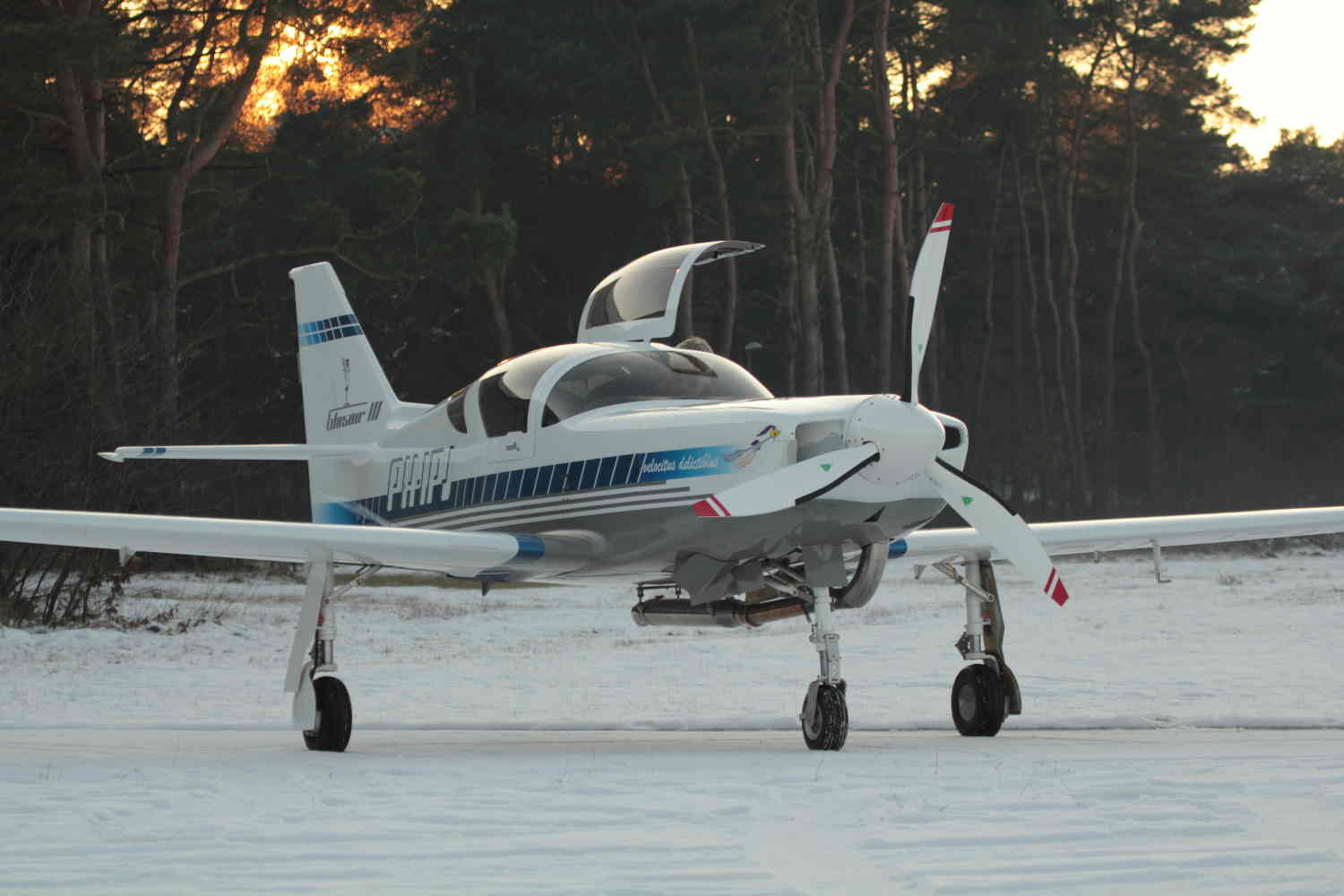
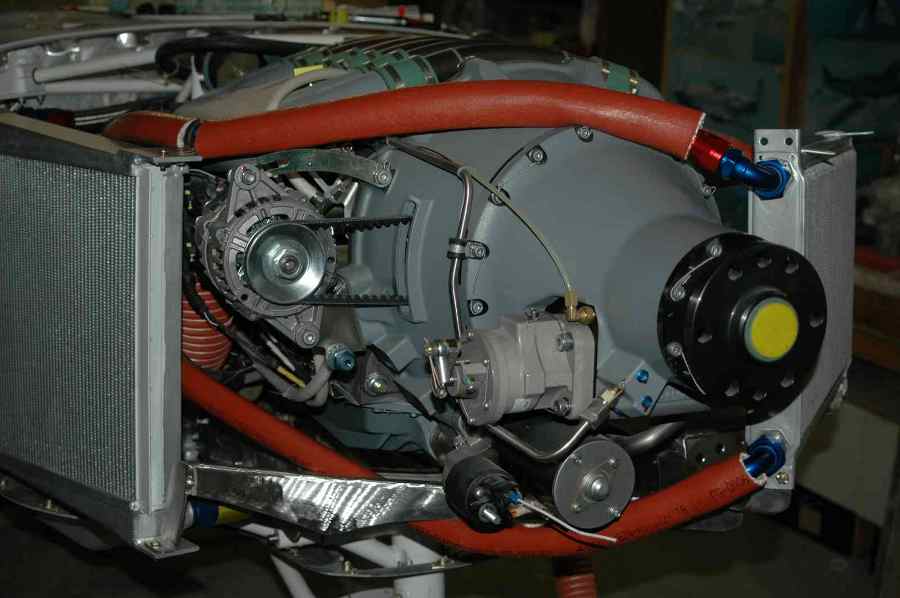
I think you'd like an update on what's happening with my Mistral engine,
so here goes.
I've been flying the Glasair since Dec 6 of last year. engine works fine
and I'm very pleased with it.
There are still some aircraft electrical signals interfering with the
engine's sensors, so i'm getting the same warnings during flight, all of
which I've come to understand quickly, and Mistral will be adapting the
waring thresholds to suit my installation.
I'm averaging 54 liters per Hour ( about 13 USG/H ) with mogas, and 0.2
of a quart of oil. The 300 hp engine is just wonderful.
My cooling is only just satisfactory. At OAT of 30°C, i do have to
reduce immediately after gear retraction, and speed up to 140 KIAS so
get more flow. About 2 minutes into the flight, the heat wave from the
take-off reaches the sensors, and they'll set off the warning range of
the system, but i still have enough margin to the alert threshold, and
in 2 min the wave is cooled out of the system.
Longest flight so far was 2h 45 min, at FL125 where I had about 53 %
power remaining. I have yet to experience any trouble with the engine,
but the ECU's sometimes bug up when i start them up, the remedy is
simple, power down, wait a minute, and they'll do just fine.
I have been doing aerobatics, and sustained G-turns to test the oil flow
with Mistral always checking the recorded data afterwards. Up to 4
sustained G's is all we did so far, but not a hint of any trouble. The
Mistral has a wet sump, and we did see the early signs of oil pressure
loss at values between 0 and 0.5 G, so we have chosen to stay away from
the region < 1G with this engine configuration.
I had a problem with MT propeller. they sold me what they said was the
prop, specially made for this engine, which turns at 2350 rpm at
take-off, and 2000 in the cruise. What they sold me was an off the shelf
prop for a lycoming, which turns at 2700 and 2300 resp. so when i
started doing my dive tests, the prop started overspeeding at around 210
KIAS. I was a bit surprised, but did some test flights and calculations,
and presented them with my findings. They initially tried to tell me i
was wrong, but ended up sending me a mod that allows the prop to go to
45° pitch, when the original setting was 35°. This clears the overspeed
issue, and the prop is generally satisfactory, but my calculations still
tell me I loose 17 % because the prop is turning at 300 rpm below which
it was intended for, and that it's working at 5° higher angle of attack
than it's ideal value. So far, MT has chosen to pretend I'm not there
with regards to that issue. Time will show that to be a mistake.
Noise....BIG problem.
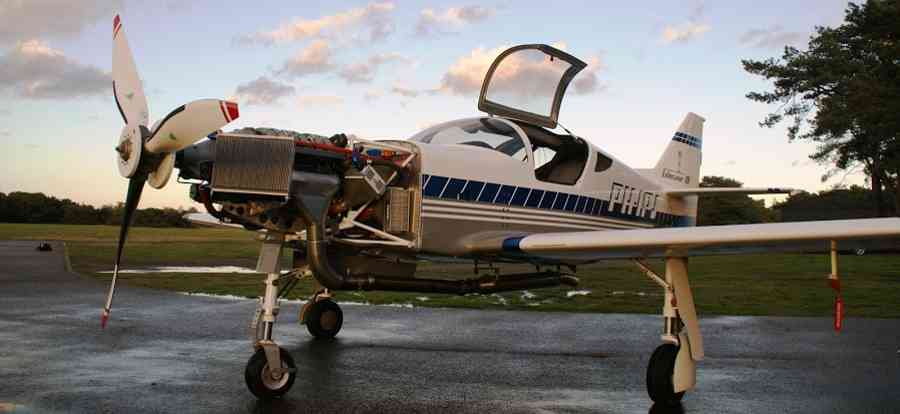
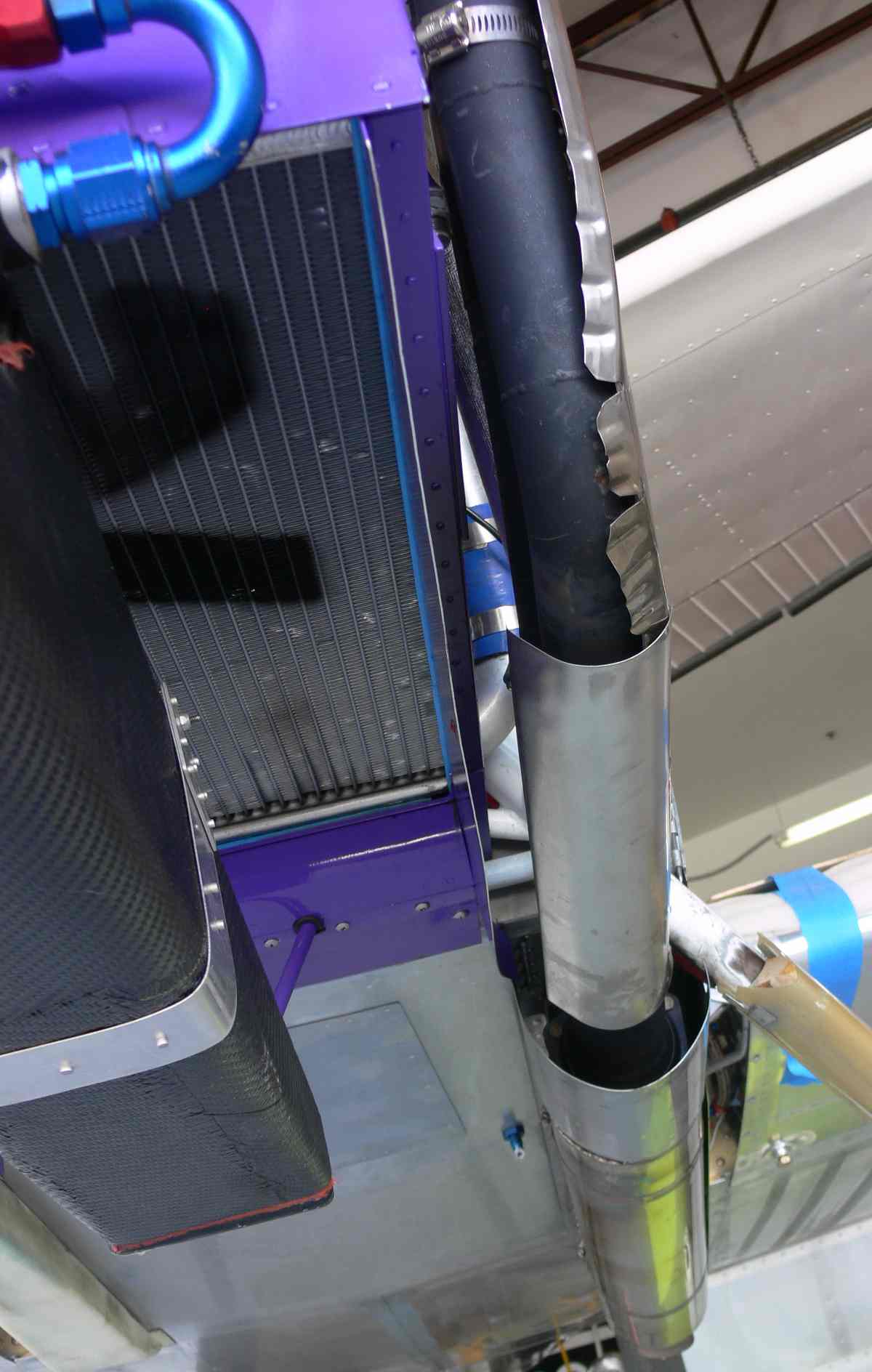
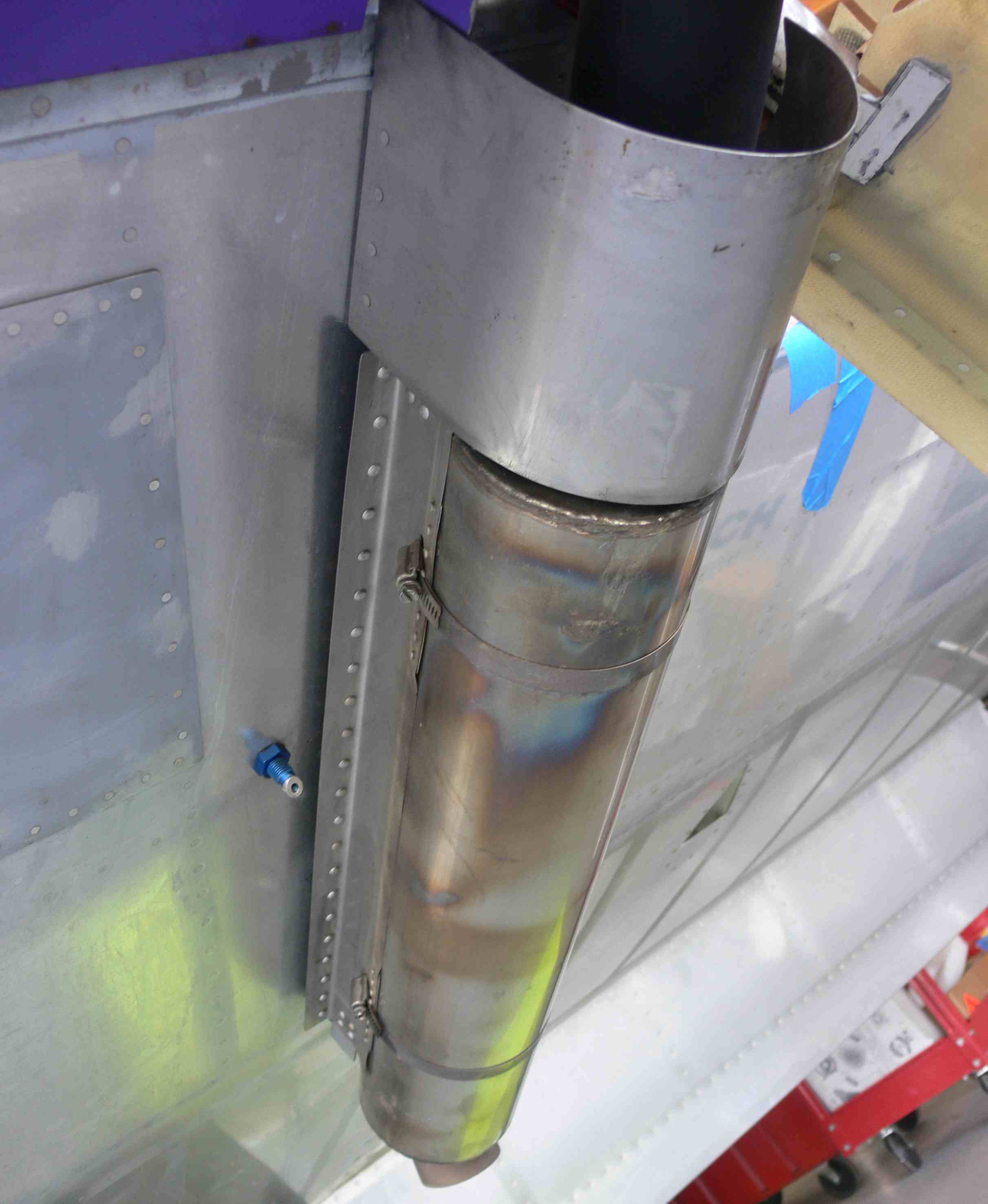
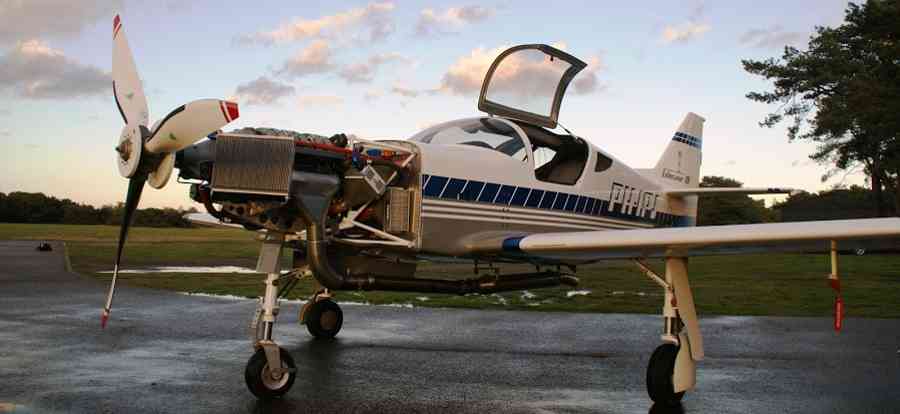
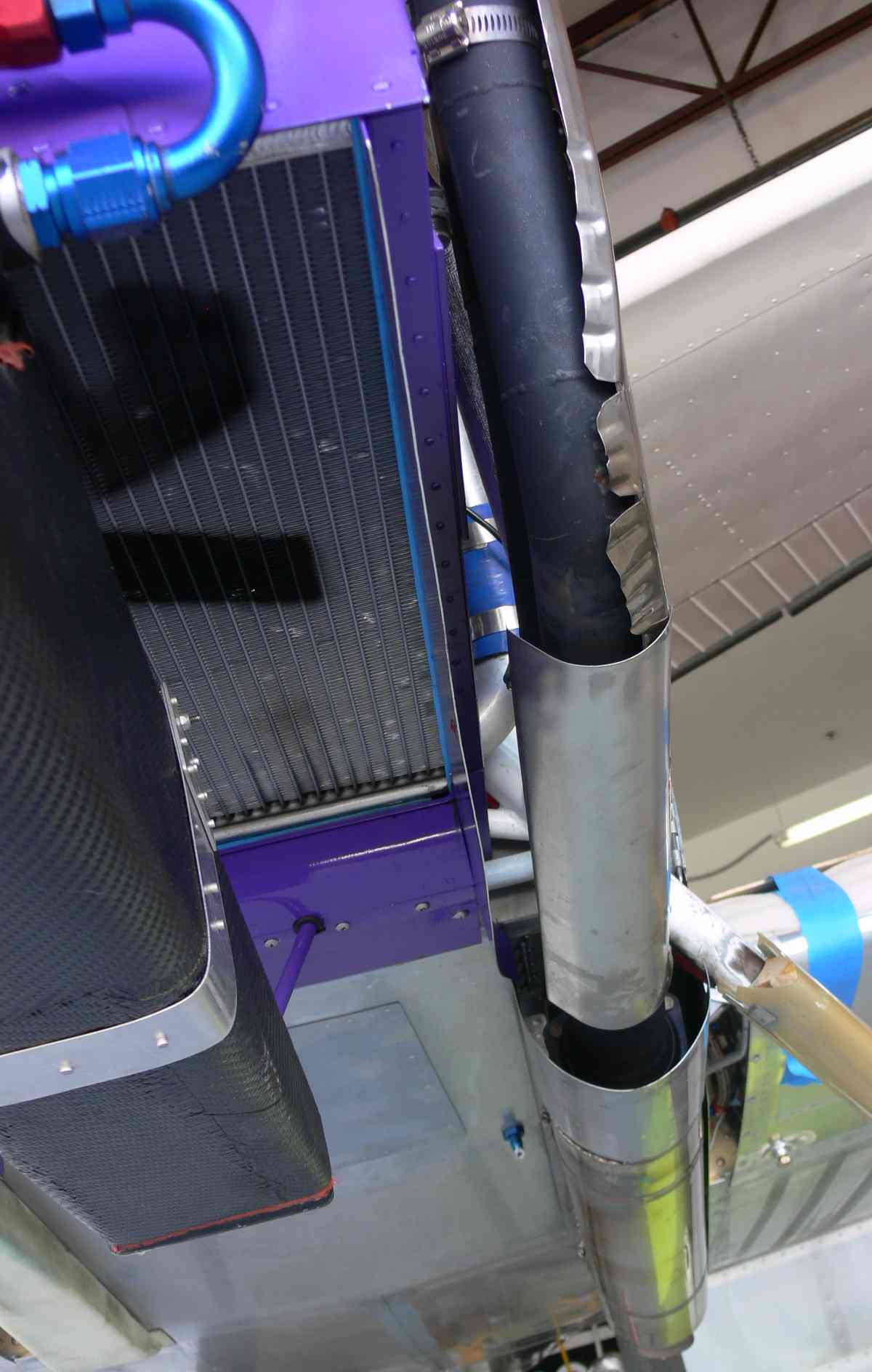
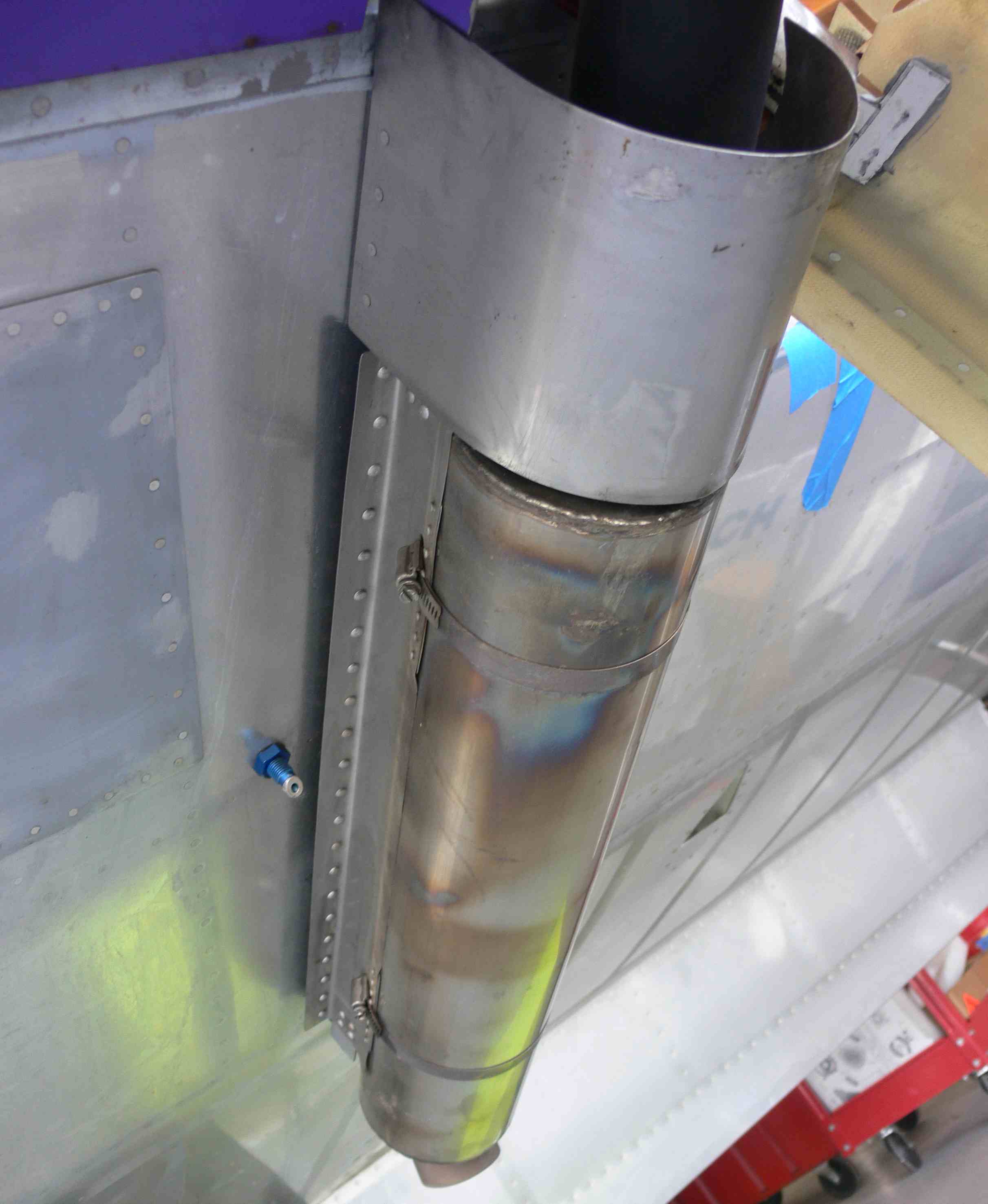
Mistral gave me a long absorption muffler from Chabord in France ( the
one you see in the pictures ). Chabord sells these to be put on
lycomings, and of course the result on my Glasair is catastrophic. we
measured 93 DB at take-off, and 87 DB in a cruise setting overflight at
1000 ft AGL, but that frequency....
The extension pipe is my request. i didn't want the muffler to hang just
under the fuel bay in the wing, after all, it's an experimental aircraft
with retracts.
Chabord took about a year to build another muffler ( bet ya the French
take less time when it comes to cooking or making love ), and it was
even louder than the original. Mistral then tried a tangential muffler
from Rochhausen in Germany with a dovetail exhaust, on a 200 hp, 2-rotor
engine, but no real improvement.
I displayed the aicraft at the big Friedrischafen fair for Mistral
engines ( you can say it's about like sun and fun, but mostly without
the sun ). The reactions from the public and professionals were VERY
positive. Mistral has now shifted their priority to sound reduction as
they know that they won't be able to sell any more engines like this,
and the way things stand now, we are rapidly making a bad reputation for
the product. Clients are lining up for this engine, and there is some
urgency if we don't want to loose them.
We have measured frequency ranges on my Glasair, and a theoretical
simulation will be ordered soon.
Can you tell me if there has been any significant progress on noise
surpression on your side of the Atlantic ? Mistral will provide me with
a good solution in due time, but in the mean time I'm ashamed to fly my
Glasair because it does disturb people on the ground. I haven't built
this aircraft to give aviation a bad reputation.
with kind regards,
Paul janssens
belgium
Rearrange the cooling system on the right side of the cowl. Put the rad
core next to the cowl surface and
the diffuser between the core and the hot engine to isolate the engine
heat from affecting the rad core.
Put vertical louvers on the right side of the cowl to let the hot air
from the rad core escape.
They can be made adjustable to reduce the drag at cruise speed or on a
cold day.
This will improve the cooling.
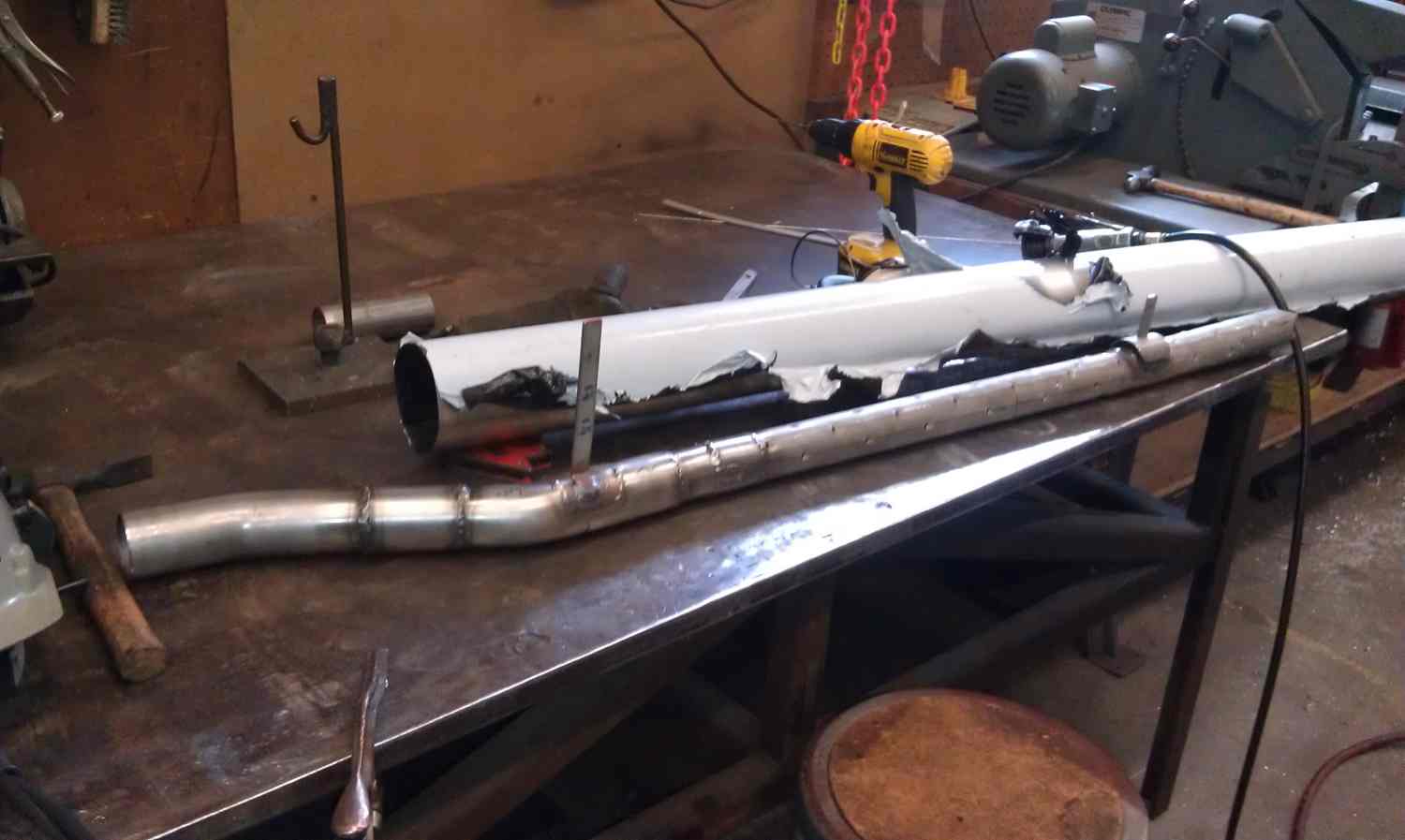
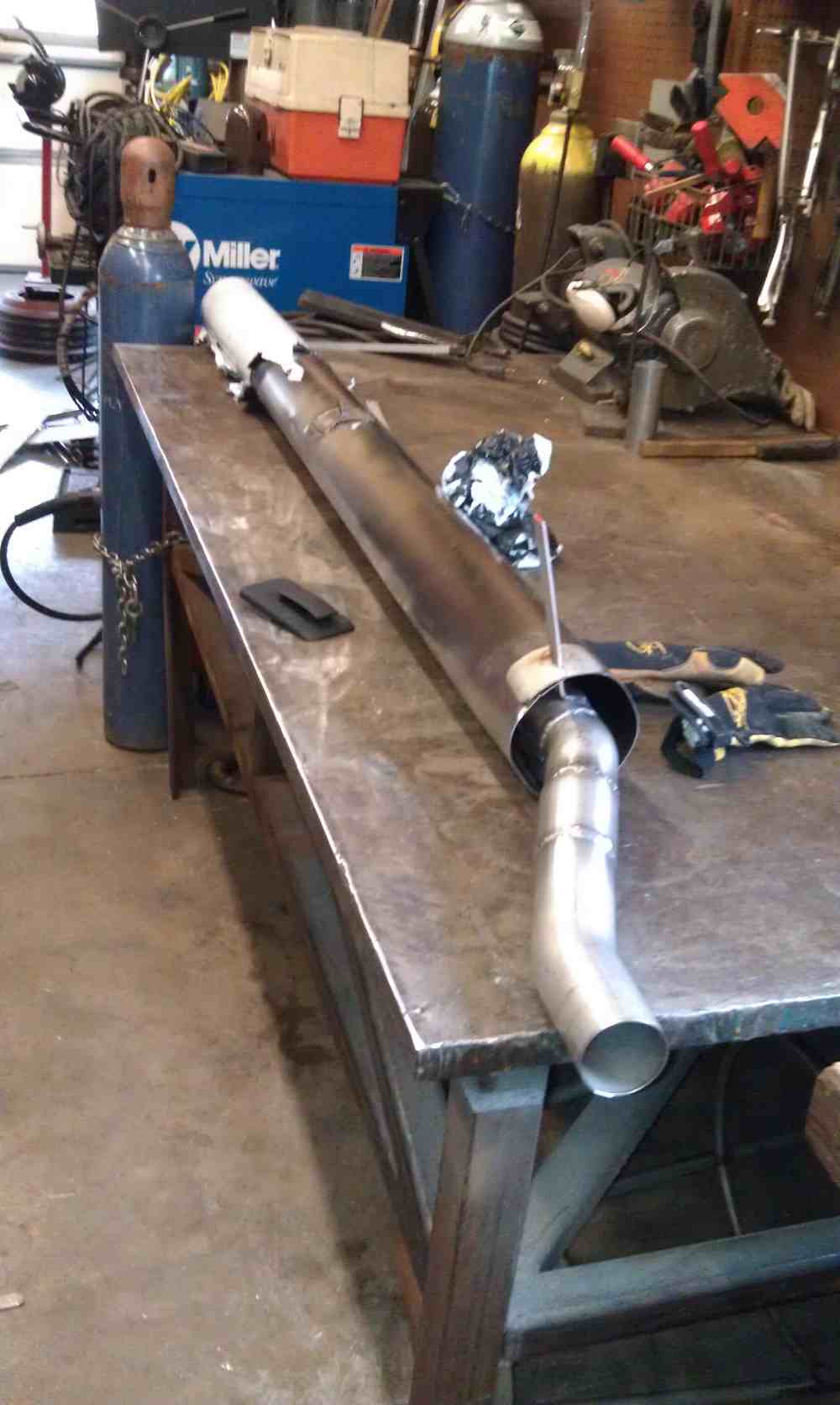
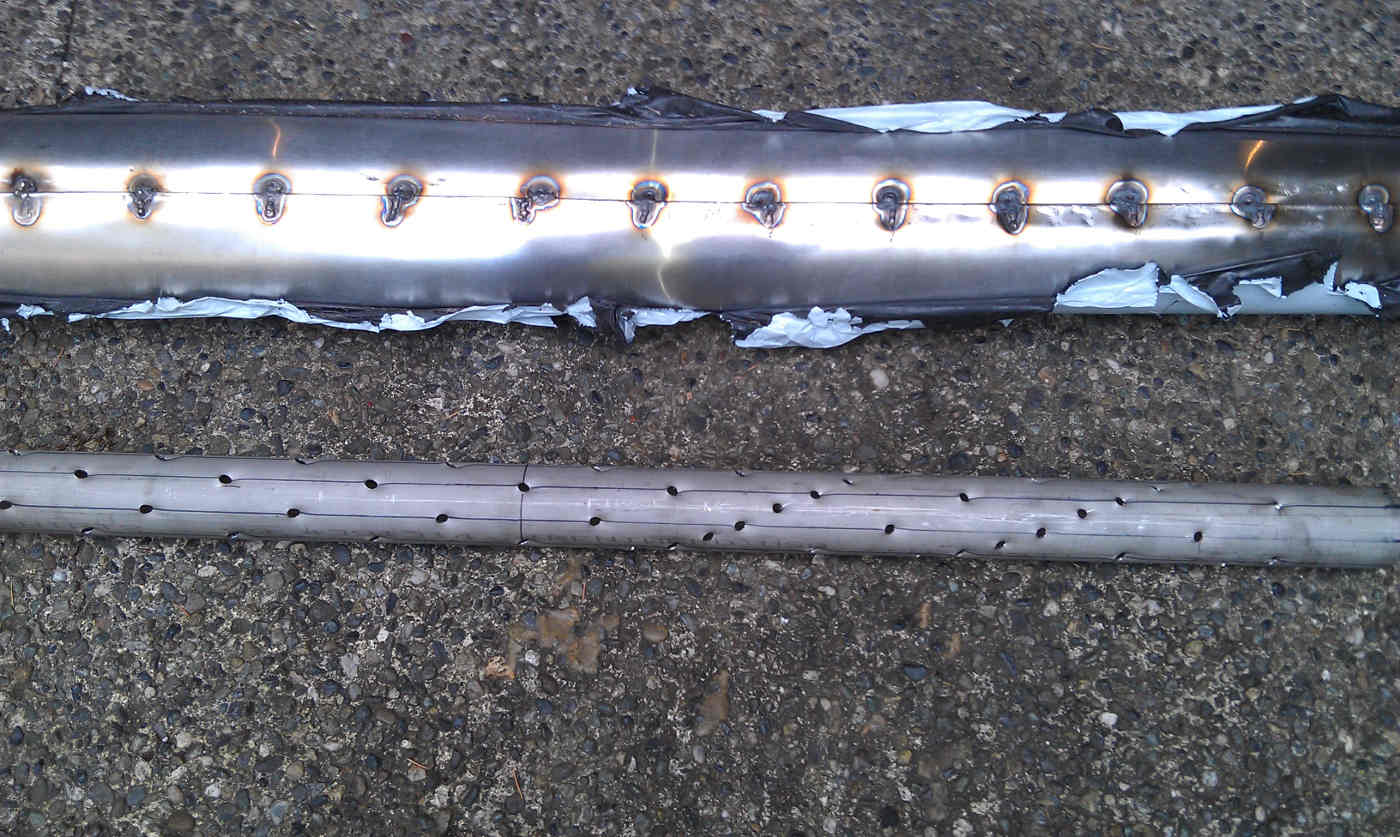
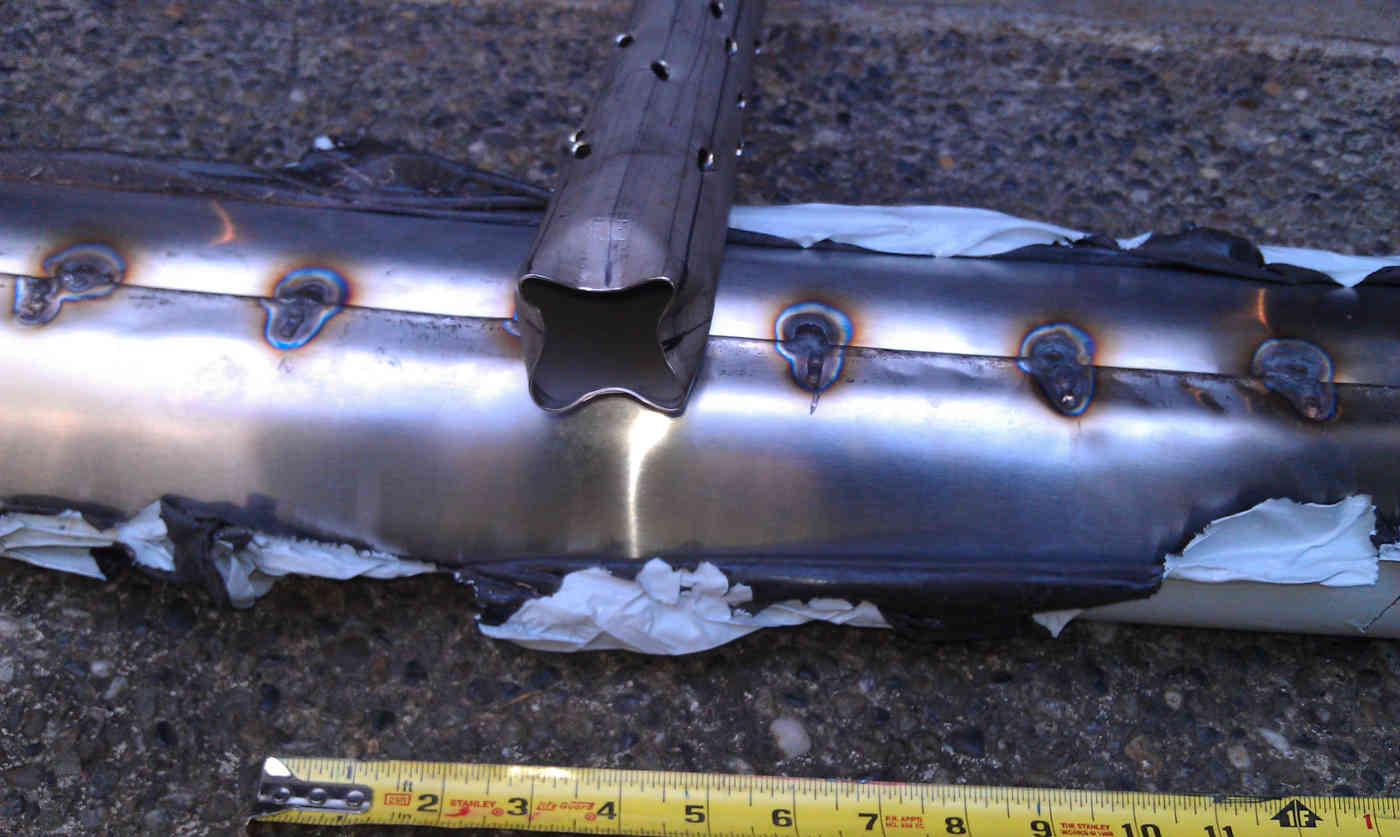
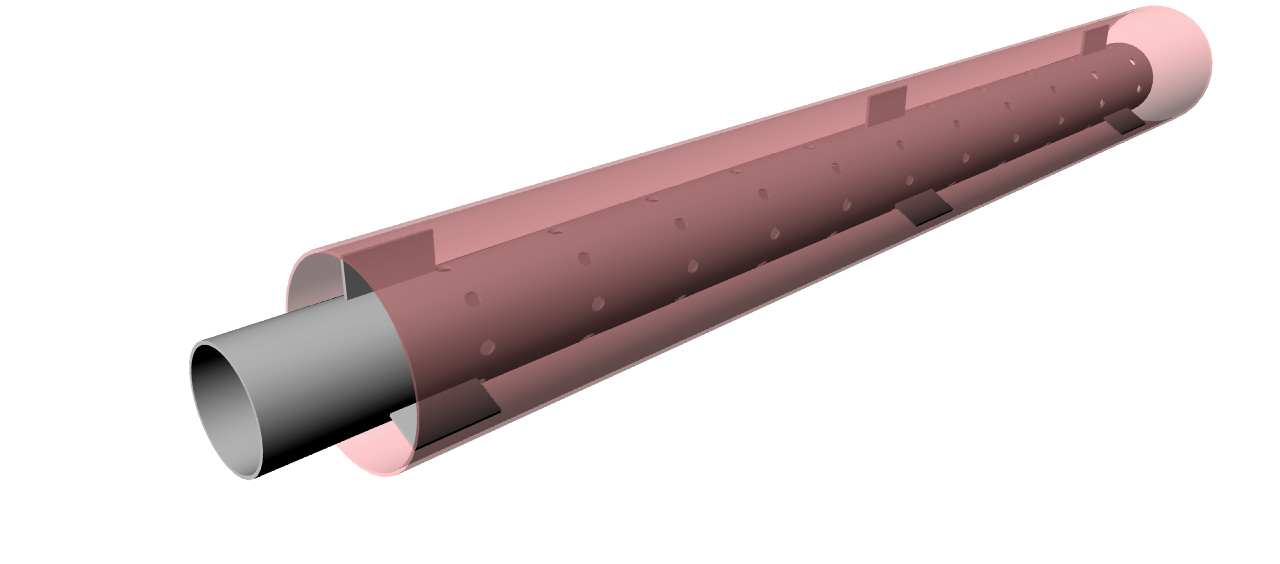
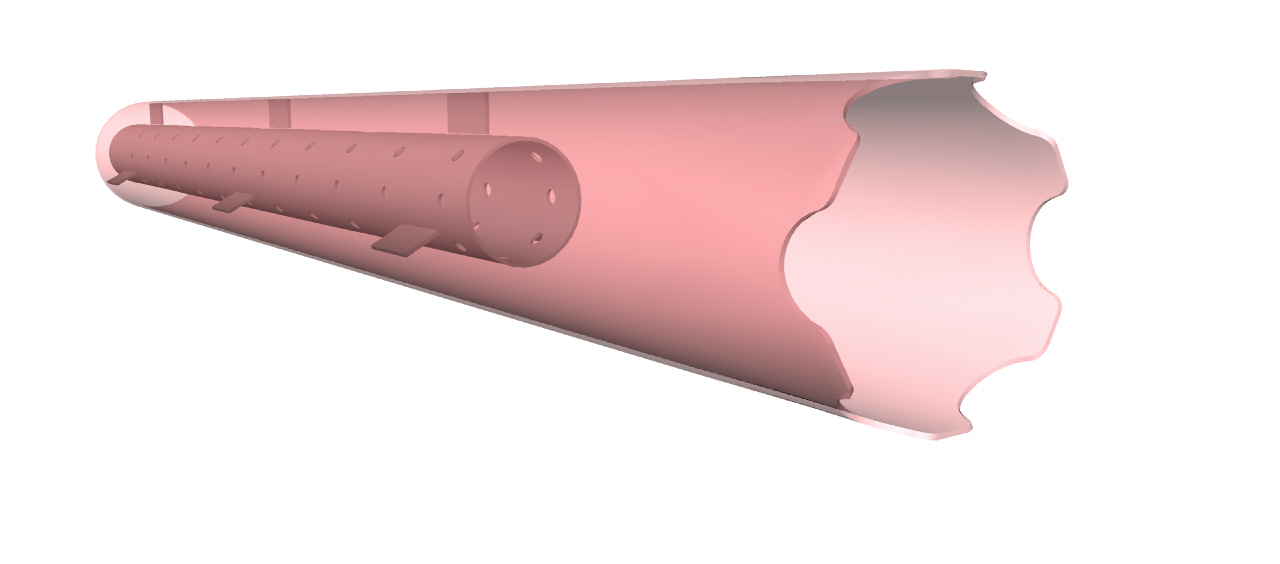
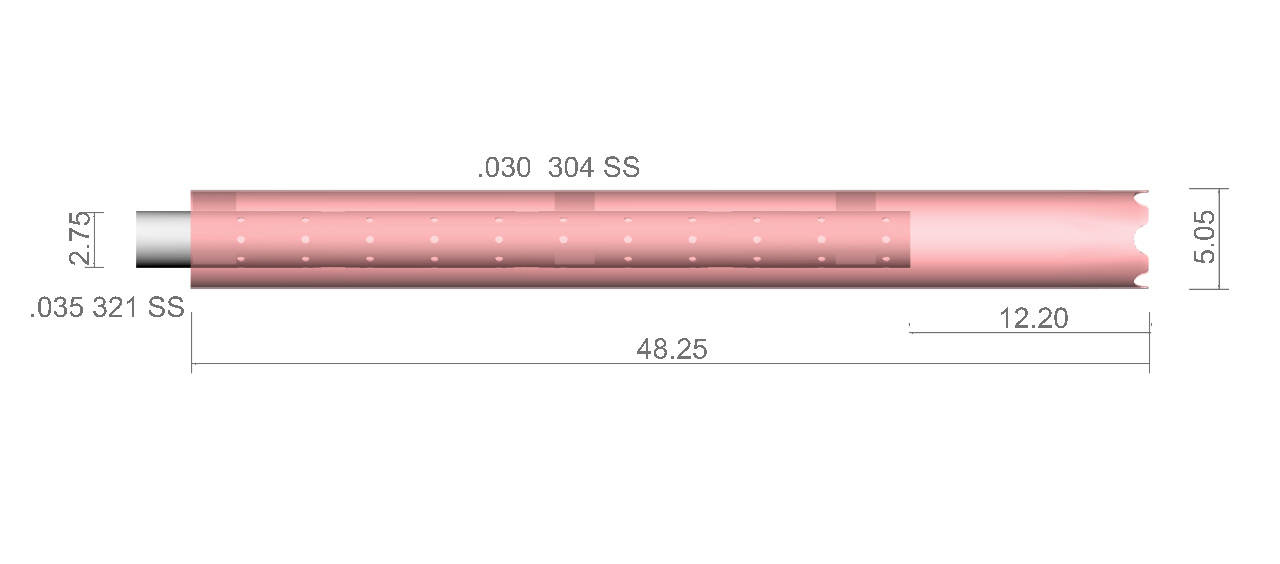
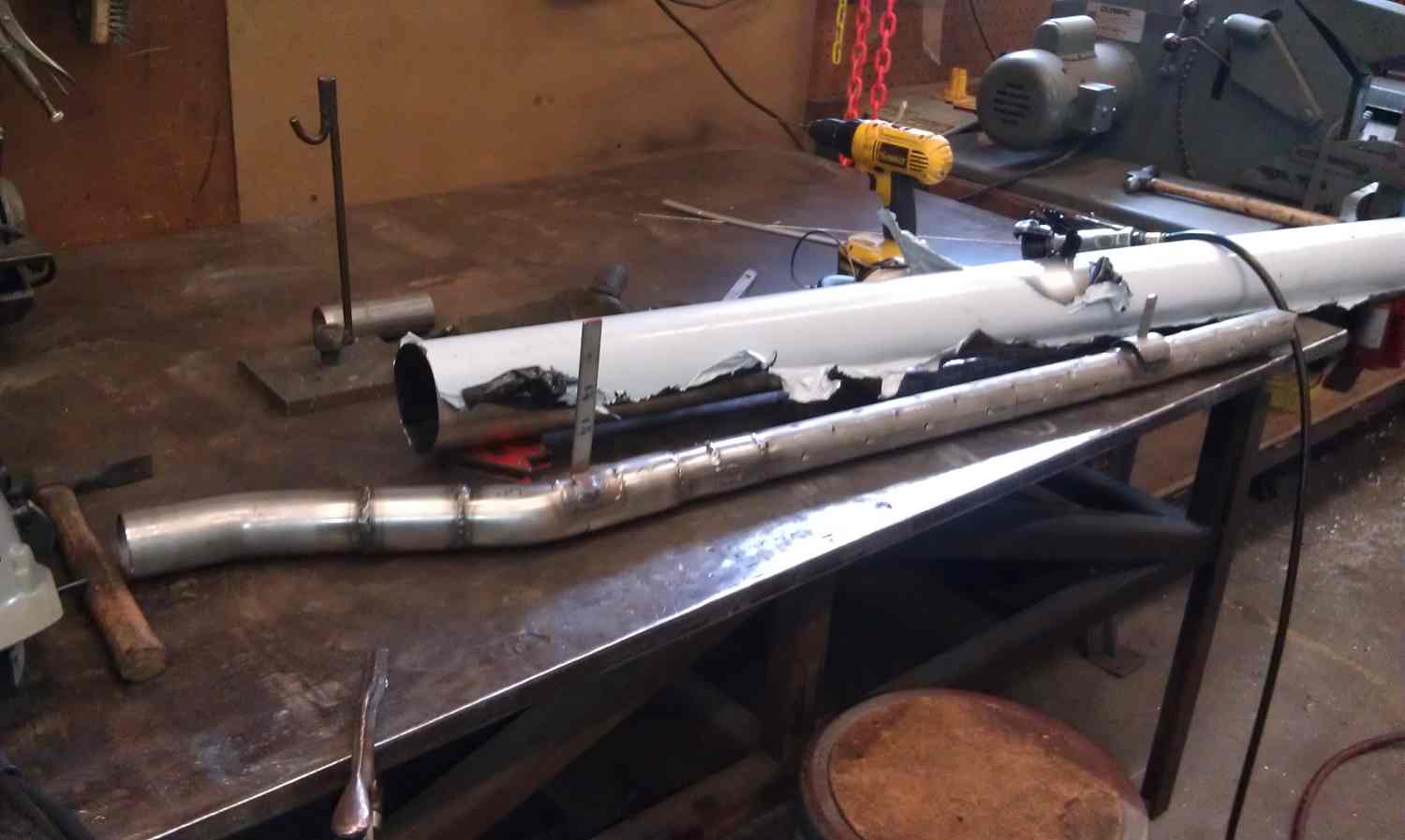
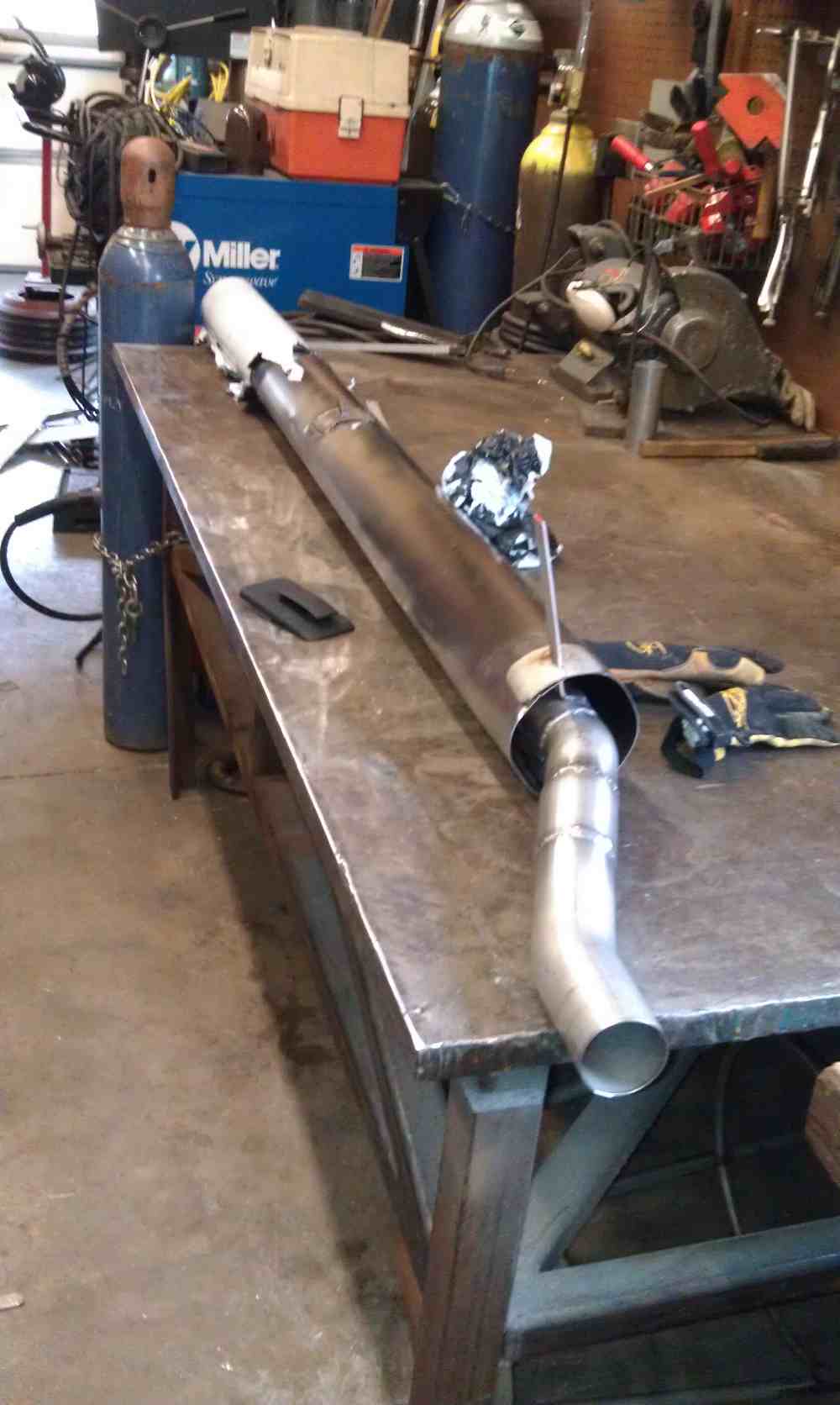
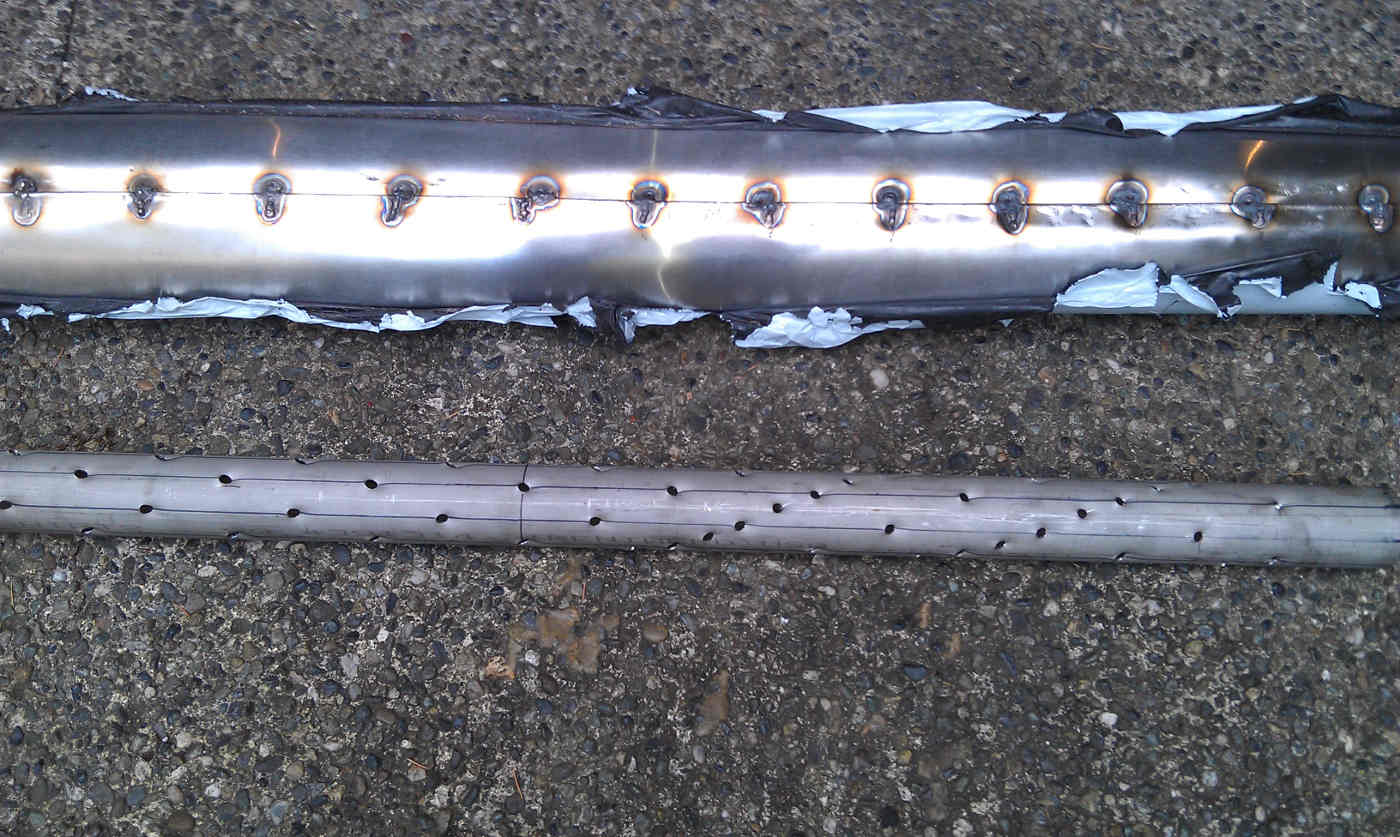
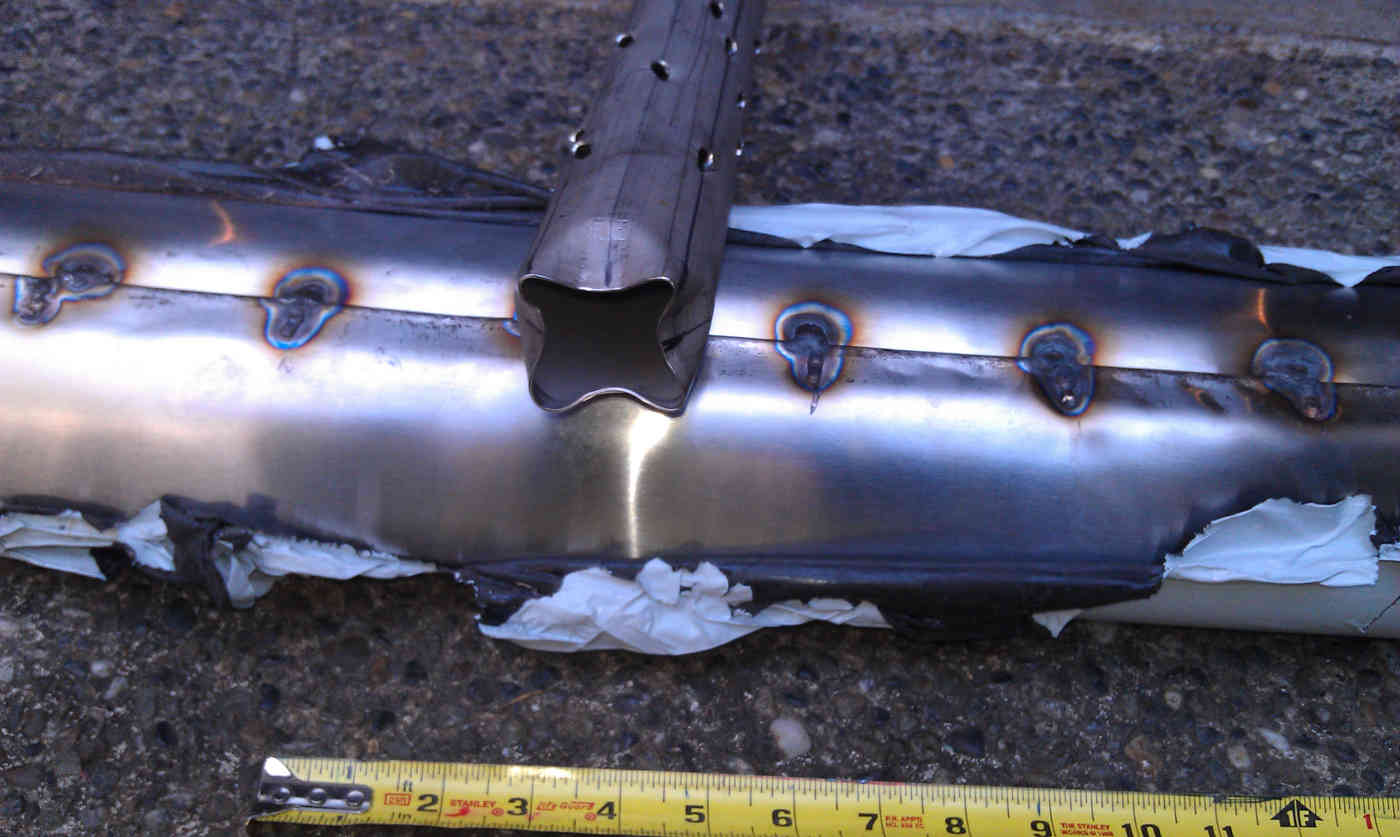
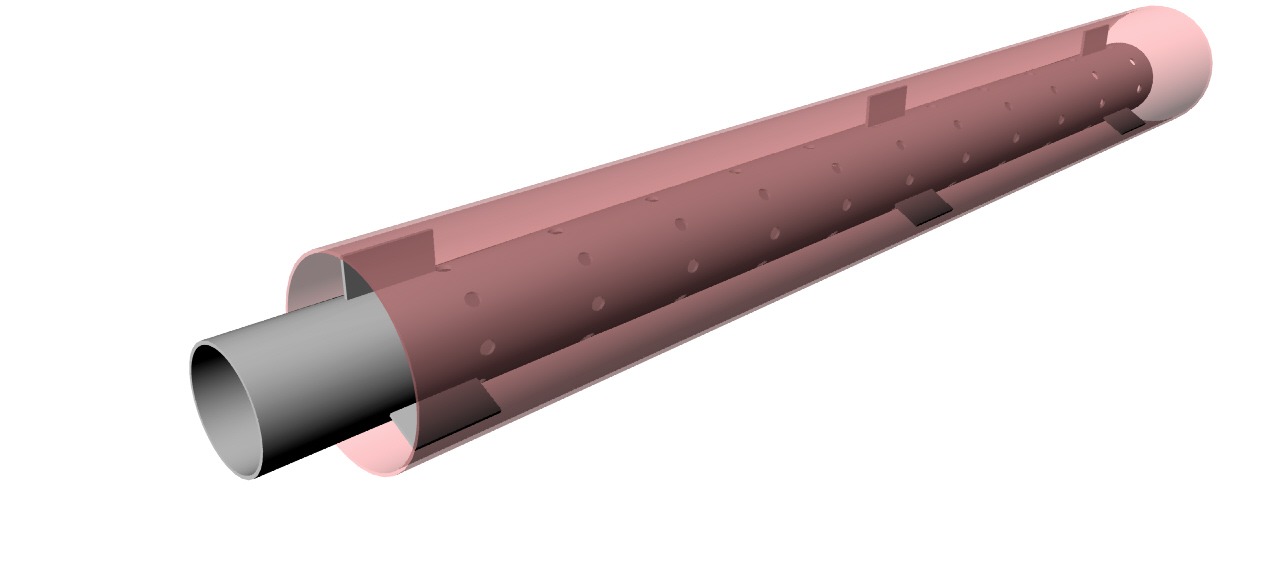
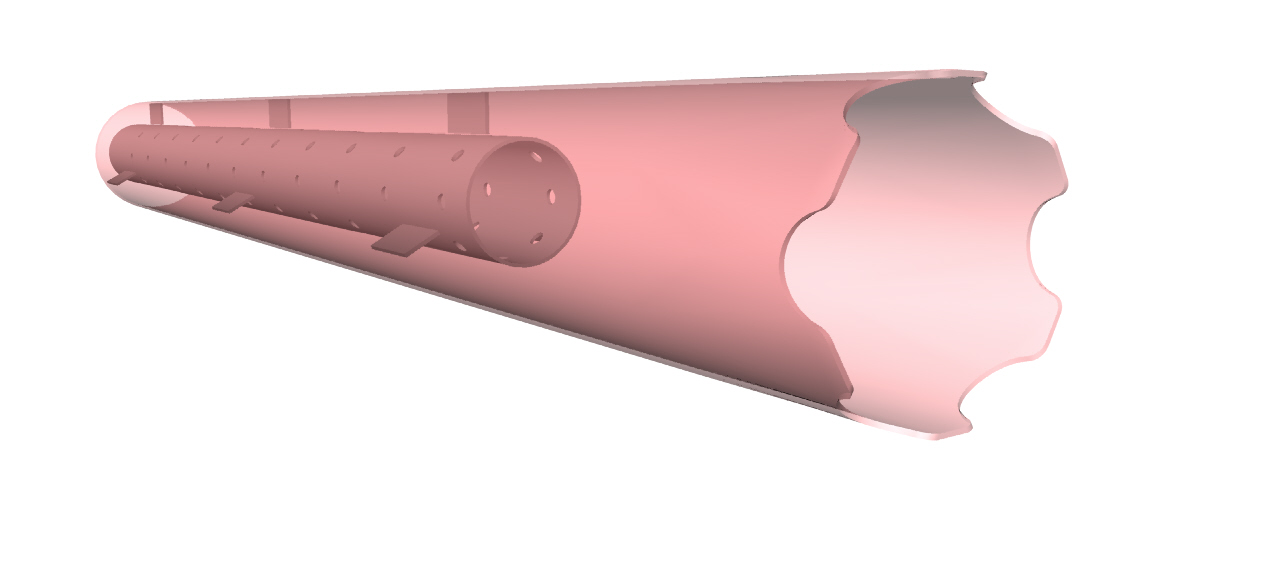
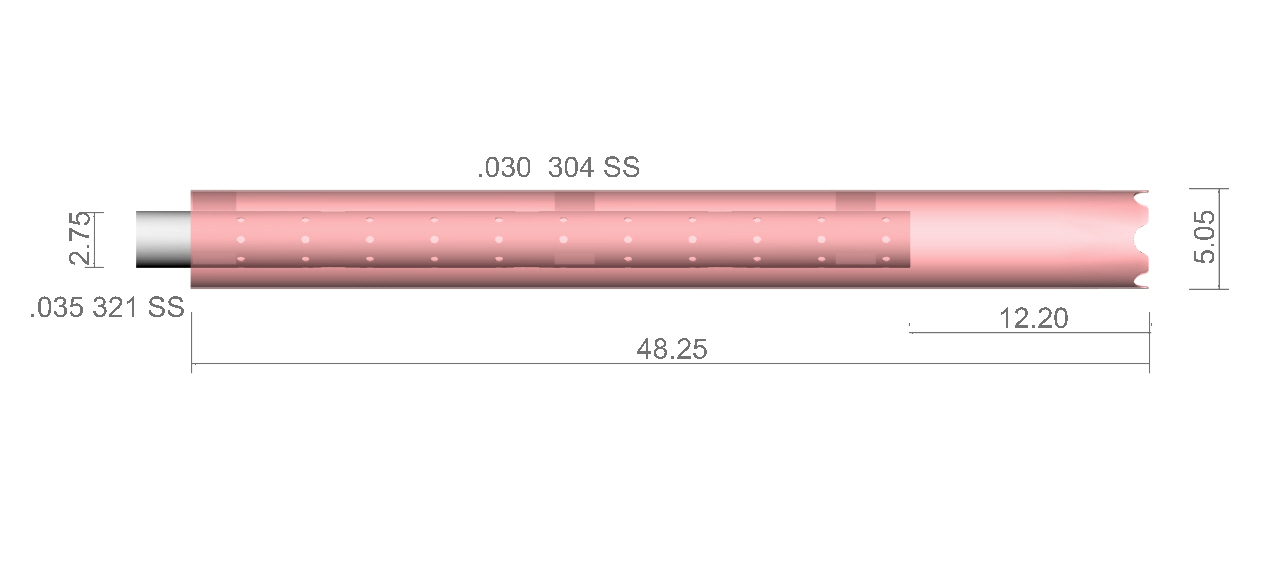
We have a new coaxial muffler design that works a little bit like a ram
jet, ejector or thrust augmenter
so it does not add too much to the aerodynamic drag. The tone of the
rotary sound is much more pleasant.
Peter G, I thought you might also be interested in this coaxial muffler
design speaking of turbo compound.
Paul Lamar
The Rotary Engine News Letter. Powered by Linux.
ACRE NL web site.
http://www.rotaryeng.net.
You Tube
http://tinyurl.com/beqqxas.
Copyright 1998-2013 All world wide rights reserved.