I've looked at a lot of turbo maps and have not found one that
would work for a 3-rotor at both sea level and at 18,000 msl.
Mark S.
Lancair ES, N/A 20b
Could you explain that a little more? How is the 3 rotor different
in that regard than any aircraft engine?
Paul Lamar
First, just to be perfectly clear... I'm not seriously considering
installing a turbo. I feel I'm at the design limits of the RD-2C now.
Without a beefier gearbox I would be asking for trouble. However, I have
fantasized about turbo-charging my 3-rotor for the benefits reducing the
exhaust DB.
Anyway, using this selection tool, I couldn't find a turbo that
would work at all altitudes on the P-port 3-rotor. Maybe you'll have
better luck than I did. Here's the link. (There are tutorials at the
bottom for help in understanding the spreadsheet design.)
http://www.turbodriven.com/performanceturbos/matchbot/index.html
<http://www.turbodriven.com/performanceturbos/matchbot/index.html>
<
http://www.turbodriven.com/performanceturbos/matchbot/index.html
<http://www.turbodriven.com/performanceturbos/matchbot/index.html>>
<
http://www.turbodriven.com/performanceturbos/matchbot/index.html
<http://www.turbodriven.com/performanceturbos/matchbot/index.html>
<
http://www.turbodriven.com/performanceturbos/matchbot/index.html
<http://www.turbodriven.com/performanceturbos/matchbot/index.html>>
Mark
You got me Mark. I have no idea what they are doing here.
Usually aircraft turbo's work it out with waste gates.
Why do they require engine RPM? IMHO that has nothing to do with it.
Your VE is too low. A p-port is 120%.
12.5 to one is max power. You want 17 to one for best BSFC.
BSFC at that mixture ratio is .47 and not .55.
Why does the muffler back pressure go to zero on run 5 and 6.
This simulation looks like it is for cars where acceleration may be a
factor and not for aircraft where it is not.
Do you have Hugh Macinnes book "Turbochargers"?
That is the bible with a chapter on aircraft applications.
The critical altitude is were the waste gate is completely closed.
The inter cooler size and design are critical.
Paul Lamar
--
Trouble is you are looking a SL vehicle turbos.....are you not? You need
to look at existing aircraft turbo specs (and they are miserably hard to
find!!!). A good aircraft turbo shop might be able to help us out?
Marc
Yes, I have that book, but must admit I haven't looked at it in a number
of years. The P-port pretty much gave me all the power I needed, but it
would be nice if it wasn't so loud. I was hoping we could come up with
a good muffler that would quiet the beast without robbing too much power.
We need a gearbox that can survive a turbo 3-rotor.
Mark
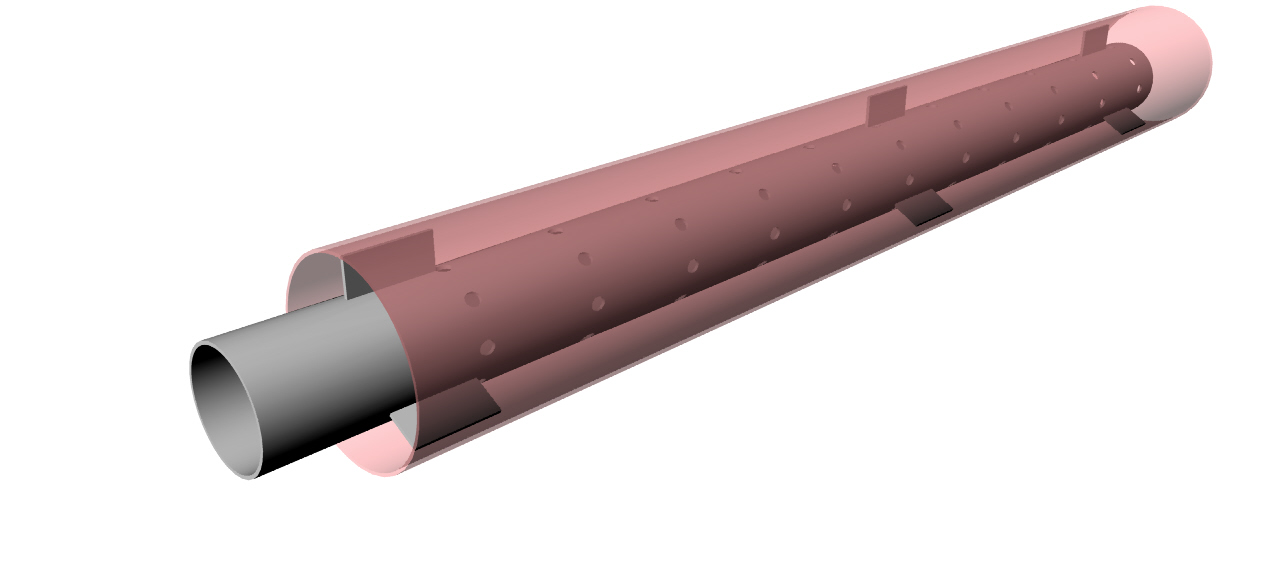
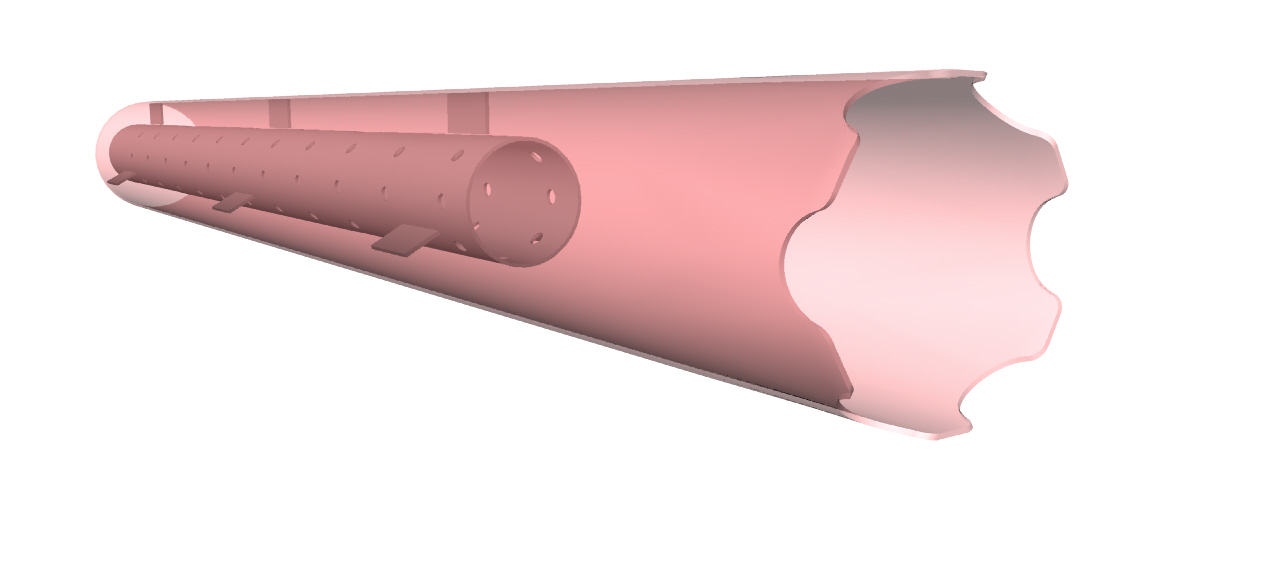
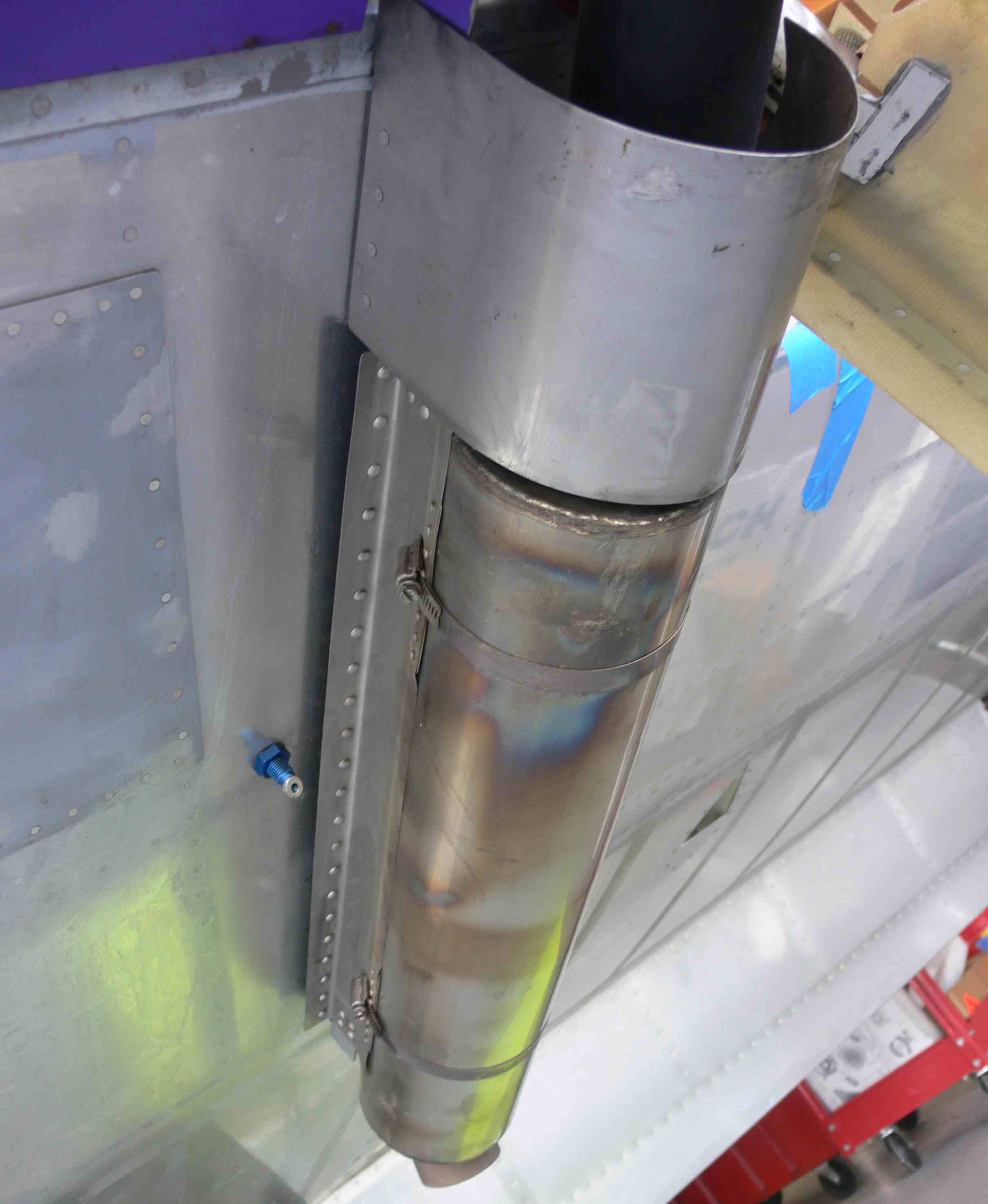
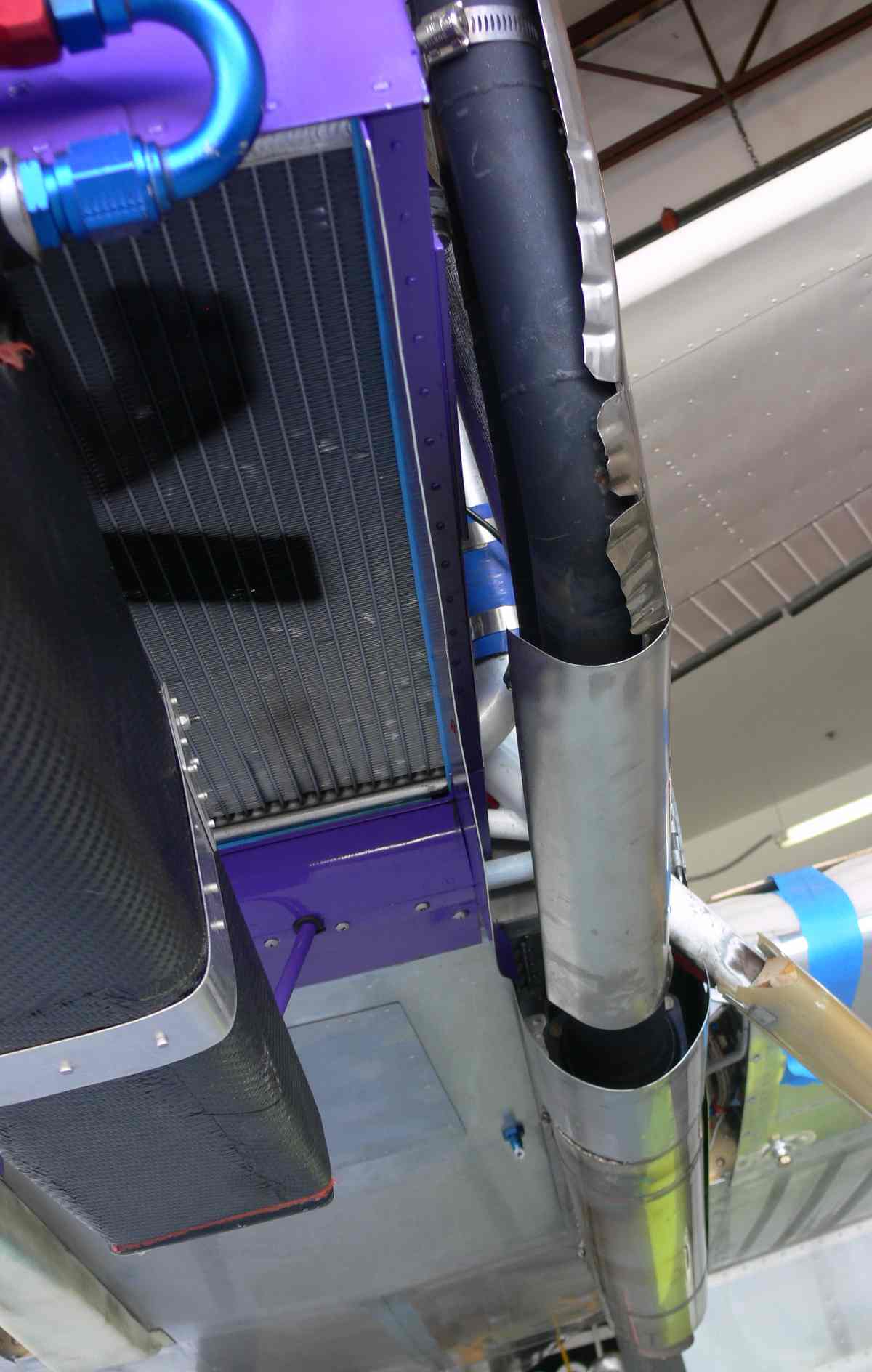
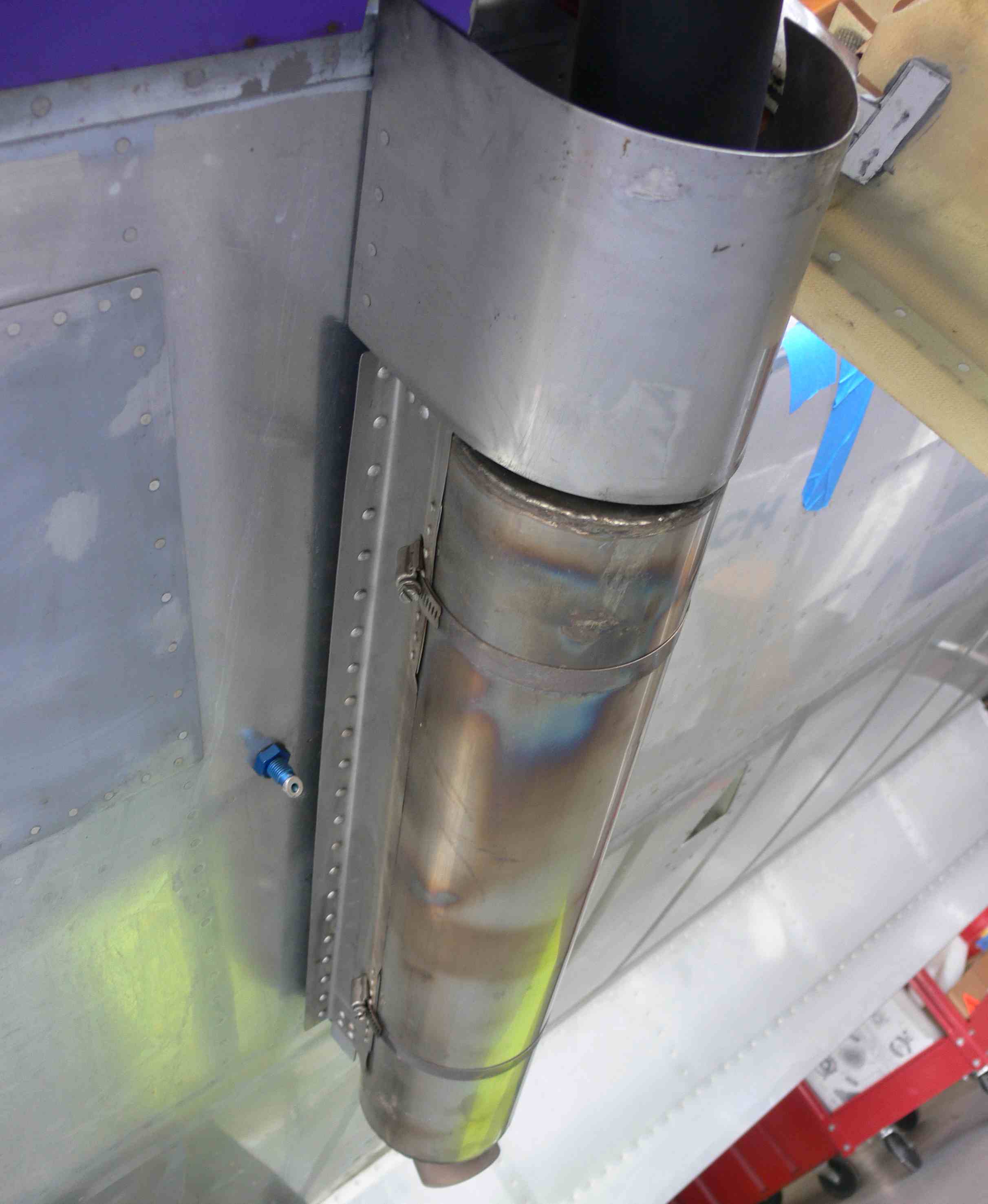
Try the coax muffler. Less drag for an external muffler
and a lower note tone. The main problem with rotary noise is
the high frequency component.
It works a little bit like a ram jet, ejector or thrust augmenter
so it does not add too much to the aerodynamic drag. Just like a
P-51 cooling system. The tone of the rotary sound is much more pleasant.
Also it can be visually inspected so it won't plug up if it ever
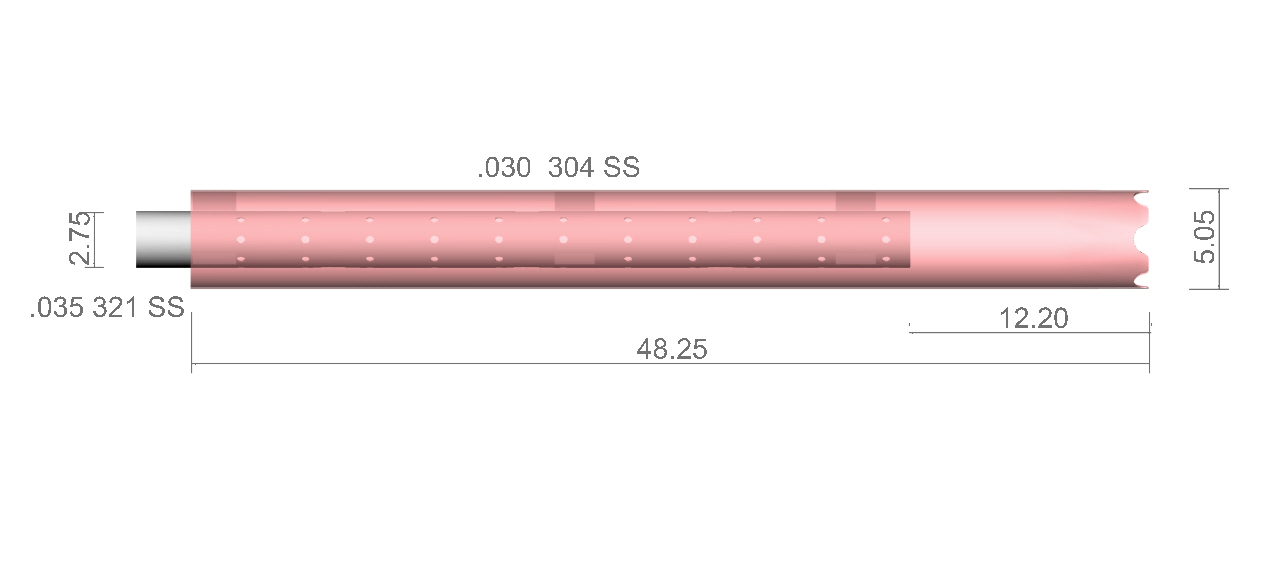
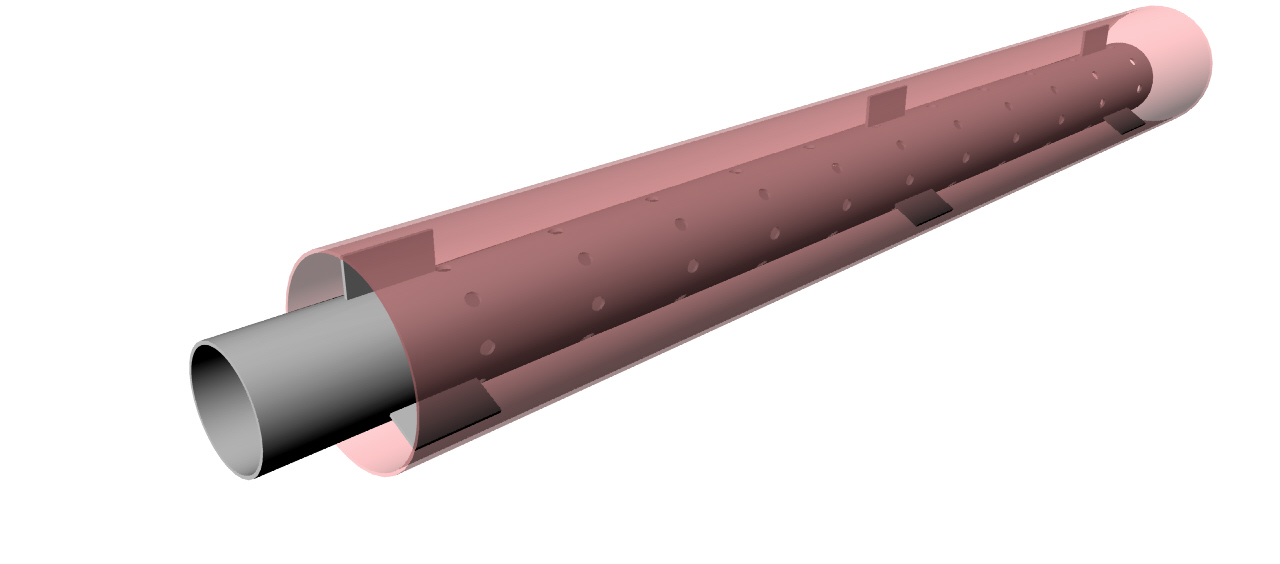
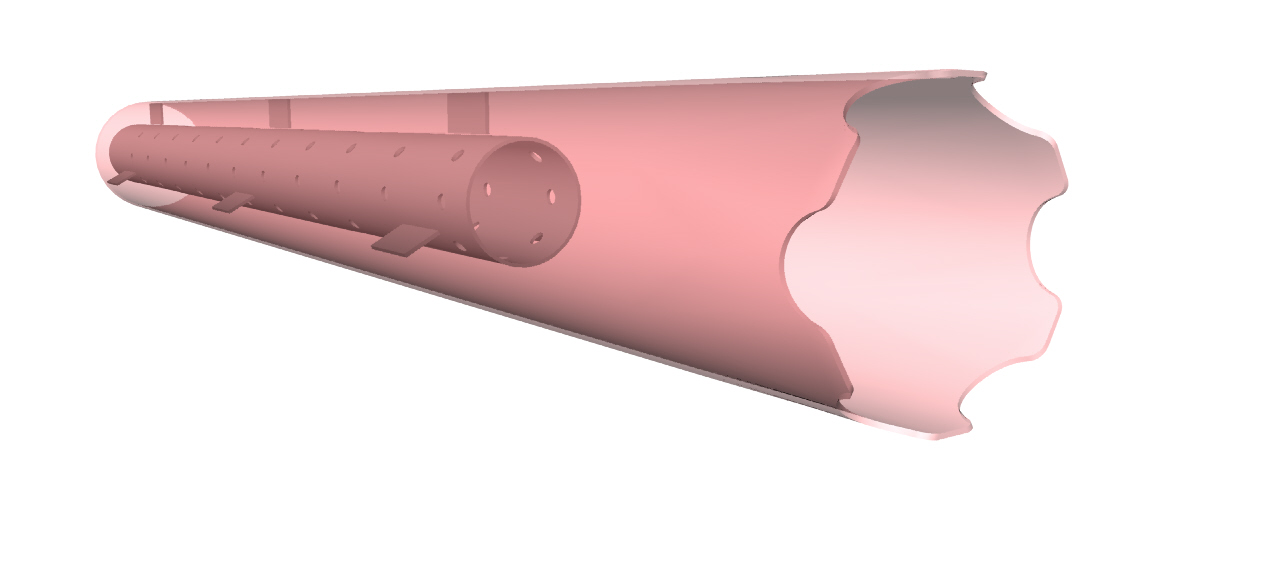
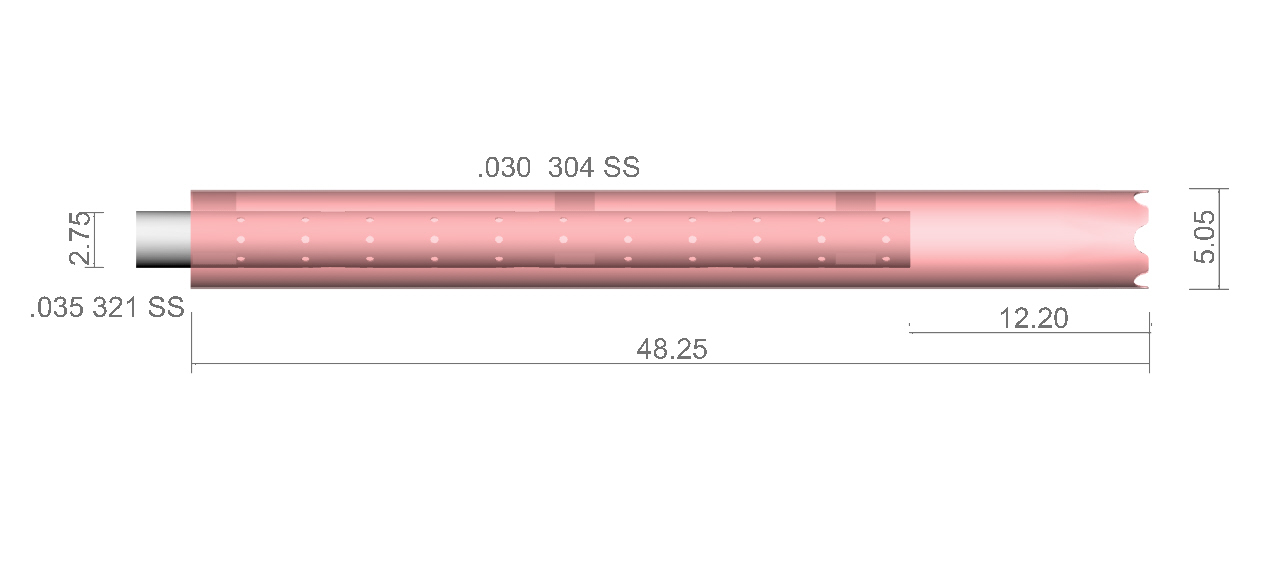
cracks. The outer casing is open at both ends. The inner tube
is cooled by the slipstream flowing between to the tubes..
Paul Lamar
--
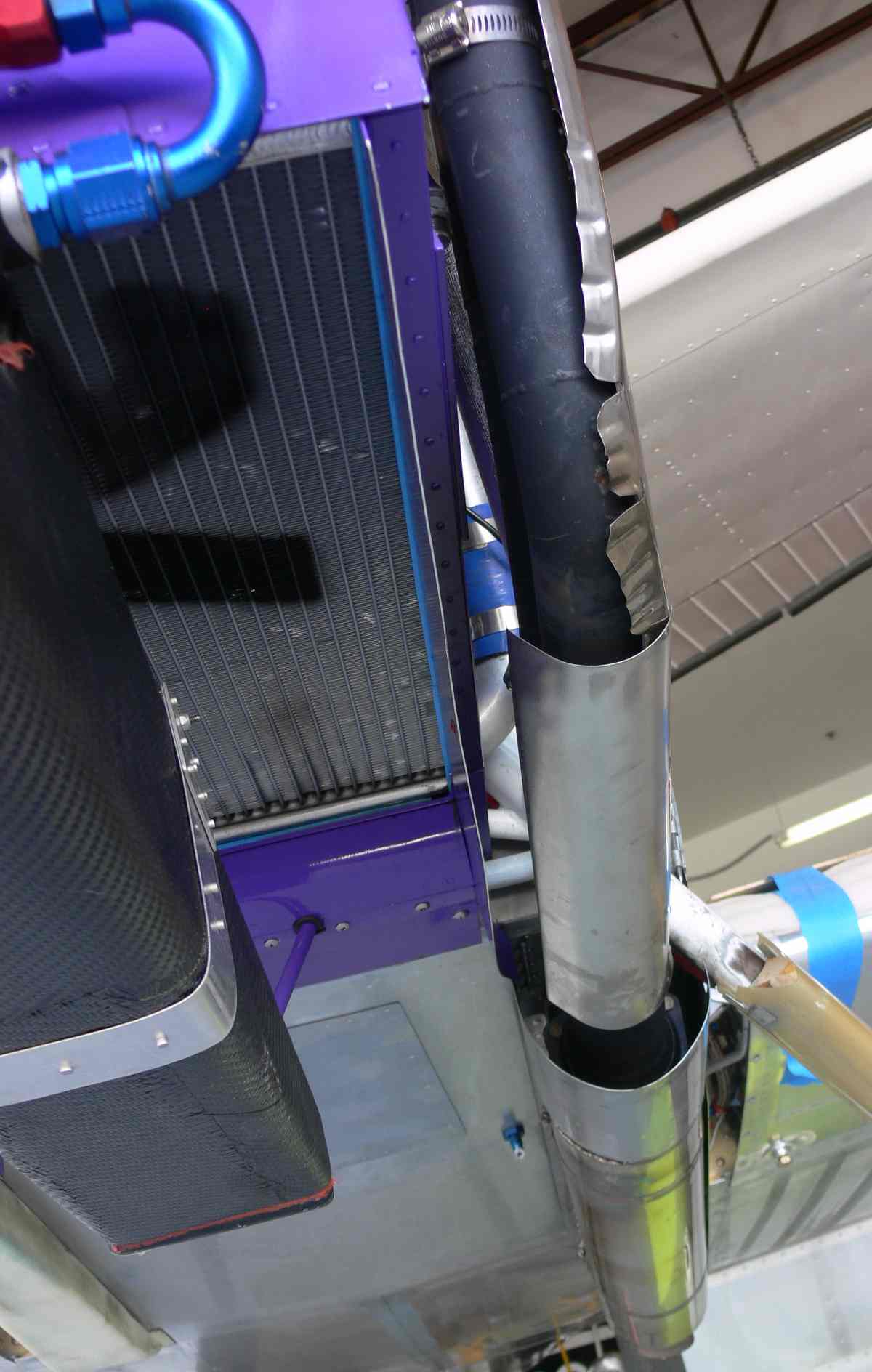
I did try the coaxial muffler. It was quieter, but the egt's went
up and I lost 20+ mph on the top end. I'm considering trying the
muffler Tracy is running on his 3-rotor. Its called an aero-turbine
muffler. Only problem is OD. I'll have to build a new exhaust manifold
in order to fit it inside the cowl. Did I mention, for aesthetic
reasons, I don't want a muffler hanging on the belly of my Lancair?
Mark
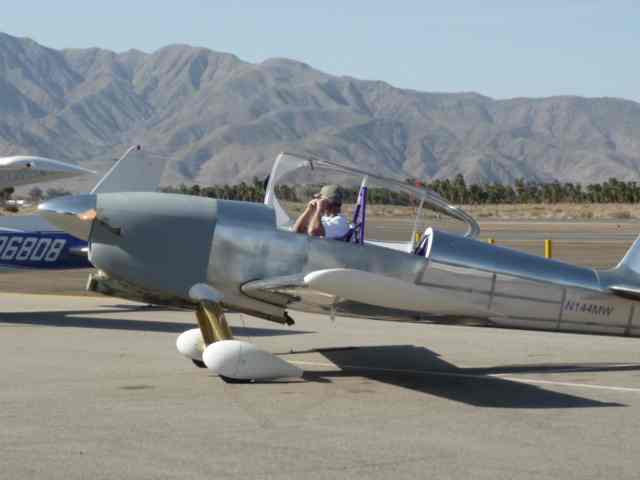
How could the EGT's go up. How could you lose 20 MPH. Something is
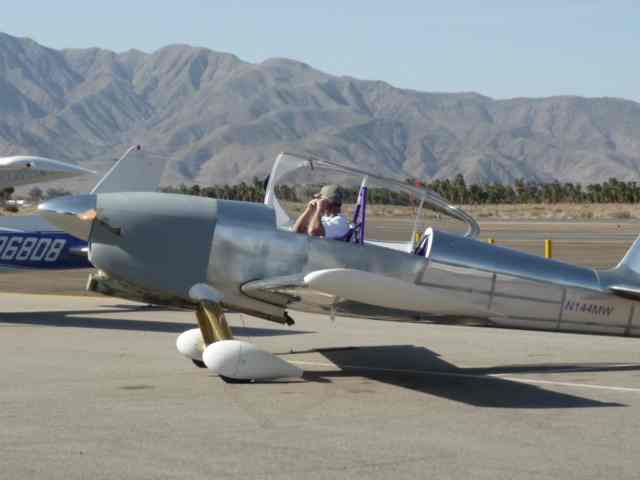
wrong. Got any pictures.
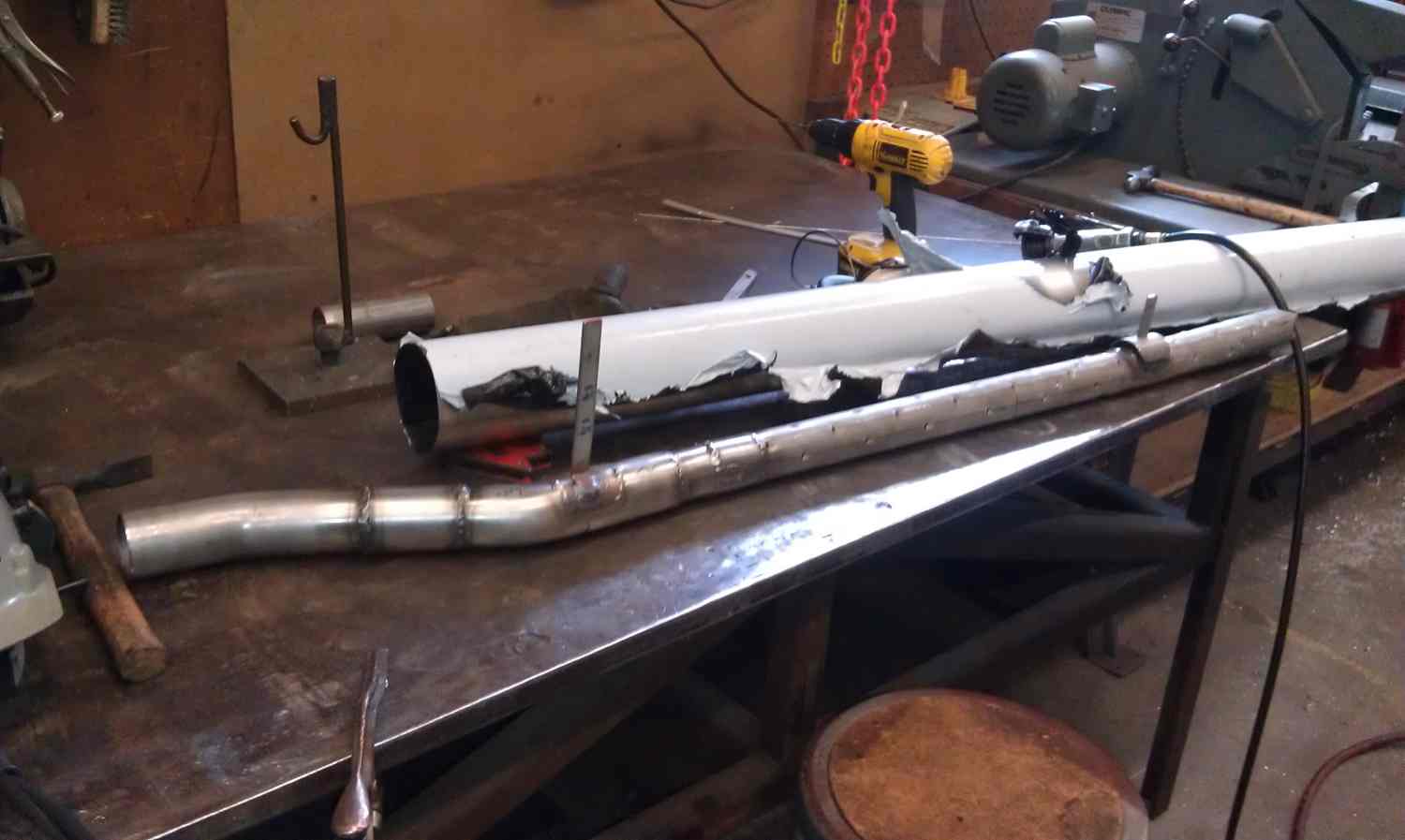
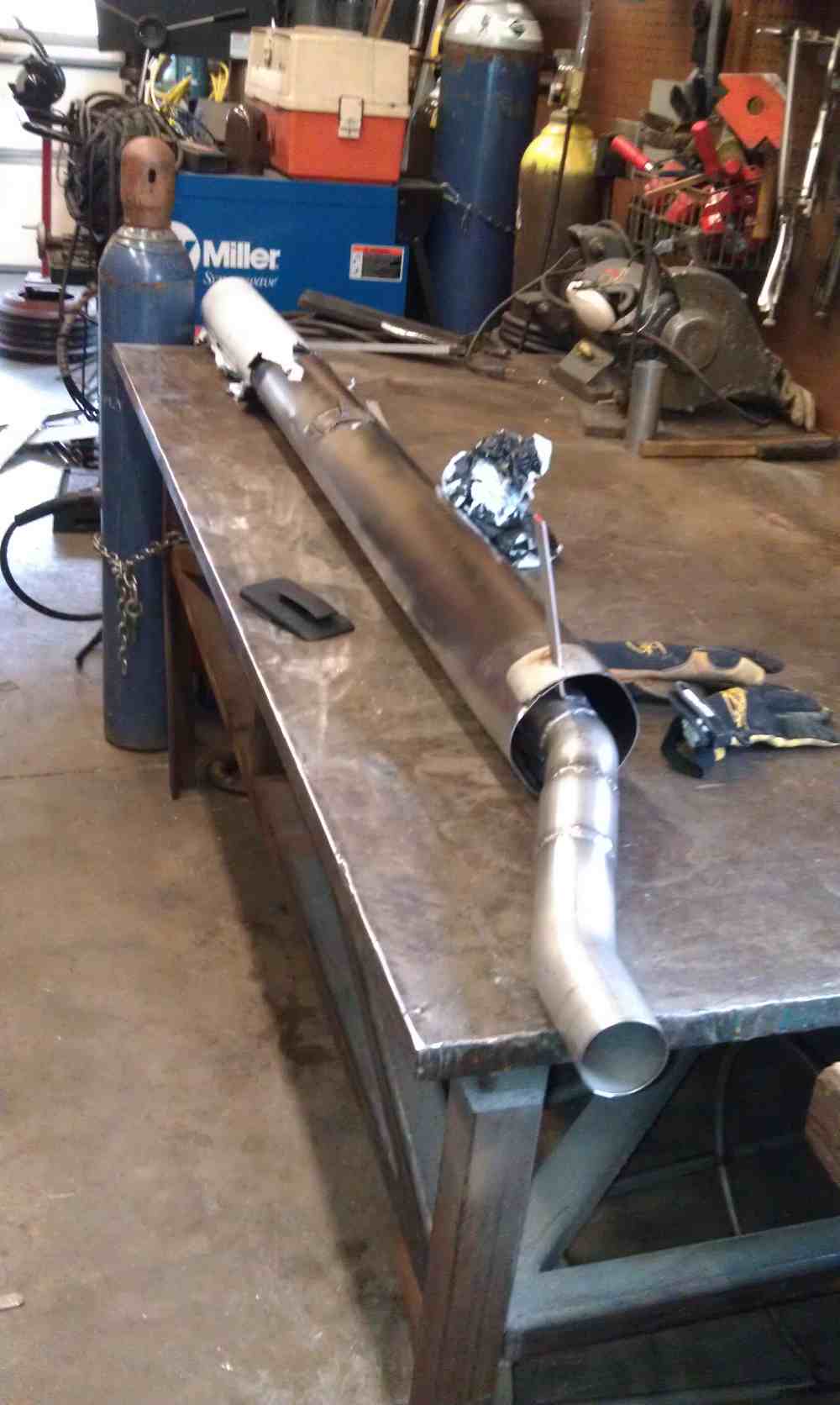
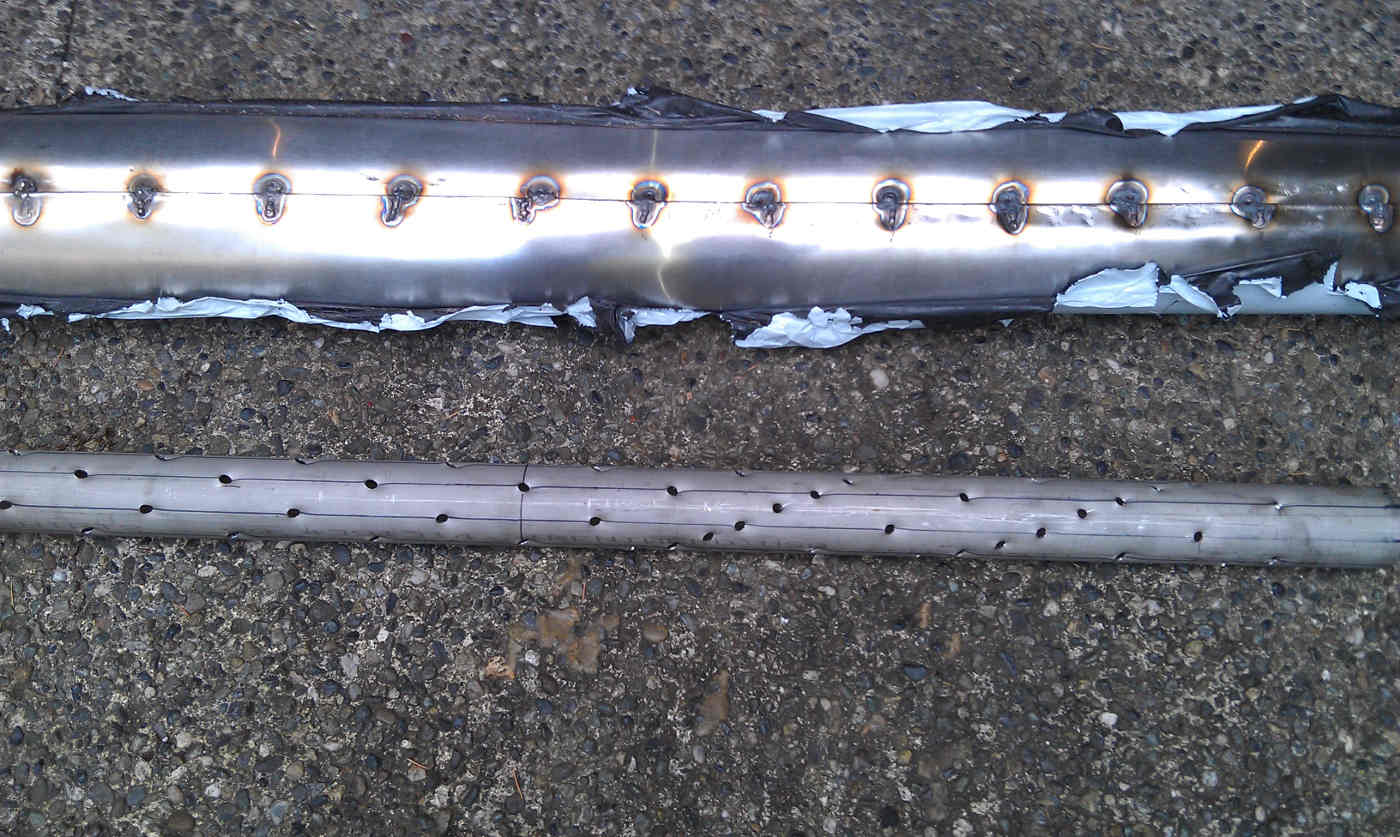
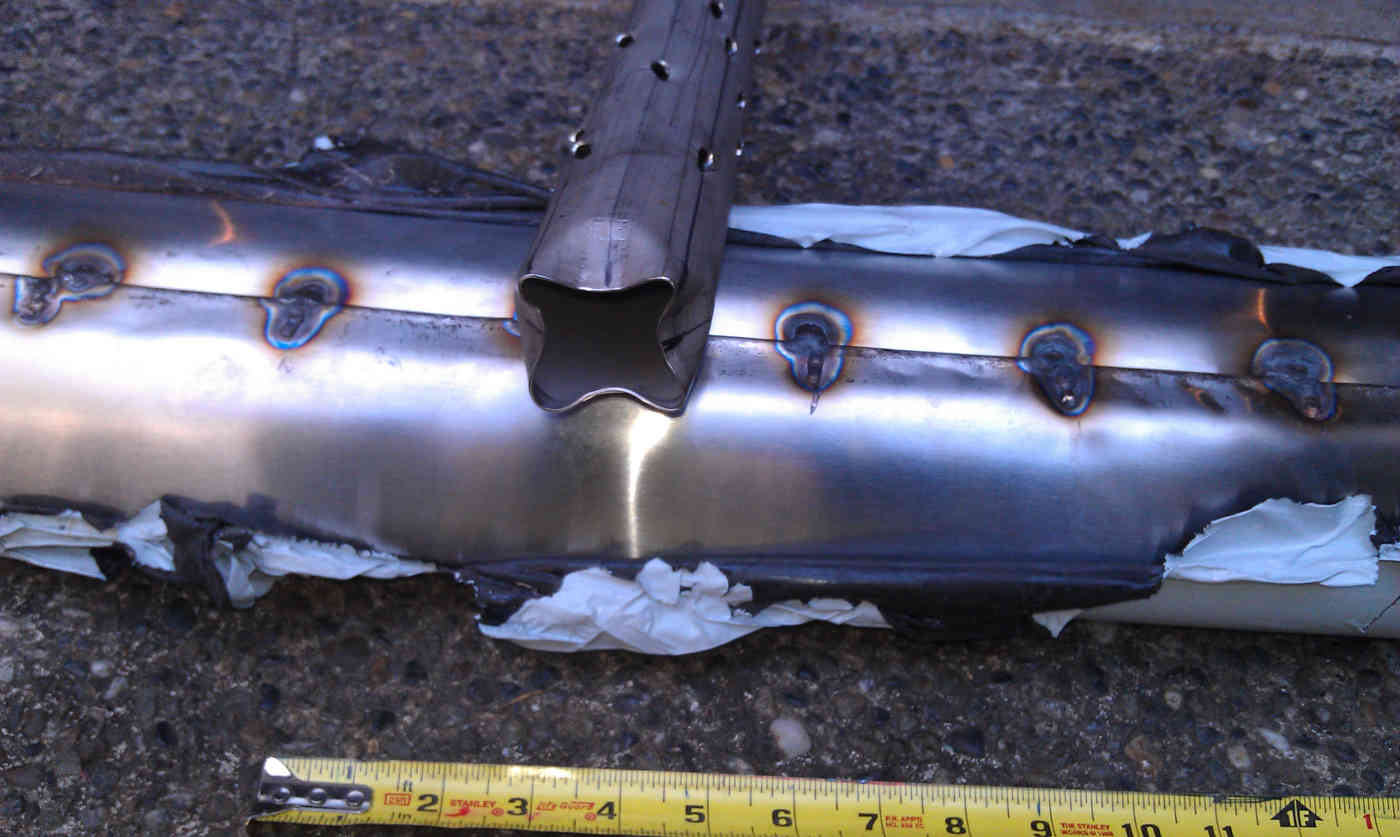
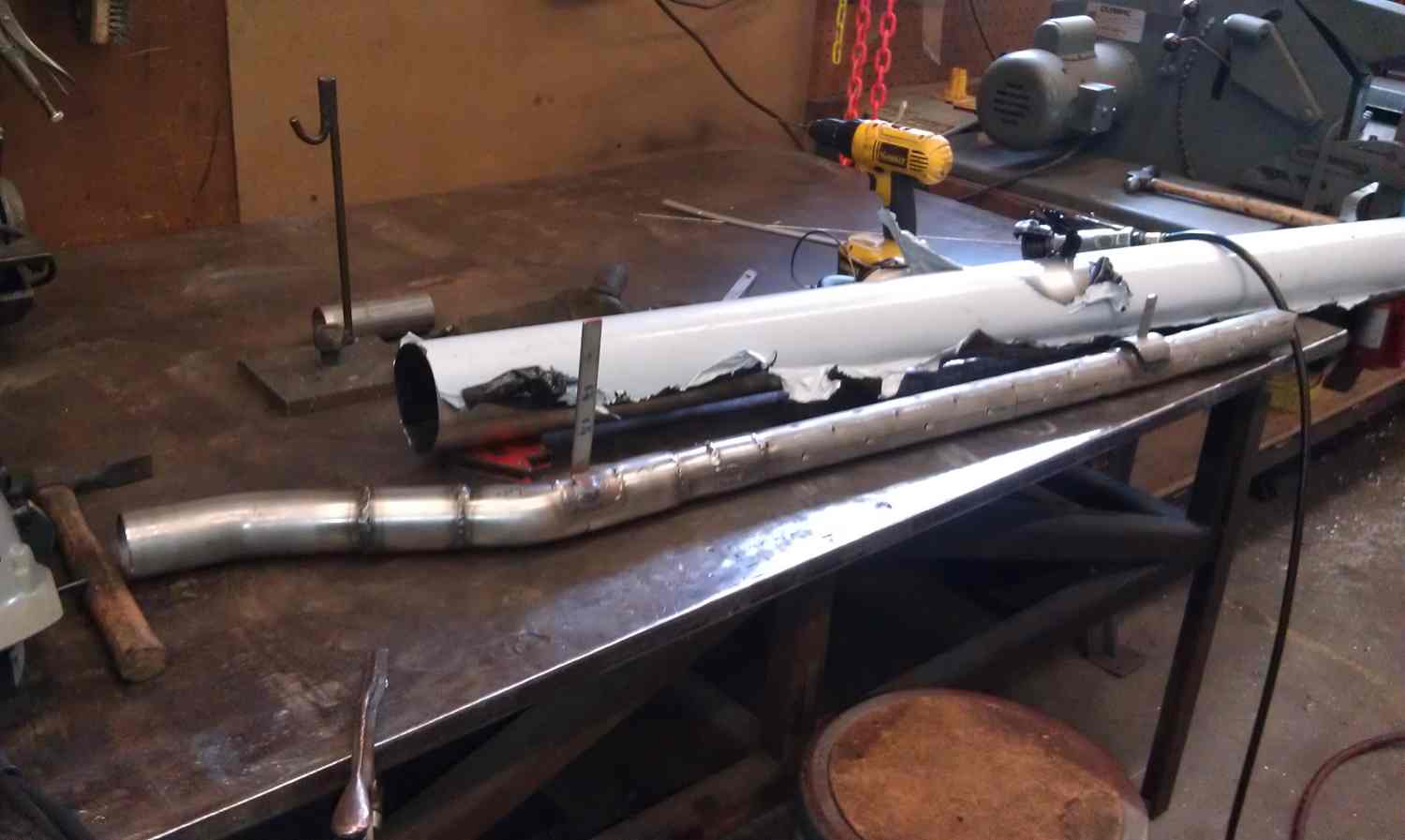
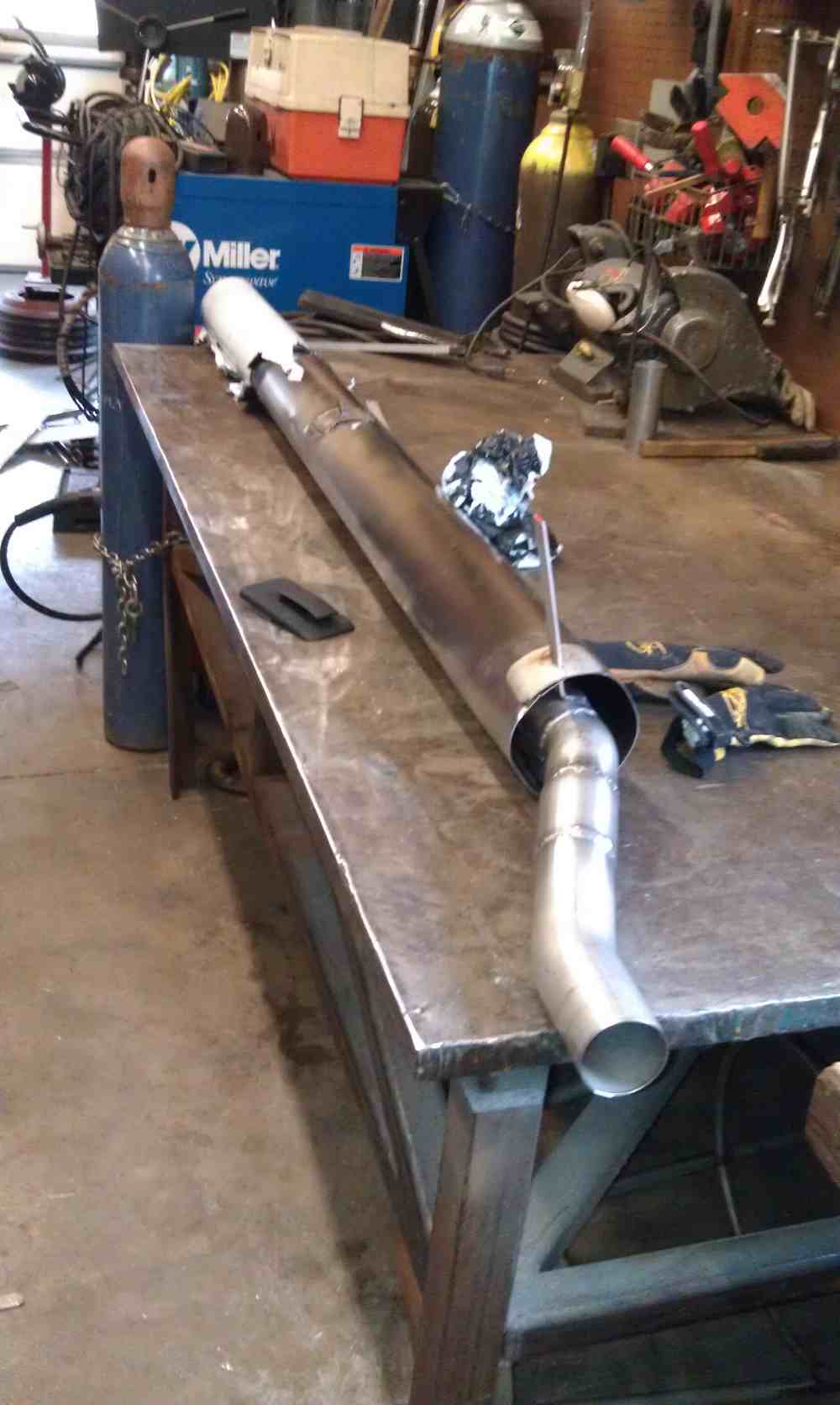
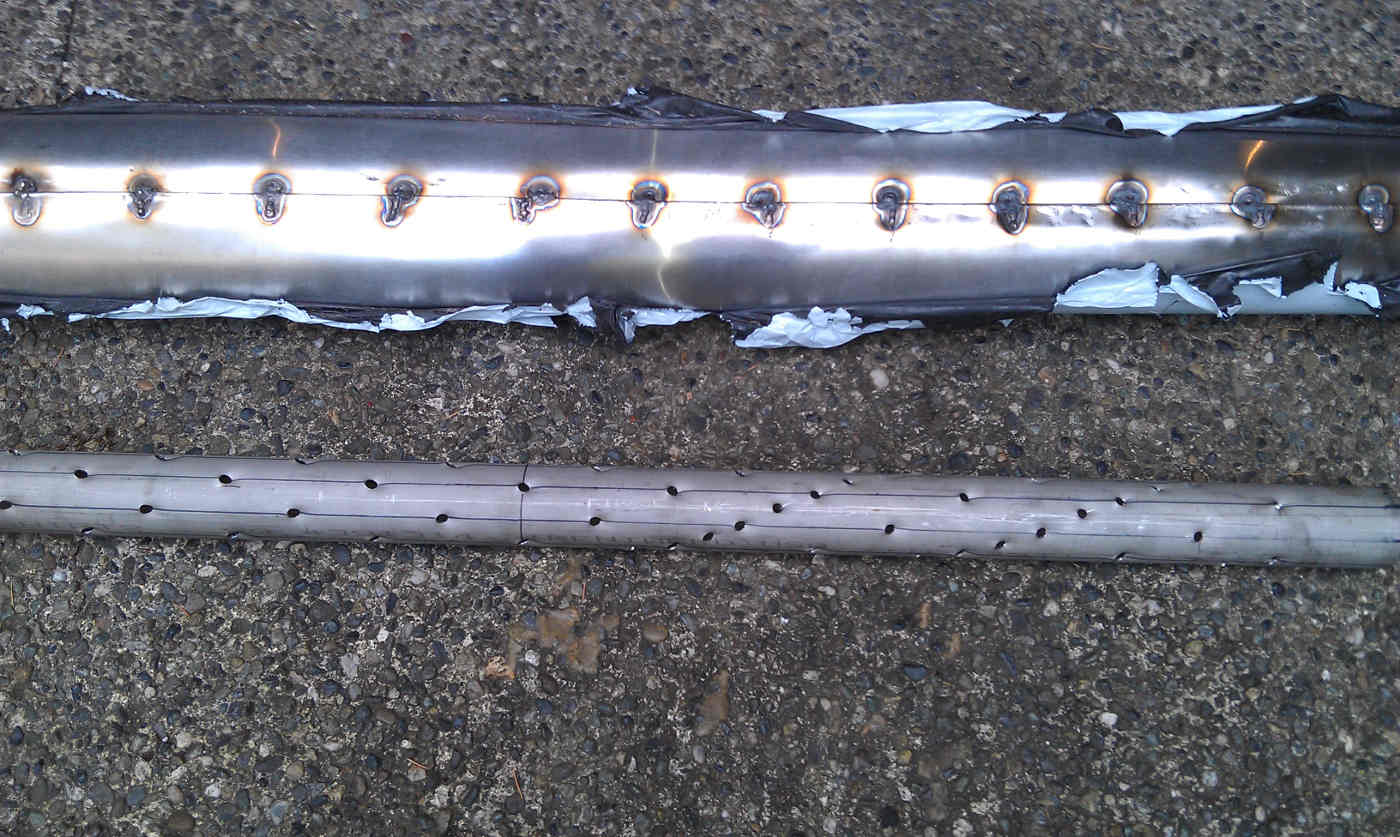
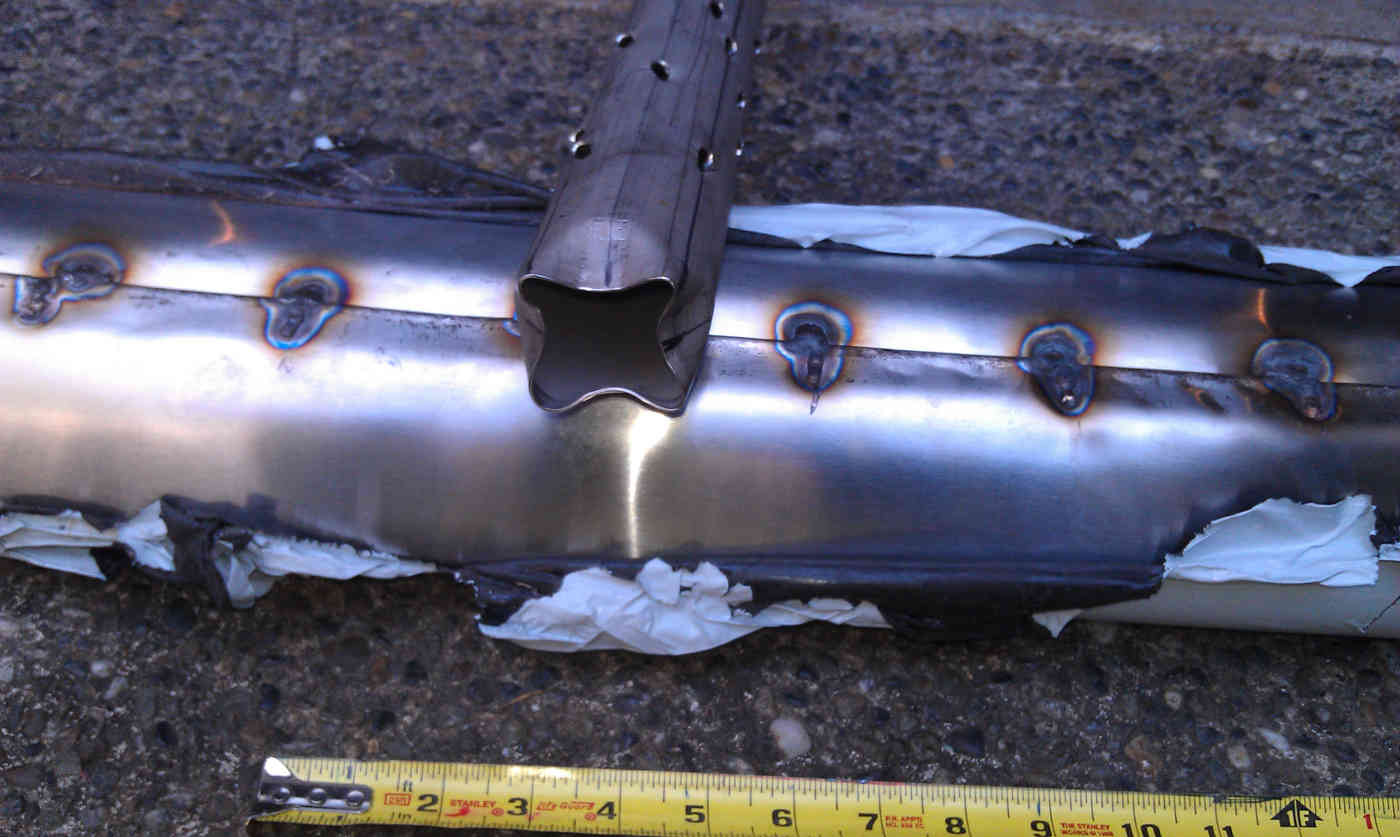
It is just an long open 2.5 inch pipe with a lot of small holes in it.
Did you weld the inner pipe closed at the end? If so your not supposed
to do that. If you still have it drill a big hole with a step drill in
the end cap and try it again. It probably has the lowest back pressure
of any muffler. In theory it has very
low drag as there is essentially no frontal area except for that of the
center pipe. The slip stream is
free to flow down between the inner pipe and outer pipe. This air is
energized by the 300HP worth of
hot air from the inner pipe generating some thrust. That is how
augmenters work.
It can be made to look like part of the airplane if you use a U shaped
outer pipe.
Like Mike Wills RV4 only longer.
On your current muffler you can measure the back pressure with a water
manometer.
Weld 3 foot of brake line tubing to the exhaust pipe so it cools off
before it gets to the water
manometer.
Paul Lamar
The Rotary Engine News Letter. Powered by Linux.
ACRE NL web site.
http://www.rotaryeng.net
You Tube
http://tinyurl.com/beqqxas
Copyright 1998-2013 All world wide rights reserved.