As I understand it they are dangerous in cross wind landings.
I have a friend with one that refuses to fly under sever cross wind
conditions.
--
Hi Paul, it's been a while but I still enjoy following the list. I've
read the first 15 responses to the question at hand and thought I'd just
reply to the original post.
Okay, I've got a few hundred hours in an RV-4, not a tremendous amount
compared to some, but a few. It's been a while now, but, 80 mph
touchdown speed is NUTS. I hesitate to ask, but, what RV instructor up
here told you to land an RV-4 at 80?? This sounds more like an air show
stunt. If you've got a long prop on the original short gear and try that
you'll be trimming your prop tips if you don't grease the landing due to
the nose down angle (using flaps). When Everett Hatch had that 84" prop
on one of his early rotary installations on his RV-4 he had to land
gently on all three, and he had taller gear made just for that install.
I fly (flew) final at 60-65, landed much of the time on three points and
the plane wasn't done flying. The RV-4 will do a full stall landing,
full flaps, with the tail wheel on the ground first. If I'm solo the
mains are still almost a foot in the air.
If you want to do a wheel landing fly the mains on at 55-60.
I routinely landed on the numbers and turned off at the first taxiway
900 feet from the threshold (no wind) when I was based at UAO (Aurora,
OR). VanGrunsven designed the RV-3 and -4 to be able to land in 650 feet
without much drama. If I came down final at 80 it was because I wanted
to land at the OTHER END of a 6000 foot runway.
When I made the flight through the Caribbean every landing was a cross
wind. Runways out there are built not with the prevailing winds but
prevailing real estate. Not unusual to have a 30 degree crab angle 40
feet from the deck and kick it straight for TD. Usually the winds
dropped off that close to the ground and it was a non issue. Here's the
story I wrote about the trip back in 2000 (gawd has it really been that
long ago).
http://home.teleport.com/~jmpcrftr/Index2.htm
All that being said, I would always practice crosswind landings when
given the opportunity. I have exceeded the crosswind capability of the
RV-4 on occasion. In strong crosswinds use the brake on the downwind
side to help keep it straight. Coincidentally its downwind rudder that
also helps keep it straight. I'm talking about a 15 kt crosswind
component here. It would skid a bit and get pushed toward the downwind
side of the asphalt but these planes can land so short you don't need
much runway to pull this off.
Rudder blanking? On a sport aerobatic plane? Kinda tough on spin
recovery don't you think? I used to enjoy practicing the "falling leaf"
maneuver. Take it to 7 or 8,000 feet, slow it into a stall and just use
the rudder to keep a wing from falling. Left wing starts to drop, right
rudder to keep it up. It works beautifully. I'm not a rated aerobatic
pilot. Never had any formal aerobatic training. This sort of thing helps
you get the feel of the plane.
My RV-4 weighed 950# with an O-320 and metal prop. 927# with a wood prop
and obviously more aft CG. VFR plane with minimal radios and
instruments. On the Caribbean trip I was running a gross weight of 1550#
with two souls, tools, and baggage.
Having owned four Cessnas and two C-182s, these planes aren't like the
RV-4. When I first got the RV I flew with two fingers on the stick for a
few hours until I got the feel of it. Compared to the Cessnas (that
handle like trucks) this was an airplane with a light touch but terrific
feel that tells you what its doing all the time. Think of it like
getting out of a box van and into a sports car. More sensitive but much
more capable.
Gusting crosswinds are a challenge in any airplane and none of us are
getting any younger. I've never come across any landing in the RV that
made me wish I had a nose wheel.
Okay, I've got that off my chest. Apologies for the rant. Standing down now.
Blue skies,
Mike
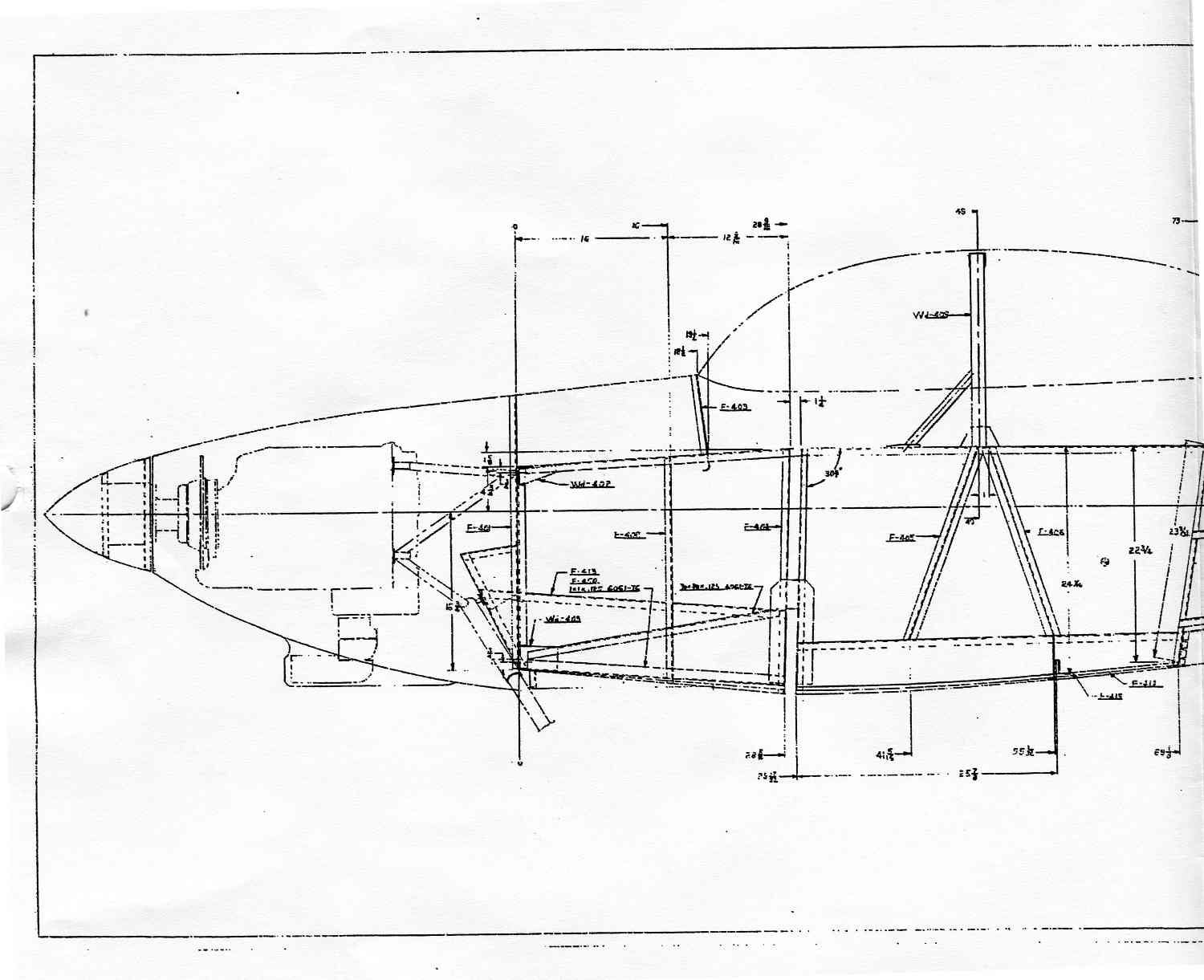
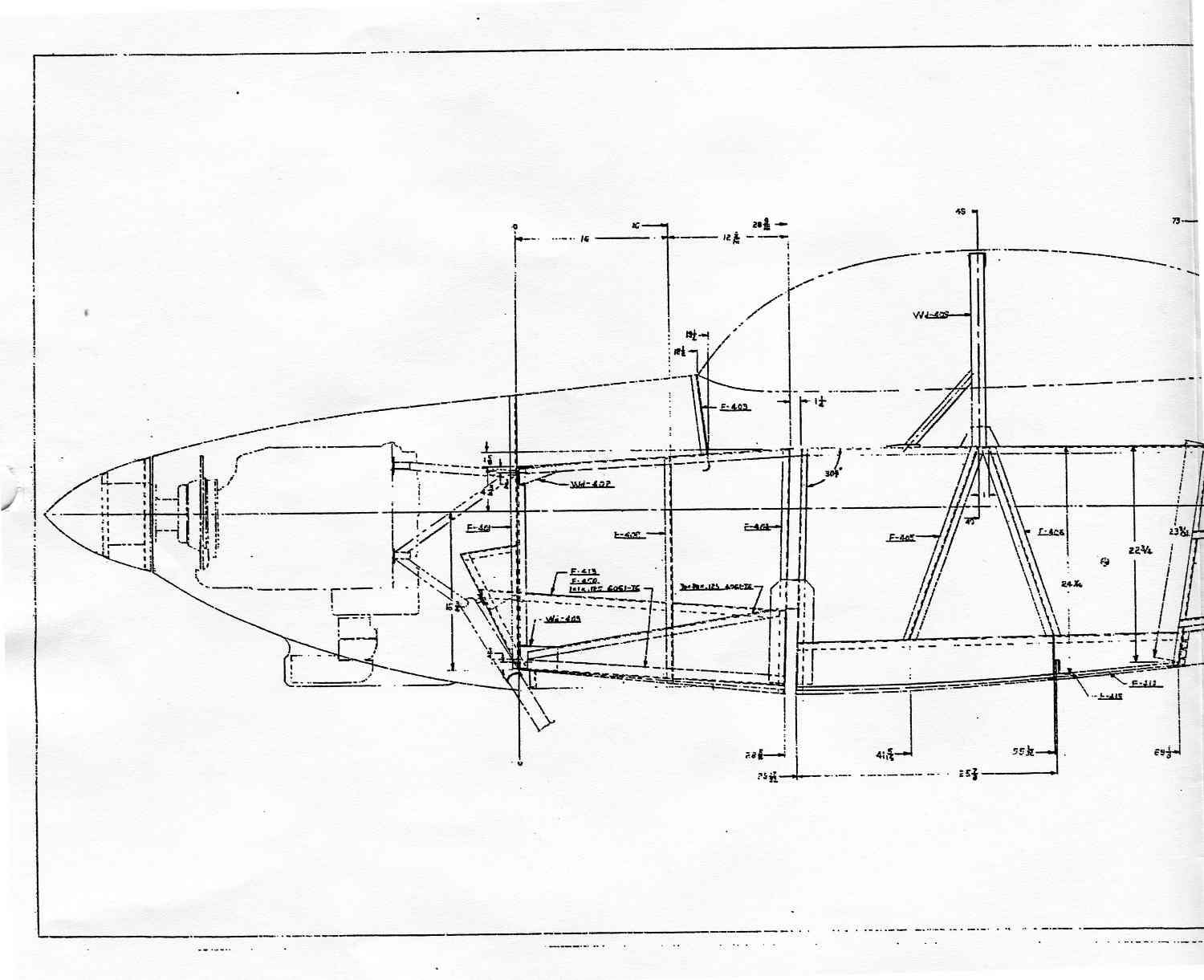
PS: The nose gear mount on 3-wheeled RVs is part of the engine mount.
The RV-4 would need a redesign on the engine mount and main gear mounts
built into the fuse right about where the passenger's feet are supposed
to go.
Mike & Diana
..at large somewhere on the planet..
Thanks for your thoughts Mike.
I would rather not reveal his name . The 80 MPH may have been over the
fence.
He is not a very bright person as he got all upset when I mentioned a
helical
slip stream affecting the rudder. He did not know what a helix was.
He told me to never land a RV4 full stall or 3 point. He insisted I wheel
land all the time. I landed his RV6 full stall once and he said that was
a good
"Cessna" landing.
I felt I wasted the money paying him to train me to land
an RV4.
So you don't think the ruder is blanked. I have one opinion that it is
and now
yours that it is not.
So the rudder is effective in slow flight one or two MPH above stall?
Good news as I will not have to add rudder area. I still have to beef
it up and balance
it if I swap out the side port engine for a 250 HP p-port. I have heard
too many
horror stories about tail failure on the early RV's due to speeds above
the VNE.
One guy in Canada was chasing some one else with a movie camera and
not paying attention to the VNE. The tail came off and he died. I think
there is an NTSB report.
Dave Leonard went 232 MPH at Reno 2011 with his turbo rotary RV6 with
out a balanced rudder. Some guy came over to the hangar and warned us
about the RV tail failure history. With an O-320 you won't have that
problem :)
I flew back to Sun n Fun with Tracy Saylor from SZP so I have some air
time but
not much landing time. Tracy would not let me land it :) He did ironically
warn me about the VNE one time when I was descending for a landing but
he himself
did 238 MPH in the Sun 100 with a beefed up tail. Worlds fastest RV6 to
date.
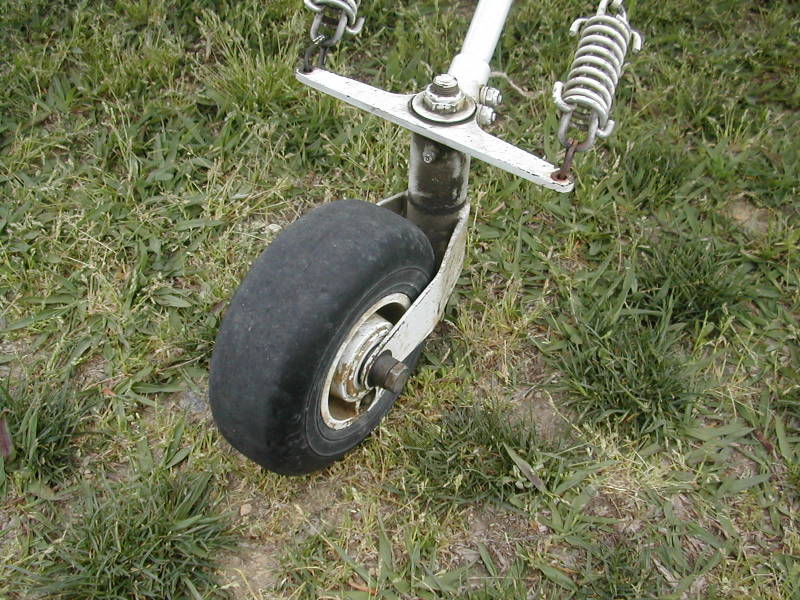
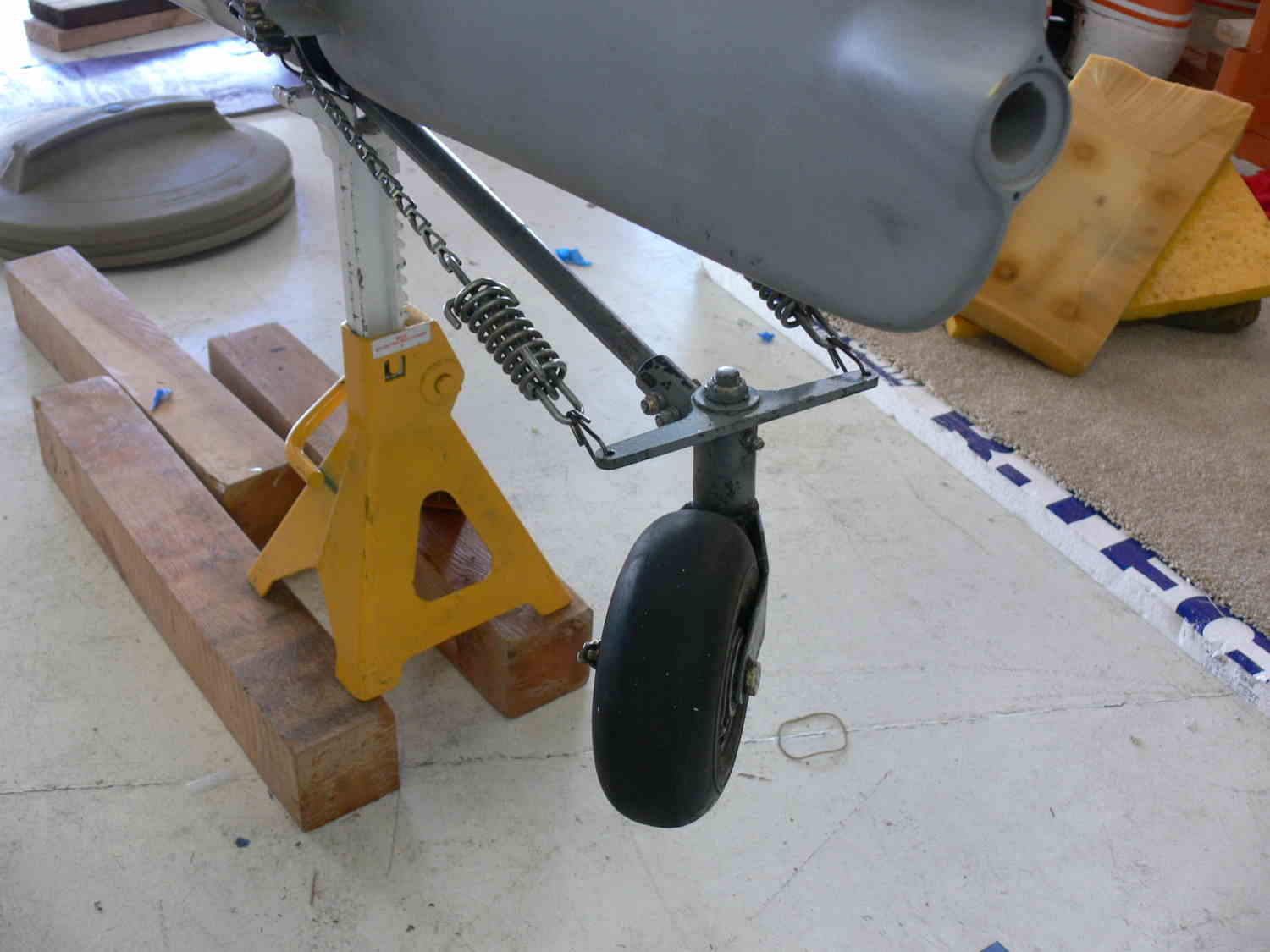
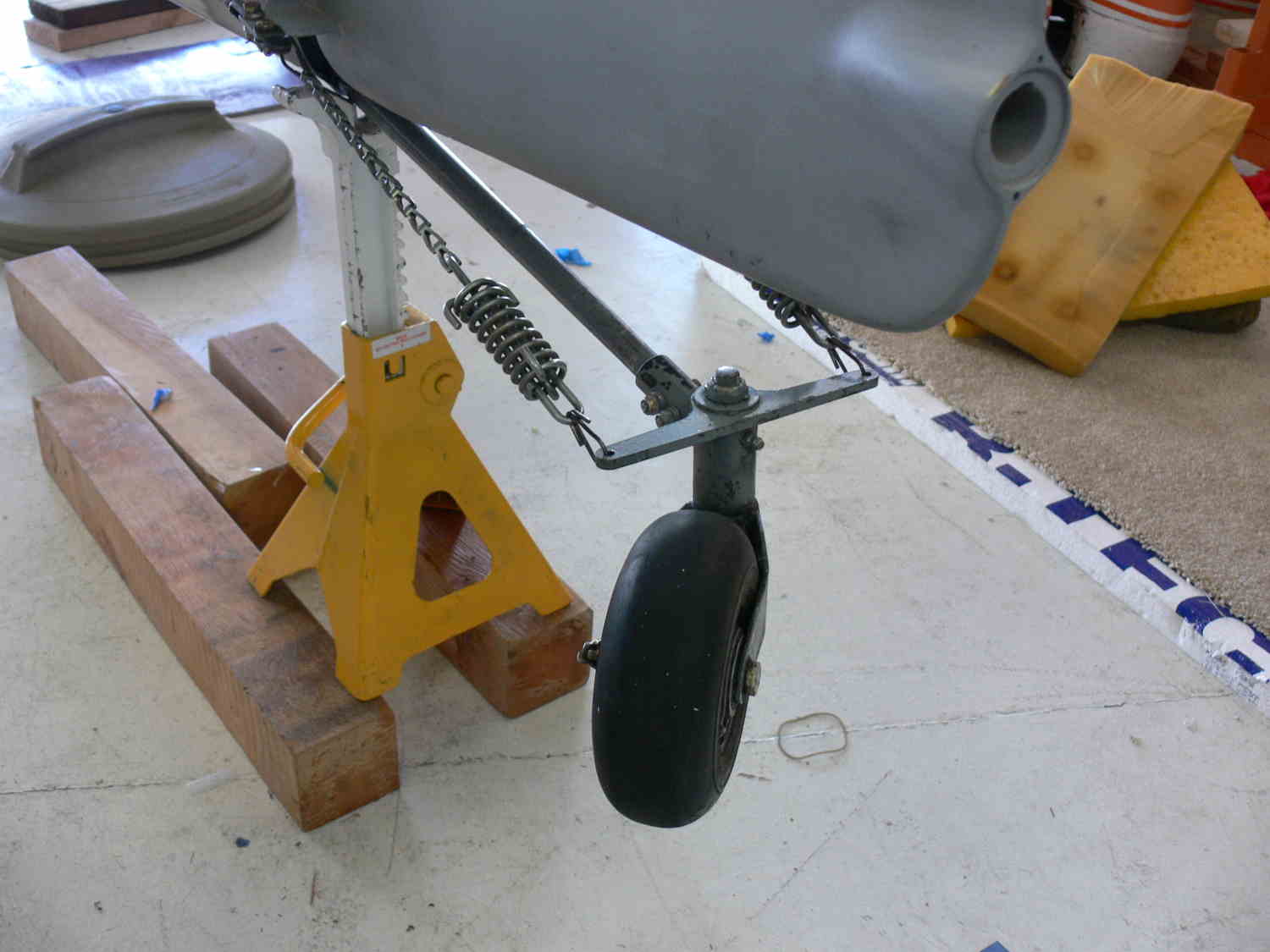
What I would like to have is a full lock on the tail wheel with out
locking the
rudder and then move a lever so the tail wheel is then steerable with
the rudder pedals. Do you know of any such device? I might have to
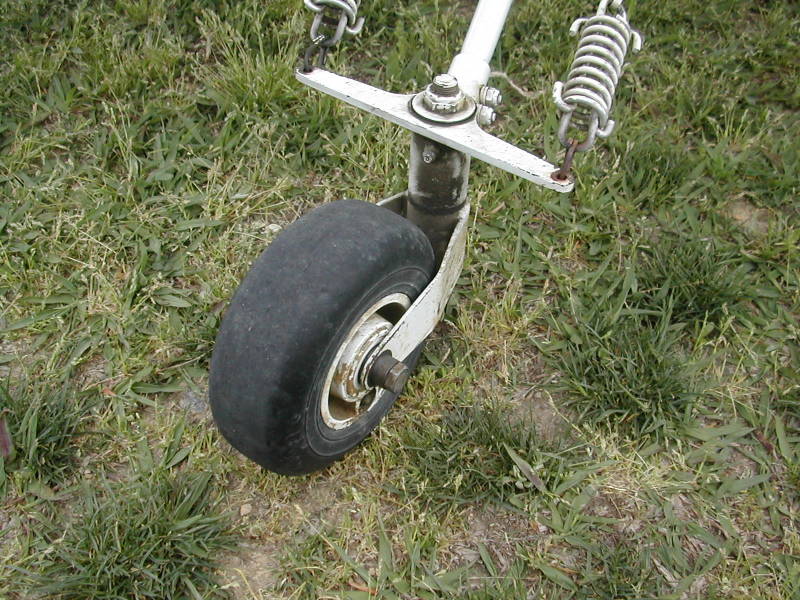
design and machine my own. This is what I have now. It goes into
full swivel when you kick it out of attachment to the rudder.
I would not however trust it to stay locked to the rudder in a tail wheel
first landing.
The battery is in the baggage compartment so the space between my feet
is available
for nose gear structure.
Paul Lamar
--
The Rotary Engine News Letter. Powered by Linux.
ACRE NL web site.
http://www.rotaryeng.net
You Tube
http://tinyurl.com/beqqxas
Copyright 1998-2013 All world wide rights reserved.