Hi rotaryeng
Can someone please assist with a technical question regarding a RX8 4
port low power manual engine 190 bhp engine will be used in
helicopter.
We would like to find out what the rotational inertia is so a damper
can be designed for the pulsation
Also can someone clue me up regarding the purchase of aluminium end
plates, where to purchase and what should the cost be,
Would very much appreciate your assistance
Kind regards George
Kind Regards George Crooks
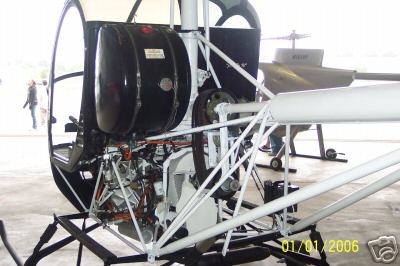
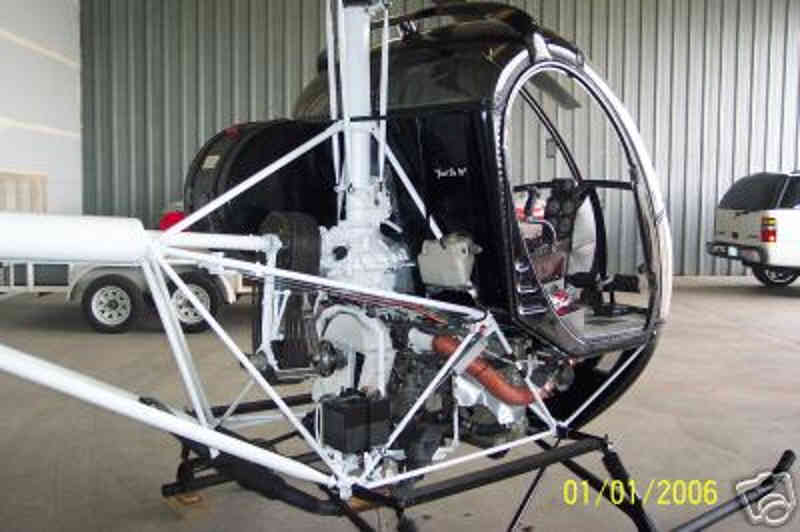
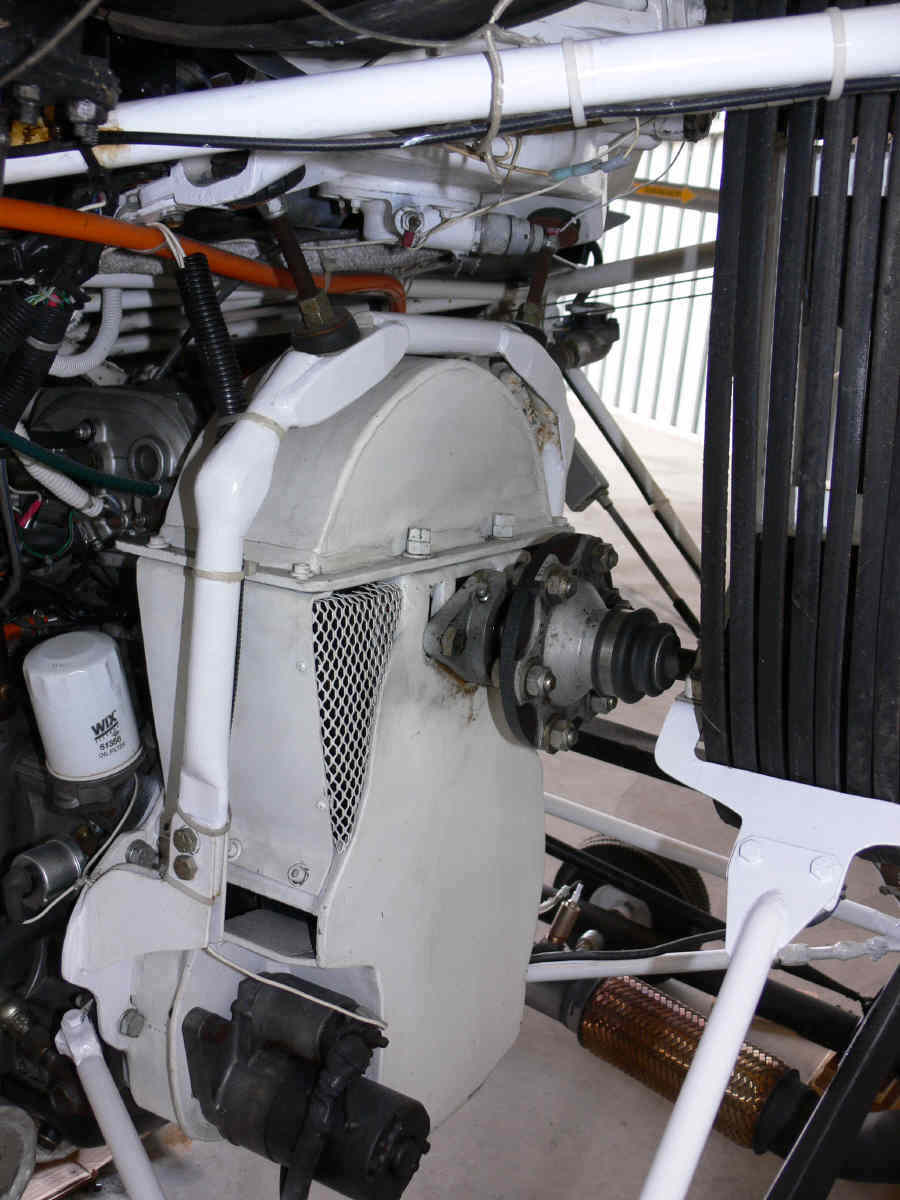
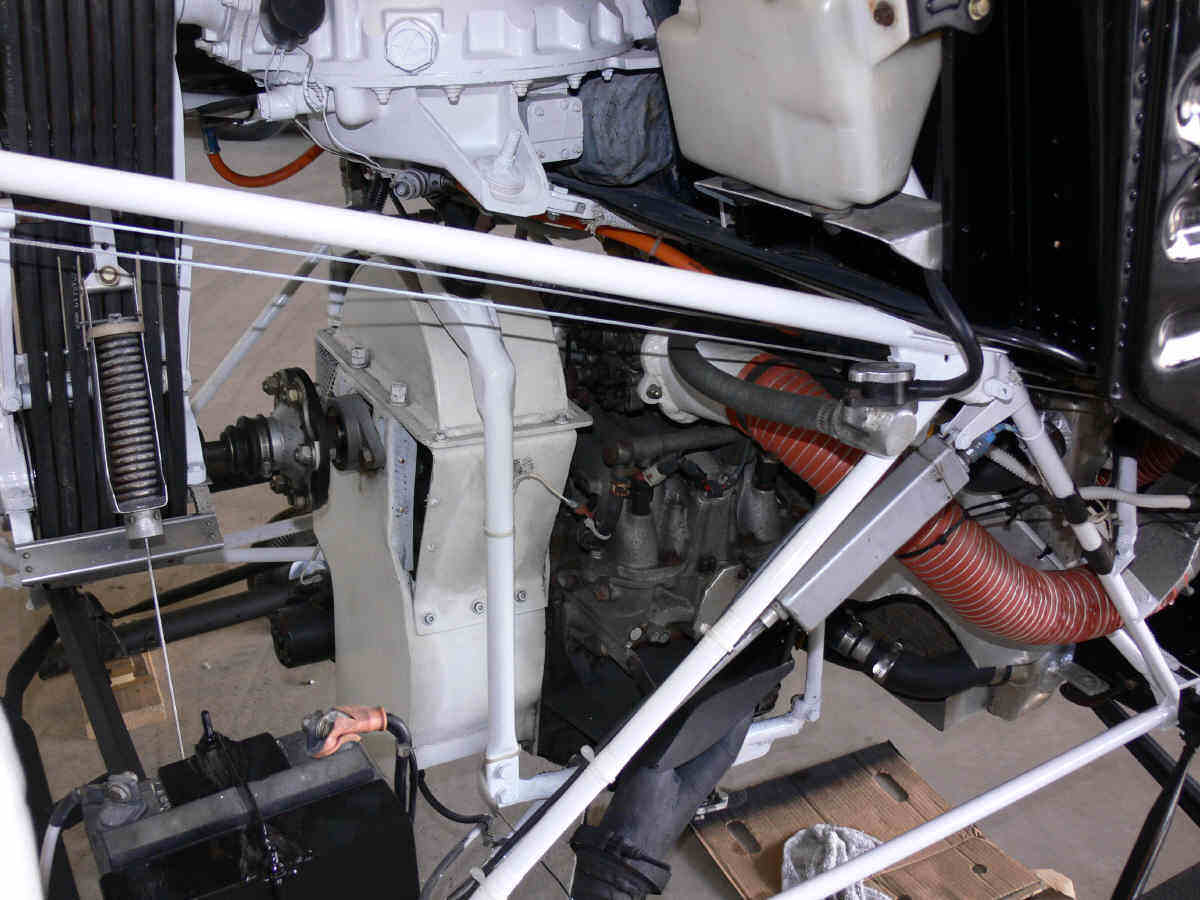
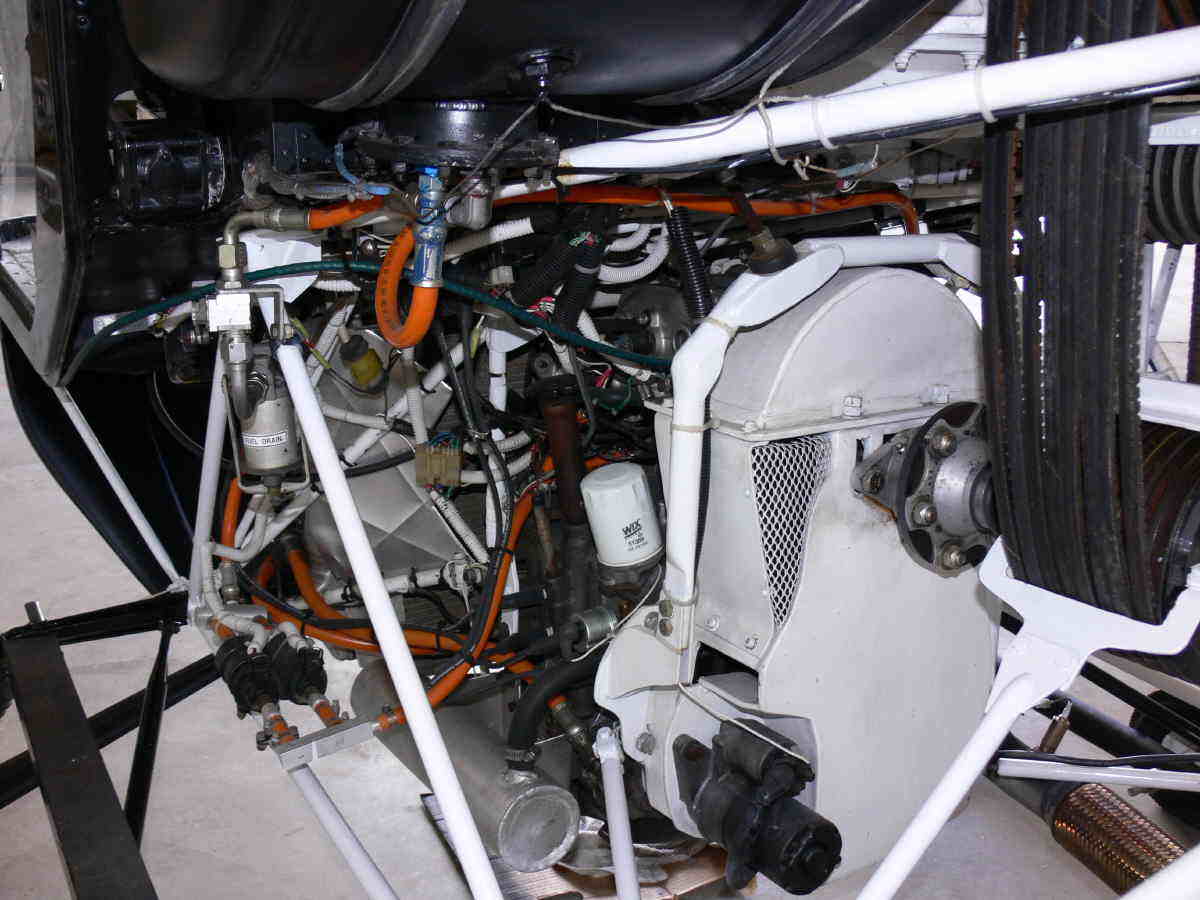
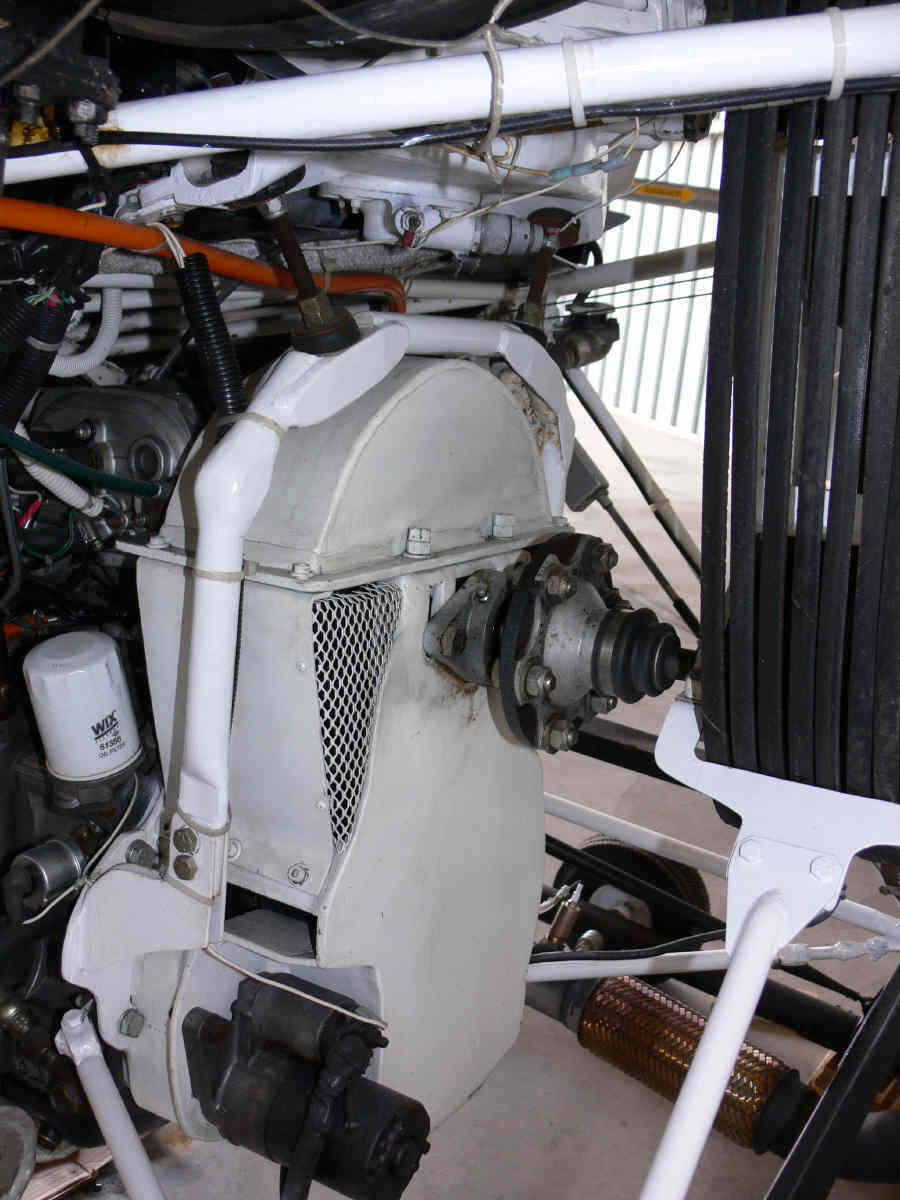
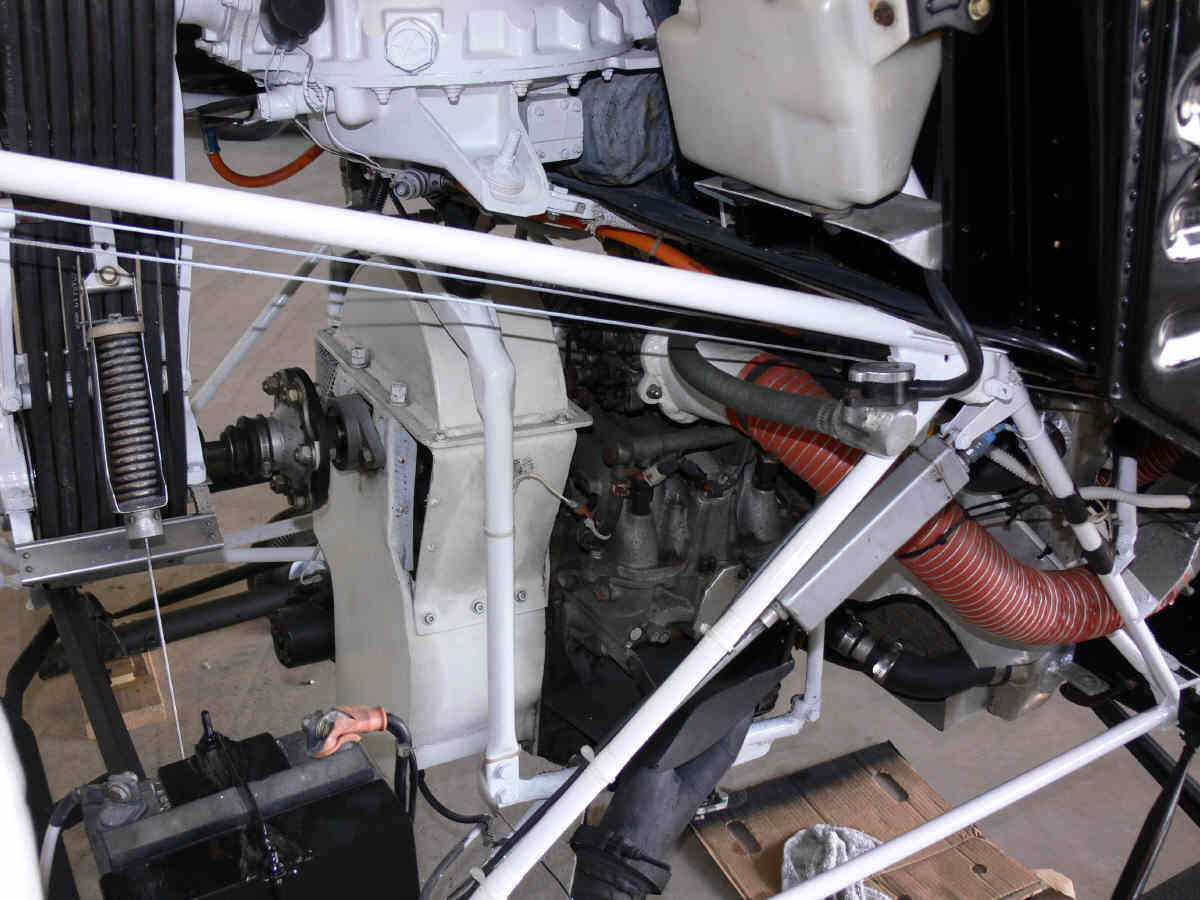
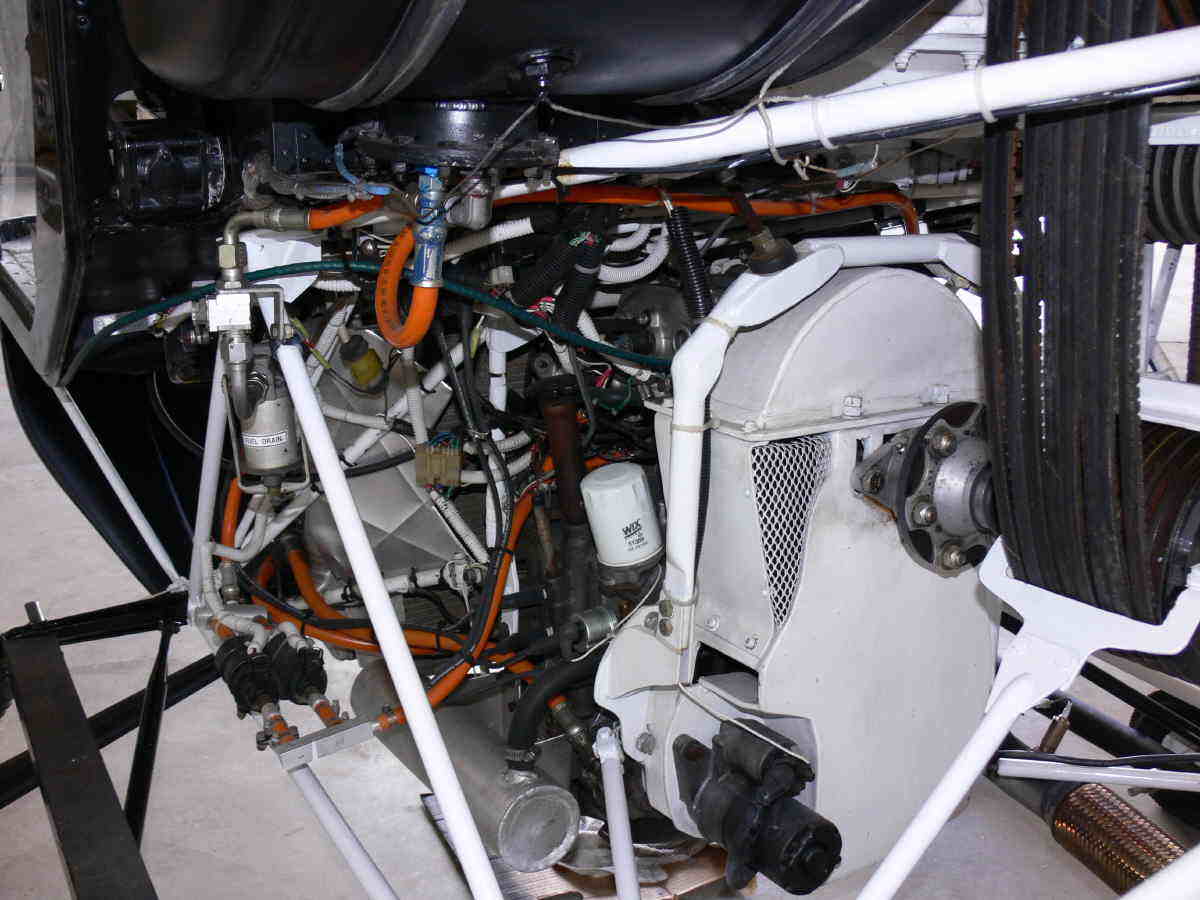
I have no idea on the rotational inertia but here is a coupling
design that has evolved from years of experience.
Aluminum end plates are available from Racing Beat.
http://www.racingbeat.com/RX7-1993-1995/Rotor-Intermediate-Housings.html
They are peripheral exhaust and do not use the RX8 side exhaust.
In that case you might as well sell the 4 port RX8 engine and buy a
3rd gen RX7 engine and base it on those rotor housings, e-shaft and
rotors.
I recommend p-port intake as well. In that case you will have 250 HP
to work with at 7500 RPM.
Paul Lamar
--
George, If you have a 3D program I can send you an IGES of the
coupler.
Paul Lamar
I was told by a relative, working in the aeronautical engineering
field, that helicopters are highly complex and extremely difficult
to design, and the people that are known for being able to design a
working helicopter are very few, and known to everybody in the
industry.
A French engineer having proven his expertise in helicopter design
had an argument with his employer, in certain businesses, nobody
would hire you if you leave another company in the field, as this
may result in transmitting know-how, patents and other industrial
secrets to competitors, and when the Spanish govt knew this, it was
in the 60's, they hired that expert who built several models of
helicopters, if I remember well, under the mark 'AISA', for
Industrial Aeronautics in Spanish.
Around 1986, I made a car trip for reasons of work from Madrid to
Oviedo (Asturias) and while passing next to a wreckage-recycling lot,
I saw one of these helicopters standing among the many cars there.
I ignore completely the final destination of this piece, and as roads
changed since then, it would be extremely difficult finding the place
again, but a similar thing seems having happened with at least one of
the prototypes of Wankel powered Corvettes, that was bought by a
British writer when it was about to be put into pieces, and is shown
in local Wankel lover's meetings, but never making the engine run,
previously, two GM Wankel powered Corvettes were at exhibition in the
Ford's Dearborn Museum in Detroit, at least, it were there in March
1988.
I read somebody stating that these Wankel Powered Corvettes, one
with two, and the other with four rotors, won't be allowed today
going on roads or streets, as none of two met the rules about
headlights.
Regards. Salut †
Jose Gros-Aymerich Madrid, Spain
Hello Jose Gros-Aymerich, and all who may be interested
I trust my mail finds you well in health and in good spirits
There are monuments of all kind in backyards all over the world, it
goes without saying that if I fail to plan properly then it can be
said that I have planned to fail.
With that said there is a poem that suits the situation it is called
"the bridge builder" available on the internet and worth a read if
you like simple wisdom, if not and only here for self
benefit, my suggestion is don't bother
Projects fail for all sorts of reasons and I accept your comments as
very valid and as you might notice that failure happens to companies
much, much larger than my self
I am seeking information and contacts; there are a number of
independent aeronautical engineers over the world that have
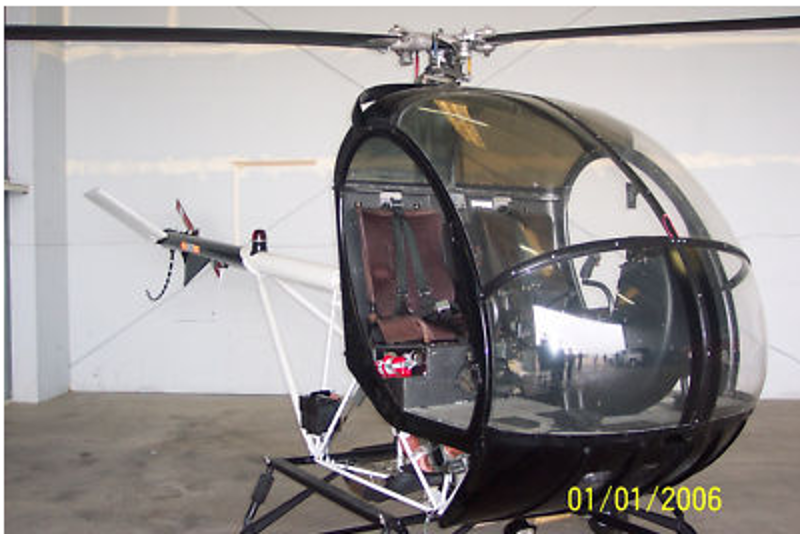
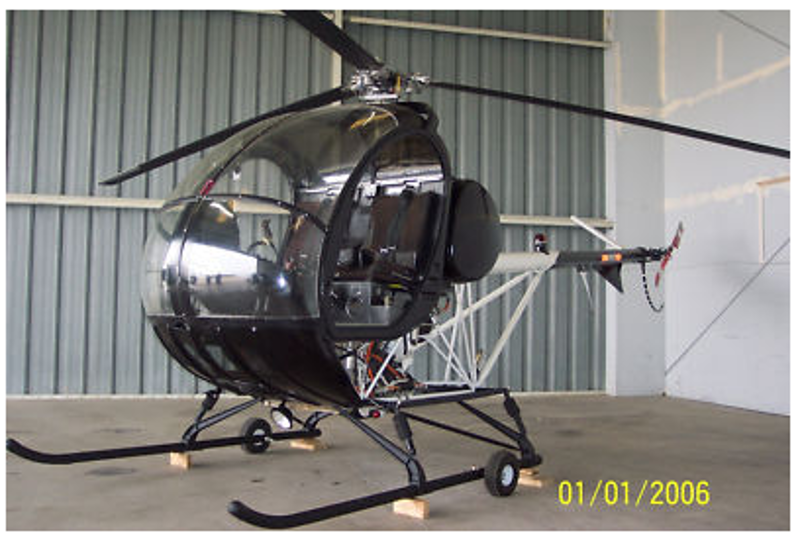
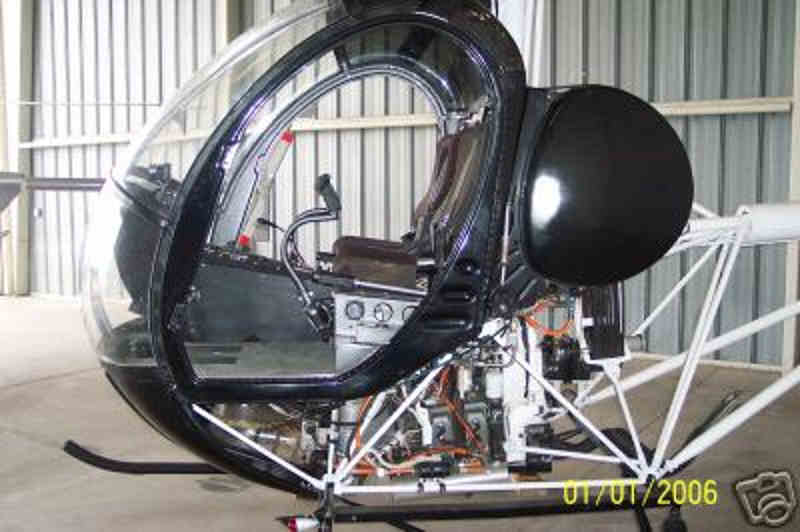
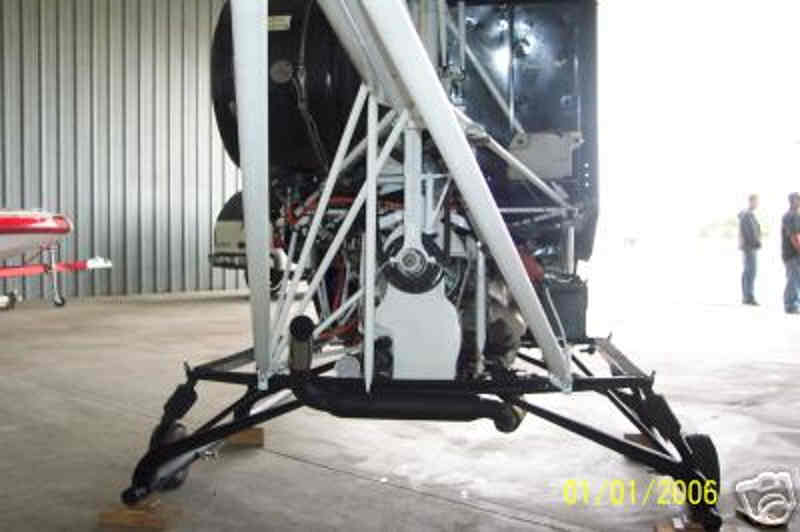
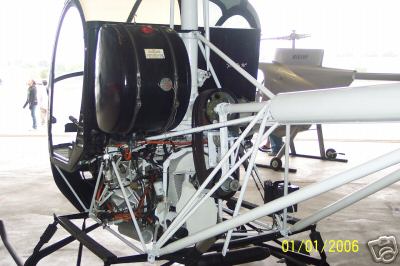
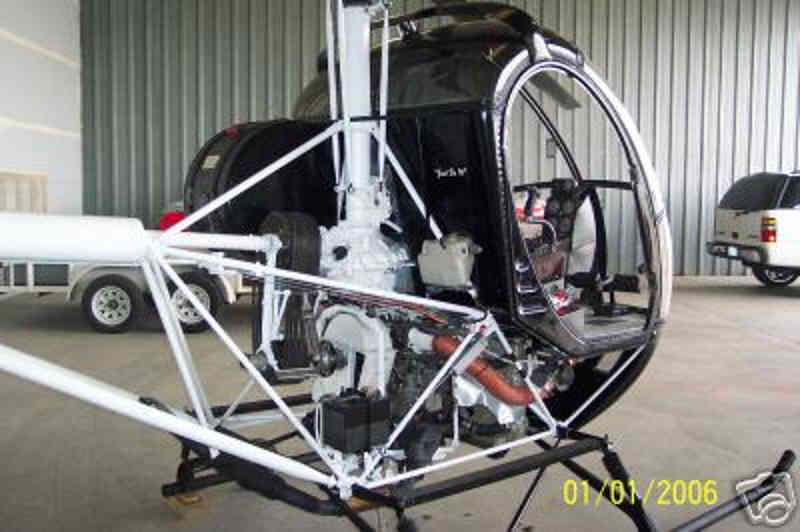
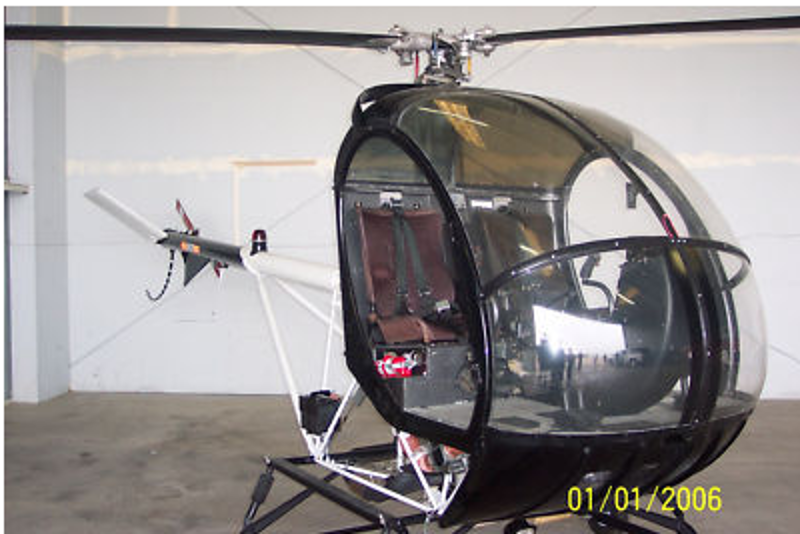
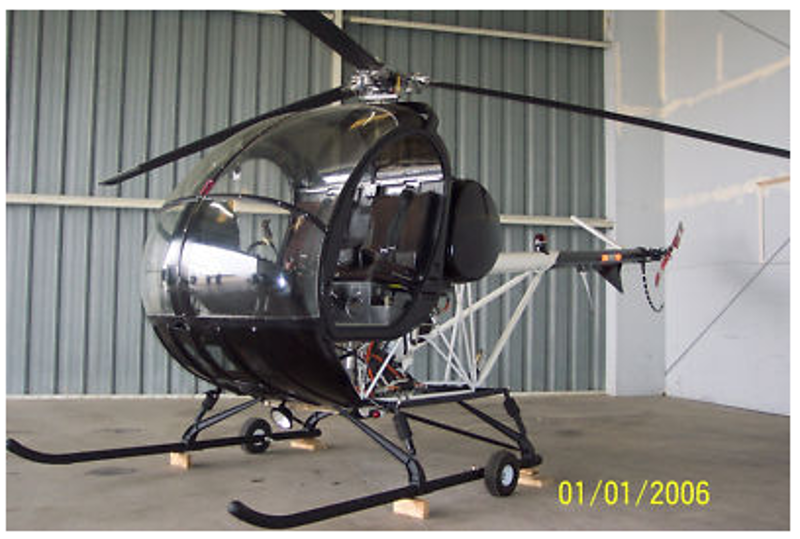
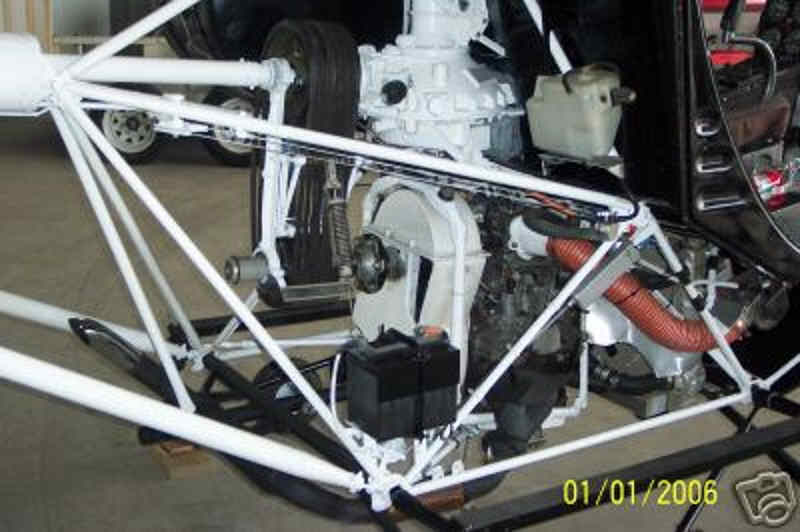
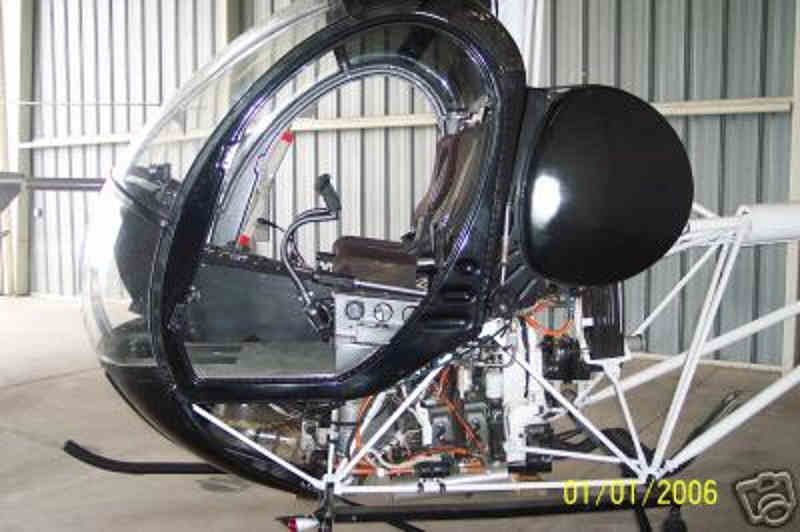
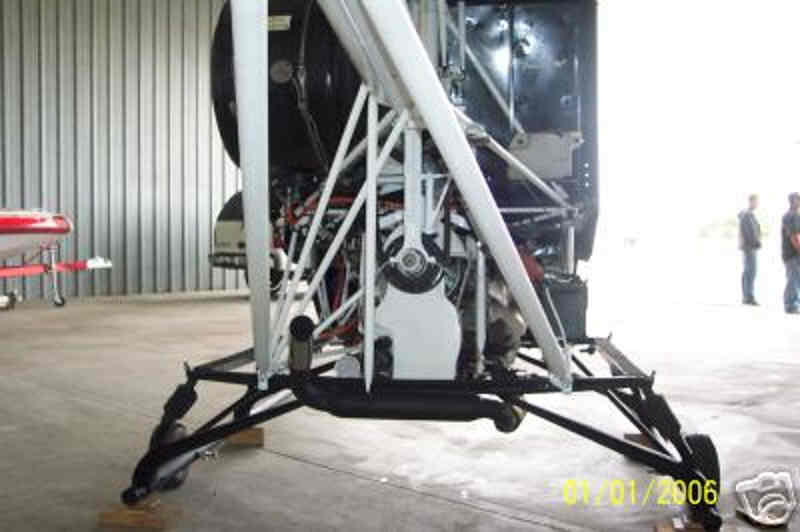
experience a variety of areas, the helicopter I am building is a
Scorpion 2 seater for which having been of 1970s technology it was a
good helicopter with many being built from kits and for sale on the
internet today, they started out with an outboard boat engine and
grew from there , there are only just a few modification that I
intend to carry out which is engine and rotor.
Right up to today popular helicopters have the power of the engine
transmitted through V belts, which have failed in the past and who
know about the future.
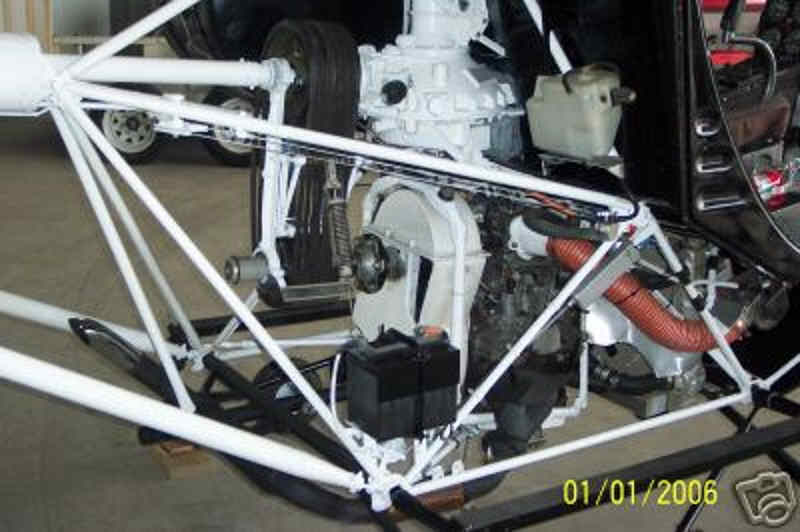
The Scorpion has V belts driving both the main rotor and the tail
rotor; I plan to make the aircraft safer by employing much safer
means of driving the rotors, and more pilot friendly.
The engineer that I am working with or will be in January will be
designing the reduction box for the helicopter , he has done this
previously for a helicopter fitted with a diesel engine, he has
advised me to change the main rotor system to one which is pilot
operator friendly,
which is a fully articulated system, he has also successfully deigned
a fully articulated system previously so thus my enquirys about the
rotational inertia of the Mazda rotary engine and again regarding
the one rotor turbo.
I have met a man who trades under the name Billet INC, (he has a
website) who builds some lovely rotary stuff a little expensive for
me, but good stuff; he is a Drag Racer and builds for that industry.
His rotary engines hold world records and as a hands on motor
mechanic for many years I can appreciate his work. He suggested that
I take a look at the single rotor rotary saying he could build a
turbo engine and get 200hp out of one rotor, most twin rotors can
obtain 400hp according to the Internet and apart from the engine I
saw on the rotaryeng site I have not located another and at Paul's
suggestion I have e-mailed Richard Sohn hoping he might answer some
questions for me.
The intent of my story is to obtain options that I can consider ,
possibly split the engineering process between one or more qualified
people and then bring the project together under the most
appropriate person to do the final stress calculations balancing ,
ground resonance effects and the engine rotor resonance , if someone
knows the rotational inertia it will save me possibly pulling an
engine apart to measure everything depending on the decisions I make
which will have to be made by January to fit in with my current
planning . I am open to constructive criticism and advice so feel
free to make comment wherever it might be helpful or beneficial to
the project, just like the “bridge builder” it is not just for me but
for the people who come behind.
Kind regards
And best wishes
George
Hi George!: you've been very kind in your response to my note, but I
missed completely the facts, it's not you designing an helicopter
from zero yourself and alone, but building an already proven project;
as the goal in my comment was making some mild mental pressure
towards consulting experts, and taking the things slowly and with
lots of wisdom, you've show you're already doing this by your
response, thus, I just want pointing that I offer you my best wishes
for success in constructing and flying a homebuilt helicopter.
By the way: the Spanish prototypes I cited, all them flew
successfully, just the whole program was discontinued because
budgetary reasons, equal as the British politician Shackleton? send
to wreckage the TSR2, or something like, supersonic bomber airplane
project. Salut
Jose Gros-Aymerich Madrid, Spain
Please check out the Schweitzer (Hughes 269 & 300) which have had the main
rotor gearbox driven by 8 V belts since 1960. The belt drive also
functions as the clutch between the engine and the trans. There is a
movable idler pulley, which was originally hand operated and later
electrified, that takes up the belt slack when it is time to bring the
main and tail rotor up to speed. To the best of my knowledge there has
never been a failure with this drive. The helicopter will fly with only 3
of the 8 belts. It also provides good dampening between the Lycoming 4
cyl. and the trans. There is also a quill shaft between the engine and
the drive pulley which provides addition torsion isolation. The quill
shaft has crowned spines at either end which allows the soft mounted
engine to move around some. All in all, it is a rugged system with
hundreds of thousands of hours (including a few years as the military's
primary trainer) and no real failures.
A belt drive for the tail rotor (Scorpion) is probably not a good idea.
Gary Knutson