Paul,
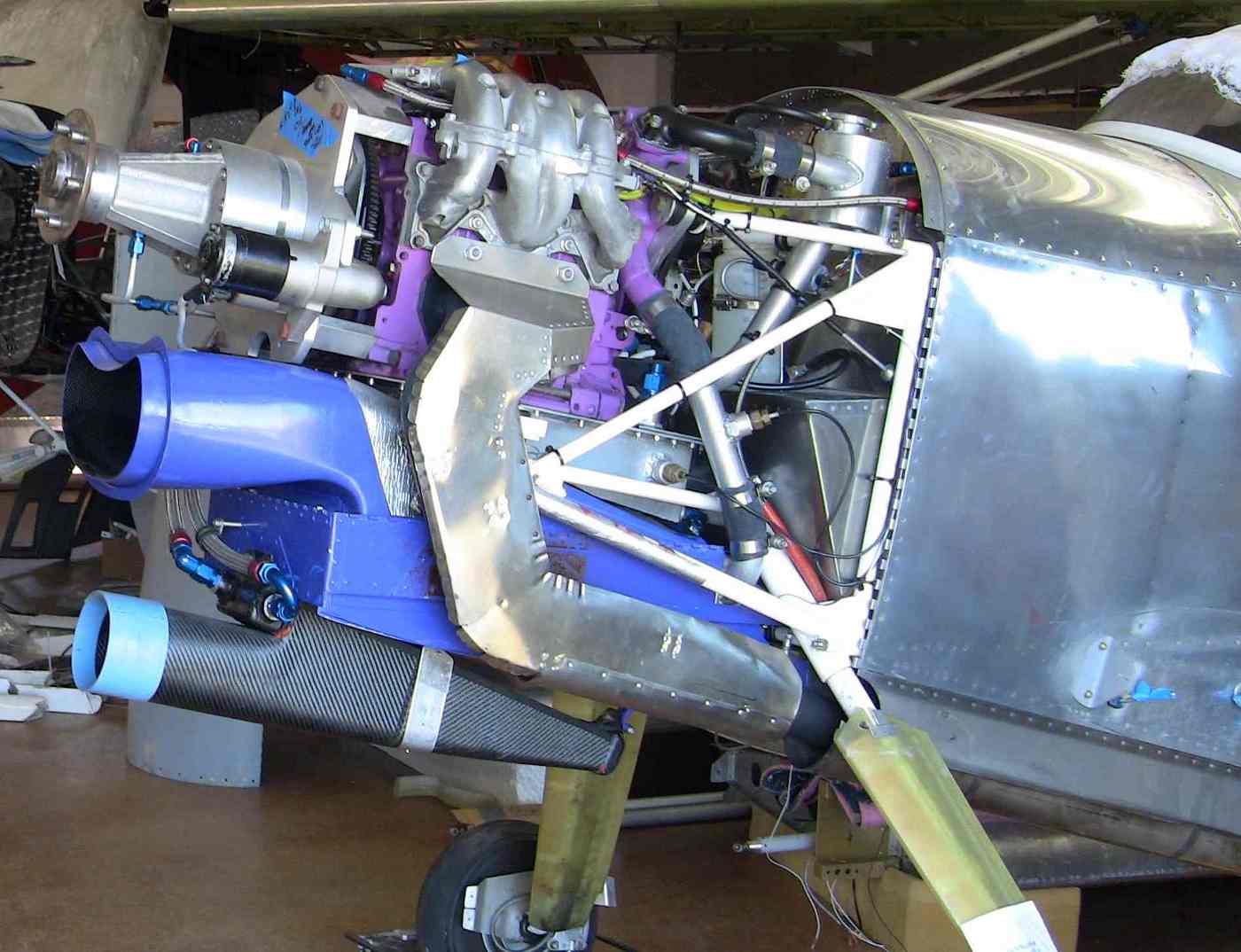
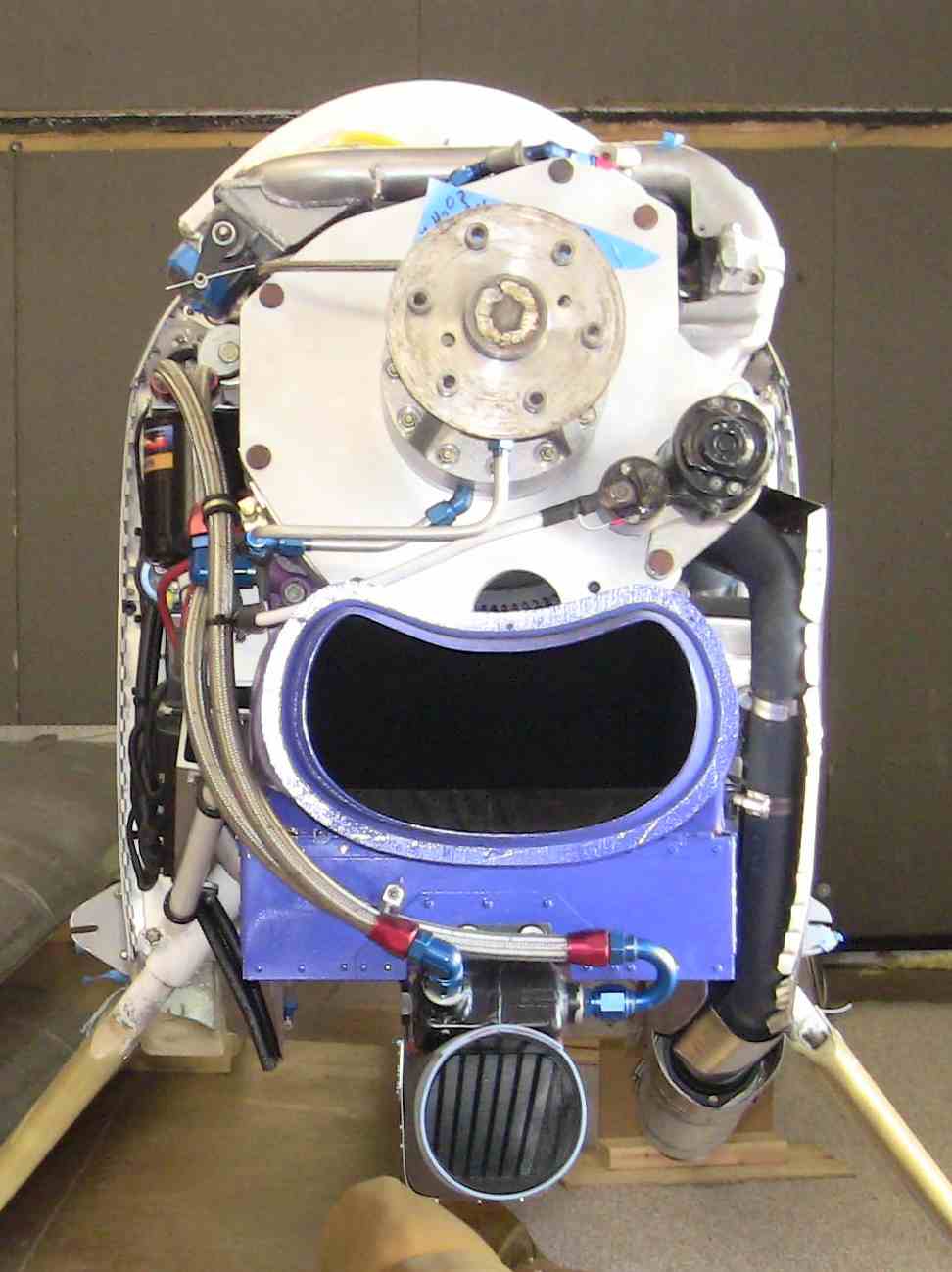
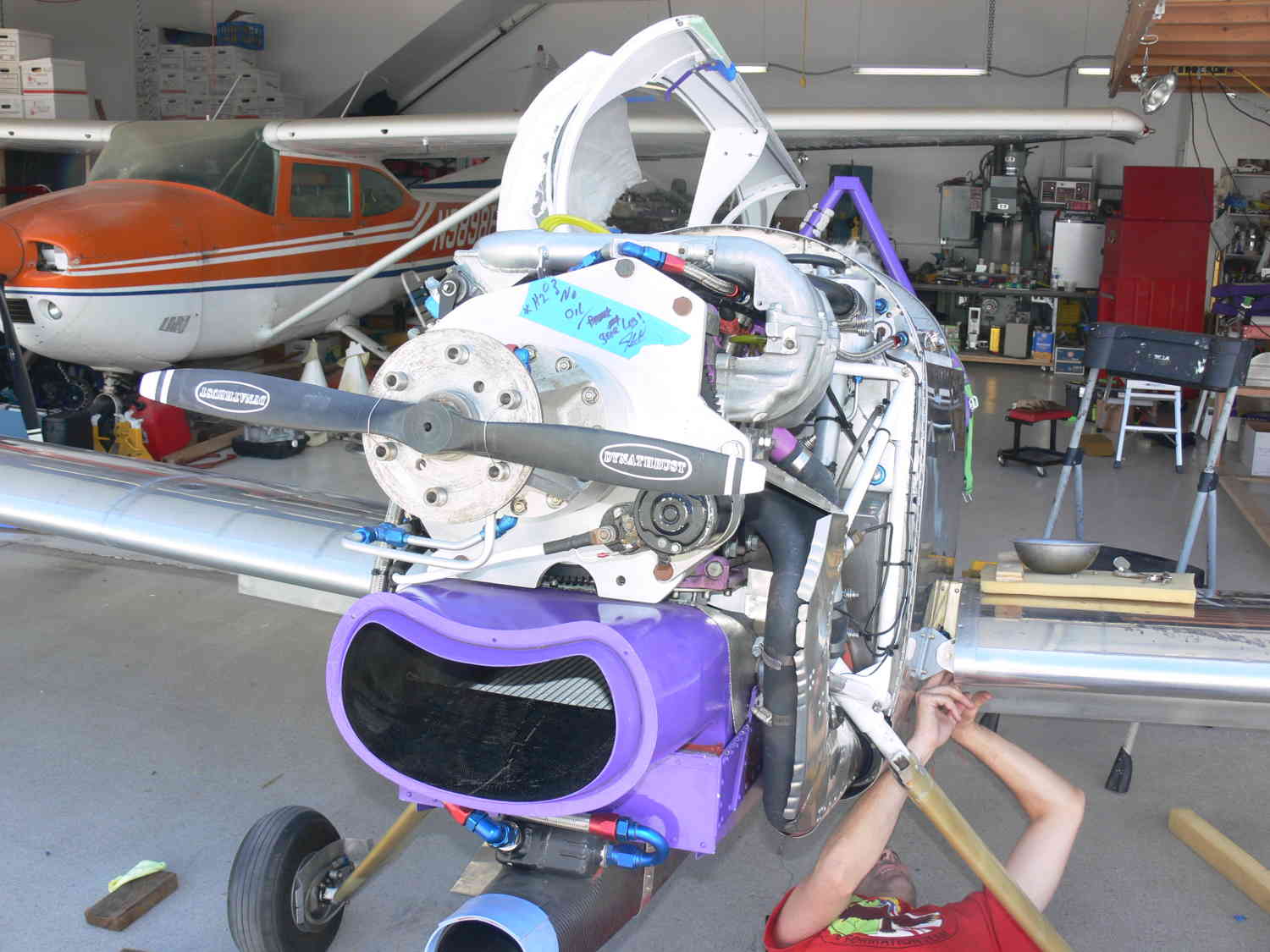
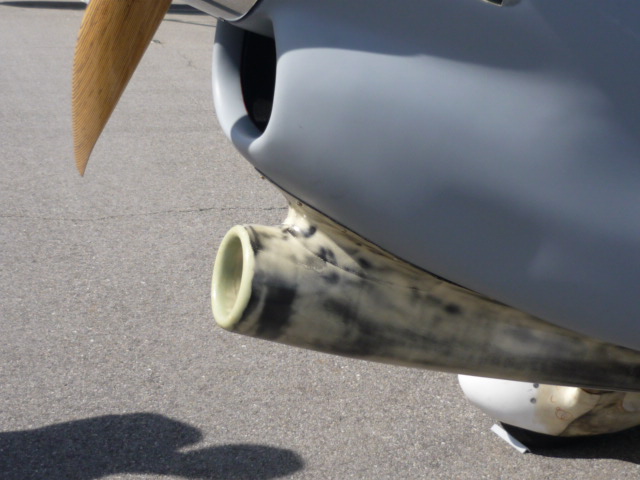
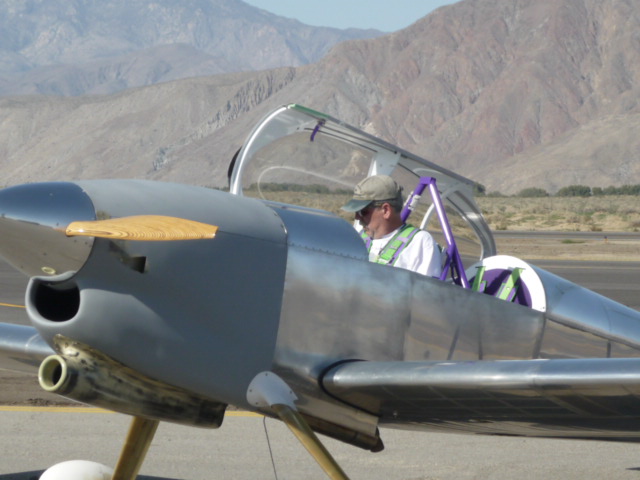
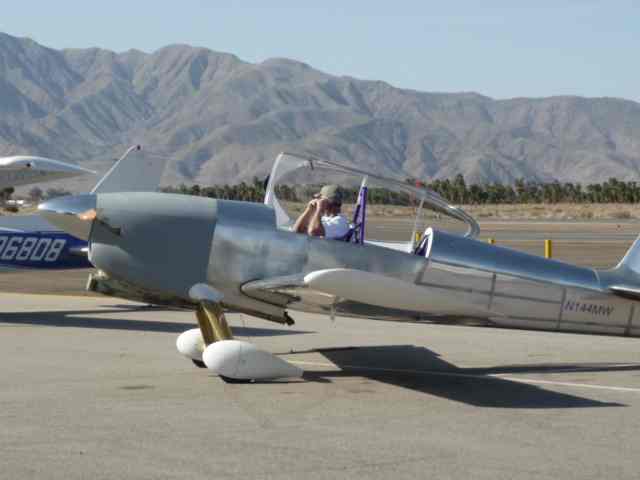
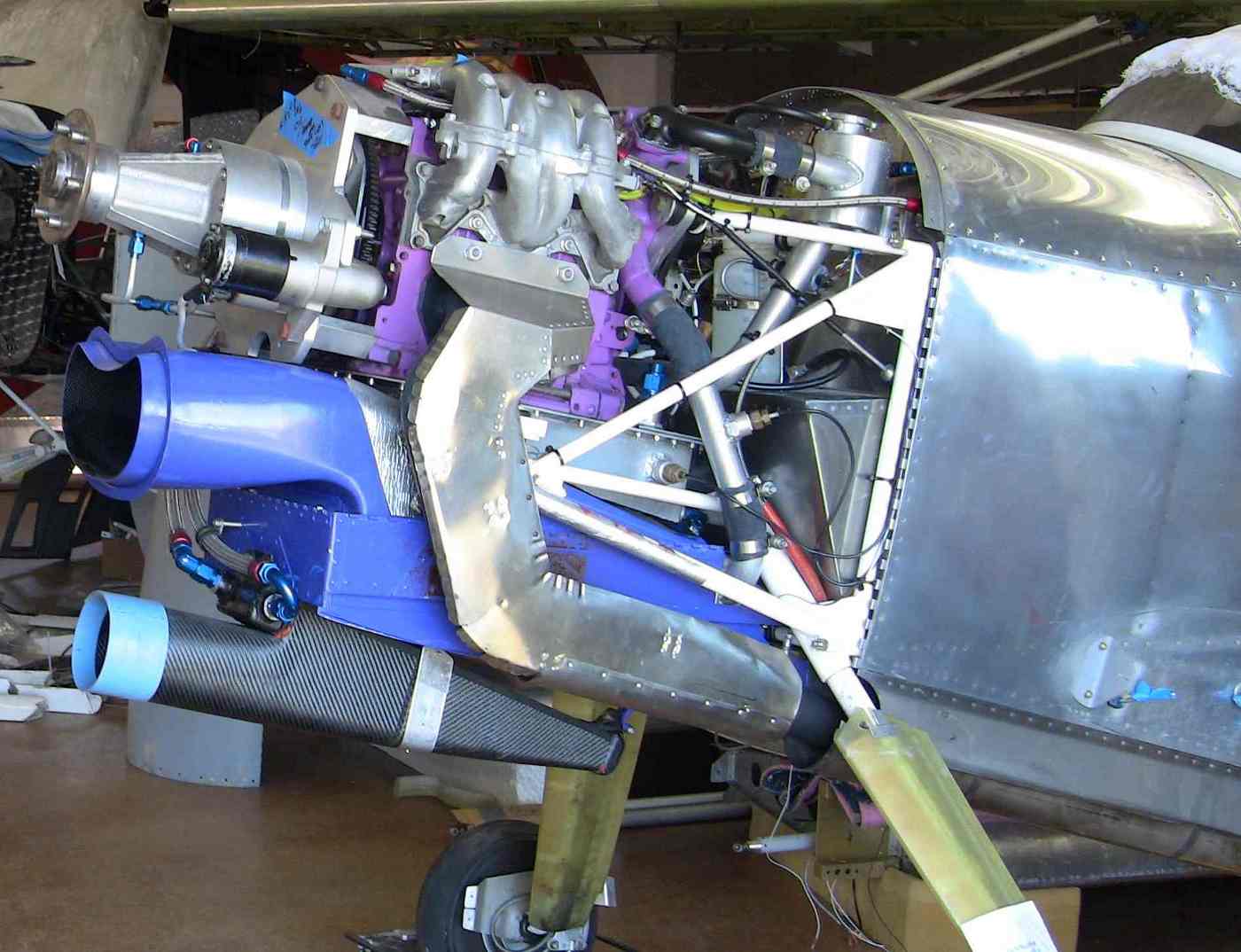
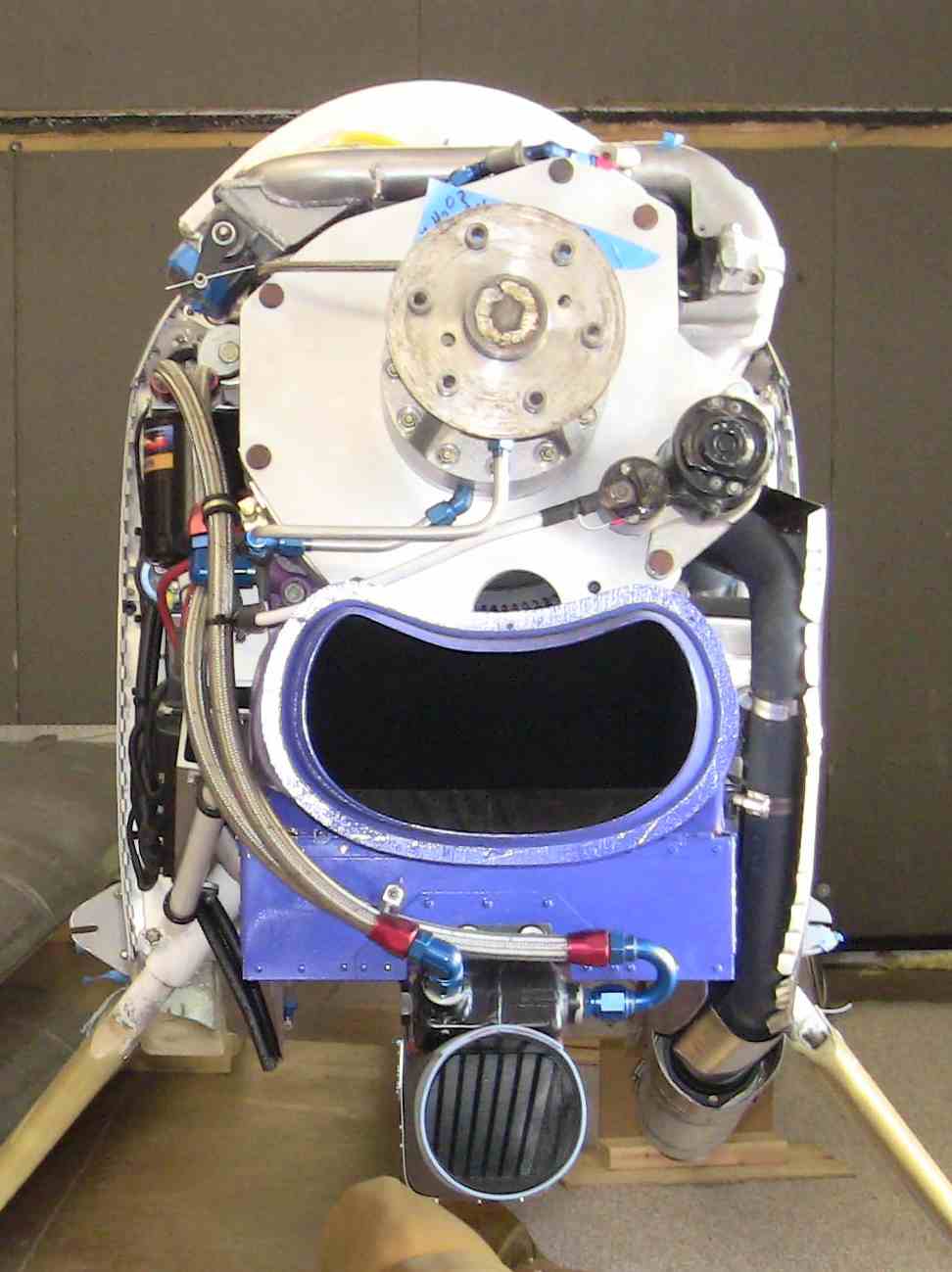
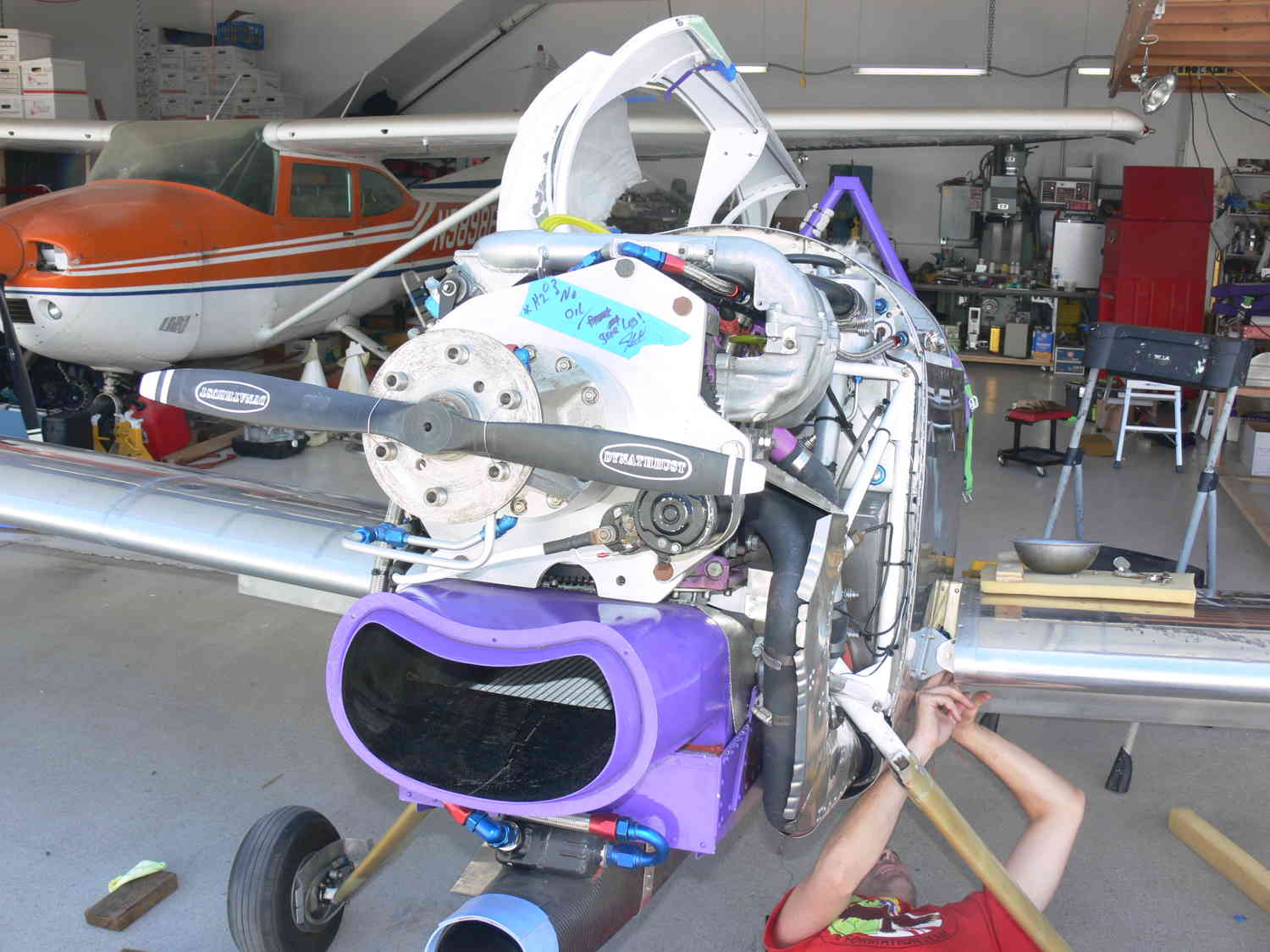
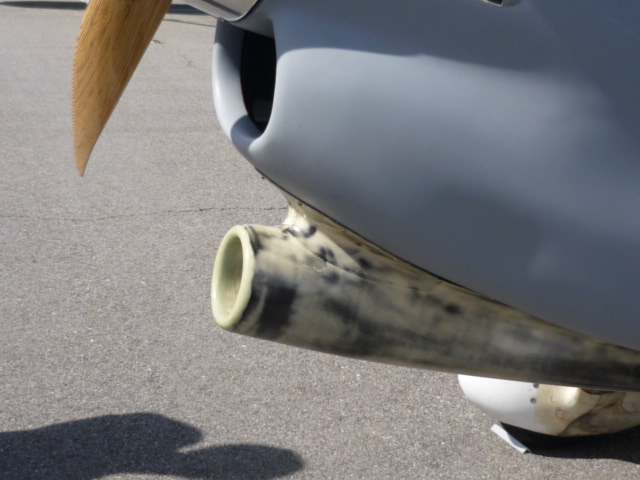
Finally got the exhaust back together and gave the engine
a work out and am very pleased with the results. Static run at a fairly
cool 20 degrees C which is somewhere near the 60 degrees far. ( a
guess) With flaps closed the engine and oil just got over 180 degrees
at full noise. At that rate I will handle summer temps well, up to 45
degrees C. Max rpm at static was somewhere around 6300 and if I richen
the mix I get over 6400 plus, nearly 6500. Egt gets up to 1800 and
barely over, so the modified manifold has dropped that around 200
degrees as Mark said. Oil pressure good, from 90 psi at cold down to 75
psi at 180 degrees. Engine runs very nicely, very pleased with it, held
full noise for 10 minutes. Engine mapping complete but not perfect
probably never will.
Now the bad bit. At full noise I was getting hot vapour into
the cab and checked the fuse immediately after shut down, and could not
hold my hand on the fuse (fibreglass). Will have to install a heat
barrier. What options do I have?? Need a strip about 4 feet long to
get past the mufflers and possibly 15 inches wide. Prefer to mount onto
the pipes and not the fuse, but at the end of the day, Whatever works
best. Suggestions?? Neil.
There is stuff called fiberfrax. Used with a thin layer SS. But it
has to
go on the fuse. The SS reflects a lot of heat because radiation from
the pipe is the main cause of heating adjacent surfaces. The other
thing
about SS is it does not conduct heat well. That is a good thing.
http://www.fiberfrax.com/
In the air it won't be so bad due to cooling flow. 10 minutes
stationary full chat is worst case.
Paul Lamar
Neil, i have Fibrefrax and Stainless sheet on the front of the
tango, the stuff is supposed to be good to over 2000 F. That's fine and
well but the cowl will melt long before then so I've got a can of heat
resistant paint to paint on the inside of the cowl, cant remember the
brand and I'm not going to be close to the hanger for another 2 months
unfortunately to check, but Google can maybe find something for you. My
last ditch effort was going to be gills on the cowl with a low pressure
setup to have prop airflow drawing out the heat.
Alex Molteno
It is not that bad :) The exhaust is right next to the cowl on the RV4
and the
SS sheet is working fine. The gills are essential to get rid of the hot cowl
air from the rad or the engine will not cool.
Neal, do you like the sound of your new coax muffler?
Paul Lamar
--
The Rotary Engine News Letter. Powered by Linux.
ACRE NL web site.
http://www.rotaryeng.net
You Tube
http://tinyurl.com/beqqxas
Copyright 1998-2013 All world wide rights reserved.