Paul,. I am really taking a shine to this motor, another hour today
and ran out of fuel. Have to await further deliveries. 1, Cooling.
Changed back to water and Glycol from Evans after input from the
group. Todays OAT temp were cool at 28 degrees C or I think that is
about 80 plus F. The water would not go over 130 degrees with the
cowl flaps shut!! The oil was 153 degrees whereas with the evans
the oil tracked the water nearly identically. So it appears that the
water/ Glycol is running 20 degrees cooler. Whatever it is I now
have a problem with being too cool! The engine ran at 5600 rpm at 23
MP and 1720 EGT. It is obvious that my prop is too big as max take
off rpm was 6800 and the EGT went to 1850, which to me means that the
engine is working too hard. Prop is 70 “ dia by 90 degrees pitch.
What props are others running?? anyone ? As I said the water was
130 degrees, the oil 153 degrees and oil pressure was 86 psi . GS
was a little slow at 120 ( should be 135), so all points to the prop.
Have to do a max speed in level flight before the prop is altered.
So to sum up, the cooling works too well thanks to a bloke about
Paul’s size and his book on cooling. The motor runs very well
especially considering the poor bloke who had a Lyc fail after take
off at Perth a few days ago in a Glasair. Not pretty at all. So
far the figures.
Neil.
Block off some of that huge rad intake scope :) That will make it
faster.
I forgot what your gear ratio is? If it is 2.85:1 then yes the pitch
may be too much. If it is 2.17:1 6800 RPM is about right.
Measure the thickness of the prop tips from the end back about 2
inches and tell me what it is. Who made the prop?
Dive the plane and see if the RPM increases. You cannot hurt a
rotary. If the RPM does not increase the prop tip drag is going
transonic. Thinner tips help.
Paul Lamar
hi, neil. I'm Jack from long island with a glastar kit in progress.
i've been s tumbling with the firewall forward and am soo impressed with
the tech that you have demonstrated in your creation. I have the
cooling manual from our guru, ;and many other paraphernalia for the
rotary. If there is any way you could describe what you have under the
hood and any pics and descriptions that you have used. I have a great
resource here as junk yards are aplenty. I have cars in my yard that i
can swap for rotary engines. what engine did you use? the rx8 fi?
turbo? I see that your exhaust is long and narrow. any noise to speak
of? did you build the cowling-that thing is beautiful. I have the
tricycle type. I have difficulty getting in and out because i'm 6-4 old
and cranky, I can ship you stuff or whatever to pay for your time and
effort. I have pure maple syrup!!!!
Jack Zeth
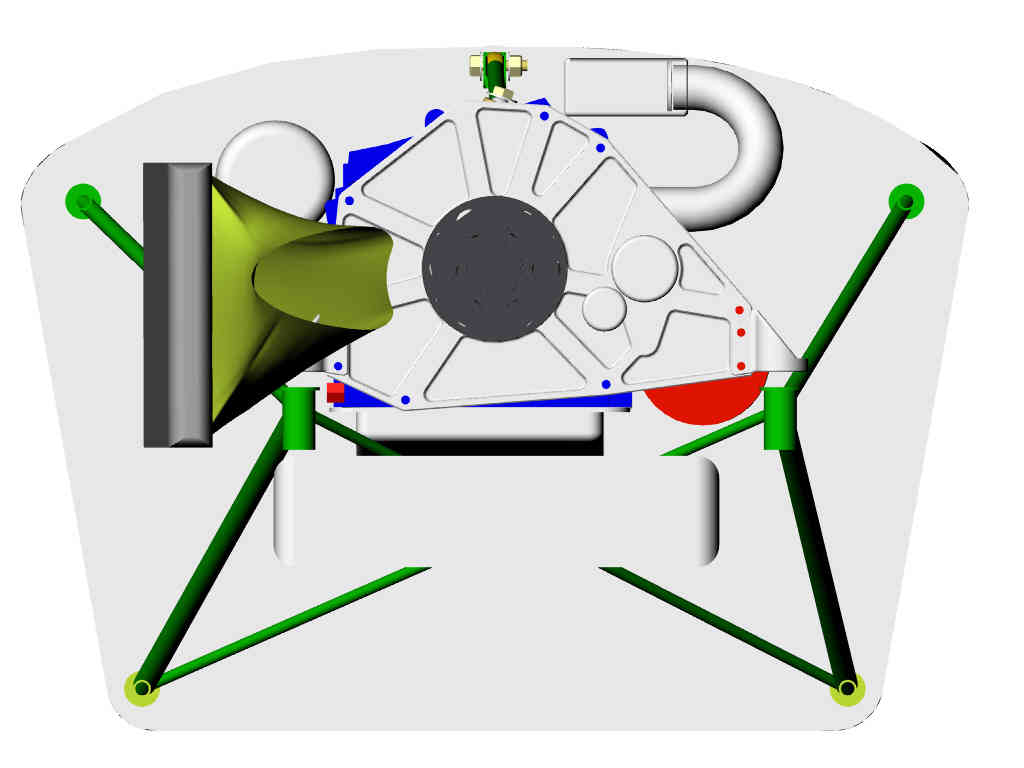
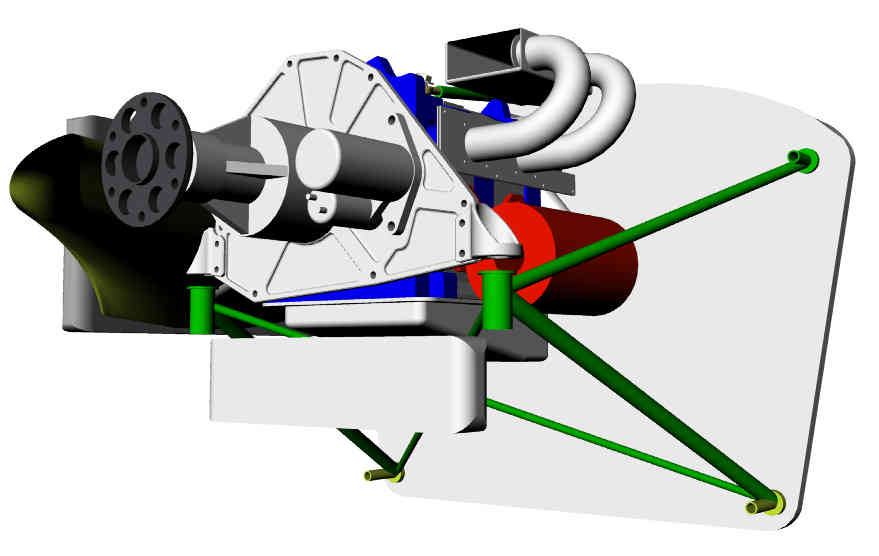
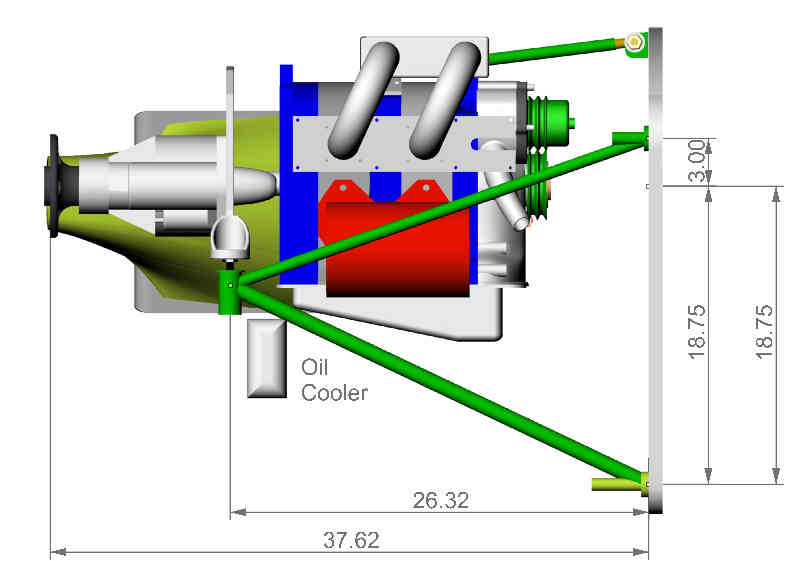
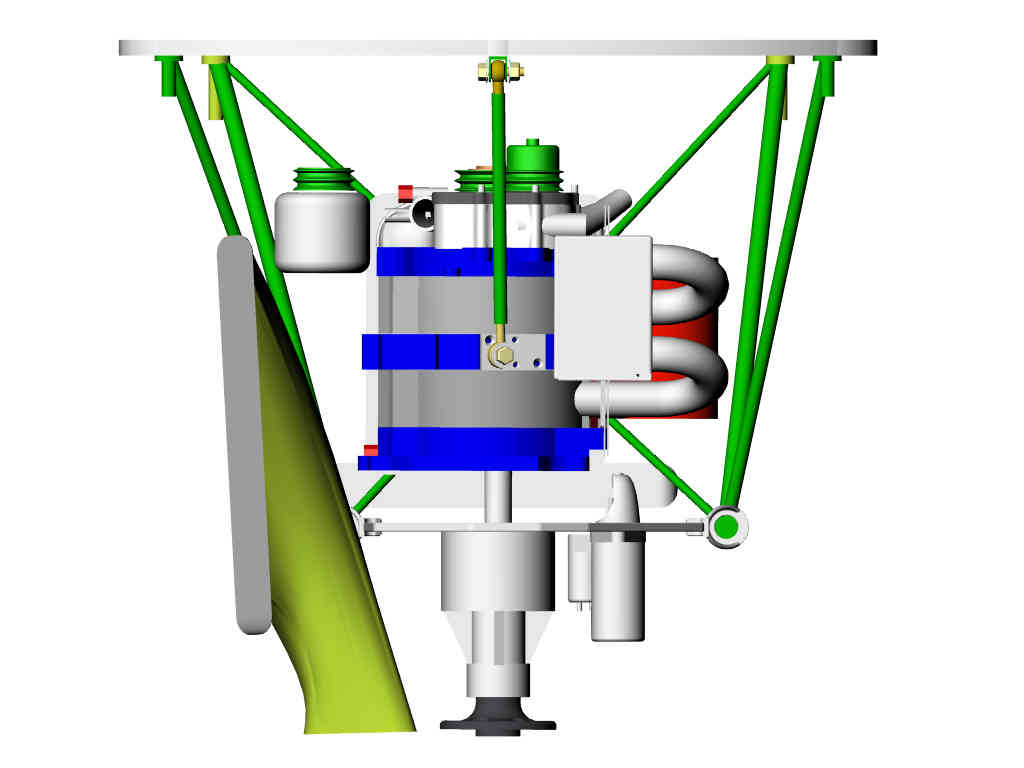
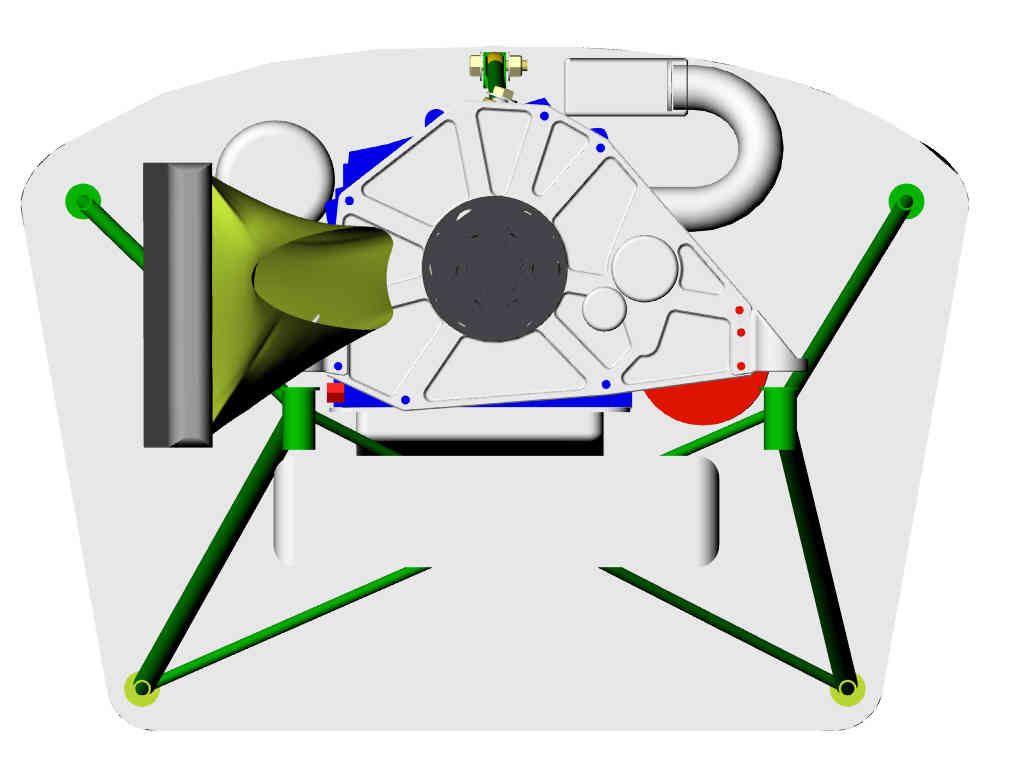
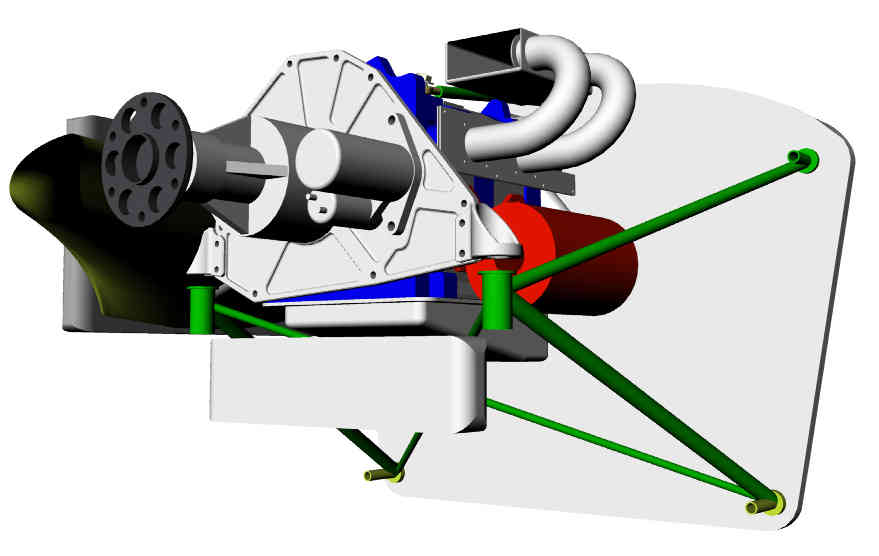
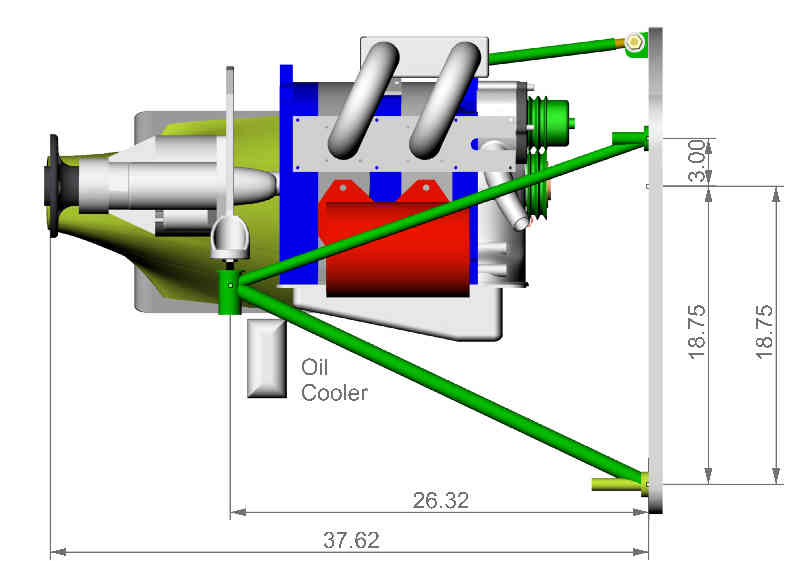
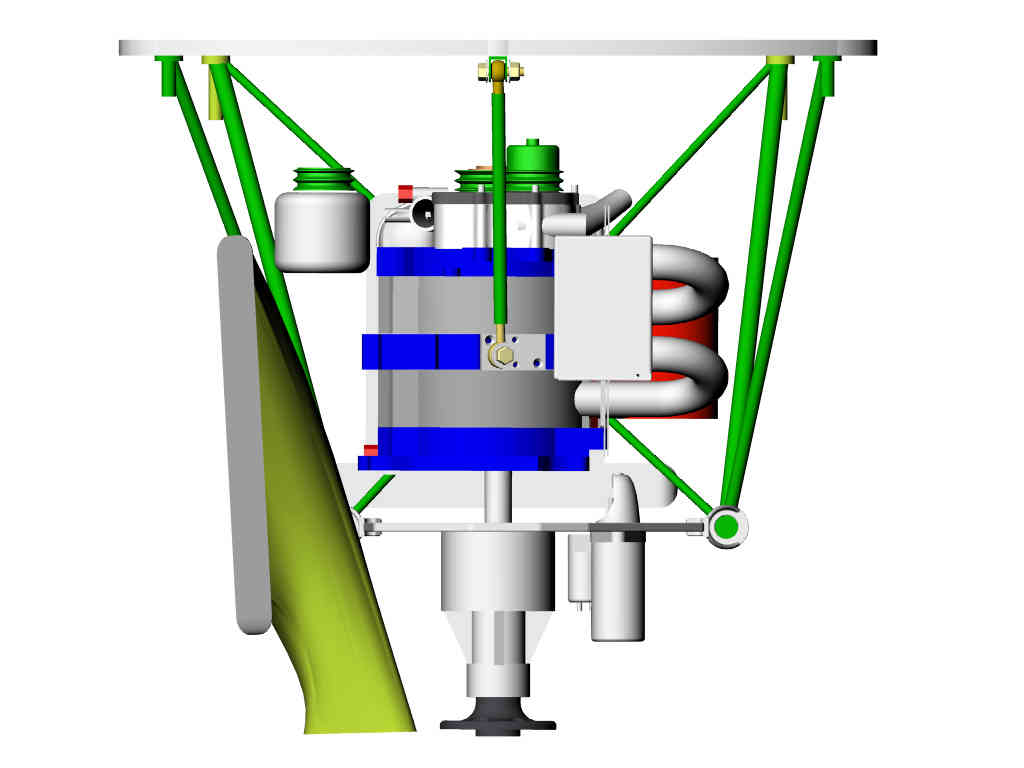
The universal motor mount will save you time and money Jack.
Paul Lamar
Paul,
More thinking and flying. The prop may not be the problem. It Is a
prince prop and yes the rpm increases if you lower the nose. Today got
6300
on takeoff, and then noticed the mixture was far too lean. Fixed that and
the EGTs dropped to just under the 1800. Am finding that the fuel mapping I
did on the ground is far from perfect in the air. May yet just go back to
tracy's standard settings and see what happens. The engine really purrs
very nicely even if the neighbours claim I sound like a trail bike.
Water and oil heat exchangers. They certainly cool!! blanked off an 8
inch strip on the water and temps managed to rise to 165 for water and the
oil rose slightly to 155, possibly from the slight increase in water temps.
OAT was in the high 80's degrees and real summer turbulence. I agree I
appear to have far too much cooling drag. Pulled you cooling book out
and re
read it. I now recall thinking it would be far easier to close the opening
rather than make it grow. The figures are as follows, water - 20 inches by
16 inches wide and 2 inches thick. total 640 cub inches. Oil, 15 inches by
8.5 inches by 2 inches thick gives 255 cub inches. Total exchanger is 895
cub inches and it obviously works well!! Now my opening is 20 inches
across
by 5.5 inches high giving a total opening of 110 square inches or nearly
25%
of exchanger area. Yes I do have exit cowl flaps but it seems that the
inlet air is forcing them open enough so as to only slightly restrict
outflow. Almost impossible to cut off totally. So now to the guessing
game.
How much should I start in closing up the inlet?? Here every child wins a
prize, as I have to start at say cutting it back to 3 inches or 60 square
inches and from there I can easily cut it back as necessary. Should I go
even further?? I have no idea except being able to read the temp gauge!
Jack,
I agree with Paul, his engine mount cost nothing to ship.
The
glastar mount is quite a bit different as the engine thrust line is very
high making it "interesting" to fit the engine under the cowl. The pay off
is that you have plenty of room for the heat exchangers underneath, so as
usual it is all compromise. My engine is a 2004 RX8 and P ported which
again simplifies the inlet, and inlet runners are reasonably simple as
well, No turbo due to weight and really do not need the extra power or the
complications. THe P porting was the poor mans turbo.. The exhaust works
reasonably well, waiting for a Bose headset to see if I can eliminate all
noise from the ears! My neighbors claim that I still sound like a trail
bike, but not badly so. Have yet to get outside the plane to hear for
myself, so again, it was the best compromise I could get. The tricycle
does
present problems with my heat exchangers, but can be easily accommodated by
putting the two water exchangers down each side with the shorter oil one in
the middle to allow for the nose gear and an exhaust pipe. I believe it
would fit as my exchangers are way over size or so it appears at the
moment.
It is a shock to the system to find I am looking for ways to get the engine
hotter!! My cowl is a home made job and now in hind sight could have
lowered the front top nearly 1.5 inches. Since I now have moulds, that
would be reasonably easy to do. Look I will certainly assist where I can,
but the biggest killer is freight between the USA and dear old OZ. So do
allow that I am 12,000 miles away and we were founded with convicts!! All
crooks in other words! Let me know if I can help.
Neil.
Take the opening down to 20% of core. Make something that can
be removed if it gets up to 43 C :) Something like a slice of pie
on its side that fits in the top of the existing wedge diffuser.
One or two small screws will hold it in.
Your neighbors will like the sound of the coax muffler better...if you
ever get it made :) It has a deeper voice.
I think you will pick up a bit of speed as well.
Jack I will do a dwg of your FW for nothing. A side rad will work better
with a nose gear. Stock cowl.
Paul Lamar
The Rotary Engine News Letter. Powered by Linux.
ACRE NL web site.
http://www.rotaryeng.net
You Tube
http://tinyurl.com/beqqxas
Copyright 1998-2013 All world wide rights reserved.