Reed valves are not needed with side exhaust ports. On peripheral
intake port the airflow never really stops due to the inertia of the
air molecules so the reed valve would not function. As the narrow
apex passes over the intake p-port the next chamber in line starts
receiving air as the first chamber is closing.
Reed valves are obsolete tech.
www.rotaryeng.net/Adiabatic-rotary.pdf
http://papers.sae.org/860616/
http://www.sbir.gov/sbirsearch/detail/72100
http://ceramicrotaryengines.com/
http://link.springer.com/chapter/10.1007%2F978-1-4757-9348-2_6#page-1
Paul Lamar
Thanks Paul: your comments are always sound, but as you can see in
the attached patent granted to Ford in 1979, a Reed-Valve in a
Peripheral Intake Port may be of some help, attached is also the
image of the results obtained by Yanmar Diesel with major and minor
Reed-Valves, and in a PP, the inherent possibility of exhaust gas
recirculation, because of the overlapping of intake and exhaust
openings, the intake ducts having a lower pressure than the exhaust
at partial load and low rpm, this allows EGR, causing misfirings and
poor MEP, all this being improved by a R-V, that also would generate
some kind of an 'super-charge' effect, because of the opening and
closing overflows, in the style of an 'hydraulic ram'.
As you know, an early opening of a PP gives better low rpm
performance, but a late close gives better results at high rpm, both
stated as º before or after 'TDC', and a R-V would act as a variable
timing intake, always giving the best results, the intake time would
close when no more mix would enter the working chamber, and blow-back
to intake manifold would be prevented, this allows placing the intake
port for top rpm power, and also having the low rpm advantages, as
the RV closing in connection to the difference in pressures of the
intake port and the working chamber, it's the same as an early
geometrical closing of intake port would yield.
All charts published in many places, I don't send it here, show that
the difference in volumetric efficiency at low and high rpm of a PP
is much larger than in a side intake port approach, BMEP in PPs is
always greater than with SPs, and besides the data published by
Yanmar Diesel, the Toyota SAE paper, the results of the Norton
engine, that having the carburetor butterfly close to the housing
working surface acts as a non return valve, I had a letter from D W
Garside that indicates that from data received from other RCE
builders, R-Vs improve low end performance, but are somehow worse at
high rpm, and for a company building motorcycle engines, as well as
for most of the persons asking questions or making comments in this
forum, who focus on airplane engines, the situation is different, but
my main if not only interest is car engines.
But I guess we discussed all this before. Thanks for your kind
attention, have a nice year 2014. Best regards. Salut Jose
Gros-Aymerich Madrid, Spain
Reed valves are a dead end Jose. They add weight, cost and cut the
air getting in the engine. Less air less HP. In the RX8 engine there
is no valve overlap at all.
The engine will smoothly pull the car away from 600 RPM idle with
out depressing the throttle pedal. Manual transmission. I have one
and I demonstrated that many times to a car full of people.
There are at least several hundred thousand RX8's out there. Borrow
one and drive it.
Paul Lamar
Thank you Paul: Yes I've driven an RX-8, but as the man from Mazda
told me tires were not in good condition, I didn't go any further
than a turn around the block. I'm waiting for a tuned 1988 13B non
turbo to arrive, checked and tuned by Kevin at Rotary Resurrection,
as I bought also two sets of housings, I'll try finding someone to
modify one of the sets to a rectangular shaped Peripheral Port, and
I'll add on each PP a Reed-Valve for a 2-Stroke Snowmobile, equal in
type to the ones described in the Ford's patent, I'm looking also for
a suitable R-V to be adapted to the side plate of a KC-27 engine,
where the admission hole for manifold from carb is located. When I
have results of both, I'll let you know. Some people have fun by
gambling, or by attending rock concerts, buying gems, or traveling to
far away places, I like this kind of mechanical experiments, that is
just an equivalent of the good old Meccano, but full size, and a bit
more costly; that's all, it's just a game I play for fun, please
don't arrange to have me sent to no asylum, I'm just as sane as
anyone.
Nice year 2014. Salut Jose Gros-Aymerich Madrid, Spain
I think that if we had a reed valve with an open throat on a slide
valve like our slide throttle plate we may solve some problems.
Mecano is the same as the Erector sets of the American's.
Peter Duffecy
The data Jose is referring to is either a charge cooled port or a
p-port running at 4000 RPM. Hardly a common situation. We run 5000
RPM up and a real p-port. The side exhaust port makes all the
difference.
Paul Lamar
Paul,
I hear what you are saying about the side port exhaust Renesis 13B
not needing a reed-valve due to the side exh. ports acting like a
valve... But since all the non-side exh. ported wankels don't have
that built-in "valve" would it be reasonable to assume that a
reed-valve would work on a wankel that has periport exhaust? (and
maybe in the exhaust?!) Thx.
-Dan G.
P.S.- I've screen printed some Tshirts w/an Rx2 sketch...(I'll send
pics)
Perhaps at low RPM but it would cost HP at high RPM where we need
it. In the exhaust it would go away instantaneously if not sooner :)
Paul Lamar
To Dan: The idea was a Reed-Valve in the Intake Port, never in the
exhaust port, some 2-Stroke engines had something like a controlled
exhaust port, but as
indicated, in a Wankel RCE the lower the back pressure in the
exhaust system, the better
the MEP, power and SFC would be, it applies to both PP and Side
Exhaust Porting; this
precludes changes in exhaust ports, besides the different timings
for power, and also
the different exhaust port shapes in order to reduce exhaust noises.
Side Intake Ports, but the proposed concept was installing a
R-V only in an intake PP, and as close as possible to the
housing inner working surface, to avoid dead space and unsteady
EGR. R-Vs may make sense only in street car use, for any
installation where high sustained power output is required, as
in Aircraft Engines, this kind of tuning doesn't give any
advantage, it can be even a bit worse in some rpm ranges than
the RCE without RVs, but actual experimental data are required
to sustain this rationale, I don't have any actual data from
recent times nor for 13B sized engines. Thanks for your
attention, have a nice new year entry. Best regards.
Salut
Jose Gros-Aymerich
Madrid, Spain
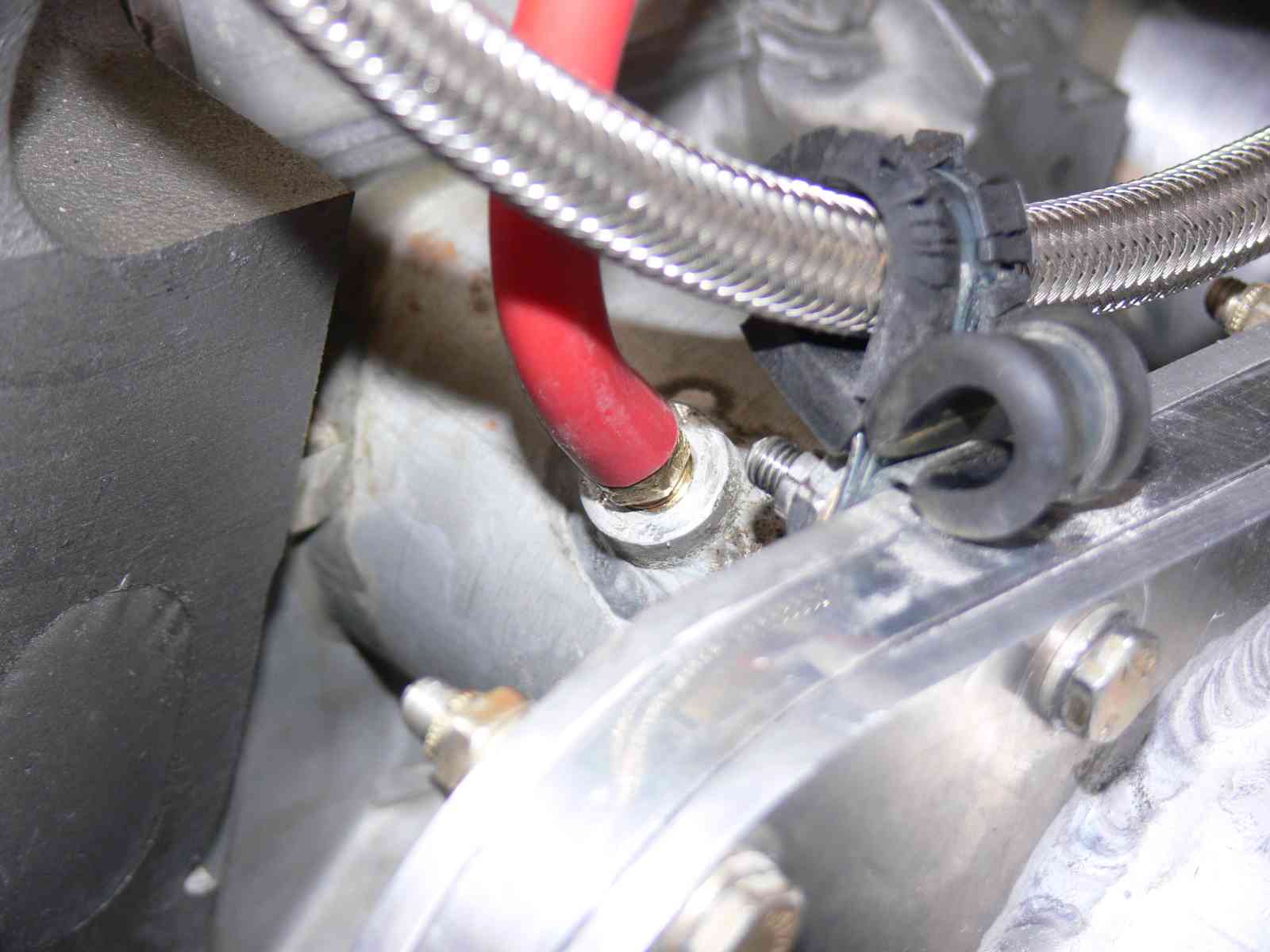
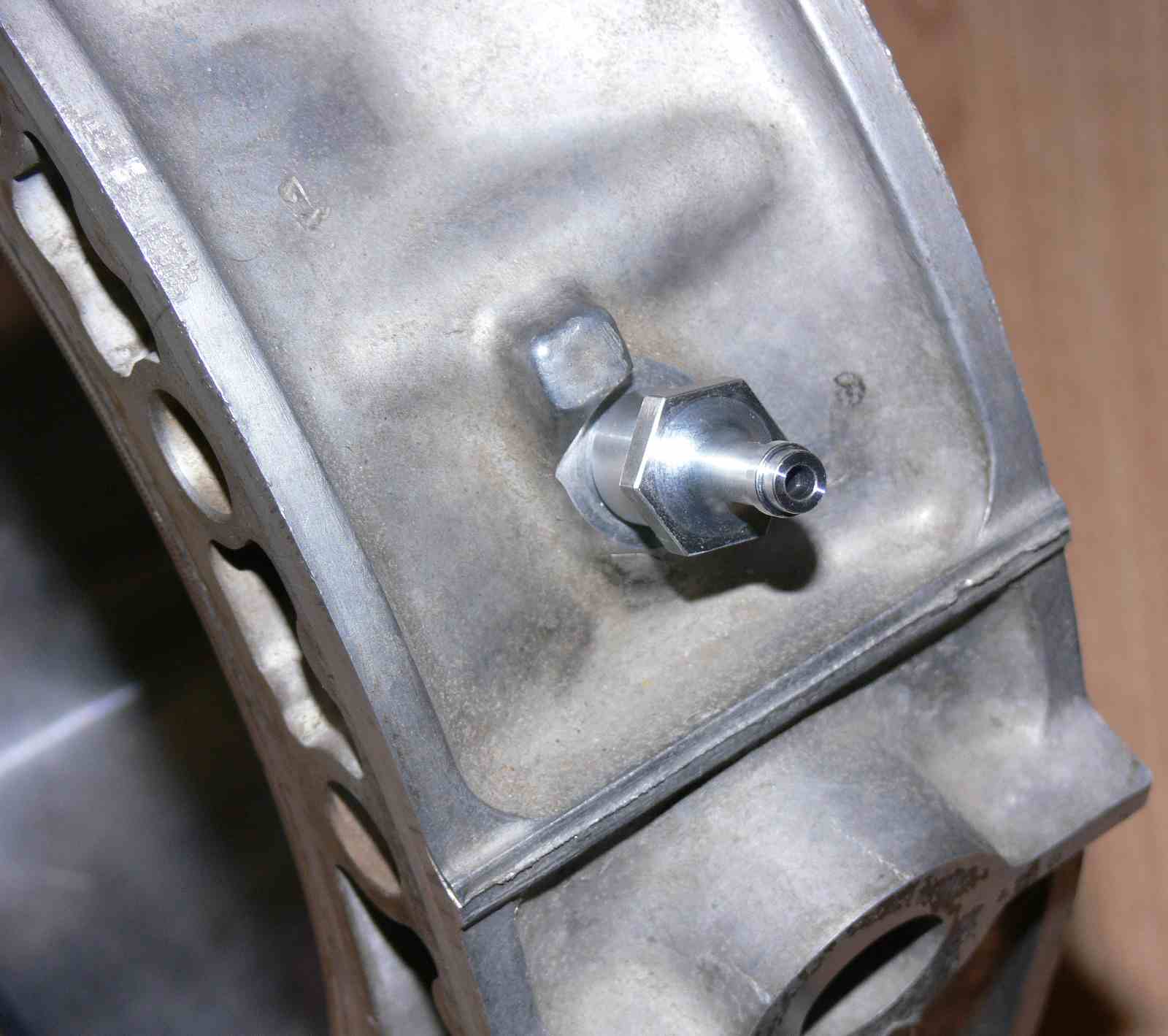
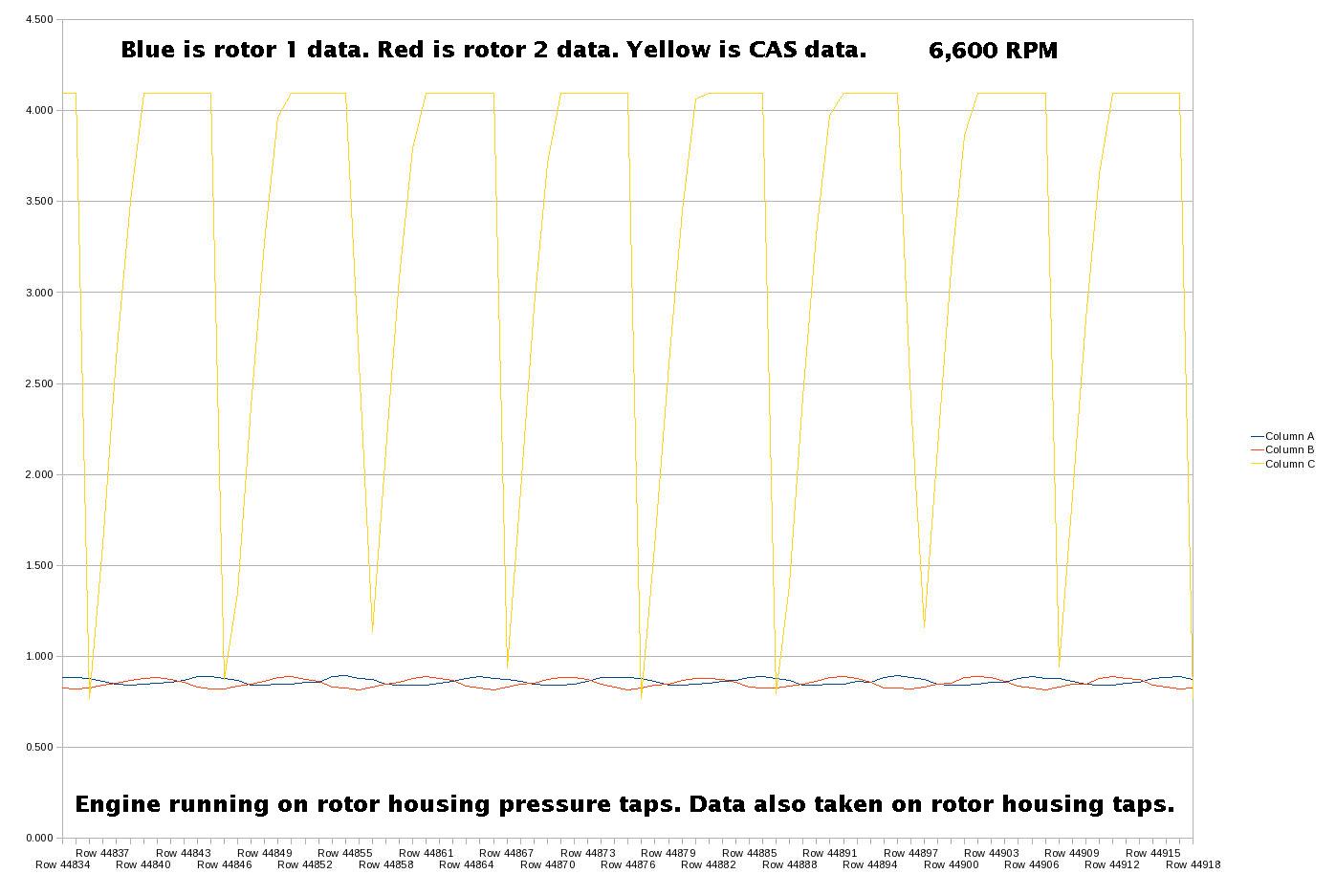
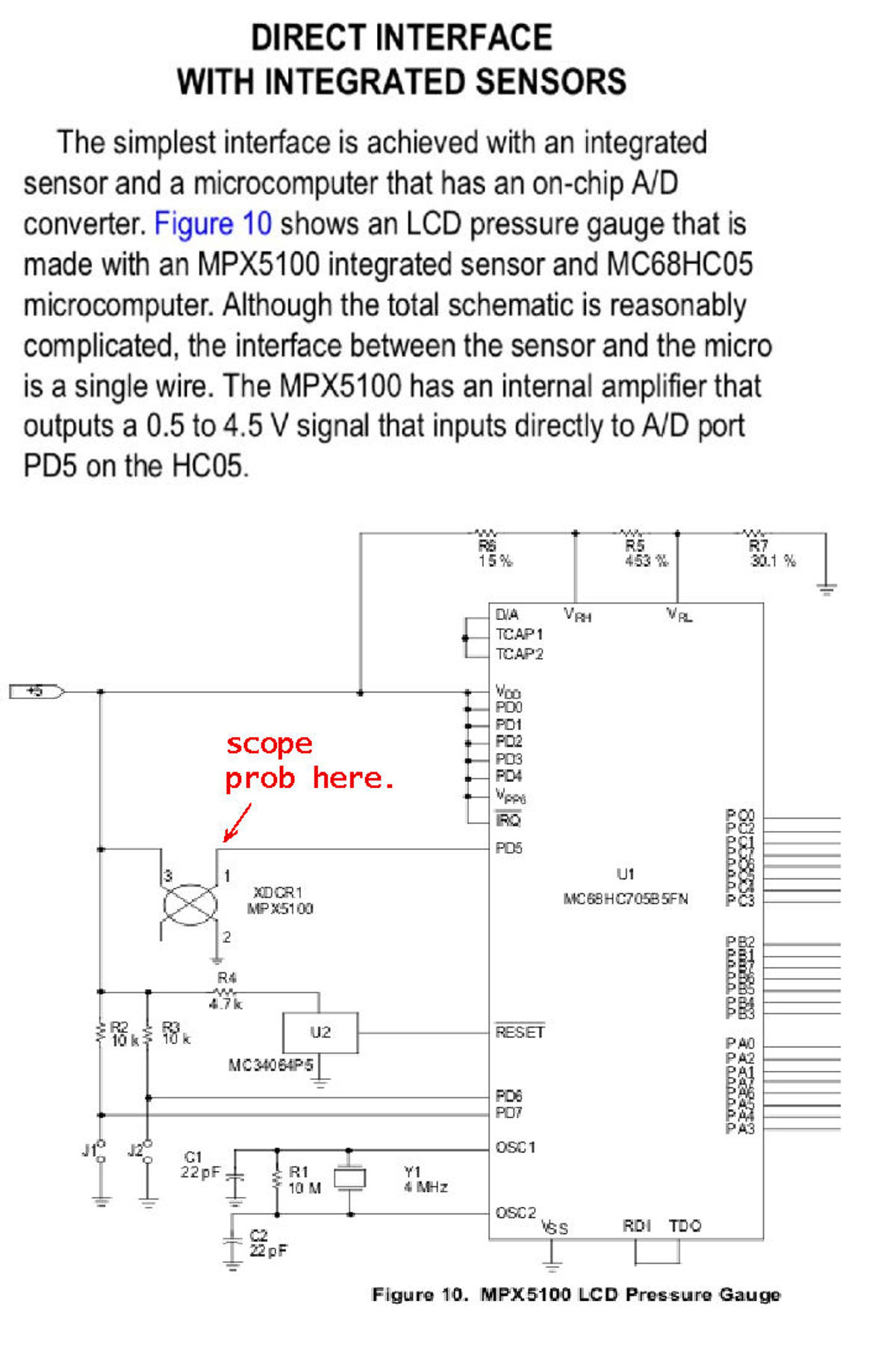
We did some research on this subject and we measured the pressure
in the intake chamber just before the p-port closed.
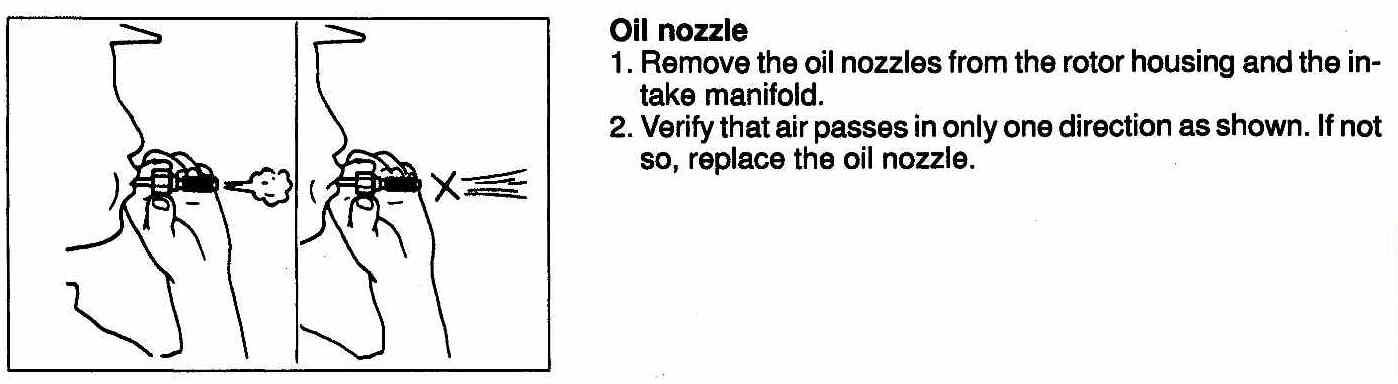
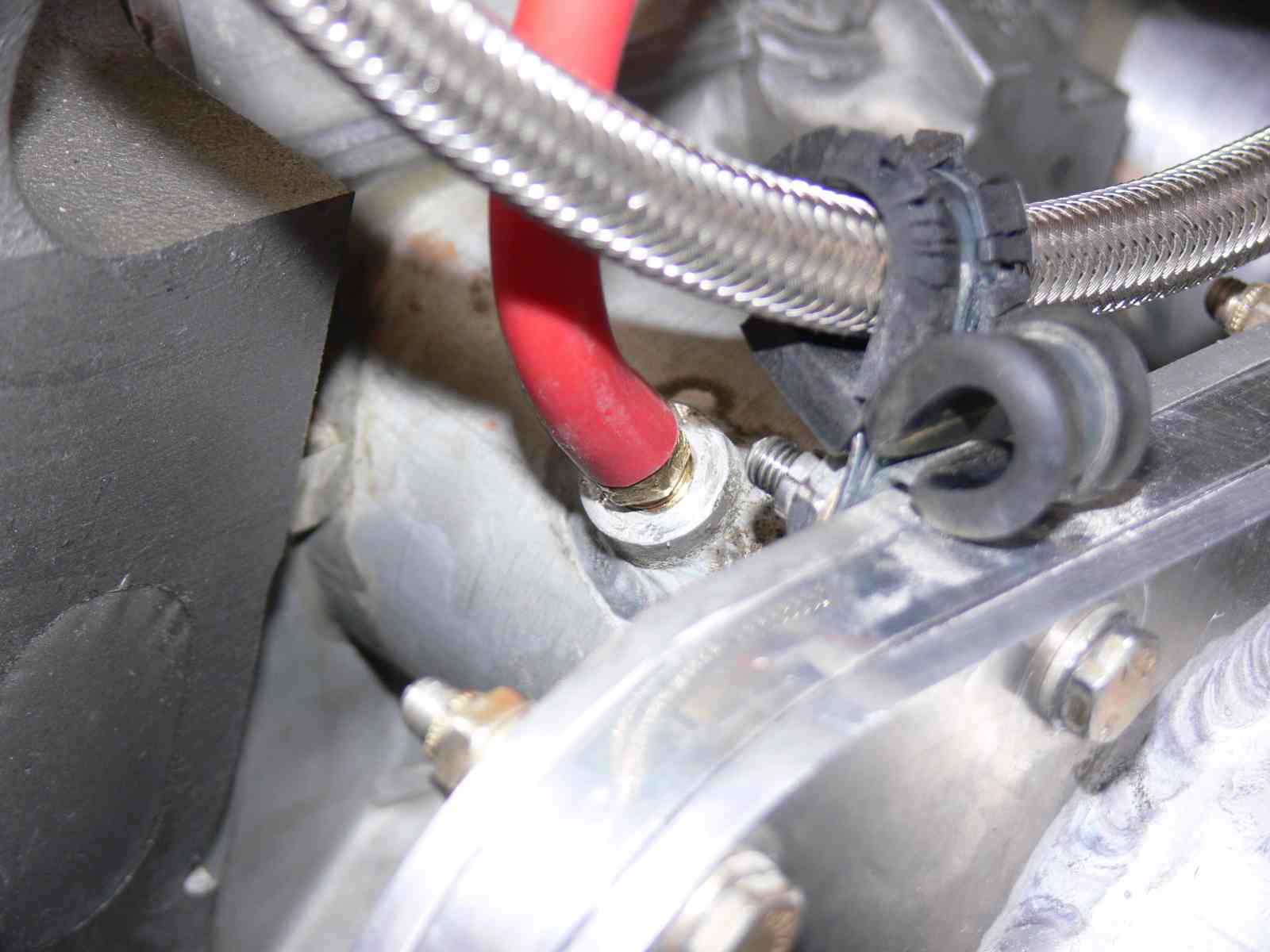
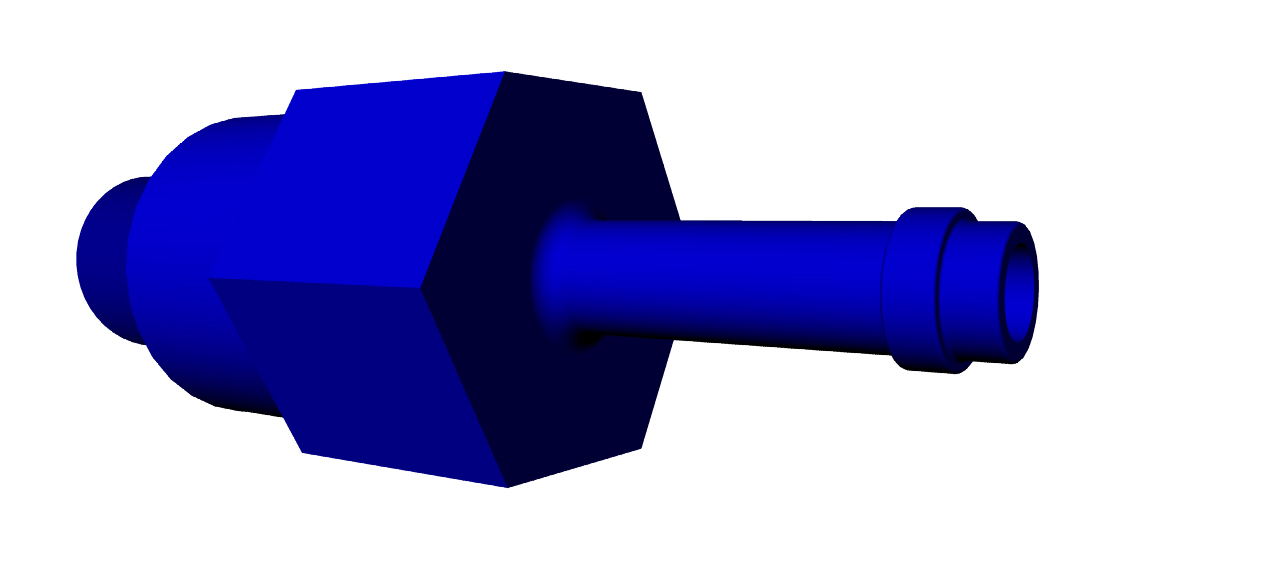
One strong advantage of the rotary over the reciprocating piston engine is
that there is a place to measure the pressure in the chamber just after the
intake event is completed, and the oil injector port is in that area. The
instrumentation does not have to withstand the hot gases of combustion. If
we know the instantaneous absolute pressure and temperature at that moment,
it seems we would have a very good idea of the quantity of the air/fuel
charge.
This would be true whether the engine is turbocharged or not.
Here is the pressure data.
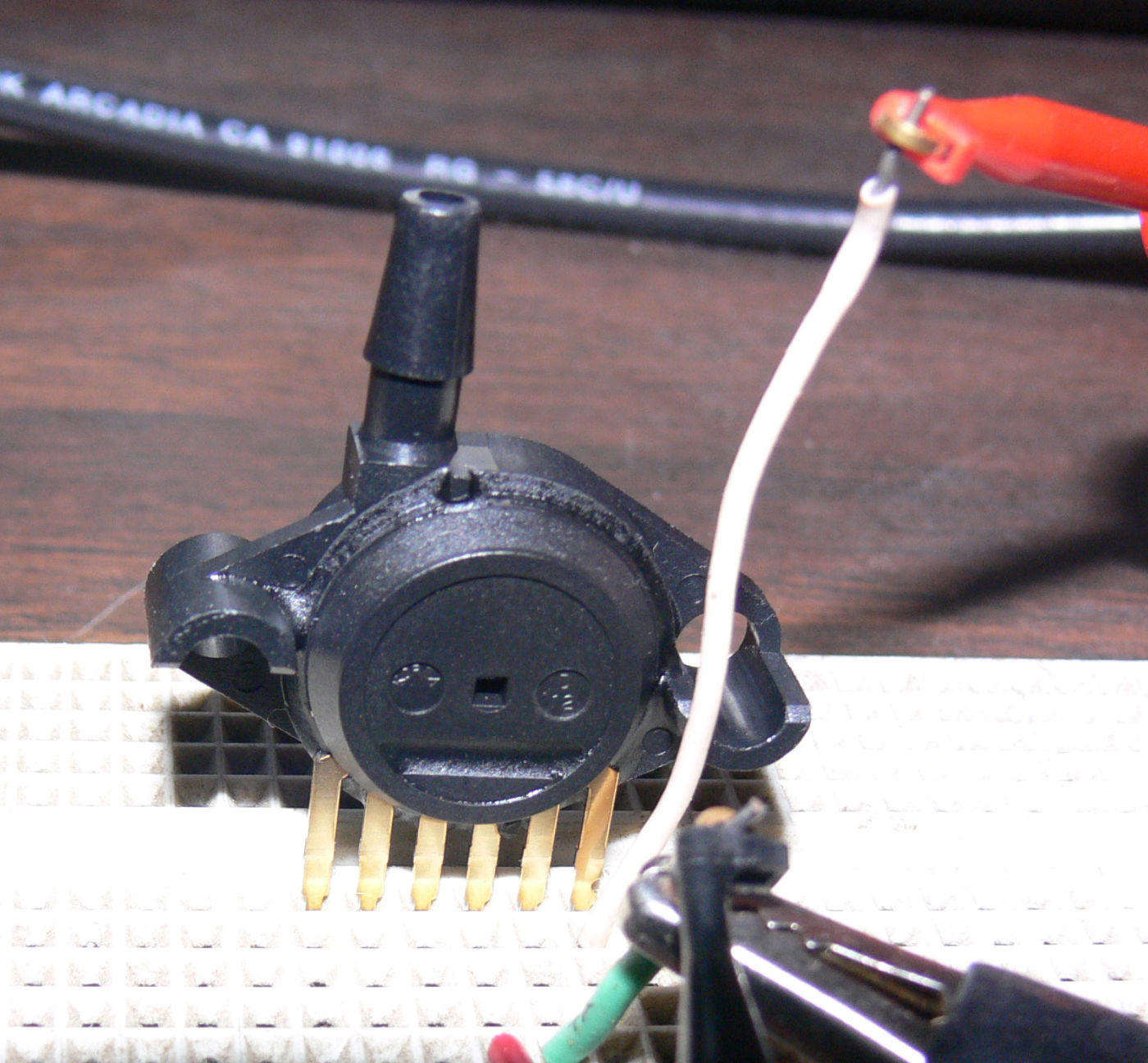
The sensors you would be interested in is the Motorola/Freescale
MPX4250. They have a great response time (1KHz for 10% to 90% deltaP
transitions) and I have 2-3 I would be willing to loan.
Part number MPX4250AP-ND $12.45 each.
The soundcard in your computer is good for +-1V recording, AC coupled.
It will not record 'static' DC voltages, but since you need a system
that records dynamic signals (above 20Hz), this will work. However, the
MPX4250 voltage range is from 0.3 to 4.7 V. an op-amp will have to be
used to divide the input signal to within 1V.
Paul Lamar
The Rotary Engine News Letter. Powered by Linux.
ACRE NL web site.
http://www.rotaryeng.net
You Tube
http://tinyurl.com/beqqxas
Copyright 1998-2013 All world wide rights reserved.