Paul,
I am trying to get more information about this, but in the meantime I
had to wonder why the exhaust was such a problem, since there are other
20b's flying, to say nothing of 13's, that have evidently tamed their
exhausts. Would it just have been because he was trying to fit it into a
slender Mustang cowl?
Peter G
We have at least two RV4 tandem airplanes that have flown. I own one and
the other was built by Brian Trubee.
Brian's has an aluminum cowl. Mine has SS sheet between the exhaust and
the fiber glass cowl.
There is also a scale spitfire running in Texas.
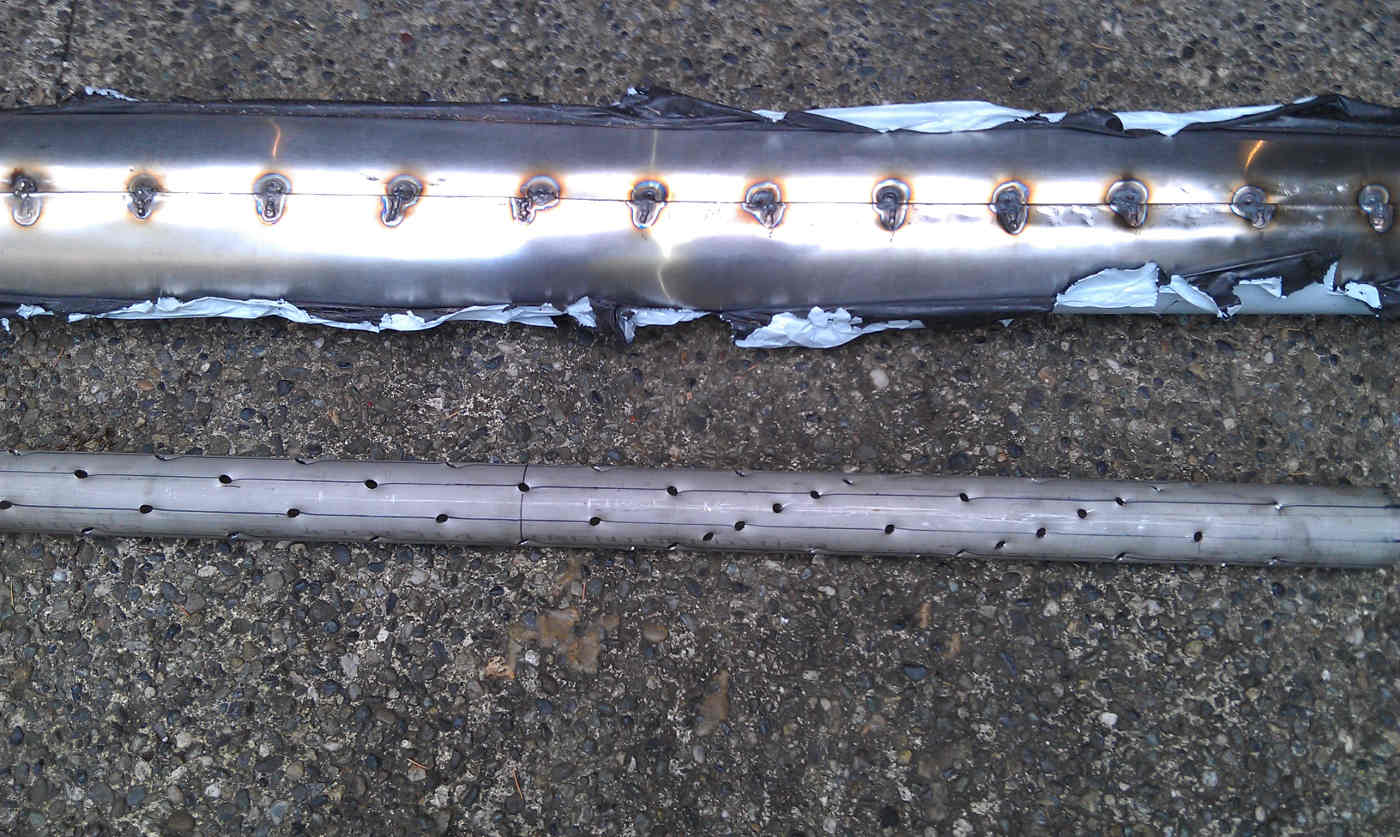
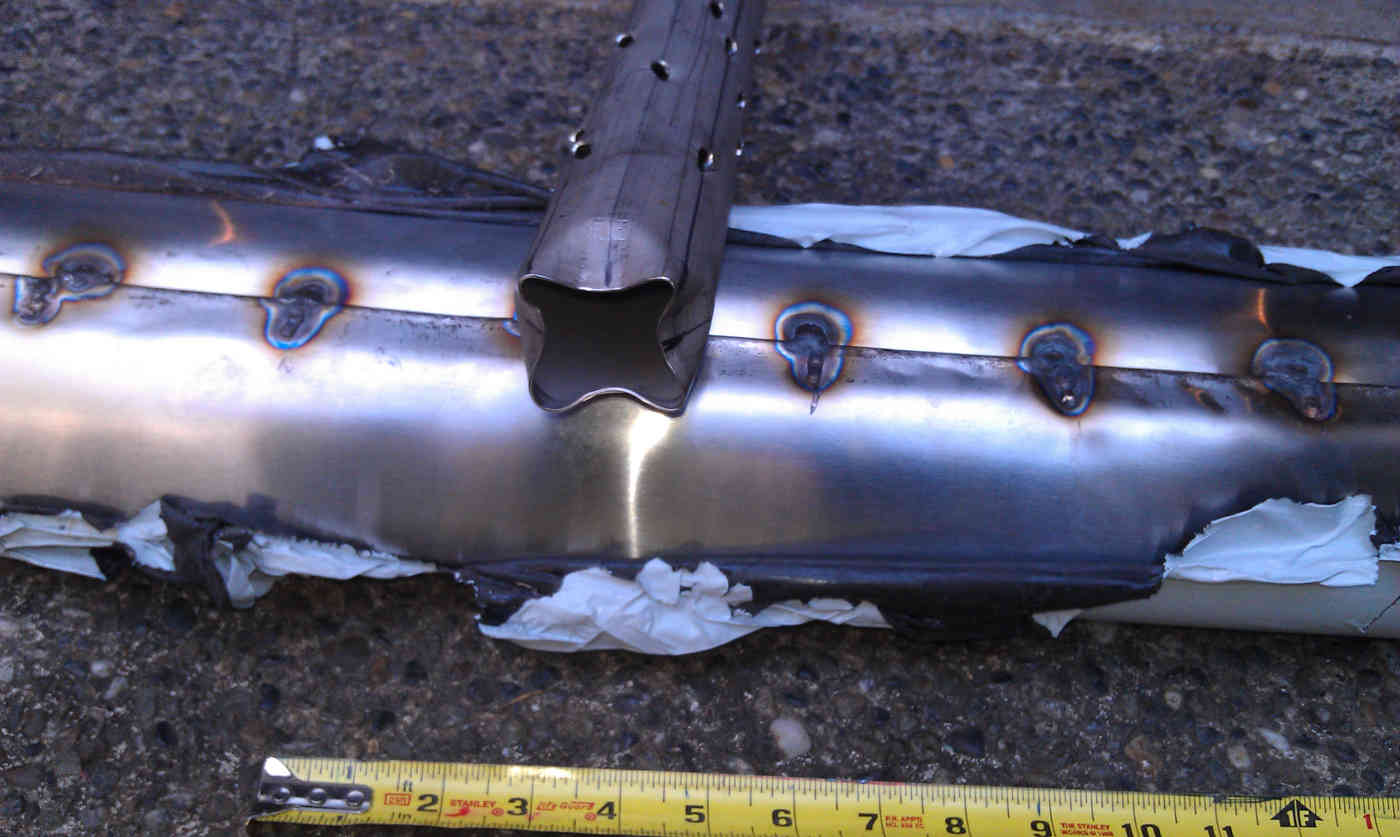
We have a bit of evidence that a too restrictive muffler will raise the
EGT's above the normal 1600 to 1700 F.
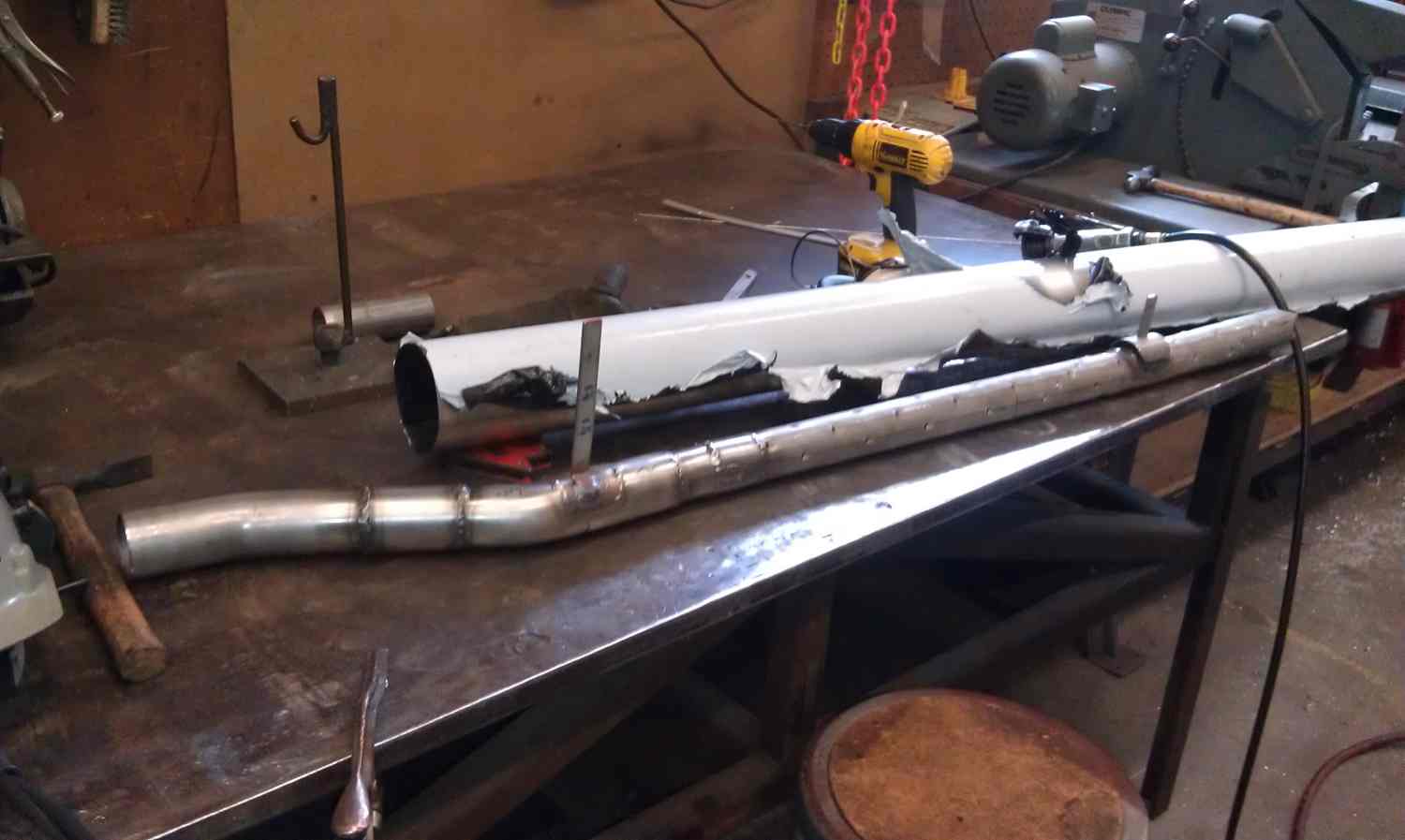
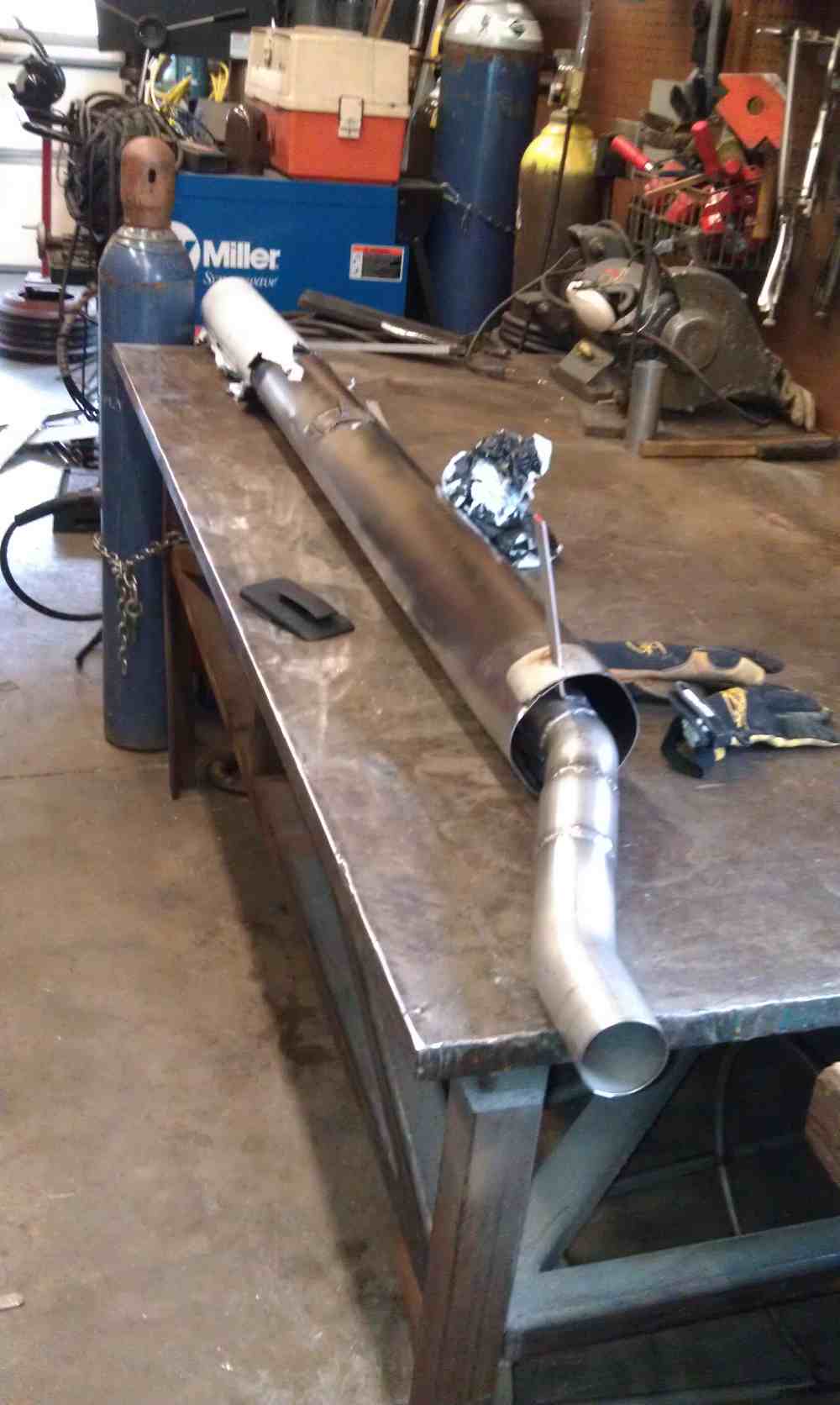
The secrete is to use thicker wall (.090") bends on the ports. Or even
thicker .125".
The mixture ratio enters into it of course.
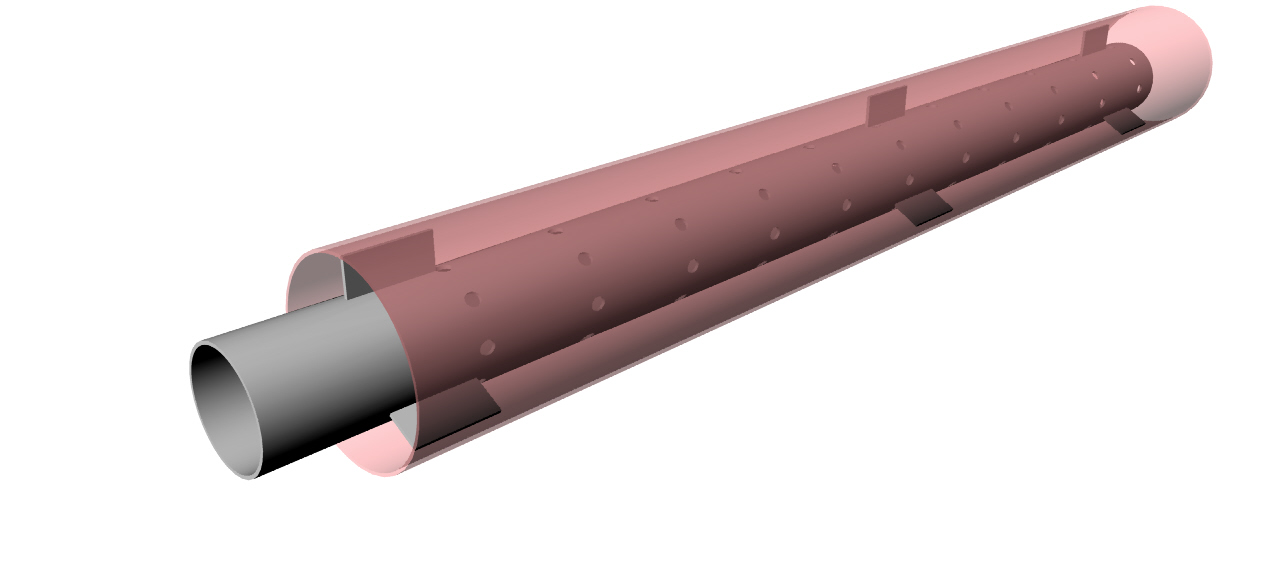
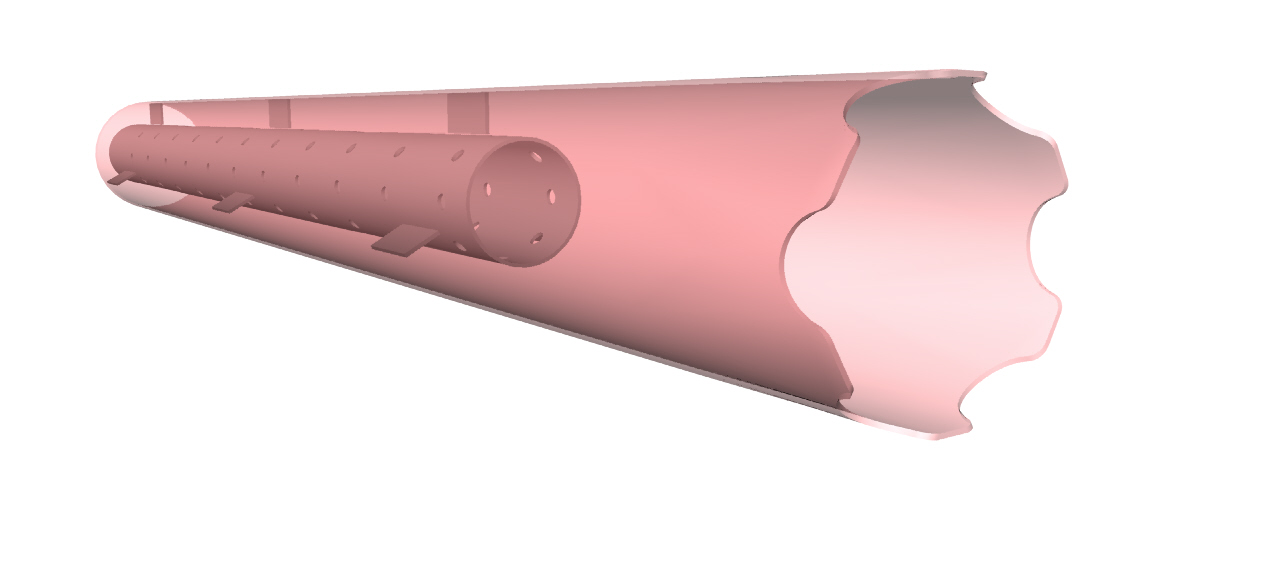
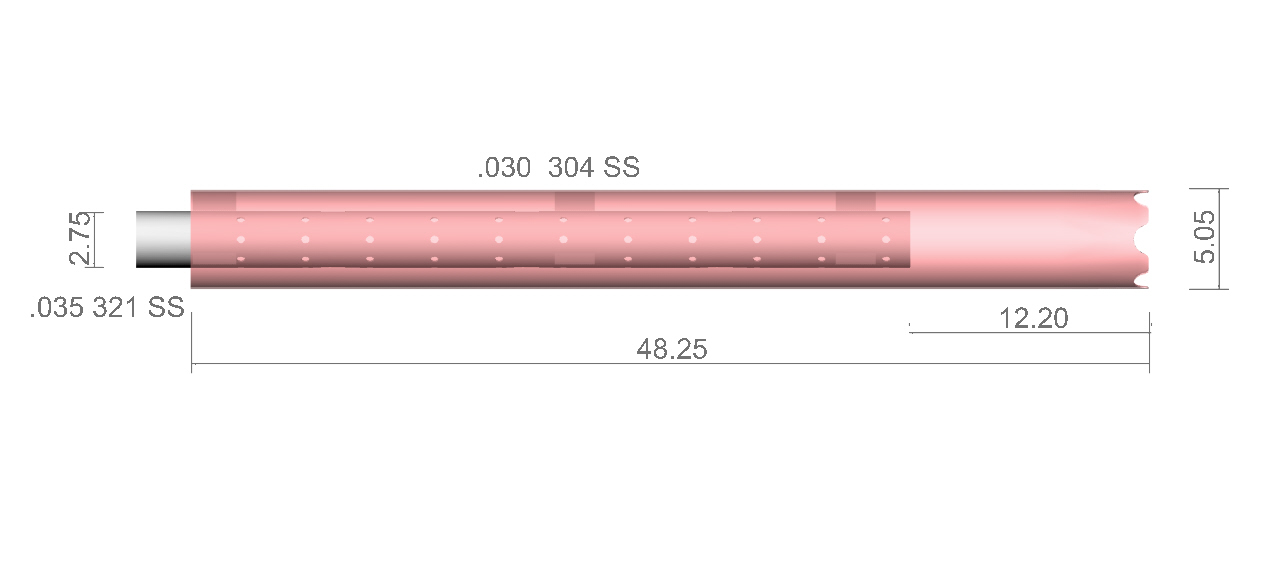
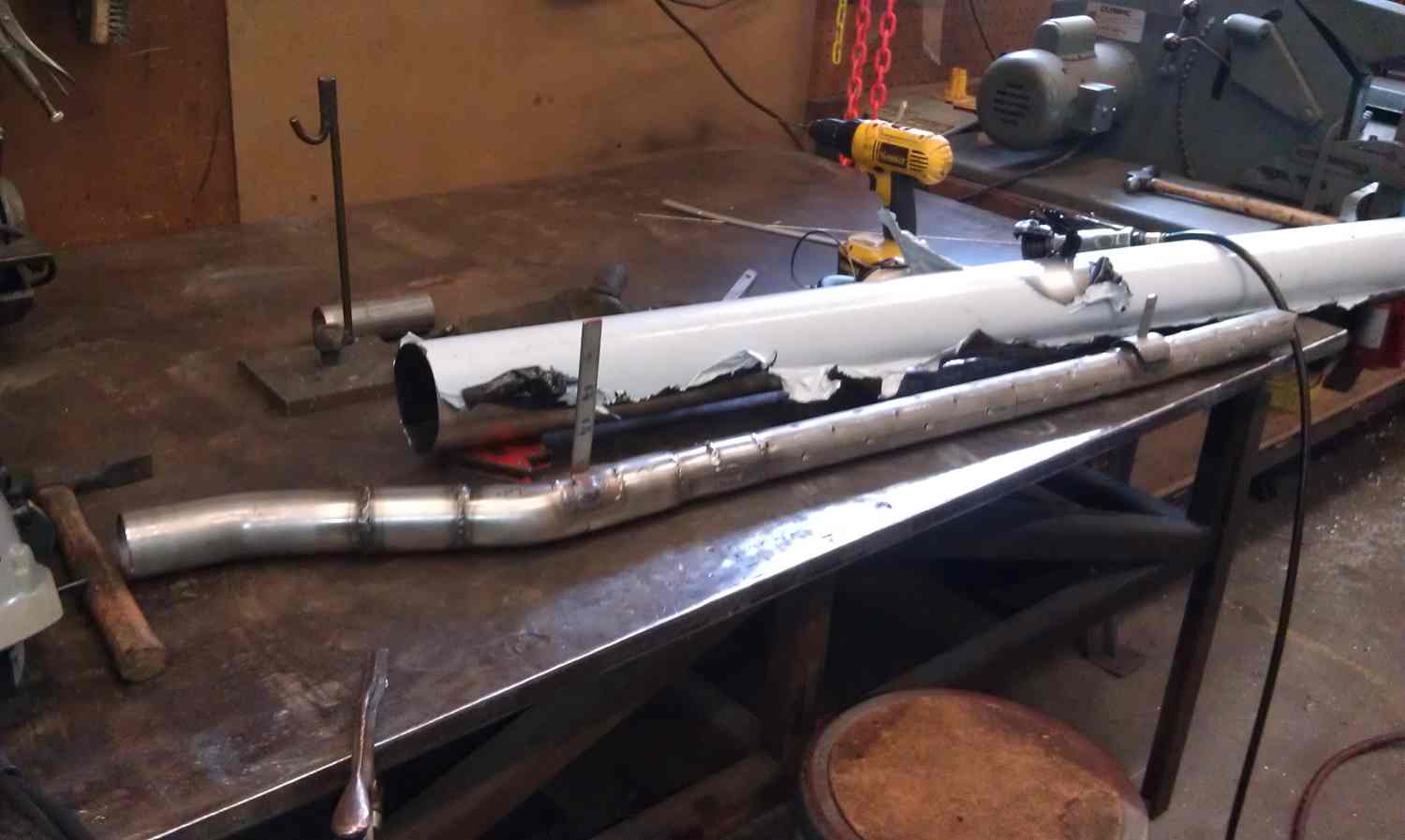
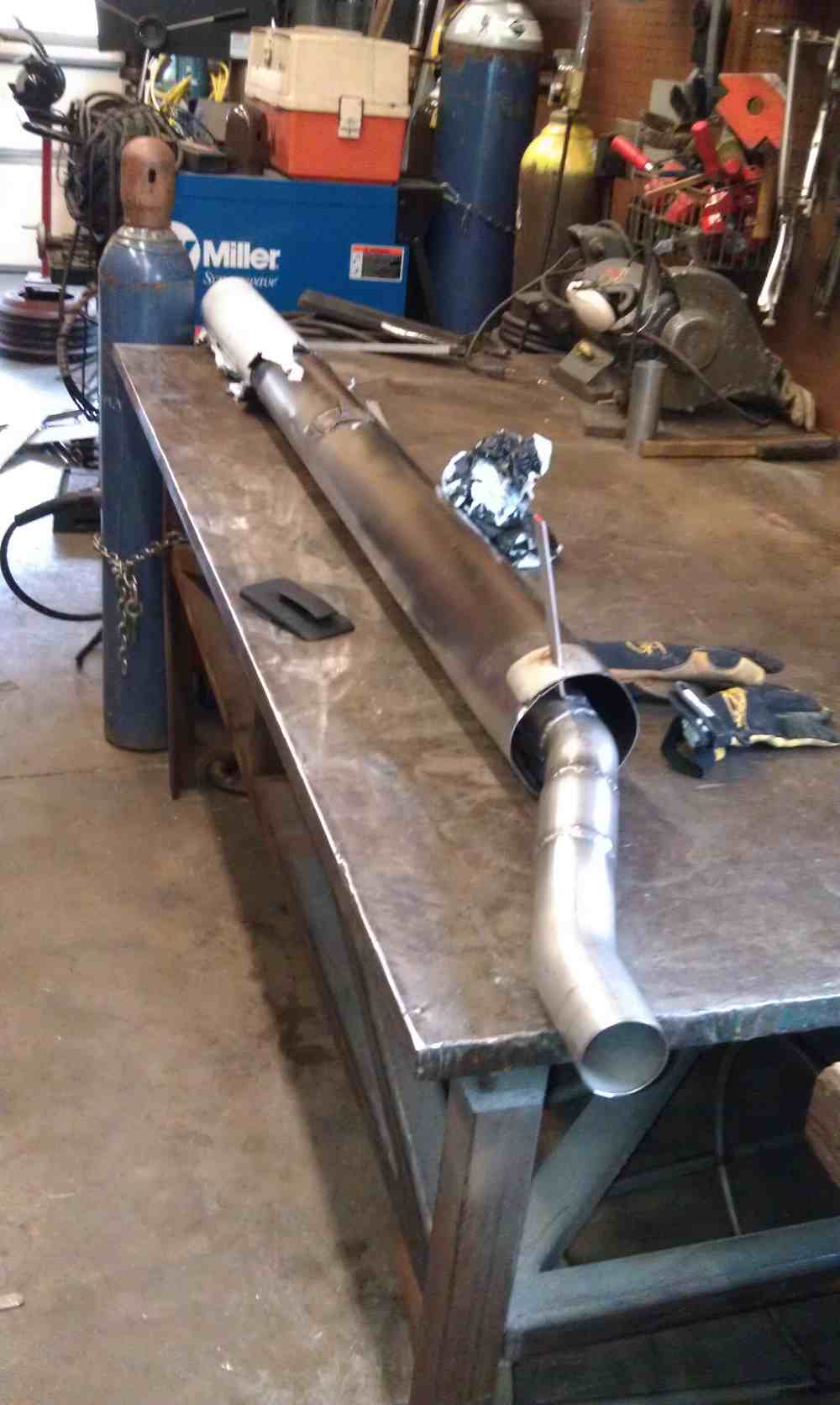
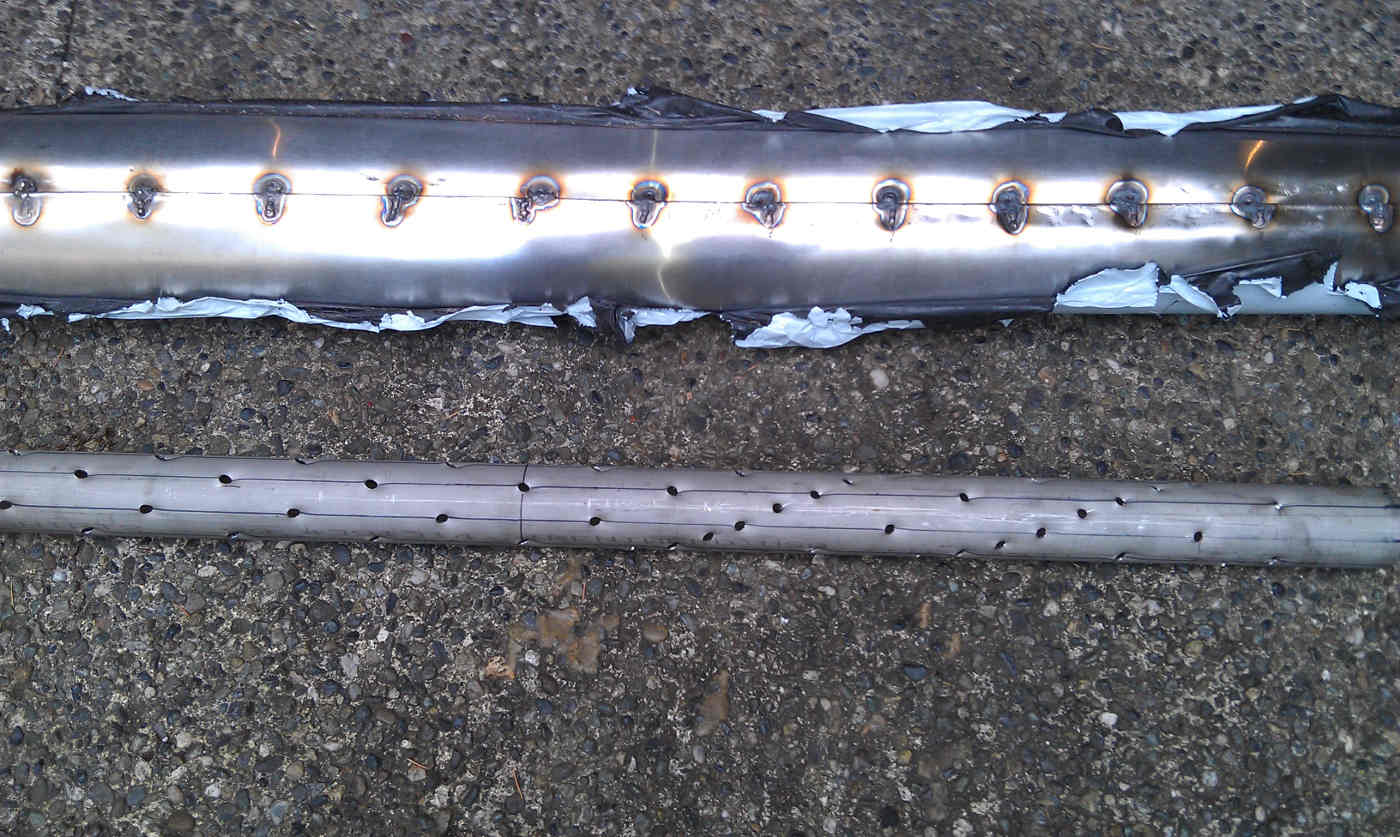
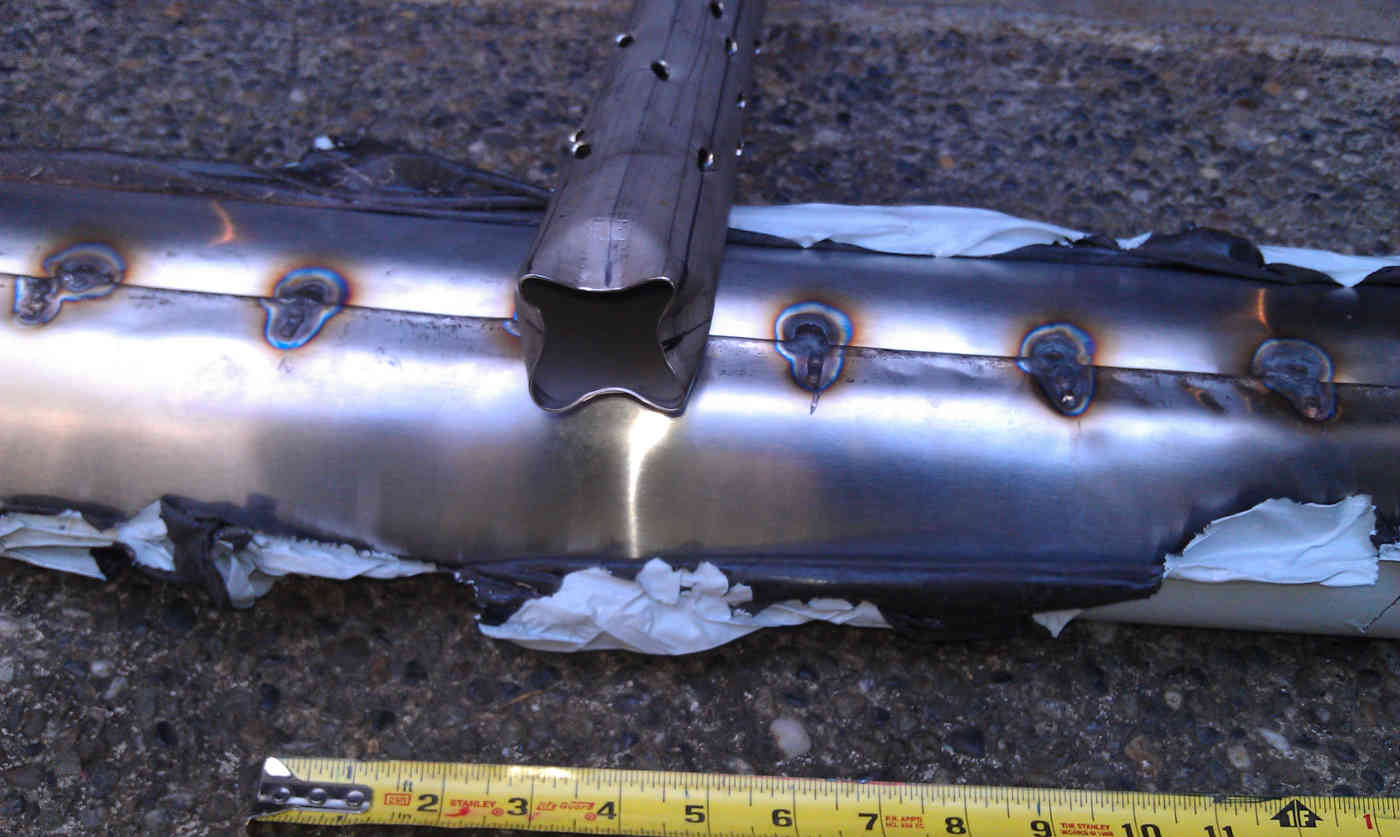
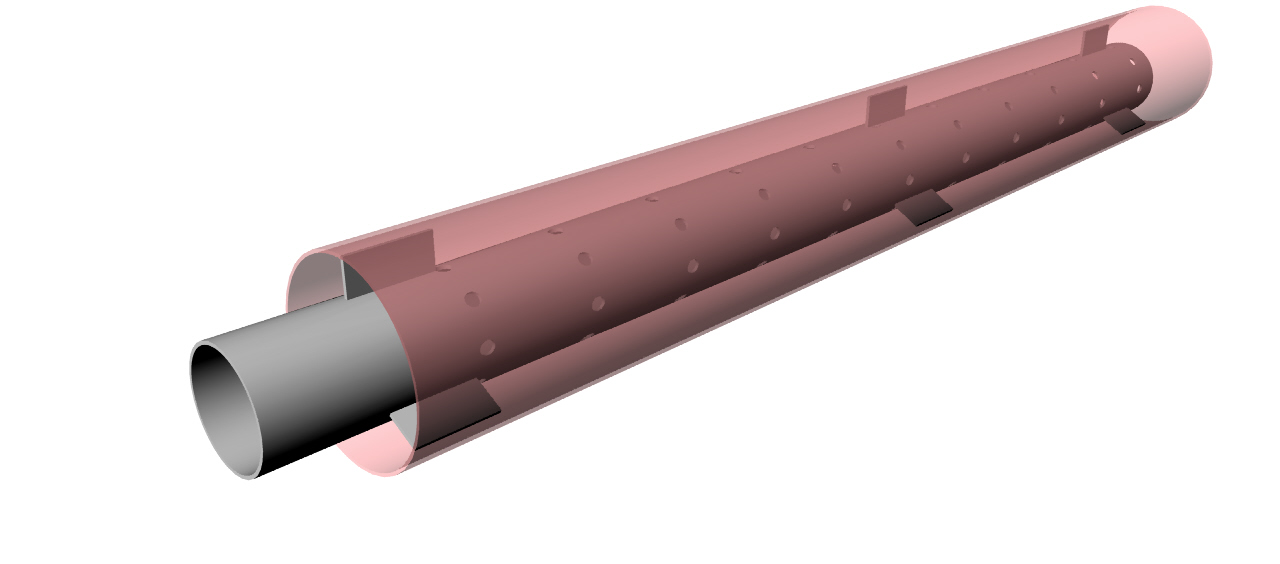
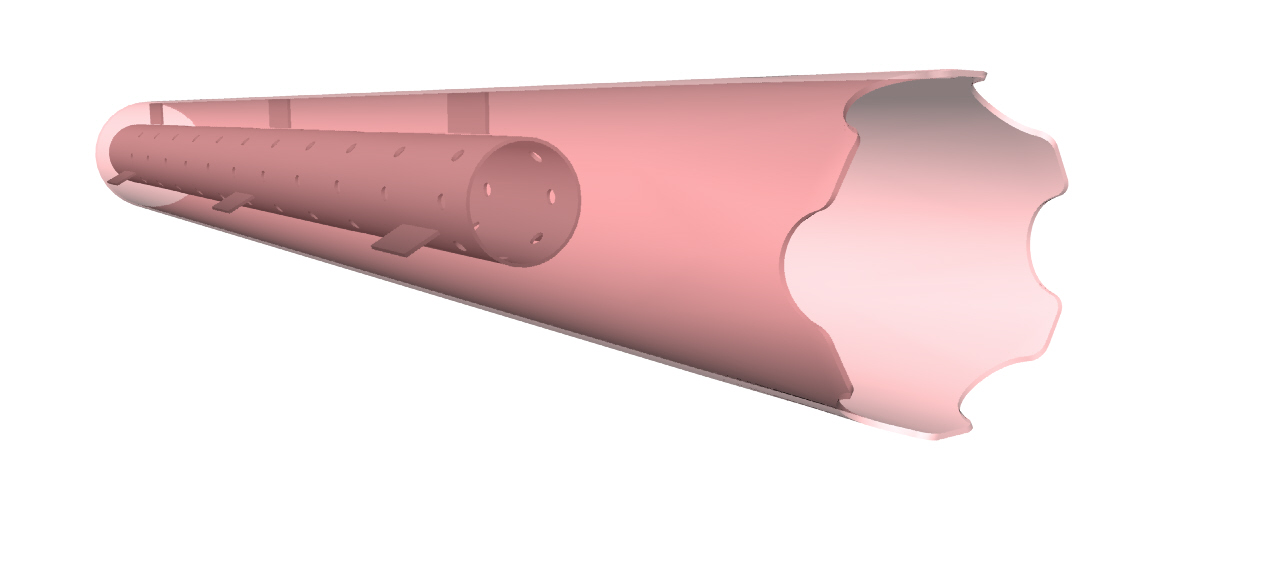
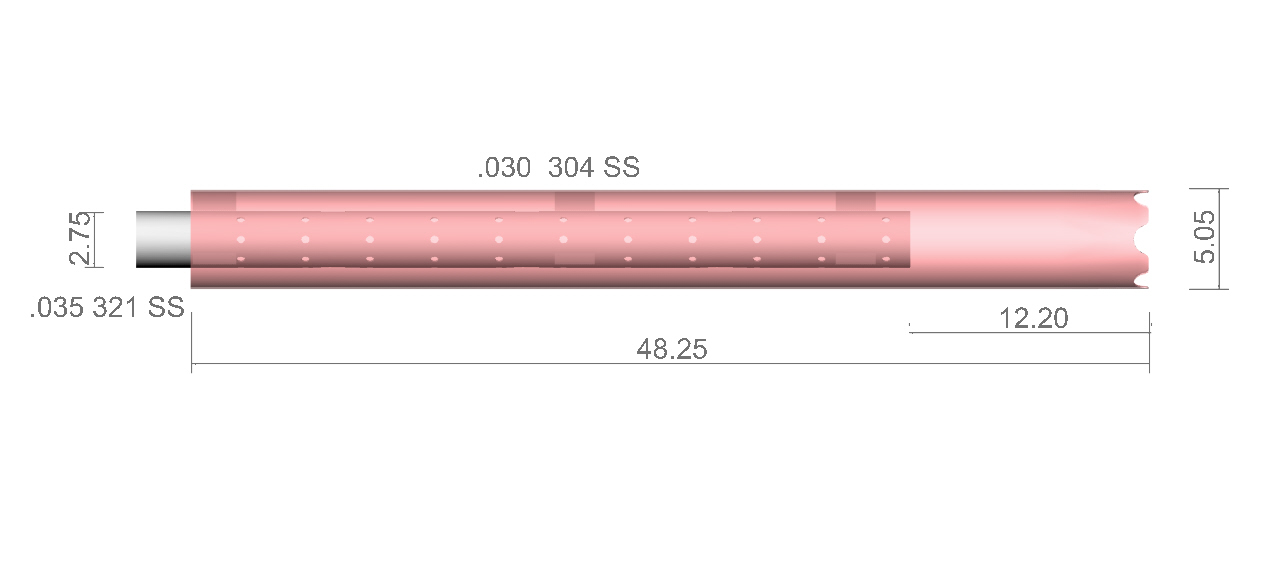
Here is our latest muffler recommendations.
Feel free to pass this on to you contacts in ZA.
Paul Lamar ....In Parkes NSW
Forwarded message ----------------------------------------------------
Hi Peter
AS happy New Year to you.
A beautifully built 7 year labour of love ¾ P51 Mustang with a three
core 20B Mazda Rotary (Wankel) engine crashed on its third flight.
I learned something new – that exhaust temperatures can be a problem
with these rotary installations.
Here is an extract from a discussion on our local forum
www.avcom.co.za
<http://www.avcom.co.za> – which I believe you have lost your password to!
G
The engine is a 20B with a Tracy Crook PSRU and a local engine
management system. The powerplant is popular in the US especially with
the Canard guys.
We spent a lot of time with Rob and his conversion as we are installing
a 20B into a S208, we have 68 hours of ground testing and are still not
entirely happy.
The thing with the 20B is exhaust gas temps - 1850 deg F is not unusual
on t/o. During our testing, we noted that nothing inside any type of
standard muffler can withstand that heat - we even tried stainless steel
wire....it ignited and dripped out the exhaust...the only way to quieten
these engines is by separating gas pulses from sound waves and making
the sound waves work against each other, that is done through a big ugly
exhaust system - and yes, they need to be muffled, the exhaust note is
horrific without some form of muffler (much of the combustion is still
happening when the rotor passes the exhaust port)
They are fantastic power plants and Rob did a fantastic job but I never
liked the exhaust system.
Temps is surely extremely high.
Just a question. Have you consulted with the guys that race with rotary
engines. I know that this is/was one of their biggest problems. But a
company in the USA came to the rescue with systems that can easily
handle 2000 f with ease,and still keep weight and size down.
Just to add to this.Way back ,when the rotary started to show up, On
racing tracks and drag strips,many strips banned unmuffled rotary
powerplants due to the noise. Lots of research was then done to counter
this. And as many also say,The very first thing you need to pay
attention to, if you ever want to go the rotary way, is the exhaust
system. Forget anything else that might be a obstacle. And for some non
sponsered racers, the solution was homebuilt mufflers ,filled with lavarock.
And being limited with space in a aircaft, i gues this must be sort of
the nightmare to solve.
We tried everything - the problem is weight - one can put a cast iron
exhaust on (as per the automotive arrangement) but these things weigh a
lot. We then started researching the subject and started following Paul
Lamar's writings on the subject. The lightest way to do it is to use
Inconel and separate gas pulses and sound waves through a measured
system (using nothing but space as a muffler) The idea we went with uses
a 75mm down pipe (has to be long and so exits the cowl underside the
aircraft and enter's a round chamber which increases the diameter to 3X
the input pipe, this chamber slow's the sound wave frequency and
'confuses' them but still allows the gases to pass without restriction.
The system works, the engine is still loud but nothing inside the
exhaust can ignite. It is ugly as sin though and certainly was not a
solution for Rob.
Still, this may have nothing to do with Rob's problem and is only
speculation at the moment......this accident really hits home, it was
such a perfect build project.
A turbocharger quietens the exhaust down quite a bit!
Rotary exhaust temps are also high because it is effectively 3
"cylinders" that share an exhaust port. Racers get the most performance
by using equal-length pipes for the manifold, but at the expense of
losing a little power, a large diameter "log" type manifold would
probably quieten things down a bit.
end forwarded message
-------------------------------------------------------------------------------------
The Rotary Engine News Letter. Powered by Linux.
ACRE NL web site.
http://www.rotaryeng.net.
You Tube
http://tinyurl.com/beqqxas.
Copyright 1998-2013 All world wide rights reserved.