All you guys in Oz & Nz got to get a Jan 14 back issue as there is an
article on how to build an EFI with a low cost Arduino micro
computer. This will be a good education in EFI's. I ordered a copy
for me shipped to the US for $15 Oz
Silicon Chip mag is a great Oz publication for buying and learning
electronics.
http://siliconchip.com.au/
What works on one cylinder works on one rotor. It's cheap enough to
dup it for the second rotor.
Don't mess around. They will be sold out of Jan back issues shortly.
Paul Lamar
I strongly recommend Arduino kit. I made some by Ebay's chinese
circuit. mostly charging battery and drill and soldering. but as going
study harder. most circuit already on Ebay or any hardware store. only
left thing is controller.
Arduino is very very cheap and most of all it's programming
language and IDE is most valuable. just plug in via USB and install IDE(
programming software) you can programming micro computer . and there is
already so many example at IDE,
( IDE is just same as word processor, it's programmer's word
processor )
there is so many tutorial about this.. I just pick this. but you
can search all about it.
http://www.youtube.com/watch?v=E6KwXYmMiak
<http://www.youtube.com/watch?v=E6KwXYmMiak>
making 3D printer or CNC also very easy. there is already part and
firmware there. and we can use this as almost everything. we can use it
monitoring voltage at sensor so on.
http://www.youtube.com/watch?v=85LvW1QDLLw
<http://www.youtube.com/watch?v=85LvW1QDLLw>
http://www.youtube.com/watch?v=gDFeXYWxQ_Y
<http://www.youtube.com/watch?v=gDFeXYWxQ_Y>
IT's key is easy to programming. that's the key and there is
already many tutorials and datas. I recommend it as software engineer
expert.
P_Bear.
Using the Arduino IDE has some drawbacks- as you add more digitalWrite
commands and digitalRead commands, it slows down considerably. The
problem isn't the chip, its the Arduino IDE. The Arduino.h file that
includes the functions that allow the digitalWrite, digitalRead,
analogWrite and analogRead functions require the compiler to write a lot
of non-optimized code. For example, to enable digitalWrite on pin A1,
the compiler has to write 8 separate lines of code- one for each bit for
each of the available pins. Same for the other commands. This ends up
taking a lot of the processor power for unnecessary commands.
The only way to make the Arduino work for an EFI would be to write the
code in C or C++ and manage the bits individually. While the Arduino
IDE is simple enough for beginners, it is not suitable for a really high
end high speed critical system.
There is another board made by Texas Instruments called Hercules that is
much more suitable for an EFI- it has a built in watchdog timer as well
as built in self monitoring provisions. The board is marketed for
"safety critical" applications, which an aircraft EFI would be.
I wrote the code for an Arduino Mega 2560 that monitored the
potentiometers for 4 linear actuators, would read the pots and control
the pwm for 6 channels of LED lights, it read the temps inside and out
and monitored the output of an electric heater for safety purposes. The
system ran slowly enough that it would miss the stop points for the
actuators causing the actuator to "hunt" for a bit before stopping at
its intended location. Once I identified the problem, I was able to use
a different IDE to write the code at the bit level and make it work. The
problem turned out to be the time required for the system to read and
write to all the pins, and the time lost to the ADC.
If you want to see for yourself, the Arduino code for a lawnmower EFI
system is on the internet, as well as a Youtube video. Download the code
into the Arduino IDE, then compile it into assembly. As you go through
the code you will see what I mean.
I have been working on and testing bits and pieces of a similar system
for a while now and my conclusions are that the best system would be
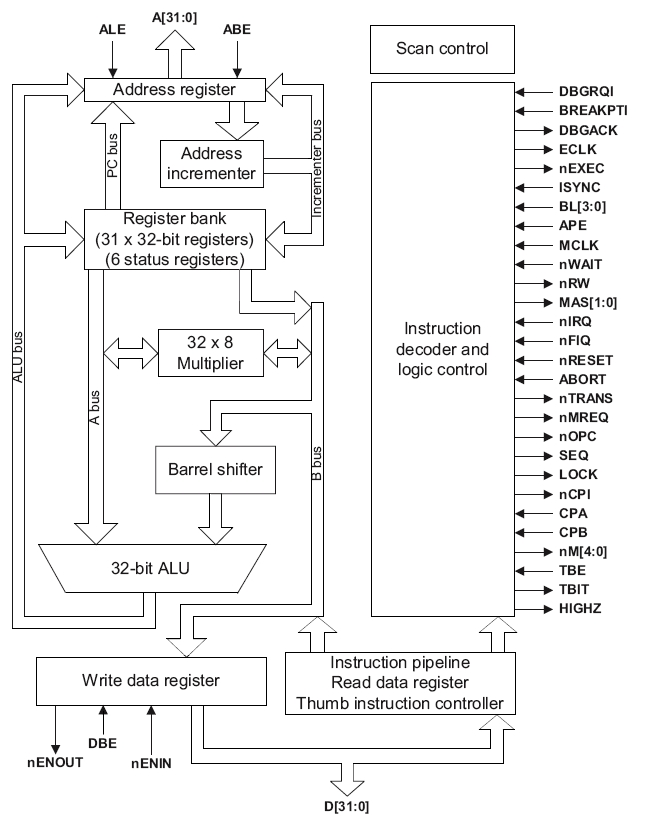
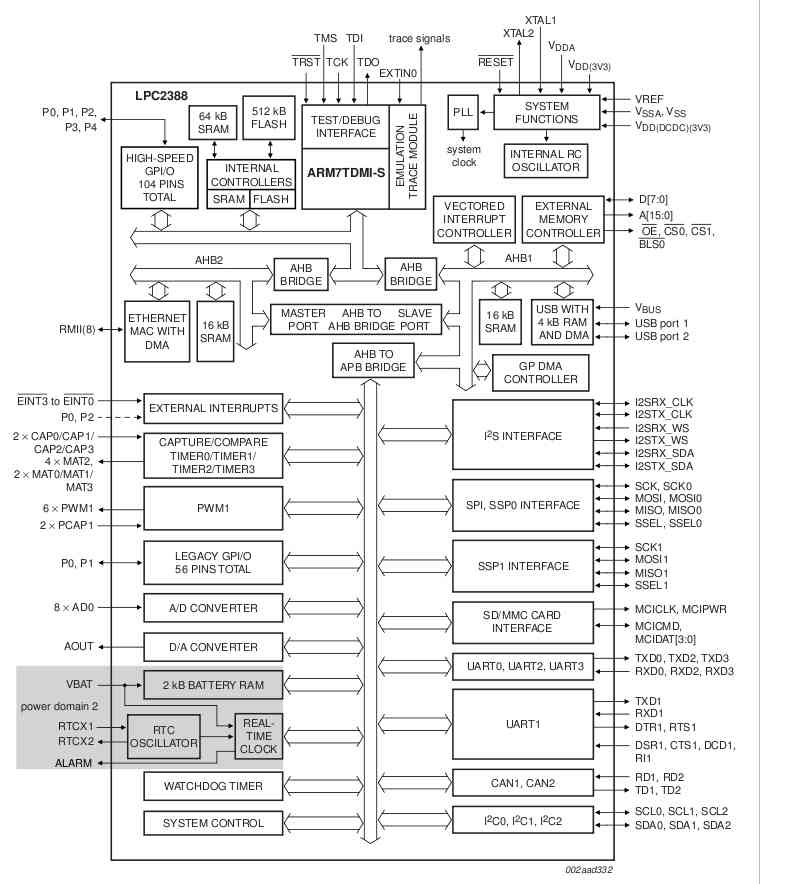
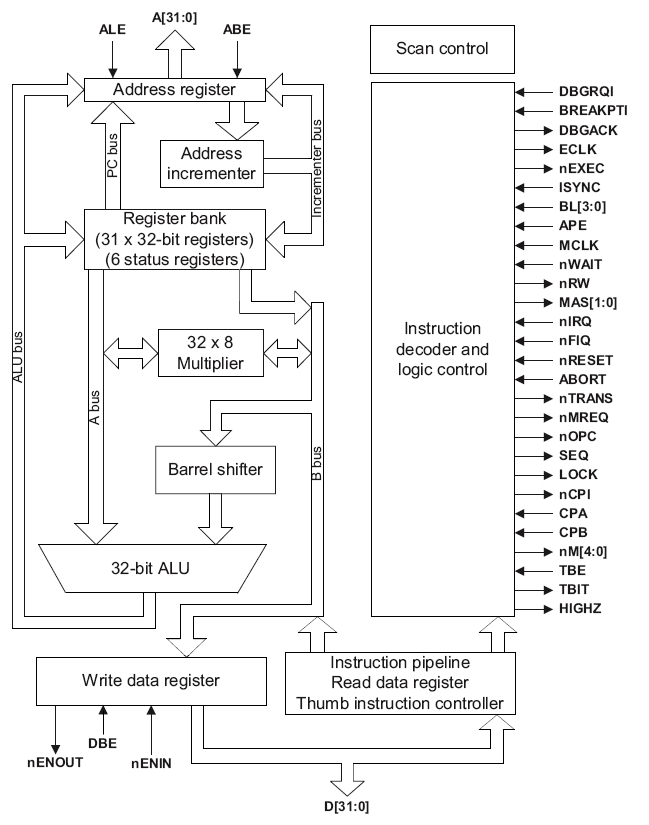
built on the Freescale S912 series chip or an ARM 7 or 9. The freescale
chip has a second chip on the board known as Xgate that has a singular
purpose- to read sensors and gather information. This frees up the main
processor which is many times faster than the Atmel in the Arduino to do
nothing but calculate and bit bang the injectors and other necessary
items for the EFI.
Kevin Alderman
Kevin what about multiple Arduinos one for each injector and one for the
display?
The Motec is $3000.
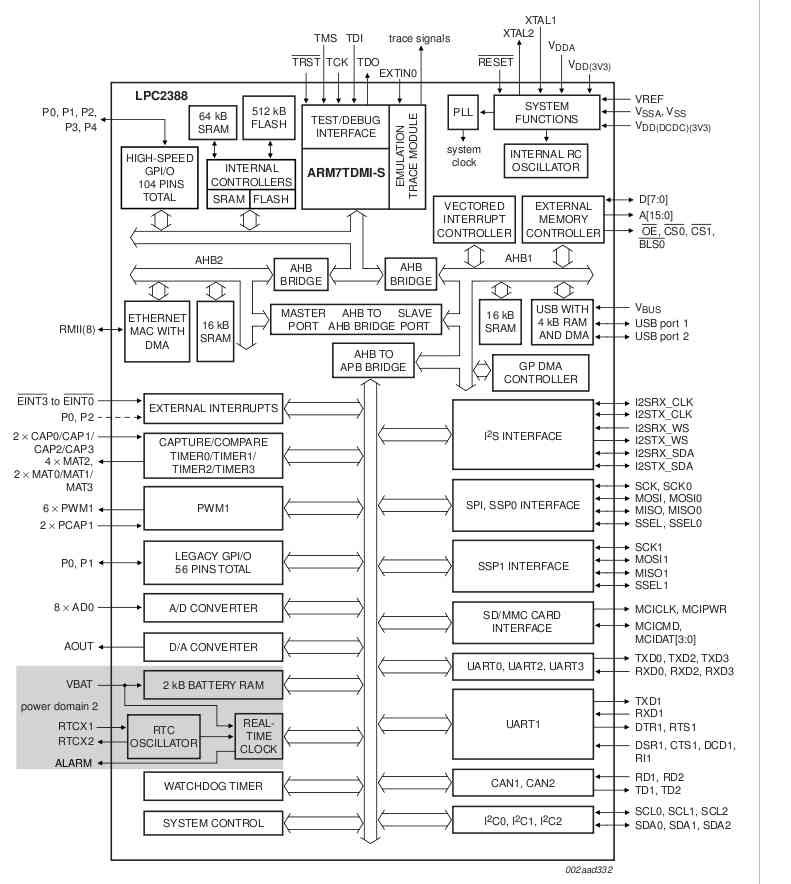
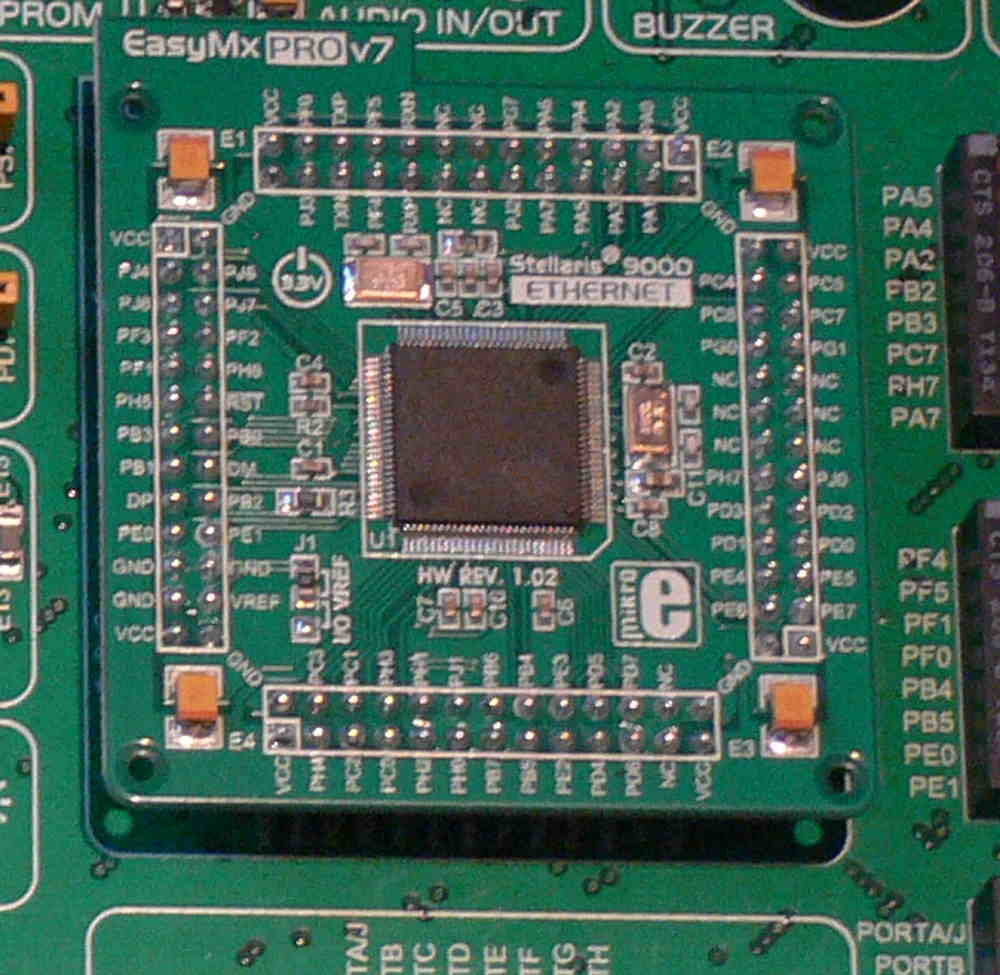
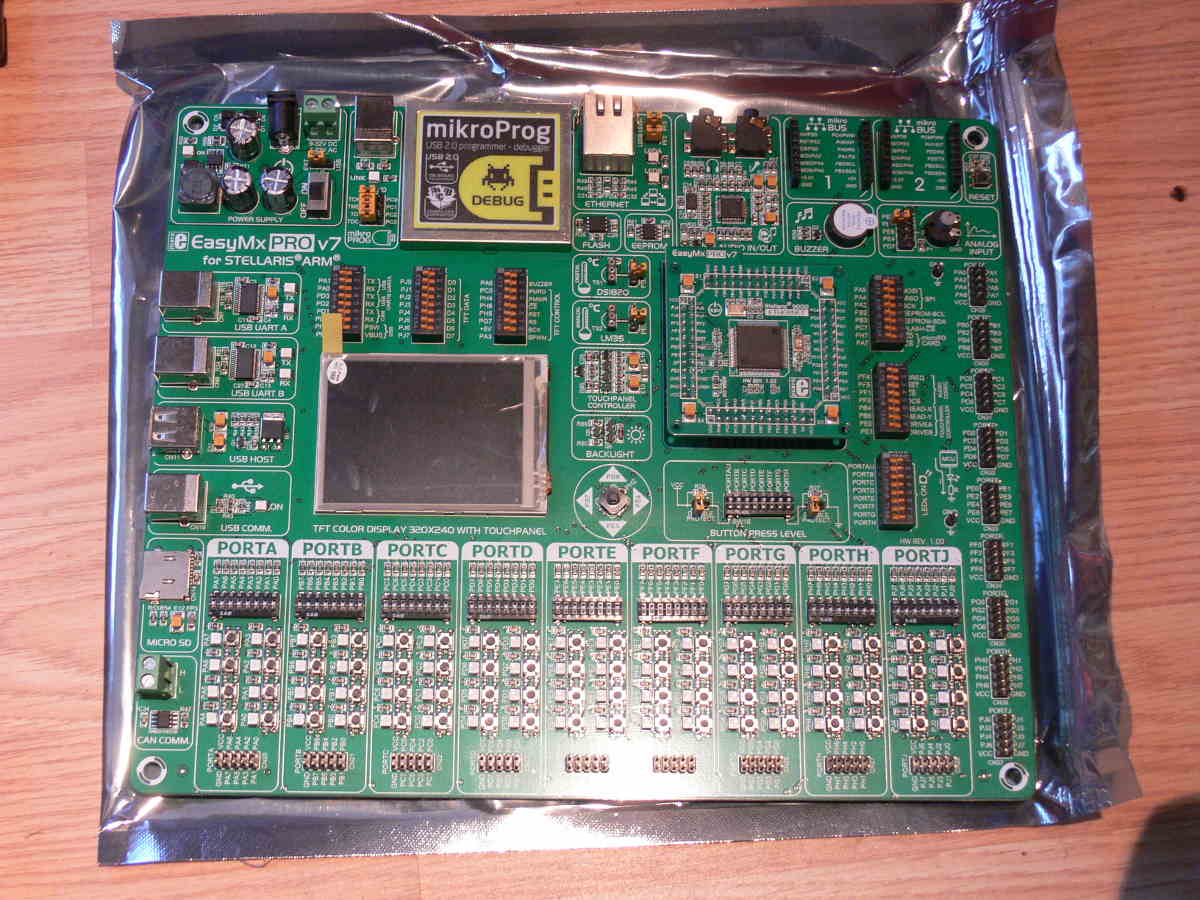
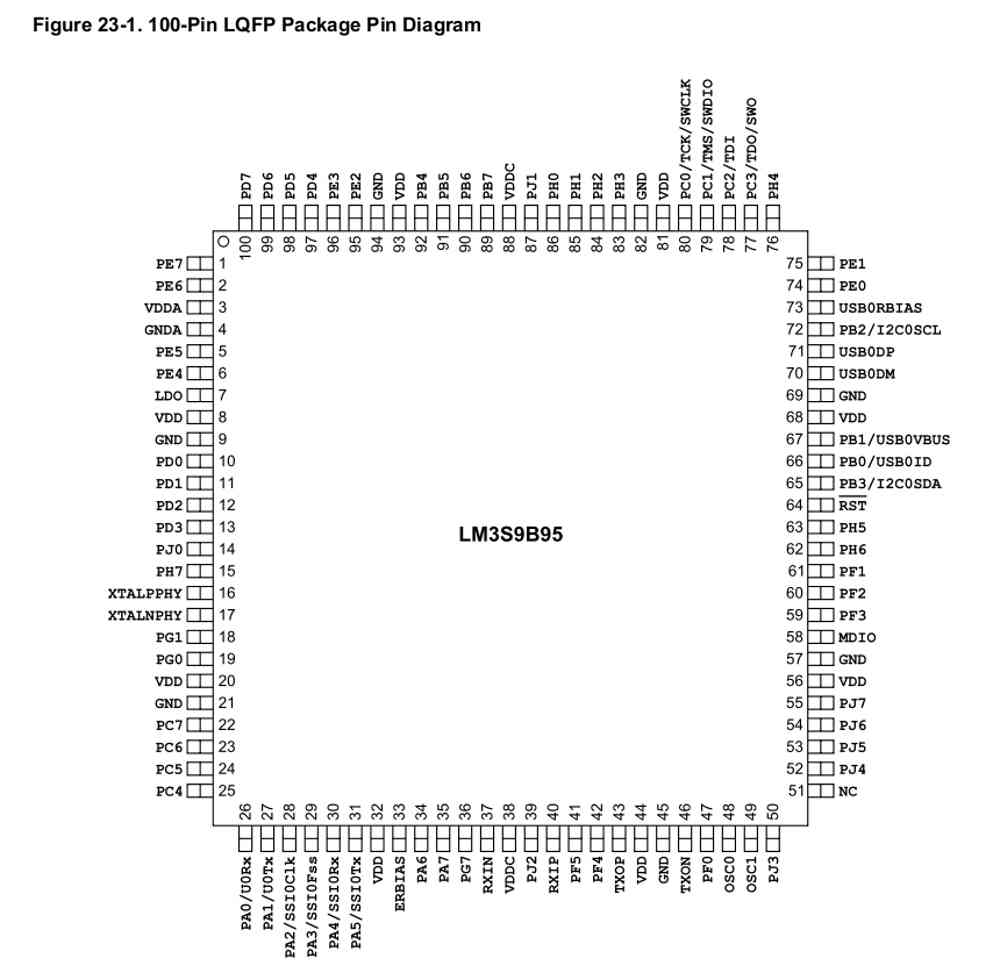
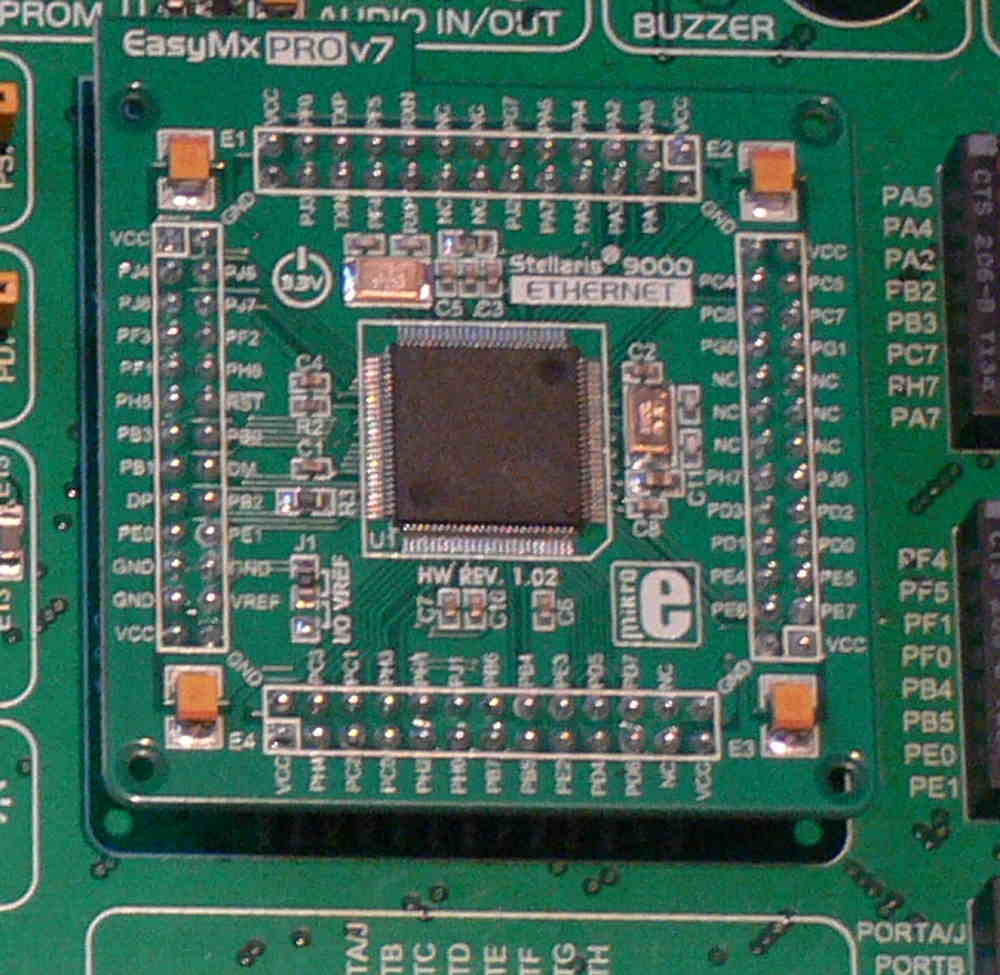
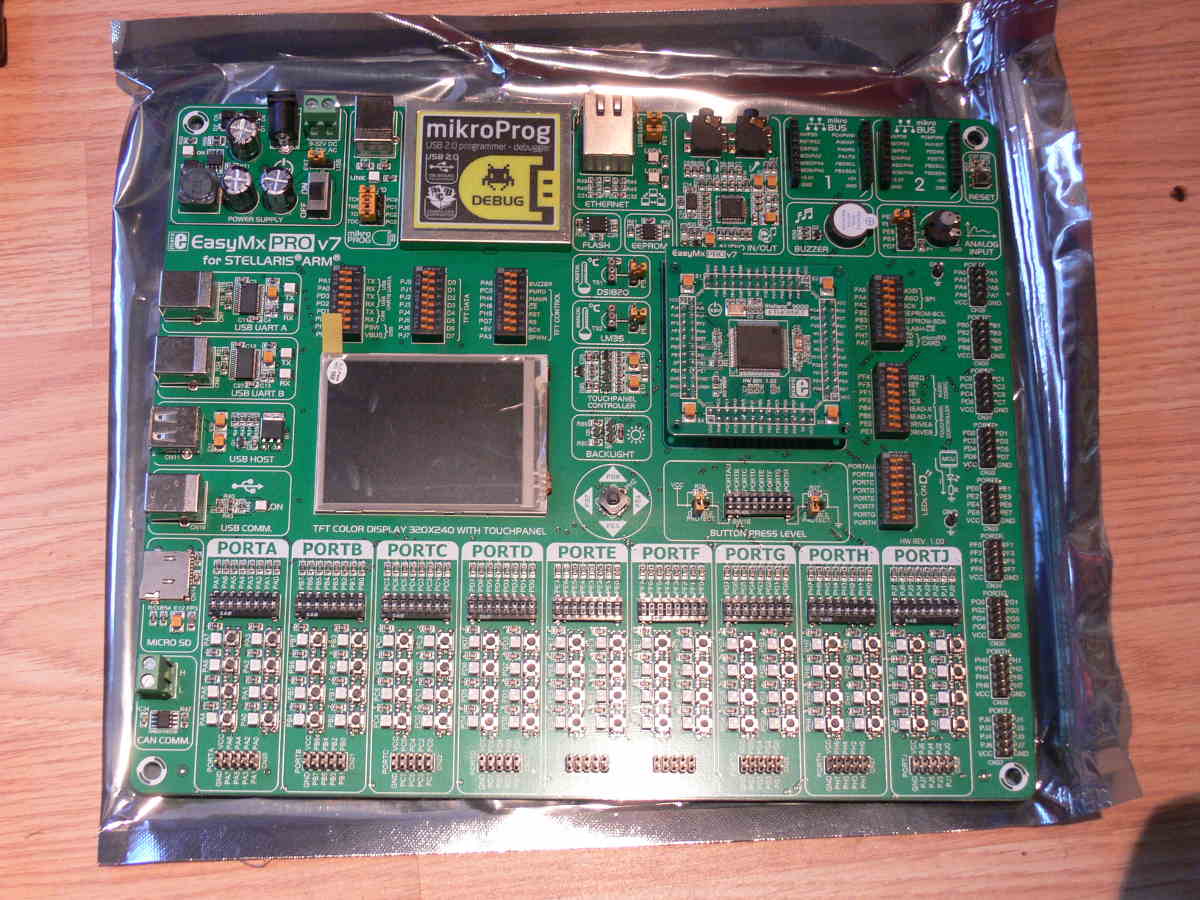
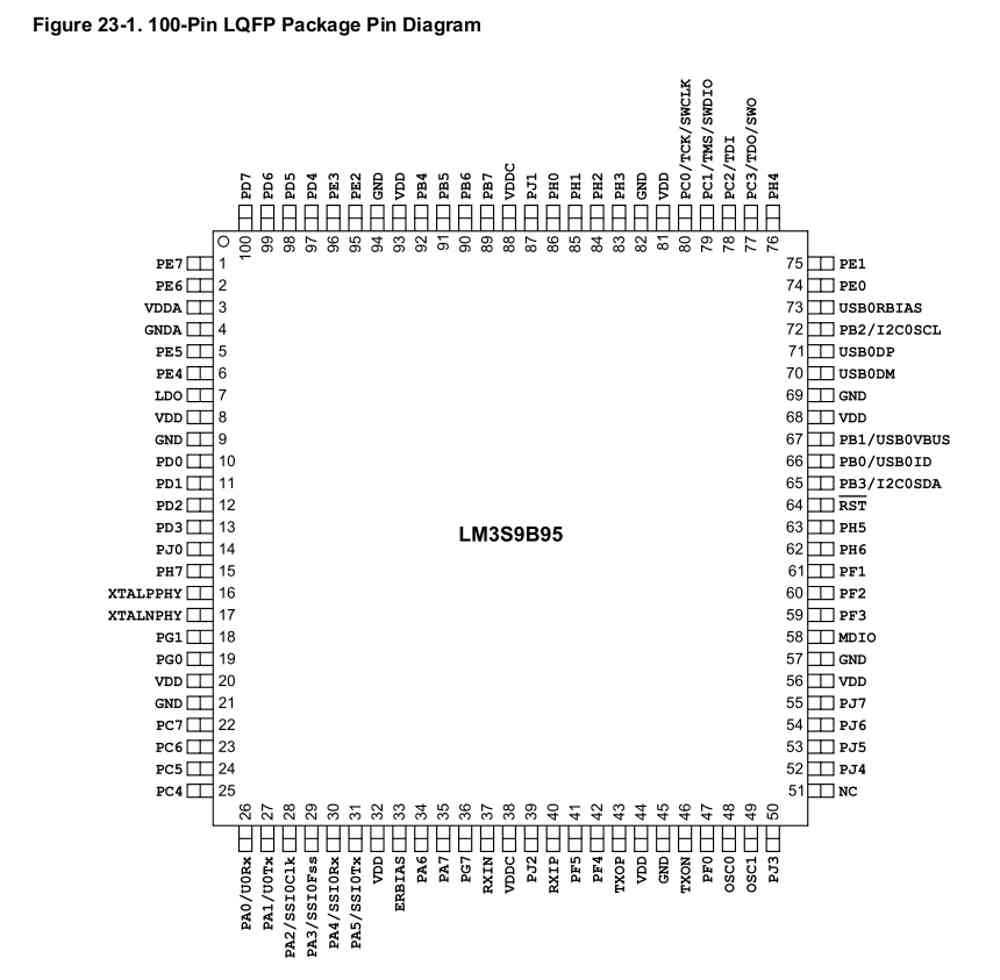
If you want a real powerful ARM I have just the board for you :)
You can have it for what I paid for it in a day or so. About $200
I just don't have time to work on it. I am focused like a laser on the
ignition :)
http://www.mikroe.com/
Paul Lamar
The Rotary Engine News Letter. Powered by Linux.
ACRE NL web site.
http://www.rotaryeng.net.
You Tube
http://tinyurl.com/beqqxas.
Copyright 1998-2013 All world wide rights reserved.