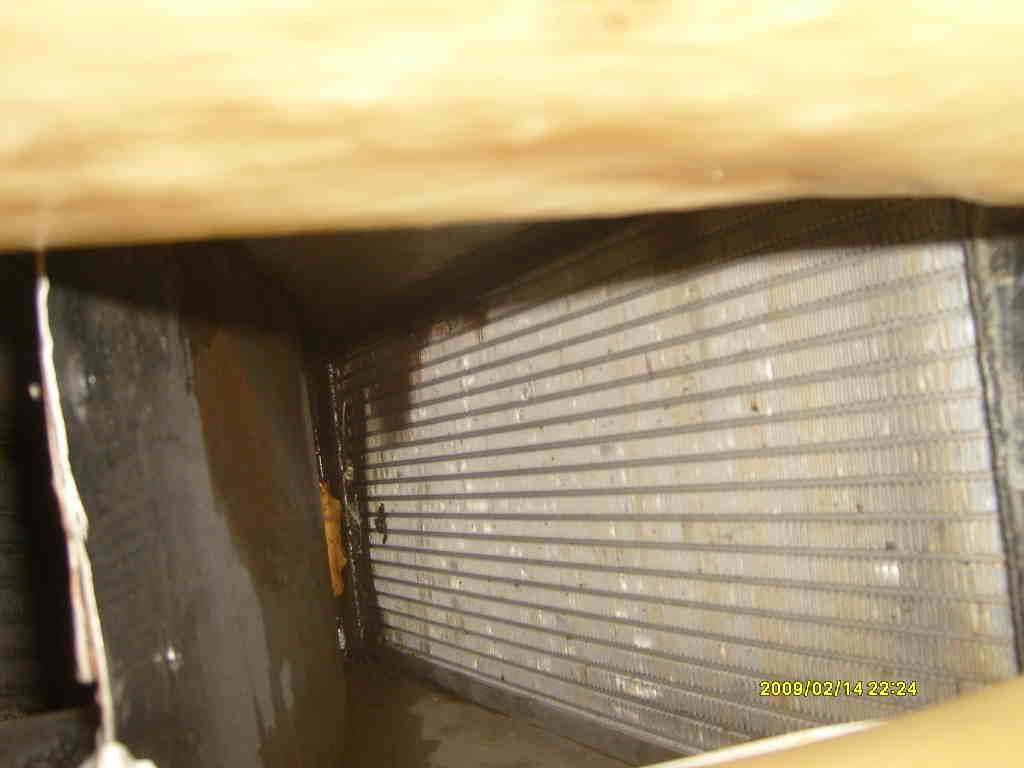
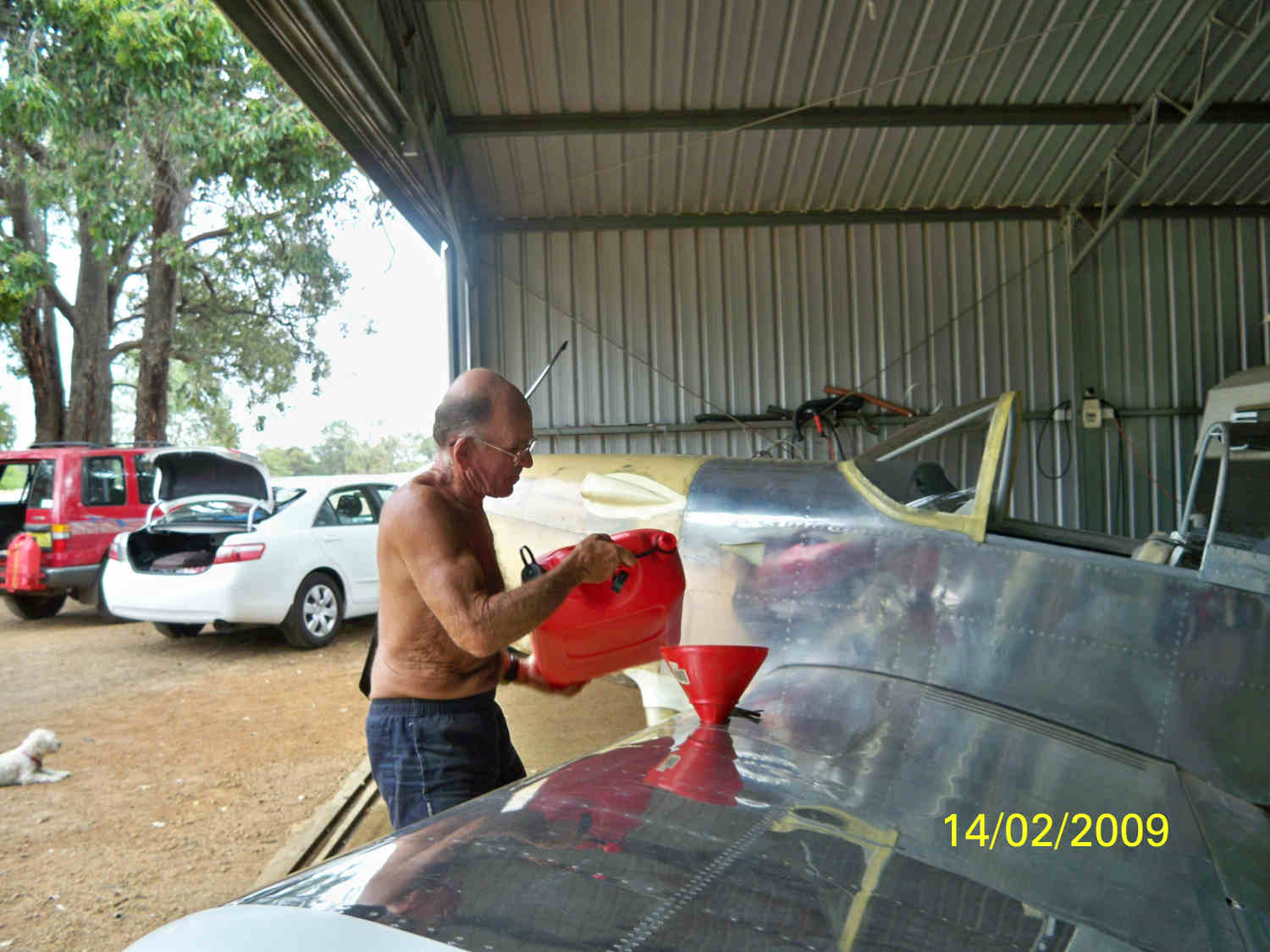
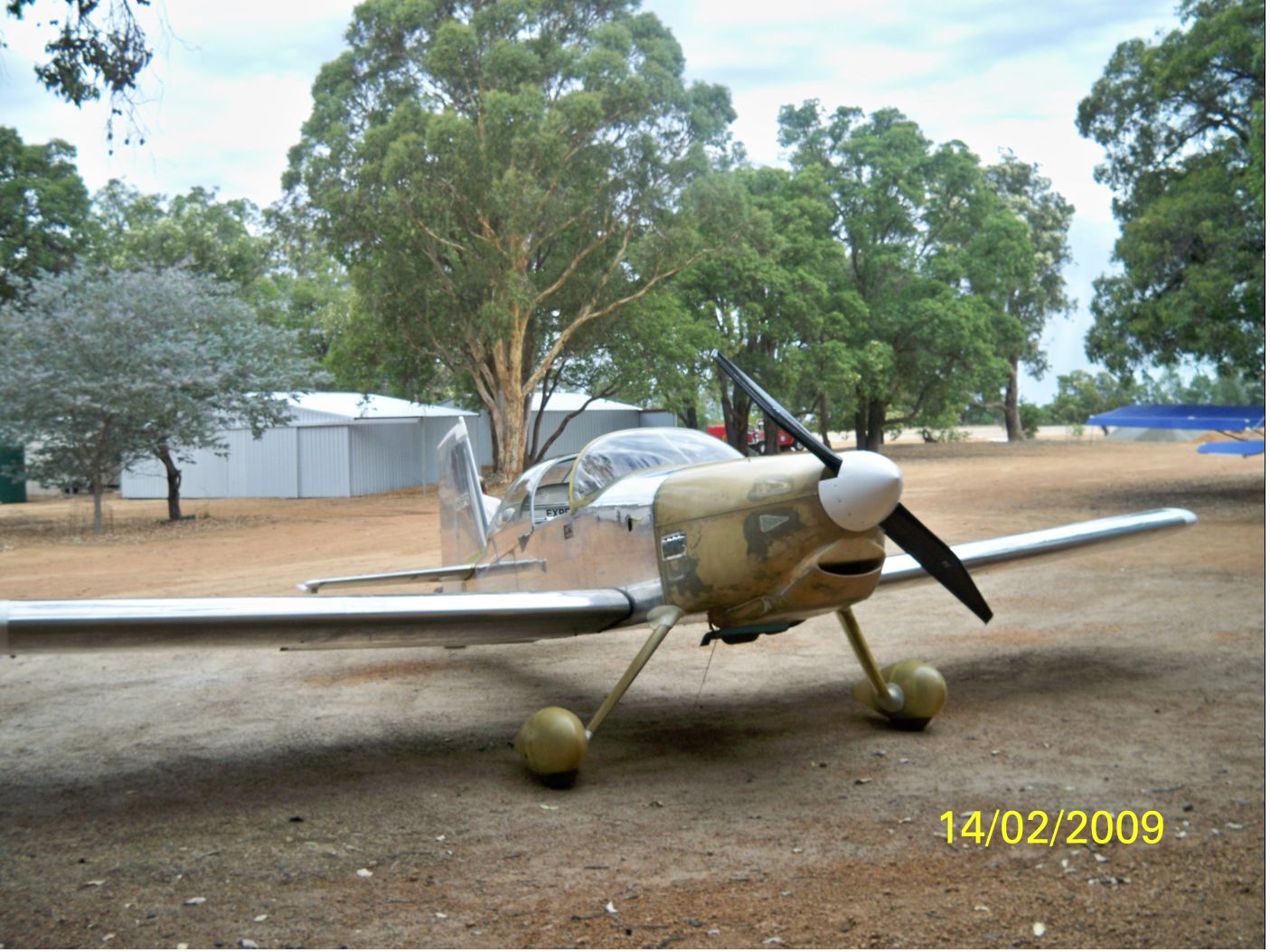
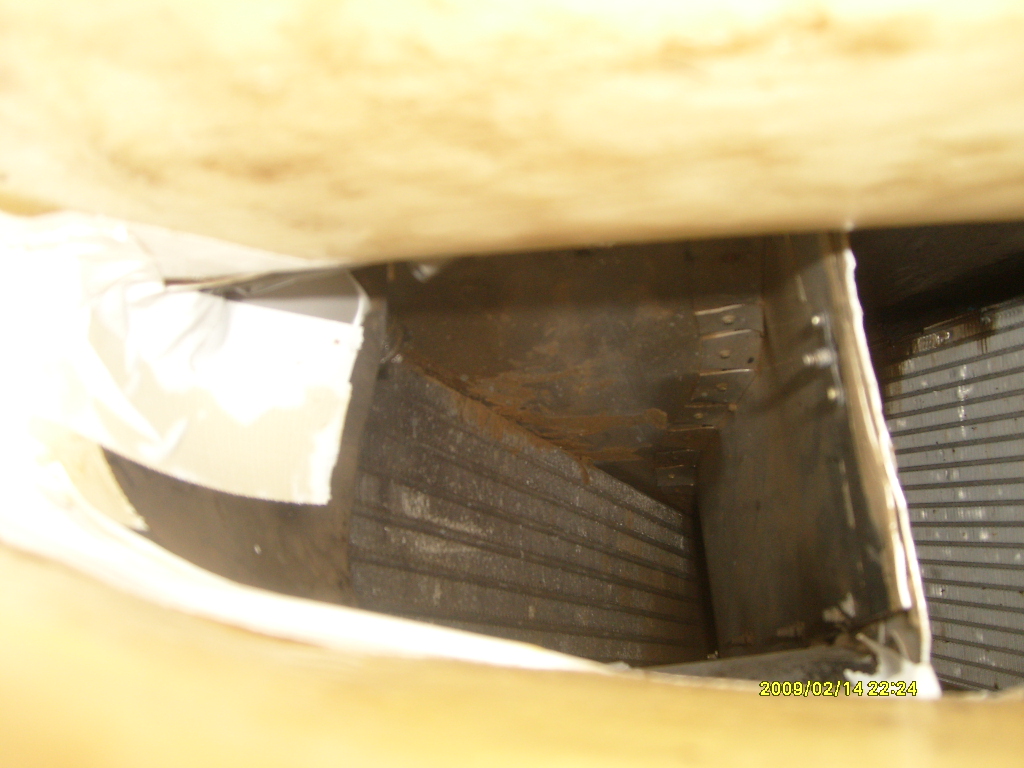
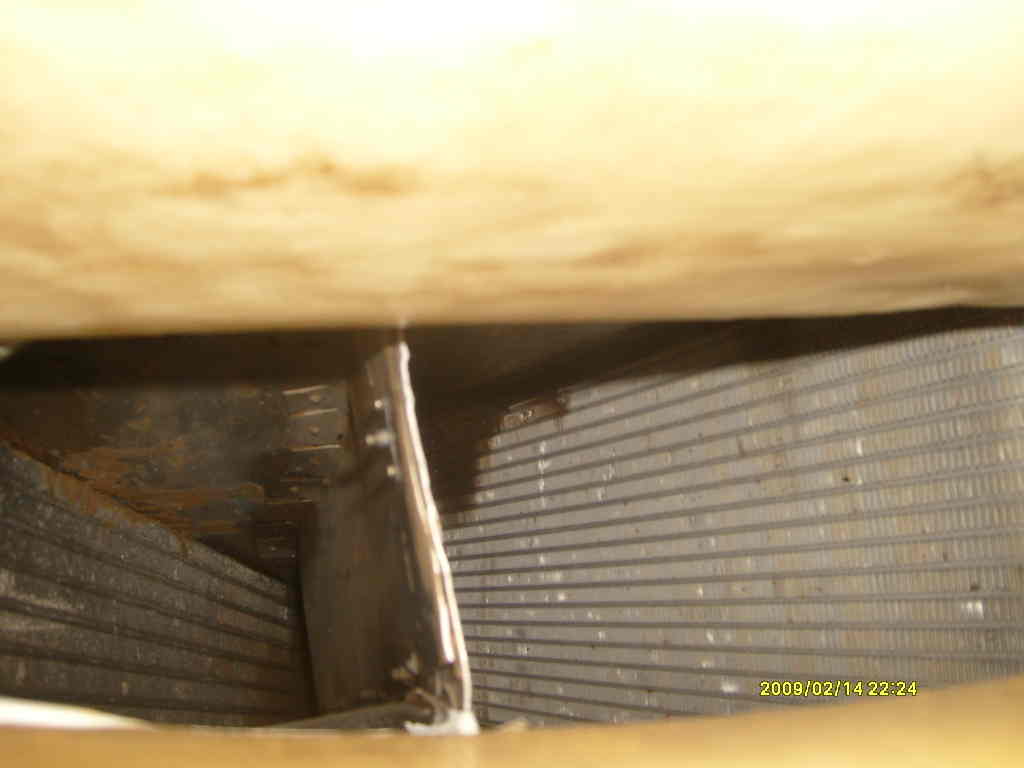
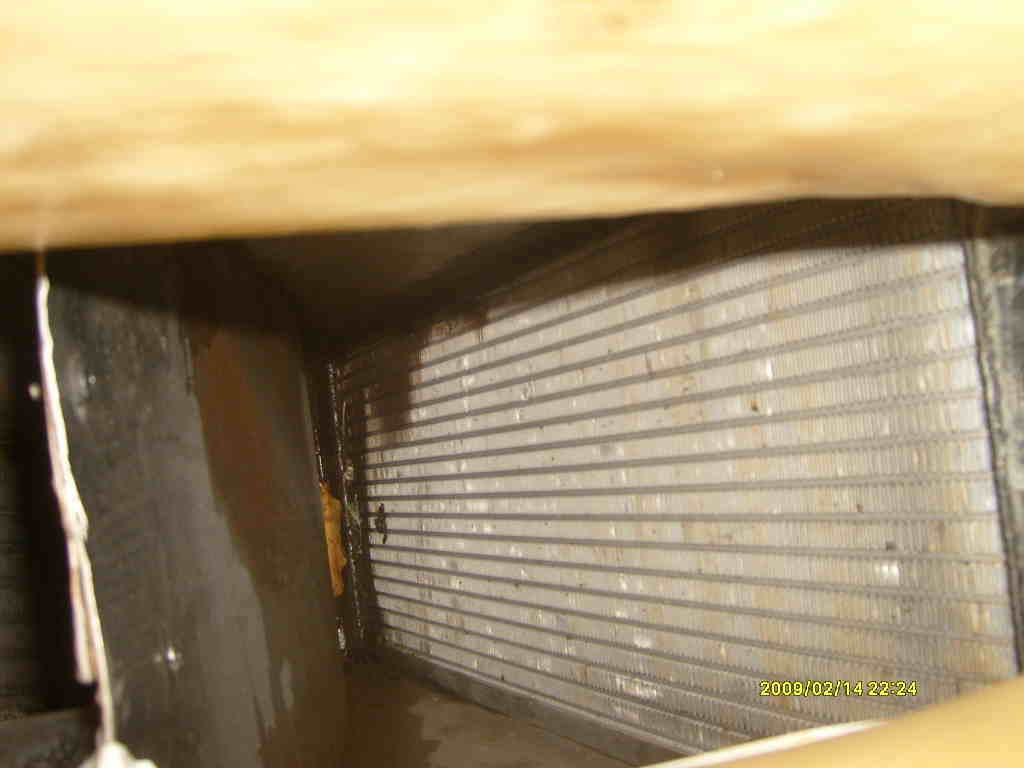
Paul, Having read your book on cooling for about the 5th time, in your
research did you ever experiment with what would be the minimum height
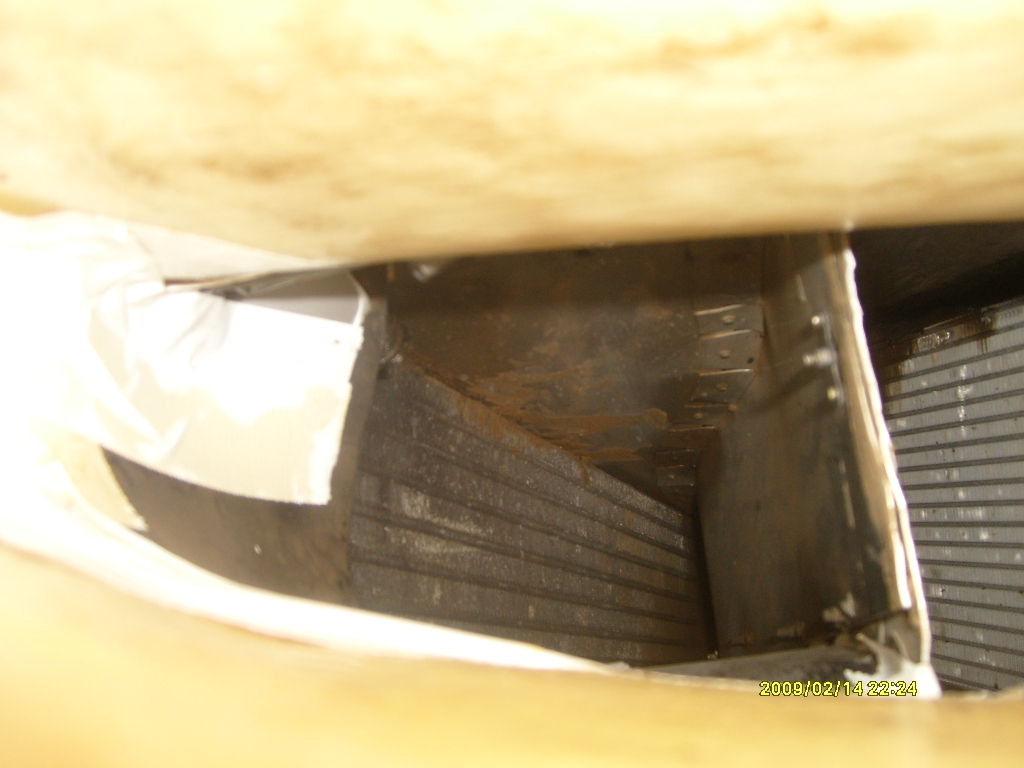
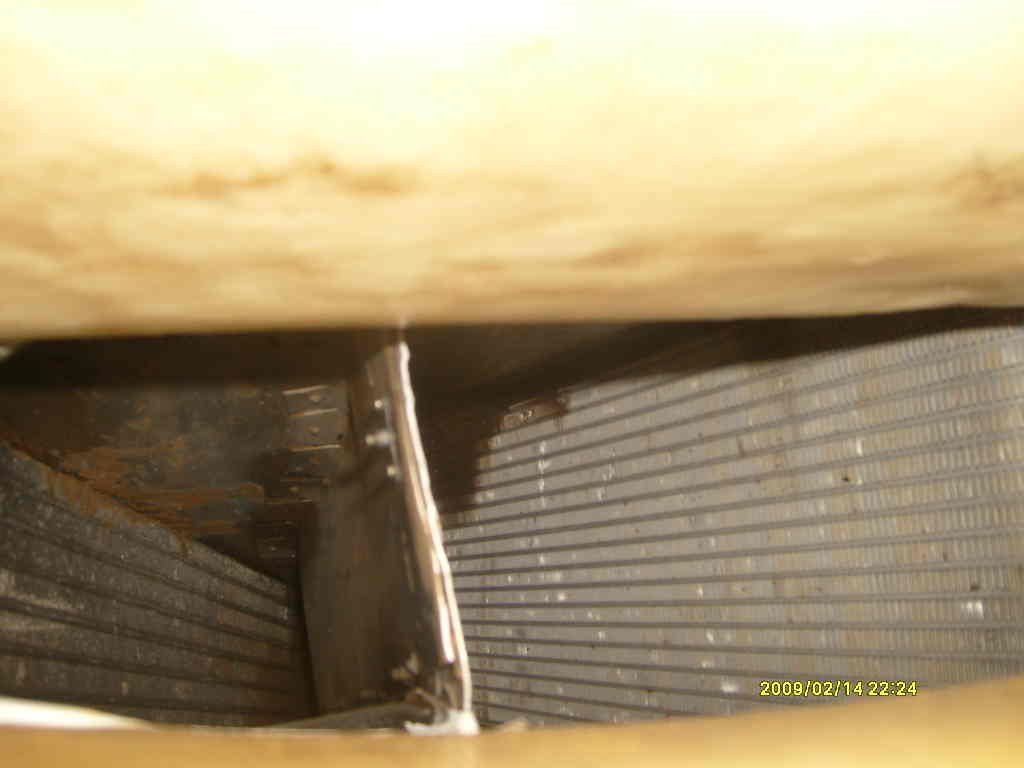
of the opening on a wedge diffuser? What I am asking is, if say the
exchanger is 24 inches long, can you say what the minimum opening is, or
do I have to experiment to find that say 2 inches at the front of the
wedge is too small? I assume that I will have to make a manometer and
go for drives like you did??? Now on that, just what purpose does the
lumps of foam achieve attached to the ends of my trickle irrigation
pipe?? Neil.
Never got that far. Ian did however out in Perth. He got it down to rather
a small slot with a little work on the exact S shape of the diffuser. It
is hot
out there too for people here in the US that have never been to Perth.
The lumps of kitchen foam are porous and they prevent stray air currents
acting like a slip stream on a pito tube. You want to measure the
ambient or
static pressure and not the dynamic pressure. You could drill a bunch of
tiny holes
around the outside of the tubes but that is work. I try to avoid work when
ever possible :)
Point an open tube in the direction of the airflow to measure the speed.
Paul Lamar
The Rotary Engine News Letter. Powered by Linux.
ACRE NL web site.
http://www.rotaryeng.net
You Tube
http://tinyurl.com/beqqxas
Copyright 1998-2013 All world wide rights reserved.