Hi Paul
I have been interested in the reduction gearboxes using Auto Trans
planetary gears.
I am interested to know if someone has ever found out or knows what
torque they will withstand.
as you know i am building my helicopter with a Mazda Rotary Engine which
will be Vertical and the Gearbox will be above the engine to the main
shaft driving the rotors.
I am wondering if the gearbox would be able to handle the torque required
I will be able to confirm Torque next week, Joe ( the guy building my
engine at Rotormaster Sydney) is building a similar engine and said he
would test it and let me know,
I know they use a lot more HP in Drag Cars and I guess that that means
more Torque and perhaps I should look at something of that caliber,
interested to know any thoughts?
The specifications for my engine are as follows, Im not sure what torque
is required to turn the rotor constantly.
I believe series 7 engine with single turbo
the engine will be running at 5,500rpm.............therefore 200 HP at
5,500rpm which will be about maximum torque of 217ftlbs to 263ftlbs
The Rotorway 162F which this is the later design and Scorpin owners in
US are now using the rotorhead design had a 4 cylinder piston engine
produced Max 150HP - 160HP with Max torque 185ftlbs to 191ftlbs however
don’t know the rpm
Yes just wondering if the Ford gears would handle the torque?
If this is not enough information please let me know and I will chase it up
Hope you or someone else can help me out here
Kind Regards
George Crooks
The Ford gears will not handle rotor torque.
You will need a final drive. You will still need the Ford gears so
get together with Neal in Parkes.
Why is the engine only running at 5,500 RPM?
Rotaries love to rotate at higher RPM's.
6000 RPM gives the lowest load on the rotor bearings.
With a turbo charged engine the minimum rotor bearings
loads are even higher than that.
I can under stand why you want a turbo because high altitude
performance is better. Shoot for 300 HP at sea level with
a 8500 RPM red line. You don't have to use all the power at
sea level.
The best and lightest helicopter designs are built with a cog belt
final drive reduction at the rotor head. That minimizes the length and
hence
the weight of high torque large diameter and very strong heavy rotor
shafts.
If you know the rotor diameter you can figure
the rotor RPM as the tips cannot go beyond .8 mach.
If the rotor is 80% efficient the thrust HP will be
80% of 200 or 160 HP.
http://en.wikipedia.org/wiki/Horsepower
HP = (RPM X Torque) / 5252
HP X 5252 = RPM X Torque
(HP X 5252) / RPM = Torque
or Torque = (HP X 5252) / RPM
Now you know the torque on the rotor final drive.
Paul Lamar
Does anyone know how you control the pitch of the blades for the first
helicopter in the pictures? I see no pitch horn.
Does anyone have a picture of the very early Rotorway rotorheads on
which there was a cable that goes through the rotor head for collective
pitch control? I was told by Rotorway guys that it does not work well,
so the later models changed the design. However, I am looking for a
simple rotor head design for a gyro copter, and that cable design might
just work well. For the helicopter it does not work perhaps because of
the gyro precession pressure. However, on a gyro plane you do not
change the collective pitch during flight. You only change it on
takeoff. Thus I think the cable design would work.
Gordon
More power up, less power down. We don't need no stinking pitch change :)
The rotor head is mounted on a gimbal. It is a weight shift helicopter.
Paul Lamar
Read this for more information Gordon.
http://www.rotaryeng.net/VTOL.html
Paul Lamar
Hi Paul,
My understanding of what you have said is the Ford planetary gears will
handle the torque required, however I will need to reduce the ratio
further to have the rotor turning at 500rpm. But will handle the torque
required.
I may also look at double reduction gearbox or similar.
5,500rpm sounds like a good number which would be 11-1 or 6,000 would be
12-1 reduction
and 7,000 would be 14-1 I would like to see what the engine does on the
dyno before I make final commitments to reduction.
I will check out the formula that you gave me.
I have recently seen an automatic transmission with the splines ripped
off the input shaft and I guess this is my fear things that break I
would like to be positive that whatever I do is not going to break too
easily. these problems can be solved with the choice of material.
Then there is the guy that invested a lot of time and money (a lot of
money) into building a diesel helicopter with a gearbox etc the Delta
D2 (its on the internet) apparently it didnt work. I am a little
shocked that with Rotorways experience of two stroke engines eg Johnson
etc that anyone would go near a two stroke diesel then the gearbox was
built like a brick outhouse, over engineered that weight became a
problem is one of his complaints and the engine lacks hp from the quoted
hp of the diesel engine , anyway the point I want to make is that, up on
the Gilbert river I had an experience with diesel, fungus grows in the
diesel and can turn up any time anywhere. I dont thing I would use it
under any circumstance in a helicopter or anything that is more than a
couple of feet off the ground. I dread anything that is going to have a
seizure mid-flight, unfortunately I get the impression that you couldnt
tell this guy of your personal experience.
Kind Regards
George Crooks
What is the rotor diameter? The Ford is ratio is 3.17:1
If I were designing a rotary powered helicopter I would start with a clean
sheet of paper and put the all aluminum rotary engine on top of the cabin
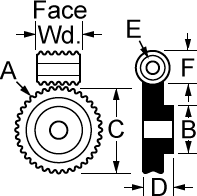
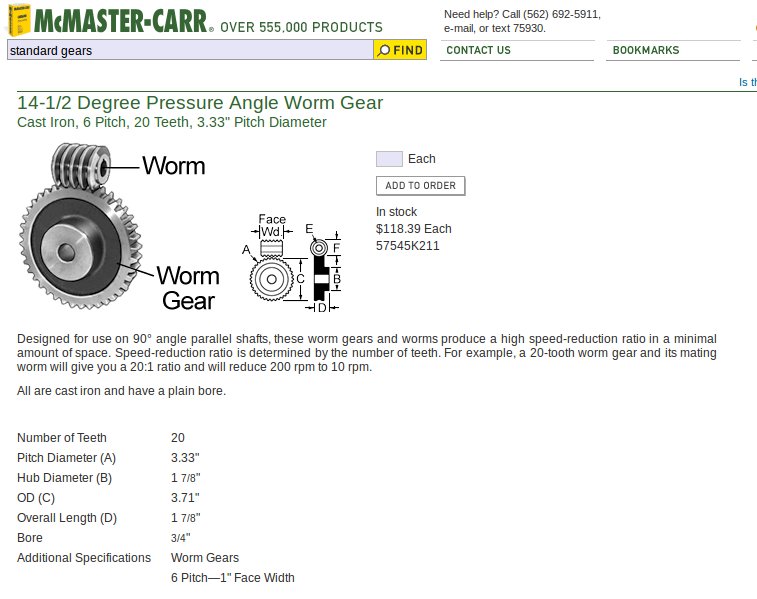
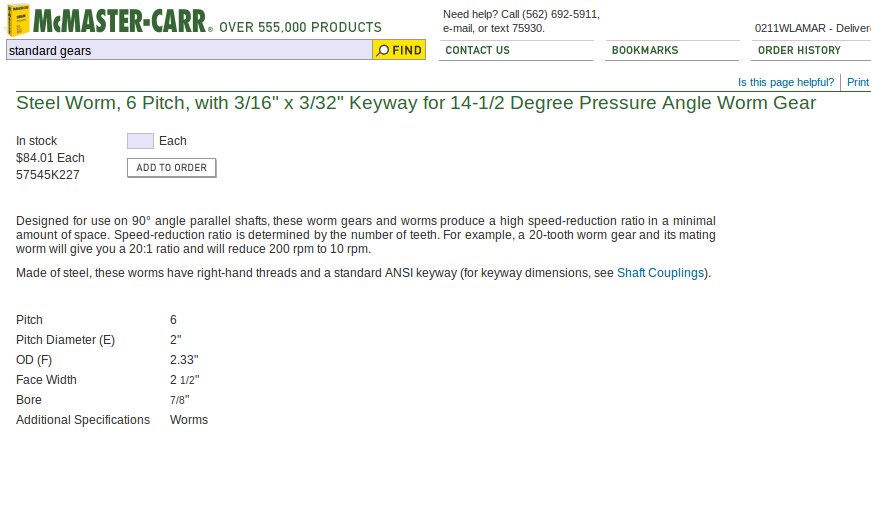
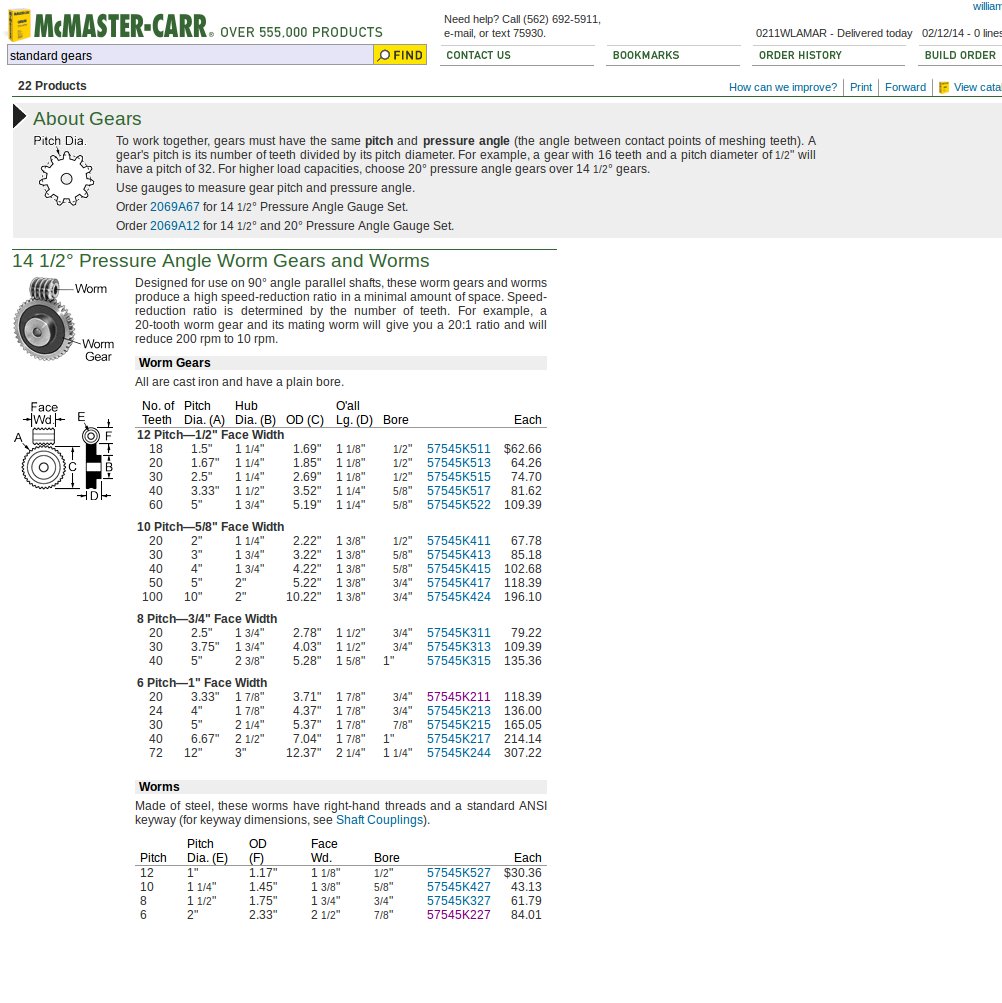
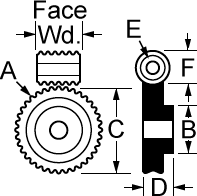
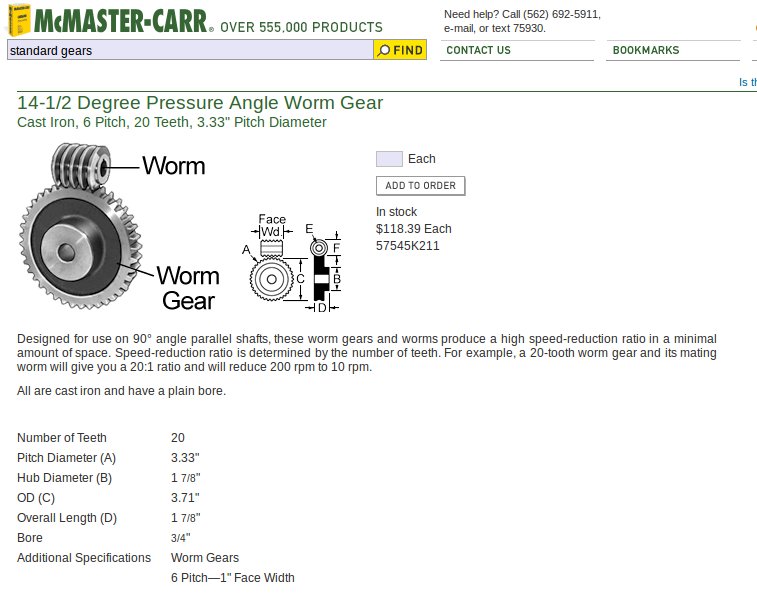
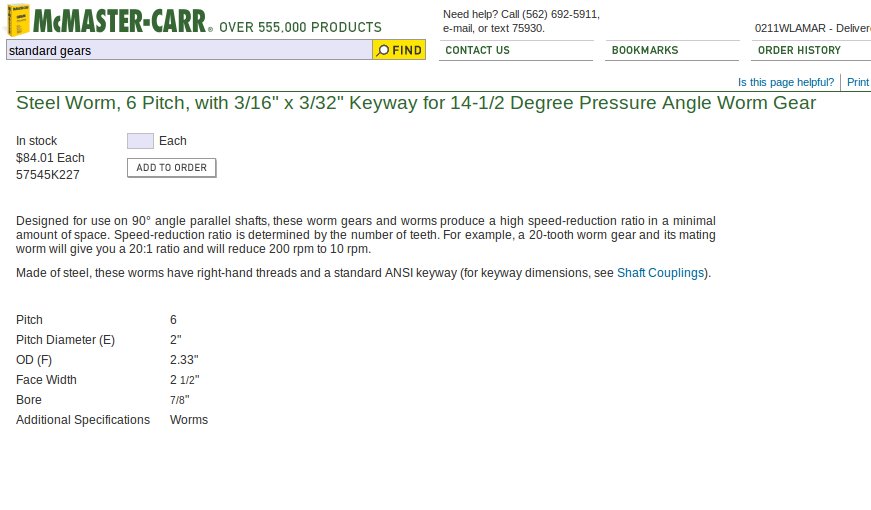
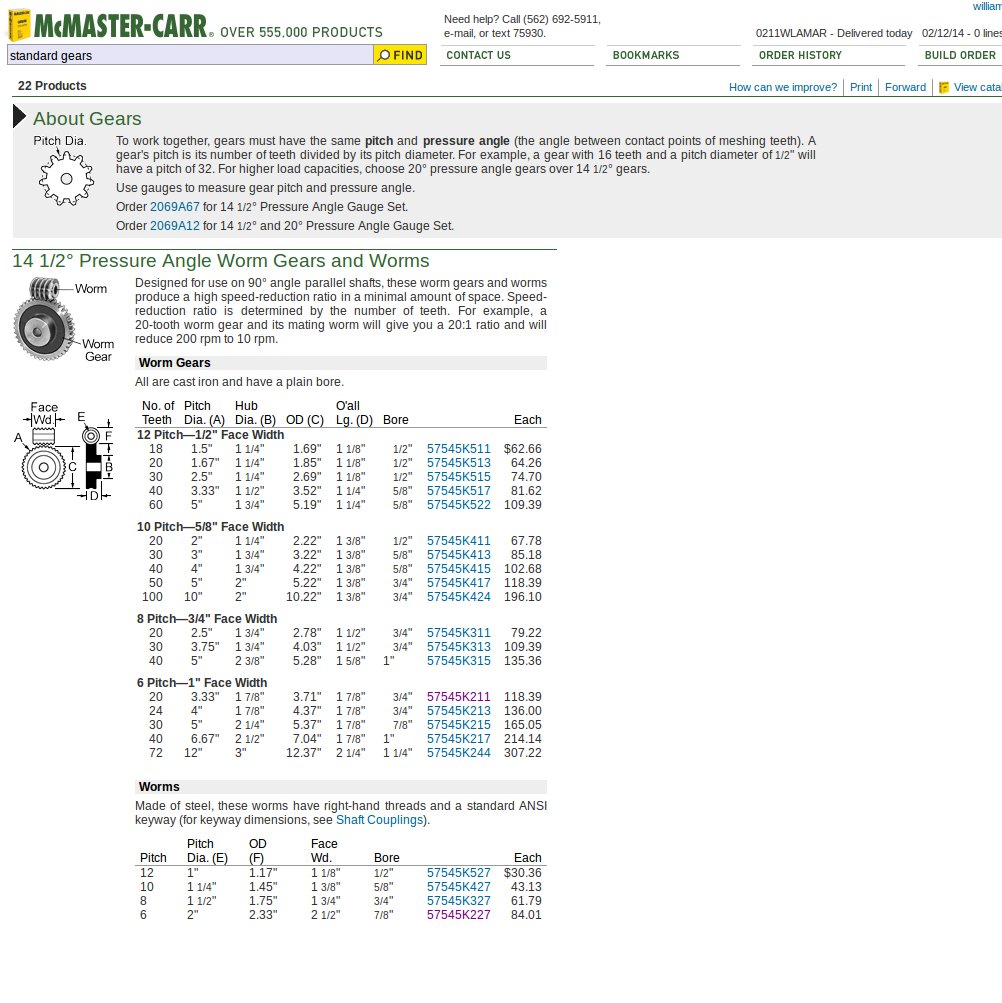
and use a worm final drive. Up to 20:1 is no problem.
The gear box would be small and light weight.
8000/20 is 400 RPM
Paul Lamar