Paul,
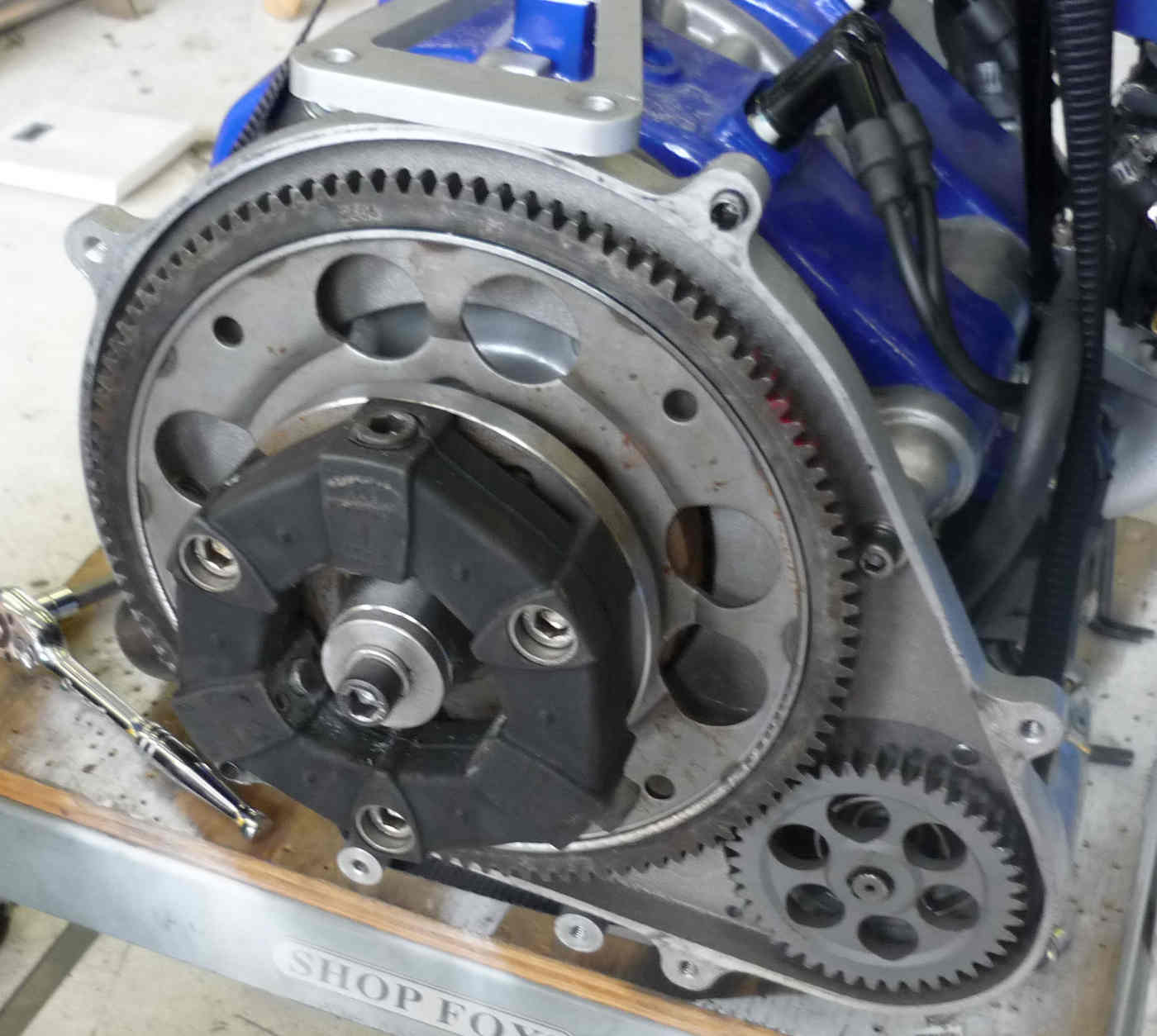
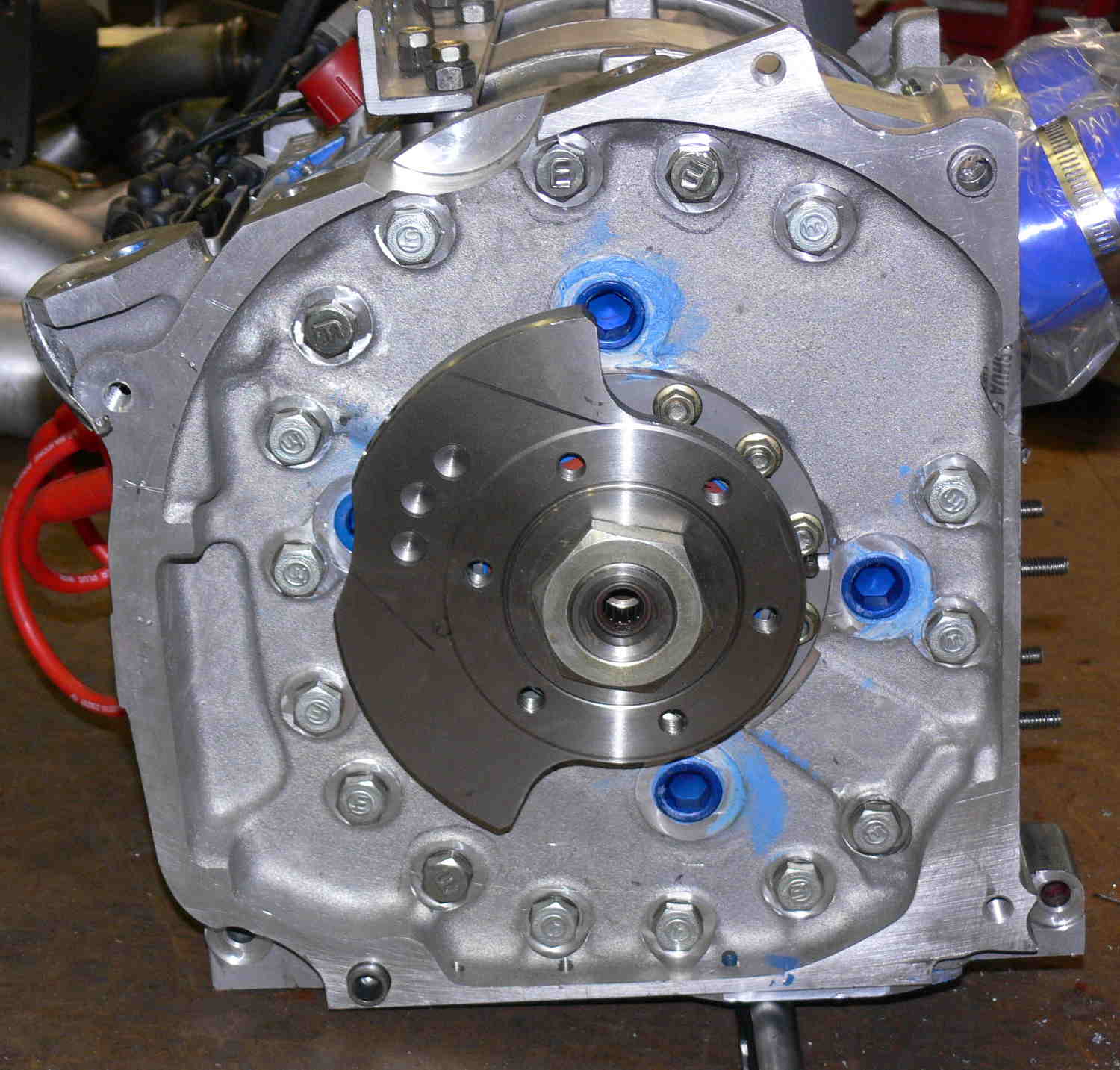
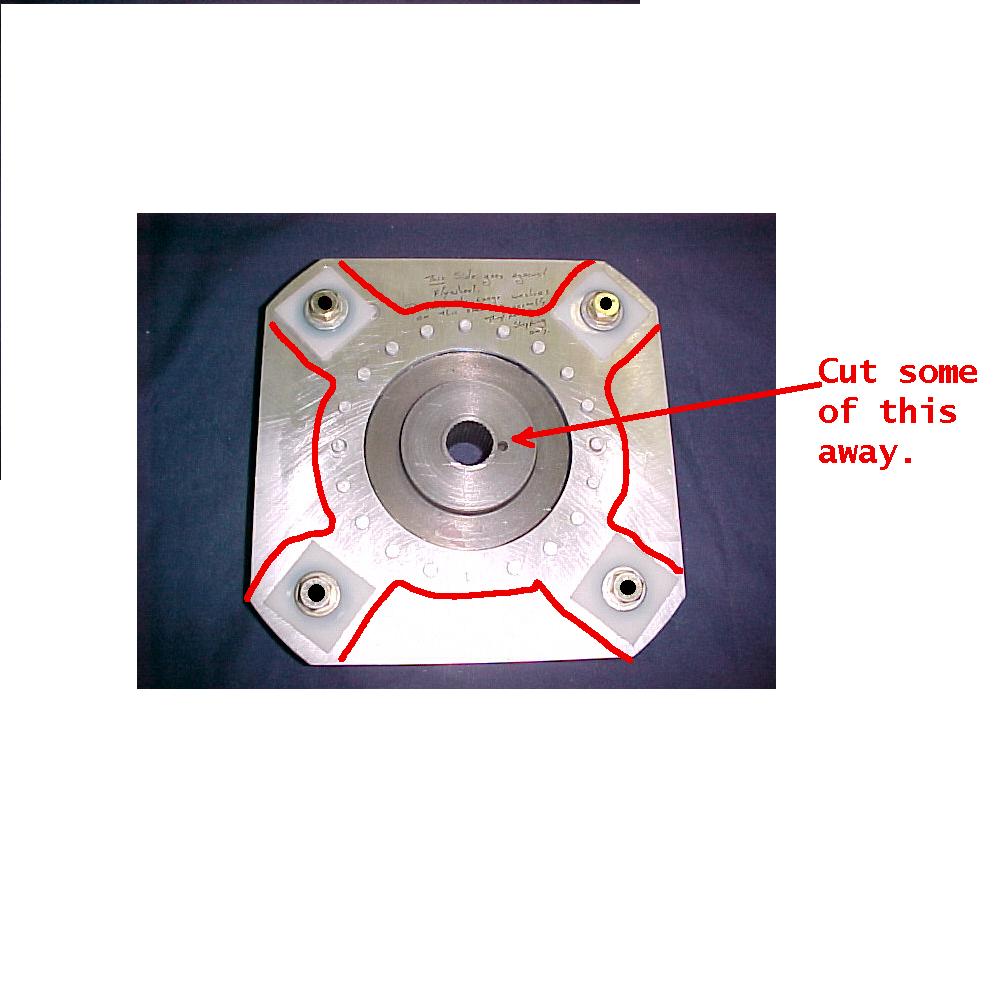
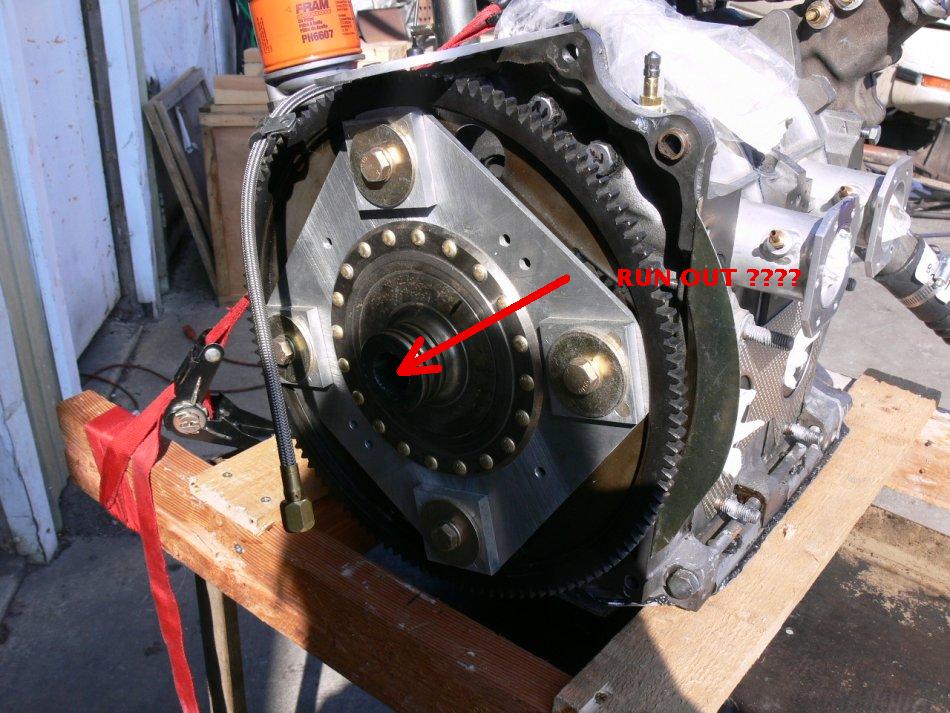
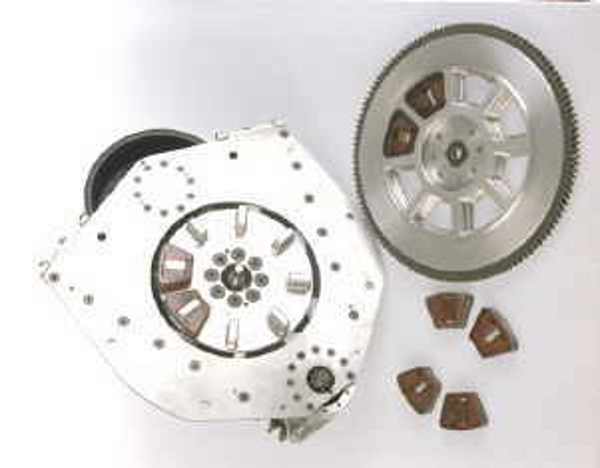
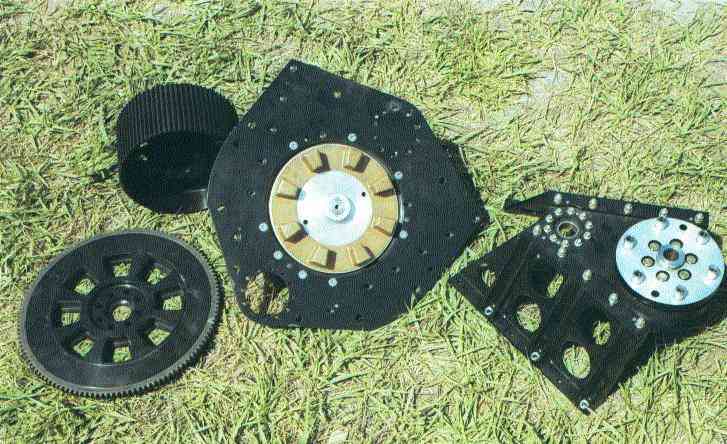
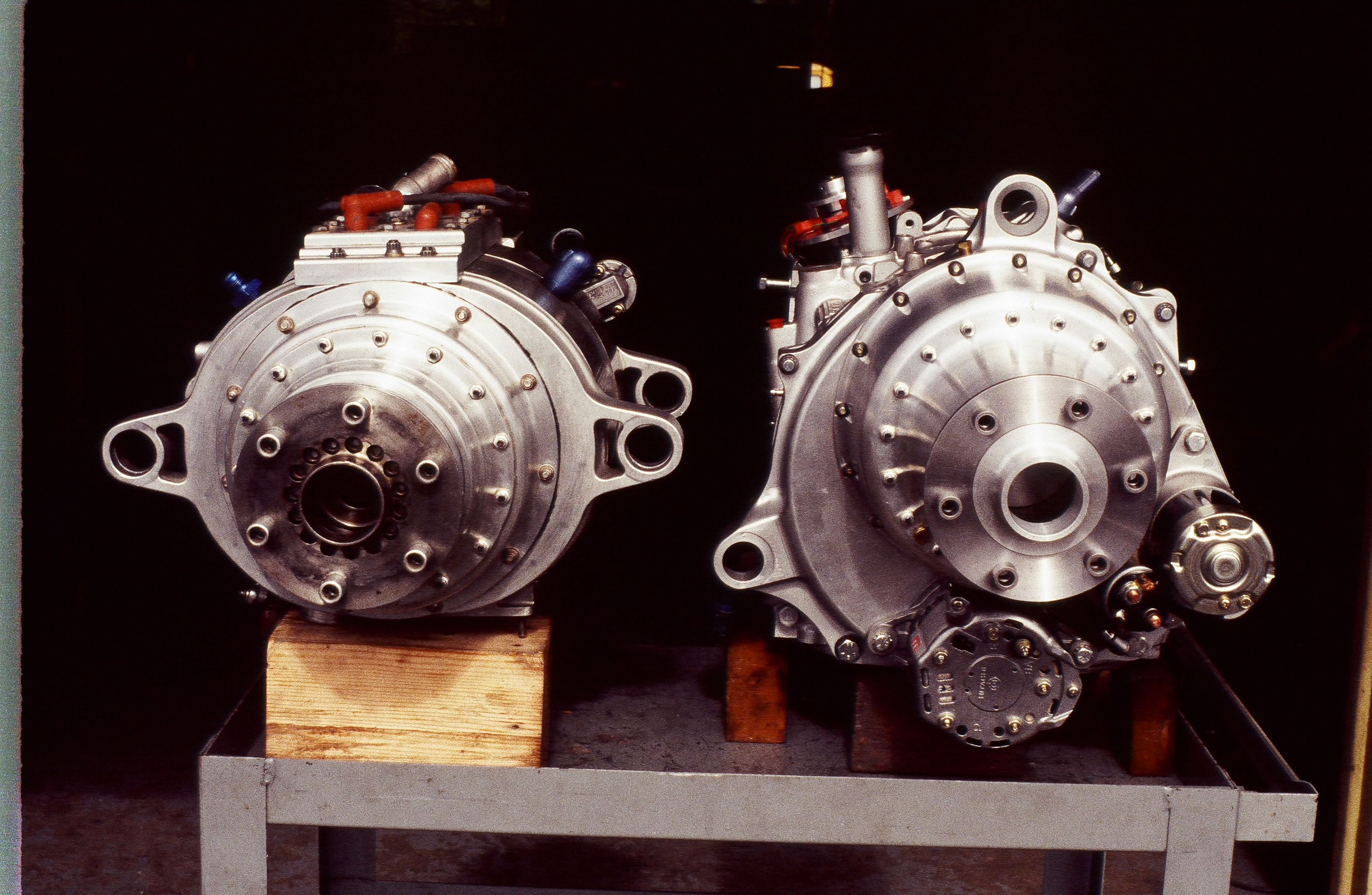
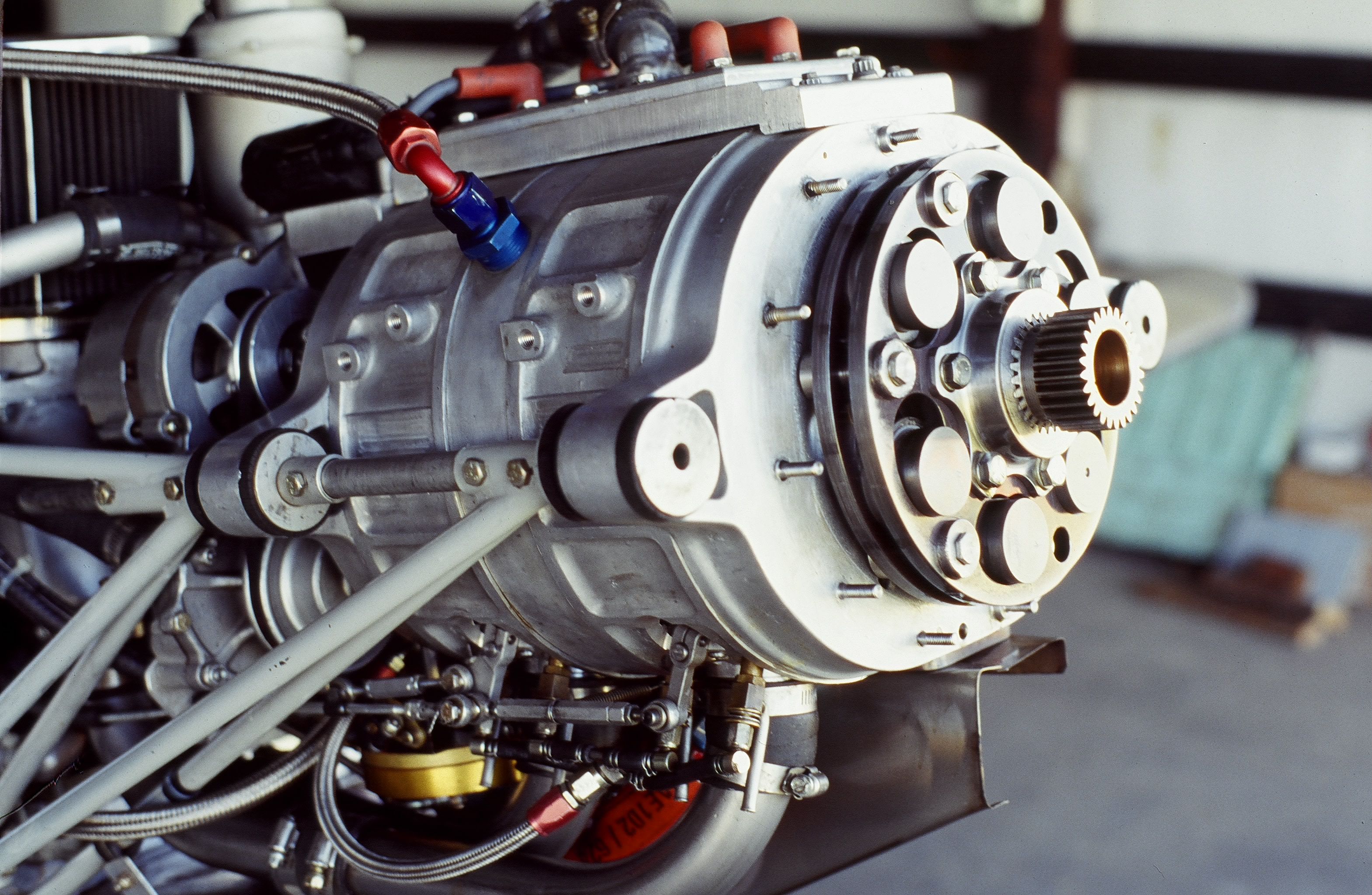
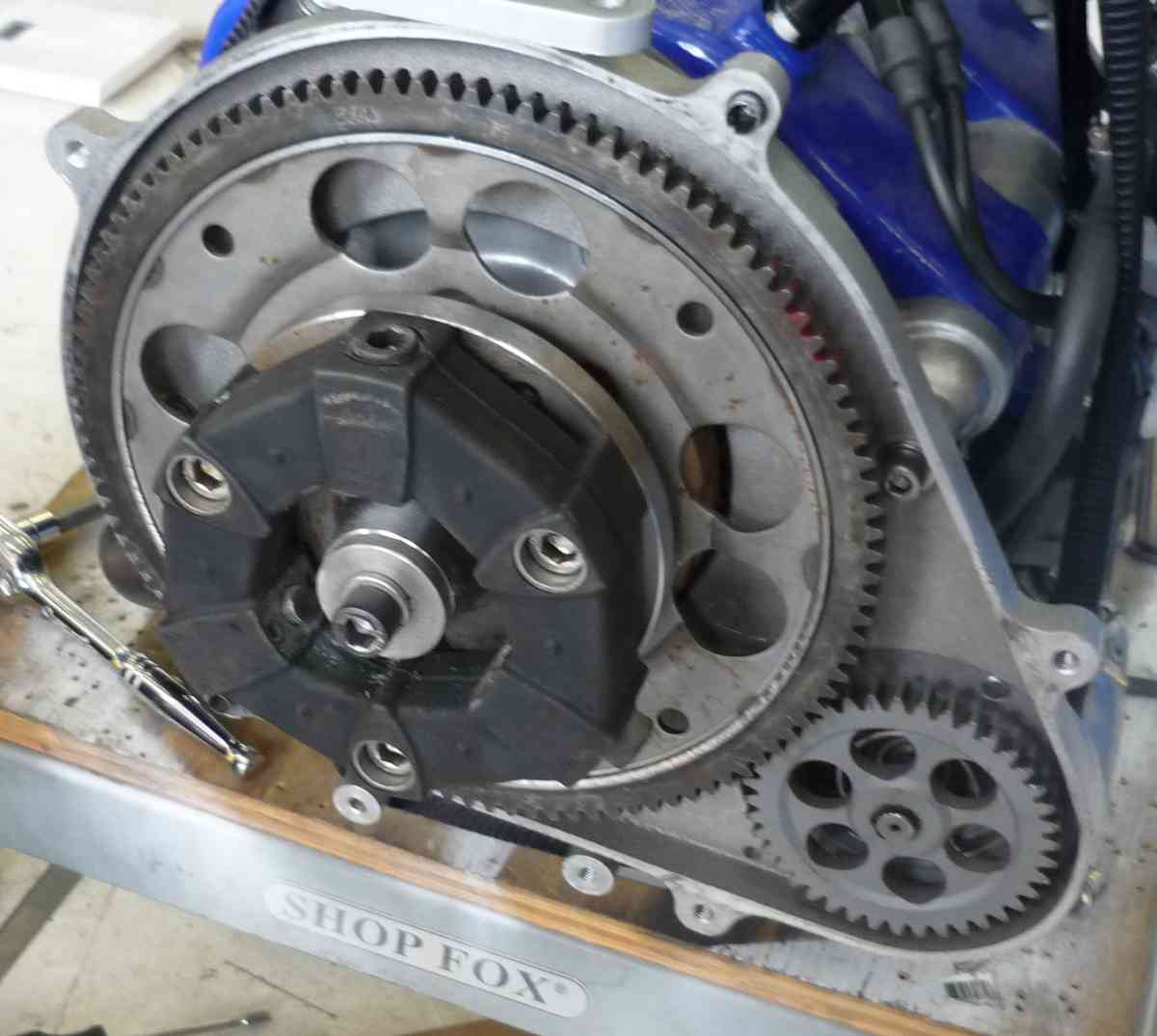
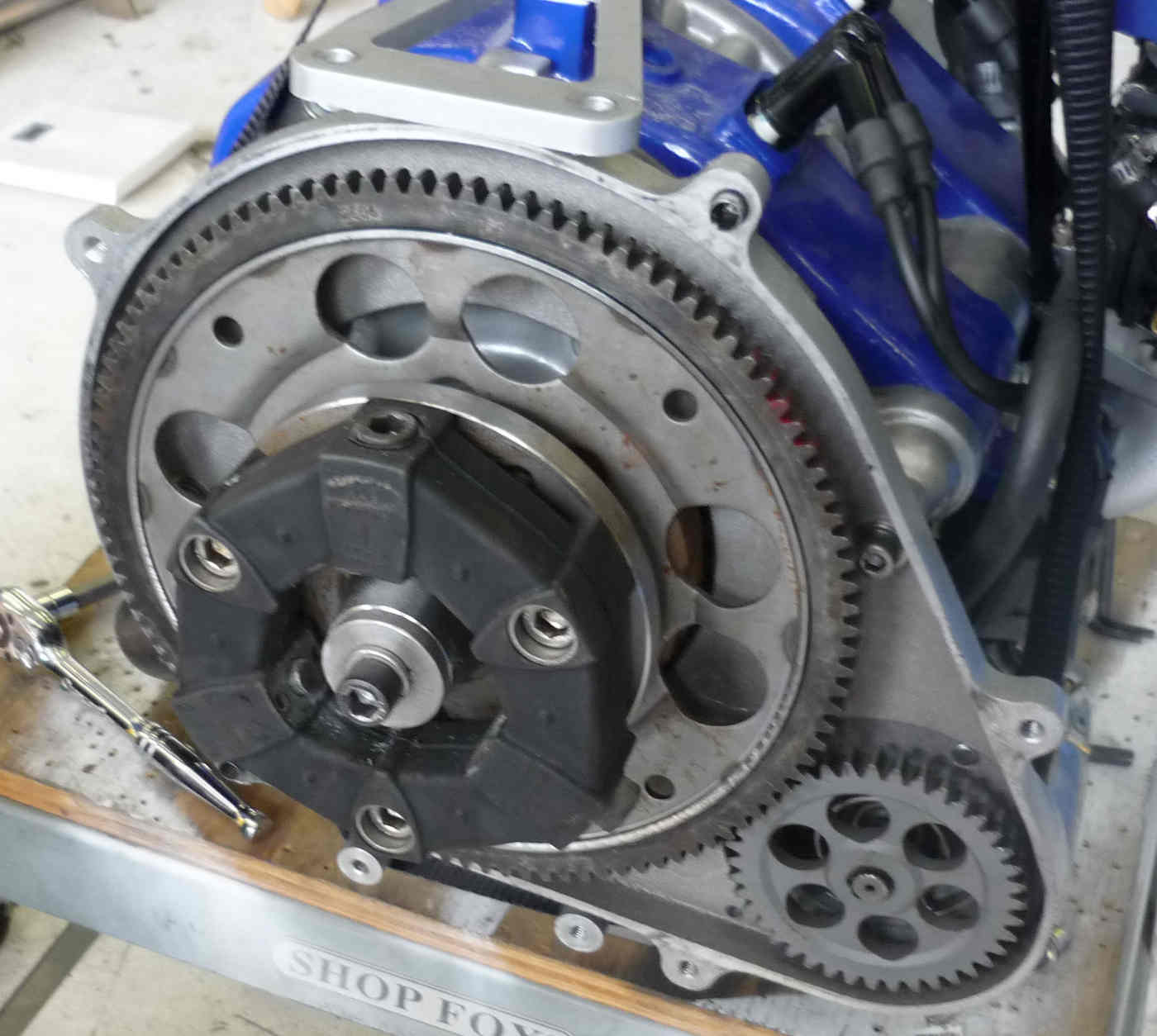
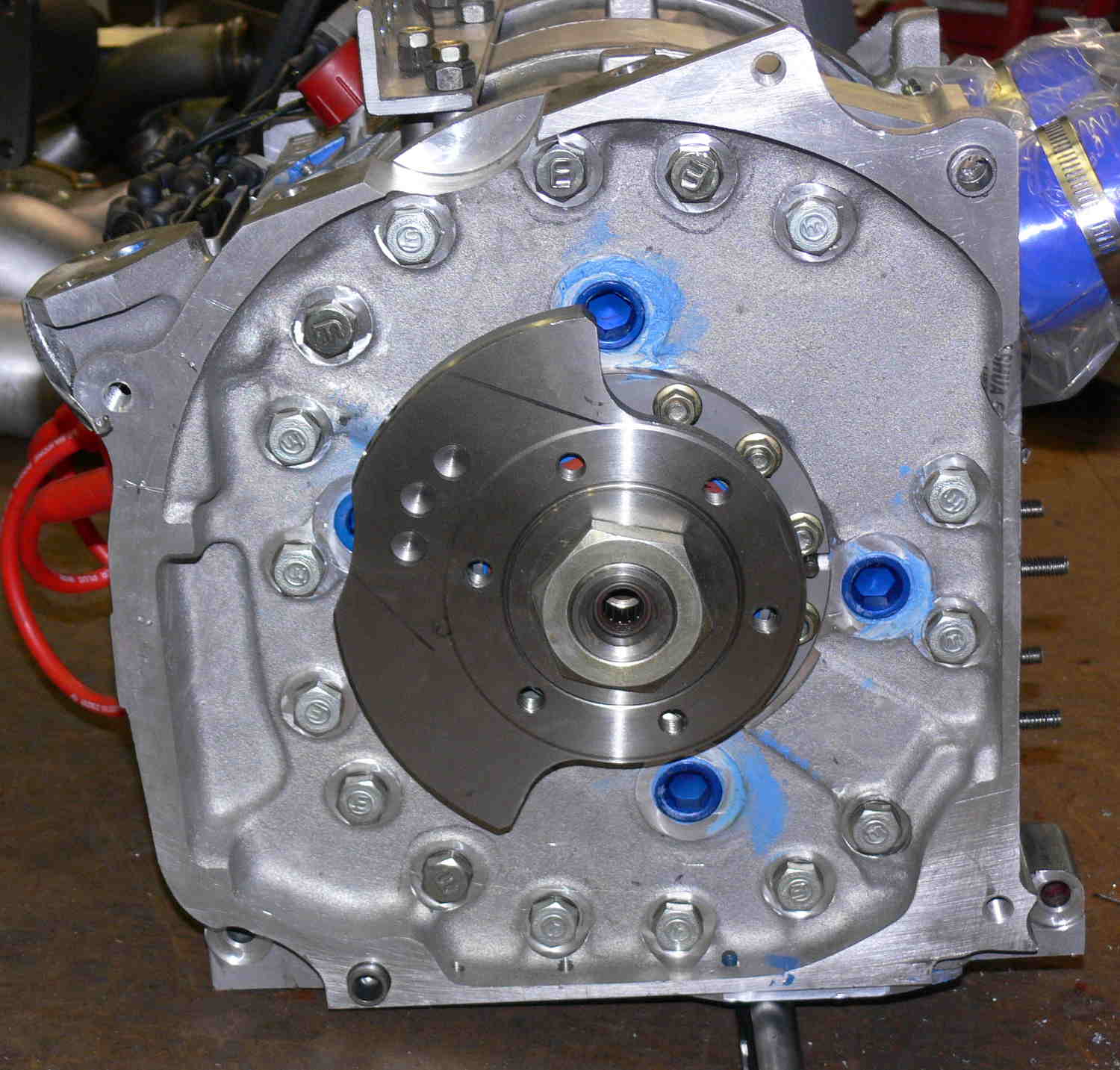
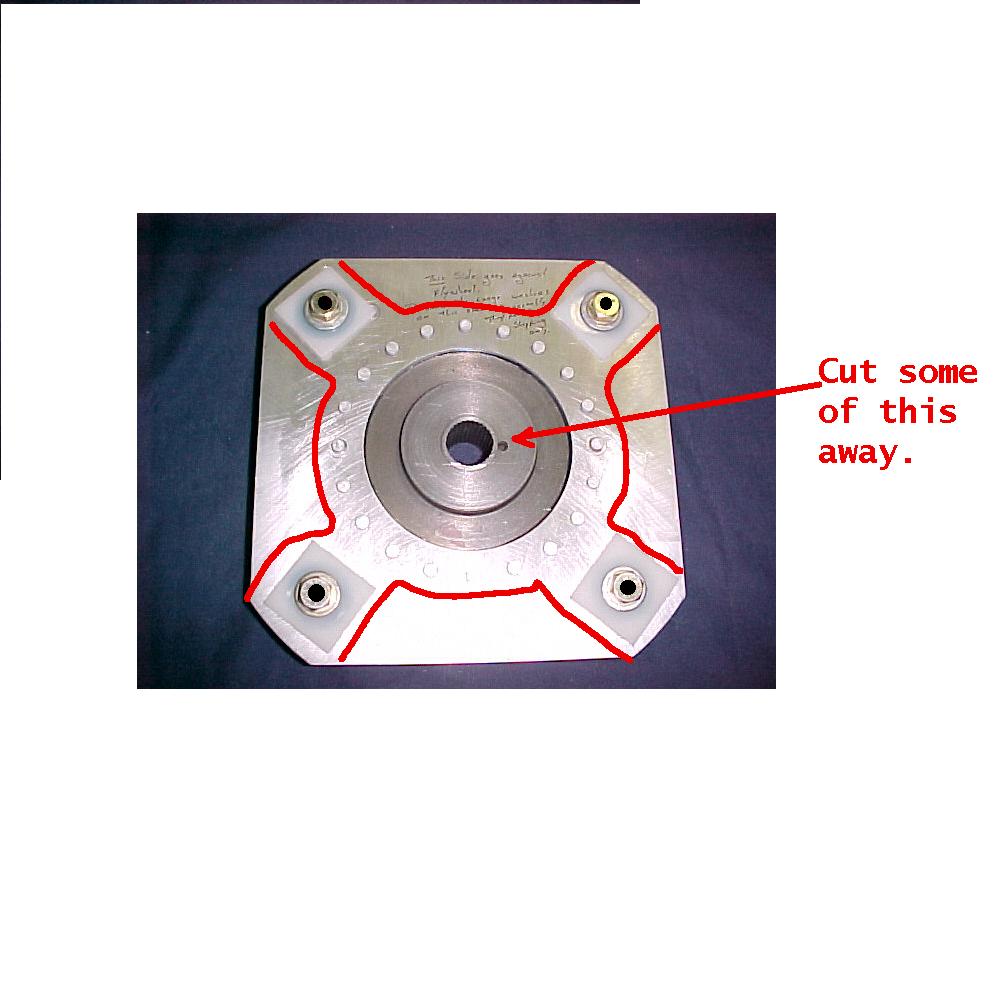
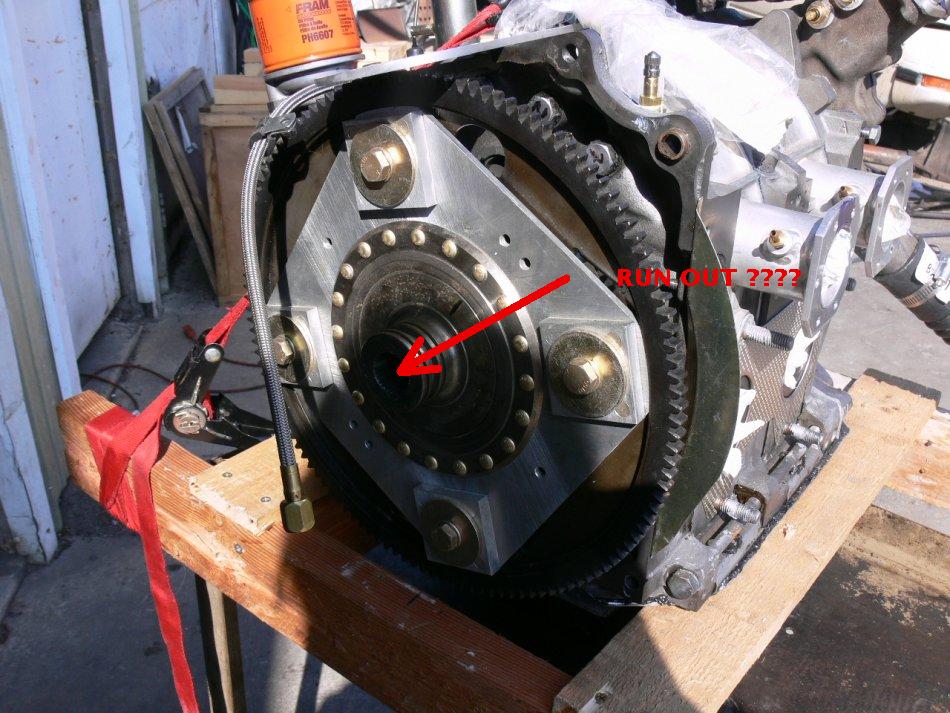
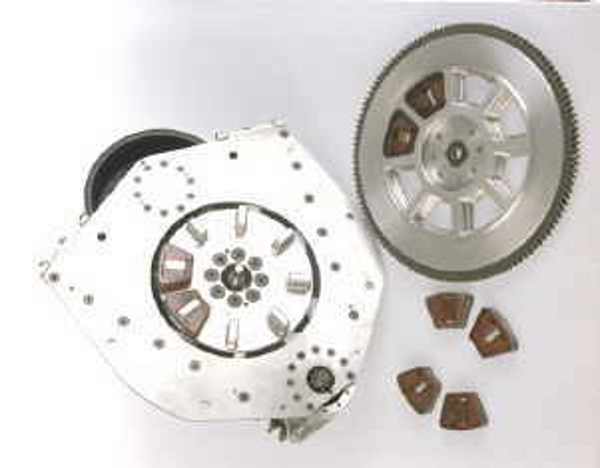
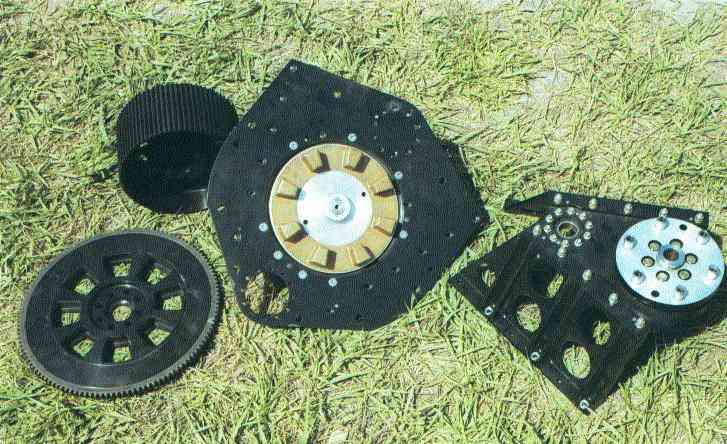
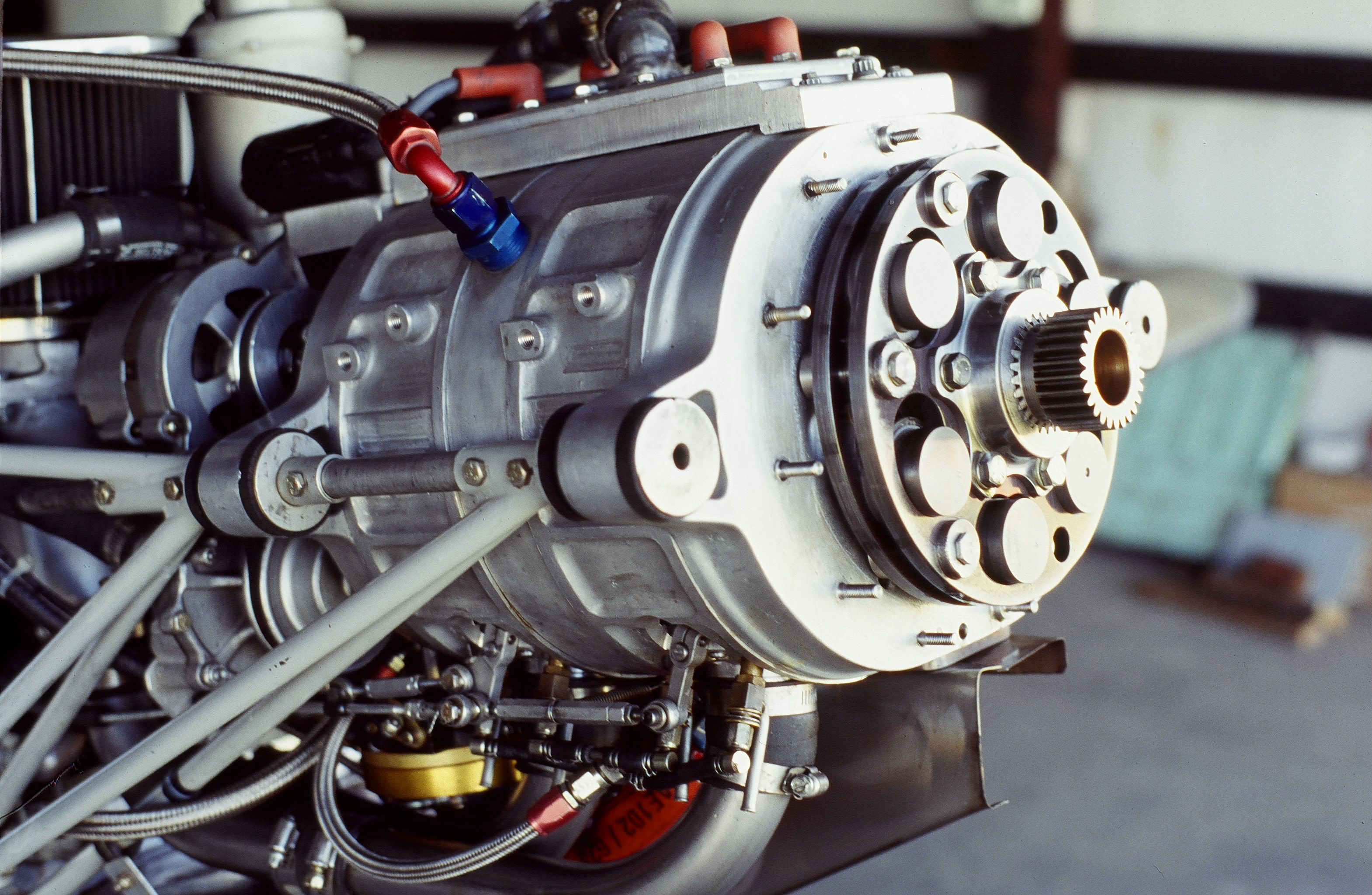
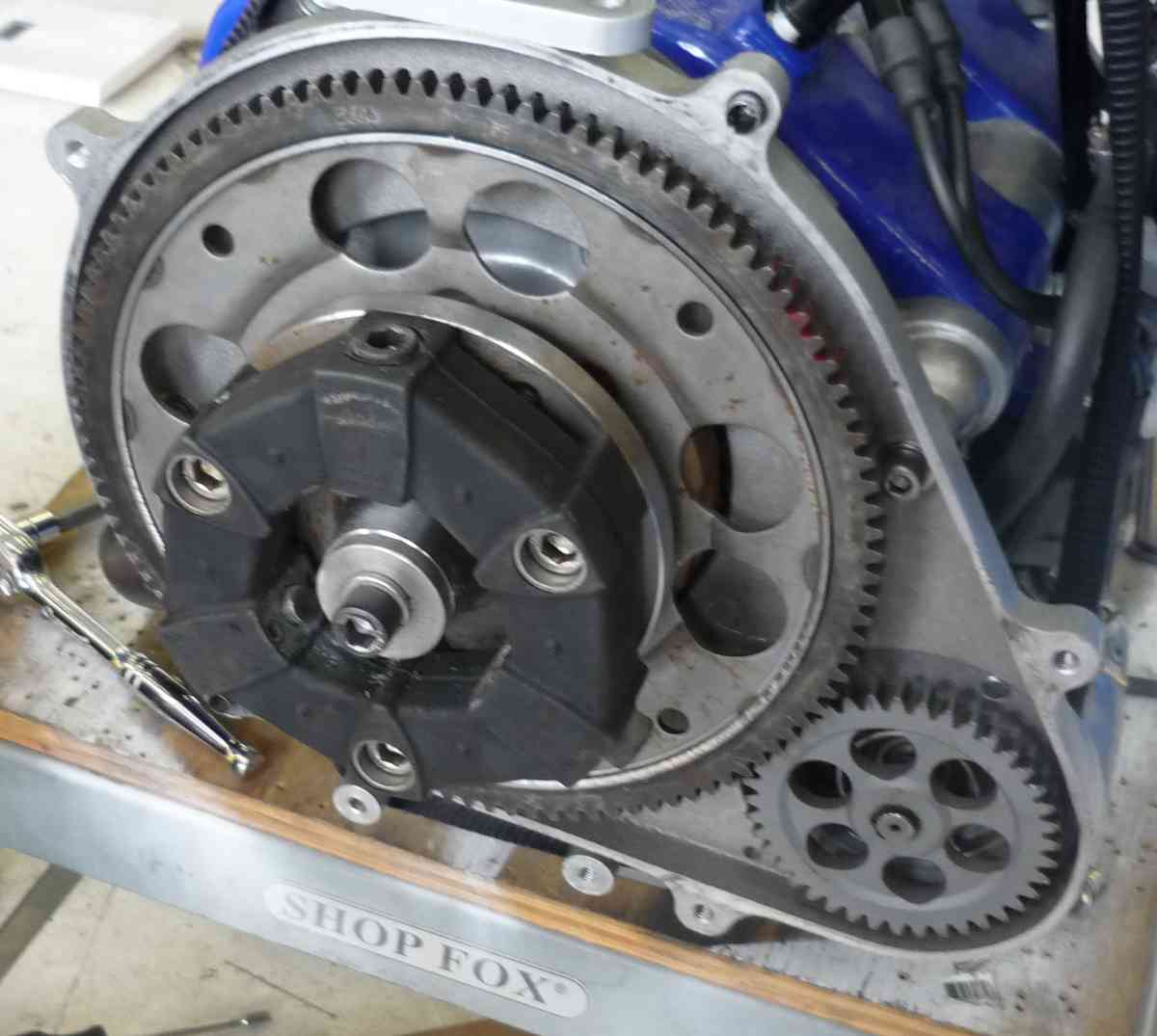
Torsion plate connection, Milo
That is what Ross used. Ken Welter destroyed a couple of them. With a
belt no less.
Springs don't damp. That is why cars have shock absorbers.
Here is my suggestion. Use silicon rubber. It is tough as nails and is
high temp.
Comes in a tube at the hardware store or you can buy it at MacMaster in
cured sheet
form.
Absorb that torsional vibration in the form of heat.
Paul Lamar
Paul,
There will be at least one torsional resonance in the system, depending
on gear ratio, stiffness of the shaft to the prop, prop compliance, etc.
If you don't identify the frequency and figure out how to deal with it,
metal will break. You will probably want to set the primary resonance
between cranking speed and idle speed so you go through it quickly
without much power. Tracy had a specific solution, Rotax has another,
Geared Drives had a different one. Clutch plate springs would actually
work but are typically much too stiff to compress in time to break a
resonance.
Flexible couplers such as giubo joints in car driveshafts are another
choice. Many stock varieties available for BMW and Mercedes cars. They
are not actually dampers as they don't absorb any appreciable amount of
power (think of even 5 or 10% of the engine power as heat, what does
that do when you dump it into a little bit of rubber?) They are
effectively solid hard parts at all frequencies except at resonance,
when the compliance of the rubber allows the parts to wobble, lowering
the Q of the resonance.
Rubber belts don't damp either, nor do they stretch much, but the rubber
has some compliance, especially the teeth of toothed belts, which can
break a high Q resonance. Once again, think of the power involved, how
are you going to put a few tens of kW into a little chunk of rubber for
more than an instant?
David Josephson
People have been successfully flying rotary powered airplane since 1973.
Hundreds have been built. Tens of thousands of hours have been accumulated.
The News letter was started in 1998 and this subject has come up
many many times. I agree you can't do much
about the resonance and it is generally about 1800 RPM.
That has been true with a wide variety of couplings and rotary engine
sizes . Note that 1800 RPM does not represent a lot of HP in a rotary.
The idea is to design a fail safe coupling and idle the engine above
1800 RPM. Hardly noticed in a rotary. Tracy's system worked up to about
200 HP and then started failing. I flew with Dave Leonard and I noticed
he did not always obey this rule on landing. He sometimes idled
the turbo 13B engine lower on landing. If you want to go slower learn
how to side slip.
The second function of the rubber is mitigate the shock load on the gear
teeth.
This has nothing to do with resonance. Silicon rubber is our best bet.
An old Brit engineer was fond of saying; "An ounce of rubber is worth a
pound
of engineering":)
Paul Lamar
The Rotary Engine News Letter. Powered by Linux.
ACRE NL web site.
http://www.rotaryeng.net
You Tube
http://tinyurl.com/beqqxas
Copyright 1998-2014 All world wide rights reserved.