-----Original Message-----
From: rotaryeng
Sent: Tuesday, June 10, 2014 1:54 PM
To: AAA-rotaryeng
Subject: Latest high speed optical ignition sensor
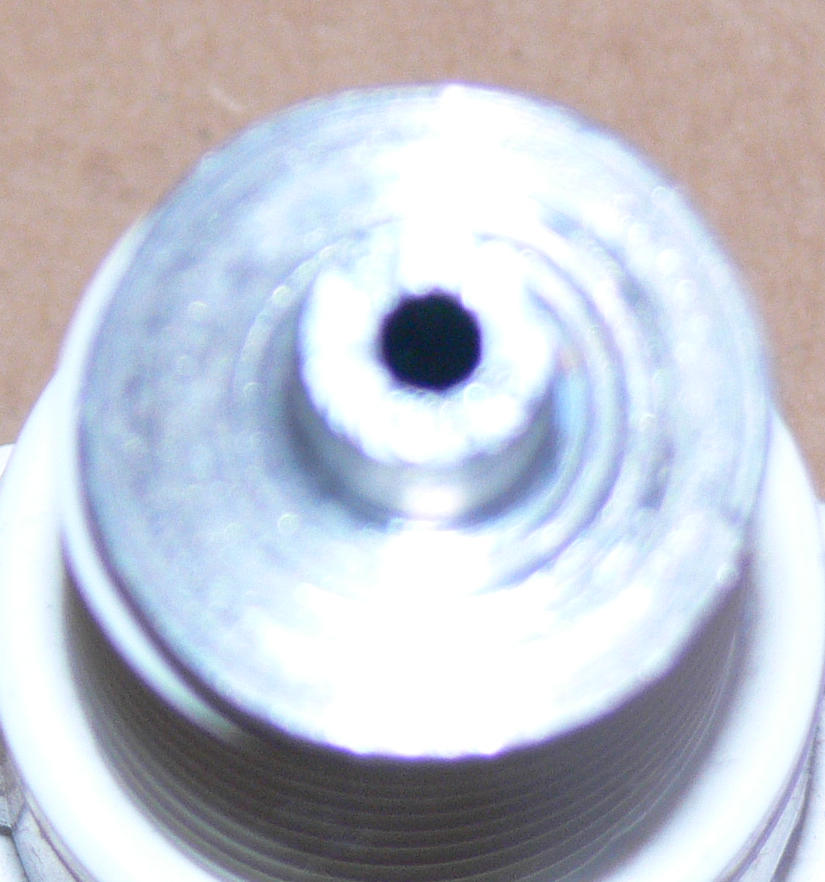
If you firing a rotary engine six times every 10 degrees at 10,000 RPM you
need a fast crank angle sensor.
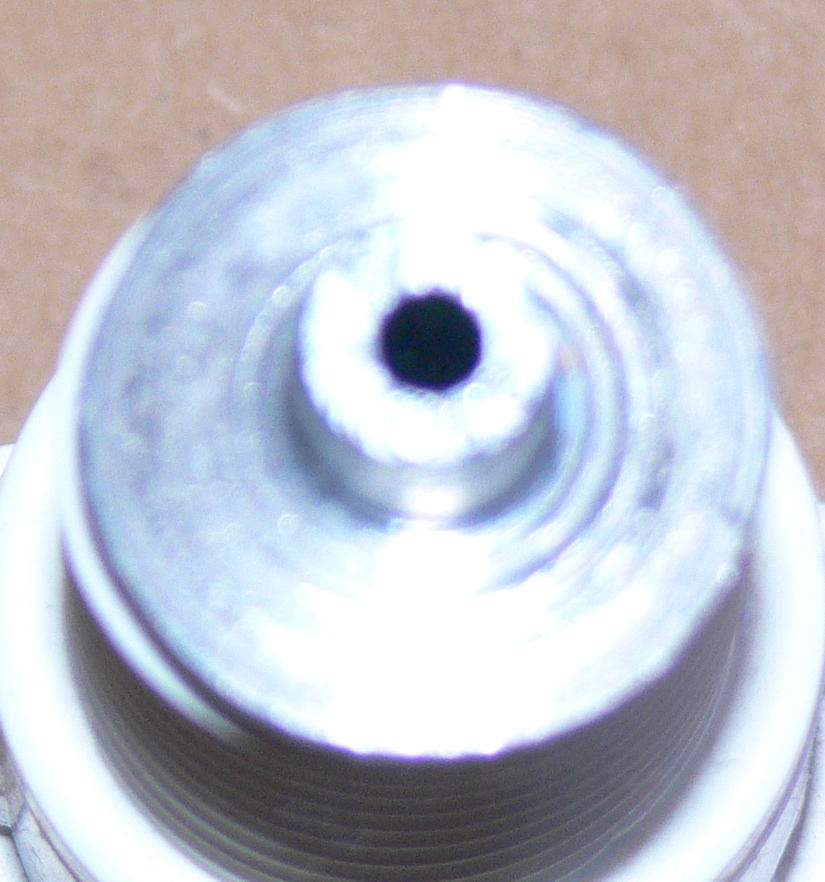
This has a rise and fall times of about 20 nano seconds. A nanosec
is one one thousandth of a micro second. Of course everybody knows
a micro second is one one millionth of a second.
Consequently a nano second is a short period of time to say the least.
Naturally I am very pleased with this device. It is molded plastic
and strong as brick. I'll be sending it off on Monday to Poul
Woelflein Germany so he can mount it on the e-shaft of an AIXRO kart
rotary for testing our new patent pending high speed CD ignition
in a week or two.
It has the promise of reducing the fuel consumption, increasing
the power, reducing hydro carbon emissions and curing an occasional
mis-fire at idle due to port overlap. It is six times more likely
to fire a bad mixture.
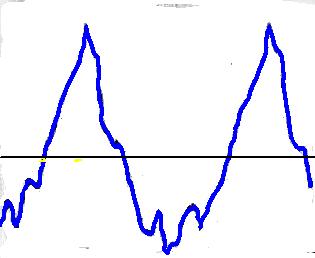
The pulse width shown is about one millisecond and the pulse
amplitude is zero to 12 volts. A very solid and unambiguous signal.
Paul Lamar
Paul, First the crank angle sensor. Will this sensor match up with ECU,s
currently on the market or will they have to be adapted to read the signal?
What price for your sensor?
Second, while talking to Motech they keep quoting the AEM CDI
inductive
coils. There are the Smart and dumb coils. So that I can do the
impossible
and sound intelligent, What is the difference and which suits the rotary
best?
Thirdly, what are the advantages of your coil to the AEM coils
Neil.
ECU's on the market wont' spark more than once. They must be reprogrammed
to spark multiple times.
The trick is use my trigger mech and disconnect the ECU from the
ignition system.
My system has the coil built in. No other coils needed. The spark comes
out of the brass
post and is connected to the spark plug with off the shelf spark plug
wire and spark
plug connectors.
Smart coils are old fashion Kettering coils with a transistor built in.
No more points.
However they work the same way
and they must be turned on well before the spark is required. It is called
dwell time and the old distributors did that automatically. Dwell is usually
about 2 ms on the RX8 smart coils so it only takes 8 ms to rotate 360
degrees at
7500 RPM. So you can see the limitations. 2 ms and you are 90 degrees
after firing time at 7500 RPM.
CD systems do not require dwell time, mine included. They fire the plug when
told to fire the plug with no delay. However CD systems on the market
use external coils and they have trouble firing more than once above
4500 RPM.
Mine can fire alot at any RPM :)
The cost of the trigger mech rough guess is about $200. Much cheaper
if you can talk the ECU guys into reprogramming as all you need then
is a traditional CAS.
Paul Lamar
Neal, One thing I forgot to mention about smart coils( AKA coil on plug).
Tracy adopted the LS1 coil on plugs from the Chev V8. The probelms
with that is a 4 cycle engine fires half as often as a rotary and the
LS1 coils
were not up to it. Tracy went trough a bunch of troubles until he put them
into a box and installed a cooling blast tube. At a given RPM twice as much
current flows through the LS1 coil when it is used on a rotary.
Also GM came out with the LS2 version that had a heat sink.
I had several discussions with Tracy on this subject but he ignored me :)
Then the RX8 showed up with coil on plugs in 2004. Early RX8 coils were
overheating and failing so Mazda came out with an improved version around
2006. The trouble is; nobody drives an RX8 at 6000 RPM let alone 7500 RPM
continuously. At 7500 RPM and with a 2 ms dwell time the coil is conducting
several amps for 25% of the time and gets very warm to say the least.
Needless
to say I installed a heat sink on Milo's engine for the RX8 coils.
One of the revolutionary features of my coil on plug ignition is it's
extreme efficiency.
It draws less than .1 amp (one tenth of an amp) at 10,000 RPM firing
six times. It runs
cool to the touch. That feature alone means it has a bright future.
Paul Lamar
Paul,
All makes sense. My current problem is that once I get over 6100
RPM I get a bad miss. Have checked everything possible wiring wise, changed
plugs to many and varied varieties to no avail. Now getting to the "spit
the dummy" stage. I have Bosch coils with a trigger box so they are "dumb"
coils. At 6100 rpm the engine is working very hard, near max. so the
slightest thing will cause a miss. Now looking at replacing the coils with
AEM to see if I can get some joy. Already tried changing the Bosch coils
around to again no effect. I have nothing else to try. Any suggestions?
Under 6100 everything is perfect.
Neil.
Could be a software problem.
The computer must work fast to calculate the dwell time at
high RPM.
Send me the Microtech list of parts you have.
Do you have an old fashion timing light?
Mark your e-shaft pulley at 20 degrees BTDC with a bit of
white paint.
Shine the timing light on the mark with the engine running.
Rig something to hold the light with duct tape.
A small digital camera looking at the mark will record what
is happening at 20 to 30 frames per second. You can email
me the movie. At 6000 RPM the engine is turning 100 revs
per second so we should see something every now and
and then. This is a poor man's data acquisition system :)
You will not have to stand next to the engine while it is turning
up at 6100 RPM inches away from the prop to do this.
I am not that brave :)
Especially if you can rig a way to turn the camera on and
off. I can dissect the movie frame by frame.
If you record for more than 30 seconds or a minute the video
file gets too large to email so do it it short "takes" if possible to use
a term from the movie industry.
The other thing you will need if the movie is too long to email
is movie editing software. Pinnacle works for me.
http://www.pinnaclesys.com/publicsite/us/home/
One second thought a higher speed DA system would be better.
You connect it to all four wires going to the coil primaries.
This is a reputable company and I can buy one for you and
ship it parcel post.
http://www.dataq.com/products/startkit/di145.html?source=googleda&gclid=CNasr8ro7L4CFRRsfgodXDUAHA
It sends the data to software in the PC through a USB port..
Paul Lamar
BTW it is interesting how MicroTech deals with the hot smart coil problem.
they use dumb coils and put the switching transisters in the igniter box.
Therein lays the heat sink :)
Interesting possibilities about this. One you can use a variable dwell
time which
greatly simplifies the EFI ECU software at the expensive of more current
drain.
The programmer must be sure the dwell time is less than the time it takes
the rotary revolve once. At 7500 RPM that is 8 ms max. At low RPM
the dwell time would be way longer than needed. This simulates an
old fashion distributor points system. You set the dwell time for say
180 degrees BTDC crank angle and let it go at that.
The dwell time required varies with the part number and brand of dumb coil.
You will find this out Neal once you have the data acquisition system. I
have
ordered one to save time. Erik over at the dish can help you with this
as it is
right down his alley:)
The problem with this is the supply of dumb coils will slowly dry up as the
car manufacturers are switching to smart coils. Also the cost of the
ignition
system is higher with the igniter box required and with more wiring
required.
Don't get me wrong. If it works that is very fine as it is a minor trade
off for an
aircraft engine. Another down side is you won't fly as far with a dead
alternator.
Also BTW Rock Auto has sold RX8 2nd gen smart coils for $25 each. The
benefit
of huge mass production.
With a carb and my .1 amp ignition systems it will fly the farthest :)
Paul Lamar
Paul,
simplest at this stage if I just get the AEM coils to eliminate
the
coils. Ian Beadle had a similar problem at 4000 rpm. That was fixed by
spacing the crank angle sensor off about 1.5mm. I have spaced mine off
3 mm
for no result, and since it worked perfectly with Tracy's ECU I doubt it is
the problem. If the coils don't work then I feel that the ECU is the
problem. I am fast going nowhere, so now is time for action. Thanks for
all suggestions as usual,
Neil.
Do me a favor and please hook up the DataAq I will send you and give me some
feedback. I need the education on the MicroTech for my work on
ignitions..
I want to know if they are using a variable dwell time or a fixed
dwell time. I'll take if back when I come over in Sept.
As soon as I get it I will set up Tracy computer and measure the dwell
and publish the results. Tracy was not exactly fourth coming with
those sorts of details. It is possible Tracy also used a variable dwell.
Then I will pack it up and mail it to you.
What does your CAS look like? Can you take a picture and send
it to me. People have had the bracket holding the CAS vibrate
and cause weird ignition problems.
Paul Lamar
--
Paul, My CAS is standard RX8 except I soldered the connection to prevent
damage by the Belt Alt / water pump drive.
Neil.
That handles the clearance and the rigidity. The RX8 CAS mount is
cast on to the front cover.
I really think it has something to do with how MicroTech are
handling the dwell. If the dwell is too short the spark gets weaker
and the coil could fail to spark all together.
Of course I could be wrong. It could be the mixture. Do you know
if the injectors are phased? Tracy phased the injectors. Only two
worked at low power and all four worked at high power. The
transition from two to four gave some people fits. That is
another thing to study with the DataAq.
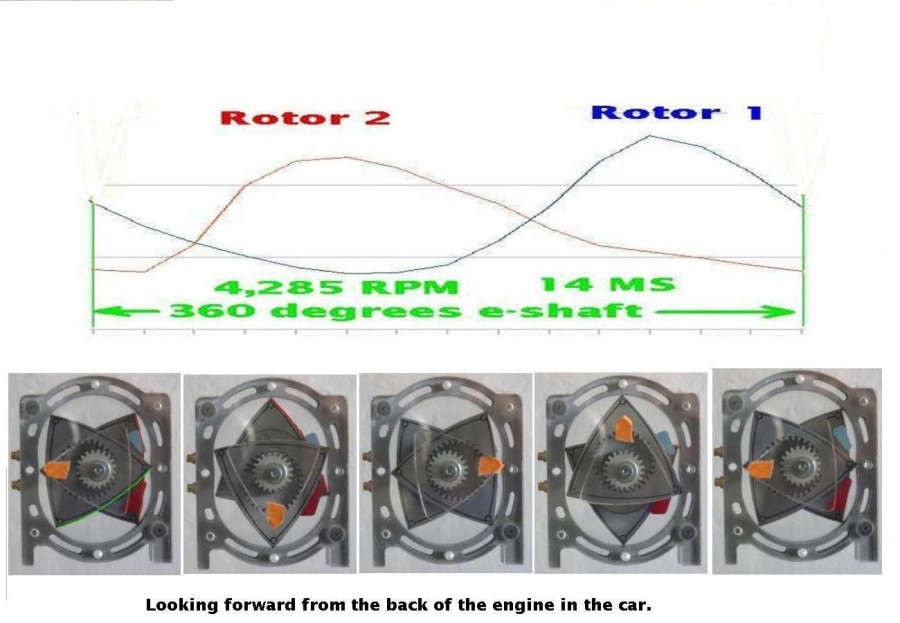
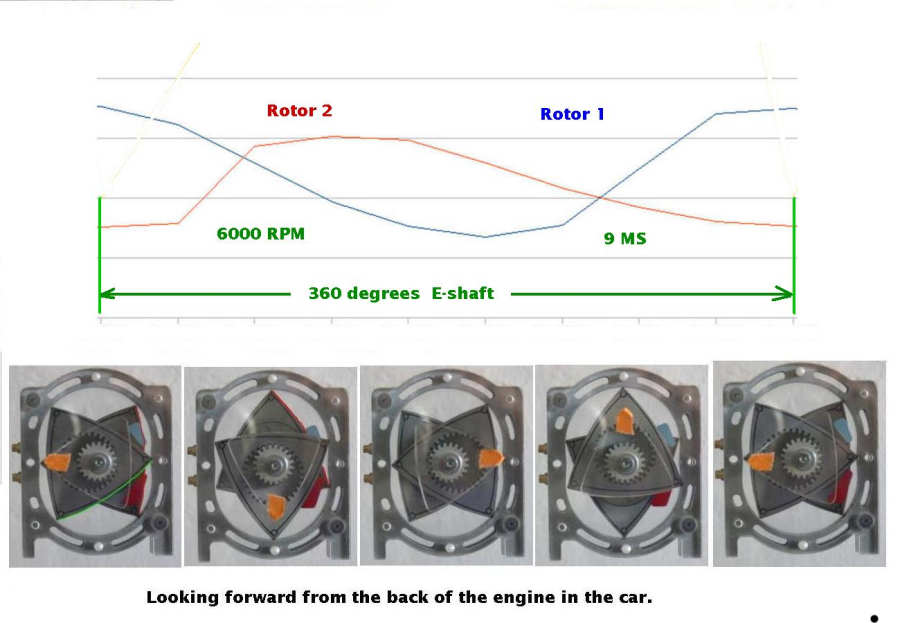
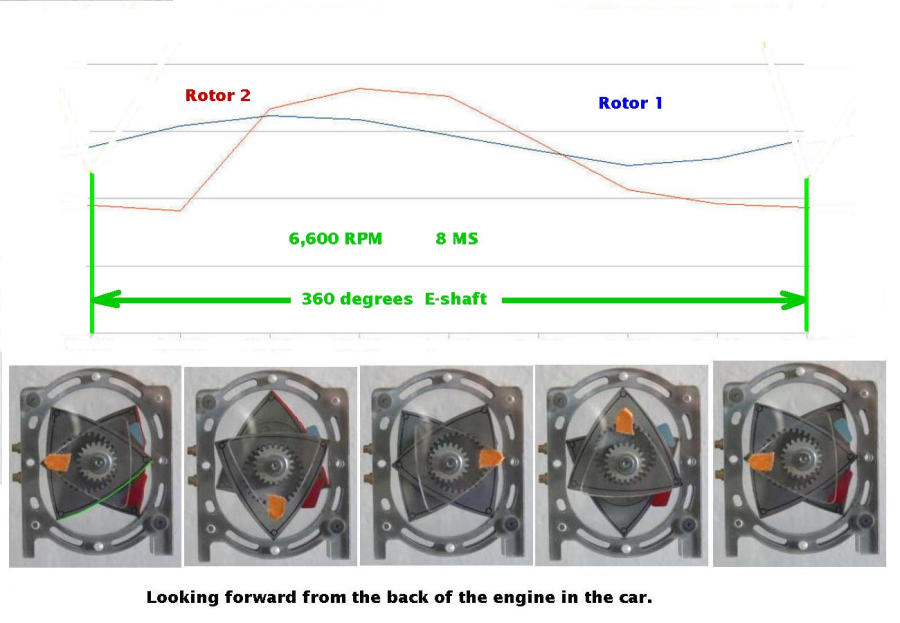
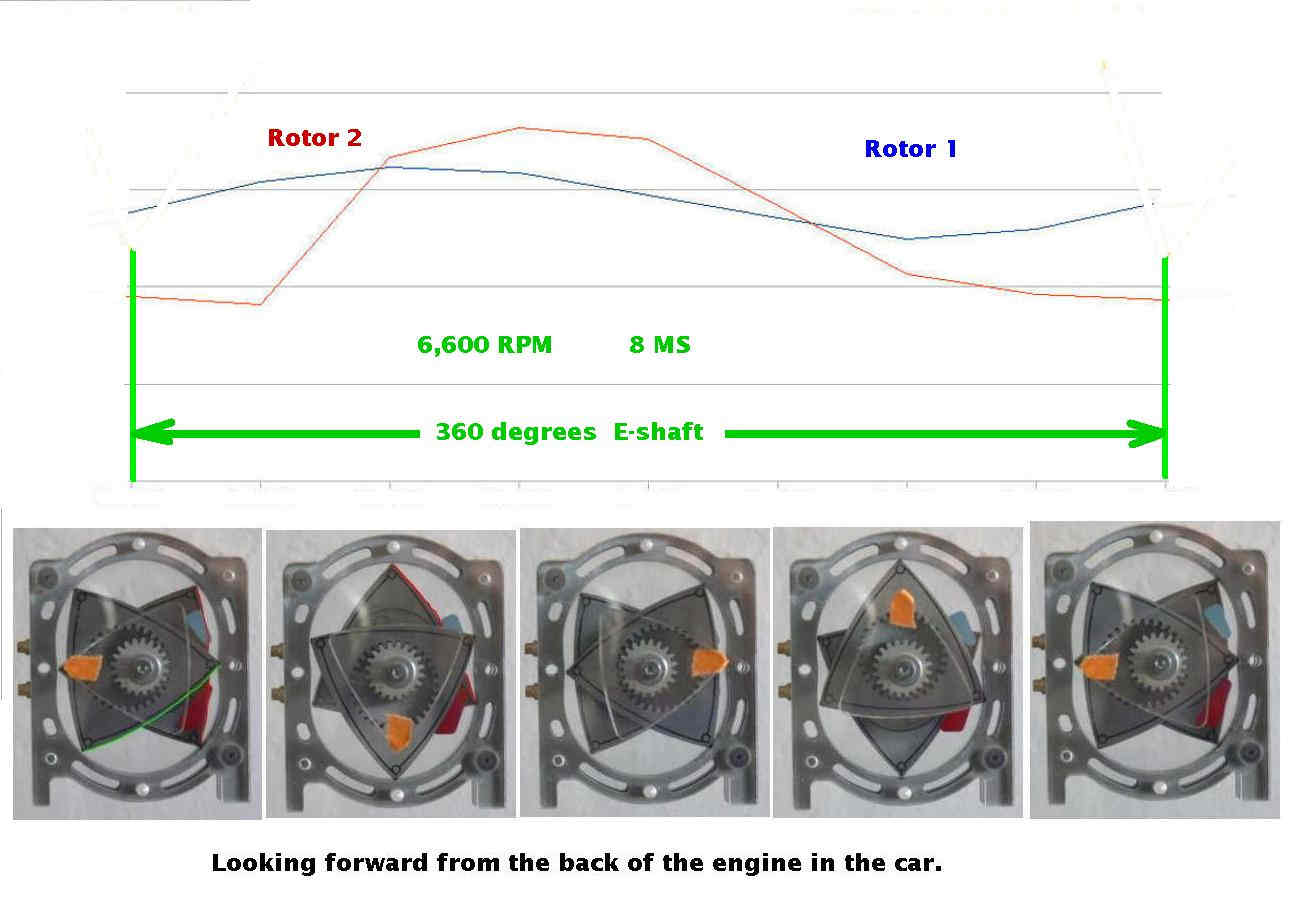
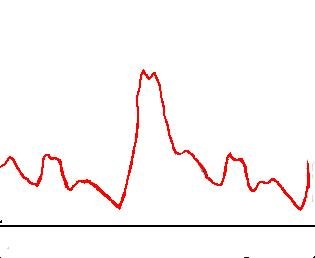
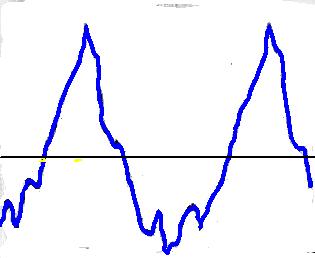
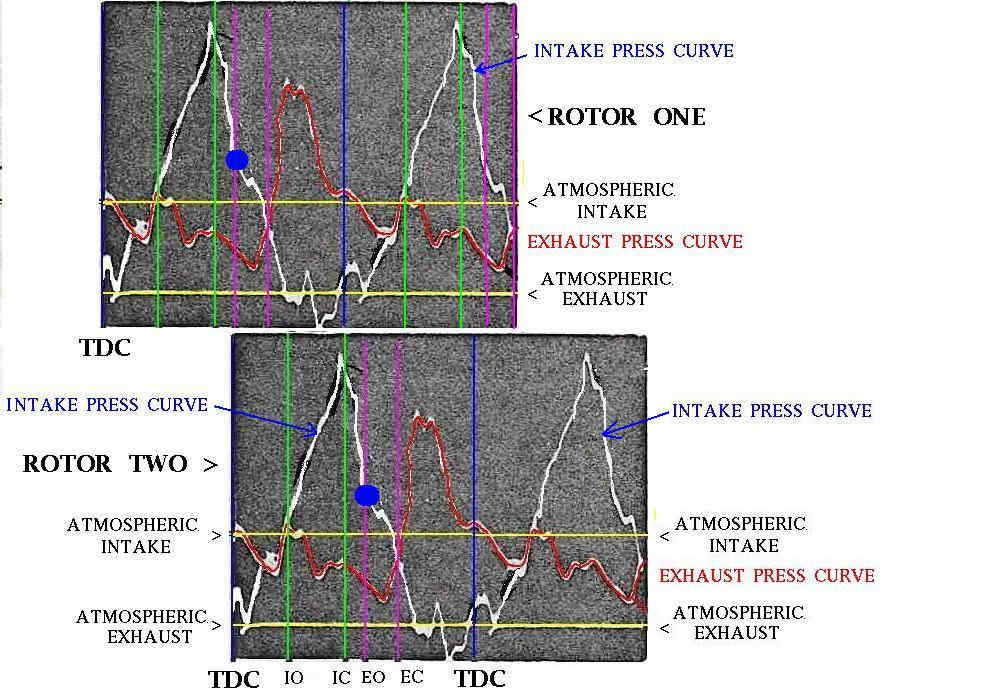
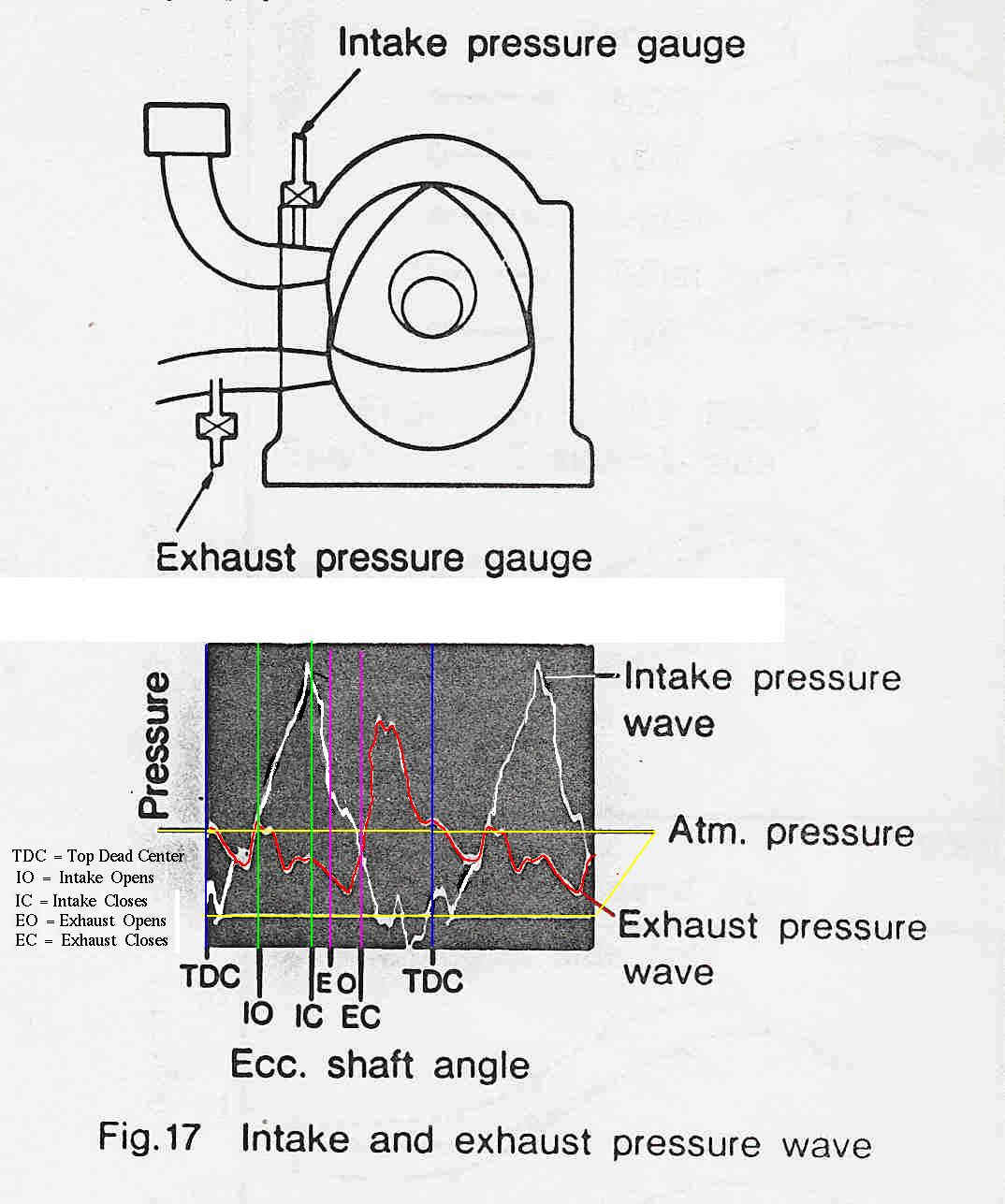
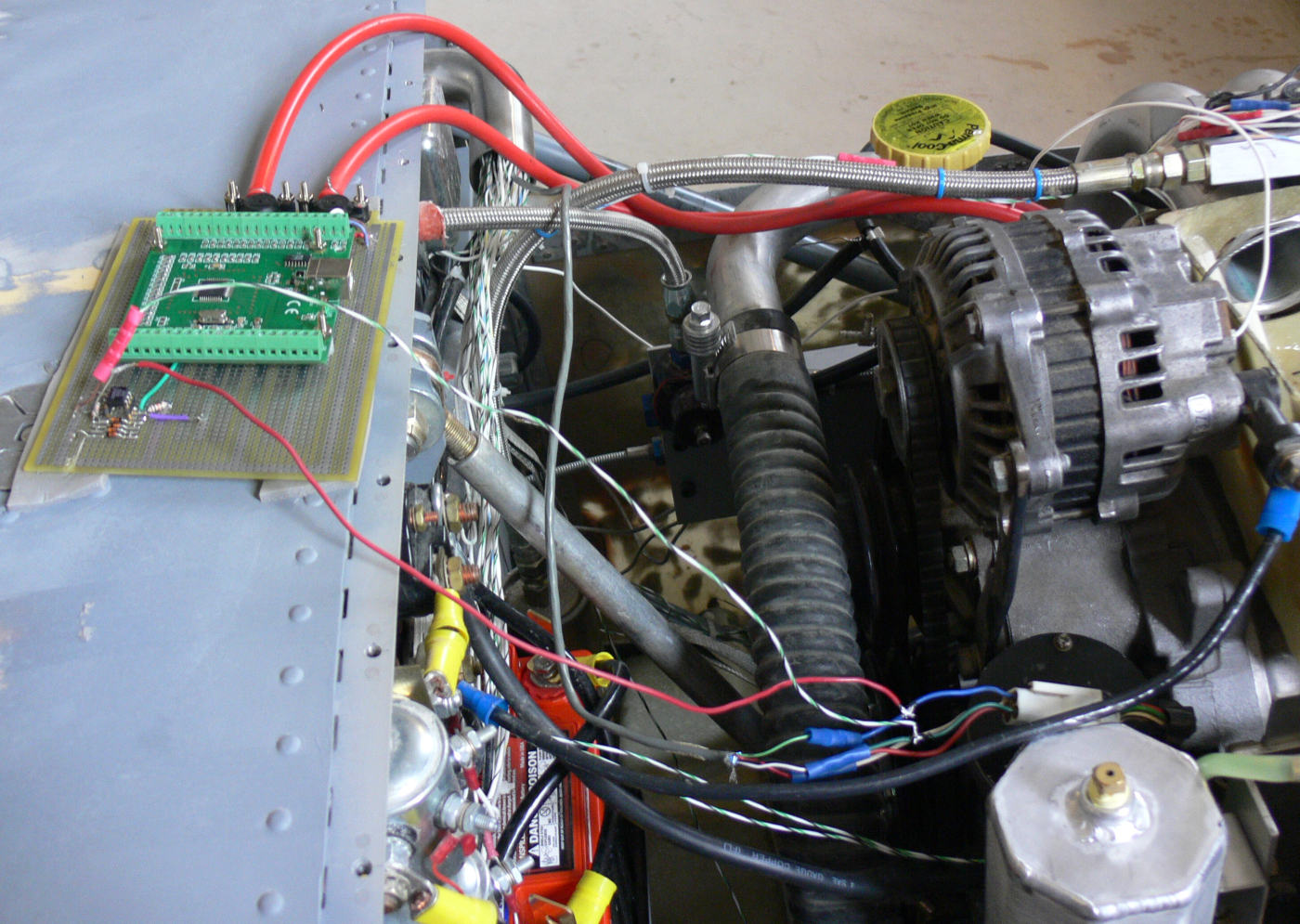
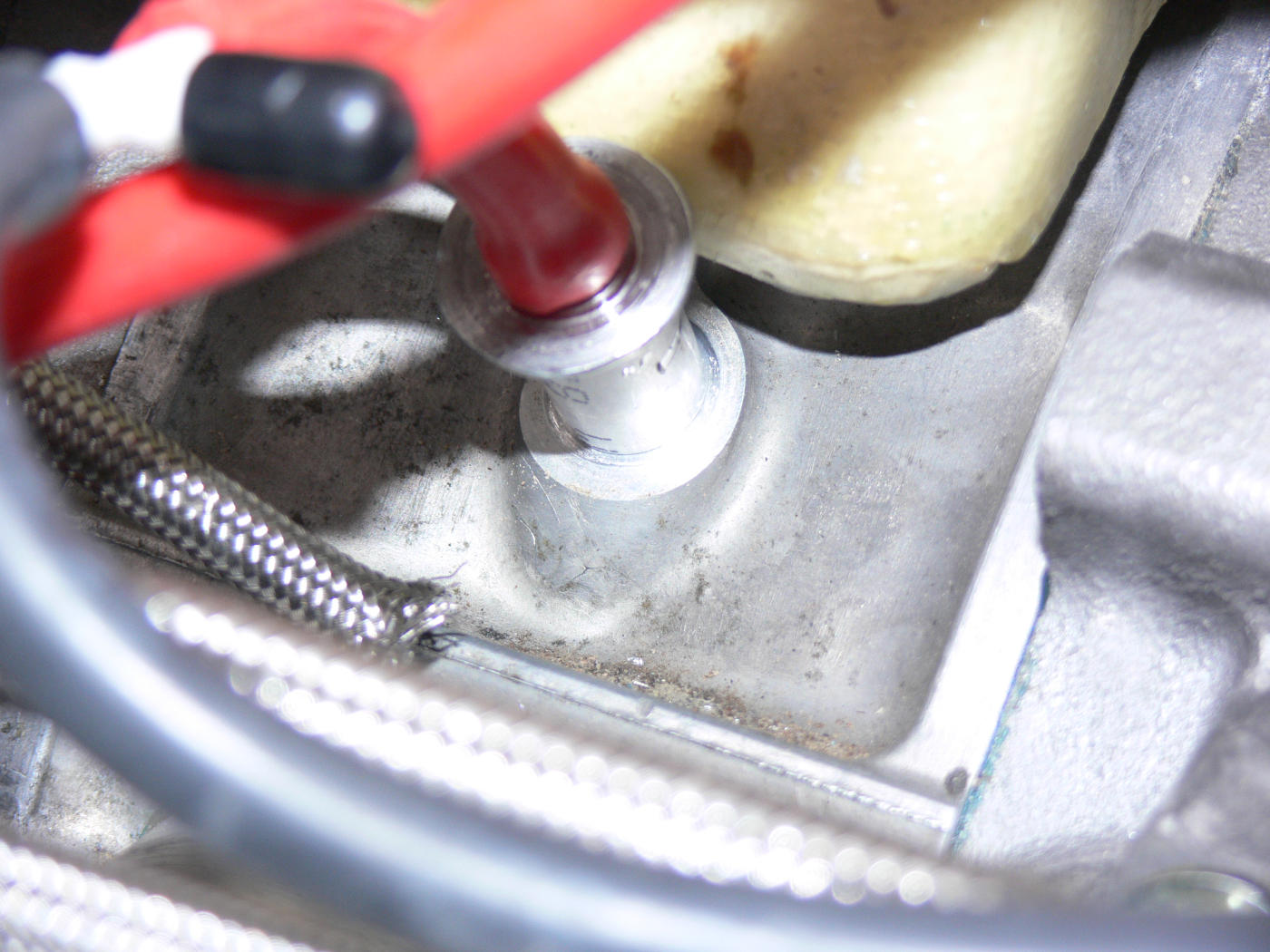
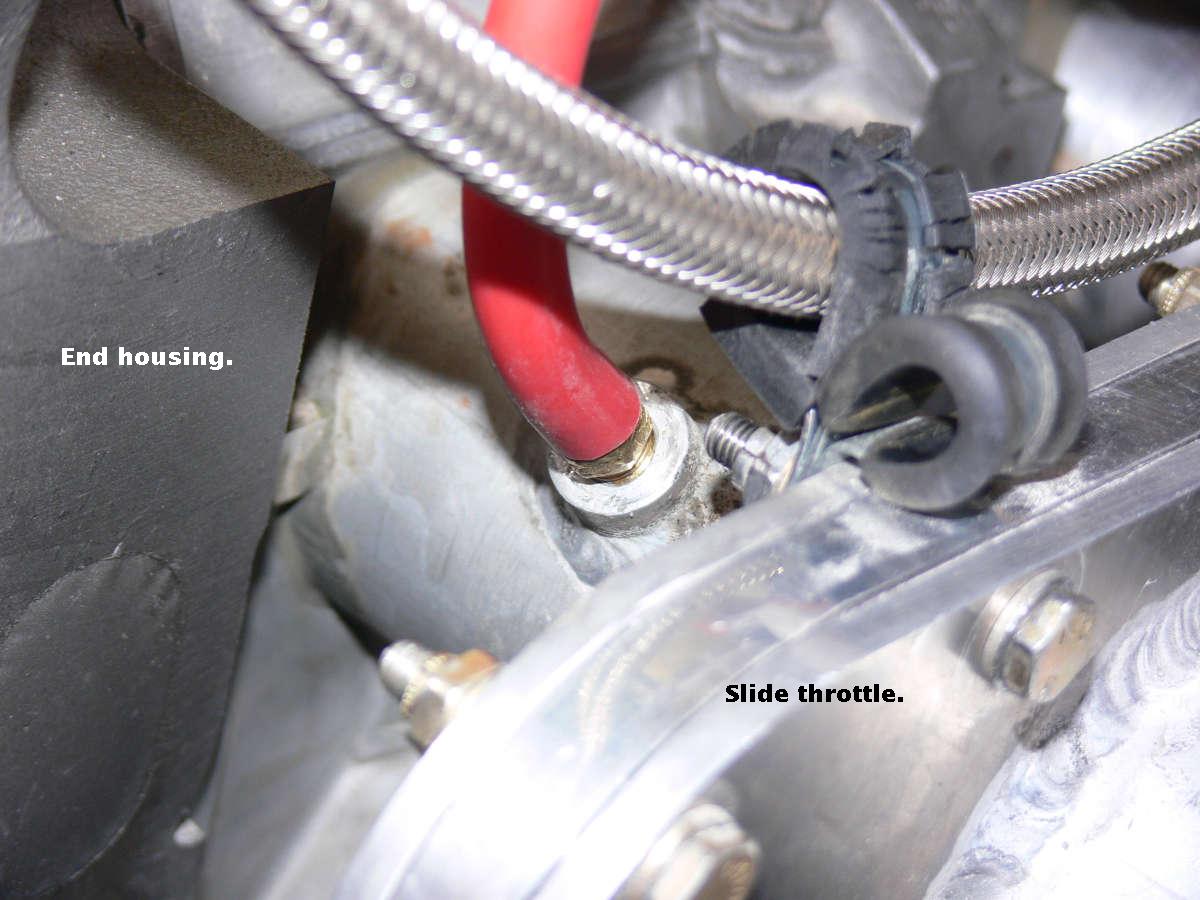
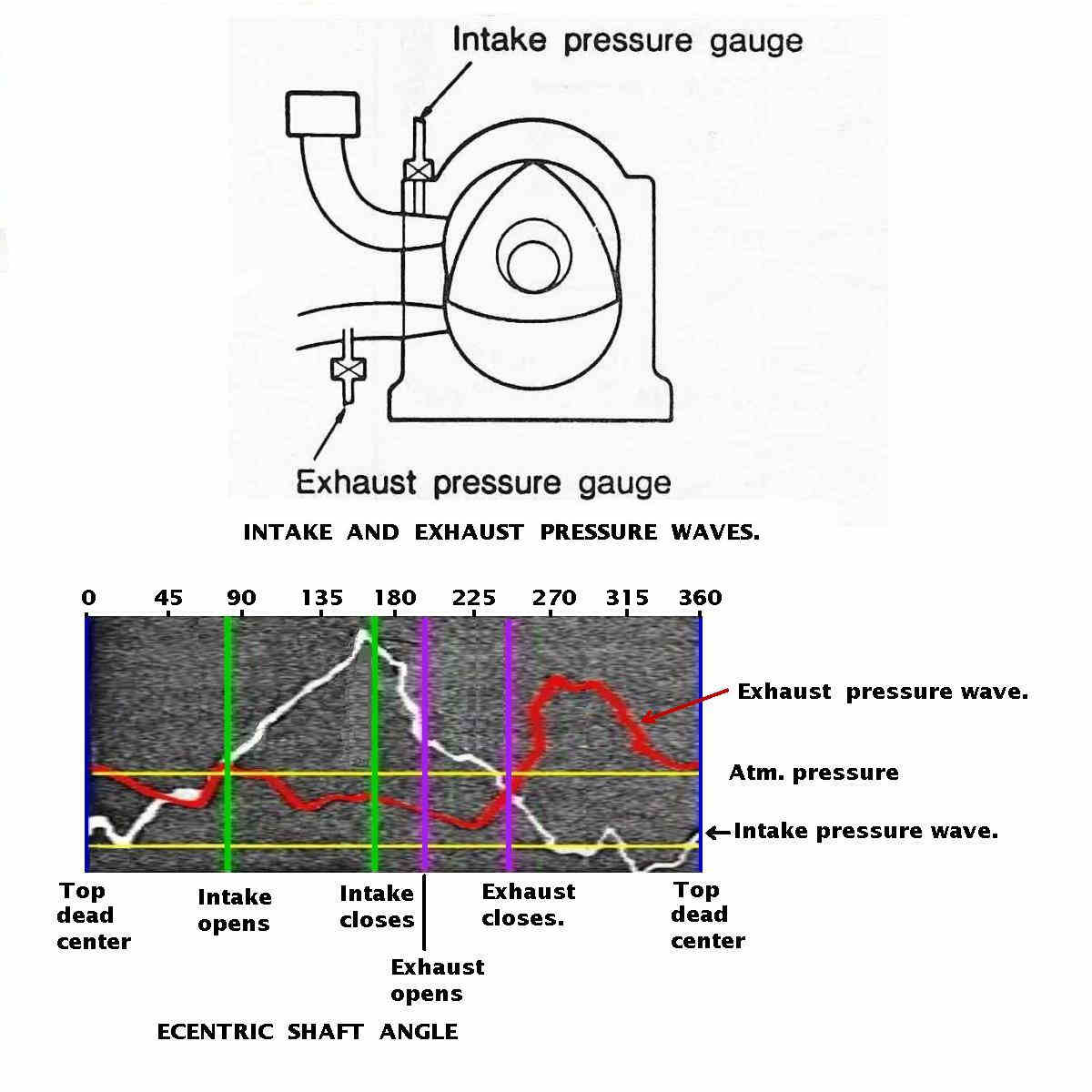
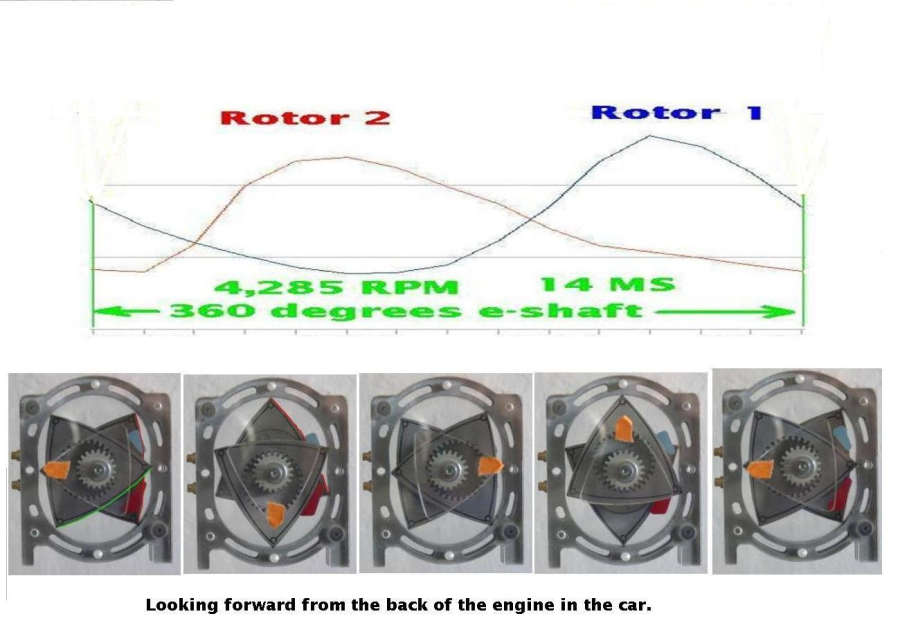
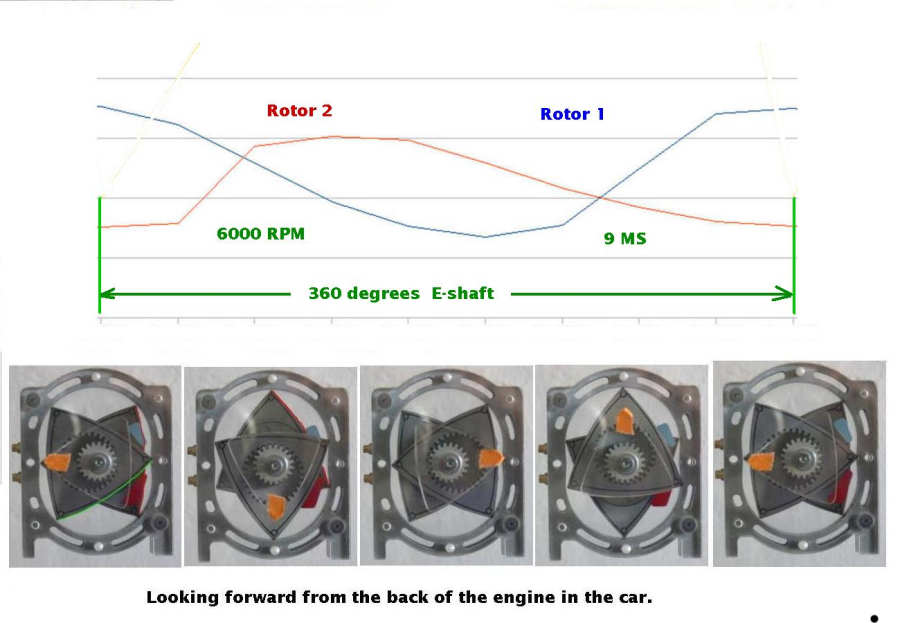
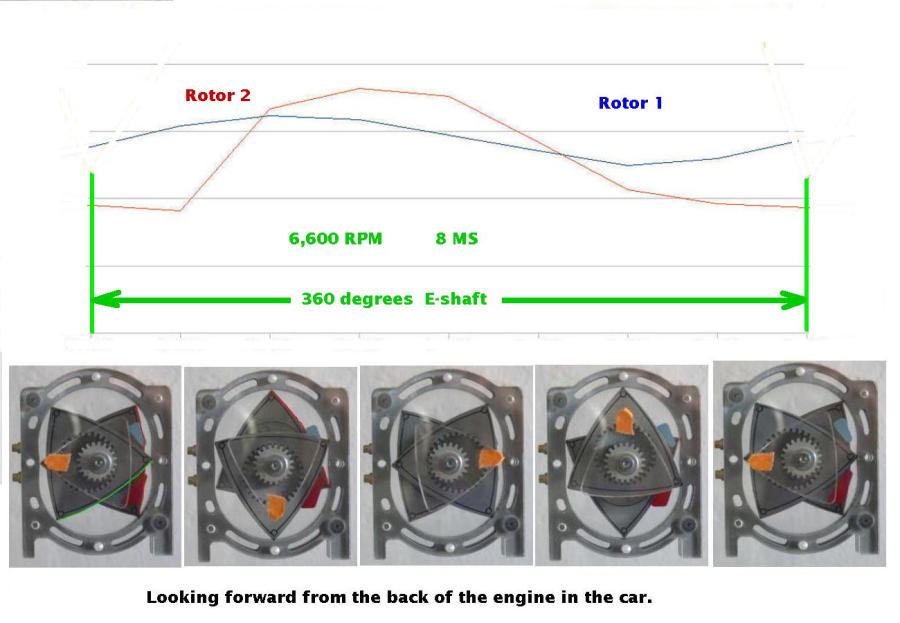
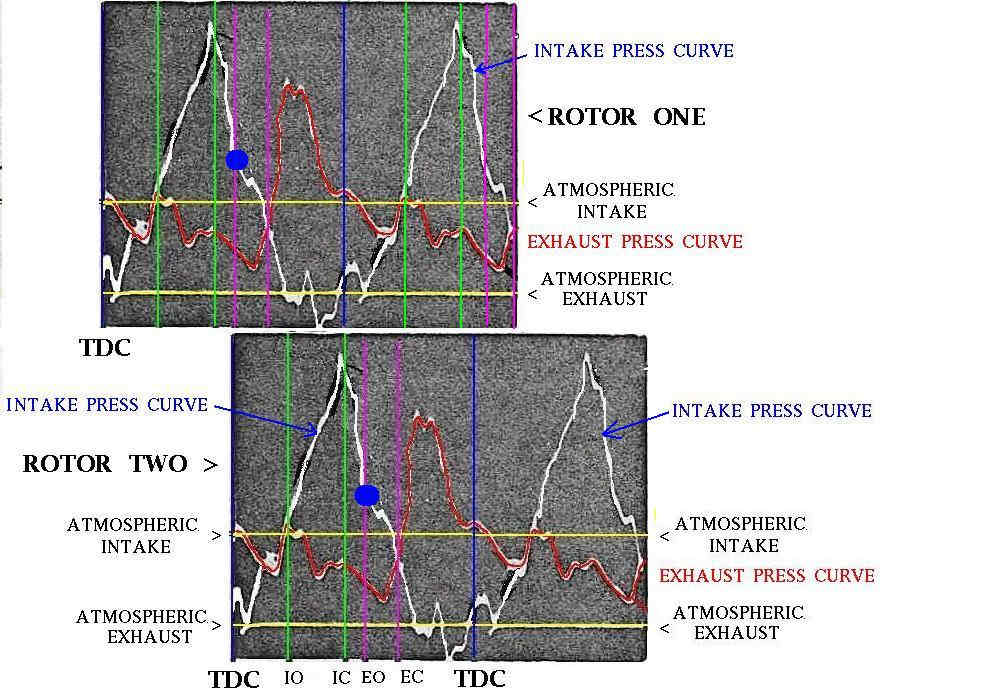
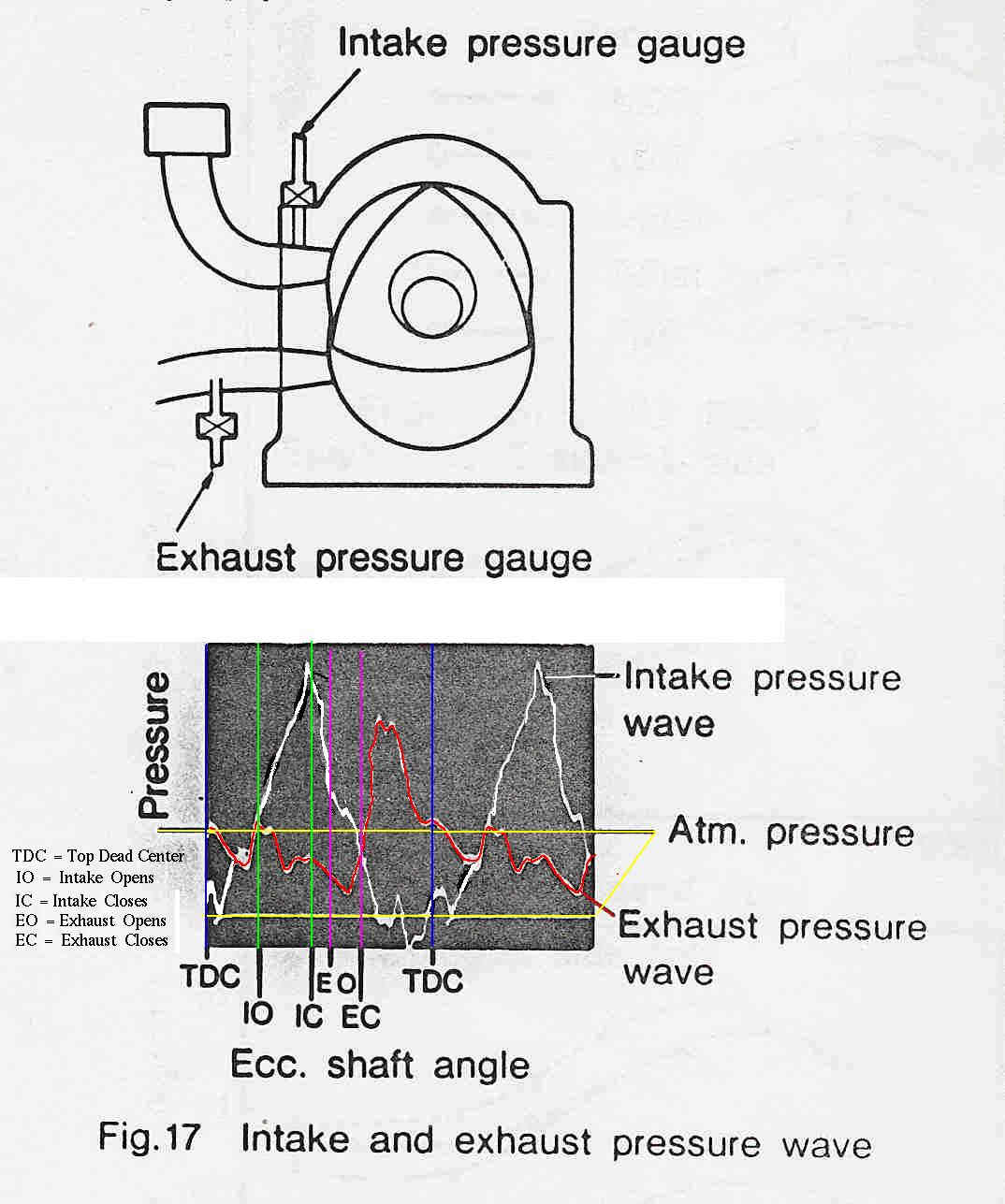
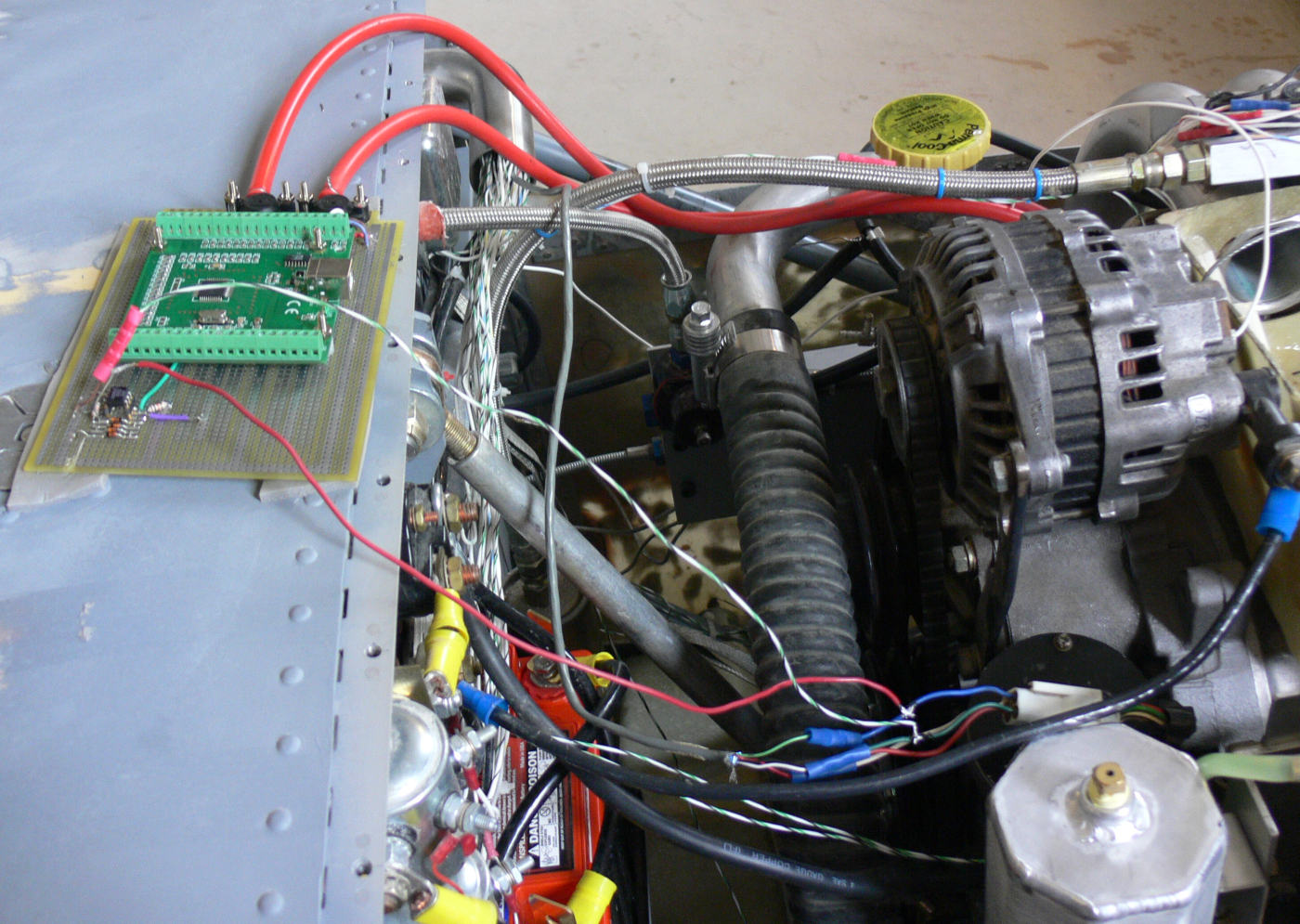
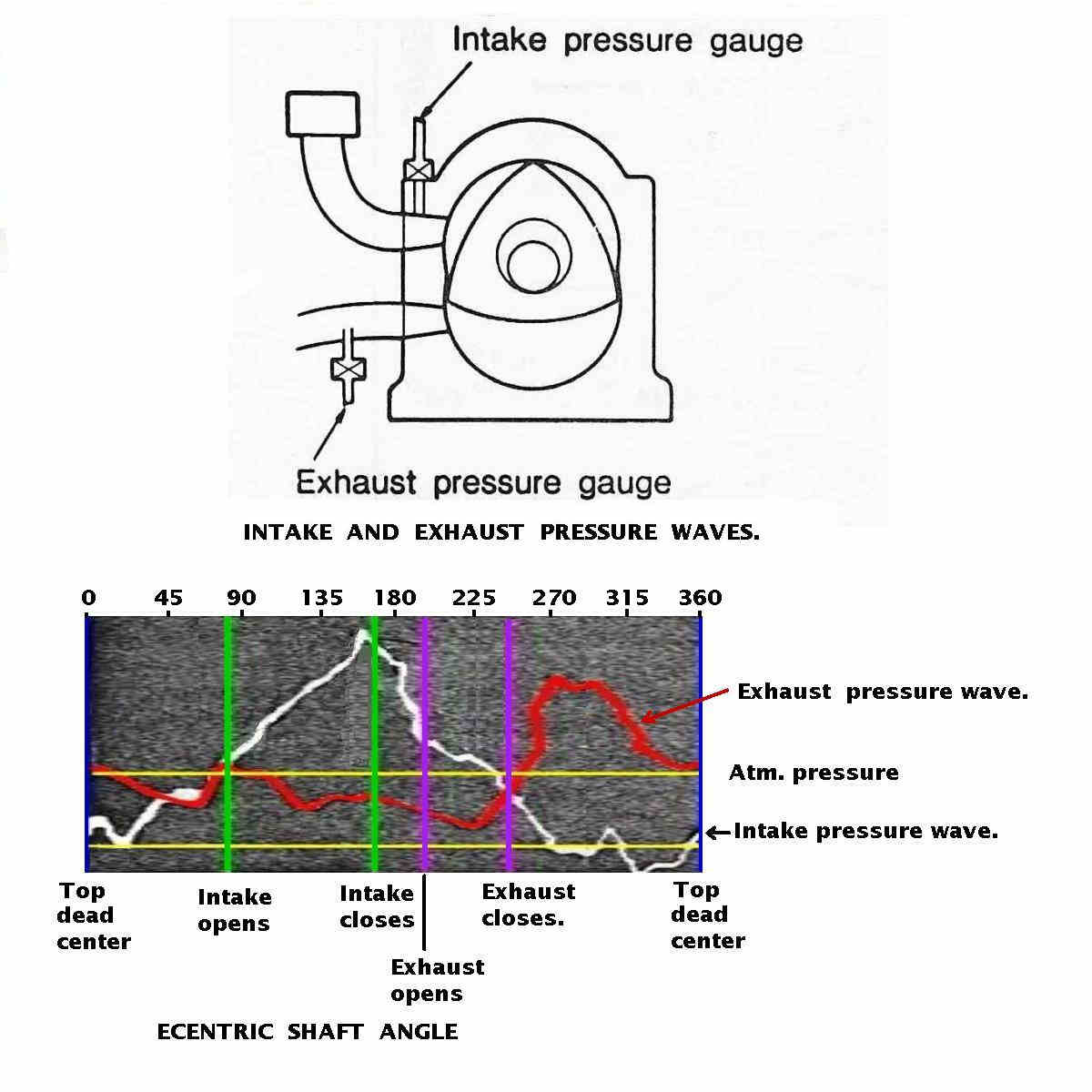
Here is some stuff where we used a DataAq to study the rotary manifold
pressure waves. A DataAq is a highly useful tool when dealing with EFI
and computer controlled ignition systems. Best $30 you can spend.
Paul Lamar
The Rotary Engine News Letter. Powered by Linux.
ACRE NL web site.
http://www.rotaryeng.net
You Tube
http://tinyurl.com/beqqxas
Copyright 1998-2014 All world wide rights reserved.