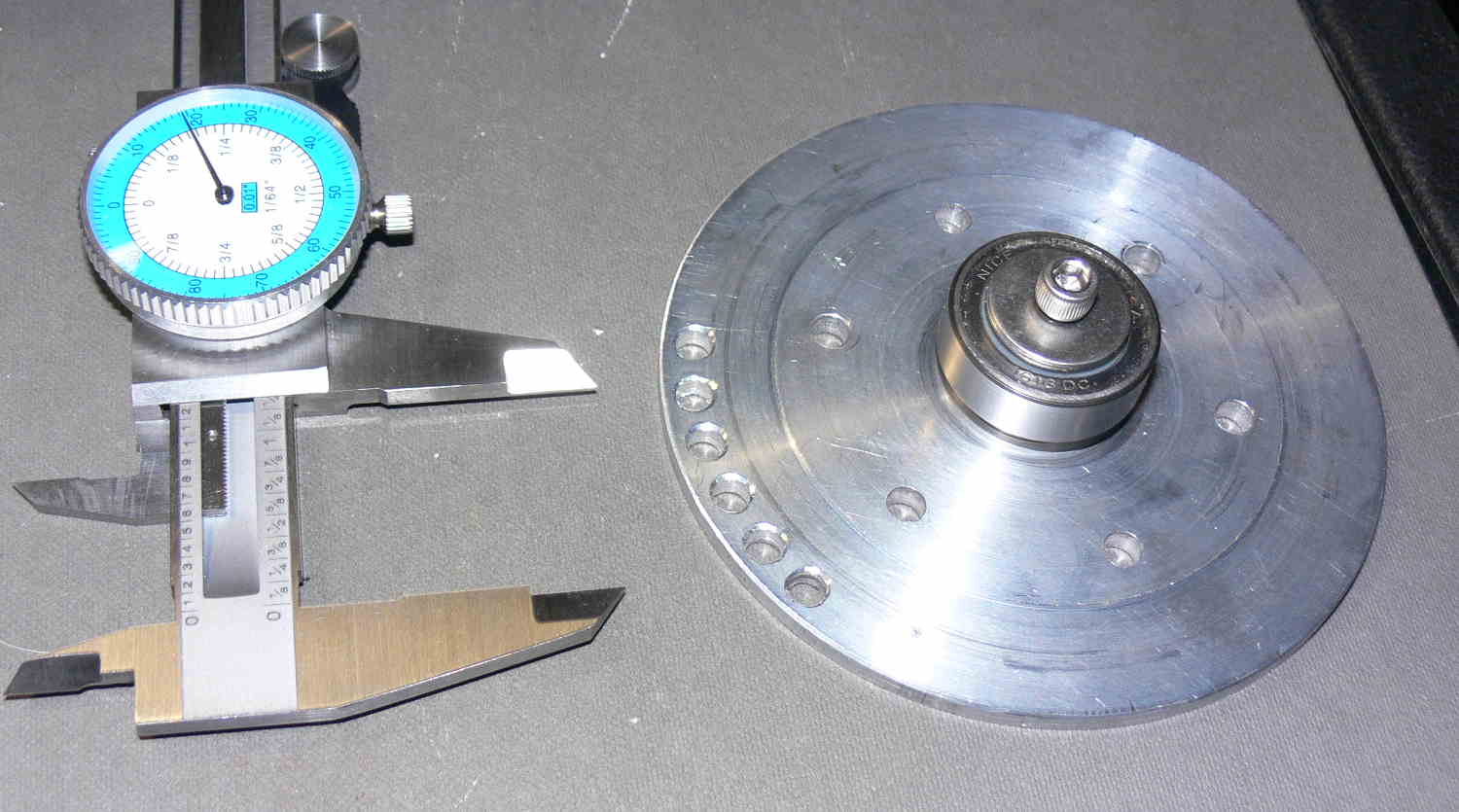
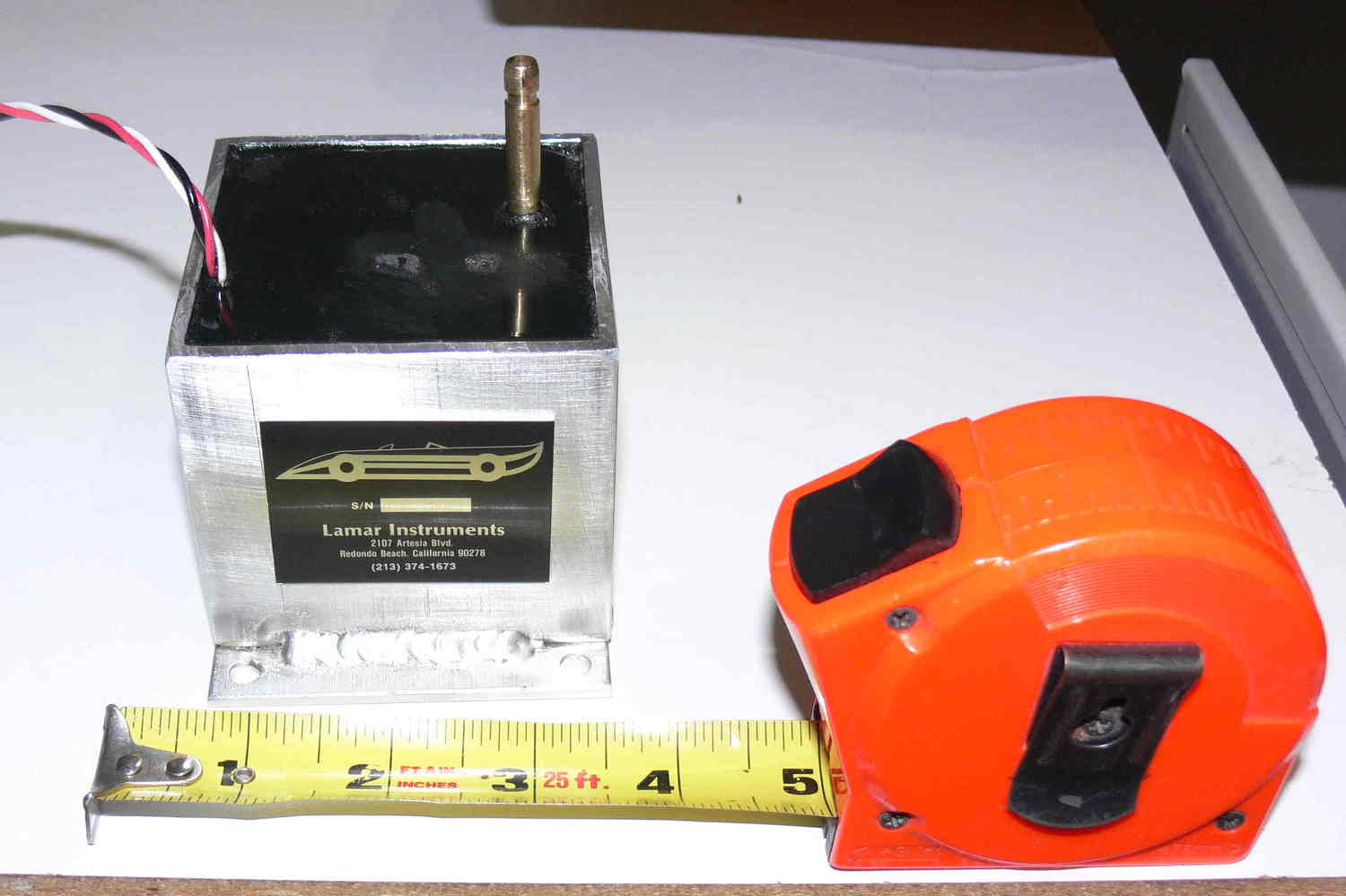
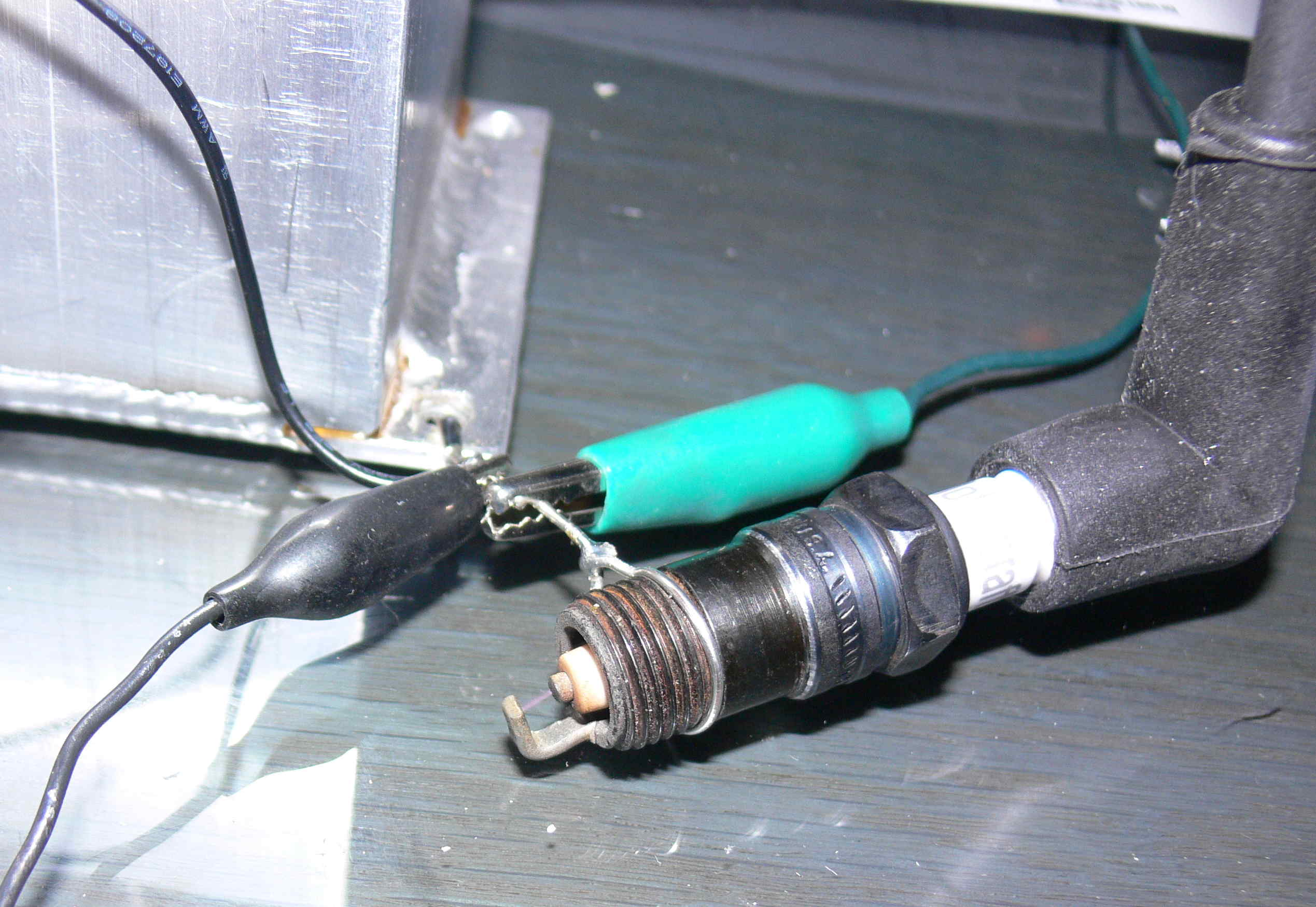
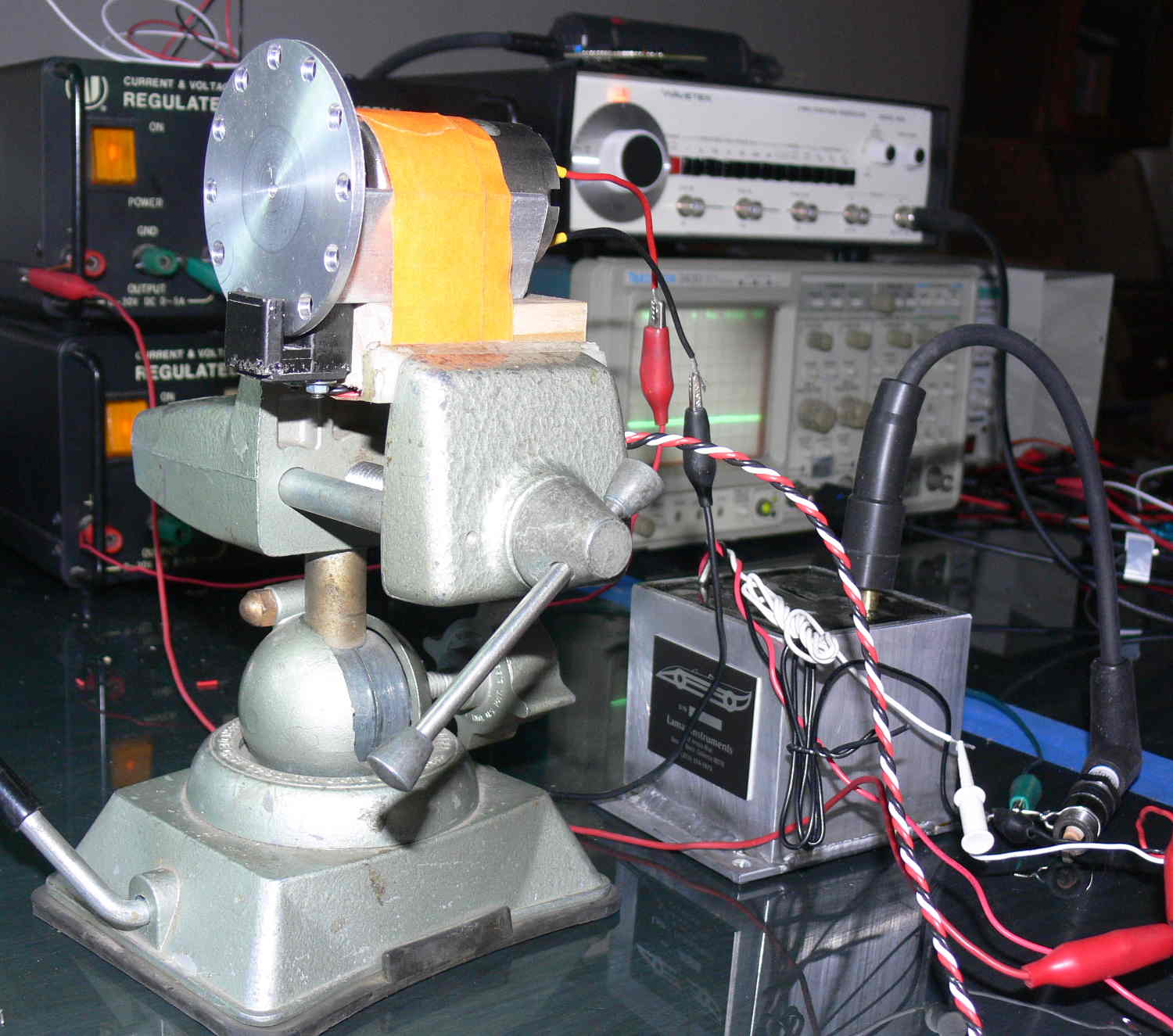
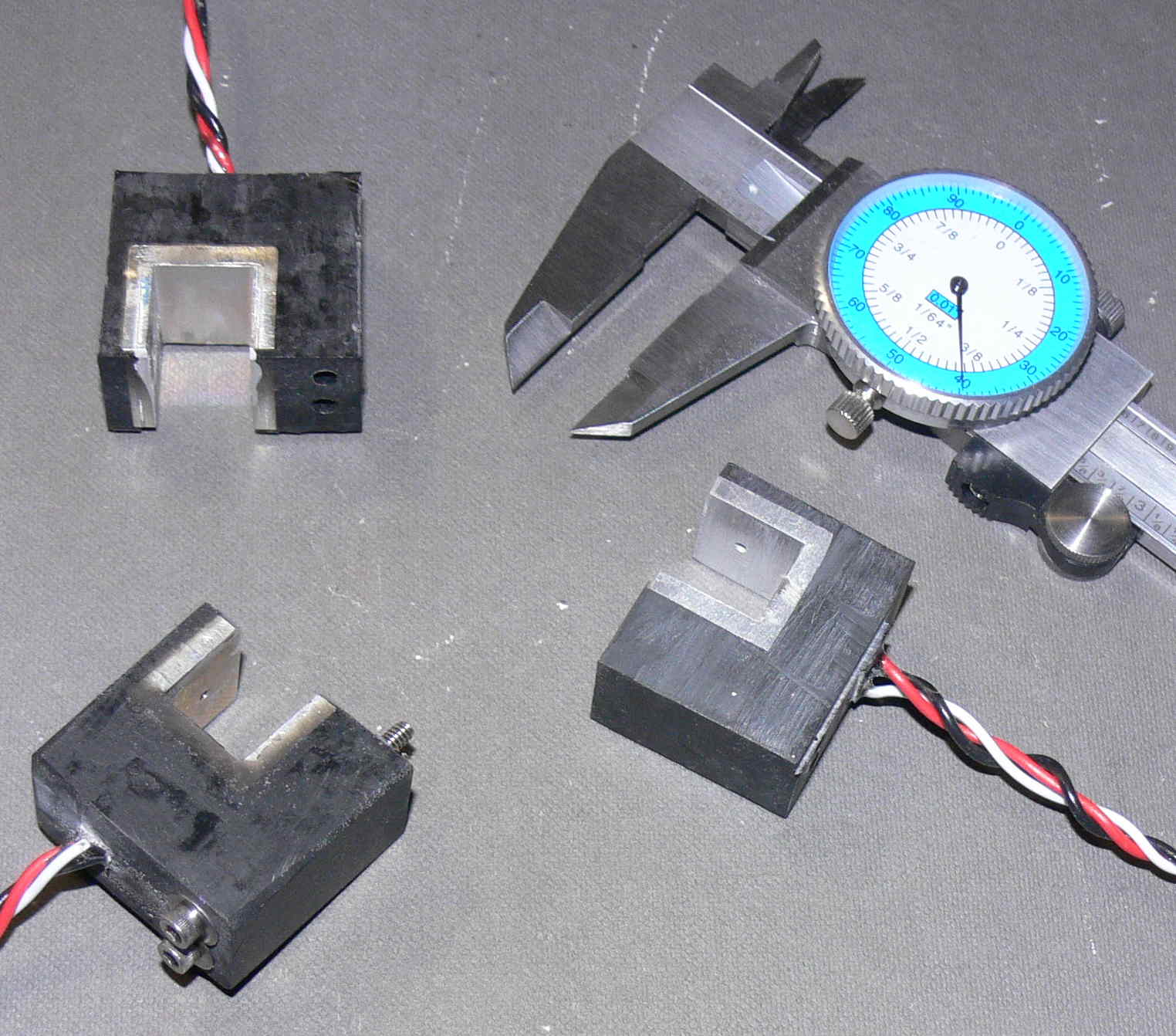
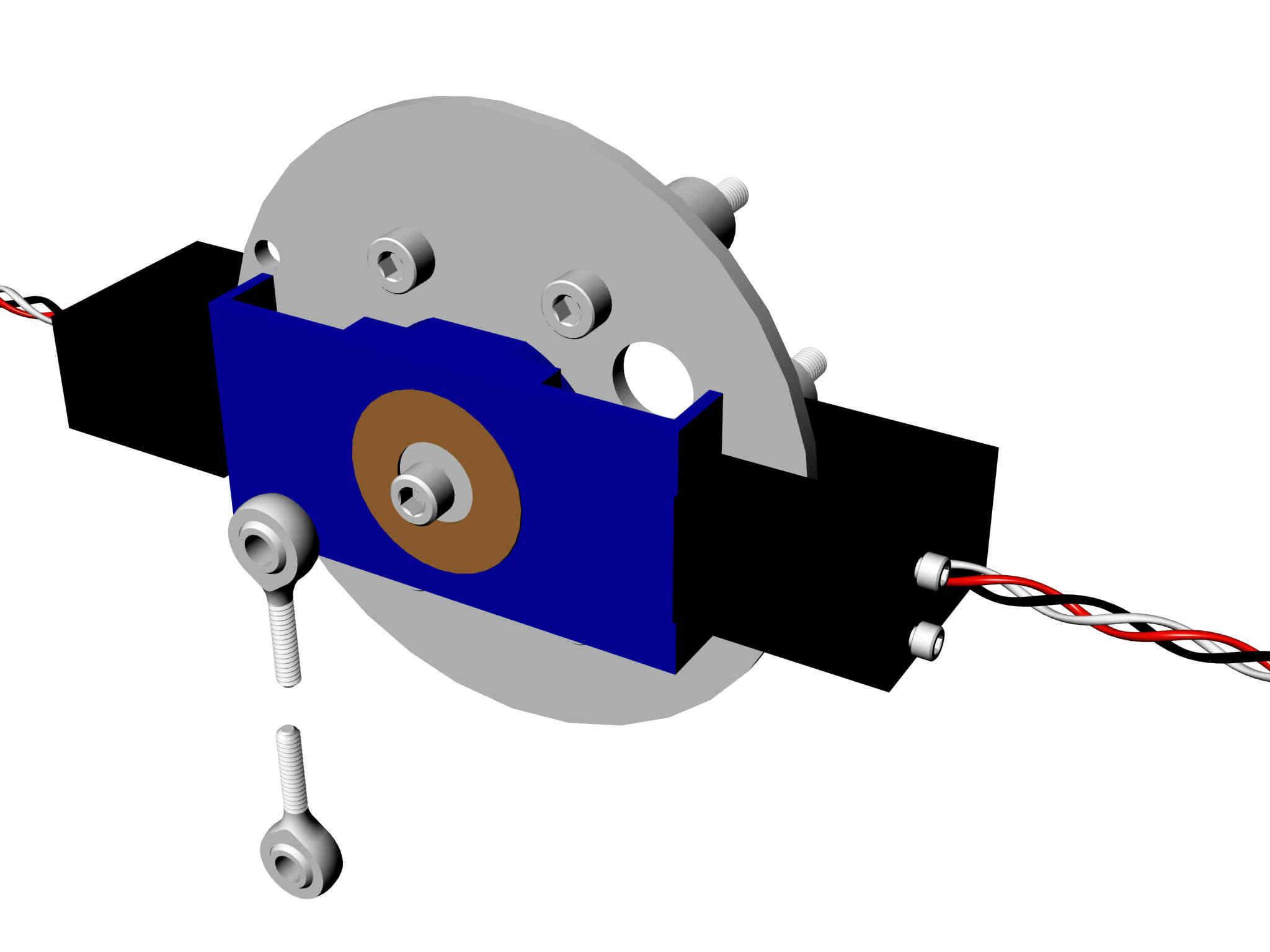
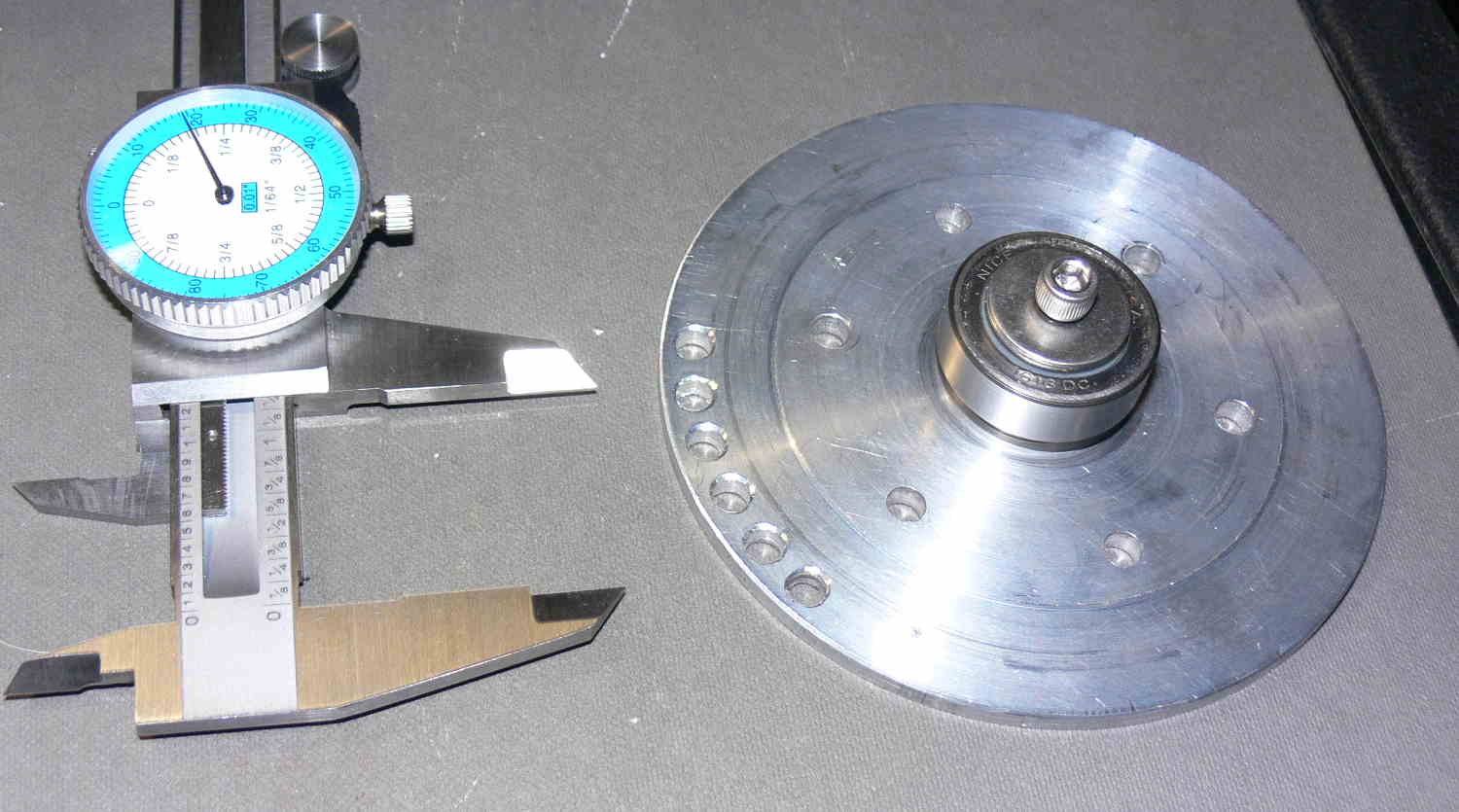
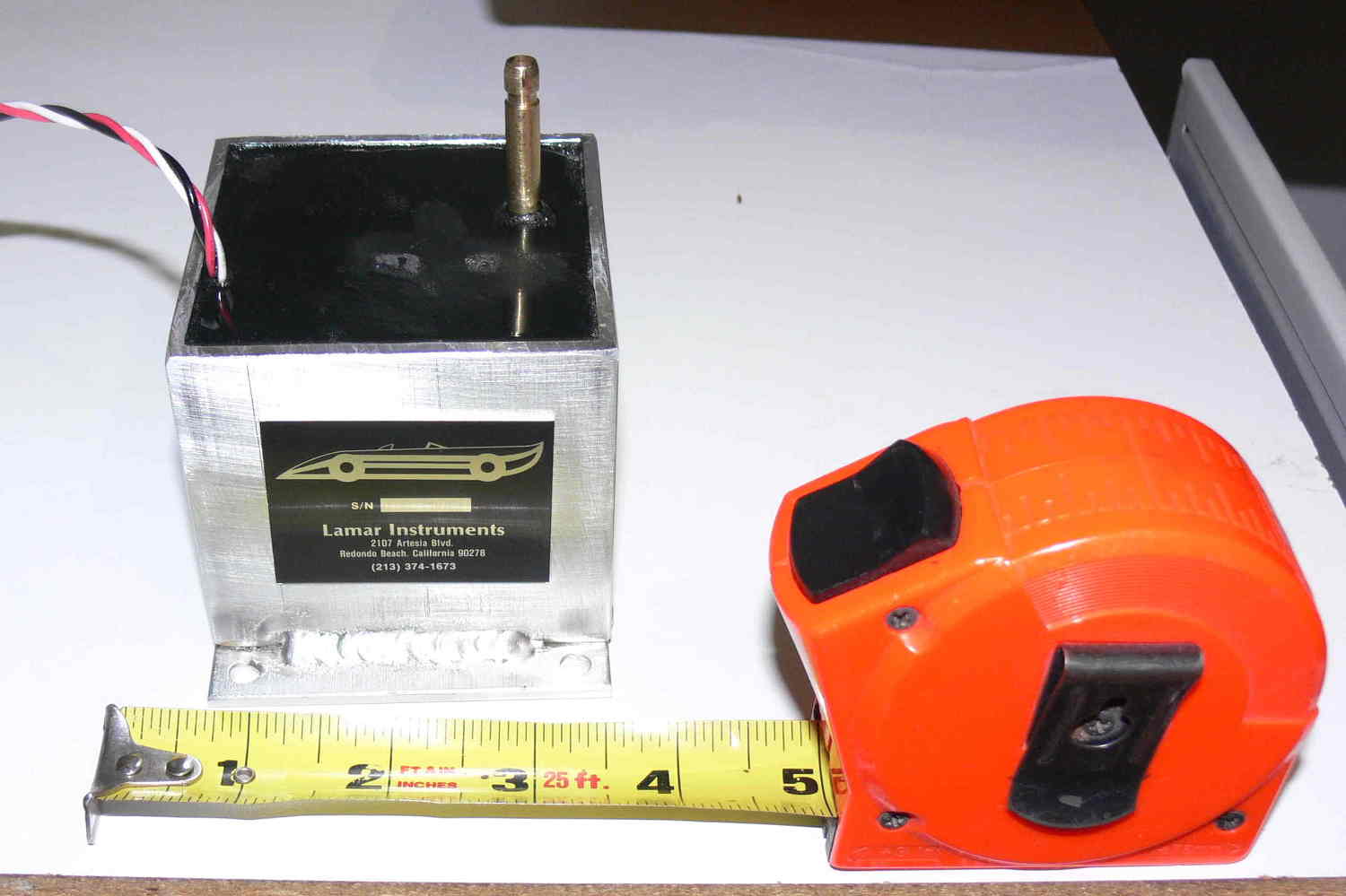
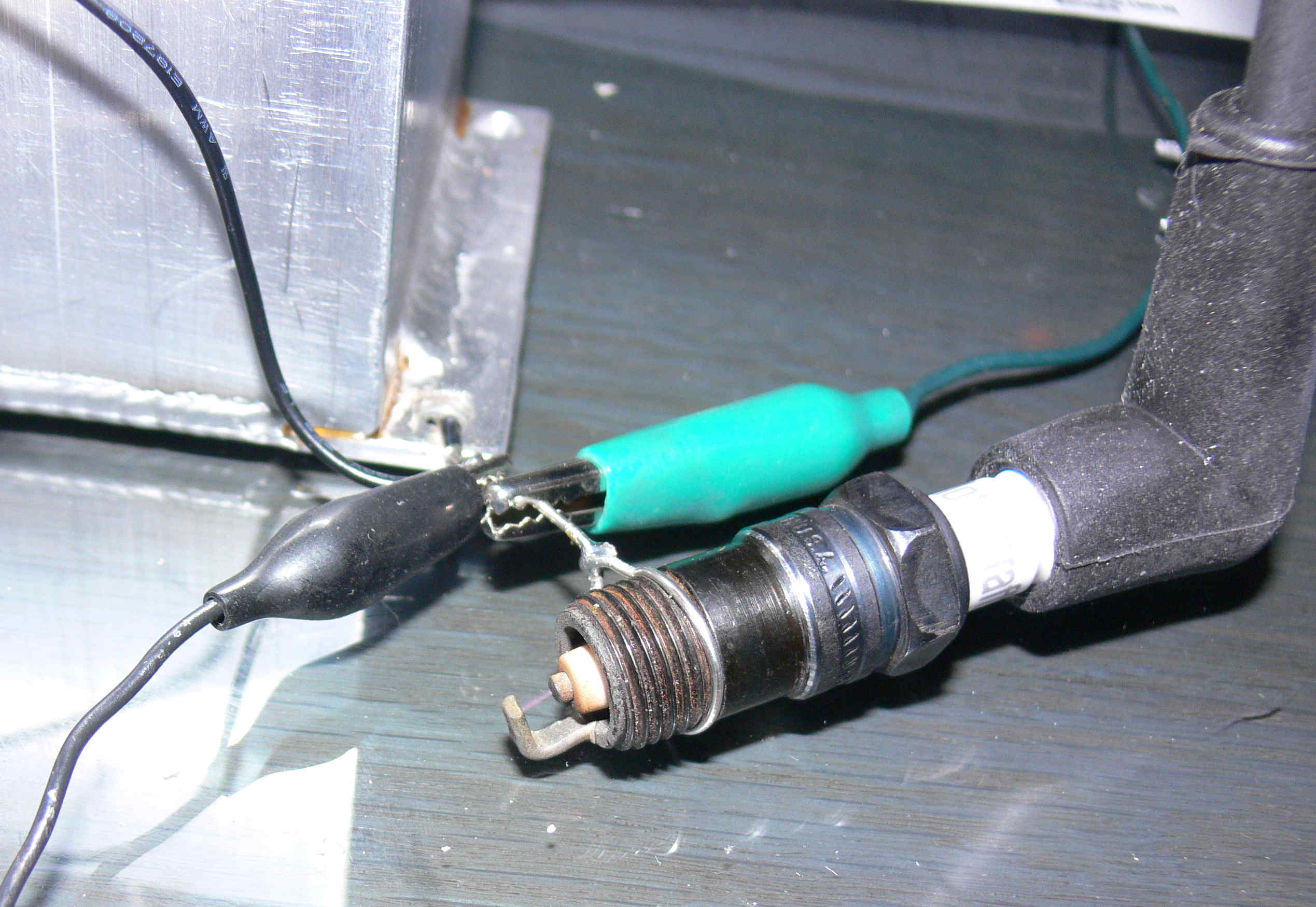
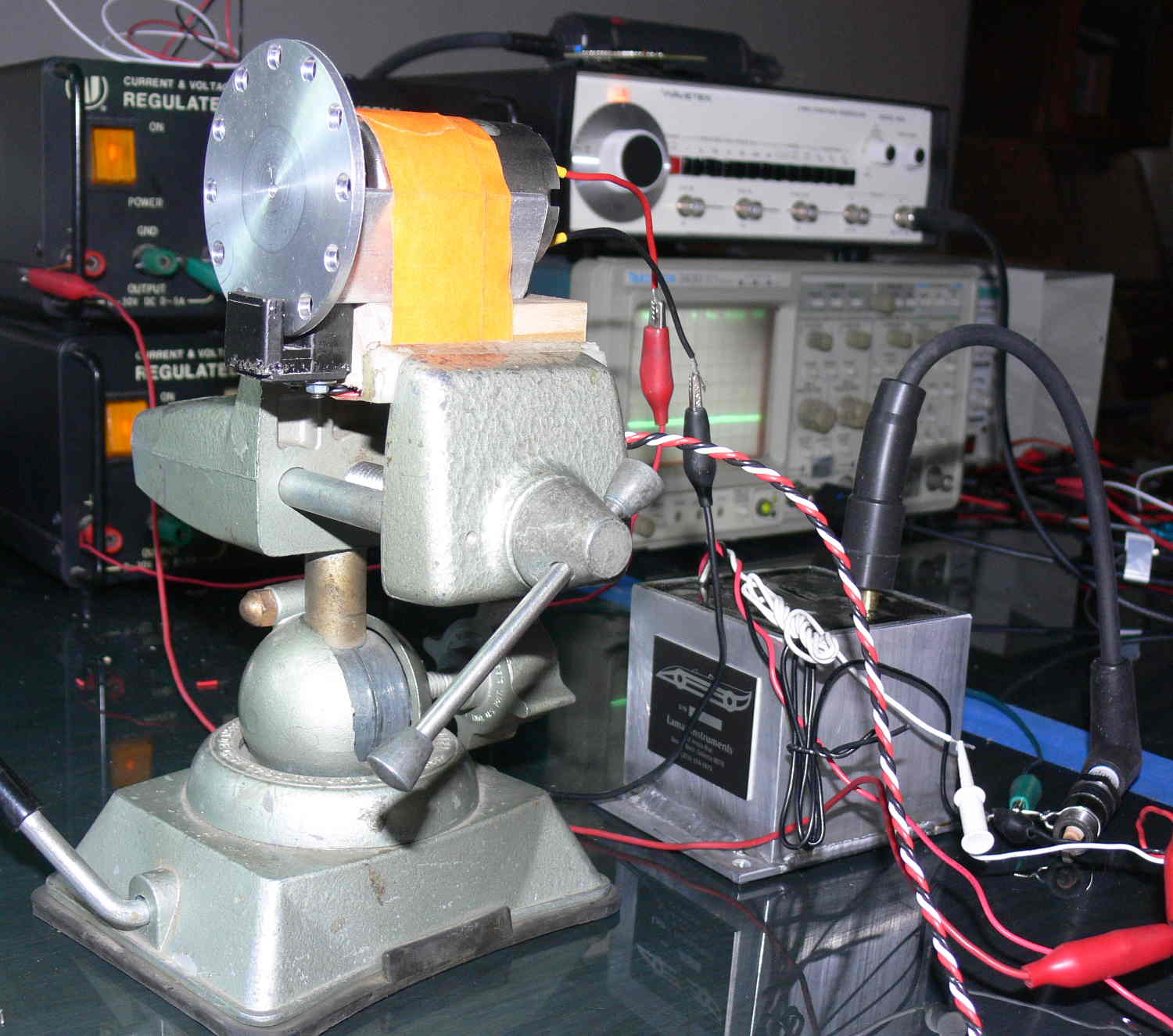
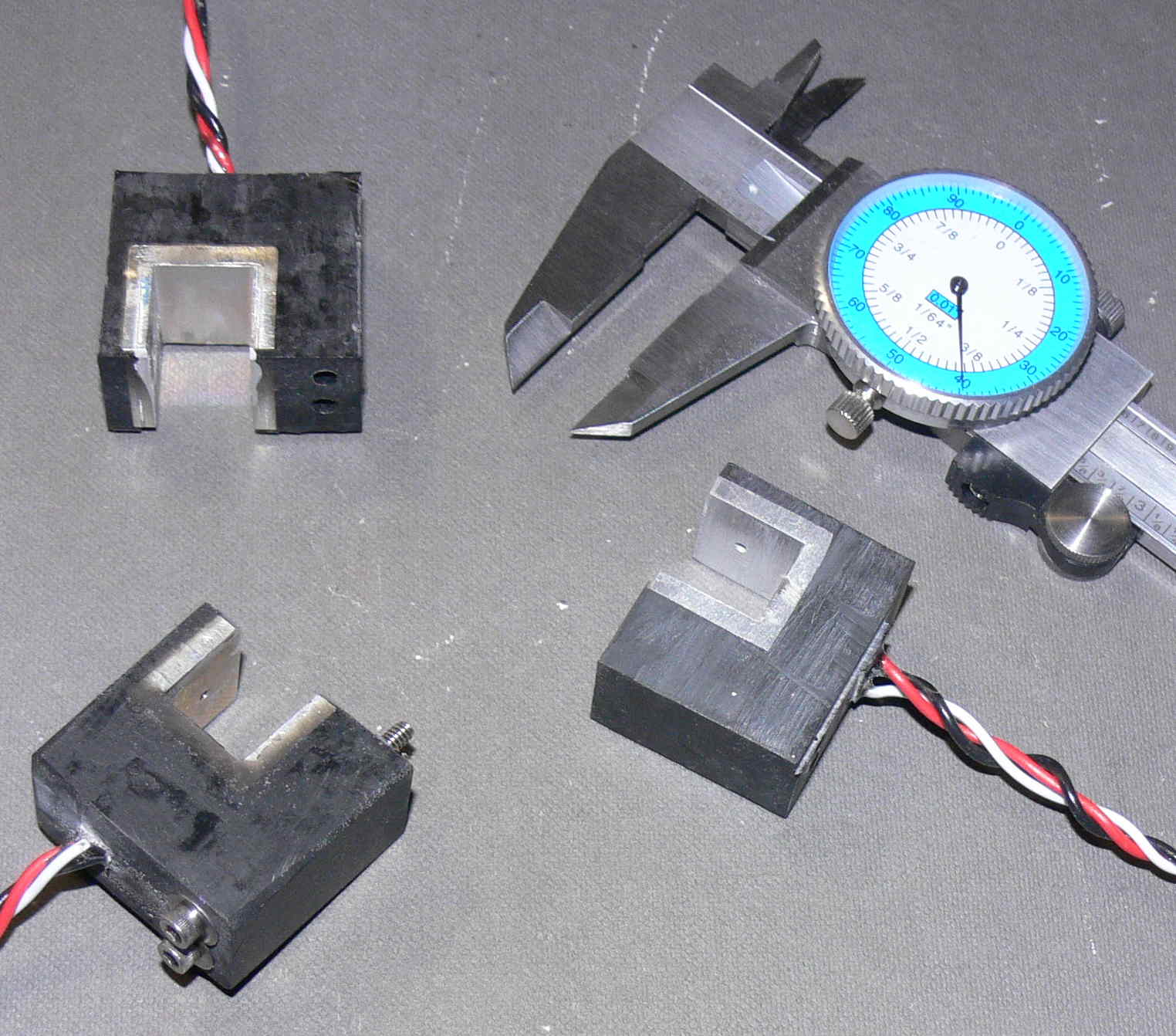
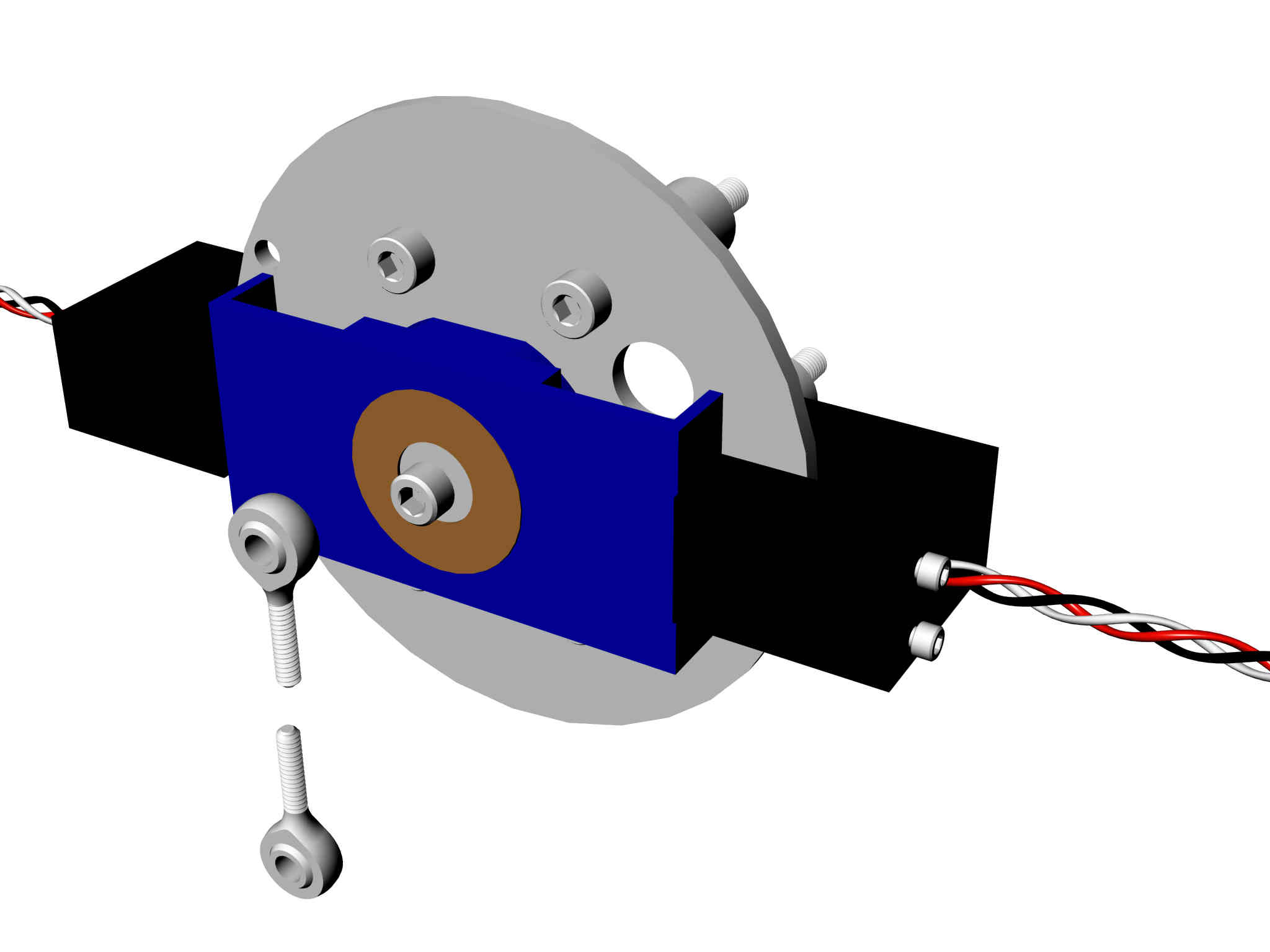
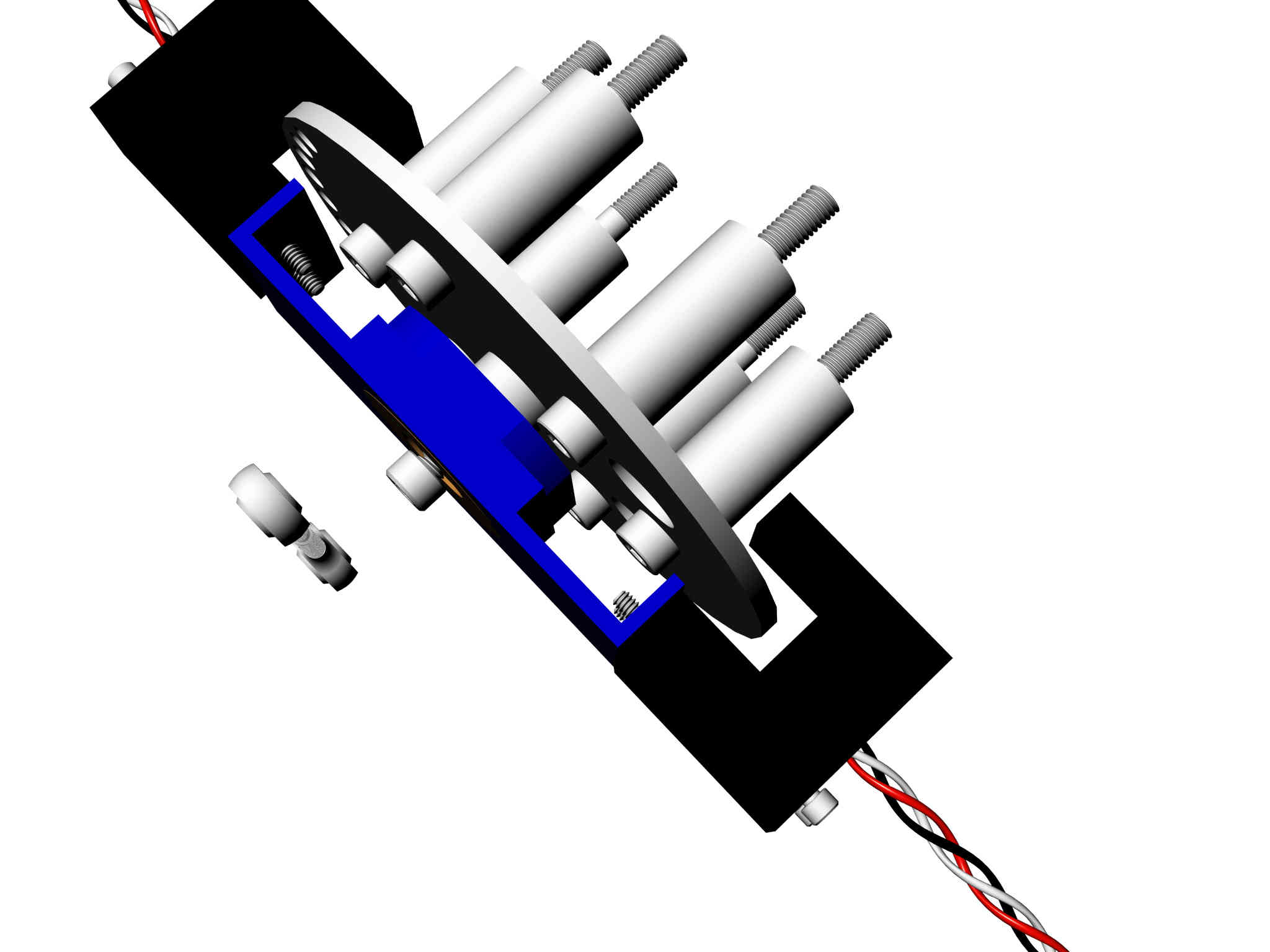
If you firing a rotary engine six times every 10 degrees at 10,000
RPM you need a fast crank angle sensor.
This ignition system has the promise of reducing the fuel consumption,
increasing the power, reducing hydro carbon emissions and curing an
occasional mis-fire at idle due to port overlap. It is six times more
likely
to fire a bad mixture.
Paul Lamar
Ignition of gasoline depends on the spark being immersed in a mixture
in the air fuel range of 10:1 to 20:1. The mixture ratio varies
widely in the combustion chamber and it is very turbulent meaning
that any given moment the mixture may or may not not be ignitable.
Due to port overlap some exhaust gases (less oxygen) could be
included making the mixture non ignitable at a given moment in time
causing a miss.
That is what happens in the old Mazda 13B and causes a distinctive
and noticeable miss at idle. The RX8 eliminated the port overlap for
that reason.
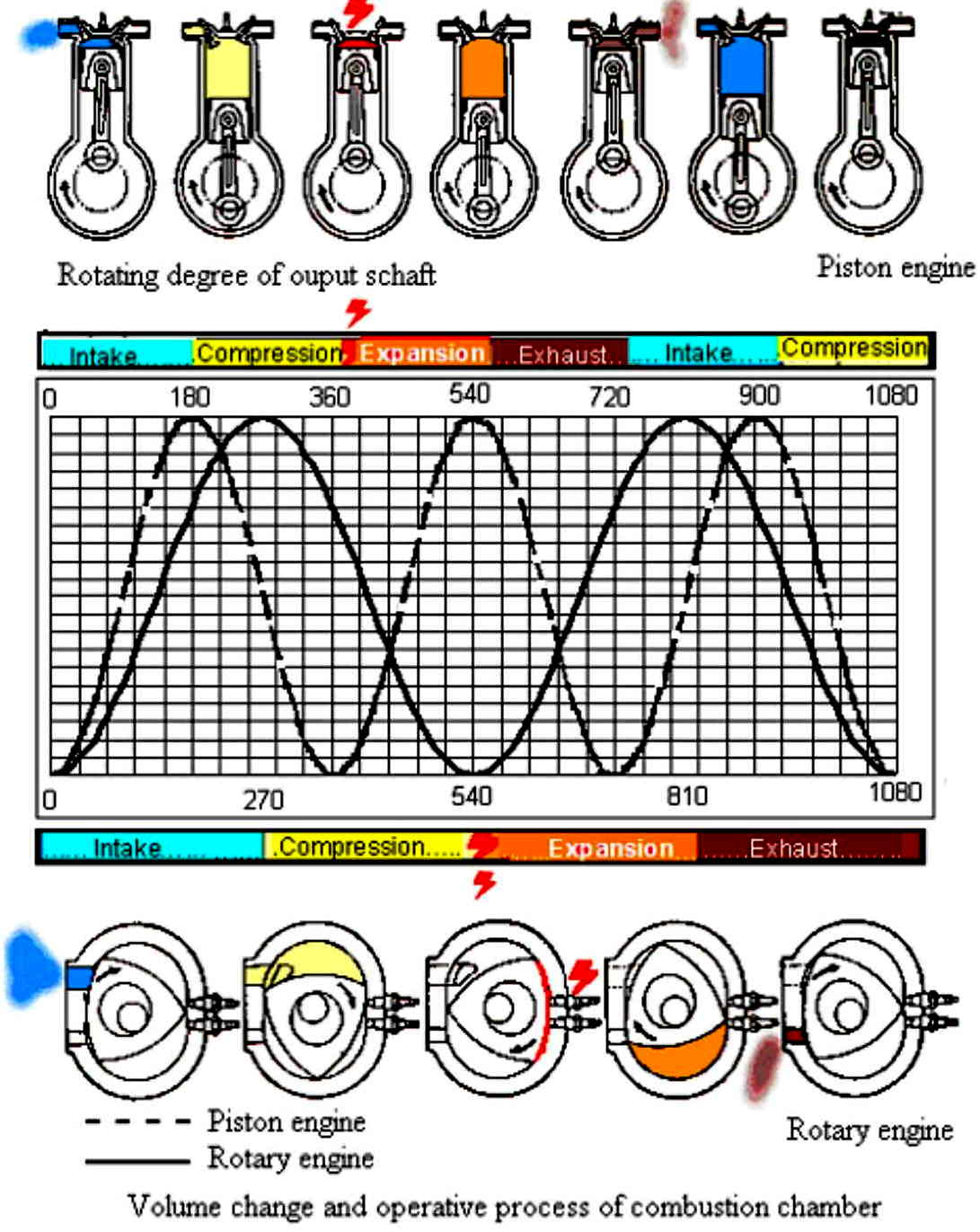
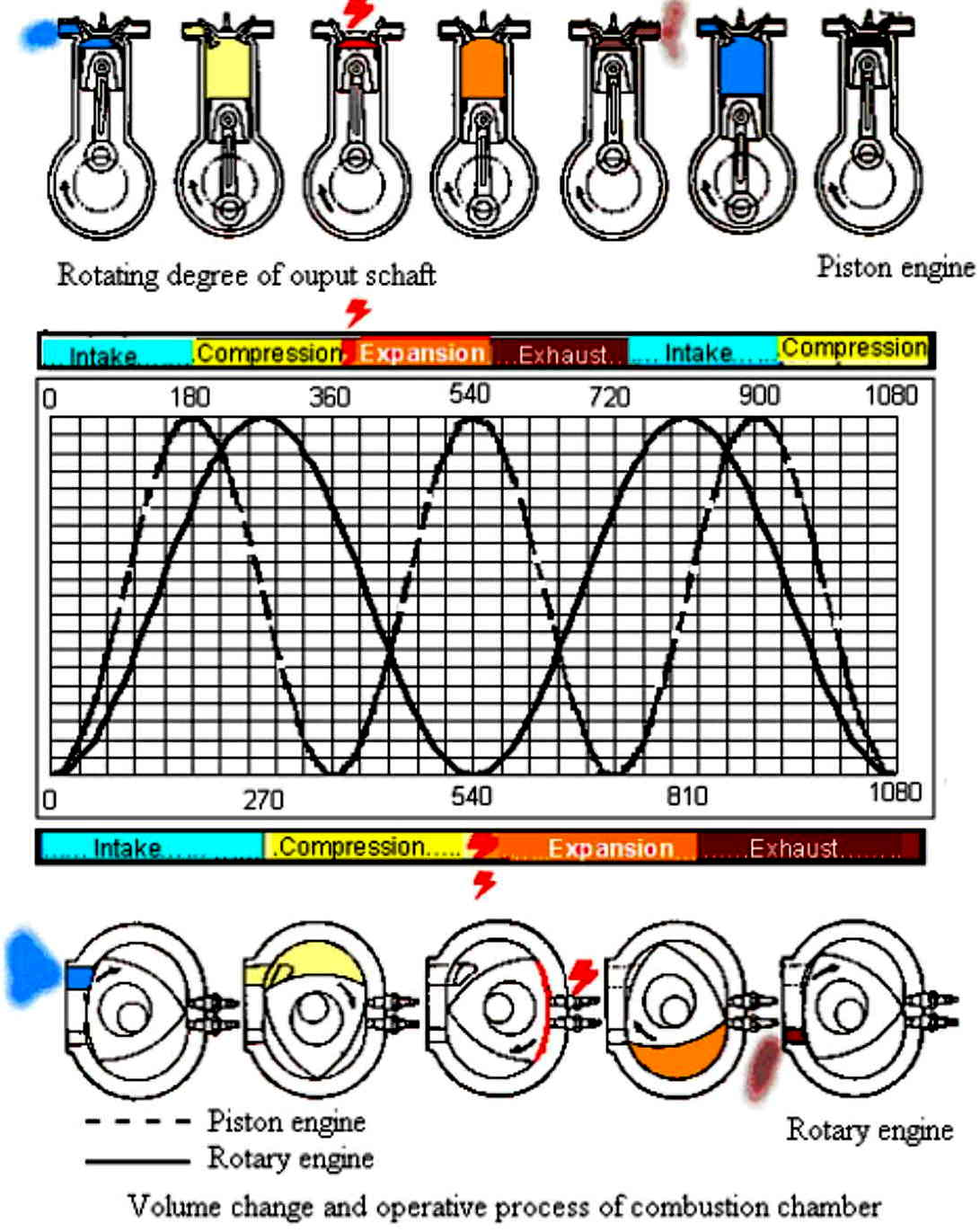
This ignition is six times more likely to find an ignitable mixture
ratio because it waits for a good mixture to come along :) Notice the
Wankel combustion stroke lasts almost 300 degrees while the piston
combustion stroke is only about 120 degrees. During this long time
period some un-combusted combustible mixture may be passing the spark
plug.
We know this to be a fact because of the high hydro carbon content in
the Wankel exhaust. Our goal is to ignite that mixture thereby
gaining a lower BSFC number and more power.
Paul Lamar
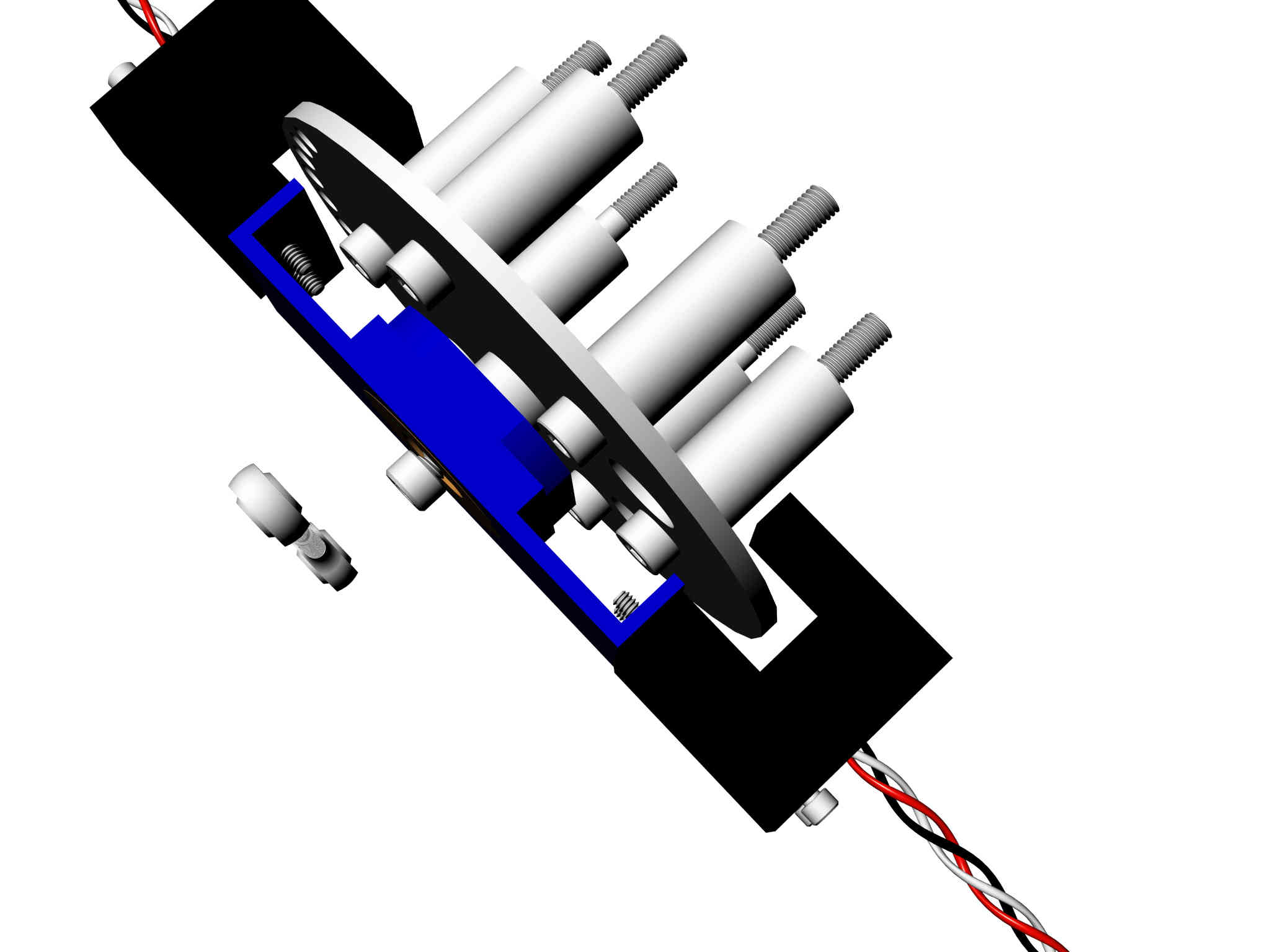
I just had another idea along these lines. If the mixture is too rich
to ignite a very small quantity of high pressure fresh air injected
close to the spark around TDC would help. The amount and duration
could be determined by experiment. Here are some 3D's. NOS or
hydrogen could also be used but air is cheaper :)
Paul Lamar
A very good idea, this new approach to Stratified Charge RCEs! Now
that electronics, EFI and electromechanical devices have prices
lower that going out for dinner, the number of ways for improving
all issues formerly problematic in Wankel engines grows
exponentially year after year. Please keep us aware of results!
Best regards. Salut â Jose Gros-Aymerich; Madrid,Spain
Hi, the Orbital Fuel injection uses dual injectors: one to meter the
fuel and another for the compressed air blast to inject it into the
cylinder. Mercury Optimax outboards are one application. Originally
designed for two strokes, it works great on four strokes. I do not
know if it has been tried on a rotary. It should work. They seem to
like to have the spark plug electrodes out in the edges of the
fuel/air plume. That could be a problem with the rotary. It is
more expensive than single fluid injection.
Murry I. Rozansky
The difference is the quantity of high pressure air. Small quantity
low compressor HP consumption. We need just enough to ignite the rich
mixture around the spark gap only.
Paul Lamar
Paul and Jose,
Because you are looking for the lowest BSFC you would want a lean
mixture and then add richness only at the plug.... making it a
stratified charge.
Also if you want to increase the burn rate (we do), you could use lower
pressure air to make an "air curtain" between the exhaust port and your
peripheral intake, segregating the cycles.
Barry Bordes
It takes HP to compress and pump air. That HP comes out of the bottom line
on the overall fuel burn. One would want to limit that. We just need a
few molecules of fresh air in the spark plug gap to fire the occasional
rich mixture.
Paul Lamar
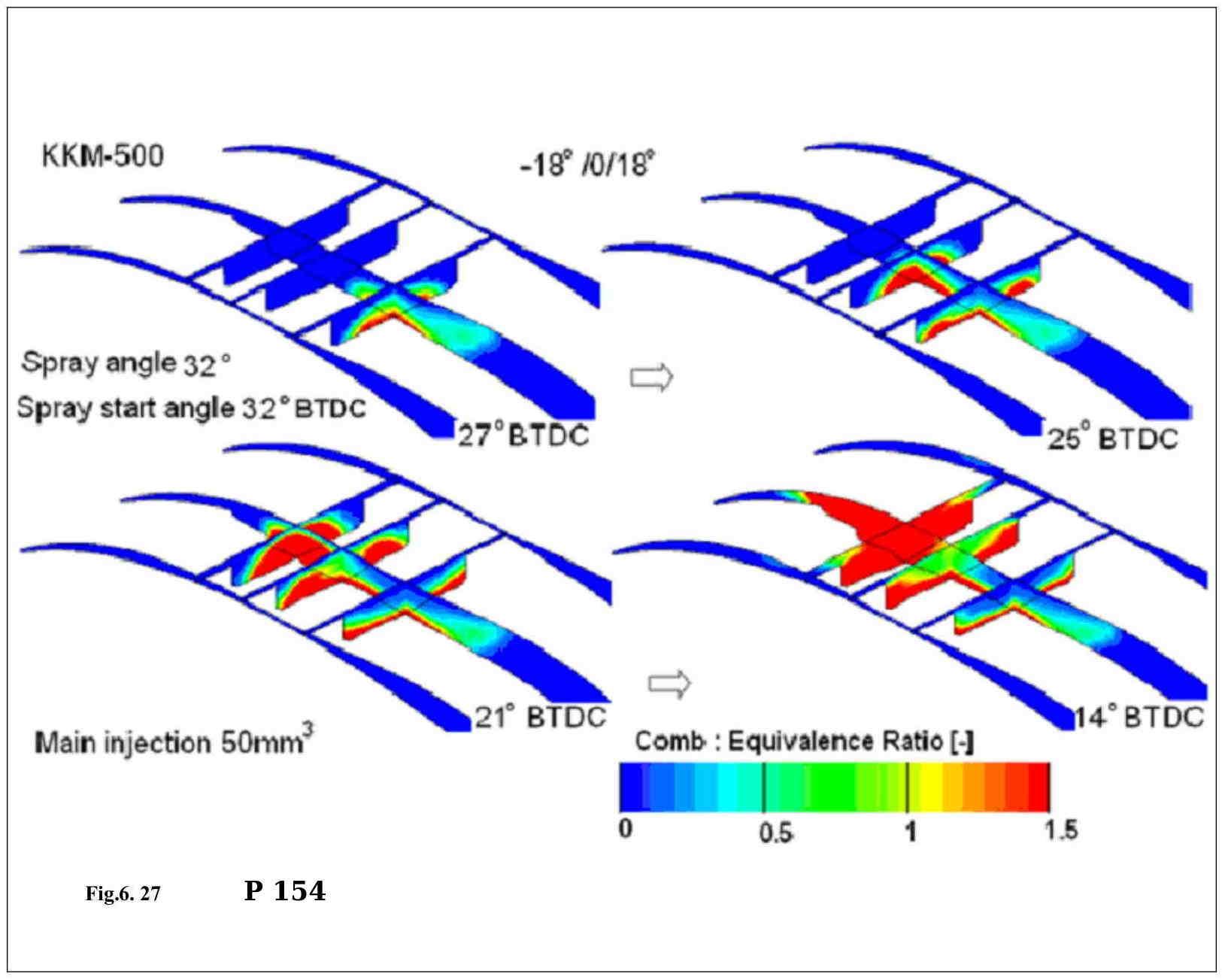
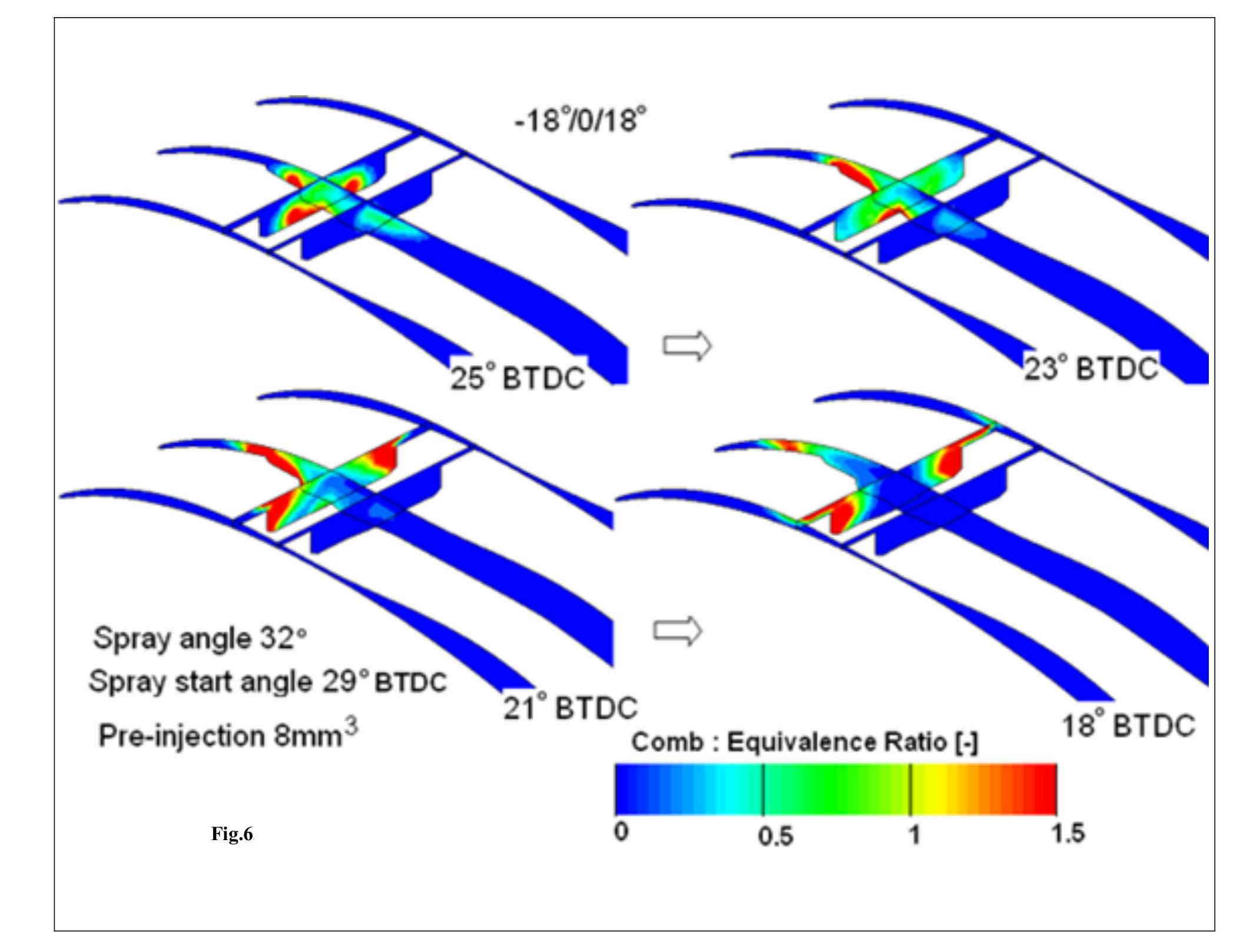
Here is some relatively recent work on this subject.
From :
CFD INVESTIGATIONS OF MIXTURE FORMATION, FLOW AND COMBUSTION
FOR MULTI-FUEL ROTARY ENGINE
Von der Fakultät für Maschinenbau, Elektrotechnik and Wirtschafts-
Ingenieurwesen der Brandenburgischen Technischen Universität Cottbus
zur Erlangung des akademischen Grades eines
Doktor-Ingenieurs (Dr.-Ing.)
genehmigte Dissertation
vorgelegt von
Master of Science
Husni Taher Izweik
Geboren am 15.12.1954 in Zawia, Libyen
Vorsitzender: Prof. Dr.-Ing. P. Steinberg
Gutachter: Prof. Dr.-Ing. H.P. Berg
Gutachter: Prof. Dr. E. Sigmund
Tag der mündlichen Prüfung:
18.11.2009
Please the above part needs a little human translation Rolf.
Also Rolf do you have any email addresses at Wankel Supertec?
They should be interested in testing my ignition.
I know you have been over there.
" In
Wankel engine it is important to use ignition assistant when the engine
prepared to run on
diesel fuel due to lower compression ratio and hence chamber
temperature. The idea is to run
the engine in lean concentration overall, but locally rich combustion.
So, it is necessary to
reach the ignitable charge, (0.6% - 7.5% by volume, diesel vapor) at the
spark plug.
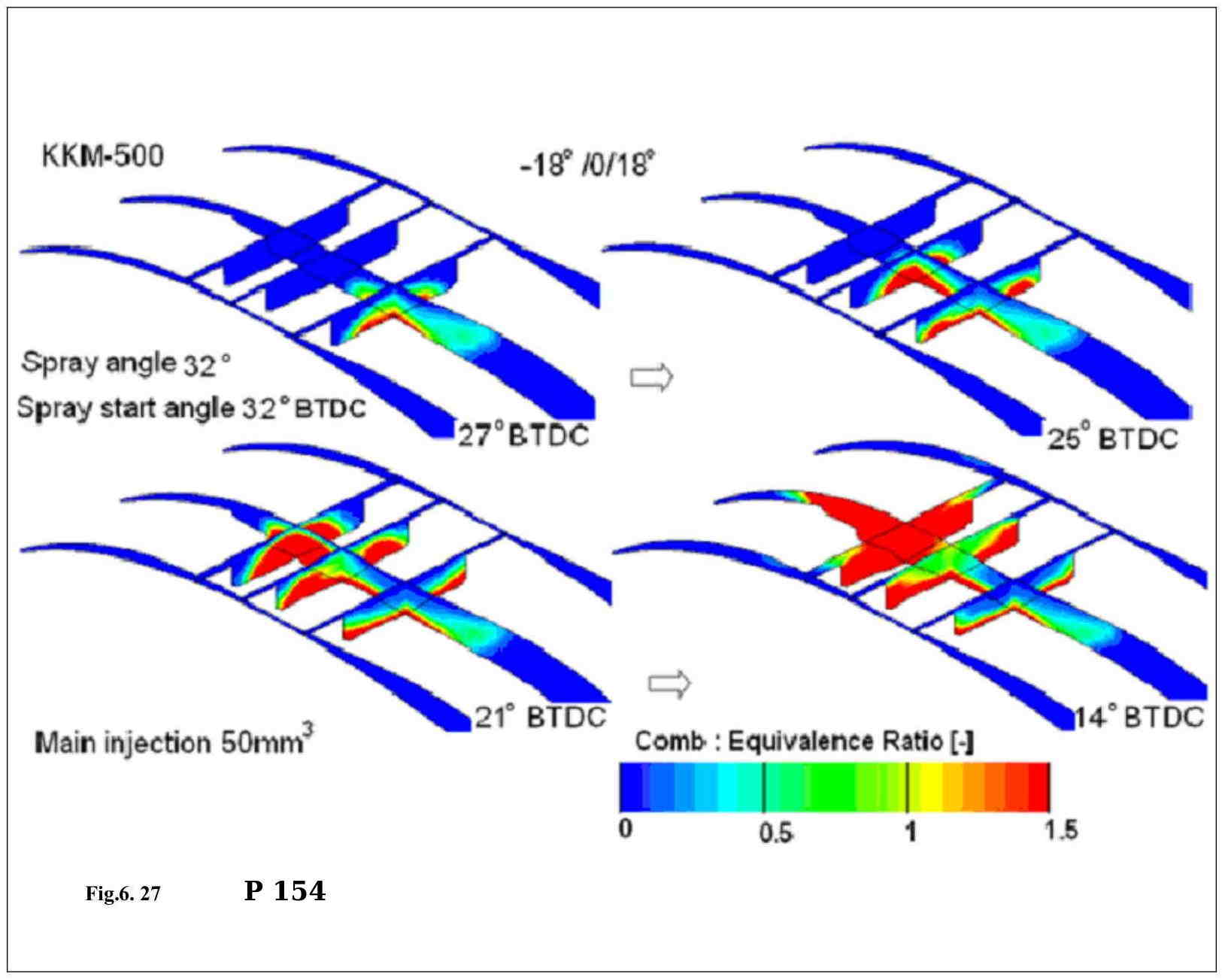
The study in this part was concentrated on the diesel mixture formation
inside the
combustion chamber of Wankel engine and the main conclusion can be
summarized as
follows.
Injector angle between holes below 13 deg is too small and the spray
cones interfaced and
acts like one bore nozzle. 18 deg angle between injector holes show
better penetration
and covers most of the combustion chamber at spray angle of 32 deg.
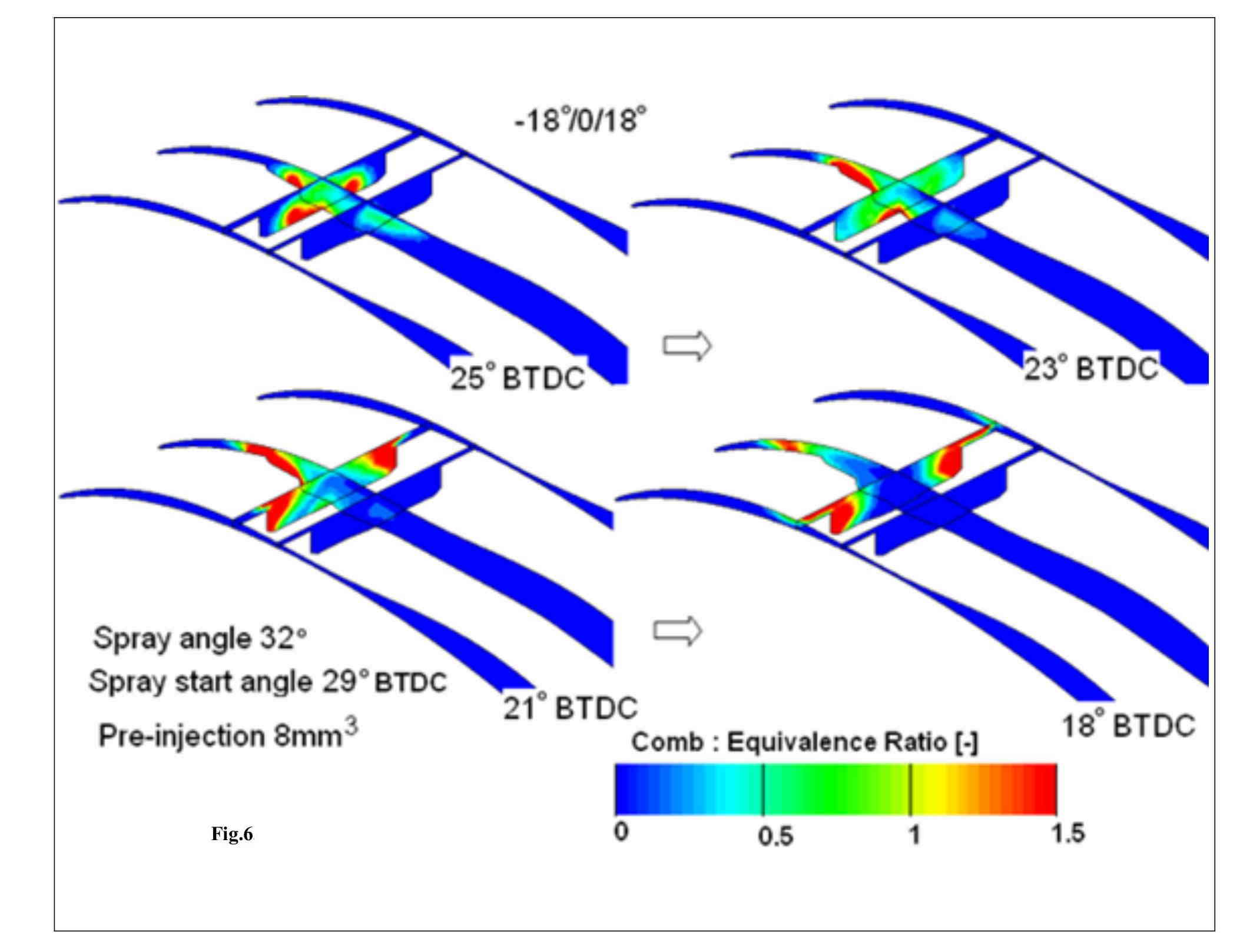
Early fuel spray (39 deg BTDC) gives more time for mixture formation,
but the fuel
concentration at the spark is lowered due to charge forward movement,
when ignition
time is on, (10 deg -15 deg BTDC). 29 deg BTDC spray start angle gives
better results for
engine speed less than 4000-rpm.
The new suggested spark plug position (18mm from short axis) shows ignition
difficulties due to low fuel concentration on this position, as the fuel
evaporation rate
is low near the nozzle.
The new suggested injector position (31mm before short axis), shows
better results
and covers more area of combustion chamber, and shows more fuel
penetration at
spray angle 40 deg."
End of quote.
Historically with stratified charge it has been a challenge to get the
right mixture
in the right place at the right time.
This is where my multi spark on demand ignition system could help greatly.
Paul Lamar
The Rotary Engine News Letter. Powered by Linux. ACRE NL web site.
http://www.rotaryeng.net <http://www.rotaryeng.net/>You Tube
http://tinyurl.com/beqqxas
Copyright 1998-2014 All world wide rights reserved.