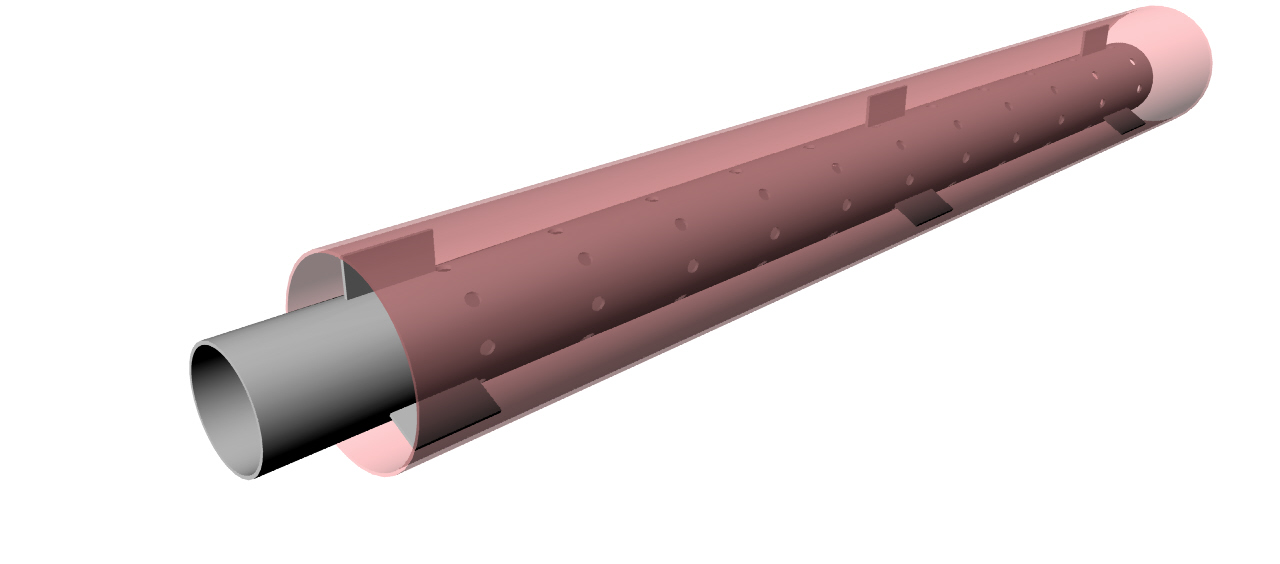
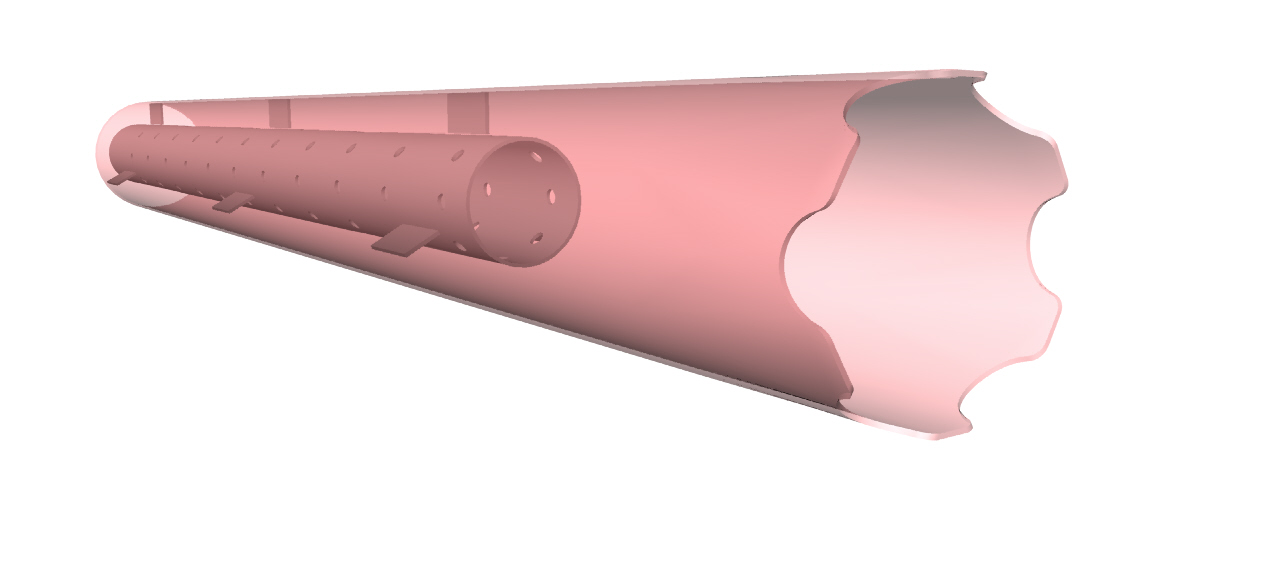
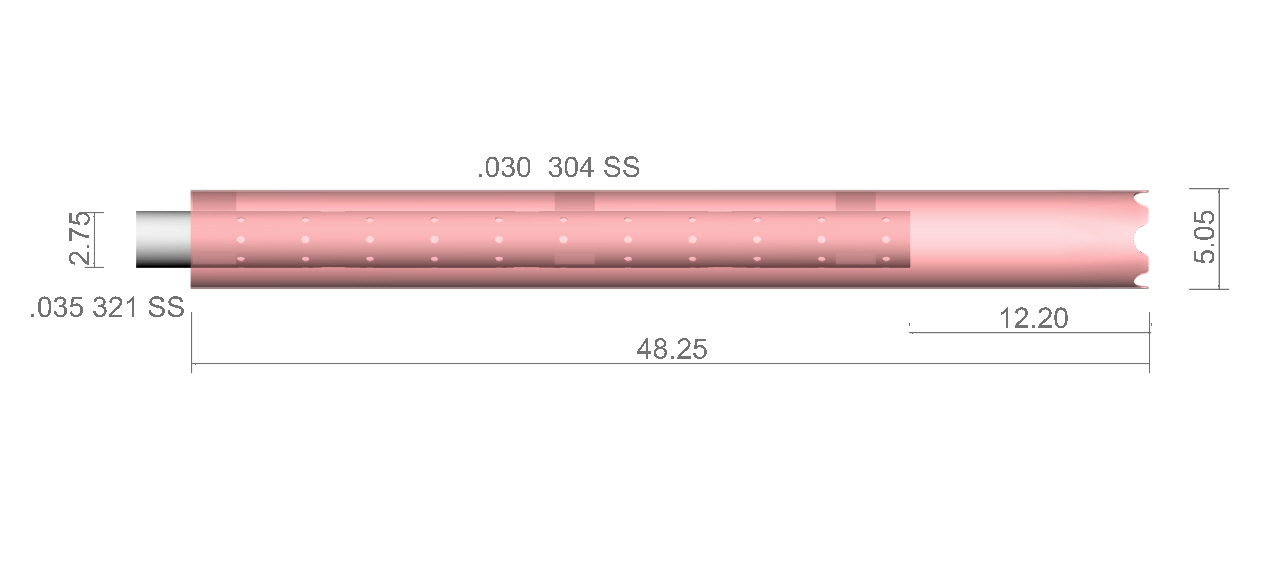
Hooker's book "Not much of an engineer" had some math
theory that explains the coax muffler and ejectors (AKA augmenters) in
general.
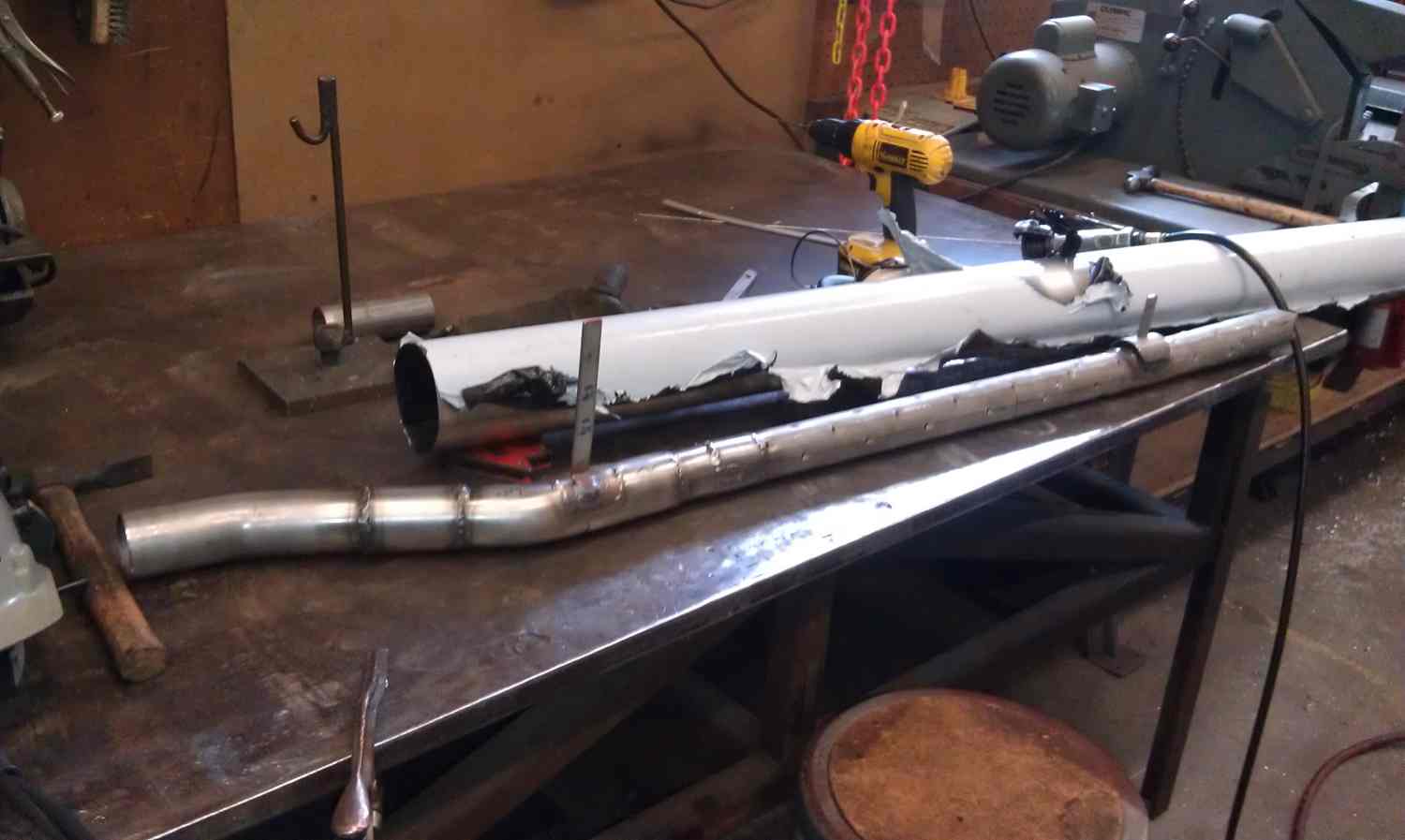
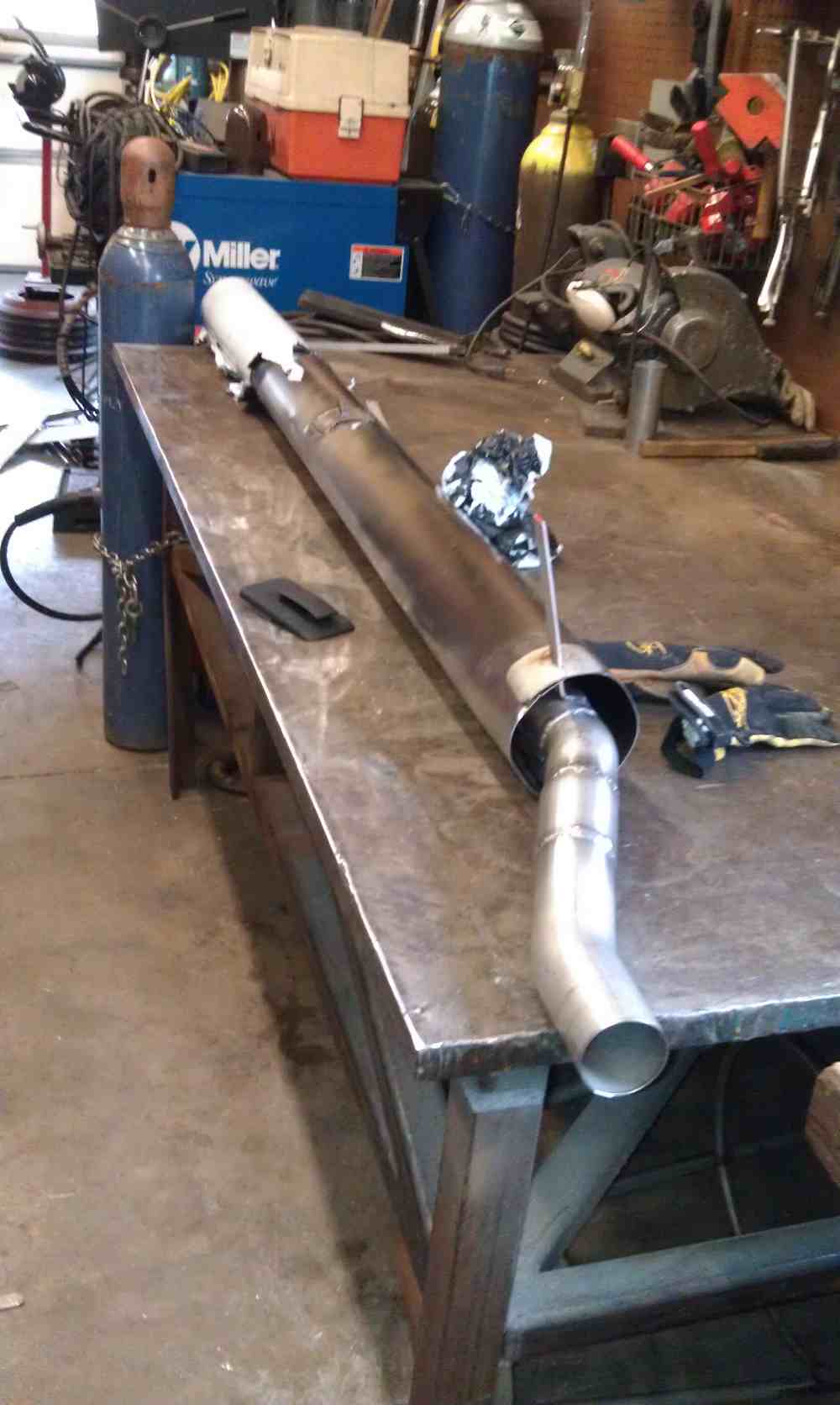
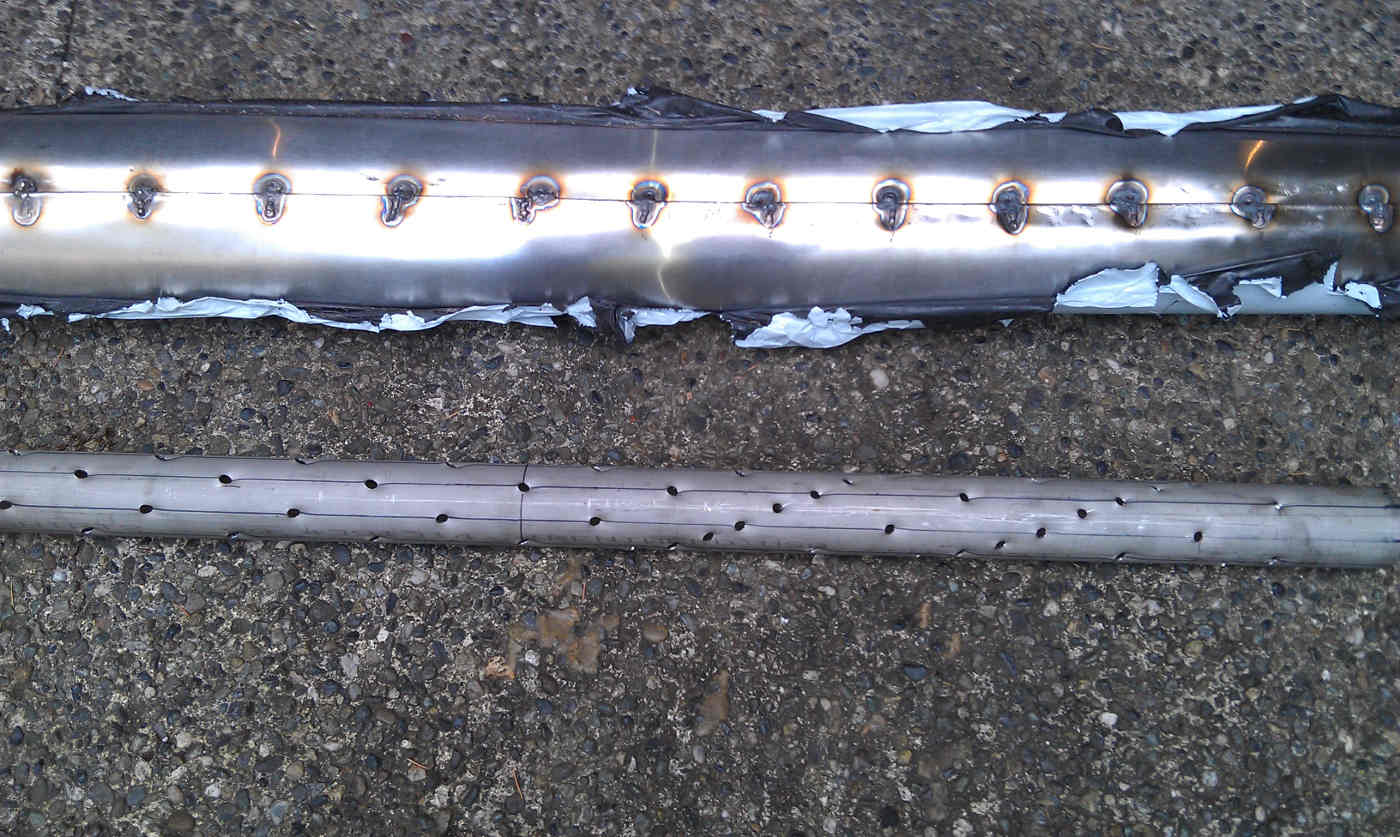
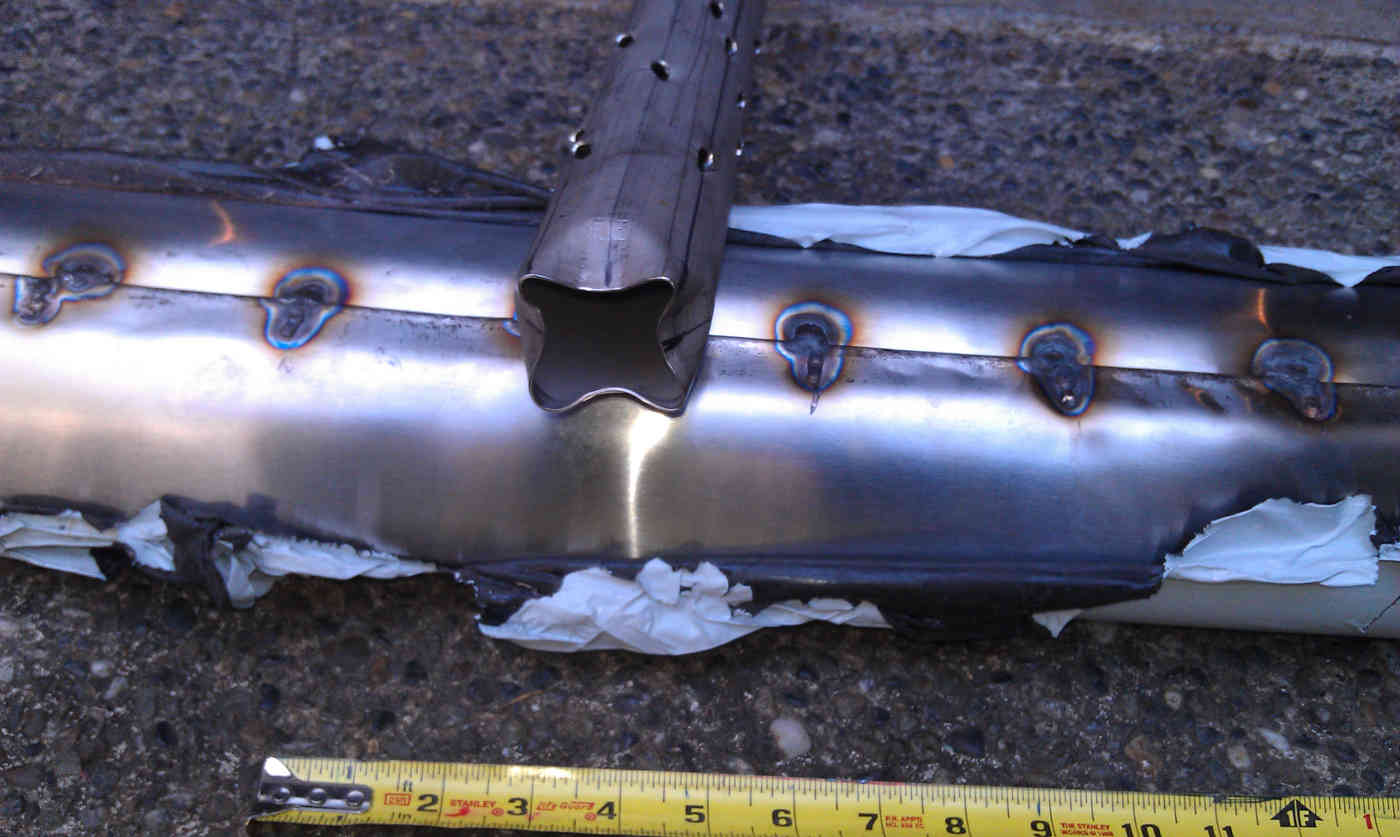
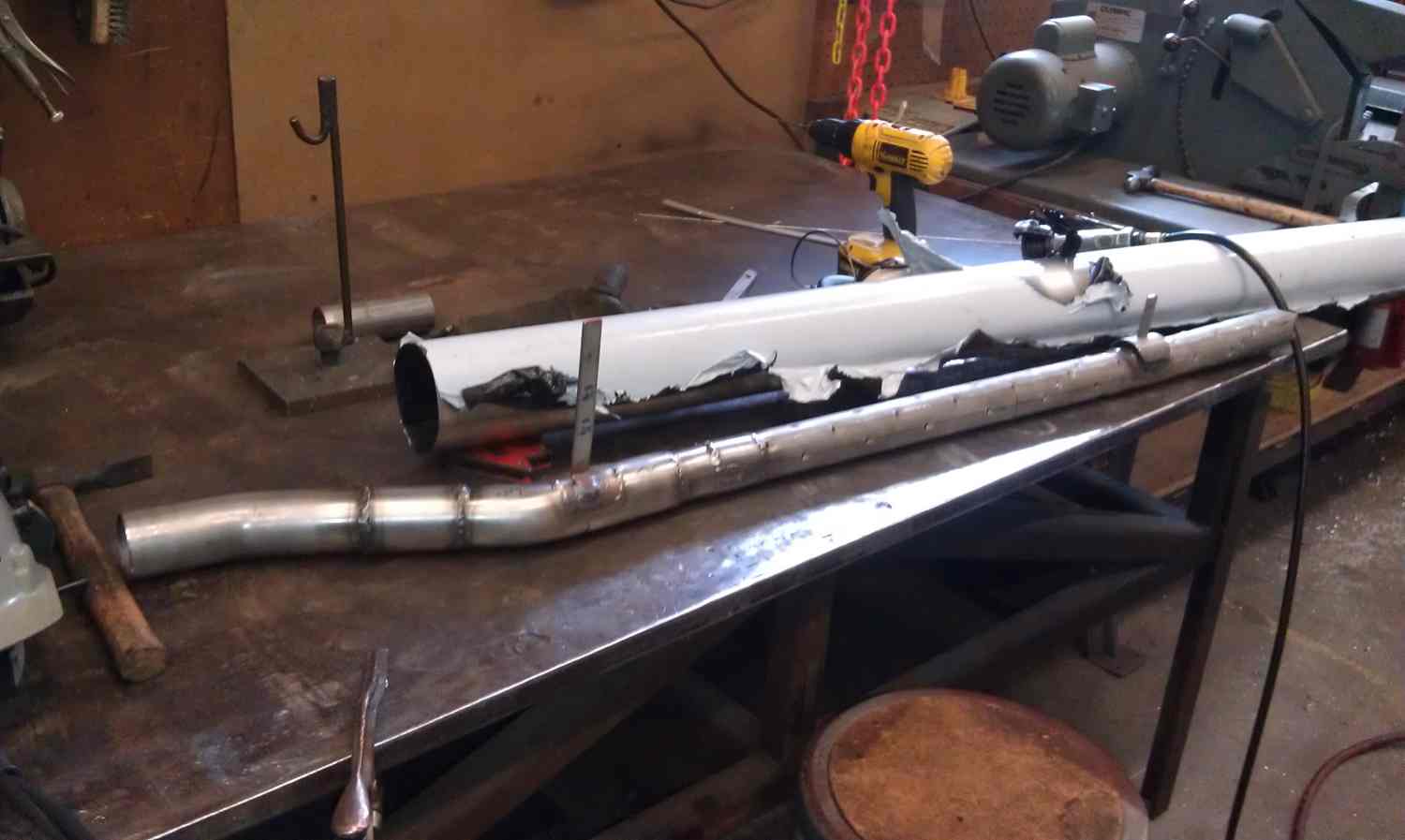
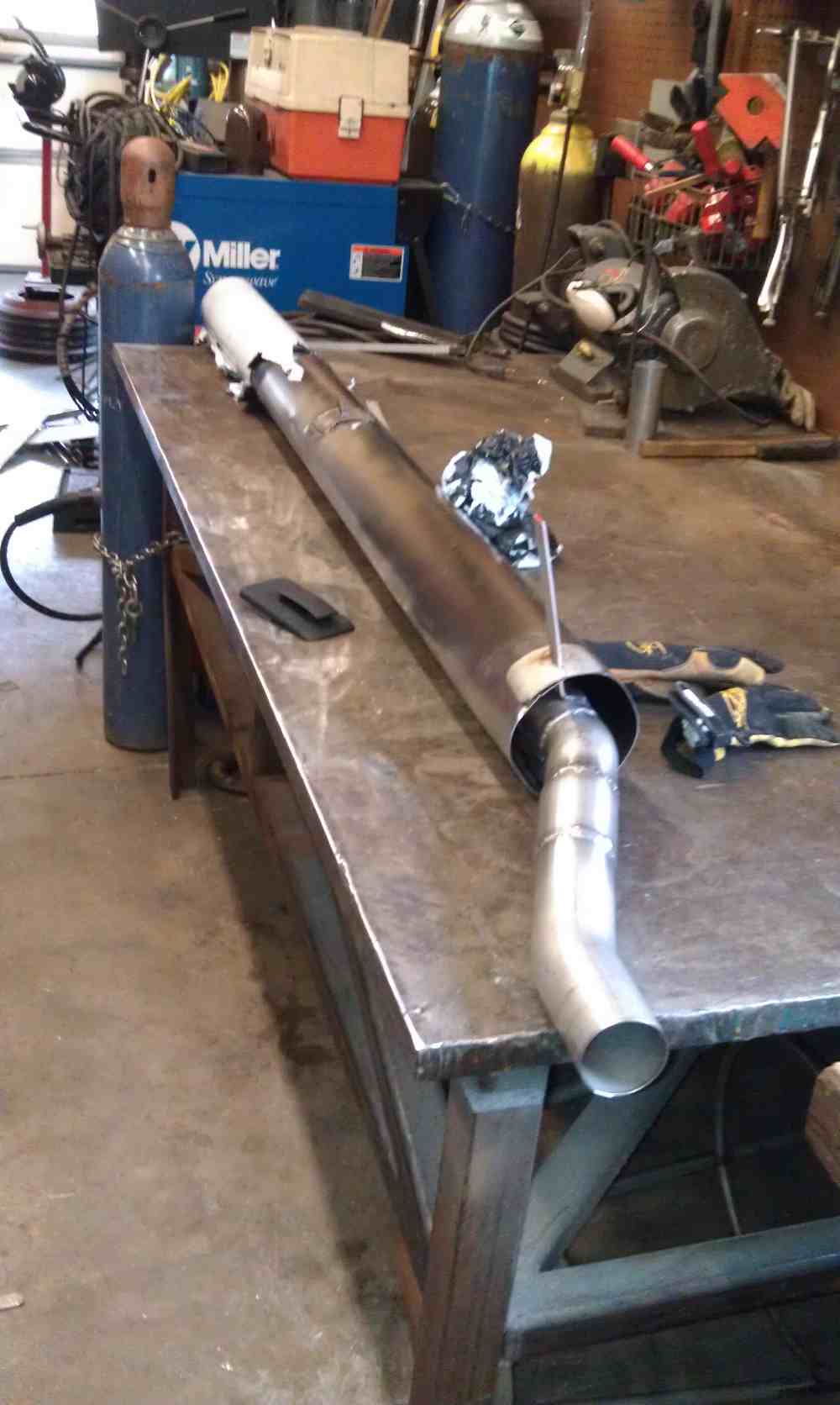
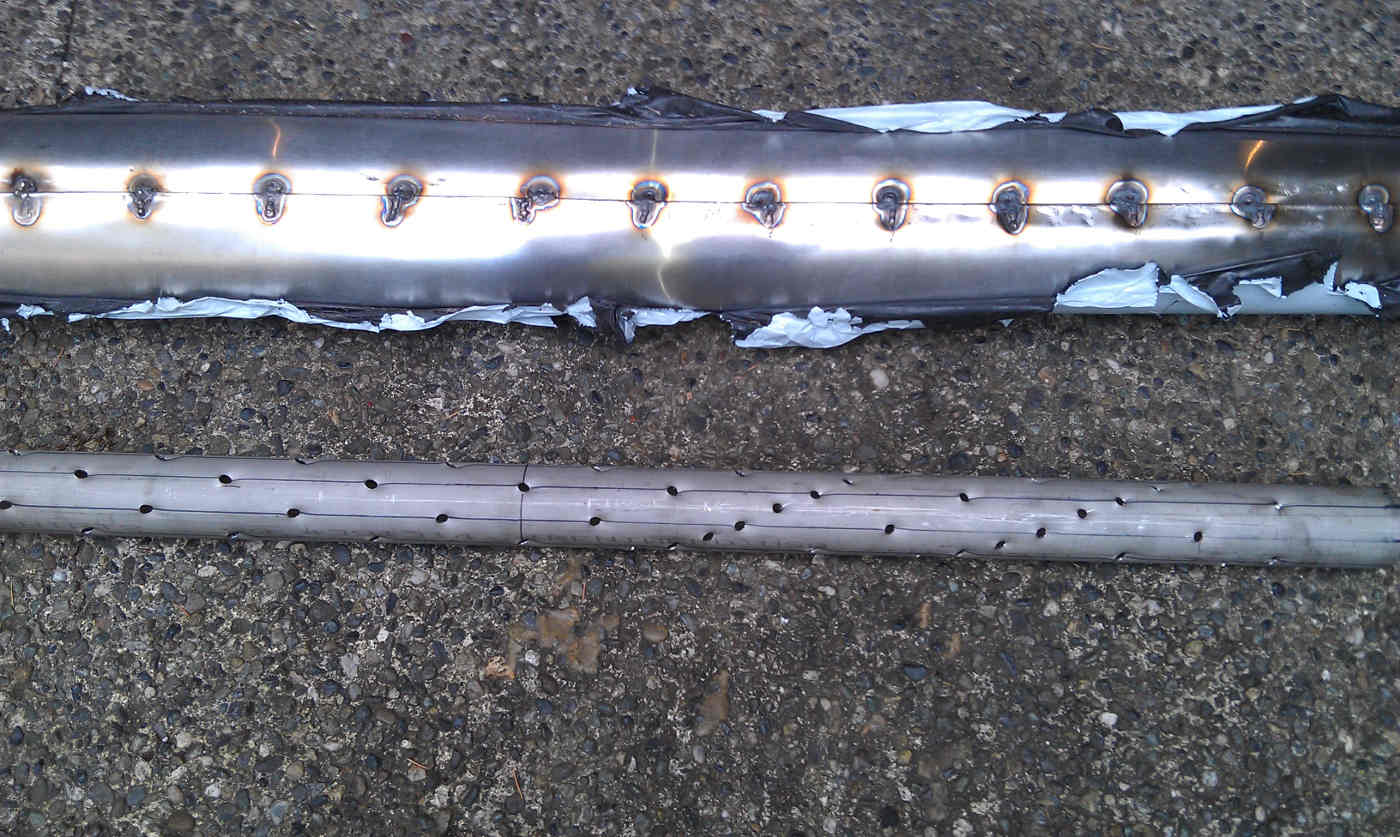
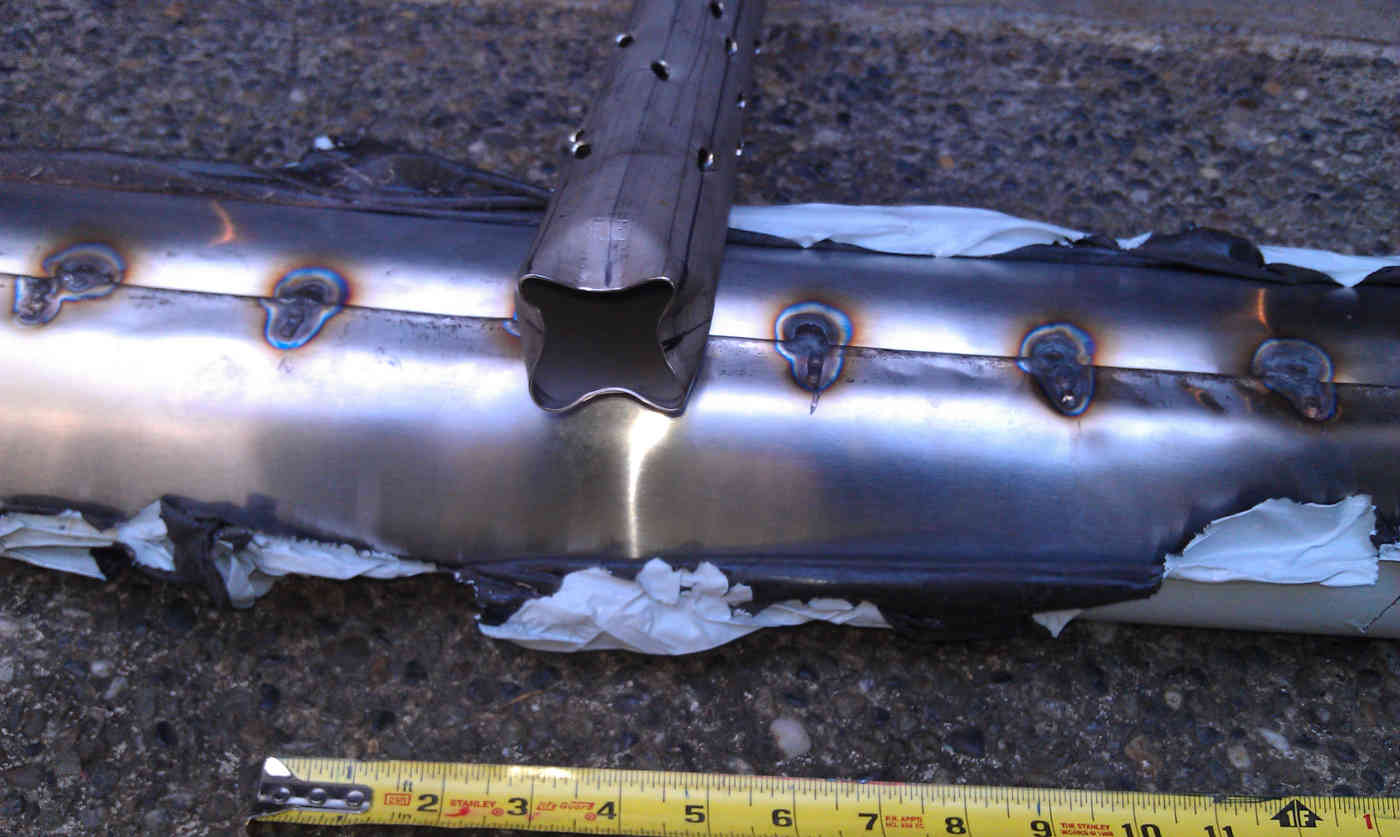
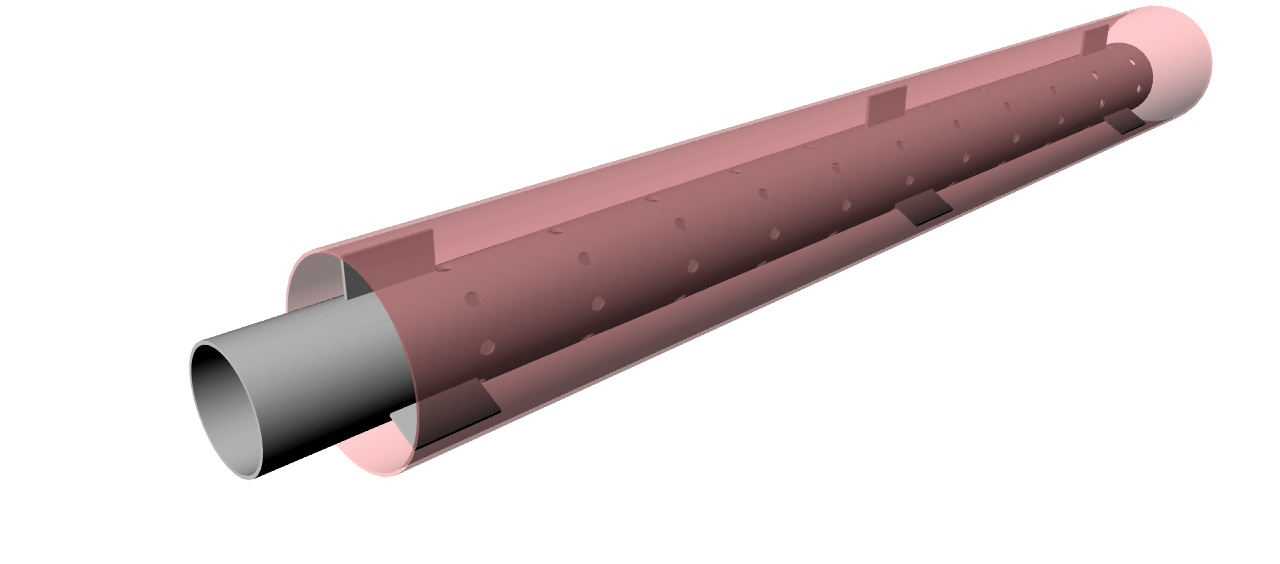
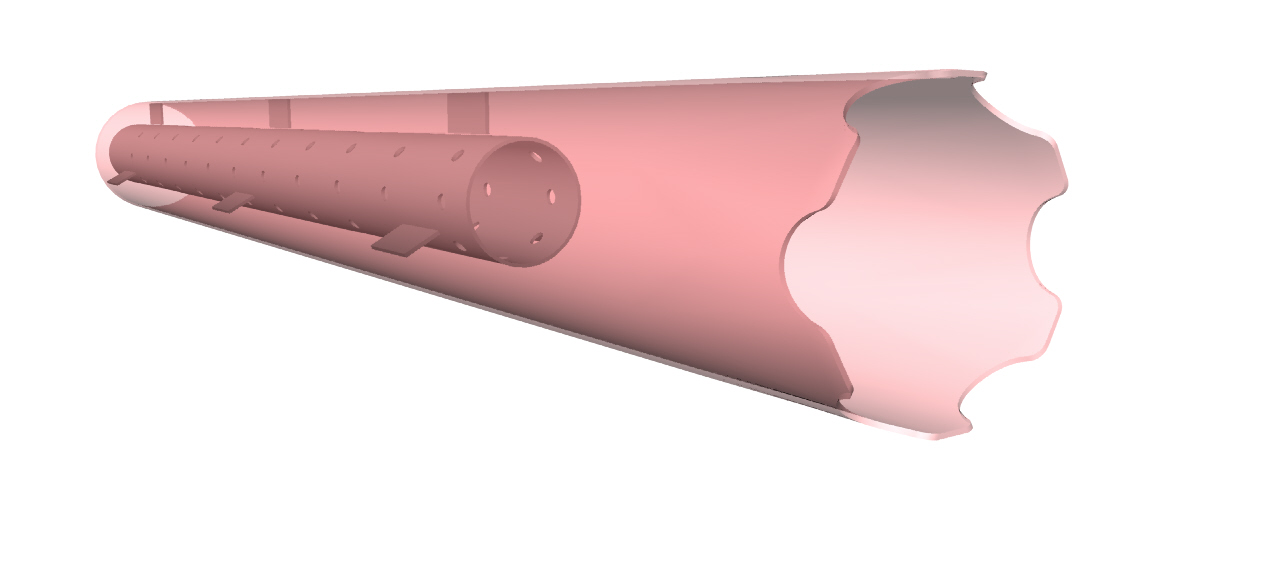
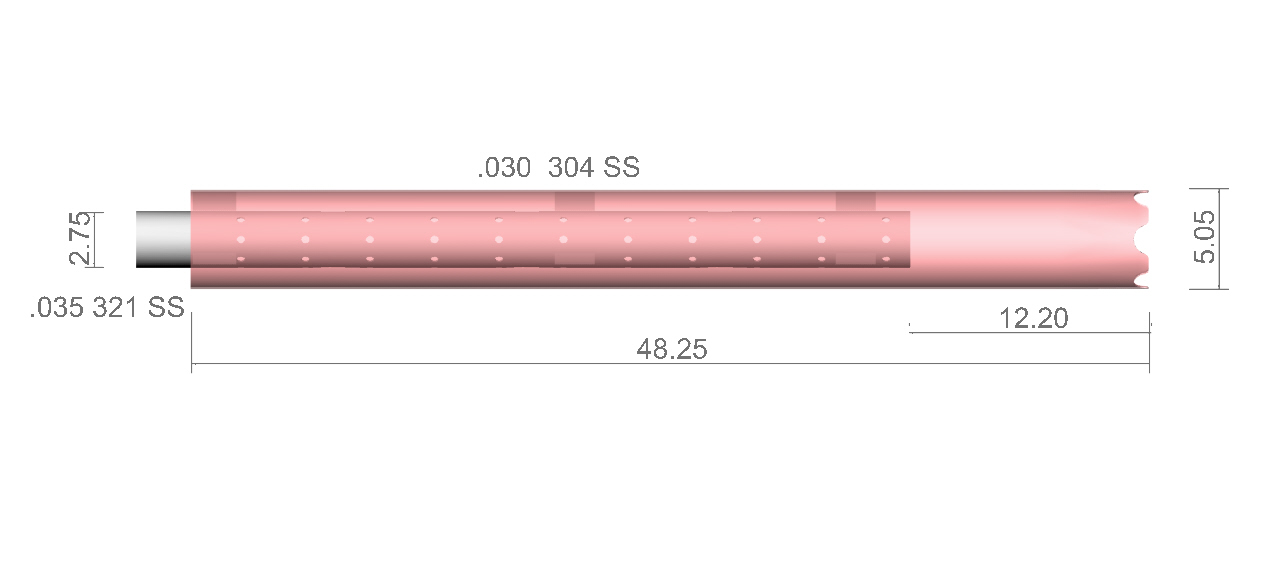
The Coax muffler is basically a ram jet.
Page 183- 184
quote.
"In all gas-turbine jet engines the central core can be regarded as a
'boiler' producing hot gas under pressure. In a simple turbojet this
flow is allowed to escape through the propulsive nozzle, producing
thrust. The higher the pressure ratio and the higher the operating
temperature, the greater the efficiency of the boiler provided, of
course, that the efficiency of each compressor and turbine can be
maintained. On the other hand, the higher the 'boiler efficiency', the
greater the velocity of the jet, the kinetic energy of which is wasted
on being released to the atmosphere. The propulsive efficiency therefore
falls. "
"Propulsive efficiency is equal to 2Va divided by Vj plus Va, where Va
is the velocity of the aircraft (relative to still air) and Vj is the
velocity of the jet (relative to the aircraft). In round figures Va may
be 850 ft/sec (580 mph) and Vj 2,000 ft/ sec, giving a propulsive
efficiency of 60 per cent. For Concorde we do better because Va is much
greater.
The only way to do better with subsonic aircraft is to reduce Vj. If we
could get it down to 1,500 ft/sec, by augmenting the airflow, we could
raise the propulsive efficiency to 72 per cent, thus other things being
equal - cutting the fuel burn by at least 20 percent. "
end quote.
The same thing is going on in the coax muffler. The rotary engine is the
boiler.
The large outer pipe reduces the velocity of the exhaust jet while
increasing
the mass flow.
Of course we are not going to get a 20% reduction in fuel burn but every
little bit helps.
Paul Lamar
The Rotary Engine News Letter. Powered by Linux. ACRE NL web site.
http://www.rotaryeng.net You Tube
http://tinyurl.com/beqqxas
Copyright 1998-2014 All world wide rights reserved.