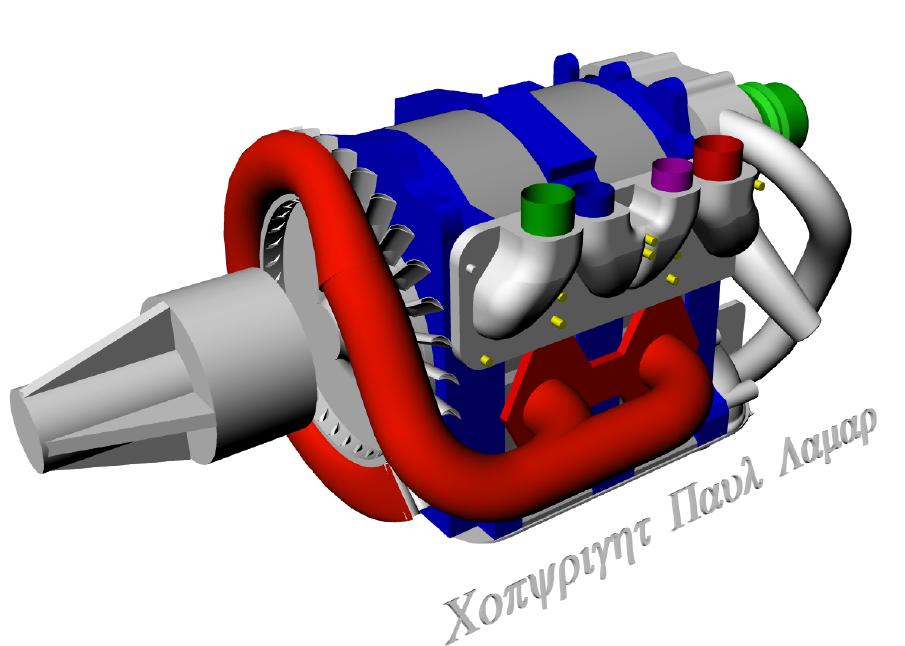
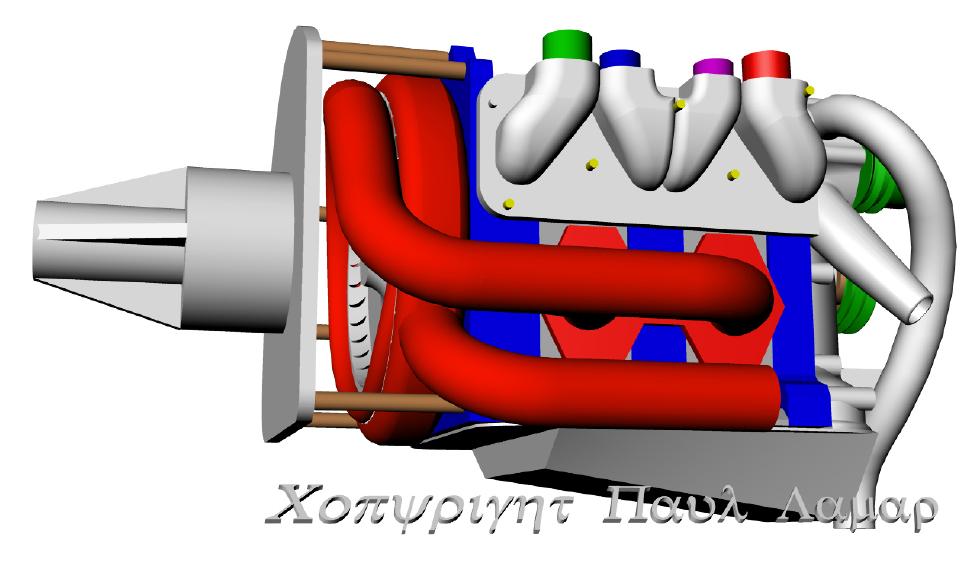
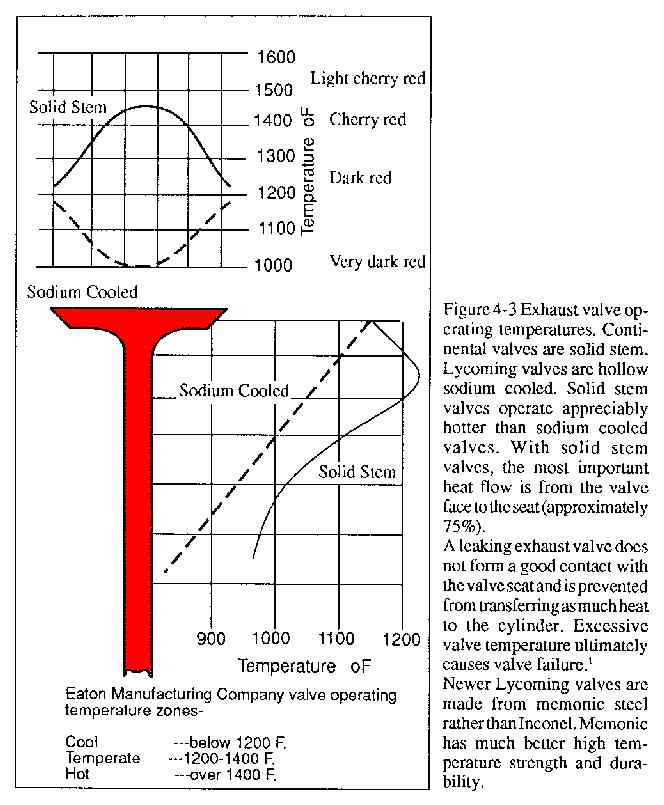
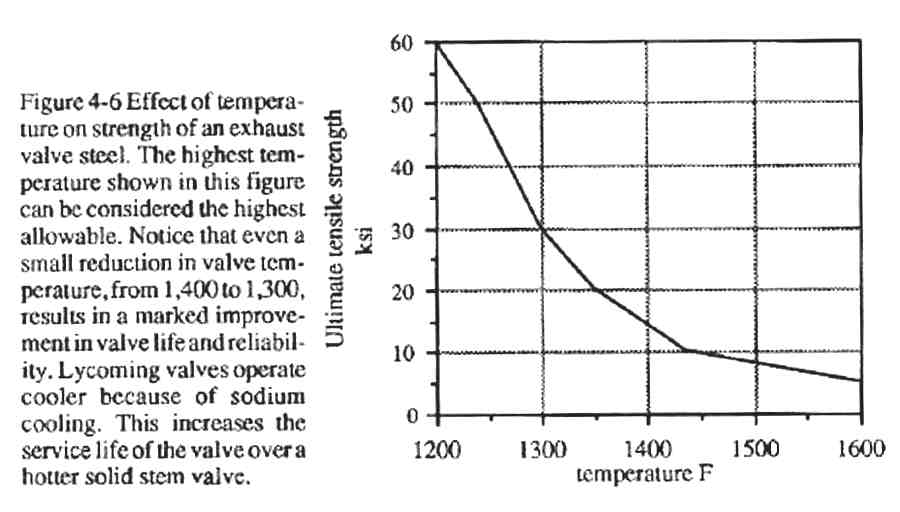
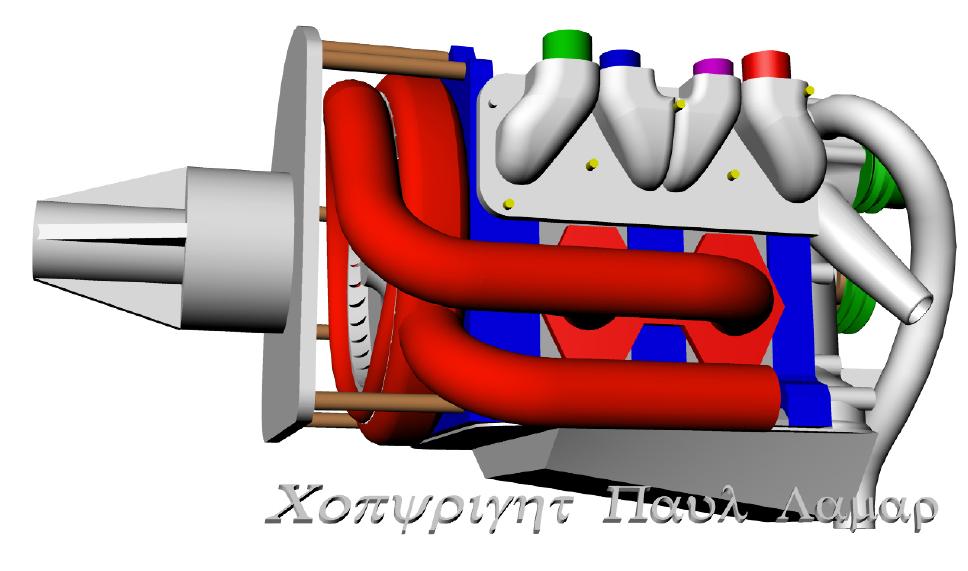
I have always worried that the high exhaust heat (1800F) of the
rotary would do the turbo compound version in.
In Hooker's "Not Much of An Engineer" book he mentions 1200 C for the
turbine blades.
At first I thought he had made a serious error and it was really
1200 F. No No! Not true. 1200 C!!!!!! Wow!!! This was 1970 no less.
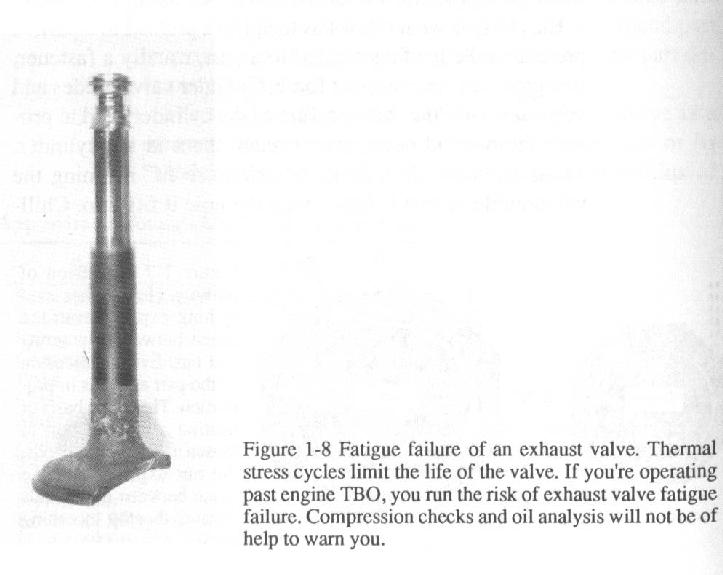
1200 C is on the order of 2200 F. At this temperature an AC piston engines
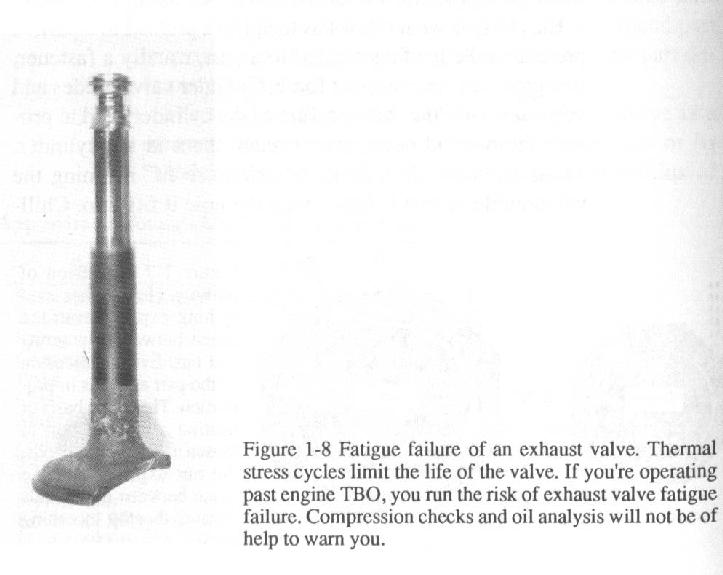
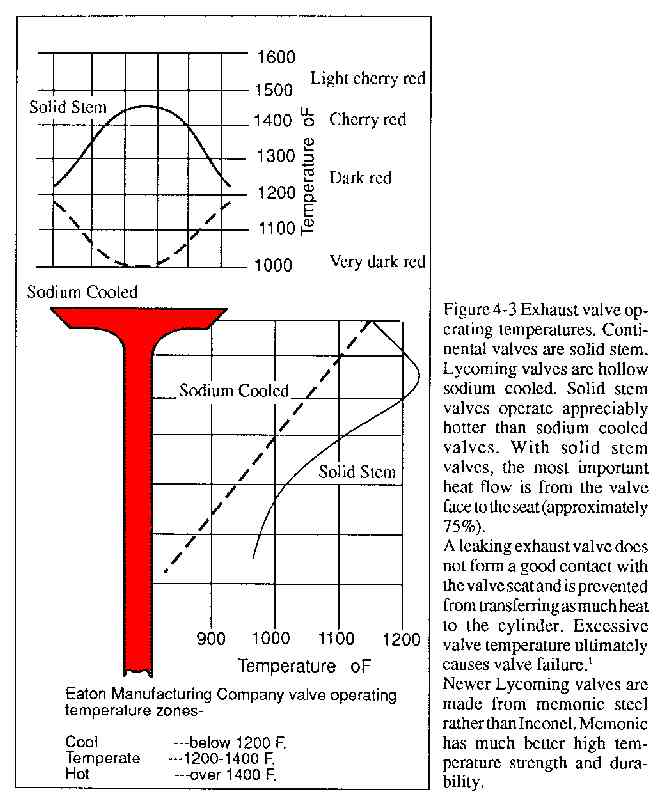
exhaust valves are long gone.
Quote: Page 183
As for the vital HP turbine, this again went well beyond the previous
state of the art. Derby ( RR) had been one of the pioneers of air cooled
turbine blades in the Conway bypass jet designed in the mid-1950s. All
Derby blades were forged in a Nimonic high nickel alloy, able to retain
adequate strength at about 900 C. In the Conway the peak gas temperature
was about 1,100°C, so the cooling air holes and passages inside the
blade had to keep the blade at least 200°C cooler than the surrounding
gas. In the RB21 I the gas was going to be at 1,250°C. This may not
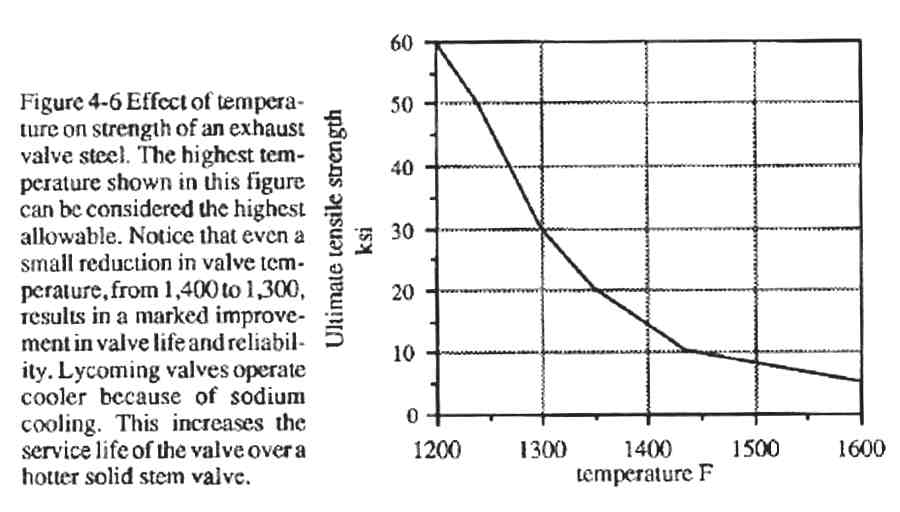
sound a very big increase over 1,100, but the strength of the blade is
halved for every extra 25°C!
To make a blade at Derby (RR) the rough metal bar from which the blade
would be fashioned was first pierced by a large number of long but
small-diameter drilled holes. Just where these had to be was found by a
laborious process of trial and error, so that, after the rough blank had
been forged, the holes were all in the correct positions. To forge the
blade it was squeezed while almost white hot between two dies having the
correct shape to form the blade.
Finally the whole blade was machined all over to precisely the correct
size and profile. The price of each blade was inevitably very high, and
the whole process was an engineer's nightmare because microscopic
variations between the cooling air holes in successive blades meant that
the cooling would be uneven.
At Bristol we had abandoned forged blades soon after 1960.
Instead we cast our blades using the famous lost-wax process used 500
years earlier - by da Vinci, for example - to produce precisely repeated
sculptures. Casting enabled us to use materials basically stronger than
Nimonic alloys, too hard to be forged or machined. We cast our blades to
the finish dimensions, with a mirror finish, without any machining apart
from precision grinding of the root. Cast blades proved to be much
stronger in tension than forged and machined blades, and despite their
brittleness and susceptibility to thermal stress we proved on the
Proteus that they are superior. On the Olympus 593 [Concorde engine] and
Pegasus [Harrier engine] we produced large numbers of eminently reliable
blades with radial air cooling passages operating at some 1,250°C, much
hotter than any production engine at Derby at that time.
End quote.
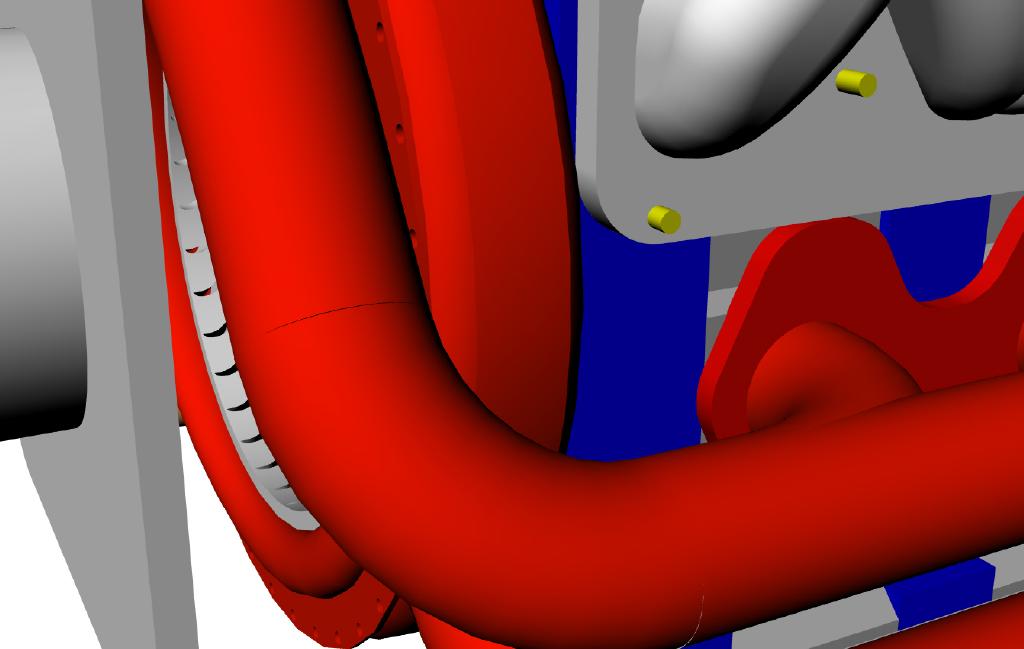
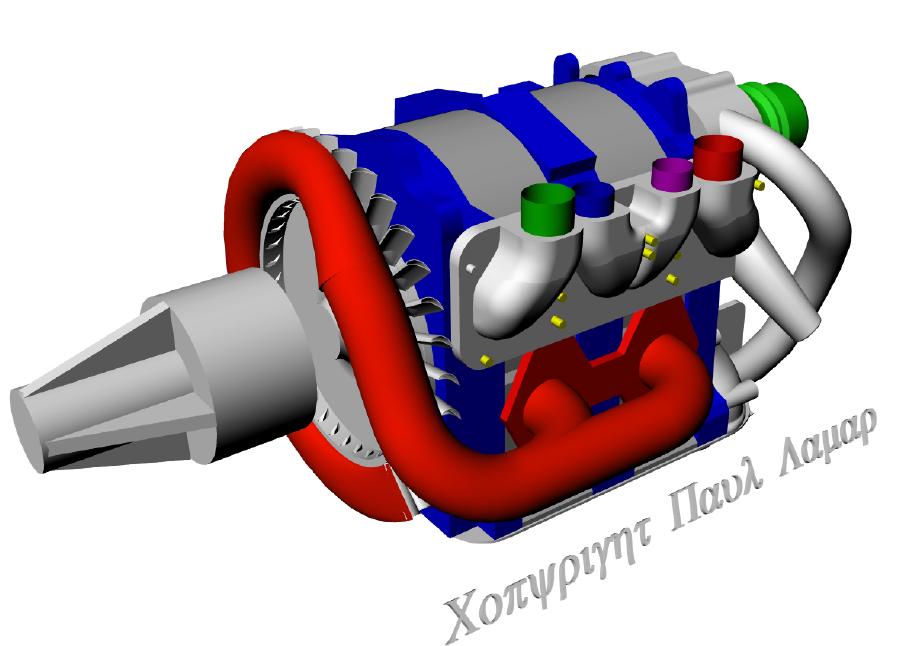
A turbo compound rotary is a piece of cake.
This book is a real education in aircraft engine design.
Paul Lamar
The Rotary Engine News Letter. Powered by Linux.
ACRE NL web site.
http://www.rotaryeng.net
You Tube
http://tinyurl.com/beqqxas
Copyright 1998-2014 All world wide rights reserved.