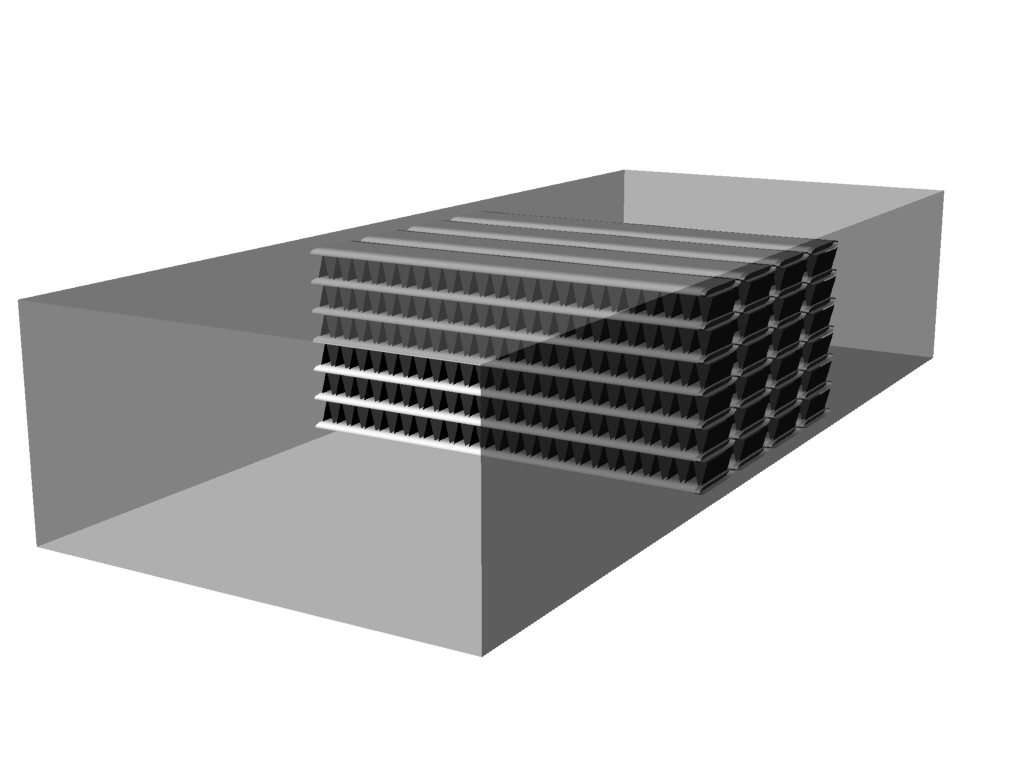
While I was traveling I was thinking of a better way to illustrate
the cooling drag situation. Having my book "How to Cool Your
Wankel" will help in understanding the situation.
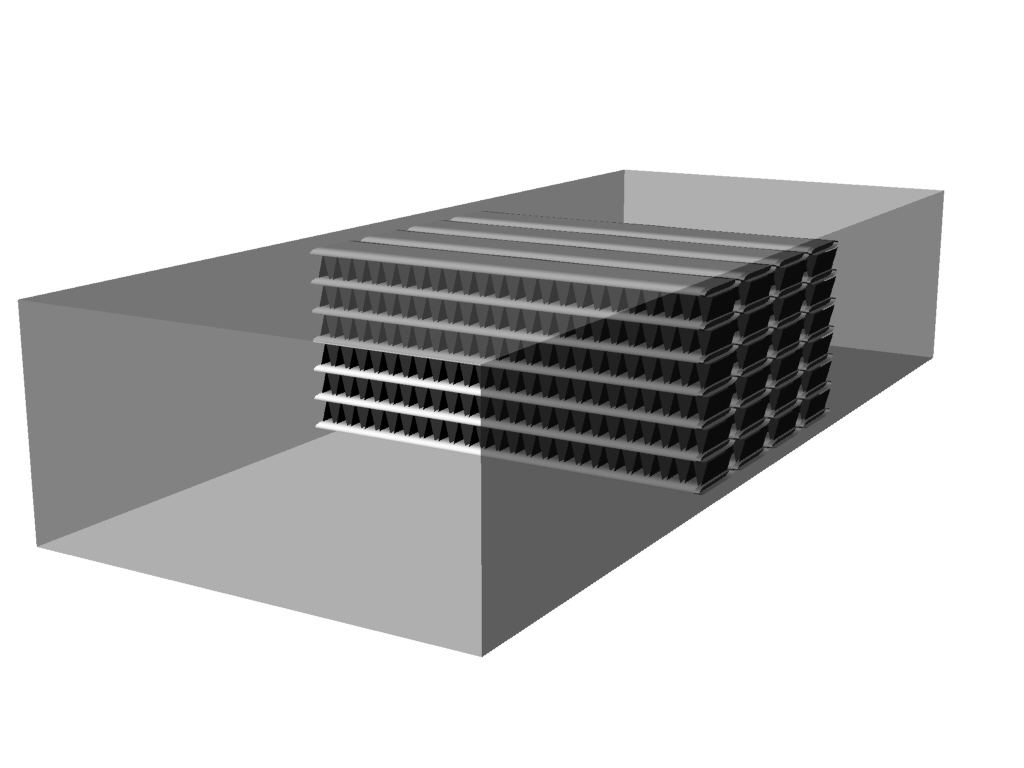
Lets assume we have a simple rectangular duct 6 inches high and 12
inches wide. That is 72 square inches or one half square foot.
At 200 MPH the dynamic pressure is .0026 X MPH squared.
200 x 200 is 40000.
Times .0026 or about 104 pounds per square foot.
The non porous (solid) 6 by 12 flat plate drag will be roughly 50
pounds at 200 MPH. It takes prop thrust to over come this
drag of course.
Hooker eloquently puts drag/thrust into HP context in his book
"Not Much of an Engineer".
"Thrust is a force which can be exerted on either a stationary or moving
aircraft. In the latter case thrust horse power is produced.
Thus one lb of thrust exerted on an aircraft moving at 33,000 ft/min,
which is the same thing as 375 mph, is equivalent to one thrust horse
power. "
It takes about 500 to 600 cubic inches in a rad to cool a Mazda
2 rotor. A Six by twelve rad core 2 inches thick is 148 cubic inches.
Four such cores back to back gives about 600 cubic inches.
Now the porosity of a core can be related to its flat plate
drag. Lets say 4 cores back to back in a simple duct look
like a 6 X 12 porous flat plate that generates 25 pounds
of drag at 200 MPH. Remember a solid plate that size would
be 50 pounds of drag.
200 MPH is about 300 feet per second. So the net HP consumed
is 25 X 300 or 7500 pound foot per second.
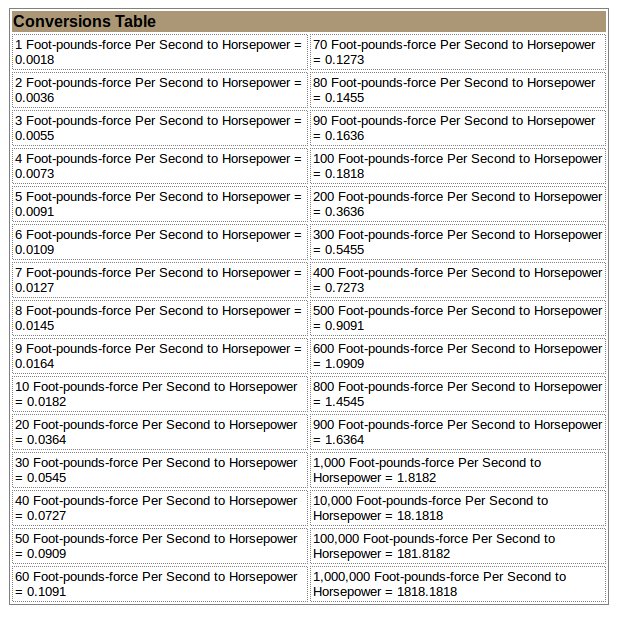
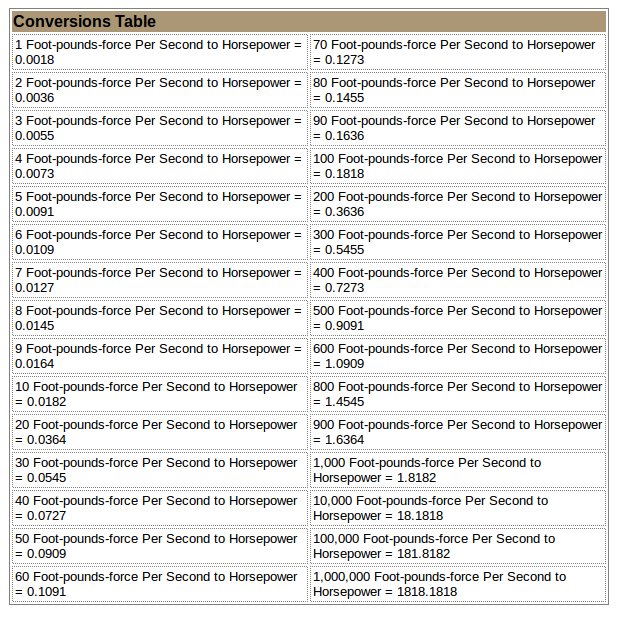
If you put pound foot per second converted to HP in Google you get:
http://www.kylesconverter.com/power/foot--pounds--force-per-second-to-horsepower
Convert Foot-pounds-force Per Second to Horsepower
Multiply by .0018.
.0018 times 7500 is 13.5 net HP out of the prop
and about 17 HP out of the engine given 80% prop efficiency.
That is going to burn 8.5 pounds of fuel per hour or 1.3 gallons per
hour at a BSFC of .5 gallons per HP hour. Typical for most
engines.
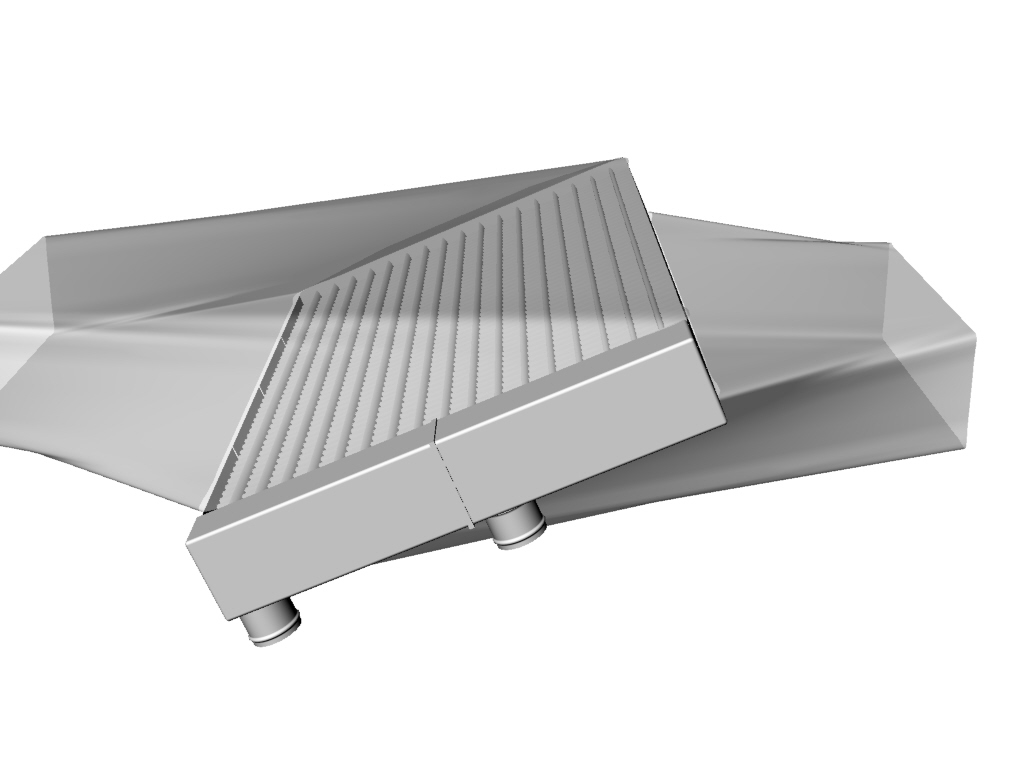
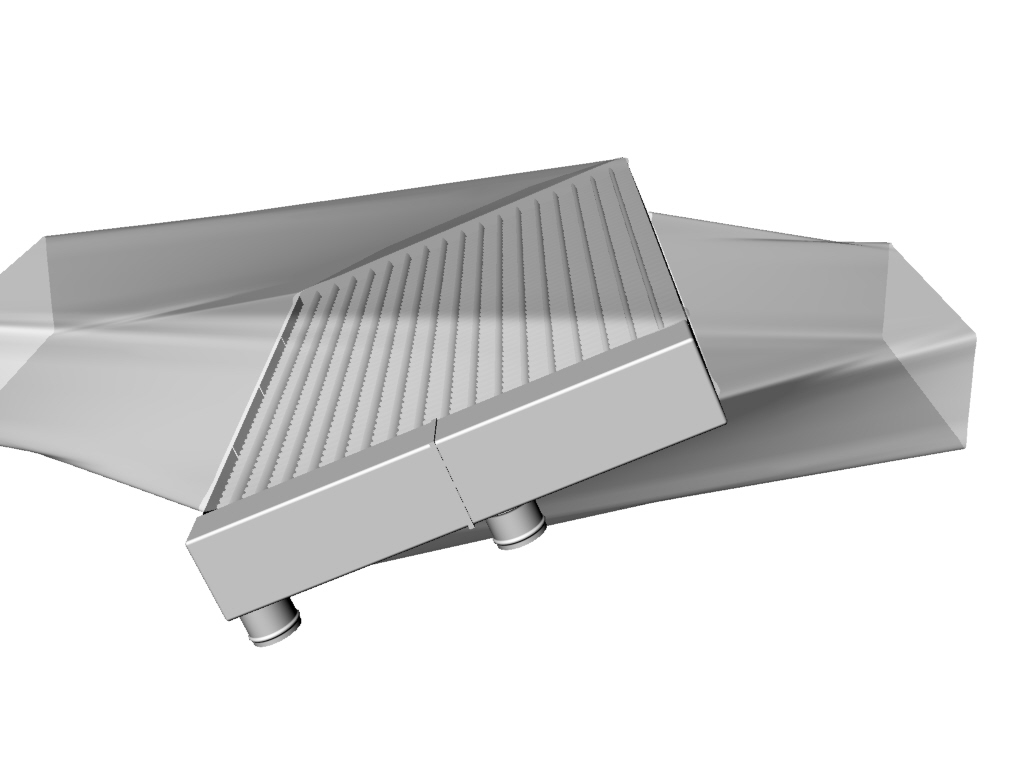
Lets say we can cut the cooling drag by converting the 600 cubic
inch core into one core 2 inches thick with a frontal area
of 300 square inches and mounting it at an acute angle.
That will be about 25 inches wide by 12 inches high.
We will use a Kays and London wedge diffuser to slow the air
going through the core to one quarter of the air speed so
porosity would be 4 times higher of the simple thick core.
Actually more air will flow through the rad and it
will cool much better and your airplane will be faster.
We have now cut the fuel burn due to cooling drag to
about .3 GPH.
Paul Lamar
The Rotary Engine News Letter. Powered by Linux.
ACRE NL web site.
http://www.rotaryeng.net
You Tube
http://tinyurl.com/beqqxas
Copyright 1998-2014 All world wide rights reserved.