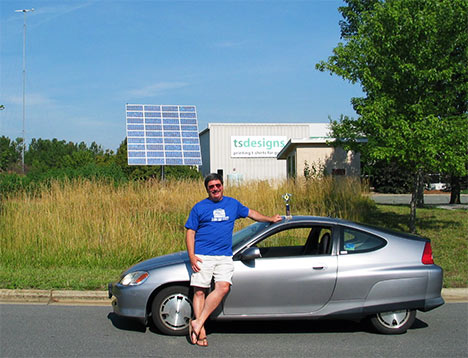
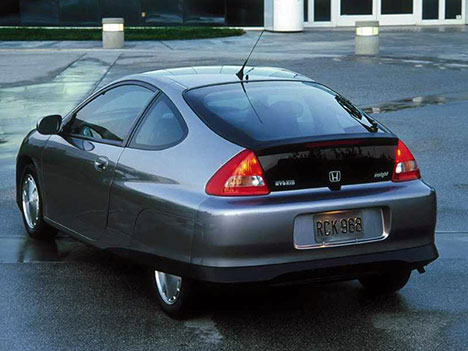
We encountered a rare and strange phenomena. When you have an amount
of unlimited current from a car batterycertain MOSFETs can some times
fail.
This has happened to me twice. Once when I bought an off the self
switching supply from Linear Tech and then again in Florida.
Most R&D is done with lab supplies that have some output limits on
current so this does not show up.
Surprisingly as little as ten ohms in series with the battery
prevents thisphenomena.
BTW one can tig weld with as little as 3 car batteries in series. All
you need is a tig torch and a tank of argon. Saves about a $1000 for
a real tig welder.
We will try again Aug 9th.
Paul Lamar Hi!: the idea of inserting a 10 Ohm resistor in series
with battery cable is interesting, I had some Electronic Ignition
failures that look related to the phenomenon described, however:
what kind of a 10 Ohm resistor? Where can I find this? Would the
resistance become hot as Amps start going through it, and will this
increase load to battery, thus making for the battery easier to be
exhausted? What's exactly the way of installing the resistor? Is
there somebody able to send a photo as example? Thanks for your kind
attention, have a good season. Best regards. Salud † Jose
Gros-Aymerich Madrid, Spain
Not recommended for conventional ignitions.
Paul Lamar Thanks: both my Citroën Ami-8 and my AMC Pacer have
electronic ignitions installed. See documents. I have also plans of
installing a 1987 NA RX-7 engine in a 1975 AMC Pacer X, with the
Mazda 4 speed automatic transmission. Regards. Salud †
Jose Gros-Aymerich Madrid, Spain
Still a single spark Kettering system that replaces the points with
an optical trigger and a switching transistor.
https://www.youtube.com/watch?v=fZfr-djRcIQ
http://mgaguru.com/mgtech/ignition/ig204.htm
The pacer is too heavy and too big for a 13B 161 cubic inch rotary.
What are you going to do with all the left over room in the engine
compartment ? :)
Paul Lamar
You know the Pacer was designed around the RCE that GM never
produced, 2-Rotor, 266 ci, not too far from the 258 of the big
6-in-line AMC
engine, just the Wankel was more powerful, at 150 HP, for 95 HP at
4'300 rpm
in the 6-L Pacer; with the 304 ci V8: 125 HP at 3'600 rpm, so
they say.
If the 1987 NA RX-7 13B provides 145 HP at 6'000-6'500 rpm; just
with an
axle keeping the engine a bit at higher rpm would be enough, 100-200 lb
of difference in engine weight, the Mazda being lighter, are not
that much,
and the RCEs taxation is for a single chamber displacement
multiplied by
the number of rotors, in this case, 80 ci, 1304 cc, instead of 180
ci, 2608 cc,
versus 258 ci for the 6-L AMC engine.
I guess that everything is kept within reasonable limits,
so: what are
you so afraid about?
Thanks for your attention and help. Best regards. Salud †
Jose Gros-Aymerich
Madrid, Spain
The Mazda Wankel is not 266 ci. It is only 160 ci.
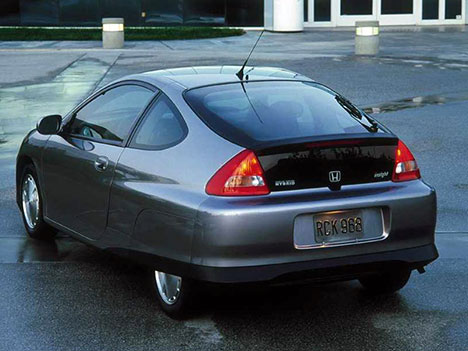
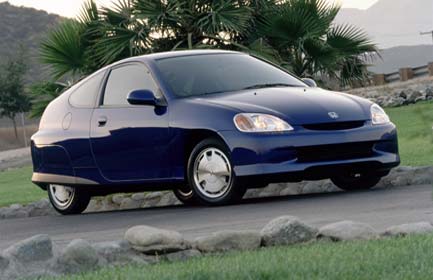
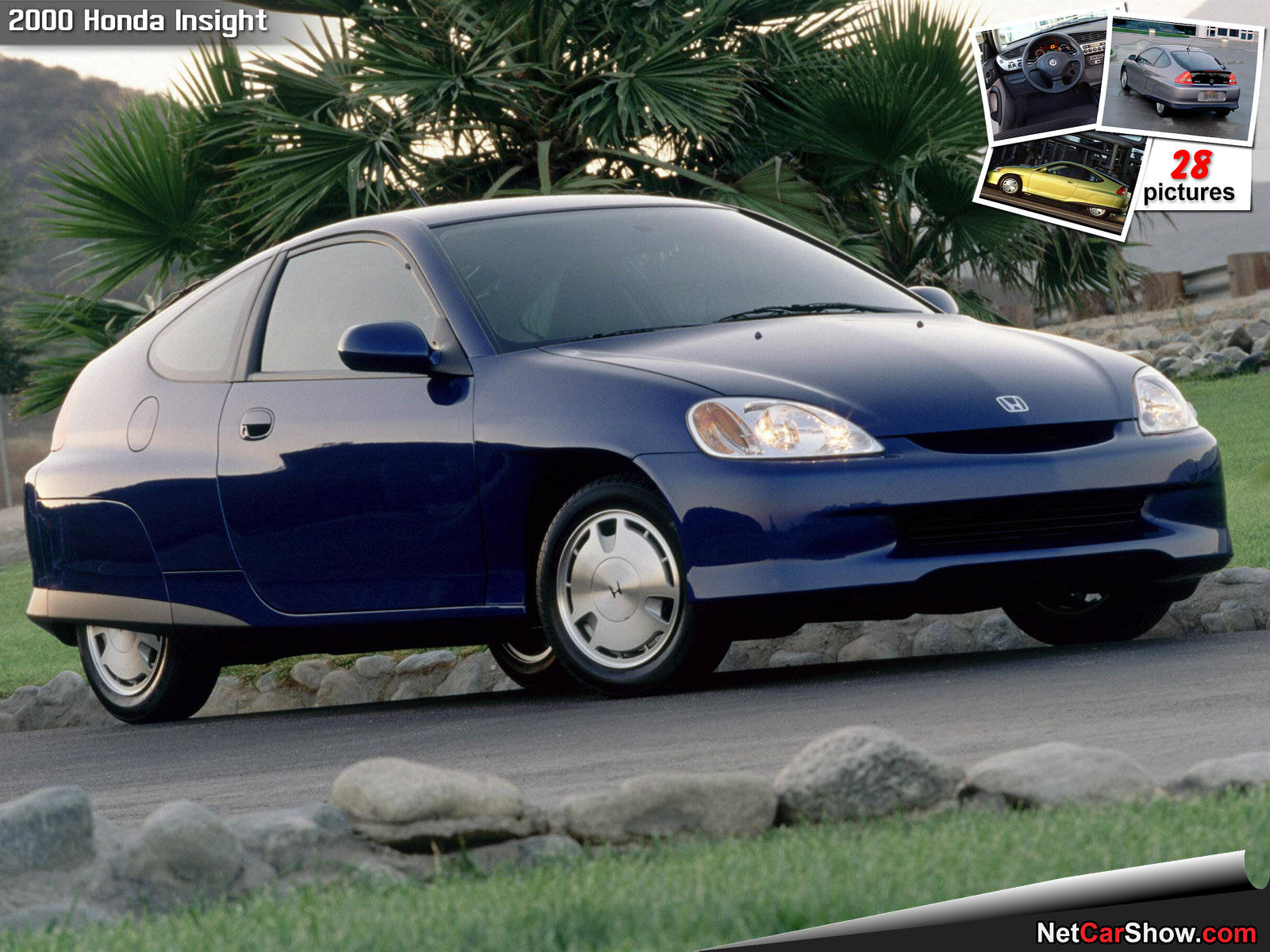
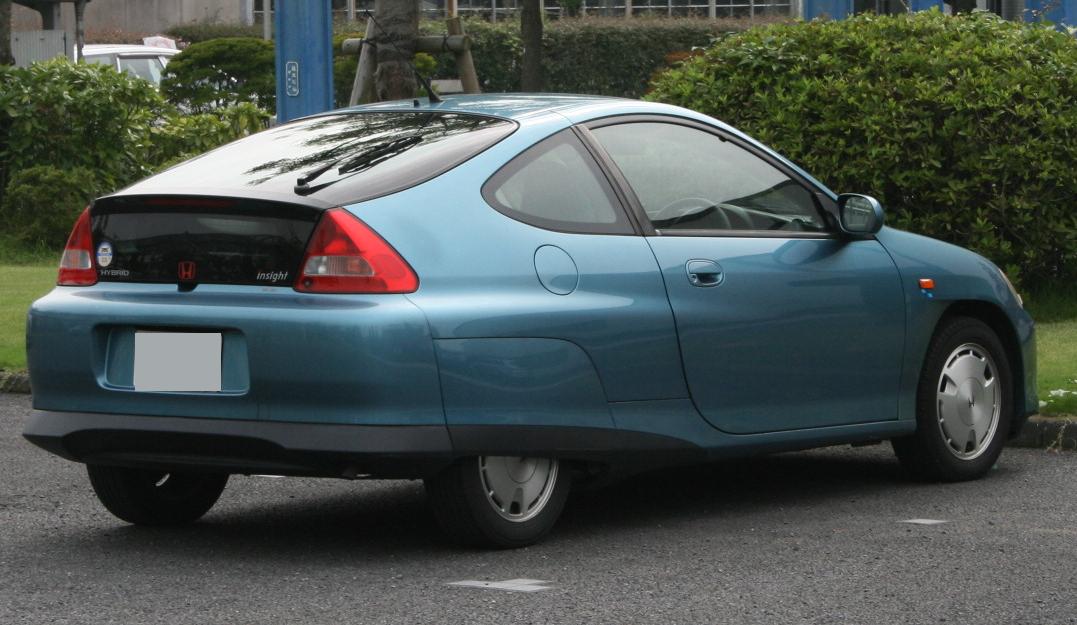
A worth while project is to install a Mazda Wankel in this car.
Probably the lowest drag car on the road. Not necessarily the lowest drag
factor. Certainly the lowest frontal area.
Paul Lamar.
The Rotary Engine News Letter. Powered by Linux. ACRE NL web site.
http://www.rotaryeng.net You Tube
http://tinyurl.com/beqqxas
Copyright 1998-2014 All world wide rights reserved.
------------------------- <
http://www.avast.com/
This email is free from viruses and malware because avast! Antivirus
<
http://www.avast.com/ protection is active.
-------------------------
<
http://www.avast.com/
This email is free from viruses and malware because avast! Antivirus
<
http://www.avast.com/ protection is active.