Paul,
I am a retired Navy SEAL and EZ pilot. When I was single I
completely overhauled an O-320 powered vari-eze (N15DV). 13 years
later, I am married with children and it is now time to start building
our "family" plane. I have always been wanted to re-power the vari with
a rotary, but with the new project, I want to build a rotary powered
Cozy IV. I recently read your article on compounding the rotary. I
have decided to start my project with getting the power plant built. I
want to build a p-port, compound engine that is at least 300hp, fuel
injection and electronic ignition (I have a Lightspeed ignition on 15DV
and love it!). Due to living in AZ I also need to hang a A/C unit on it.
I would also like to adapt/devise a muffled exhaust system for it.
I have some questions and your knowledge and experience would be
helpful in making some decisions about my new project. I am unsure if
my project parameters are more suited for a 2,3 or 4 rotor engine. How
does compounding affect intake; is turbo/supercharging a natural part of
compounding the engine? Will it be possible to "muffle" the output of
the wategate on the turbine. Has anyone completed a compound engine as
you describe in your website articles? I look forward to hearing your
thoughts.
Please add me to the newsletter.
Cheers,
William "Court" Bollinger
Trident Tactical Services
Thanks for your service to our country.
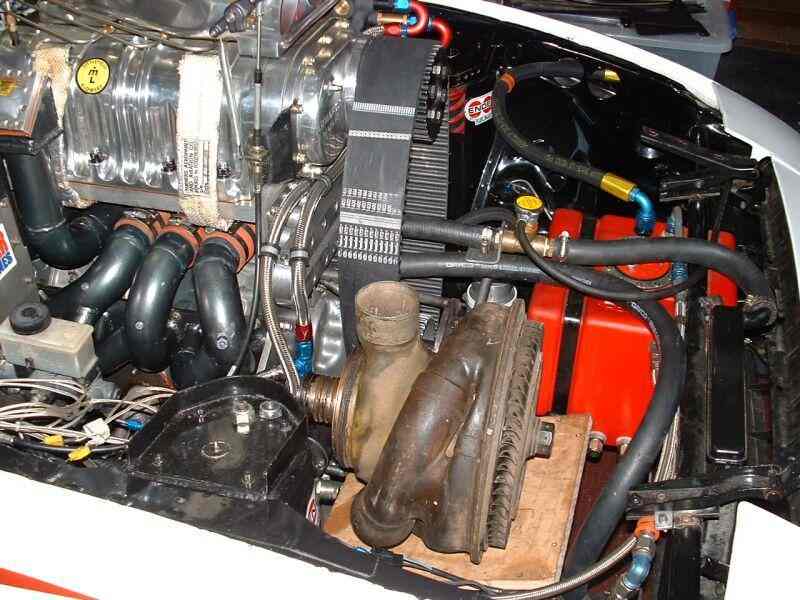
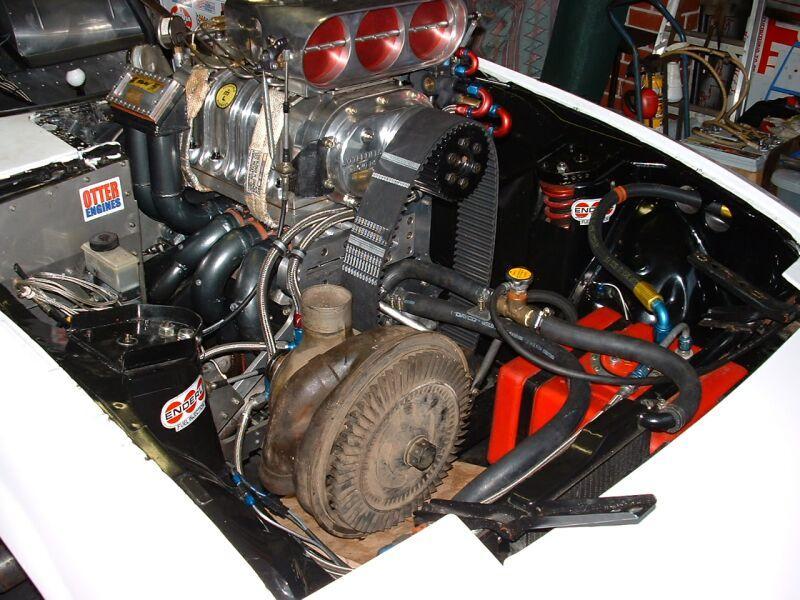
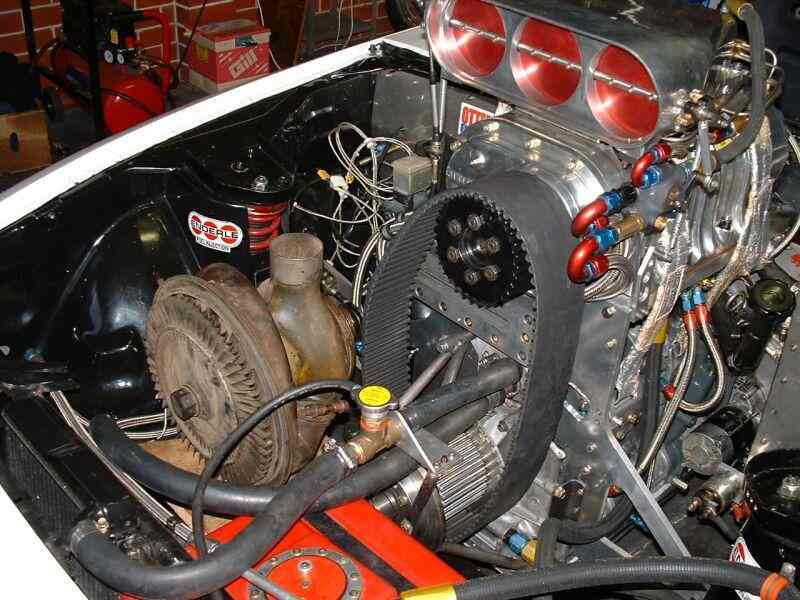
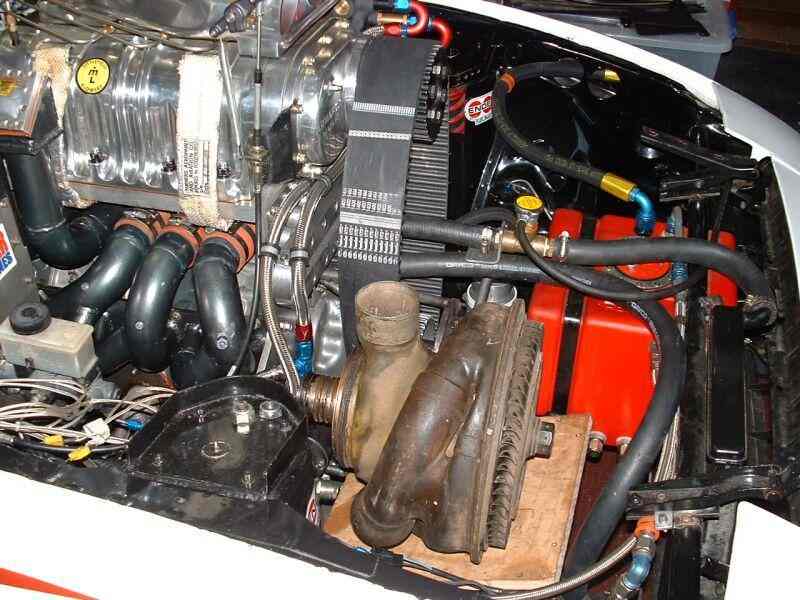
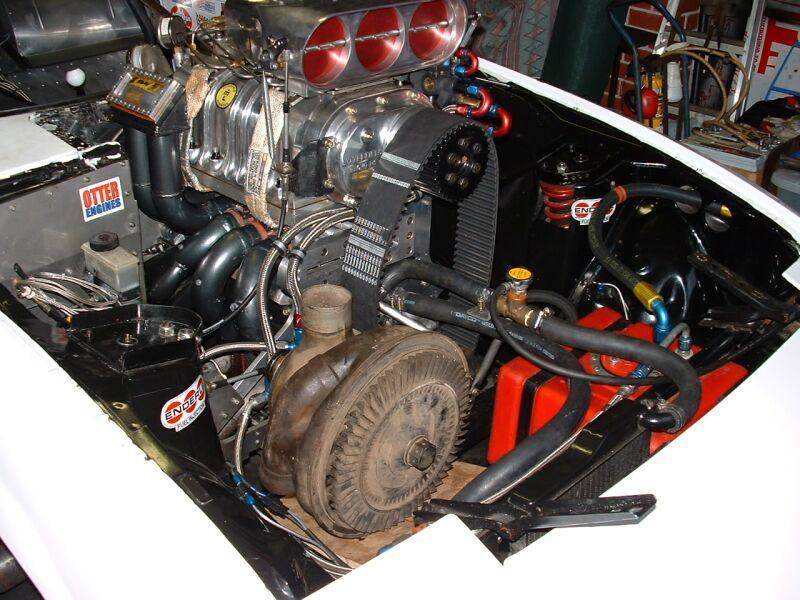
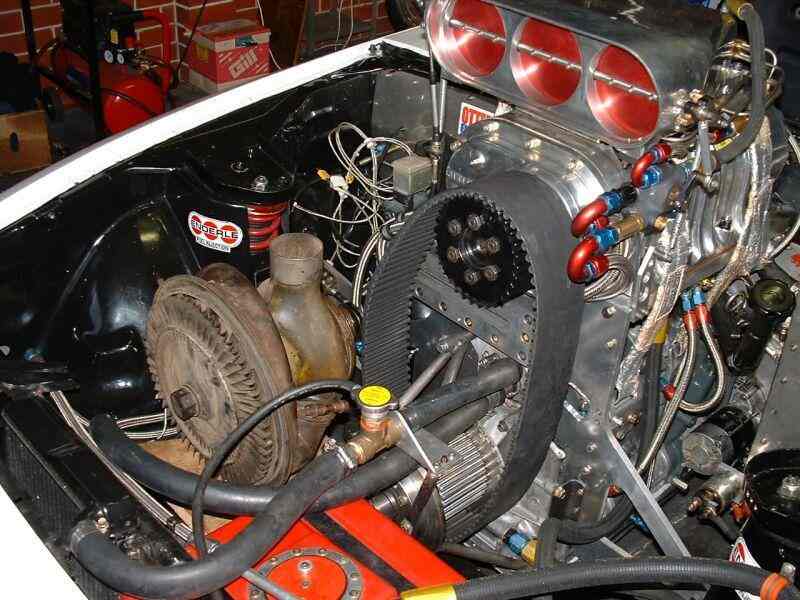
It is not cheap to compound a rotary. The turbo compound unit I used
from a Detroit Diesel
DD15 is not light weight and cost $2000 dollars. Only suitable for a
test TC 3 rotor. Not
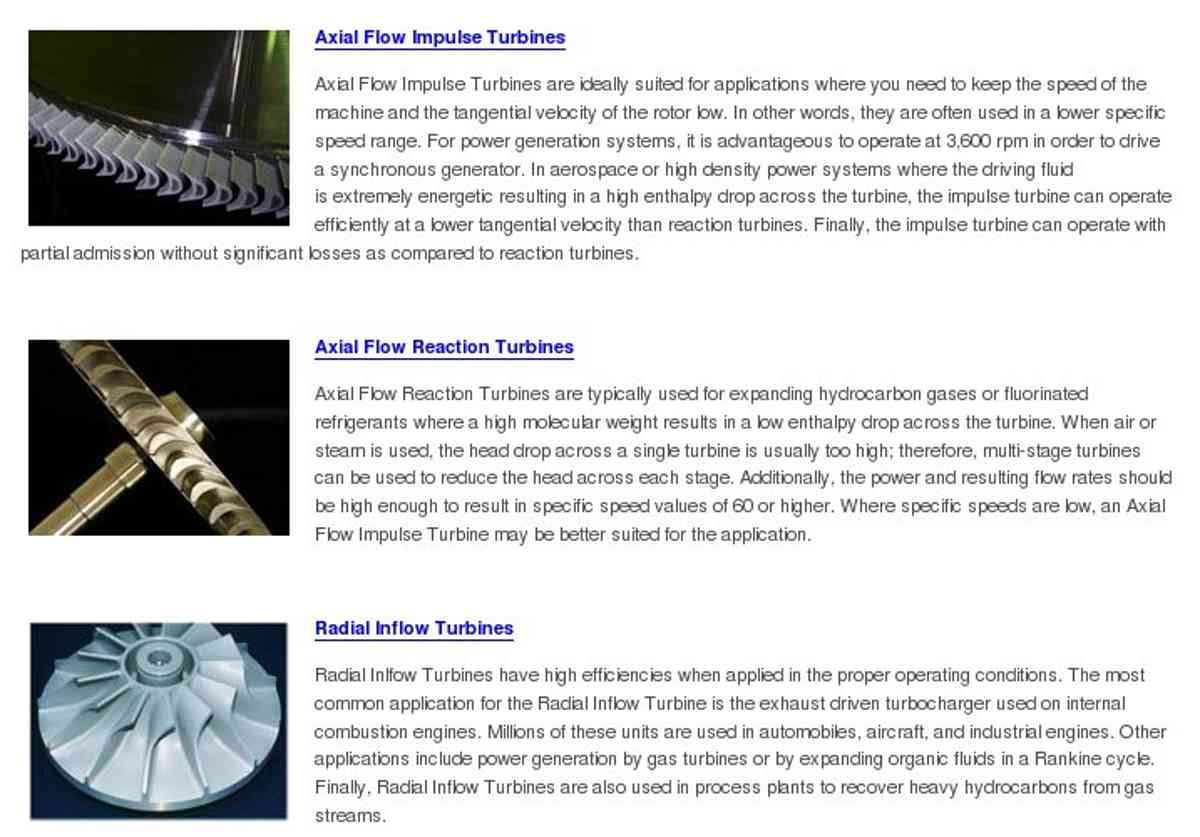
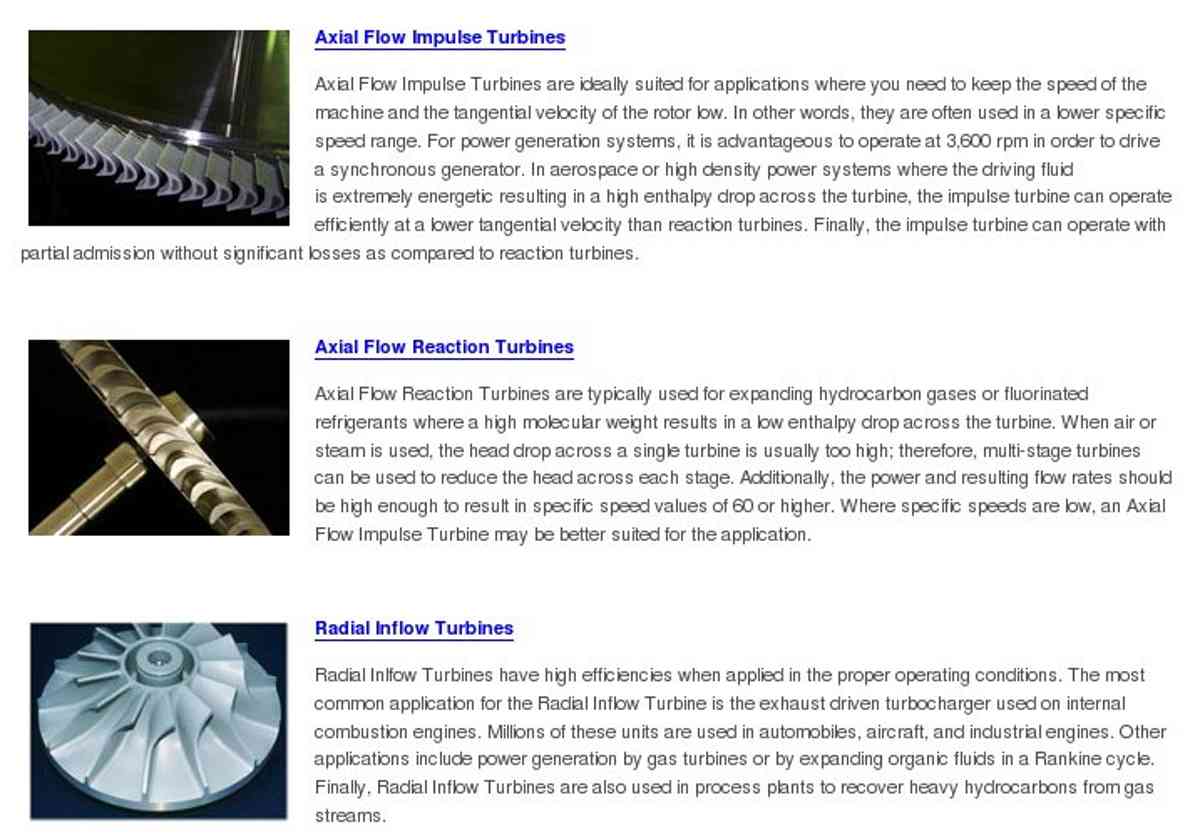
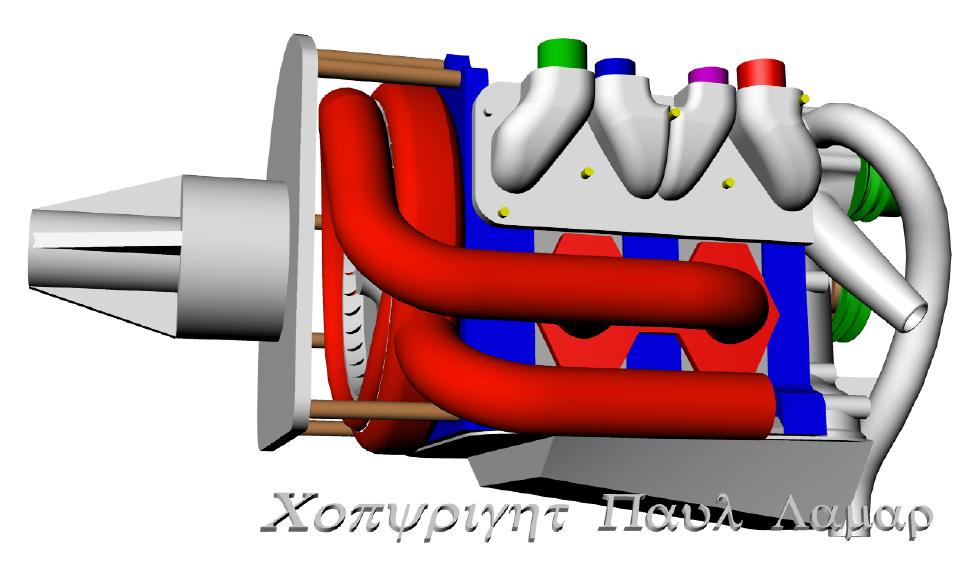
a flight engine. Too heavy. You need to find a suitable turbine from a small
jet engine that is about 18 inches in diameter and rotates in the range
6000 to 8000 RPM.
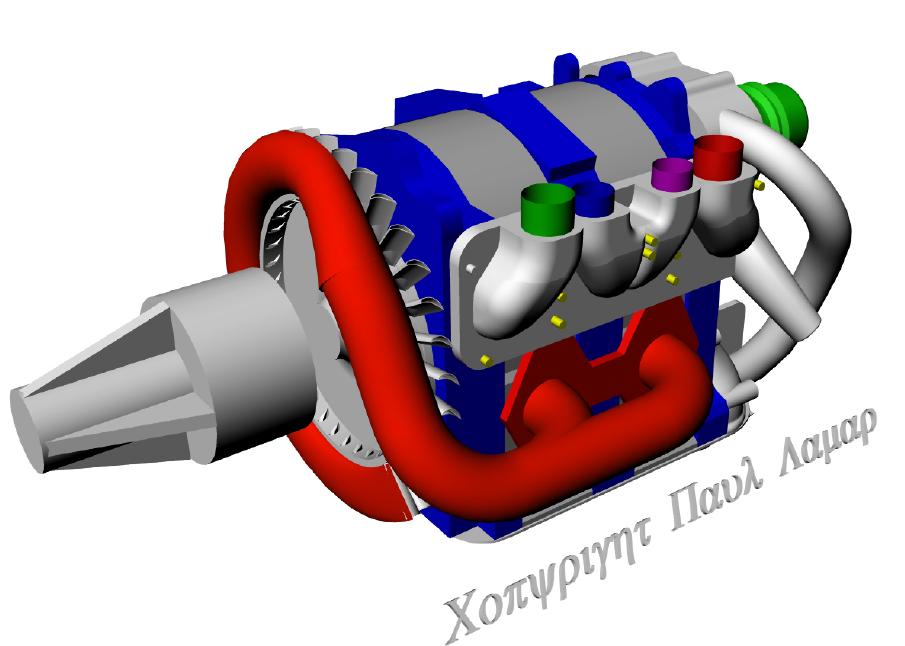
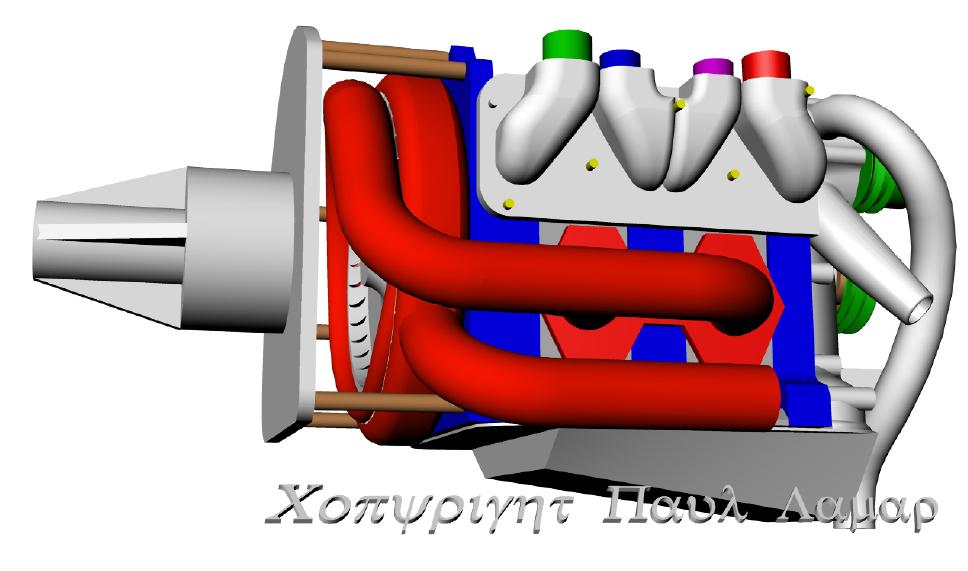
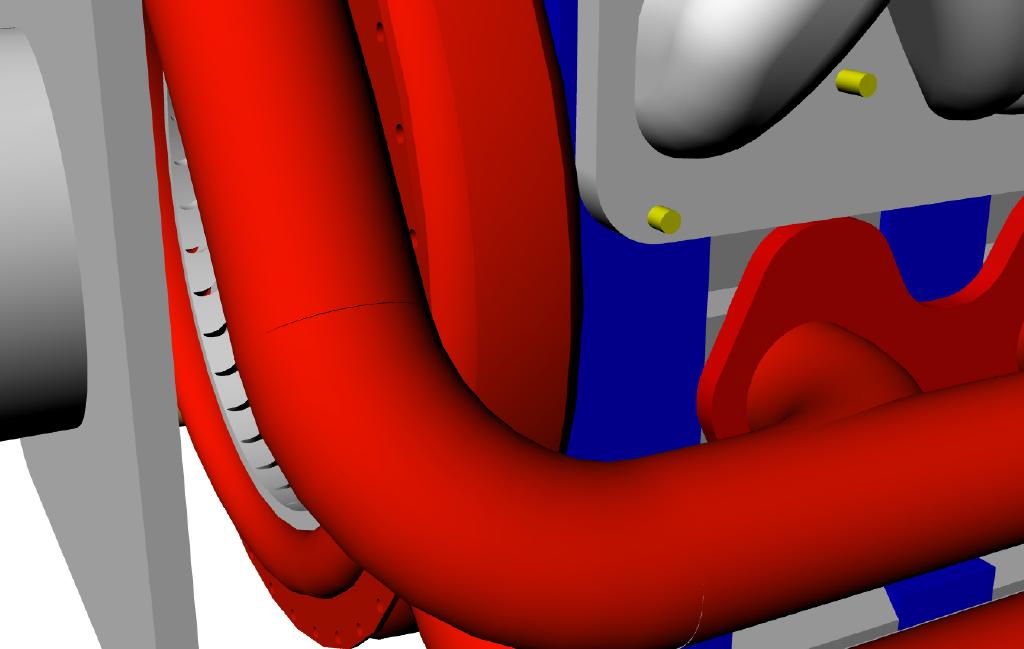
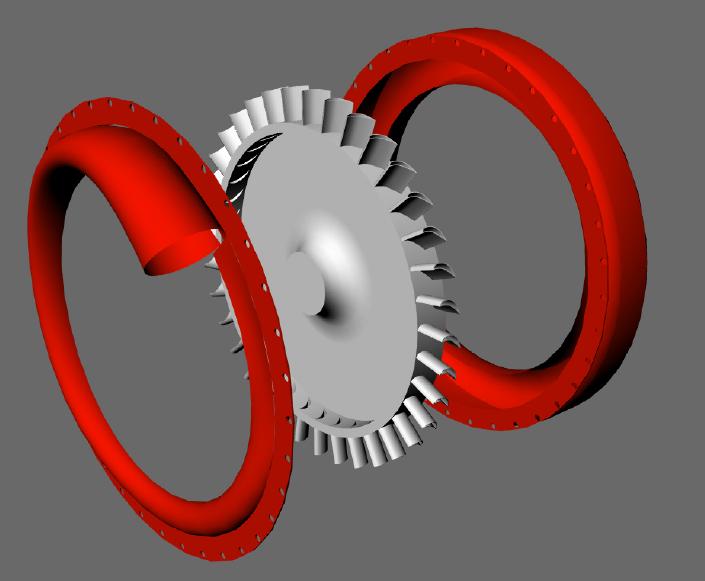
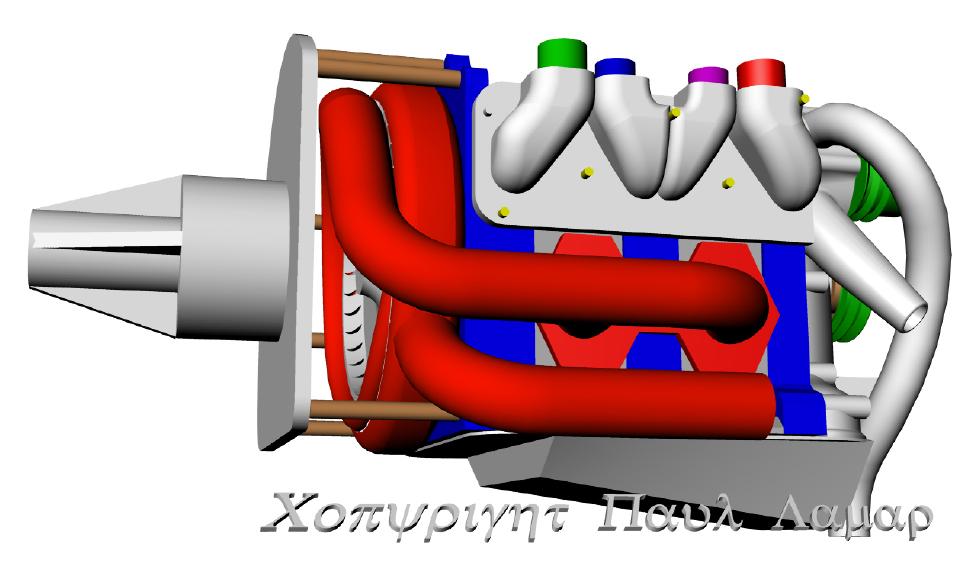
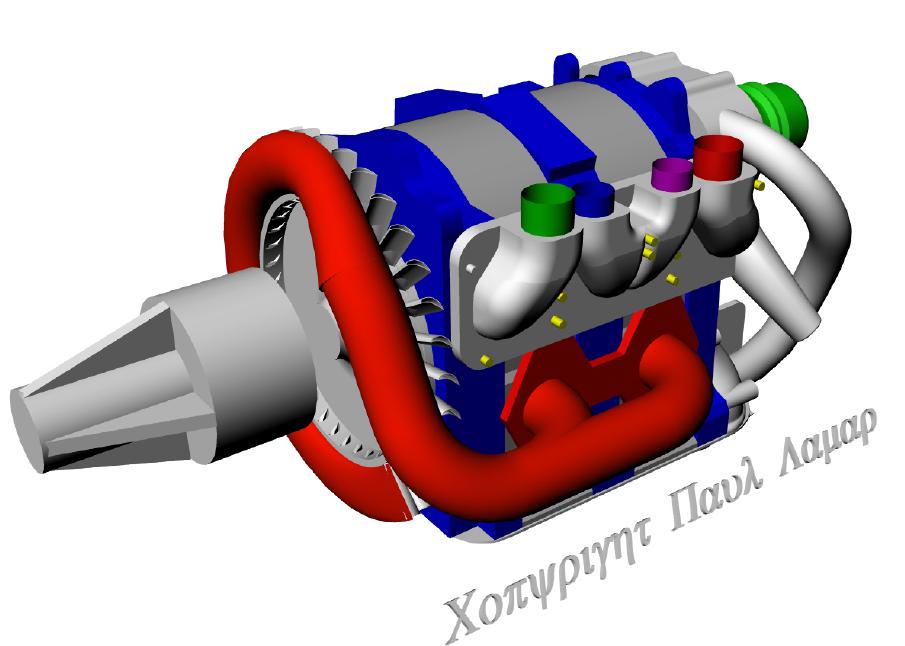
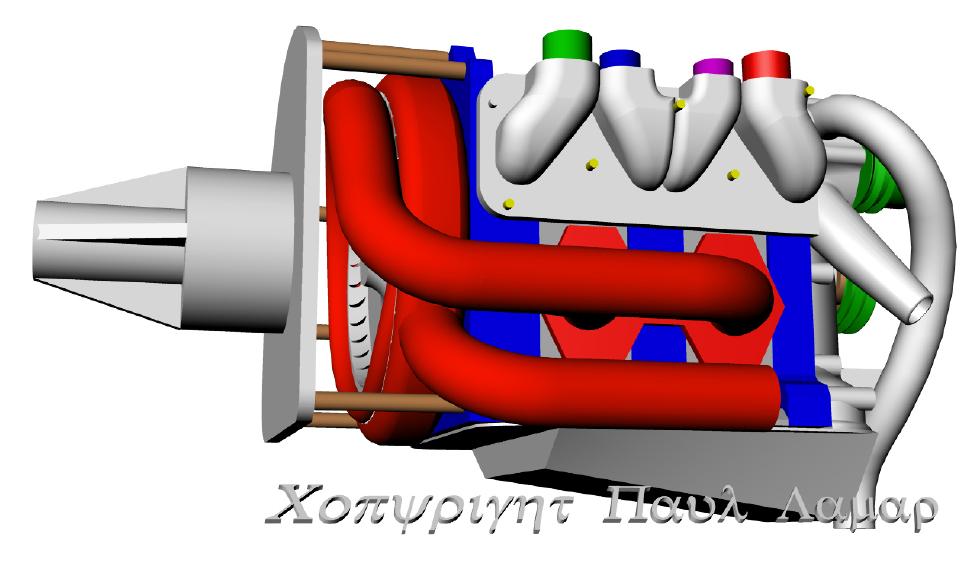
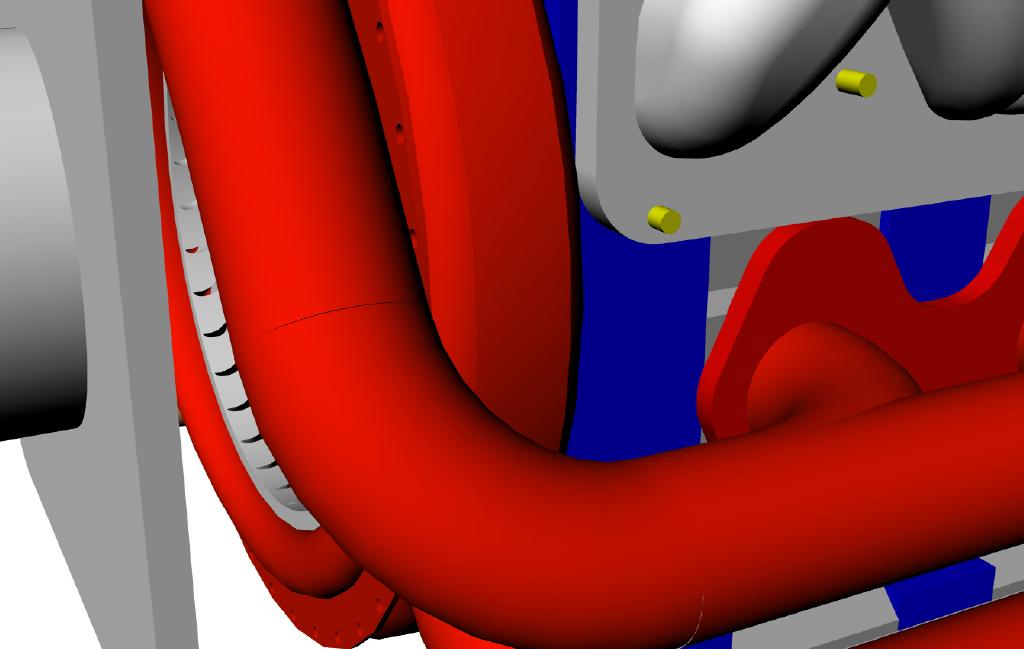
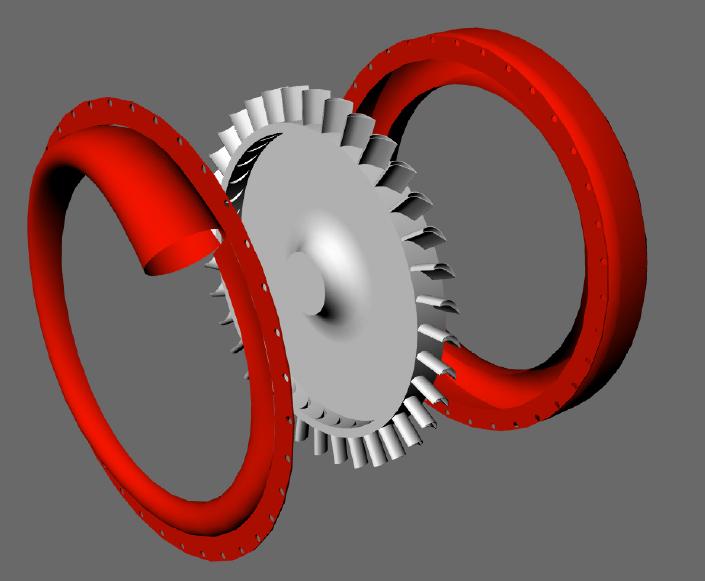
Then build something like this. Then you have a chance if you are lucky
with the blade
angle. If it works you will get 300 to 350 HP with a fuel burn in the
diesel range.
You can hammer the SS sheet metal with a wood mallet and a sandbag. Sun
n Fun in
April in Florida has a work shop that teaches that skill.
You will also need some tig welding skills. If you send the parts me I
can have
them tig welded by my ace welder.
BTW I will be there giving some talks on the ignition and the uni motor
mount..
Frank Whittle built his early jet engines with these skills.
Paul Lamar
I would start the project with the mainframe. A newly rebuilt engine
sitting around is damaged by corrosion on recently machine surfaces.
Granted rotates do not have honed cylinders, but you will have new or
lapped side housings. Get an engine core to set up the mount and the
compound system can be designed or set up. Paul's test TC engine is TC
input to the front of the e-shaft. To shorten things up it will need to
input into a gear case on the "front" of the engine which is more likely
the rear end on a tractor application. It is still going to take work to
get this to a serviceable fliable powerplant.
Dale Davies
Not this version. No gear box. The large turbine runs at e-shaft speed.
Paul Lamar
The Rotary Engine News Letter. Powered by Linux.
ACRE NL web site.
http://www.rotaryeng.net
You Tube
http://tinyurl.com/beqqxas
Copyright 1998-2014 All world wide rights reserved.