I am selling my rotary Coot, you can fly it home or I have a trailer
that goes with it so you can also trailer it home, also I have a
couple core engines and lots of parts that go with it and all of the
molds for the plane if you want them also. Ok as for the answer why I
am selling it, I have 1600 hrs sitting in the seat and have done it
did it and been there and just moving on, probably giving up flying
as I am just running out of time to do all the things I want to do,
asking 12k for it. Ken Welter 360-834-4089 Ken Welter
<
rotarycoot.ken@gmail.com Ken is in the Portland area. Most fun anyone
can have. I have been
for a ride.
Paul Lamar
Ok may have a buyer for my Coot but they don't want the engine
package, the package includes the engine with 200hrs on it, the
redrive, prop, radiator, oil coolers, 48 DCOE Weber carb and triple
MSD ignition, one MSD fires the trailing plugs and there are 2 MSD
units that fire each leading plug, asking 4k for the package and you
can also have the engine cowling if you want it. Ken
Okay, my first impression was 1600HRS on a rotary engine, but no,
only 200. The 1600HRS on a rotary would have been impressive. I
wonder what power was in it for 1400HRS that made him want to switch
power ?
Steve Carlisle
Lots of people have more than 1400 Hours. Ken loves to tinker and he
uses NOS to up the power to 300 HP for take off.
Paul Lamar
Ken never had anything but a rotary in his Coots. The first 1400
hrs.... rotary. As Paul said, loves to tinker and likely just
re-built it. The early engines had the Ross re-drive. Ken got tired
of sending it back for repair and eventually machined and built his
own belt drive system which is what is on this motor. He had a
sprag/clutch system at one point that hooked the rotary to a 2-cycle
engine of some sort as a "back-up" motor. Good luck to you Ken..!!
bruce buksyk
Hi Bruce, thanks for the follow up on the rotary Coot. Is it right
for me to assume the backup engine was for when the re-drive failed !
Do you know what was failing in the Ross re-drive ?
Thanks, Steve Carlisle
That airplane would have been perfect for your neck of the woods
Steve. Burns auto gas.
Paul Lamar
I would takeoff and climb out with both engines running and then
shutdown the 140hp Rotax snowmobile engine and cruise on the rotary
engine but if the rotary engine were to fail I could disengage a dog
clutch on the rotary and fly on the Rotax.
The Ross gearbox had a couple failures and I had 4 engine thrust
bearing failures do to the fact that the Ross gearbox put all of the
gear thrust on the engine thrust bearing, the last engine failure was at
6,000 ft with the cloud tops at 5000 and a 500ft ceiling below but had
no problem as the Columbia river was right where the GPS said it was,
its nice having a boat under your seat.
Ken
Tracy Crook left out the sun gear thrust bearing as well in his early
design.
We have long since fixed the Ross sun gear thrust bearing problem as did
Tracy Crook in his design. That happened about 1998 to 2003. I think
Scott Speirer
discovered the problem before Ken. Maybe not. Could have been Al Wick.
Possibly before the news letter.
Paul Lamar
Paul, you mentioned Al Wick in your post, checked into his experience
with Rotary engine use, I found a post of his in Dec, 2011,
Quote:
Congrats Eric. The Cozy is one fine aircraft, a total blast to fly. The
instructions in the early chapters are superb. In fact, better written
than any instructions I've ever seen.
Before each chapter, you need to read the archives. Lot's of good
suggestions in there. You need to use your critical thinking skills, as
some aren't necessarily improvements.
Since you've already picked up your rotary guide, you are likely already
emotionally tied into the decision. However, you've selected the highest
risk engine possible. The facts show it's appx. 4 to 6 times greater
life risk than a Lycoming. Part of this risk is inherent in that engine
design, but the other part you can control if you are try your best to
use critical thinking. Some common decisions made by enthusiasts are the
opposite of what you should do.
Enjoy enjoy!
Happy solstice to all. I don't subscribe to ridiculous Christmas
superstitions.
-Al Wick
Cozy IV powered by Turbo Subaru 3.0R.
Expert at failure prevention methods, N9032U 240+ hours from Portland,
Oregon
Glass panel design, Subaru install, Prop construct, Risk assessment info:
end quote:
Maybe he has changed his outlook towards Rotary engines in aircraft,
Steve Carlisle
Well I'll have to stop mentioning him :)
One: He has a vested interest in Soobs.
Two: He is totally wrong :)
With 3 moving parts what piston engine comes close?
I don't know what he is other than an expert on something but
if he was a mechanical engineer he would understand that the rotary
parts have infinite life unlike most of the parts in a piston engine.
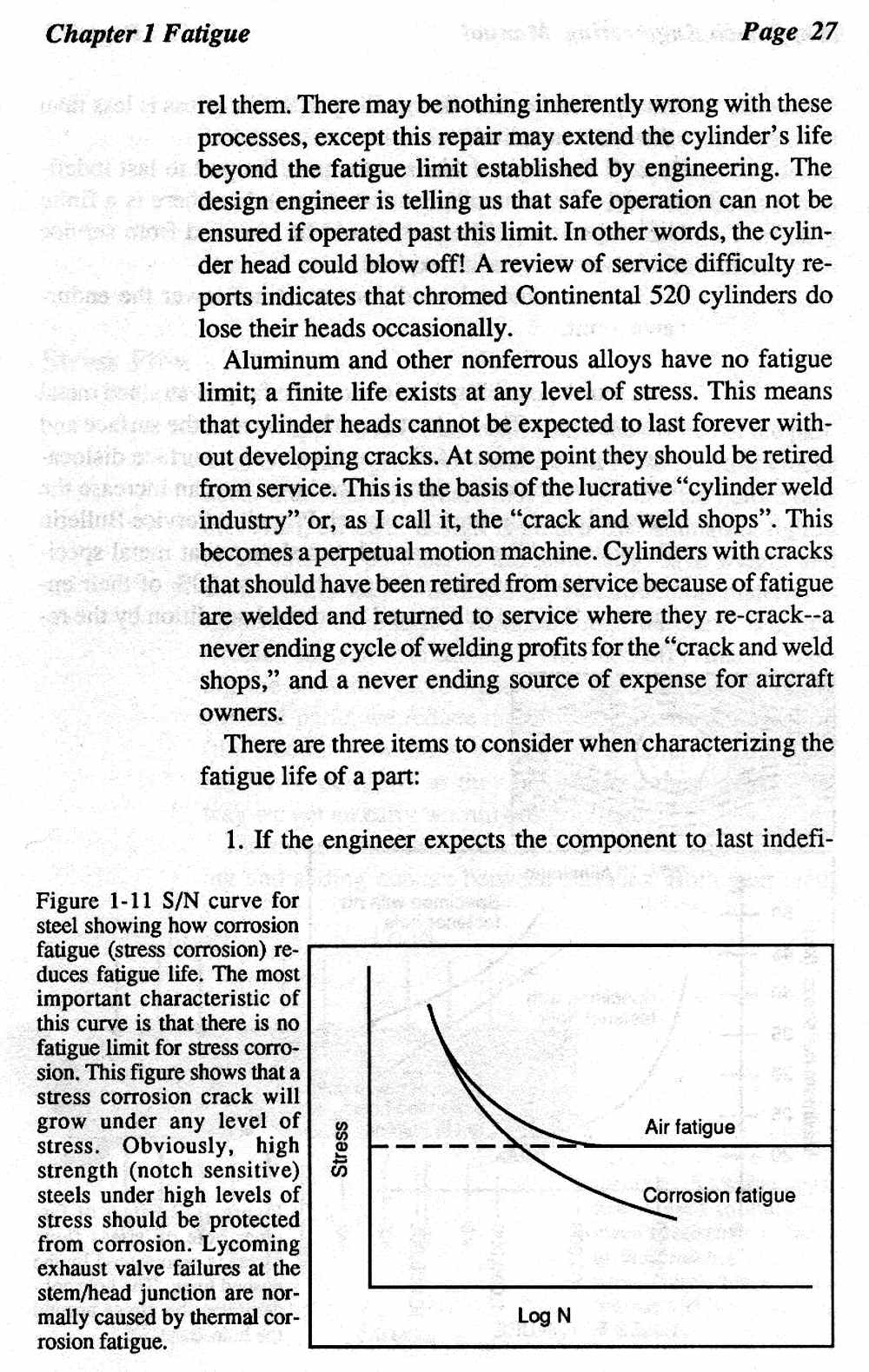
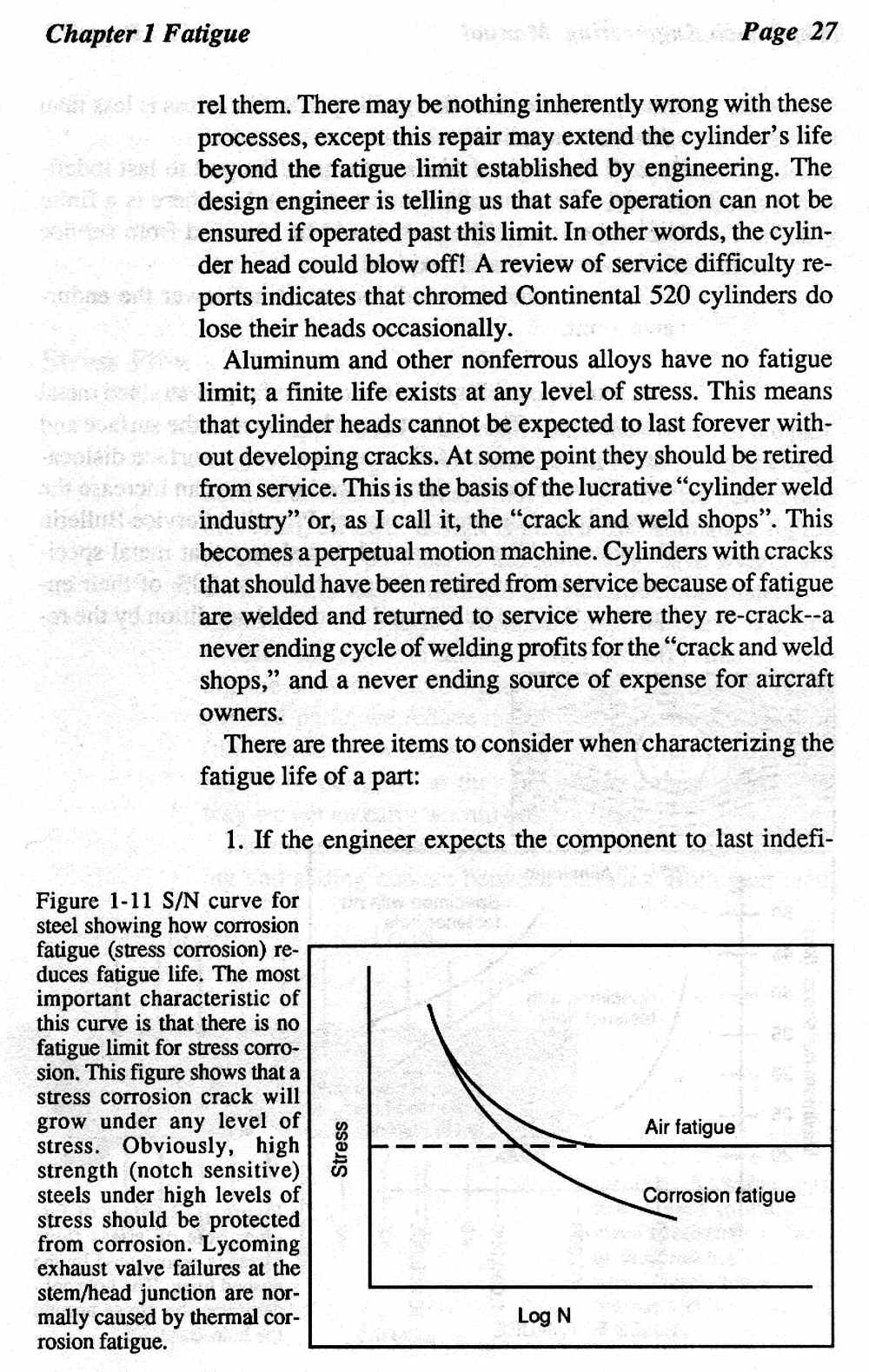
When you bend steel back and fourth it eventually fatigues and fails.
That is why the FAA demands you disassemble your aircraft engine
at TBO and magnflux or zyglo all the parts for cracks. Cracks are
obviously a warning signs of eventual failure.
None of the Wankel rotary parts experience reversing stresses.
It is more like an electric motor. There are some elevator motors
in NYC that are 100 years old.
Further more the Wankel has no exhaust valves.
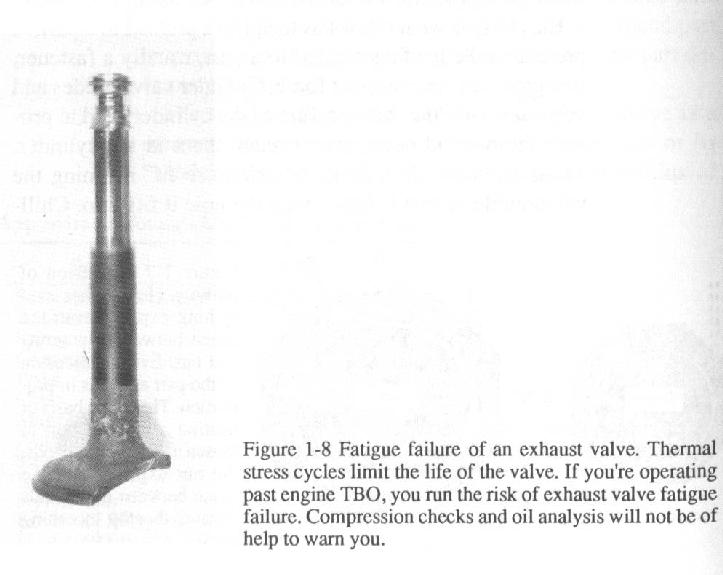
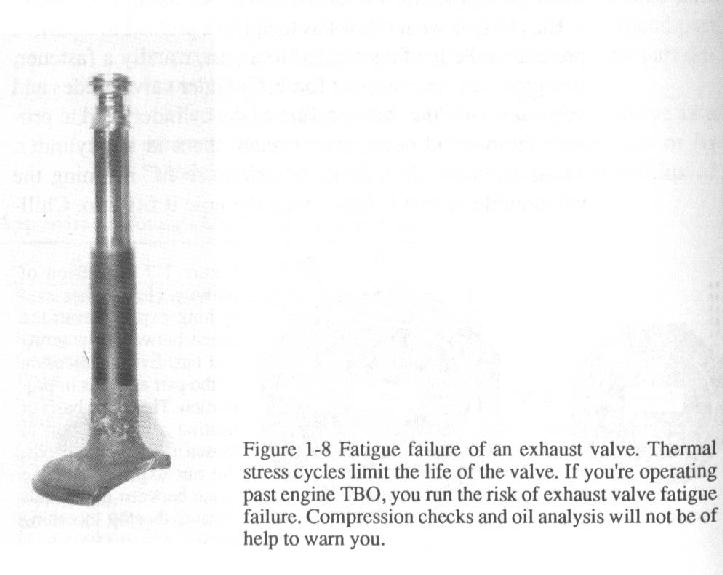
The exhaust valves are the Achilles heel of the piston engine.
That is why the FAA demands that you check the compression
annually. Any sign of a lower compression number is mainly
a sign of a leaking valve. Early warning of valve total and
catastrophic failure. You don't want the valve head to fall off
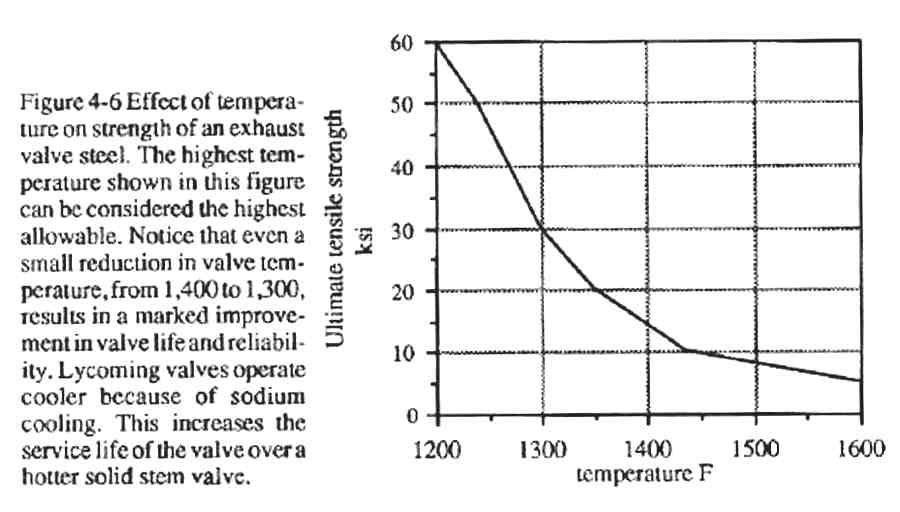
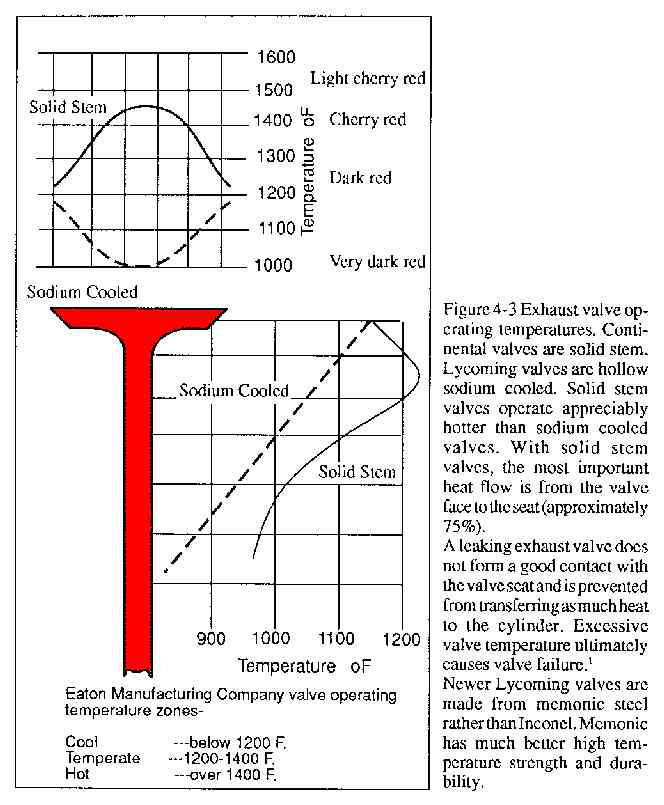
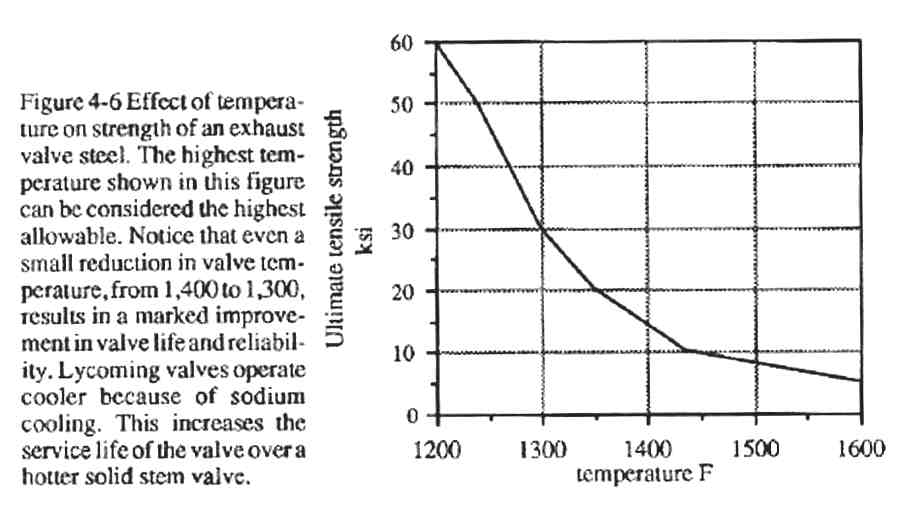
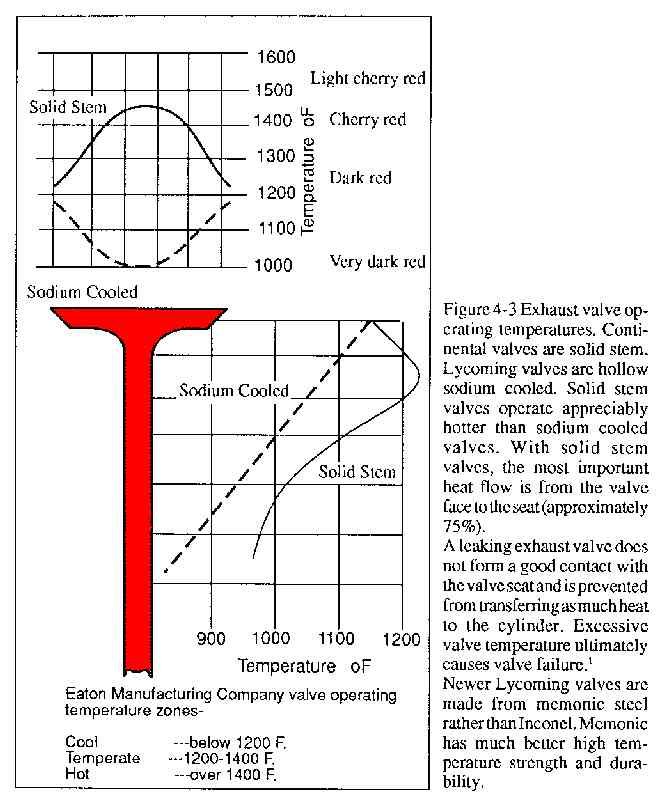
and jam the piston. The leak means the valve is not transferring
as much heat into the valve seat and thence into the cooler head.
That increases the temperature of the valve head and hastens
the failure.
For a good book on aircraft engines I highly recommend the
Sky Ranch Engineering Manual. This book presents an excellent
overview of the problems of aircraft engines. It is 500 pages and a
bargain at only $23. There are many details on the materials and
processes used to build a successful aircraft engine. There is a
very good and exhaustive discussion of destructive torsional
vibrations and fatigue. The telephone number to buy this book is
(916) 421 7672. The author is John Schwaner. John is highly thought
of in the experimental aircraft community.
Mazda has won more 24 hour endurance races with the rotary engine than
any other brand including Porsche, Ferrari or Mercedes. You name it.
In fact Mazda won LeMans outright on the same fuel limit as all those
other brands.
The French racing promoters realized that would happen on into the future so
in effect they out lawed the rotary.
Any engine will seize if you starve it of lubrication.
Any engine will stop if it does not get fuel.
Any engine will stop if it does not get spark.
Any engine will over heat if it is not cooled properly.
That is why I wrote the book on "How to Cool Your Wankel".
Essential reading for anyone installing a rotary.
Paul Lamar
The Rotary Engine News Letter. Powered by Linux. ACRE NL web site.
http://www.rotaryeng.net You Tube
http://tinyurl.com/beqqxas
Copyright 1998-2014 All world wide rights reserved.