You need to shorten the intake runners to 18" to 20" engines for
more power
with a 2.85:1 PSRU. Take off RPM will be 6500 to 7500 engine RPM.
Also you will need my cooling book.
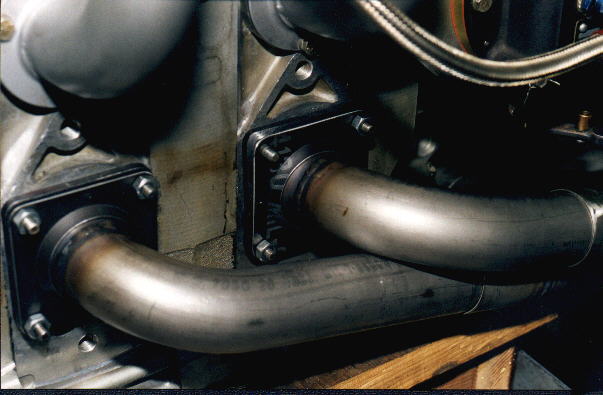
Shield the lower left motor mount bushing with ss from the 1500 F
exhaust pipe.
Paul Lamar
Jake, thanks for the pics. It is sad to see such potential
in a project go unfinished. Let's hope you get a good deal on the FWF
package, and get another rotary in the air.
Steve Carlisle
Thanks for the info, what is your cooling book?
How would you shorten the intake runners with the air intake on the
right side like it is? How much power difference would there be? I
was planning on wrapping the exhaust pipes and will plan on a sheild
for the motor mount.
Jake
The plenum is unnecessarily large. Move it to the top of the engine
something like this.
You will save weight too :)
This is a P port but an optimized side port will work too only
about 50 HP less.
With the intake runners as long as they are now you will be about
165 to 180 HP. You should
get 200 HP with an optimized side port engine, 2.85:1 PSRU and 18"
runners at 6500 to
7500 take off RPM. With a P-port you would get 250 HP.
There are now better mufflers than that shown in these pictures and
3D's.
http://www.rotaryeng.net/cooling.html
I also sell the book direct for cash $30 + $5 shipping in the US.
More shipping
over seas.
Paul Lamar
HI Jake,
With all respect to Paul's opinion on what you should do, I would like
to share my opinion. Paul is correct that you will get more power from
shorter intake runners. But the difference in power is not nearly worth
the vast amount of work it would take you at this point to accomplish
the change. It would require changes to the cowl, building a new
plenum, relocating the injectors and throttle body, changing the cold
air intake system, and possibly building a new engine mount. It is much
better to be flying an airplane with adequate power (while not as much
as its potential) than it is to spend years not flying.
Paul is also correct that the engine mount needs shielding. However, I
would discourage you from wrapping the exhaust. I used to do it but
don't anymore. The problem is the high duty cycle and extra hot rotary
exhaust. First problem is that there is no wrapping material that will
hold up for very long. Standard exhaust wrap with start coming apart on
the first or second flight. The really expensive stuff wont last much
past 100 hrs. It stinks as it burns. It is a pain in the arss whenever
you have to do maintenance or inspections of your exhaust system (and
you will want to be inspecting it frequently).
Further, it retains the heat in the pipe. That makes it oxidize away
much faster. Also, because the metal is running at a significantly
higher temperature the metal will warp and fatigue much faster. Welds
in particular will not last long. Trust me, I learned all this the hard
way. You see a lot of pictures of installations with pretty exhaust
wrap, but those are the 'before' pictures, taken before putting a ton of
hours on the plane or race car.
Wrapping works fine for a street vehicle, and in race cars they just
replace it after every other race. You don't want it in your airplane.
Ceramic coatings are better. They prevent oxidation and allow
inspection. They do still raise the operating temperature of the metal
and they don't last forever. In my opinion they are not worth the
hassle and expense but not an unreasonable choice.
The shielding you use need not be exclusively stainless steel. If
closer than about 1" to the exhaust pipe it should probably be steel,
but aluminum works fine further away, especially if there is decent air
flow in the area. At that point you are just fighting radiant heat. In
fact, you will find that a layer of aluminum foil bonded to the inside
of your cowl on the hot side of the engine is indespensable in keeping
the fiberglass from getting too hot.
Good Luck,
David Leonard
Turbo Rotary RV-6
To add to what Dave said wrapped exhaust can and has caused a crash.
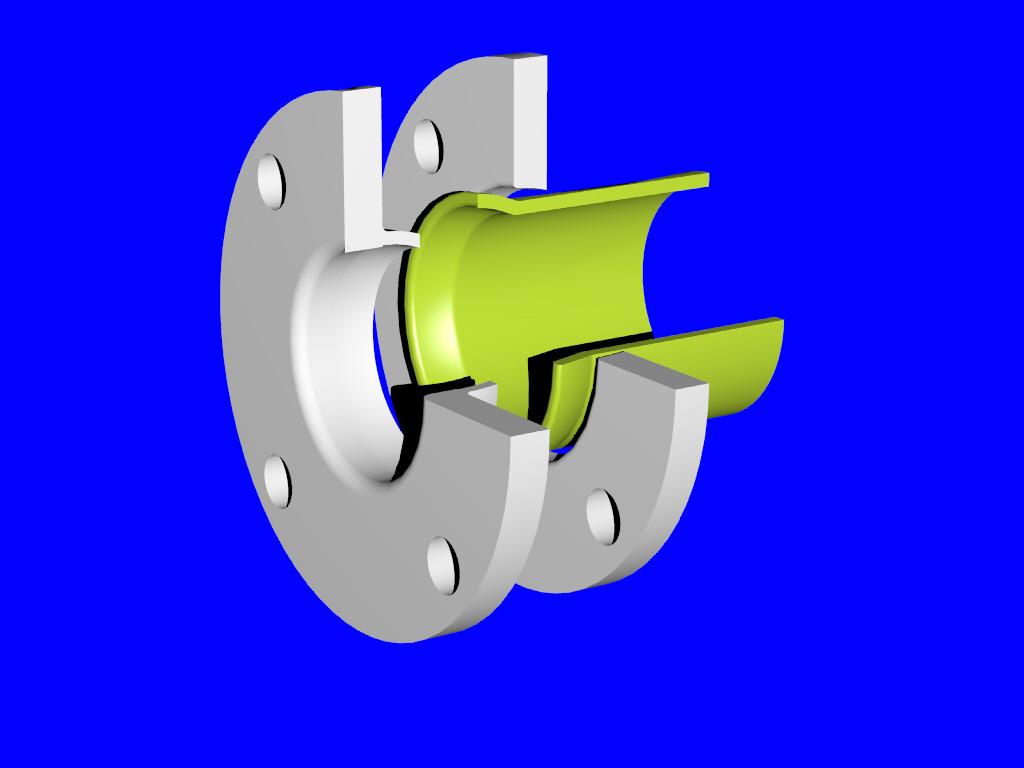
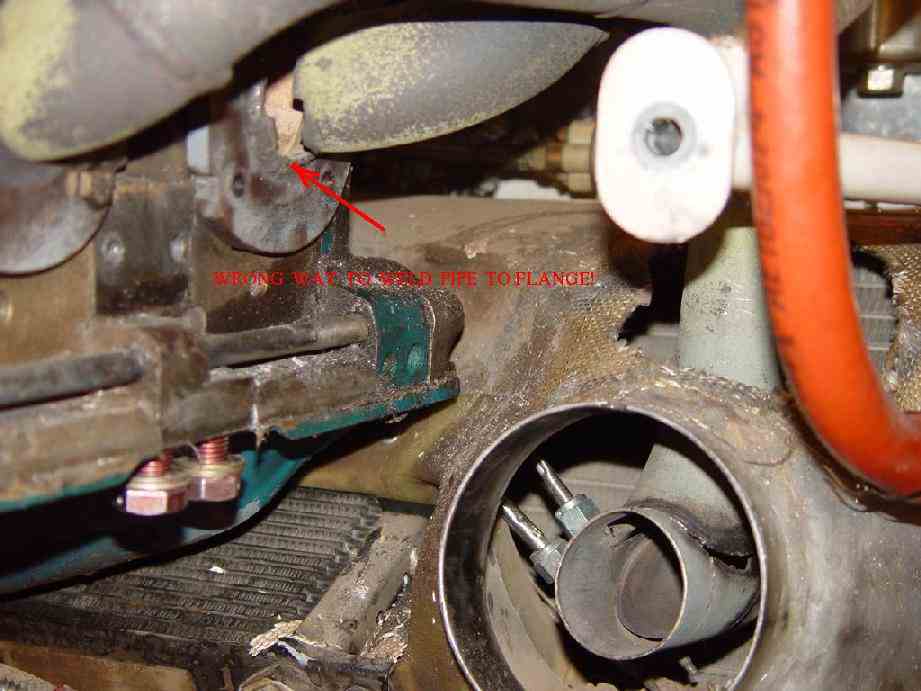
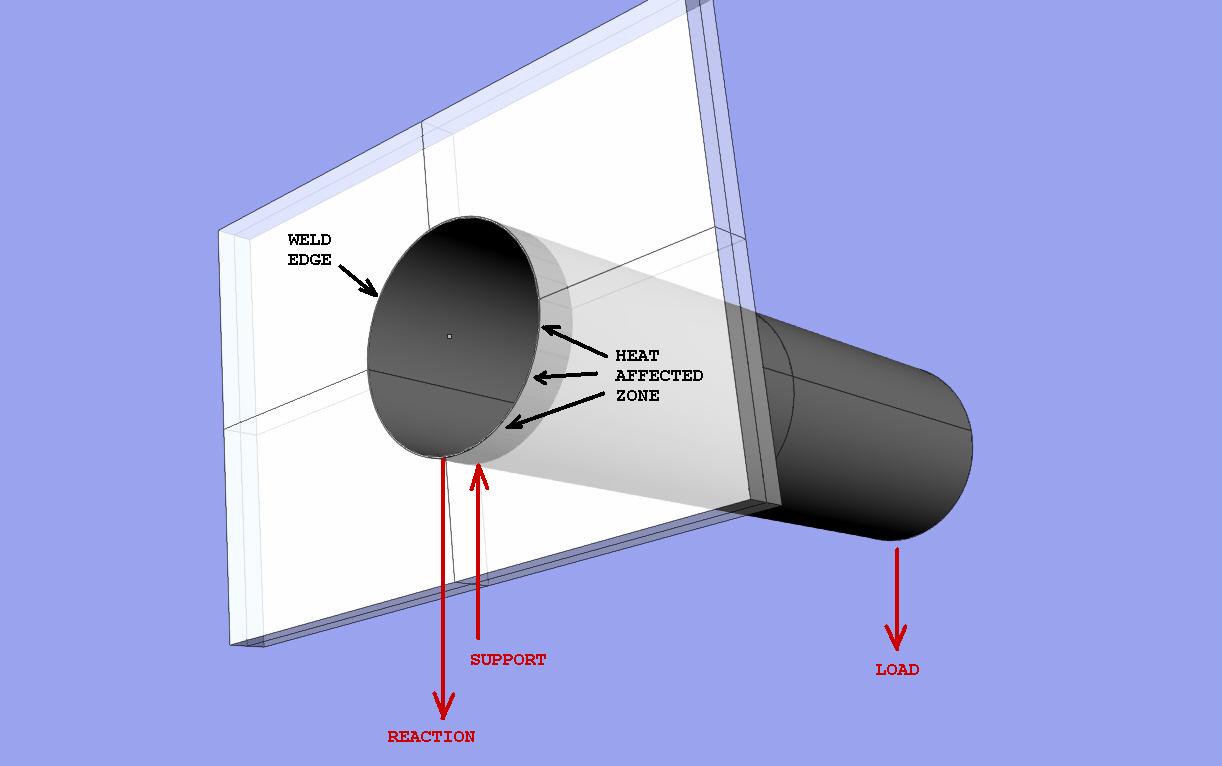
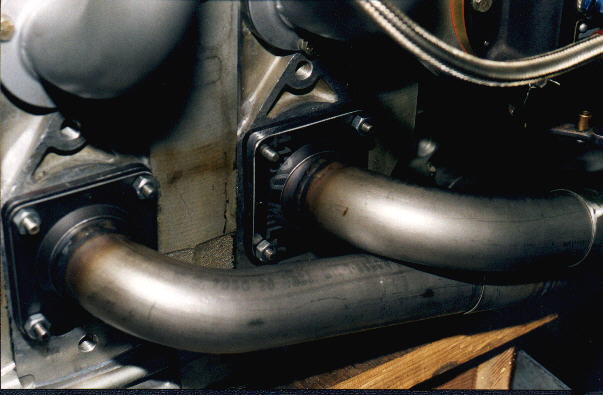
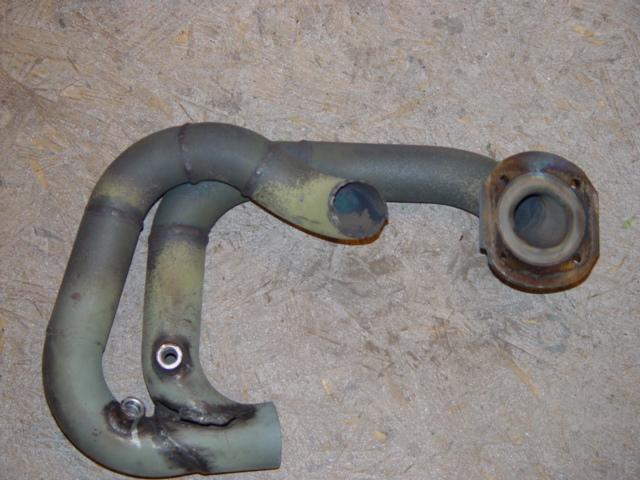
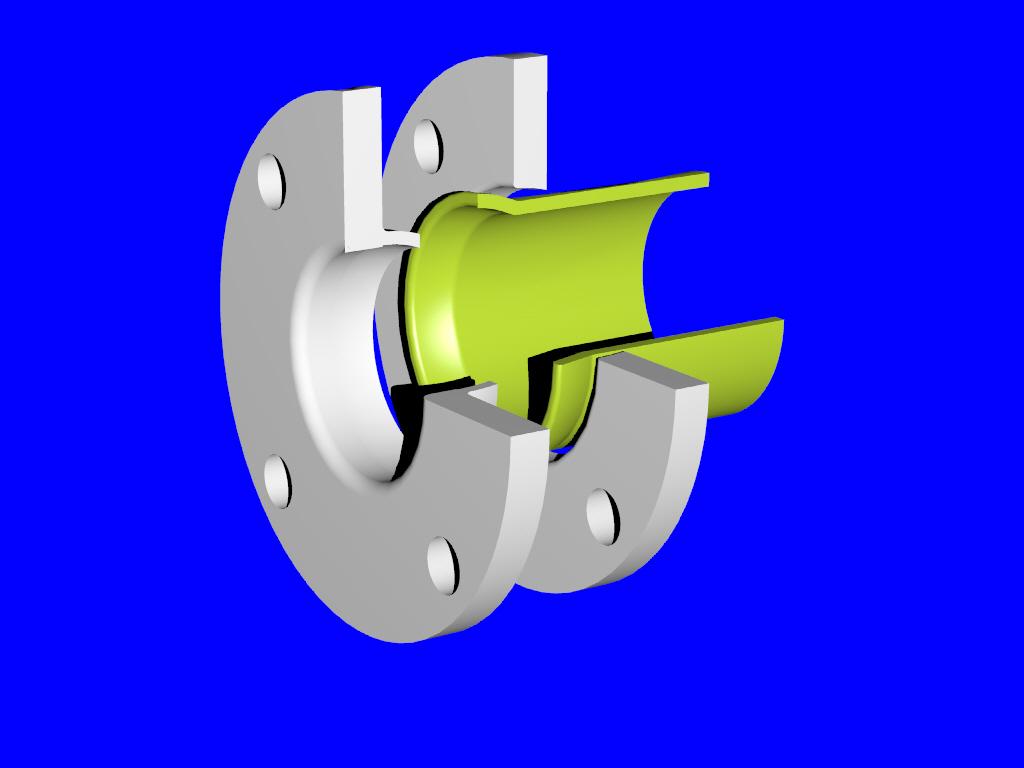
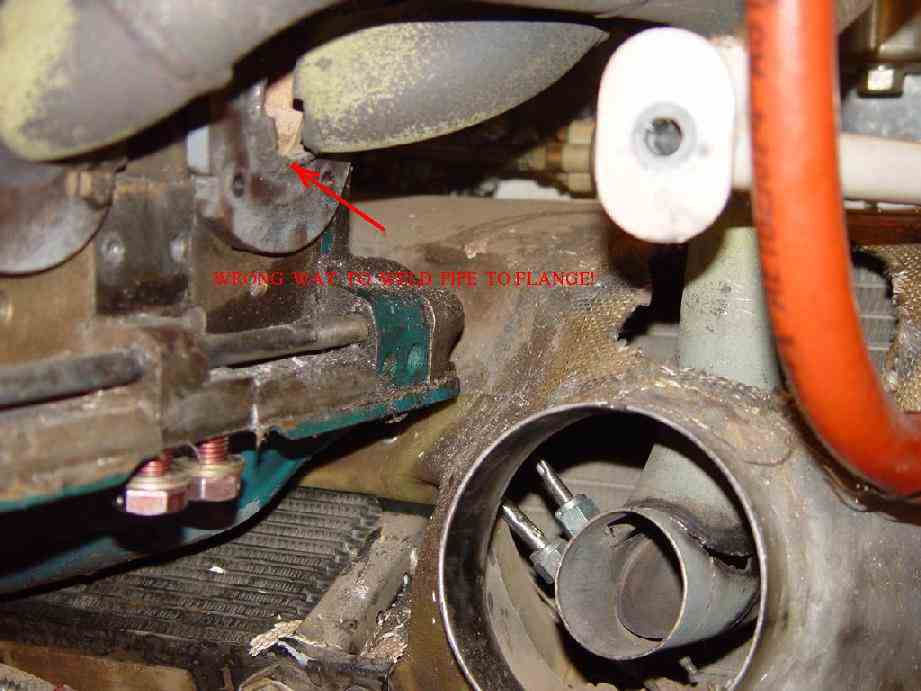
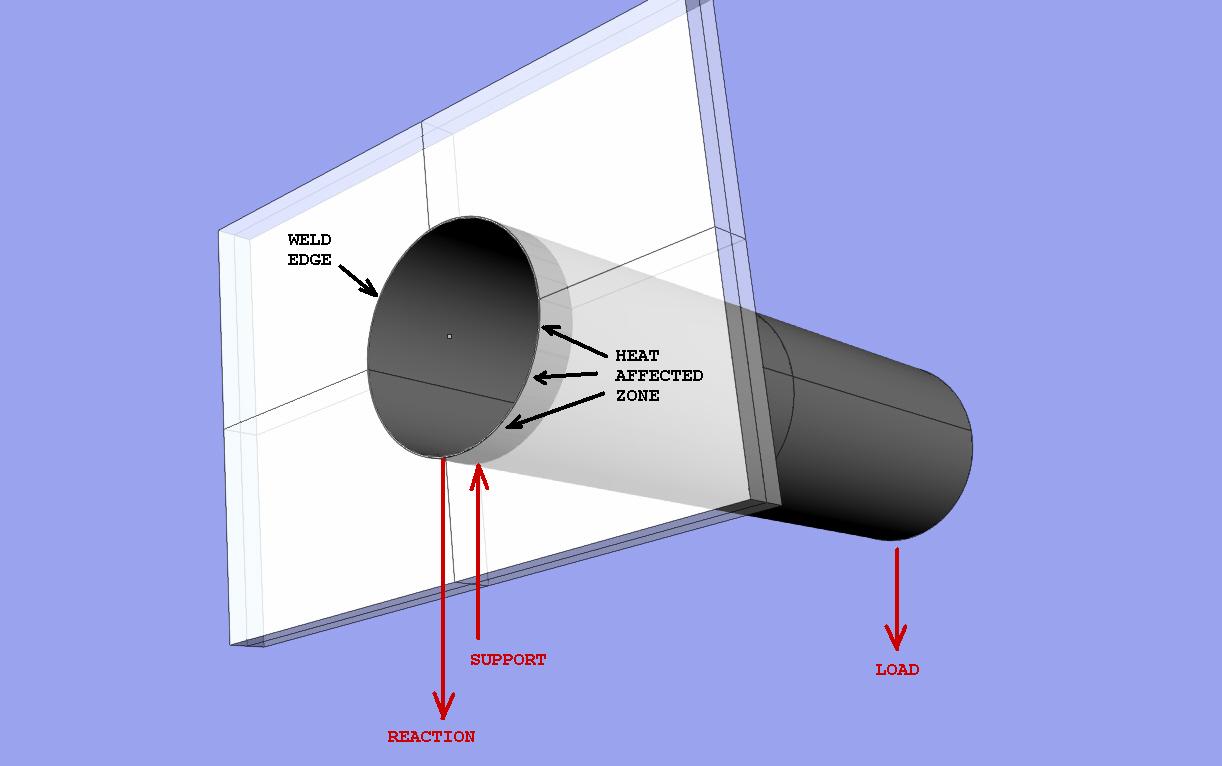
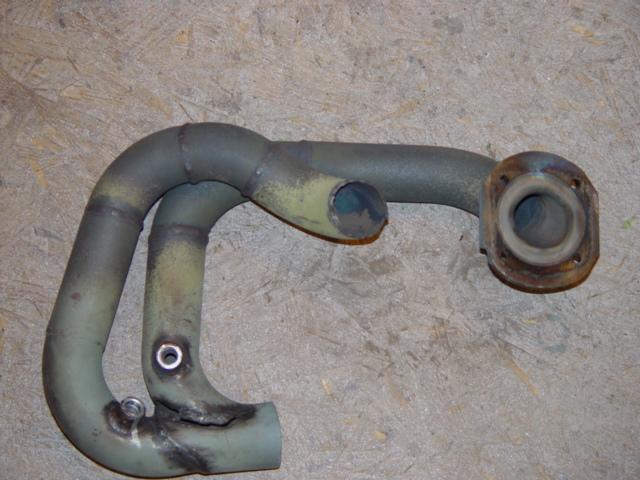
Also make sure the flanges
are correctly welded to the exhaust pipe. The RX8 engine is less
critical as the exhaust
is 100 to 200 F cooler.
Paul Lamar
The Rotary Engine News Letter. Powered by Linux.
ACRE NL web site.
http://www.rotaryeng.net
You Tube
http://tinyurl.com/beqqxas
Copyright 1998-2014 All world wide rights reserved.