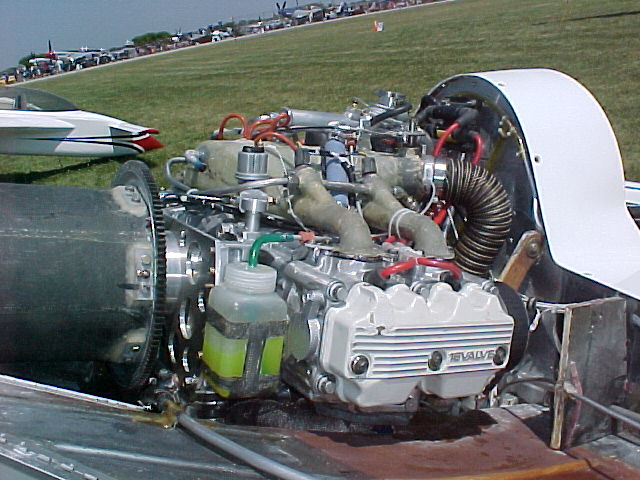
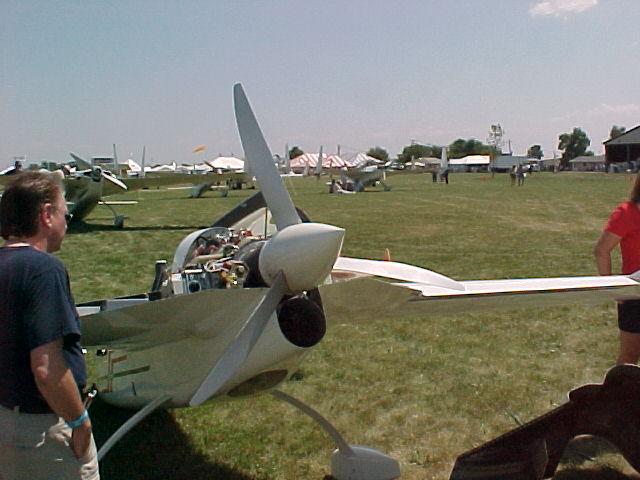
Hi Paul. I am revisiting the long drive shaft for a pusher design.
With the progress made on composite drive shaft, is the option of
long and light prop shaft becoming more of a reality now? I saw a
lot of automotive carbon shafts on the market now for very decent prices.
Could a simpler design with rubber couplings instead of power/slip
clutch be made to work without outlandished development cost and
headache? I would appreciate your thought.
Luke F Wings.
How long?
I would use a minimum of 3.5 inch diameter aluminum tube.
Cut the wall thickness on a lathe to .062" to save weight.
Then anodize it so epoxy will stick .
diagonally wrap carbon fiber to a total thickness of .125 tp .2 inch.
If not too long get a stock RX8 carbon drive shaft from a junk yard.
Yes rubber couplings [are] the way to go.
Paul Lamar
Luke,
Please consider using a thin layer of fiberglass as the first layer
next to the aluminum. Even with a good epoxy, this will ensure there
is no galvanic corrosion between the carbon and the aluminum. A forty
five degree angle to the longitudinal axis will ensure the fiber wrap
is in tension during load. The large diameter will save weight and
the higher the driveshaft rpm, the more torque that will be transmitted.
Would it be possible to put the PSRU on the opposite end of the drive
shaft from the engine? Maybe more damping could be incorporated
that way? In any case, the torsional resonate frequency of the
drive shaft must be much greater (or much lower) than the torsional
vibration of the engine. Otherwise you end up with a BD5 scenario.
This is difficult throughout all the RPM ranges of the engine.
That is why the BD5 eventually had to go with an overrunning clutch
after many forced landings at the Newton, KS airport where I used to
work.
Regards,
Norm Deboer
Good points.
Paul Lamar
Before anyone builds a general ave. Plane with a long drive shaft, you
should search BD-5 AND TORSIONAL vibration. Interesting read.
Bill Jepson
I did read the account of the BD-5 drive line saga. The Rohr 2-175 in it
short life had drive shaft problems too. With that said, there were
other successful drive shaft application in aircrafts too. The bell
P-39, Taylor mini imp, taylor flying car are few examples. Composite
technology is ushering a brand new era of drive line application in car
racing. I know the fear of yesterday's failure is great, but it may be
time to try again.
Thanks.
Luke Wings.
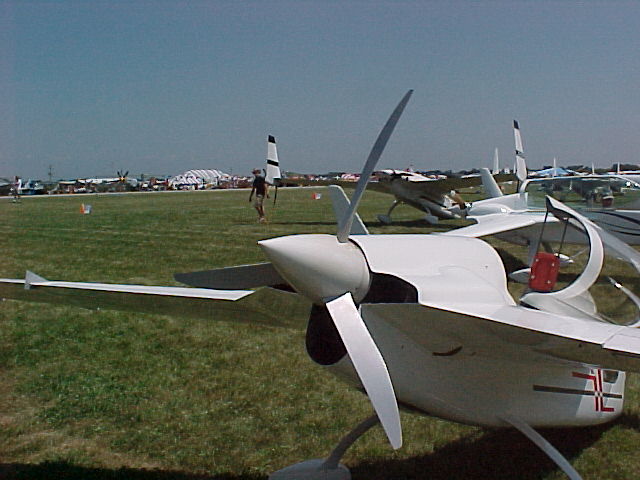
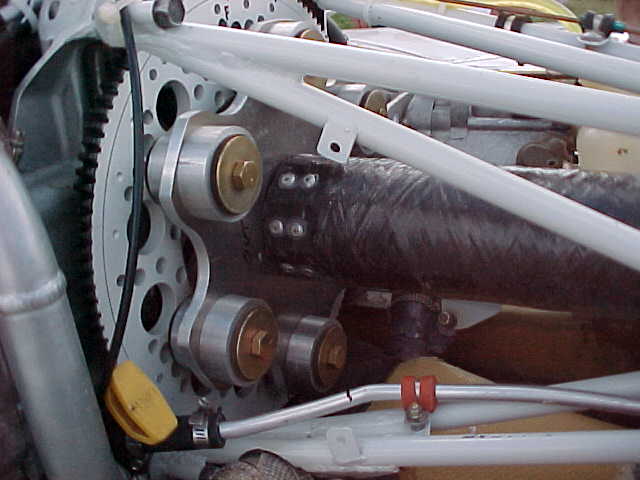
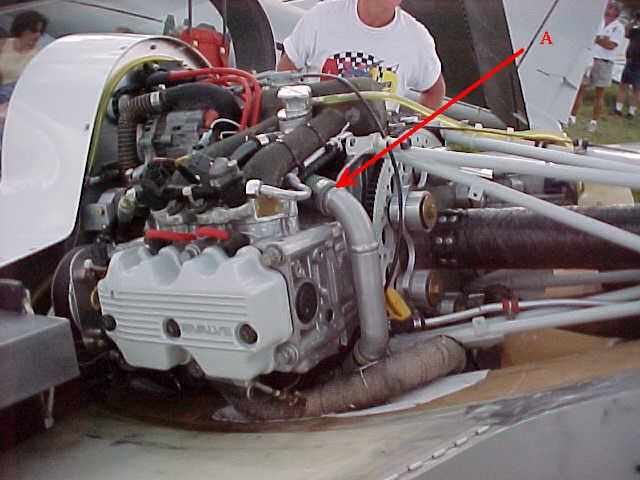
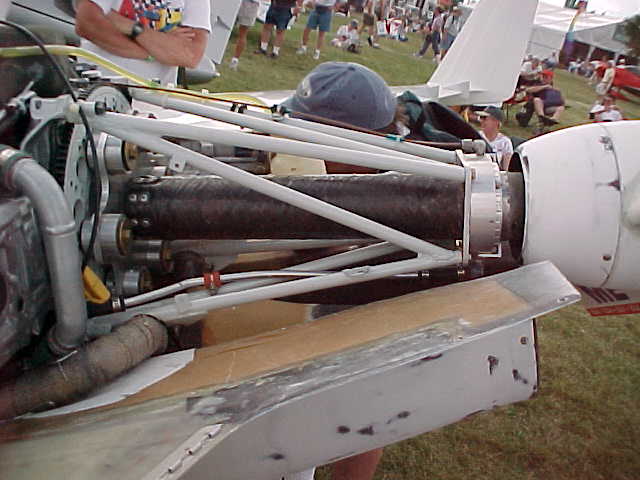
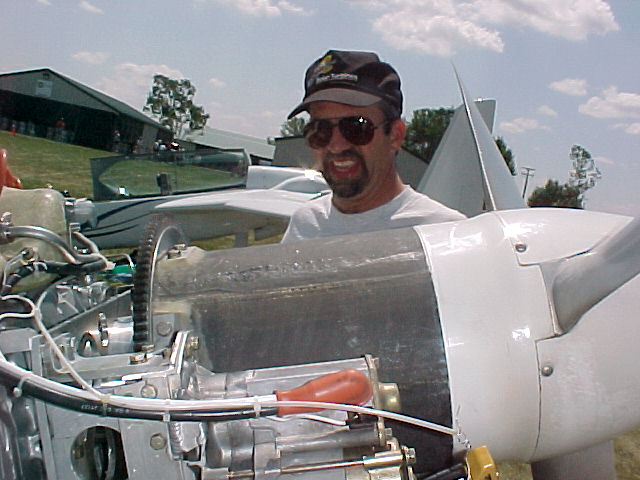
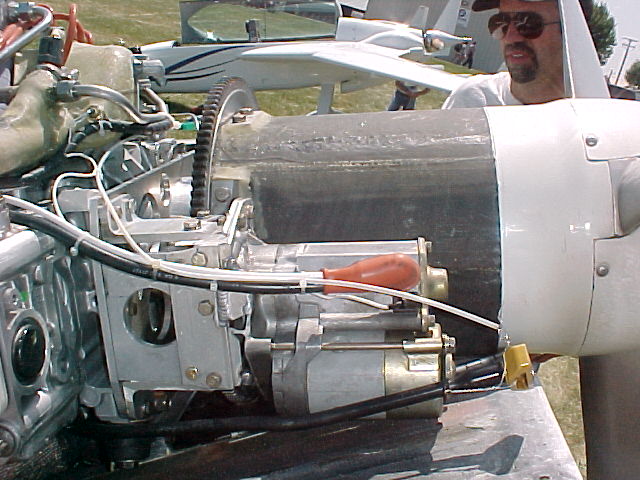
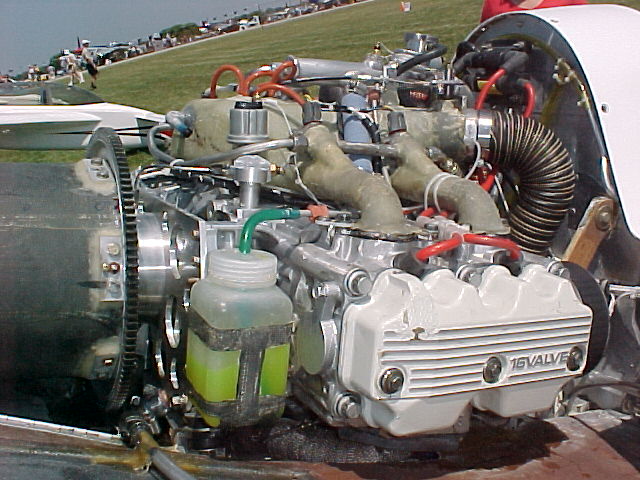
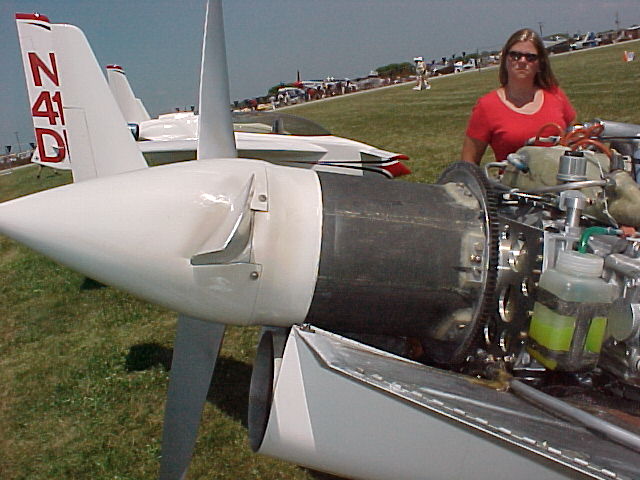
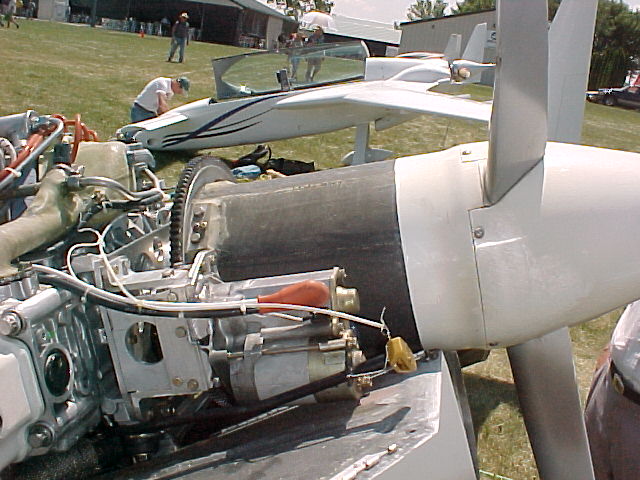
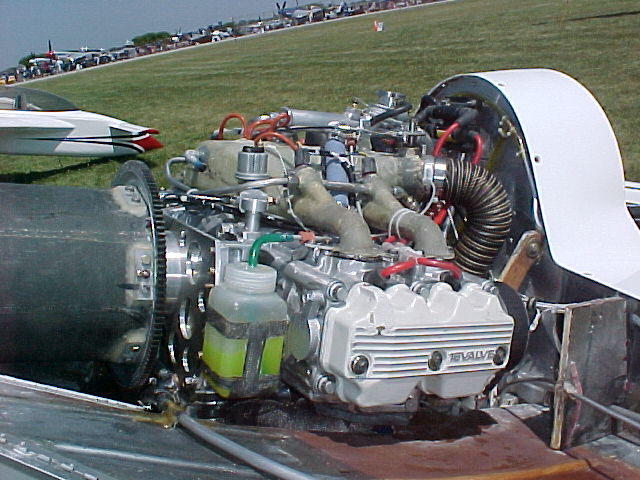
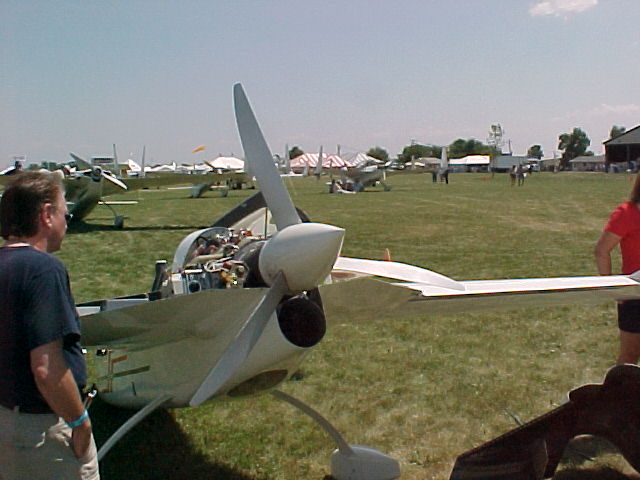
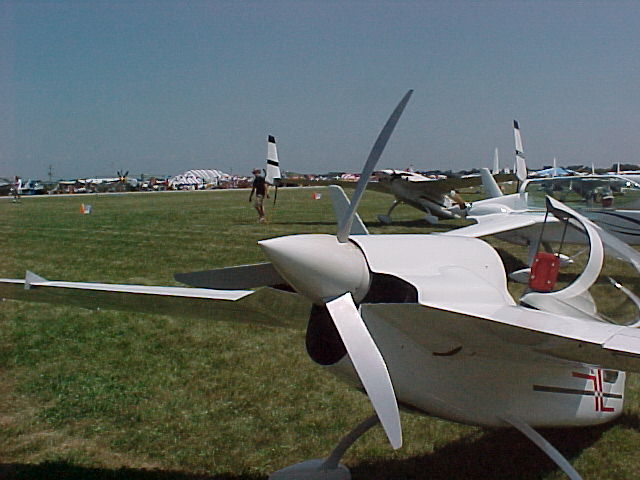
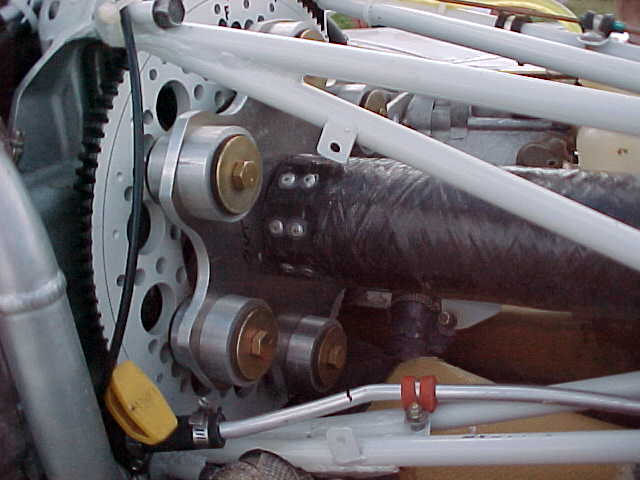
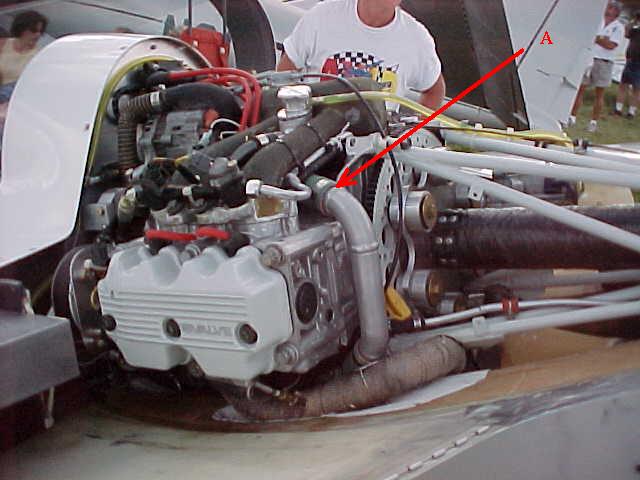
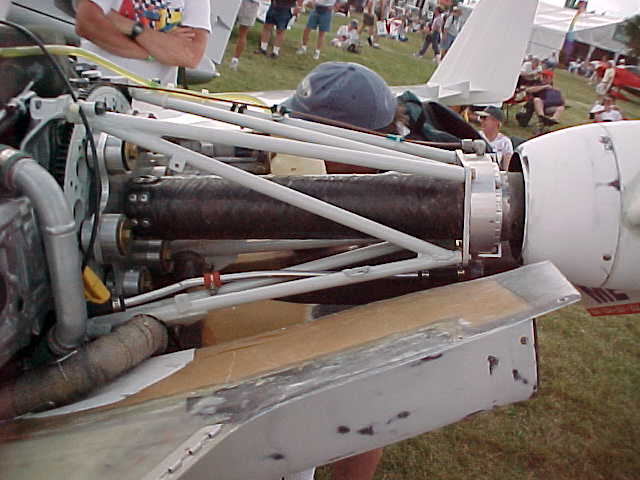
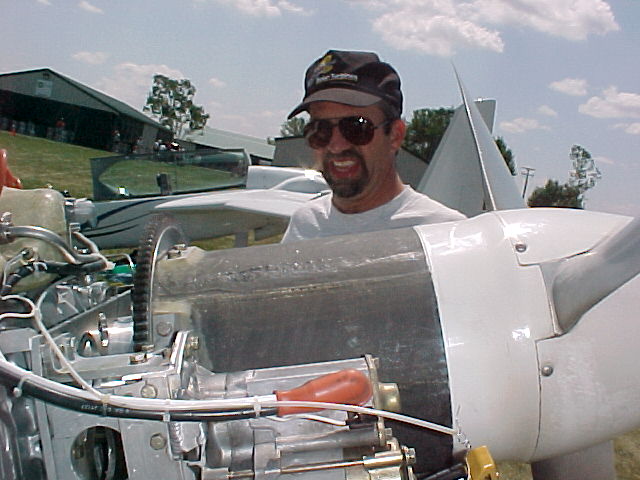
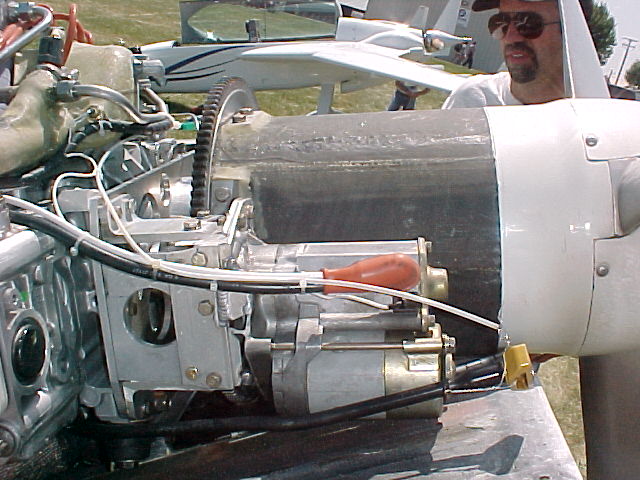
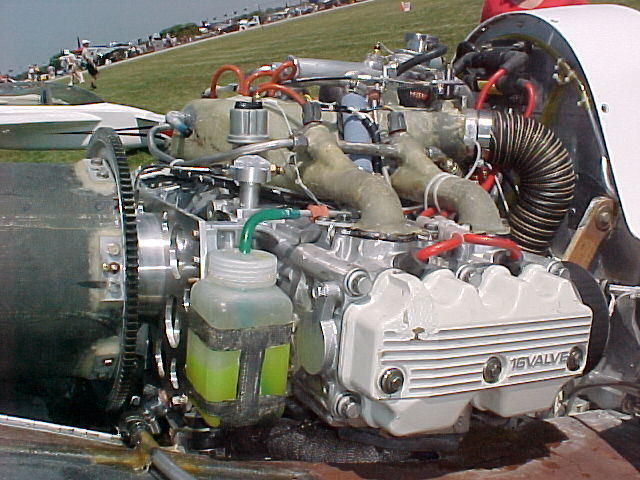
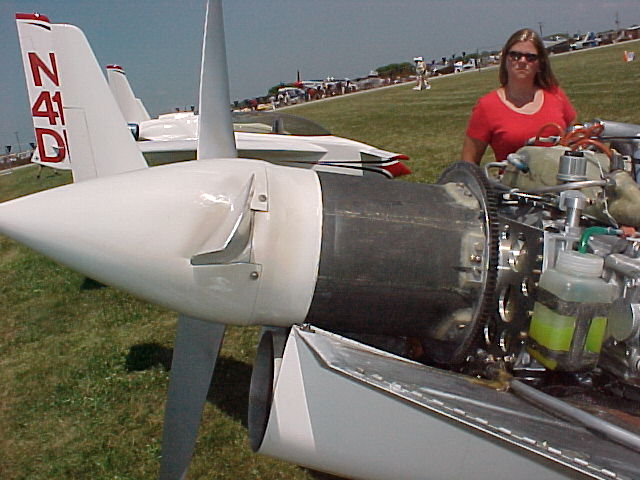
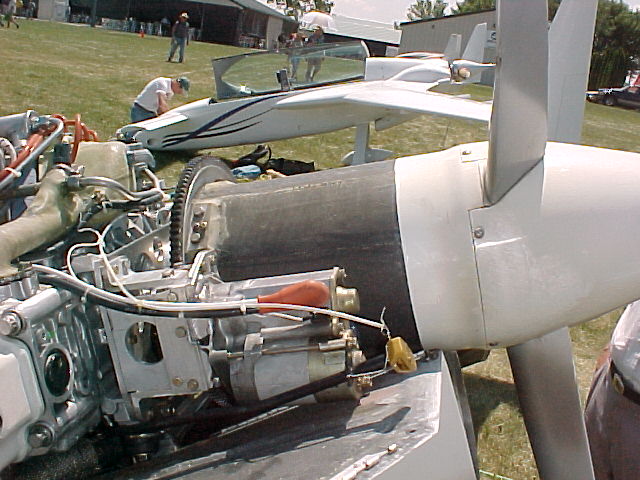
Here are some interesting picture's of Charley Airsman Soob pusher.
Charley is one of the talented and creative engineers that I know.
Very short load paths.
http://www.ce.jhu.edu/perspectives/handouts_unprotected/wk02_stiffness_loadpath.pdf
http://adg.stanford.edu/aa241/structures/structuraldesign.html
One of my drawings made it to this web site :)
https://www.google.com/search?q=load+path+in+aircraft+structures&biw=1074&bih=1679&tbm=isch&tbo=u&source=univ&sa=X&ei=T_qTVMrcI4XiggTipoCwBA&ved=0CGIQ7Ak
http://www.rotaryeng.net/mm-instruct.html
Paul Lamar
The Rotary Engine News Letter. Powered by Linux.
ACRE NL web site.
http://www.rotaryeng.net
You Tube
http://tinyurl.com/beqqxas
Copyright 1998-2014 All world wide rights reserved.