Matt,
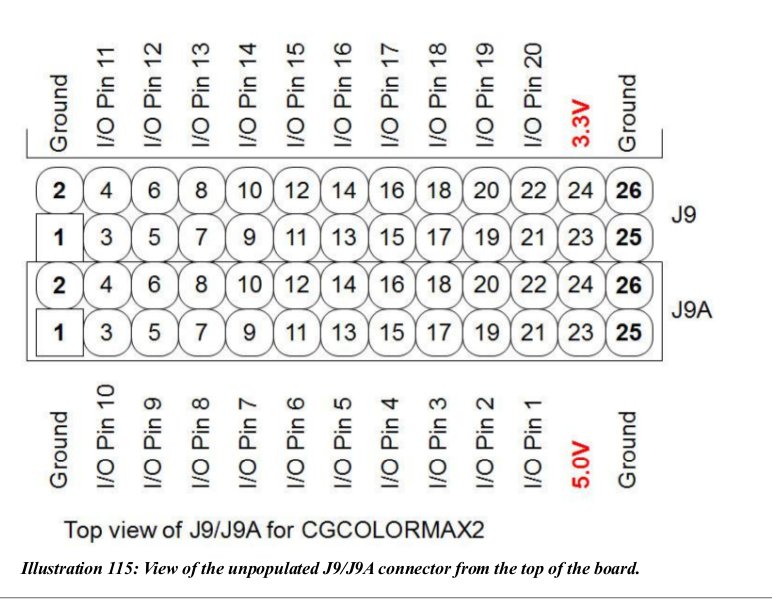
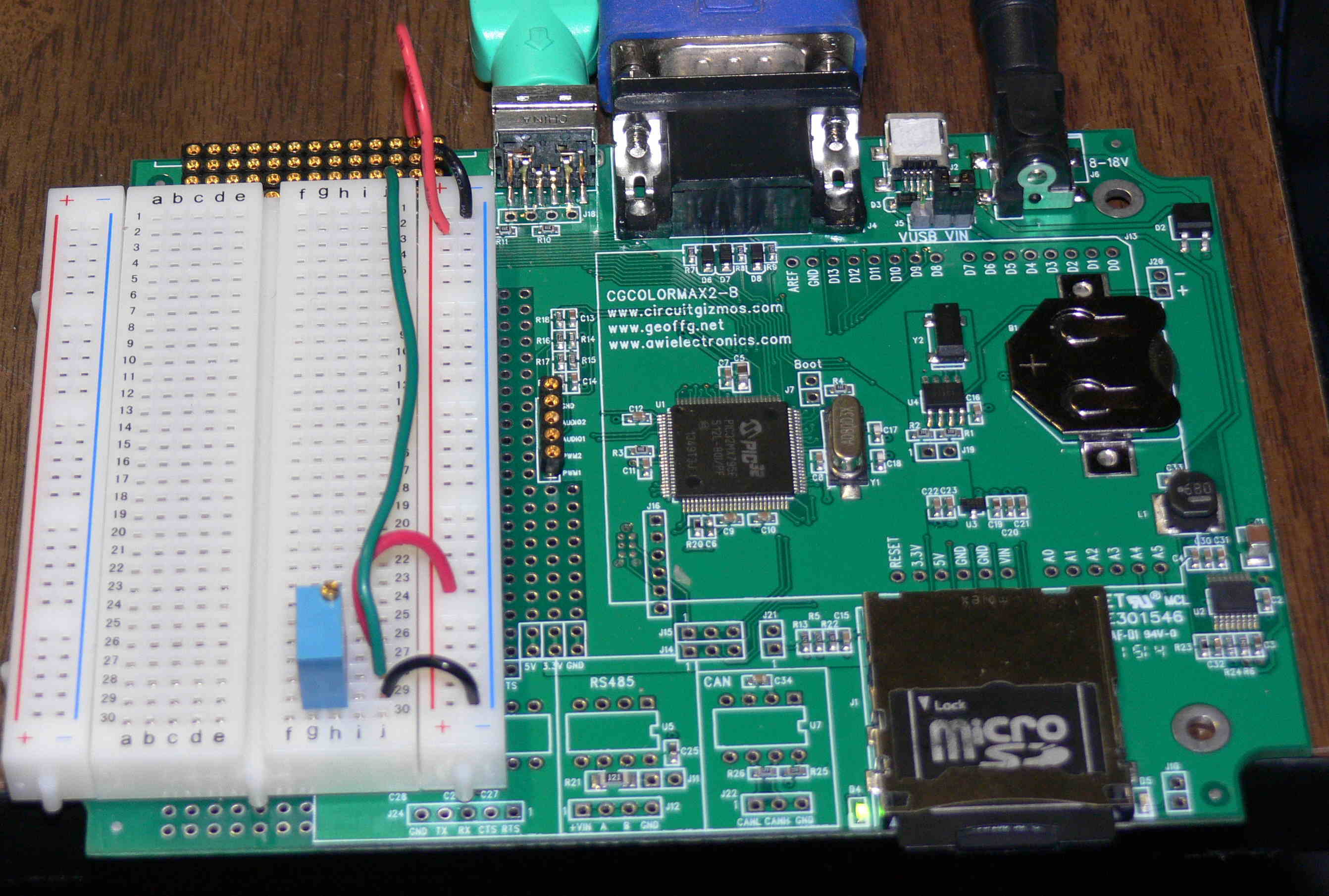
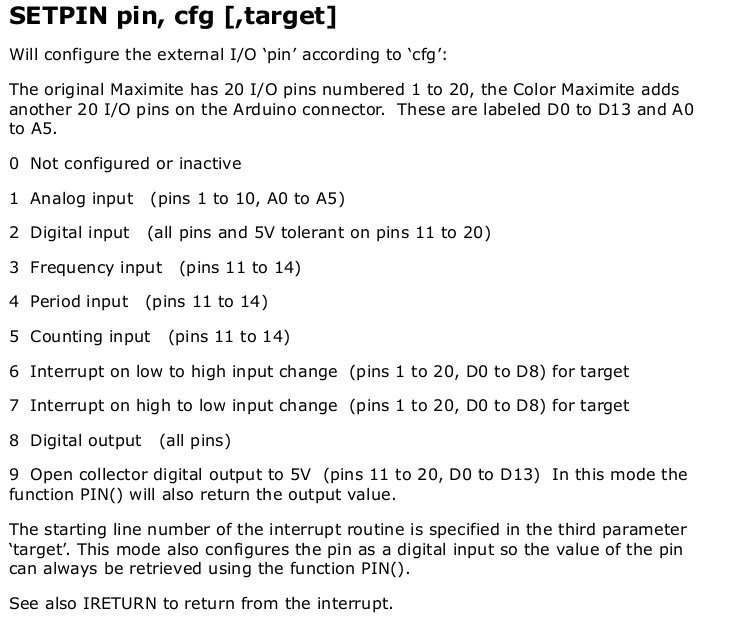
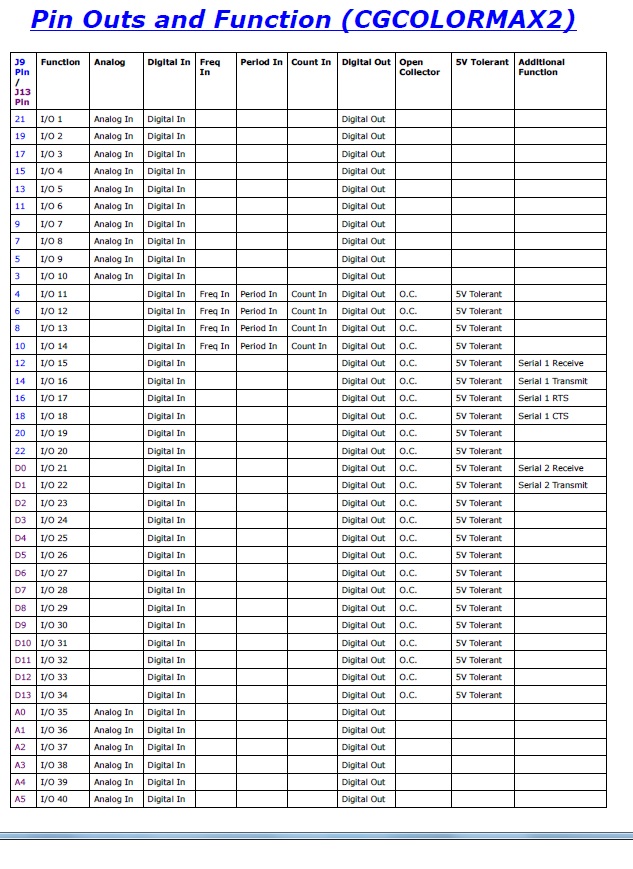
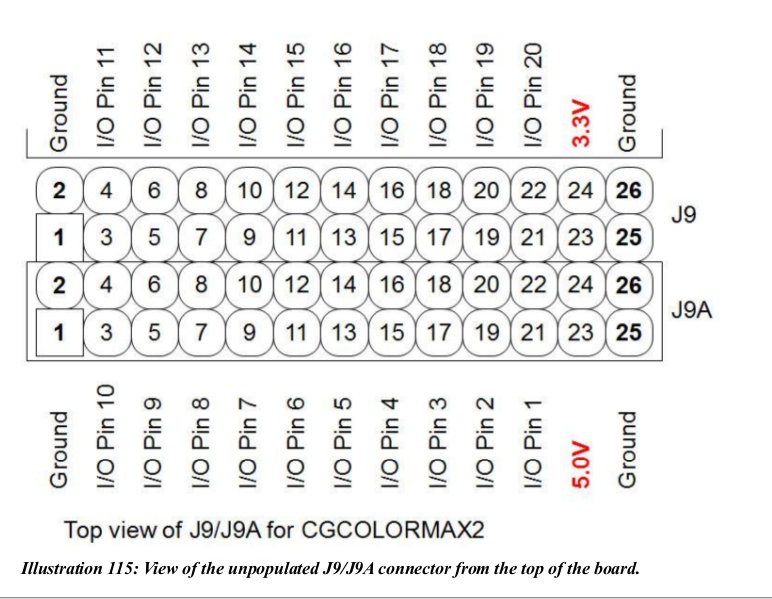
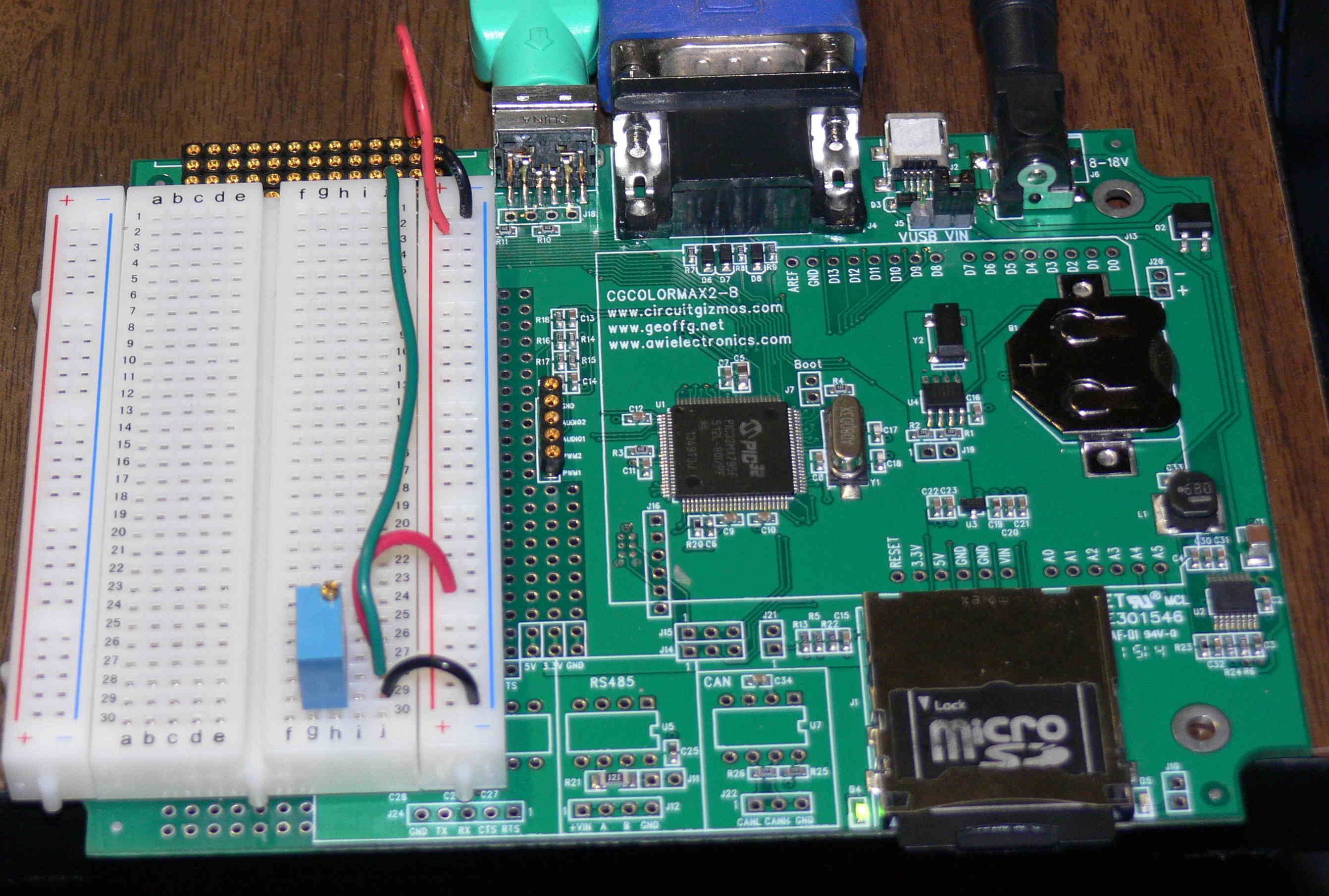
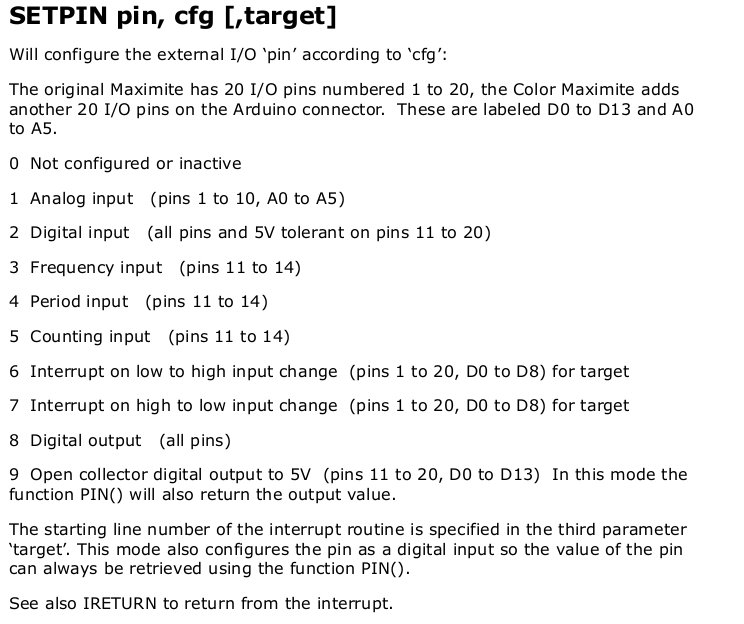
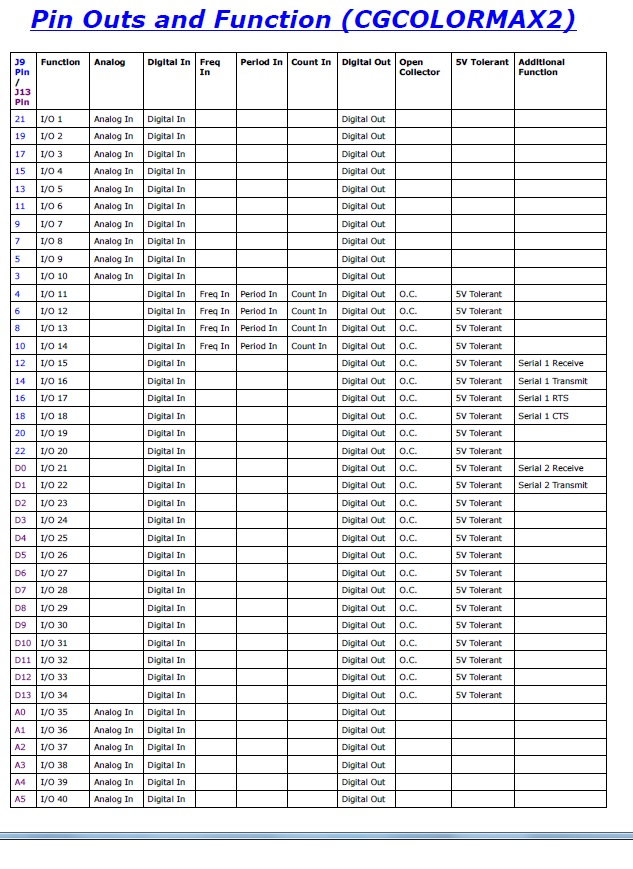
I set mine up for analog on pin 1.
I used a pot off the 3.3 v supply
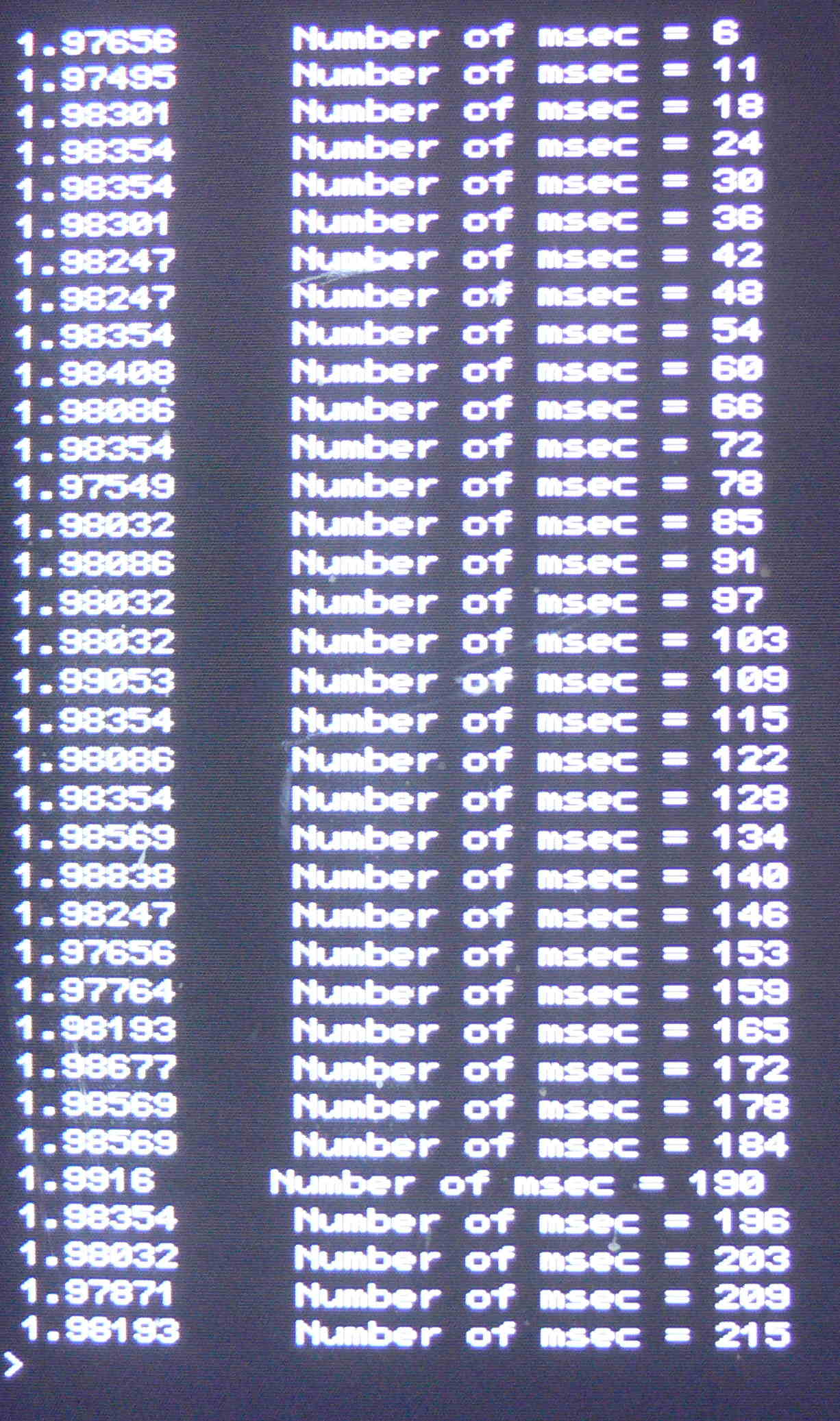
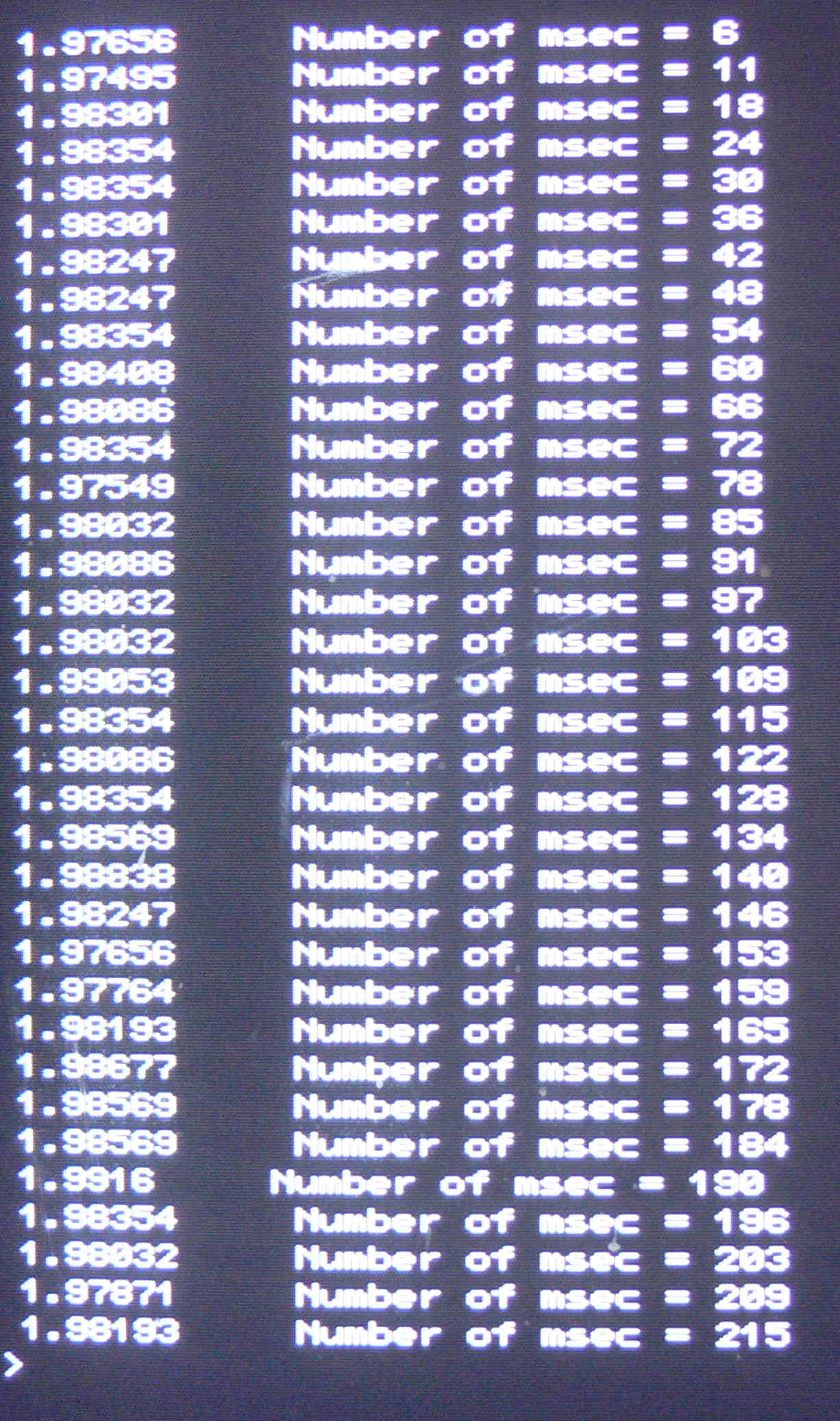
Here is the results.
There is quite a bit of variation in the hundreds of volts.
(.01) I need to look at the 3.3 volt supply with my scope to see
if there is any noise on it.
It also takes about 6 msec for the A to D and the print on the screen.
I'll remove some of the characters sent to the screen and see if that helps.
I suppose saving the data on the SD card would take longer than writing
to the screen. We shall see.
Mode 1
SetPin 1, 1 'set pin 1 to analog in
Timer = 0
For x = 1 To 35
data1=Pin(1)
Print data1;
Print " ";
Print " Number of msec =";
Print Timer
Next x
-------------------------------------------------------------------
As I suspected it took a lot of time to display all those characters.
As a matter fact for an EFIS you want to set a 1 second hardware
interrupt and update
the screen every second. If it has a noticeable blink set the up date
interrupt to a half second update. Then the time to send characters to
the screen
is minimized.
I was curious about how long an actual A to D conversion took so I
wrote this program
and connected by scope to pin 19.
Mode 1
SetPin 19, 8 'setpin 19 to output
SetPin 1, 1 'set pin 1 to analog in
start:
Pin(19) = 1 'put pin 19 high
data1=Pin(1) 'actual A to D conversion
Pin(19) = 0 'put pin 19 low
GoTo start
For the actual A to D it took about 450 usec. Then to go back and set
the pin hi again
it took about 50 usec. This is a BASIC interpreter a BASIC complier for
the Maximite would
be nice. Setting a pin hi and low in a Coridium ARM BASIC compiler happens
in one or two microseconds.
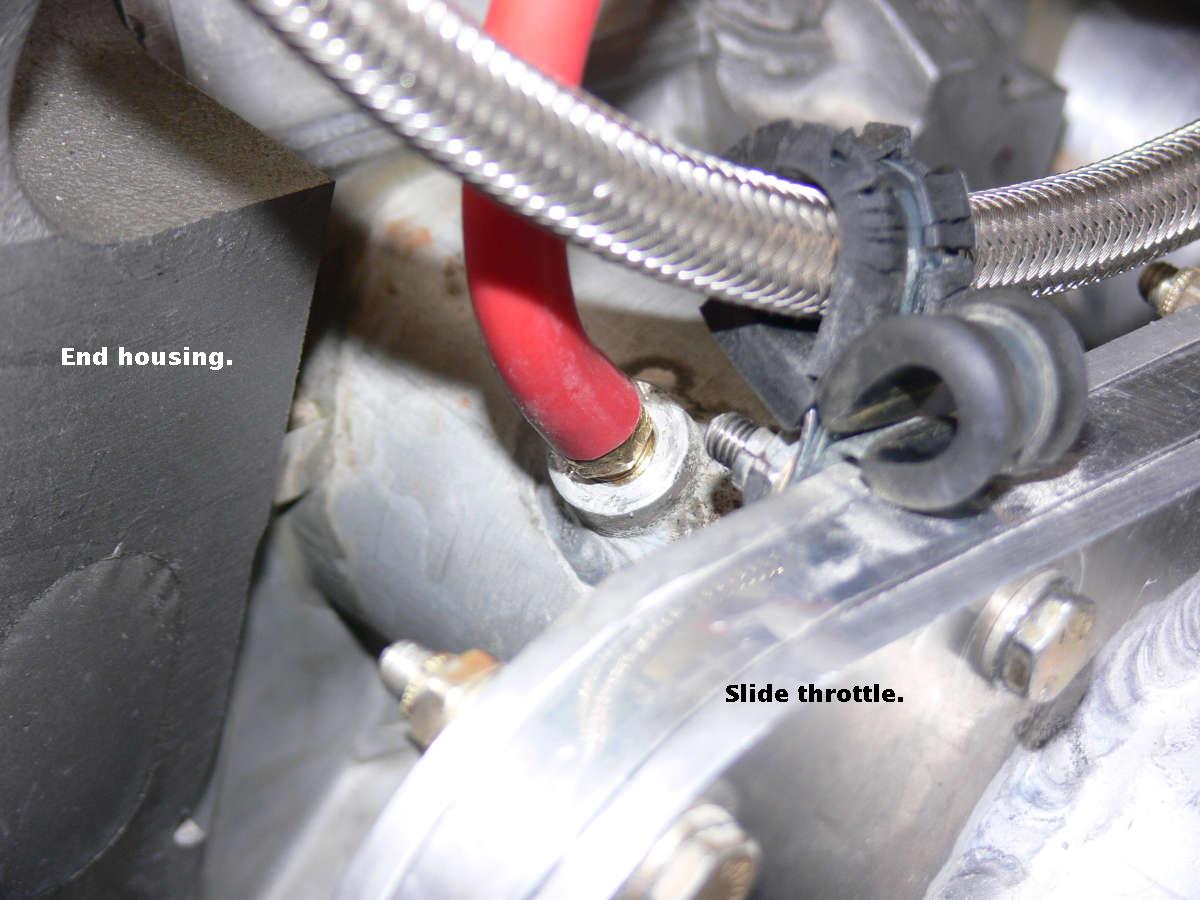
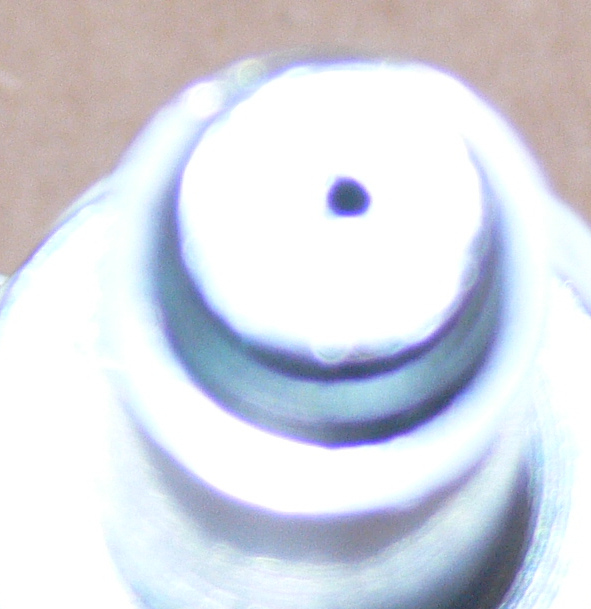
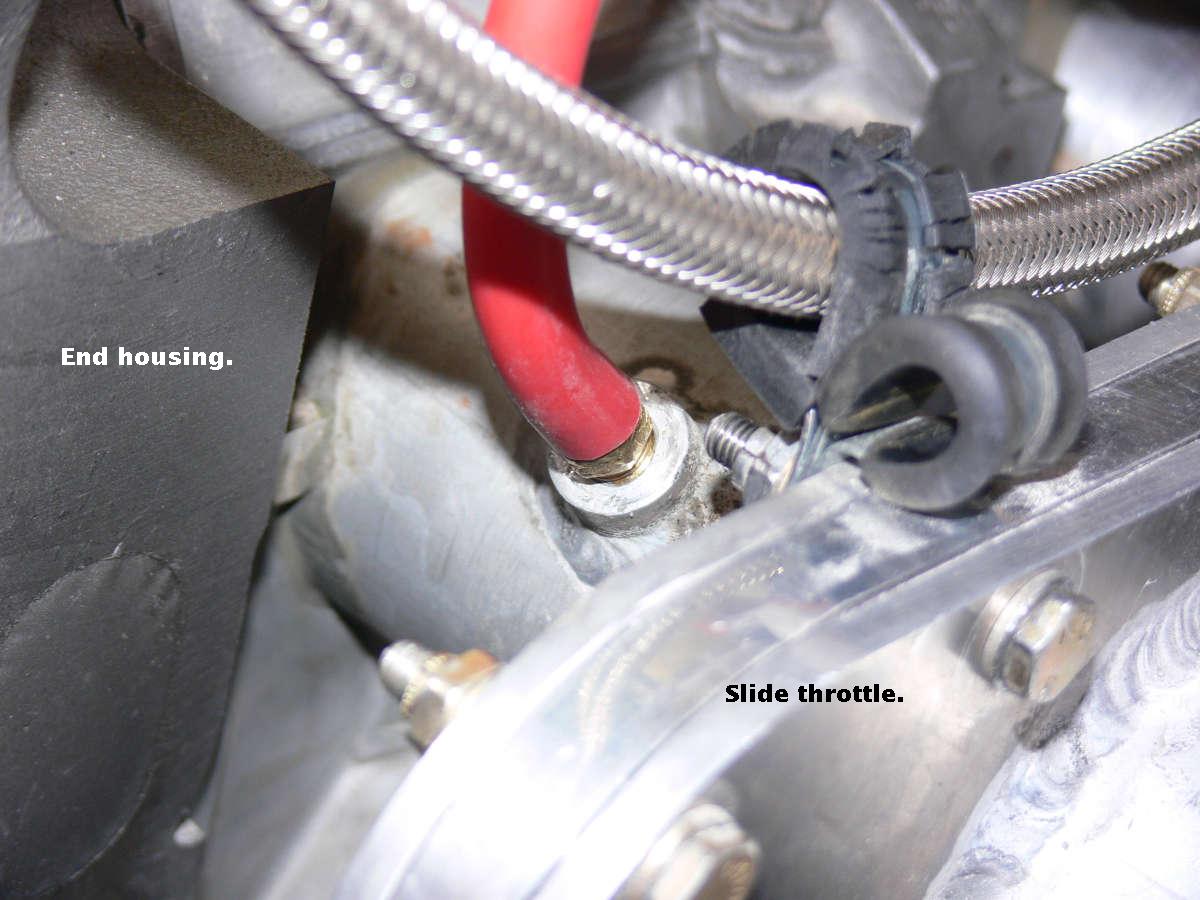
The idea for sampling the manifold pressure at the oil injector hole
should be done
just after the apex seal closes off the p-port. This happens about 90 to
110 degrees
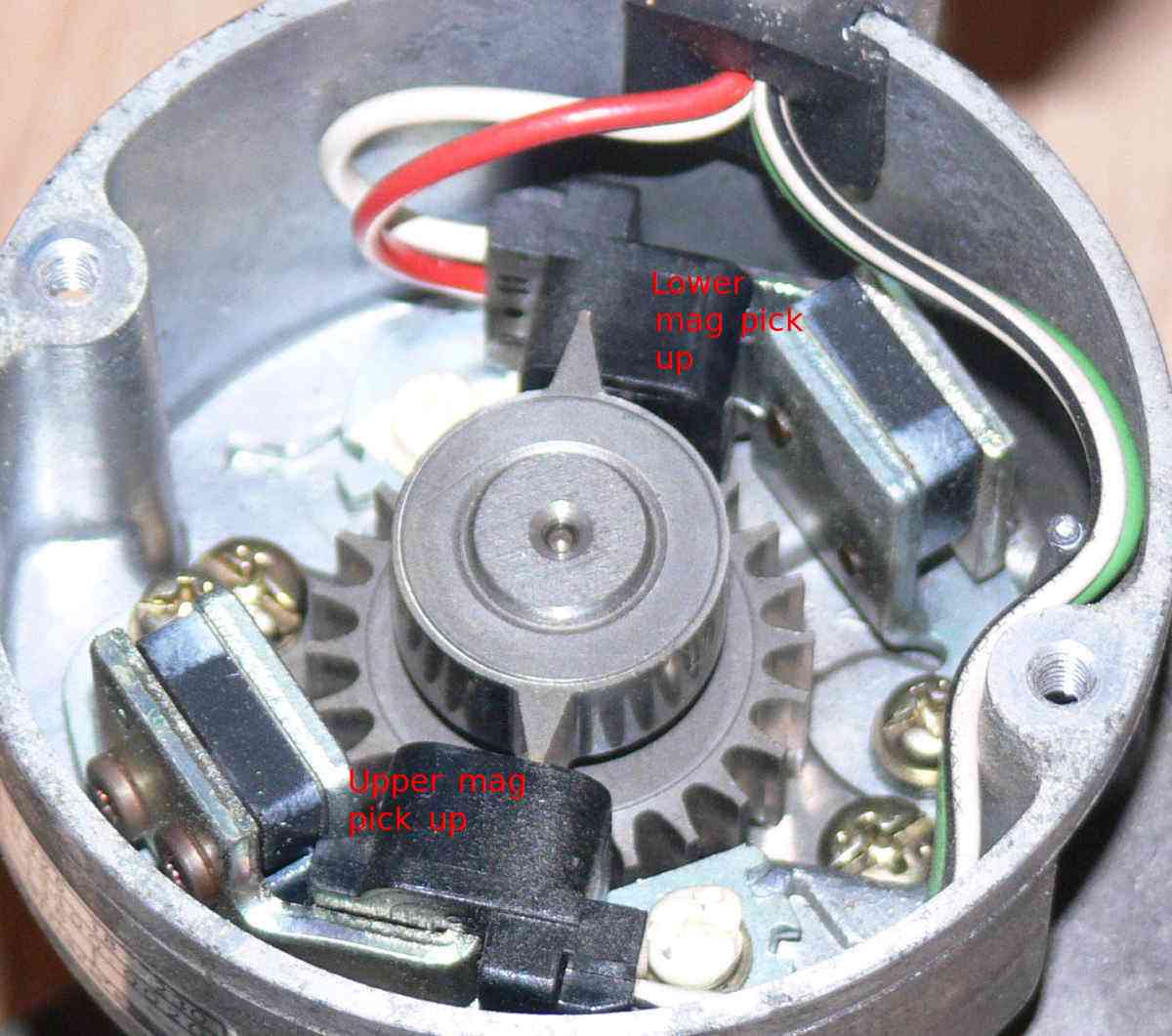
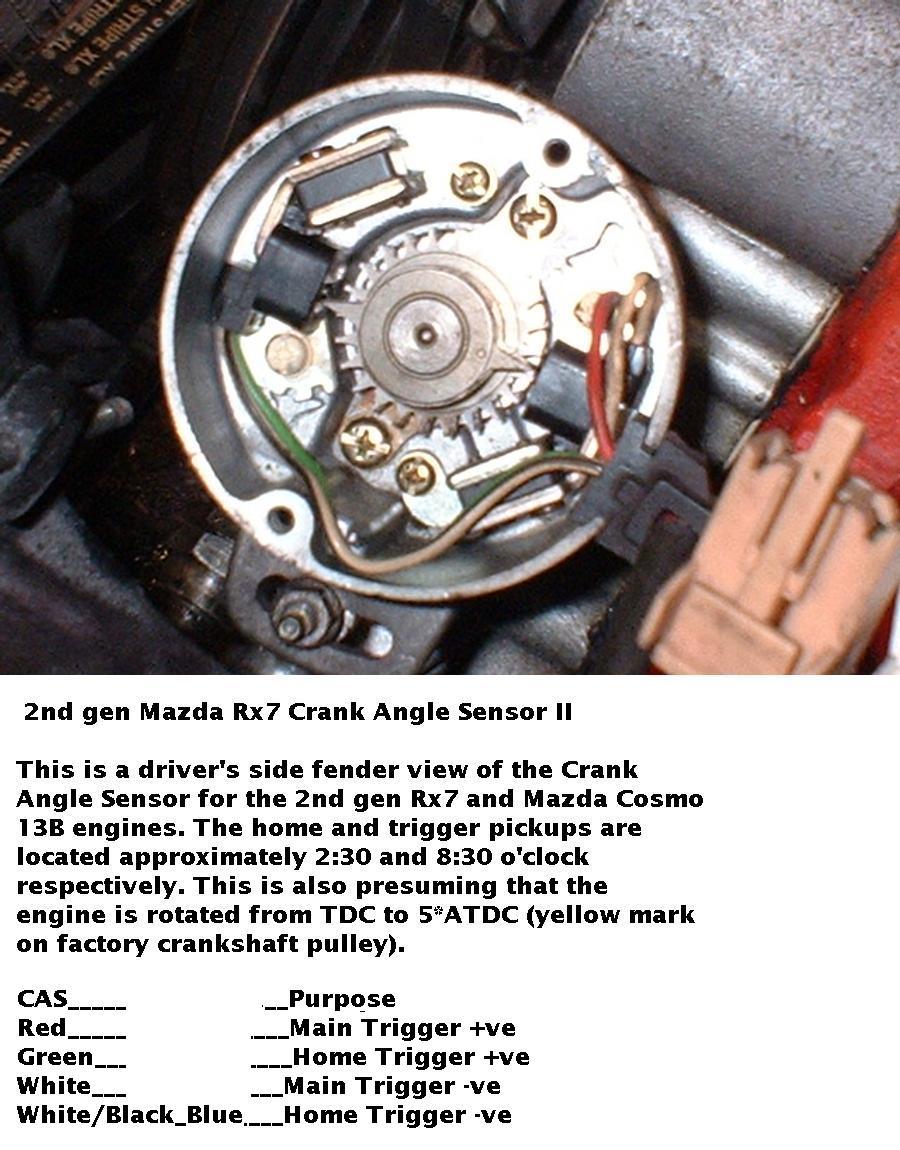
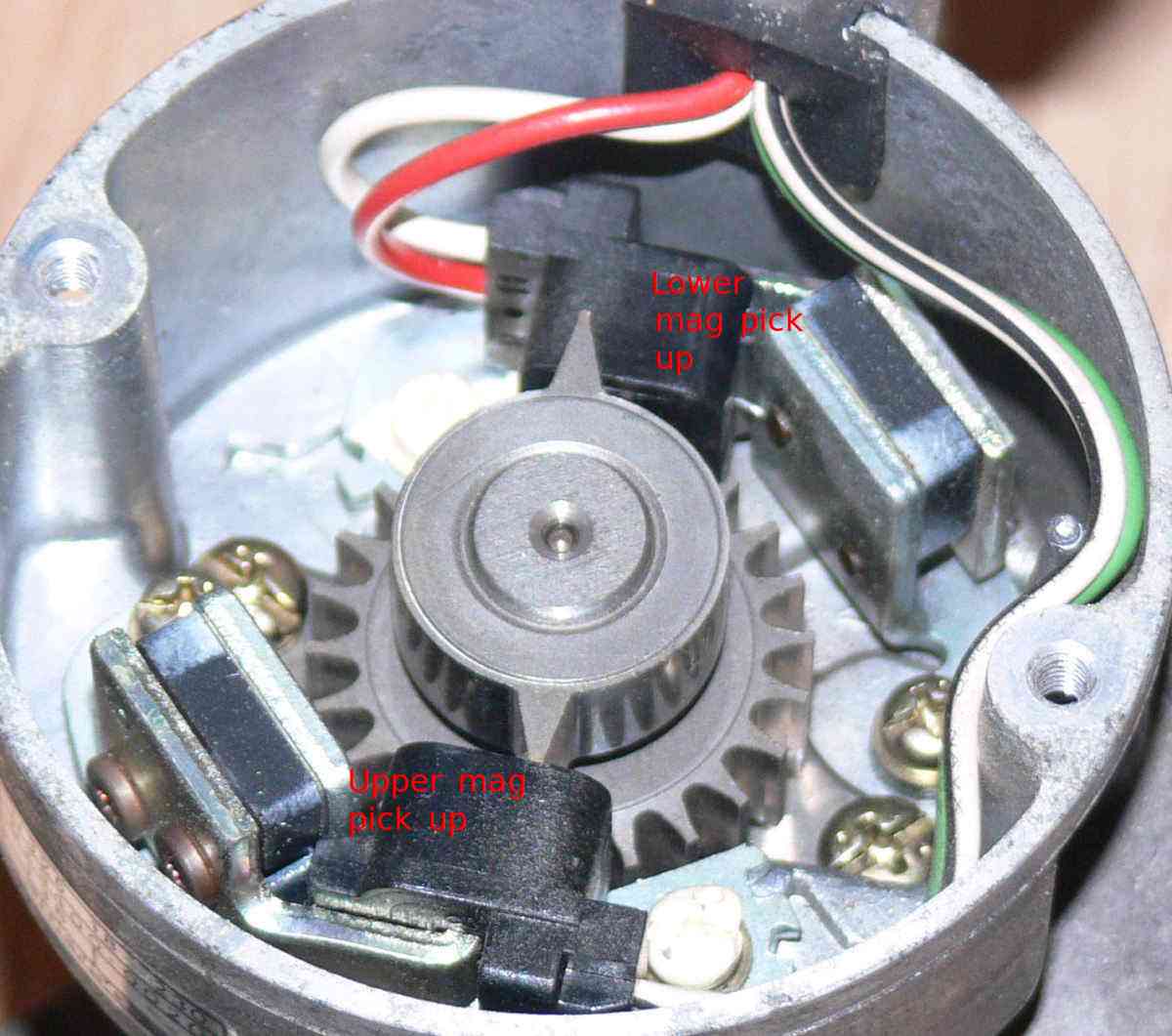
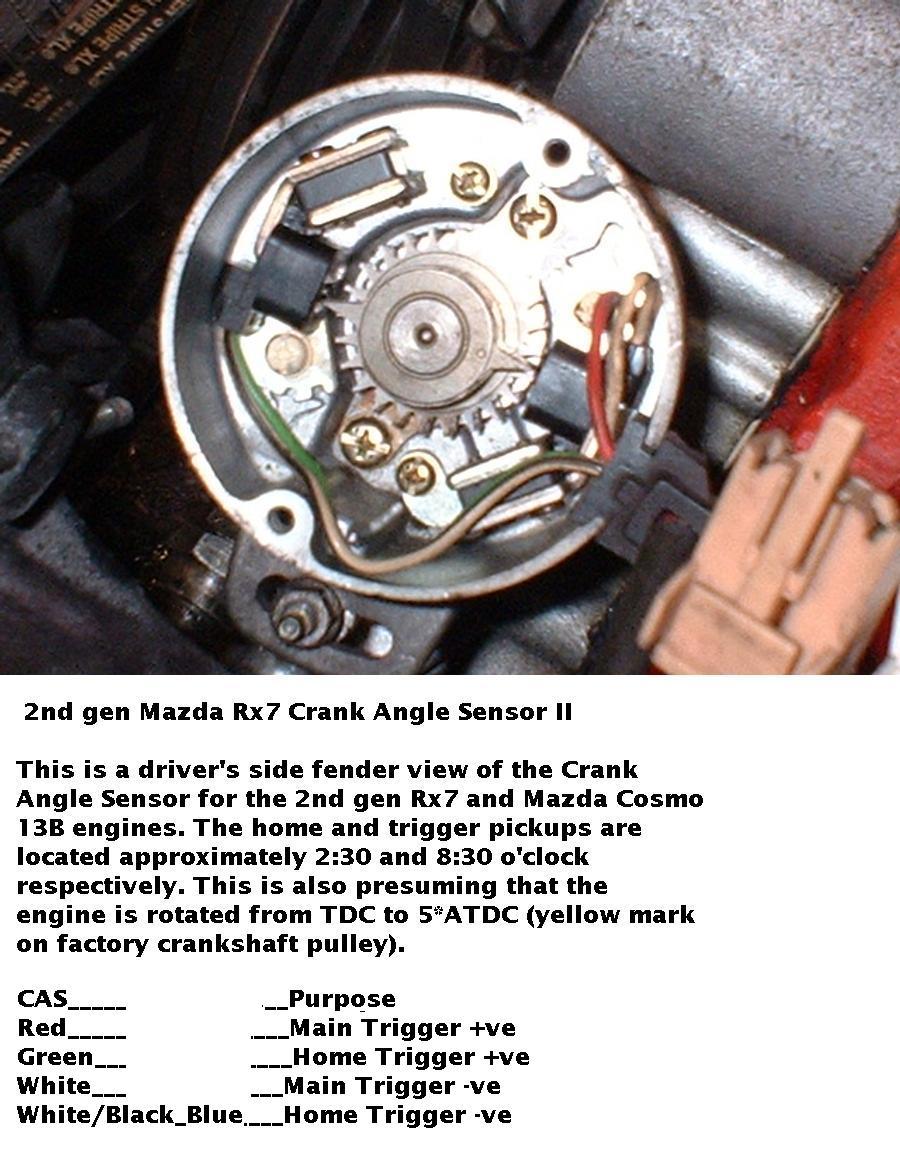
after top dead centre. Since the second gen crank angle sensor has two
triggers
one about 20 degrees BTDC for the ignition and a second trigger every 30
degrees.
(24 teeth running at half e-shaft revolutions.)
This allows you to sample the manifold pressure at the same place in the
intake cycle
every time. That should result in a much more consistent mixture setting.
Tracy never told me when he sampled the MP. I suspect it was at random.
In addition
it varied with the turbulence in the intake manifold so everybody had a lot
of trouble tuning Tracy's EFI system. No two system sampled the manifold
pressure in the same place. The Mustang 2 p-port had the oil injector
hole pressure
tap which yielded more consistent data. If sampled at random you had to use
a container to average out the pressure variations. That was a less
accurate way
of doing it.
Paul Lamar
The Rotary Engine News Letter. Powered by Linux.
ACRE NL web site.
http://www.rotaryeng.net
You Tube
http://tinyurl.com/beqqxas
Copyright 1998-2015 All world wide rights reserved.