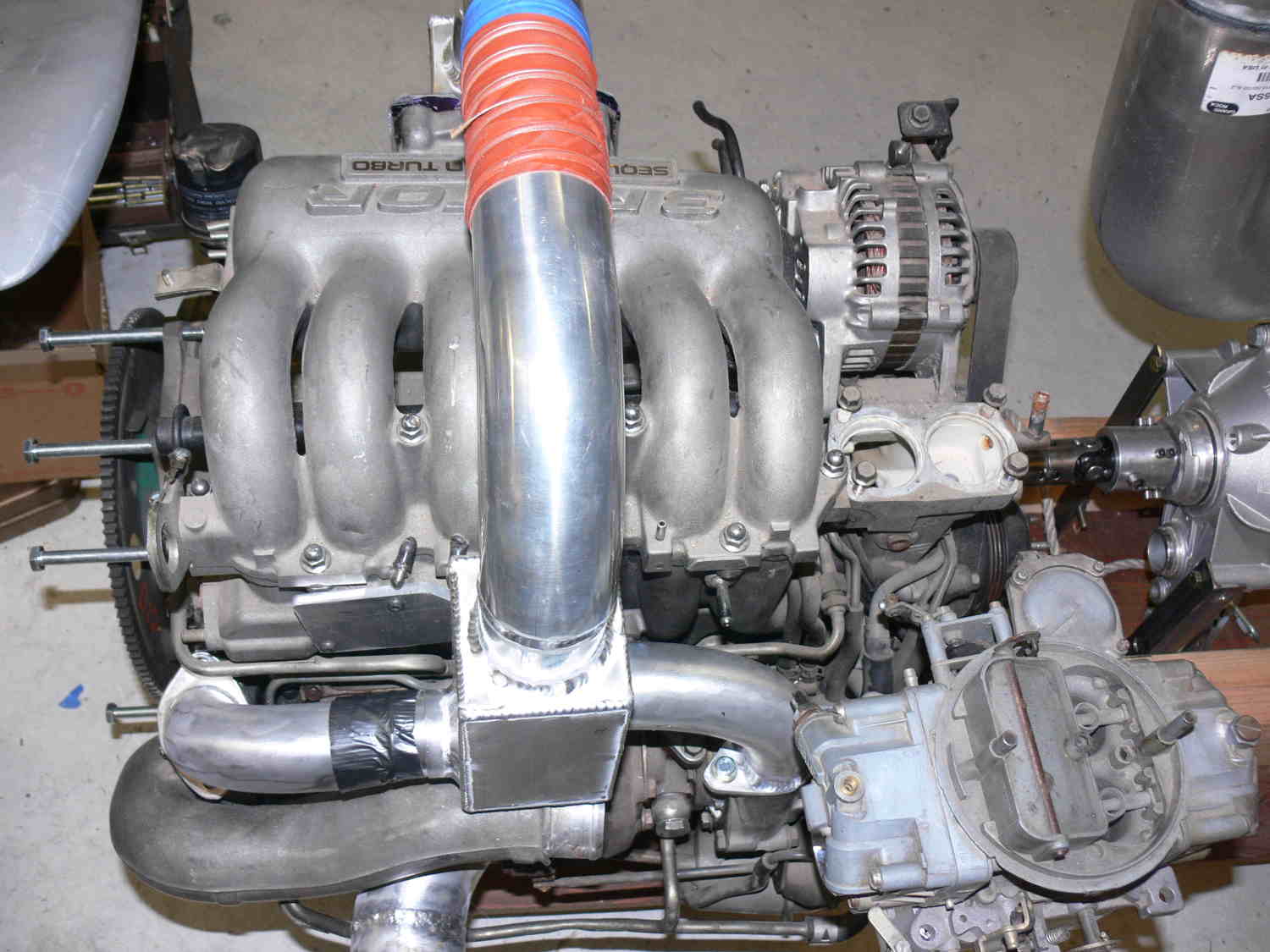
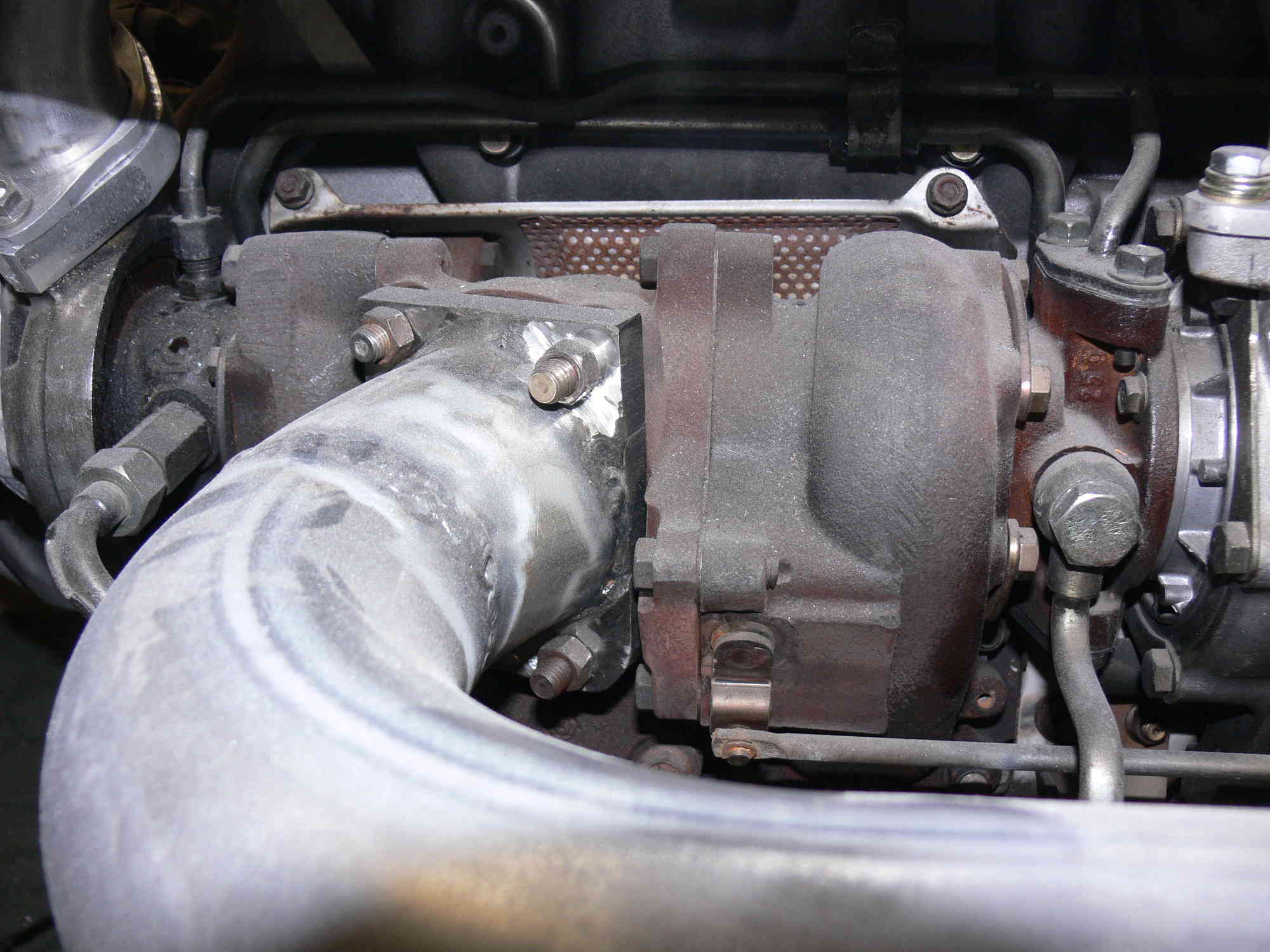
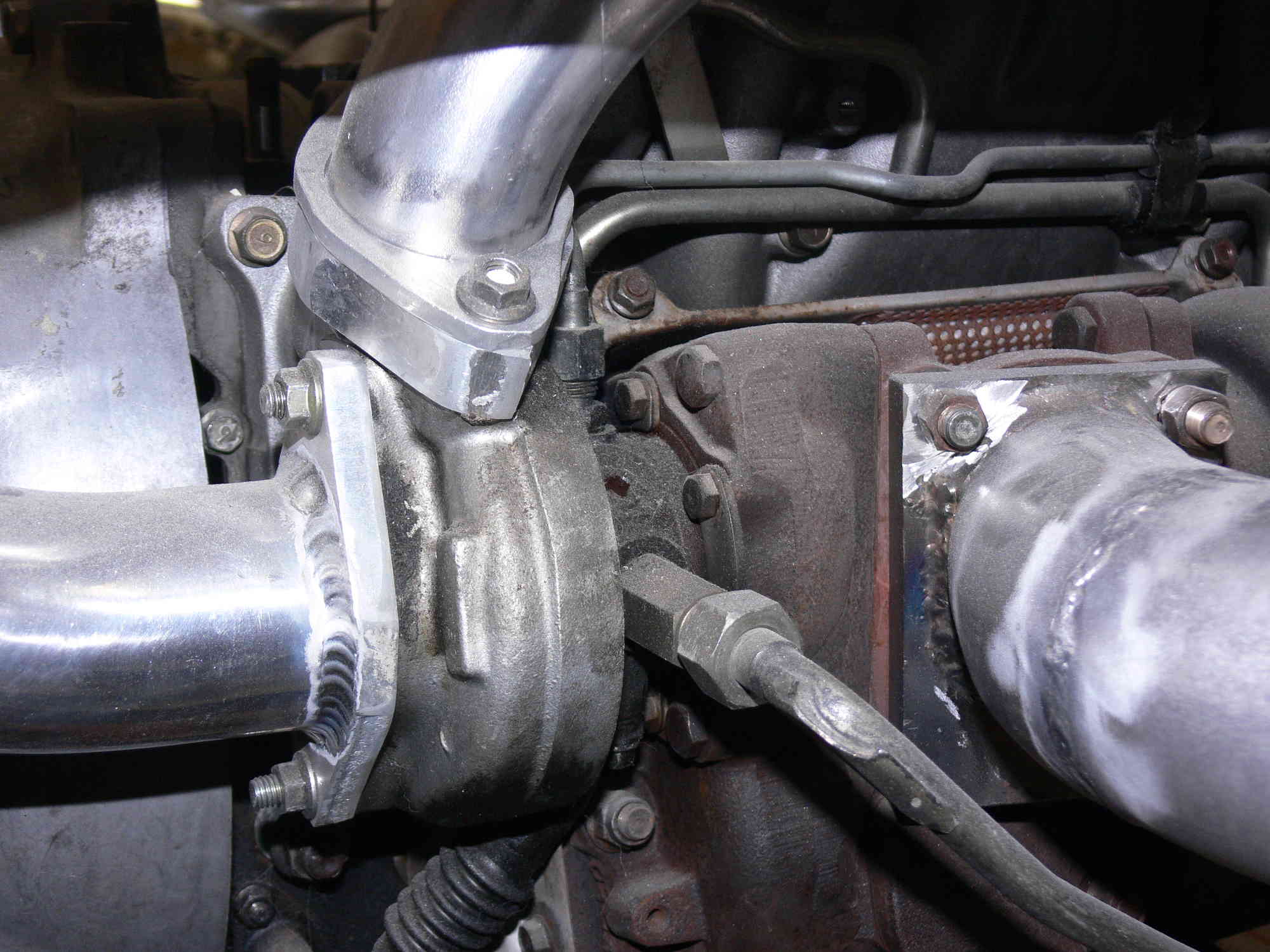
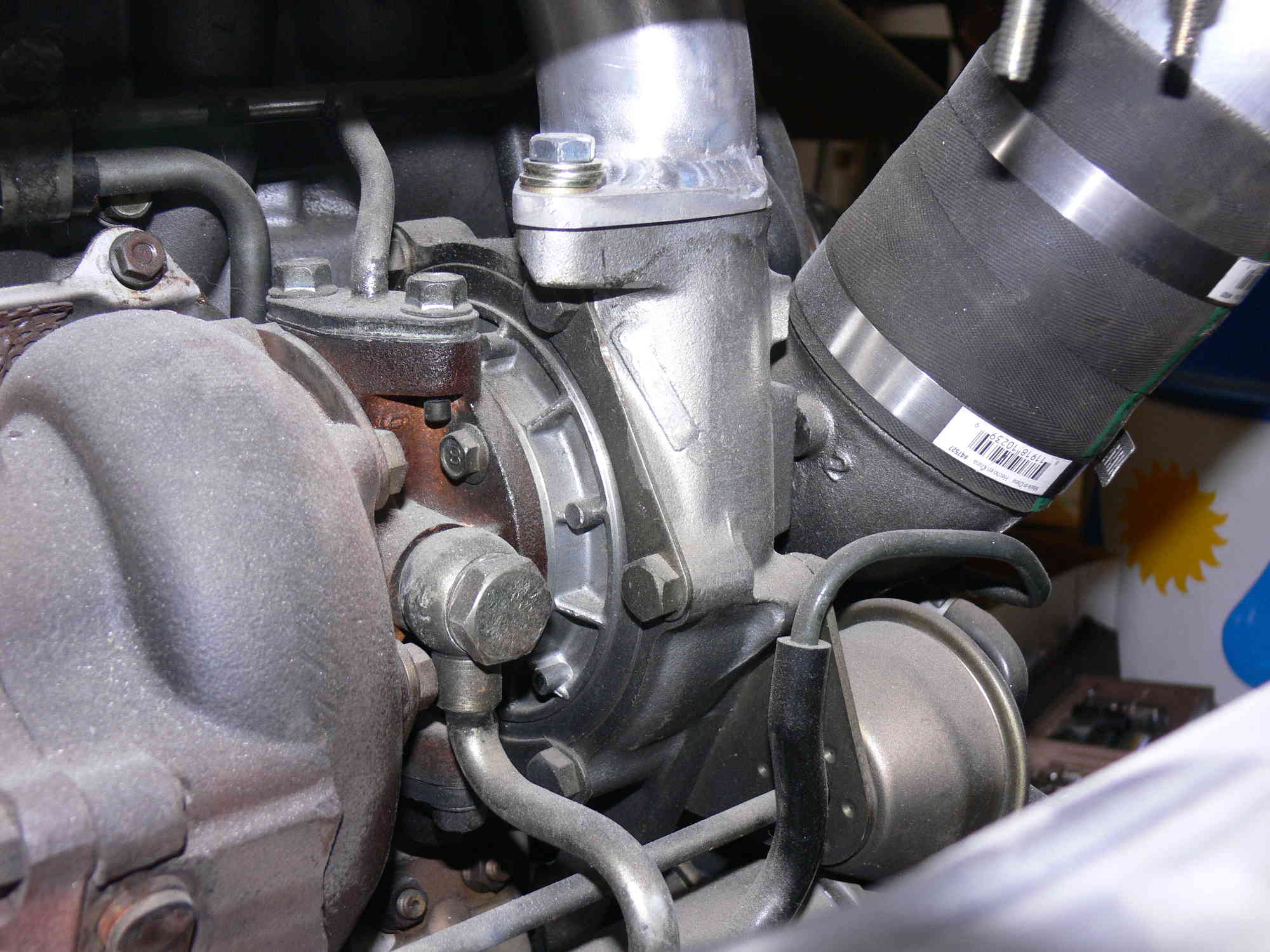
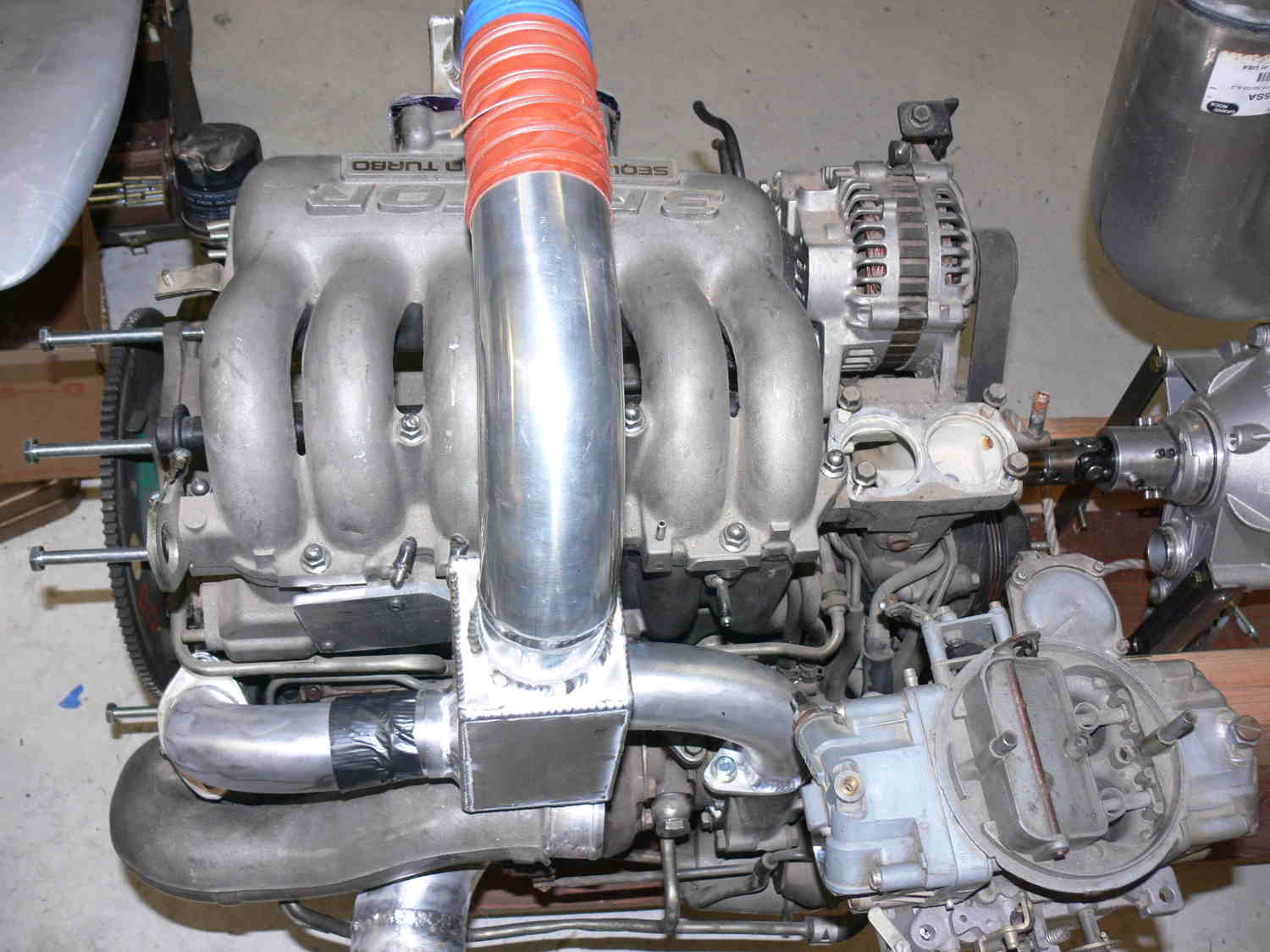
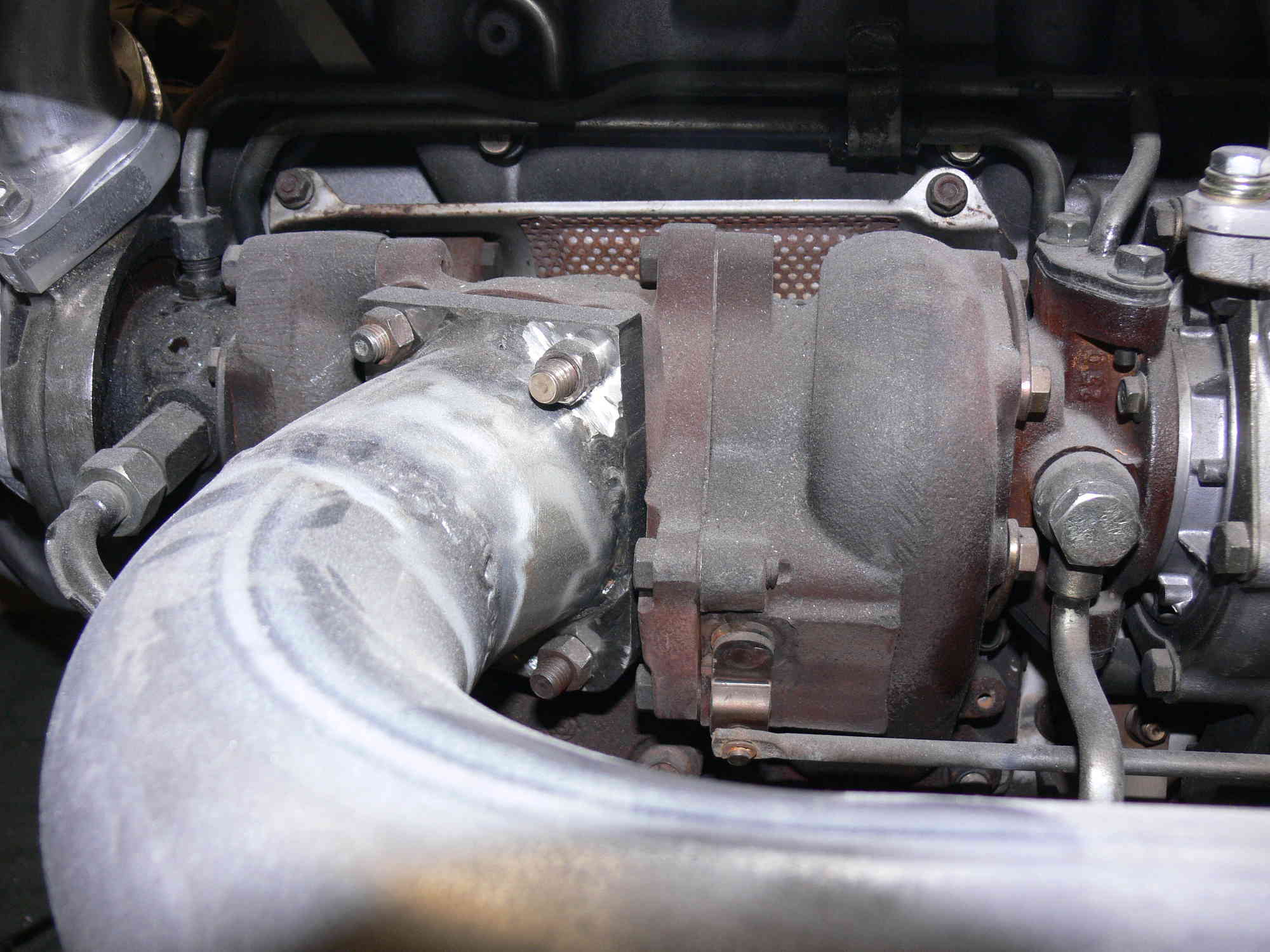
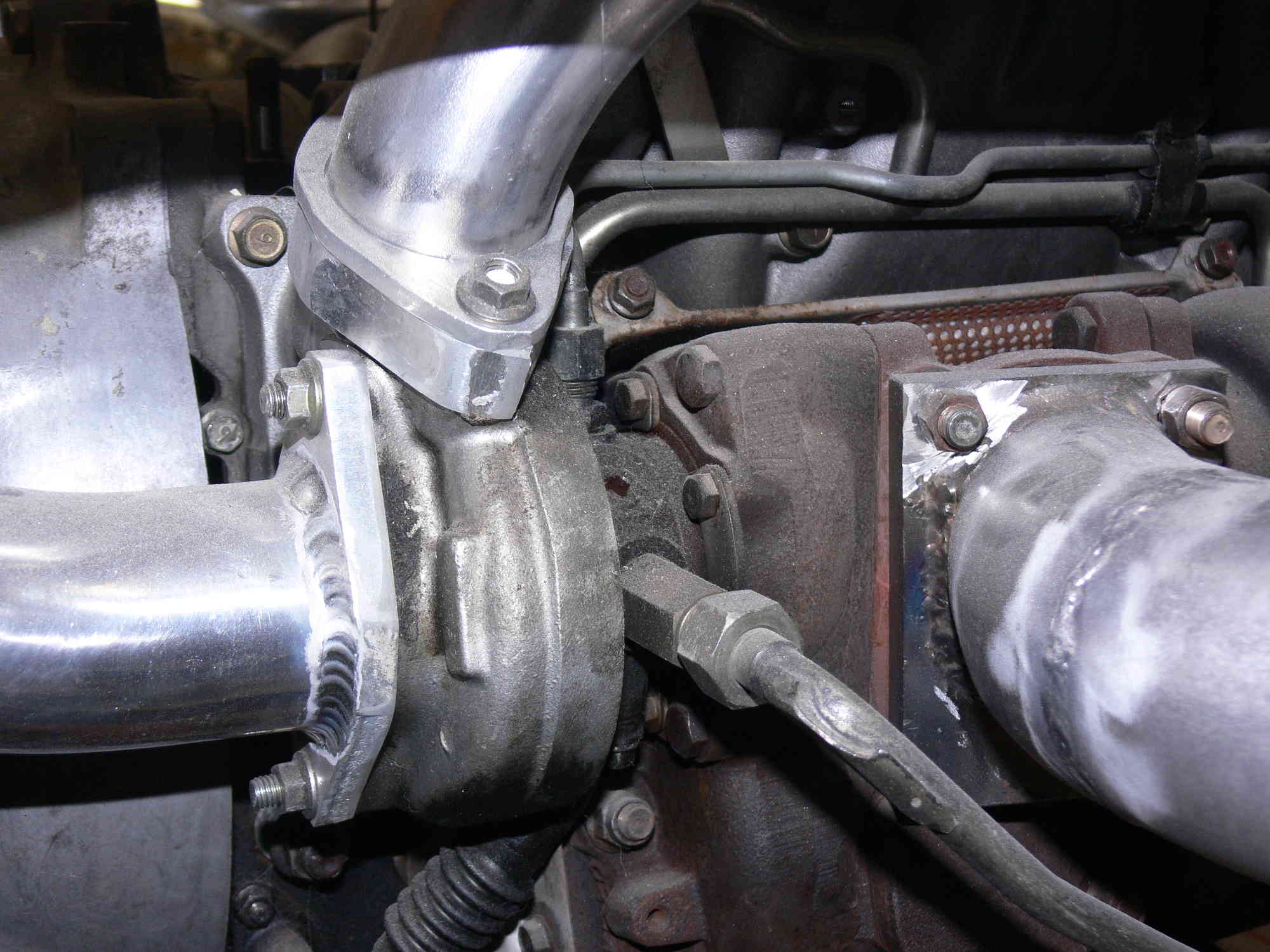
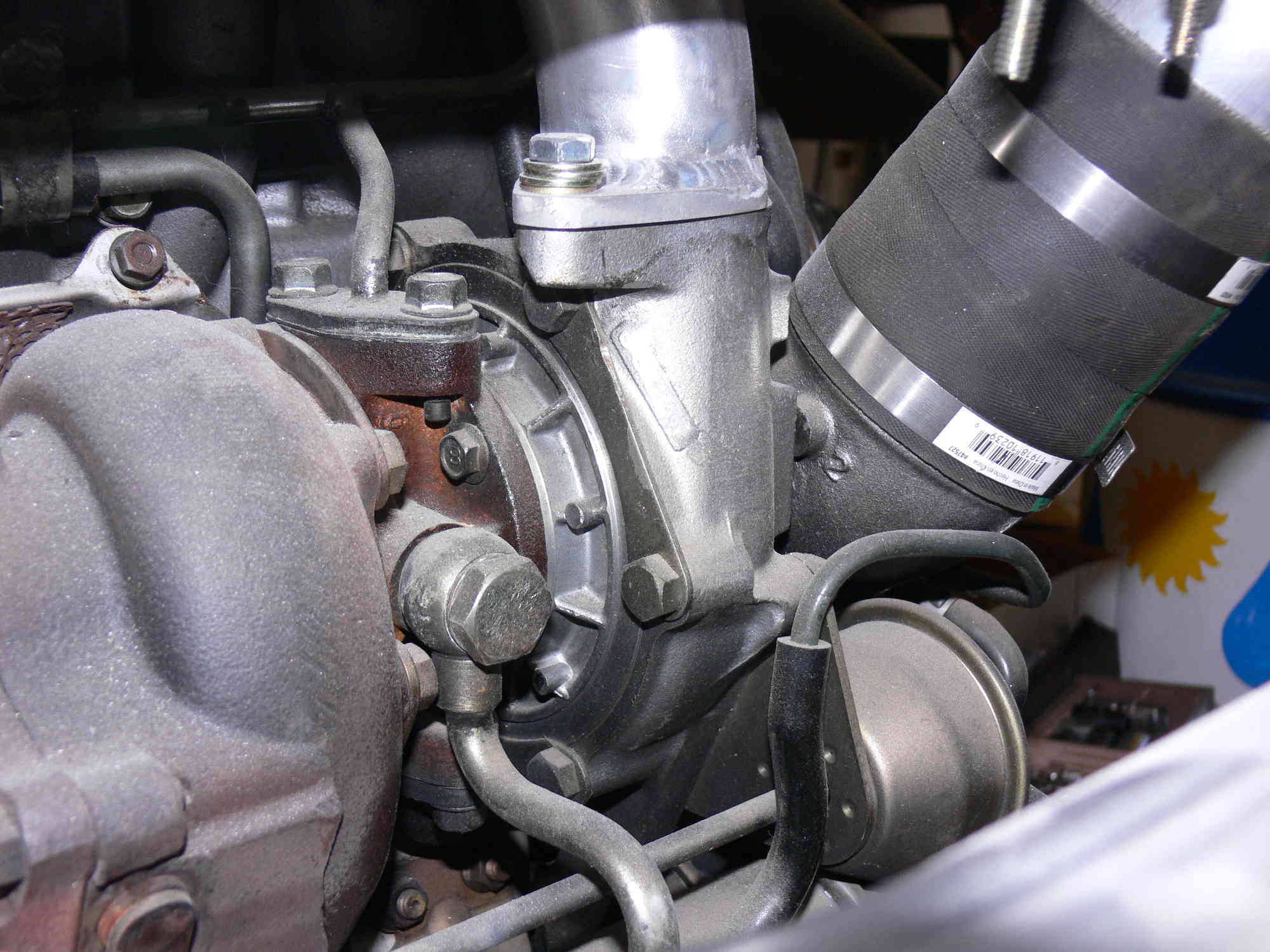
Thanks for the input guys.
Your comments have been taken on board. This is the first aircraft that
I have built; it is a pioneer 300 microlight or to be precise a champion
V by Giuseppe Vidor, scratch built. We are limited in the microlight
class in New Zealand to 600kg or 1320lbs all up takeoff weight. I am
building a single rotor 13b power plant, and using the Racing Beat side
plates, the turbo and fuel injection on a side port seems the best way
to go.
Andrew Campbell
How much horsepower do you expect from the single rotor, FI, turbo
combination?
Joe Spelz
150 HP would be easy.
The neat think about it is the turbo can be bolted directly to the
rotor housing.
Paul Lamar
I am going to mount my turbo behind the engine between the engine and
the firewall like a Piper Seneca. If you would go from the 2" rotor
output to a Y then to a 3" section of pipe then directly into the turbo
inlet you would accomplish 2 important things- the increase in interior
volume of the 3" pipe will allow a reduction in pressure and velocity.
The pressure reduction will force a substantial amount of cooling to
occur and the decrease in velocity will reduce the exhaust noise. The
problem with the rotary turbos has been the excessive heat involved from
continuous high HP operation. Moving the turbo downstream a bit will
help with this.
I don't know of any certified turbo airplane that has the turbos that
close to the engine. The Corvalis TT has then 18 inches away from the
cylinders and back toward the firewall and has one smaller one on each
side. The Seneca II has one in the center behind the engine fed from
both sides and dumped overboard with a single pipe.
There is a known problem with exhaust temp and velocity with these
engines, and this is one way to address it.
KA
All true but you lose overall kinetic energy.
The 280 HP third gen RX7 and the 350 HP 20B 3 rotor had the turbo's
right up against the rotor housings.
There is a SS heat shield between the turbine housing and the rotor
housings.
On an horizontal opposed air cooled aircraft engine the cylinders and
the exhaust ports are so far apart
it is difficult to design a smooth exhaust manifold for a turbo anywhere
near the cylinders.
Even dual turbo's.
Paul Lamar
The Rotary Engine News Letter. Powered by Linux.
ACRE NL web site.
http://www.rotaryeng.net
You Tube
http://tinyurl.com/beqqxas
Copyright 1998-2015 All world wide rights reserved.