http://www.kitplanes.com/issues/32_6/flight_reports/Turbine-Powered-RV-10_21268-1.html
It amazes me what people will put up with to burn kerosene. .82
lb/(hp-hr) and they talk like its the greatest thing since sliced
bread. 19 gph! compared to 11.5 running lean with the IO-540.
The world really really needs a heavy-fuel-burning rotary!
And this article - is Amy smart enough to realize that if the CG
difference makes the plane feel so much different than her IO-540 RV-10,
it might mean there could be an aft CG issue with 4 people and bags?
Might that be something to discuss in a flight review article?
David Bonorden
I would never buy one. Diesel fumes stink and they are carcinogenic.
Packard figured that out in 1930"s. The power to weight ratio sucks.
Diesel should only be used in trucks and ships. The only reason
it is popular in European cars is the tax is a dollar a gallon less.
If they taxed it as high as gasoline ($7 or$ 8 gallon) it would seriously
affect the European economy.
----------------------------------------------------------------------------
C172 gasoline verses C172 diesel data from the Cessna web site.
Diesel fuel is a pound heavier than gasoline.
Gas is six pounds per gallon and diesel is 7 pounds per gallon.
44.6 gallons of diesel weighs 312 pounds of fuel.
Max useful load on a Diesel C172 is 742 pounds.
Subtract the full fuel weight and you get 430 pounds.
Range is 588 nm. 85% power is 132 HP.
Cruise speed at 85% power is 118 kts or 5 hours.
8.9 gallons an hour or 62.5 pounds per hour.
BSFC is therefore .47. Not a lot different than a fully leaned Mazda
rotary.
And typical for a diesel engine running near full power.
How can this be?
Everybody knows that diesel cars get much better mileage than gasoline
powered cars. The fact is diesel engines running near full power are
not much better than gasoline engines based on a HP per pound
of fuel burned. See the attached chart.
A leaned Mazda rotary at 132 HP would be about the same BSFC but the
gallons
per hour would be higher at 62.5/6 or 10.4 gallons per hour.
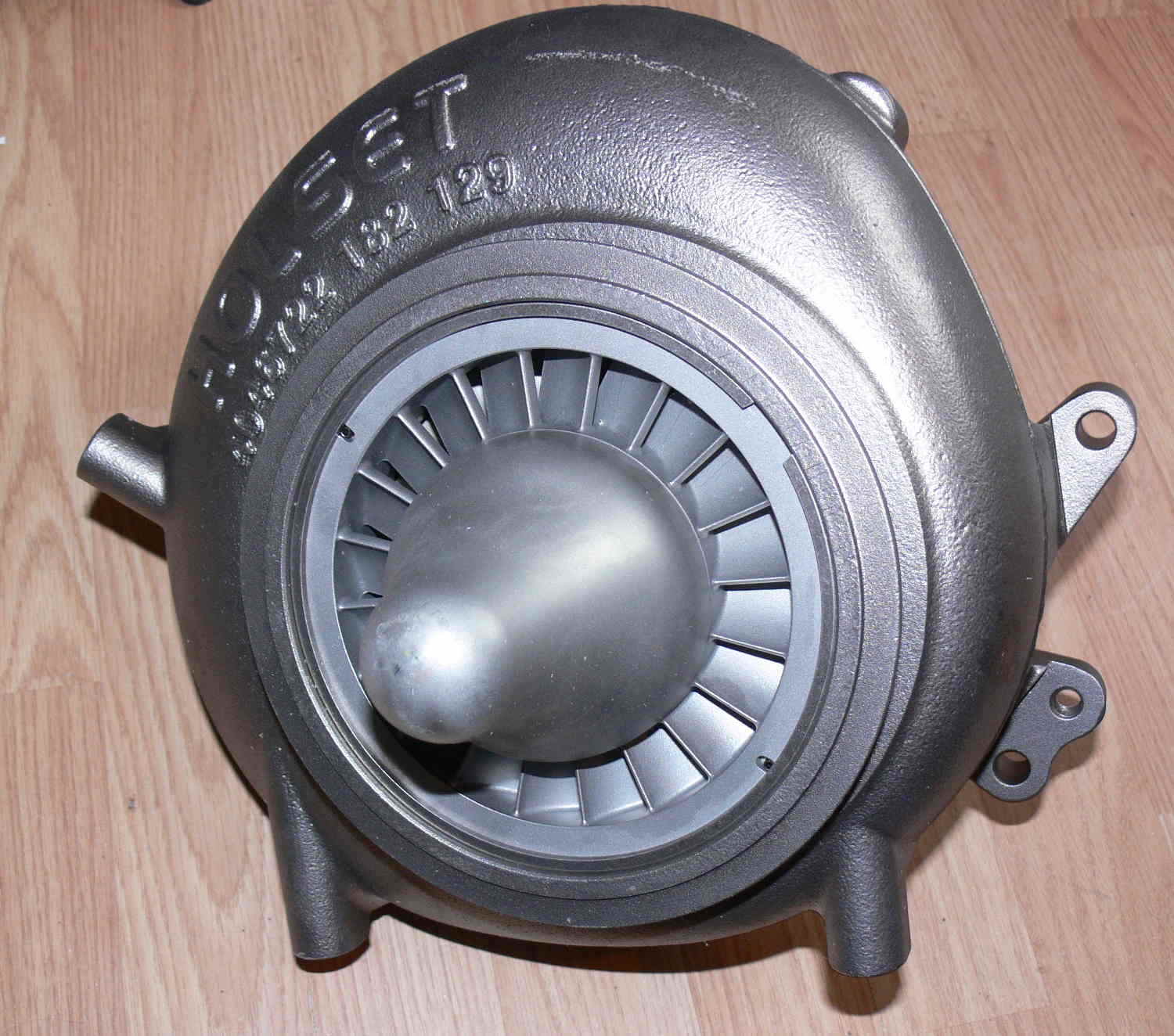
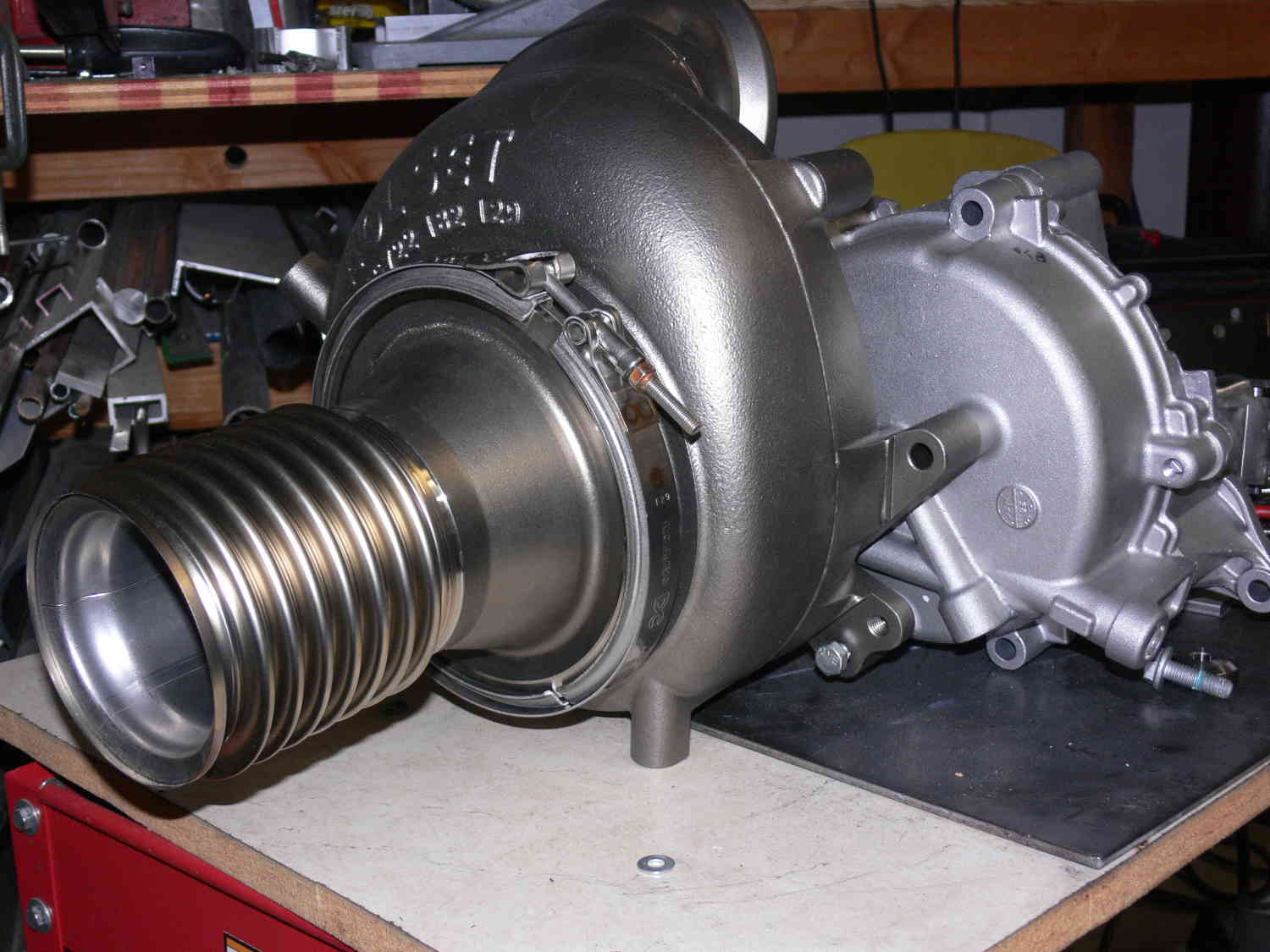
A turbo compound rotary on the other hand would be down in the
below .4 range or about the same as a truck diesel running
at 50% power.
------------------------------------------------------
The numbers for a stock Lycoming powered C172 are:
56 gallons of gasoline weighs 336 pounds of fuel.
Max useful load is 758 pounds.
Subtract the full fuel weight and you get 422 pounds.
Range is 580 nm.
80% power is 128 HP.
Cruise speed at 80% power is 122 Kts or 4.8 hours.
Four kts faster than the diesel.
11.8 gallons an hour or 69.6 pounds per hour.
BSFC is therefore .54 which is a typical for a Lycoming
rich of peak.
It would take a long time to pay for the extra $15,000 you
will pay for a diesel powered Cessna 172.
Not to mention you are required to throw the diesel away
at 1200 hours if it does not pass detailed inspection. No overhaul
allowed.
If it does pass 1200 hour detailed inspection you are required to
throw it away at 2400 hours. No exceptions.
At 100 hours a year that is 24 years. At that point the Mercedes A class
diesel engine will probably no longer be available so the air plane,
in theory, will be worthless. One would have to replace the engine
now certified in the Mercedes A class diesel powered Cessna 172 with
some other engine and obtain an FAA one time STC.
I don't see it.
Do you want to tow or do you want to go?
Paul Lamar
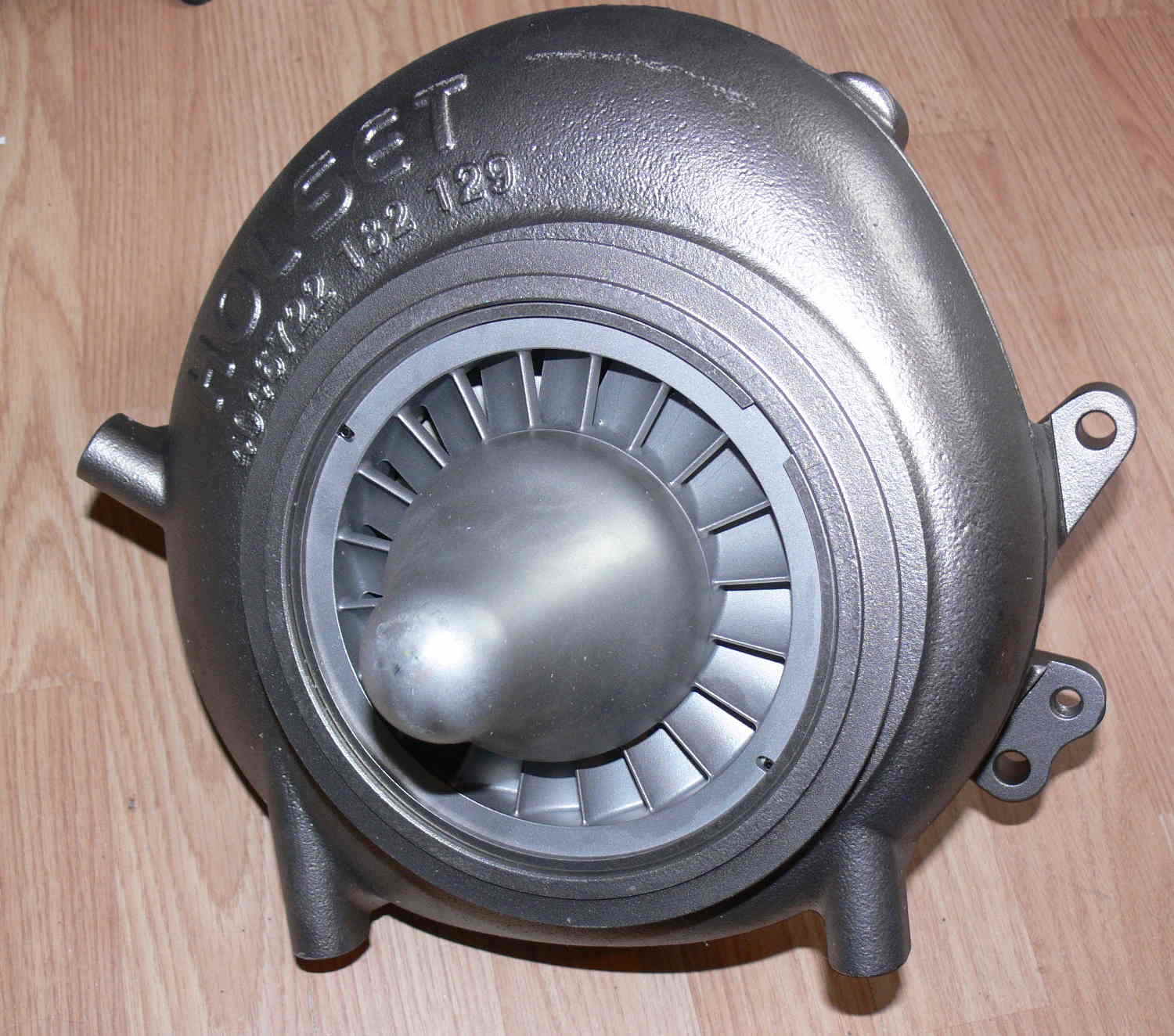
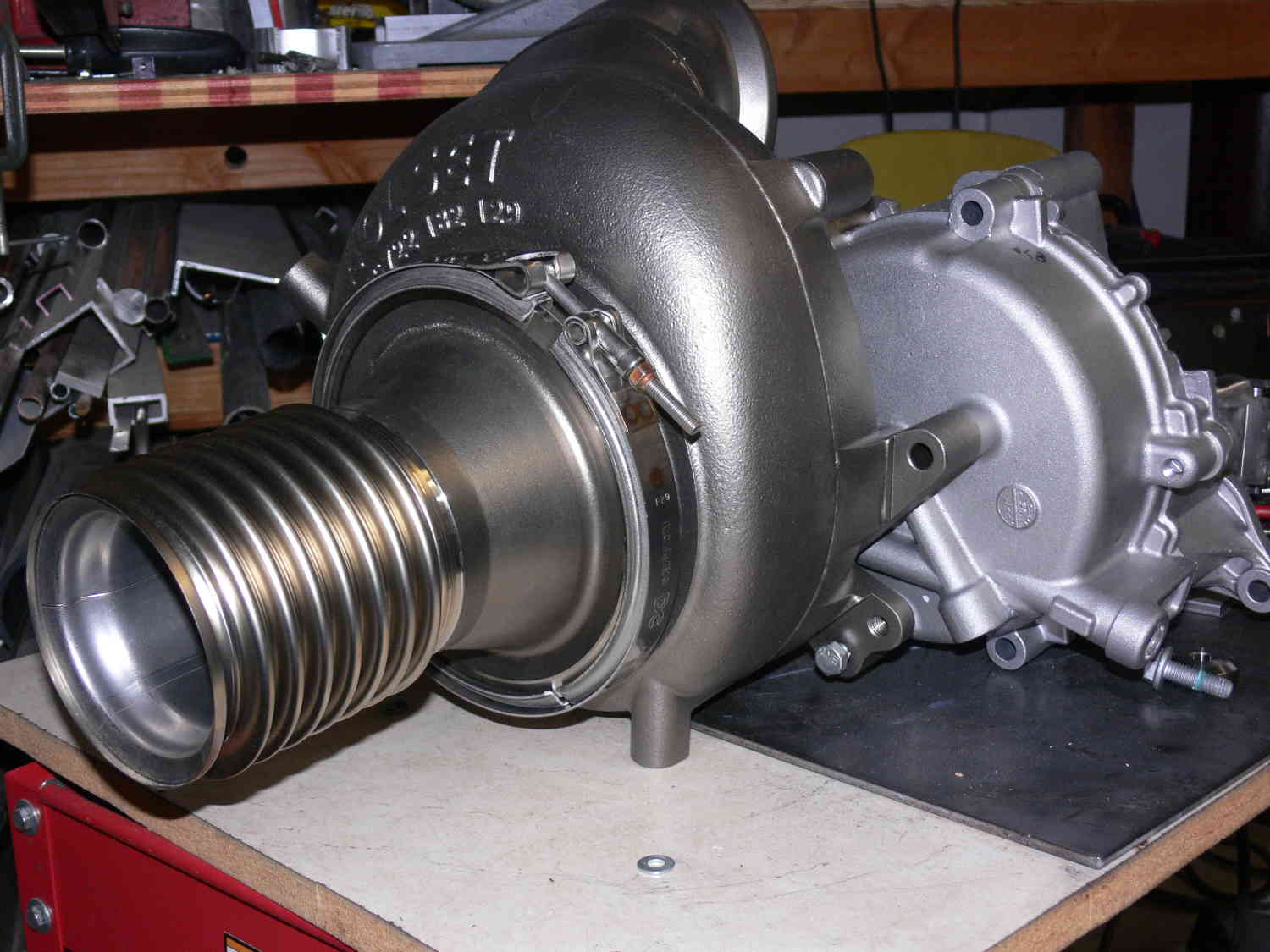
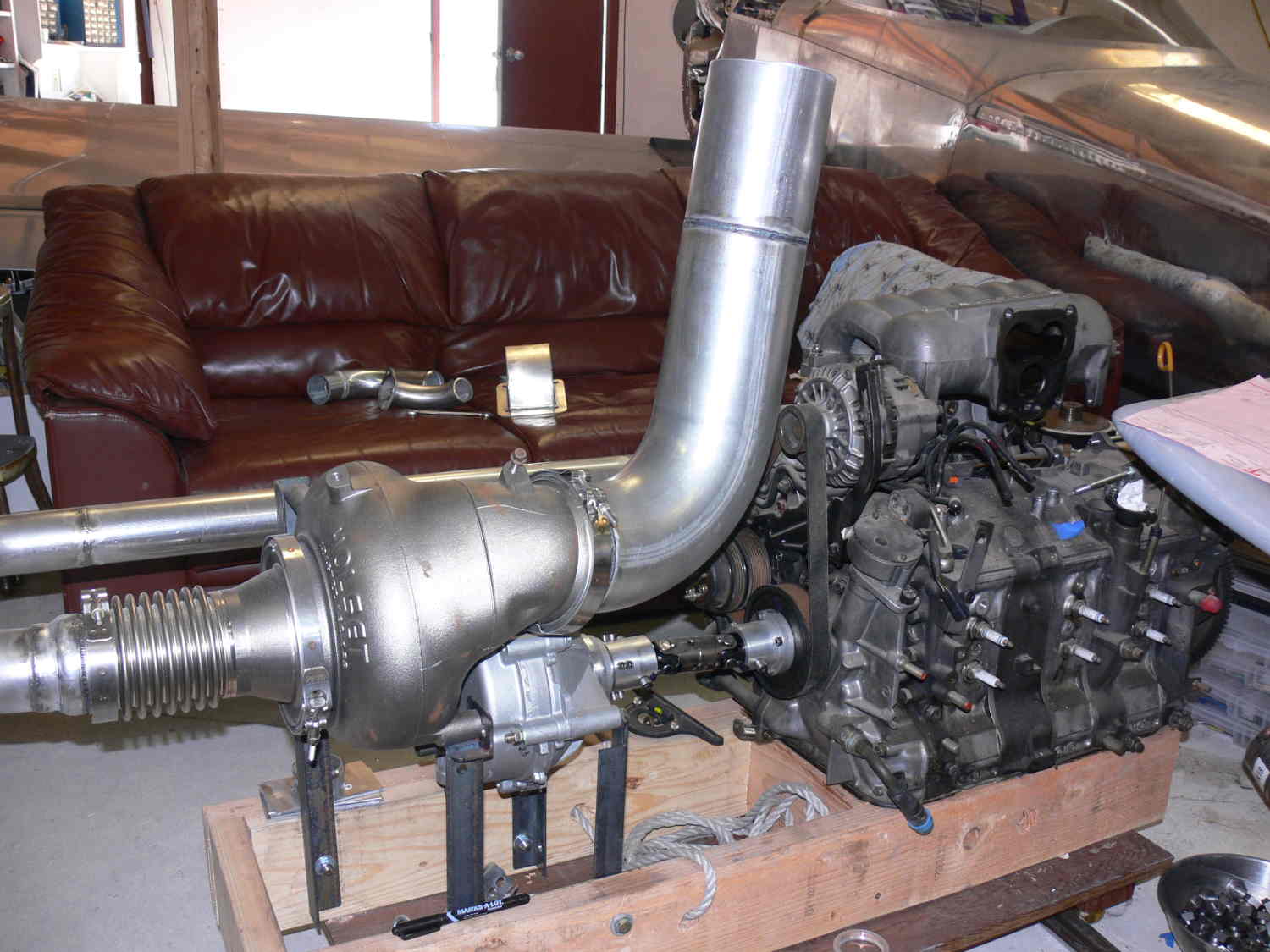
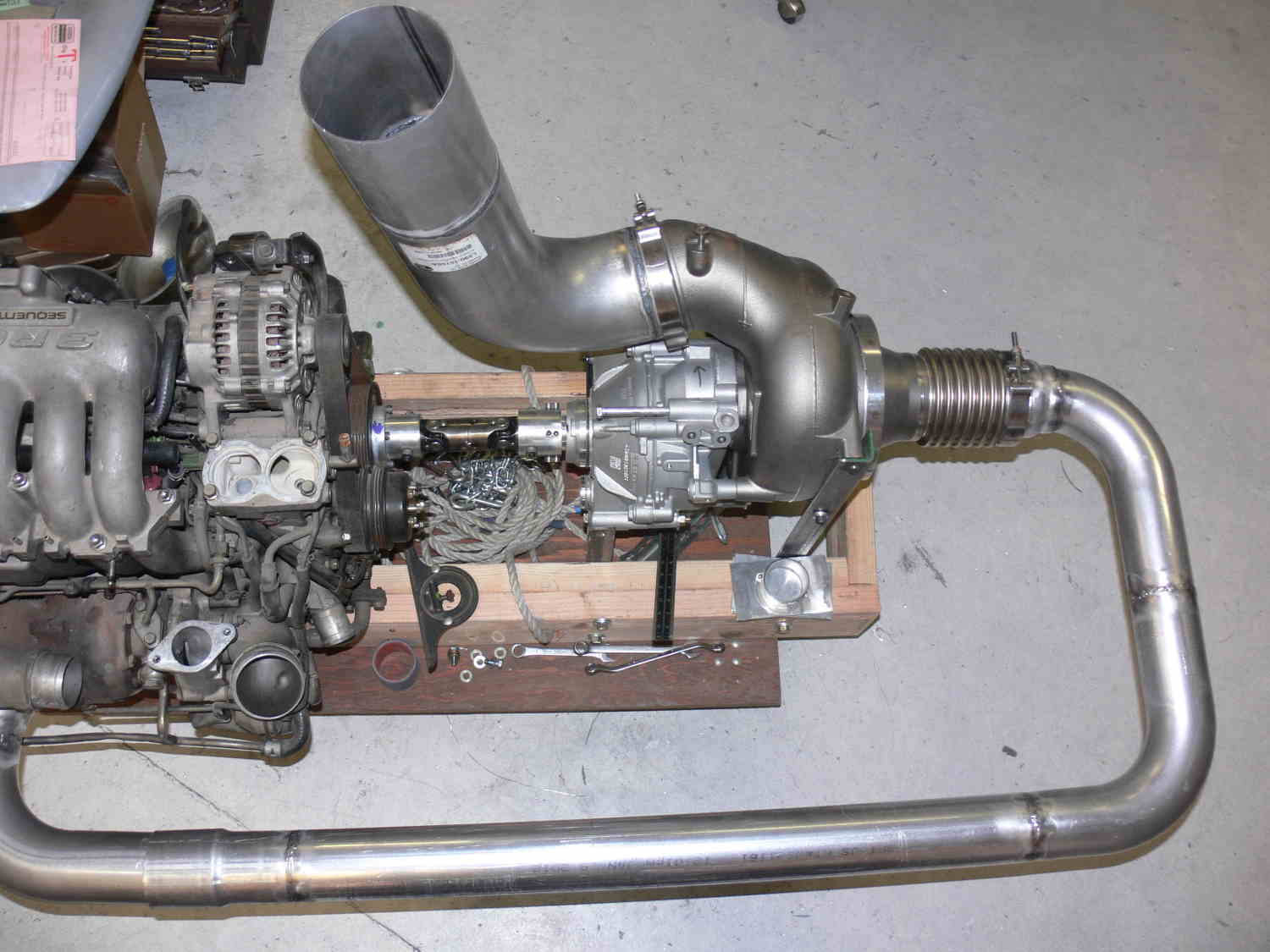
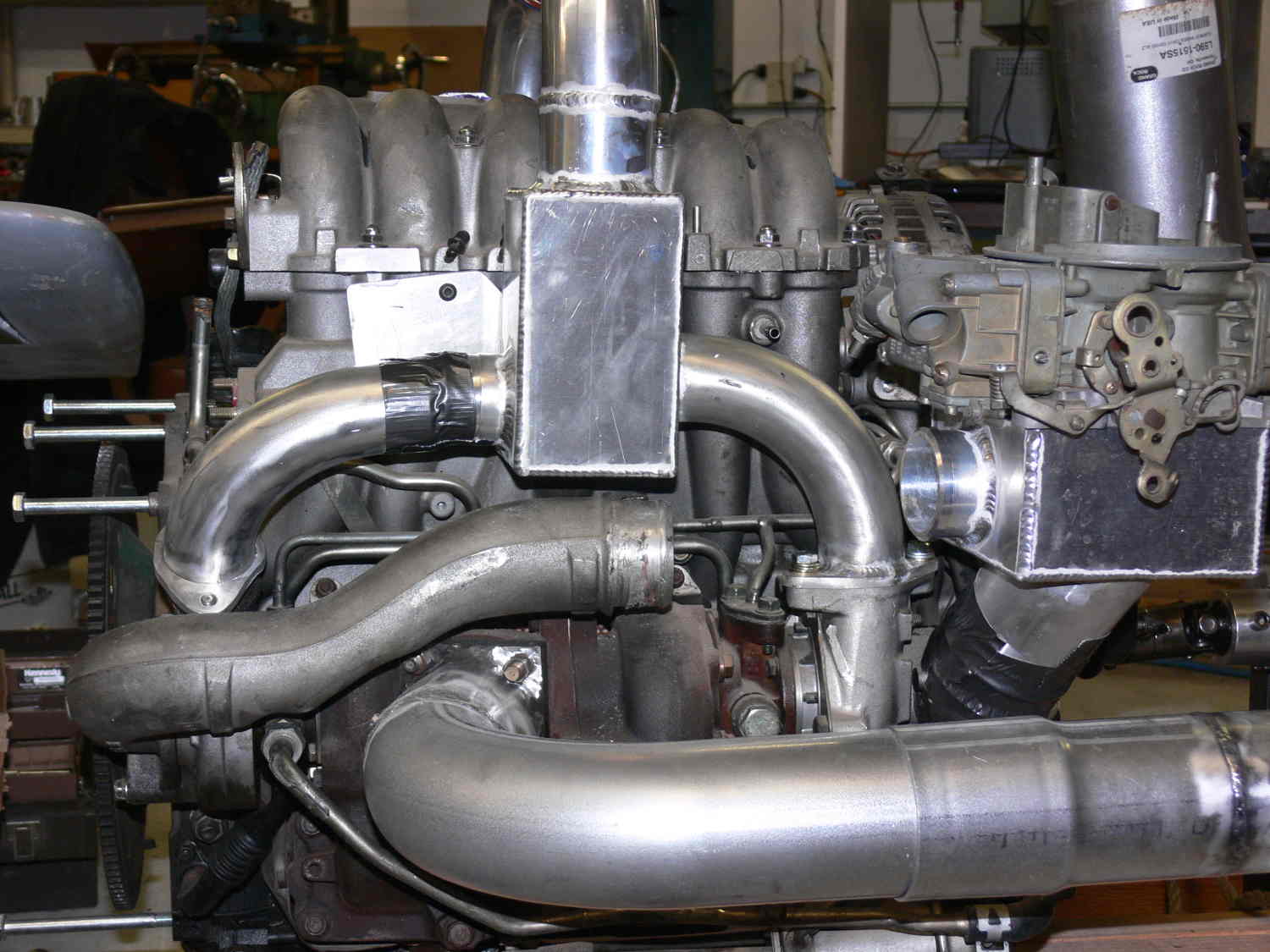
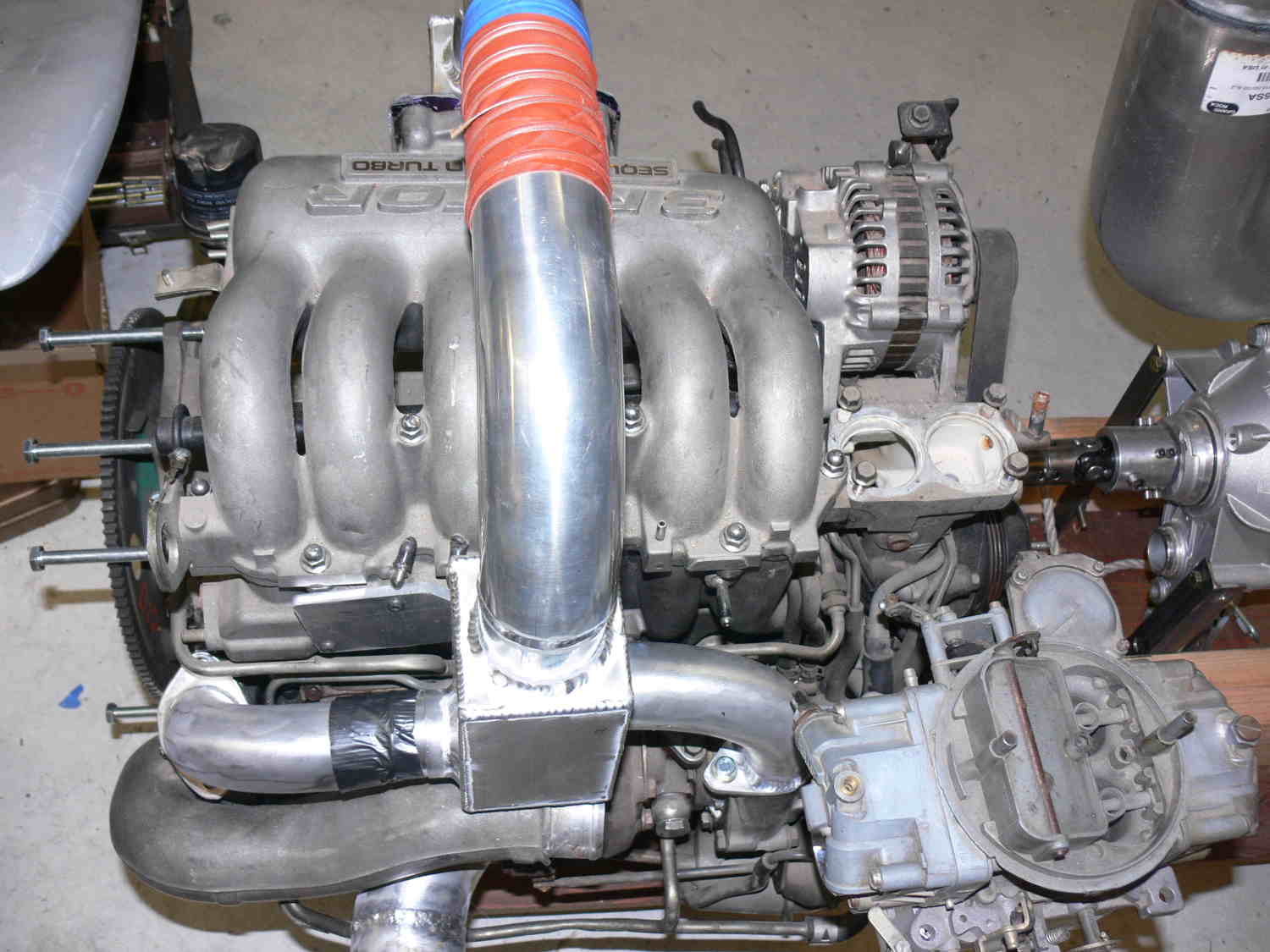
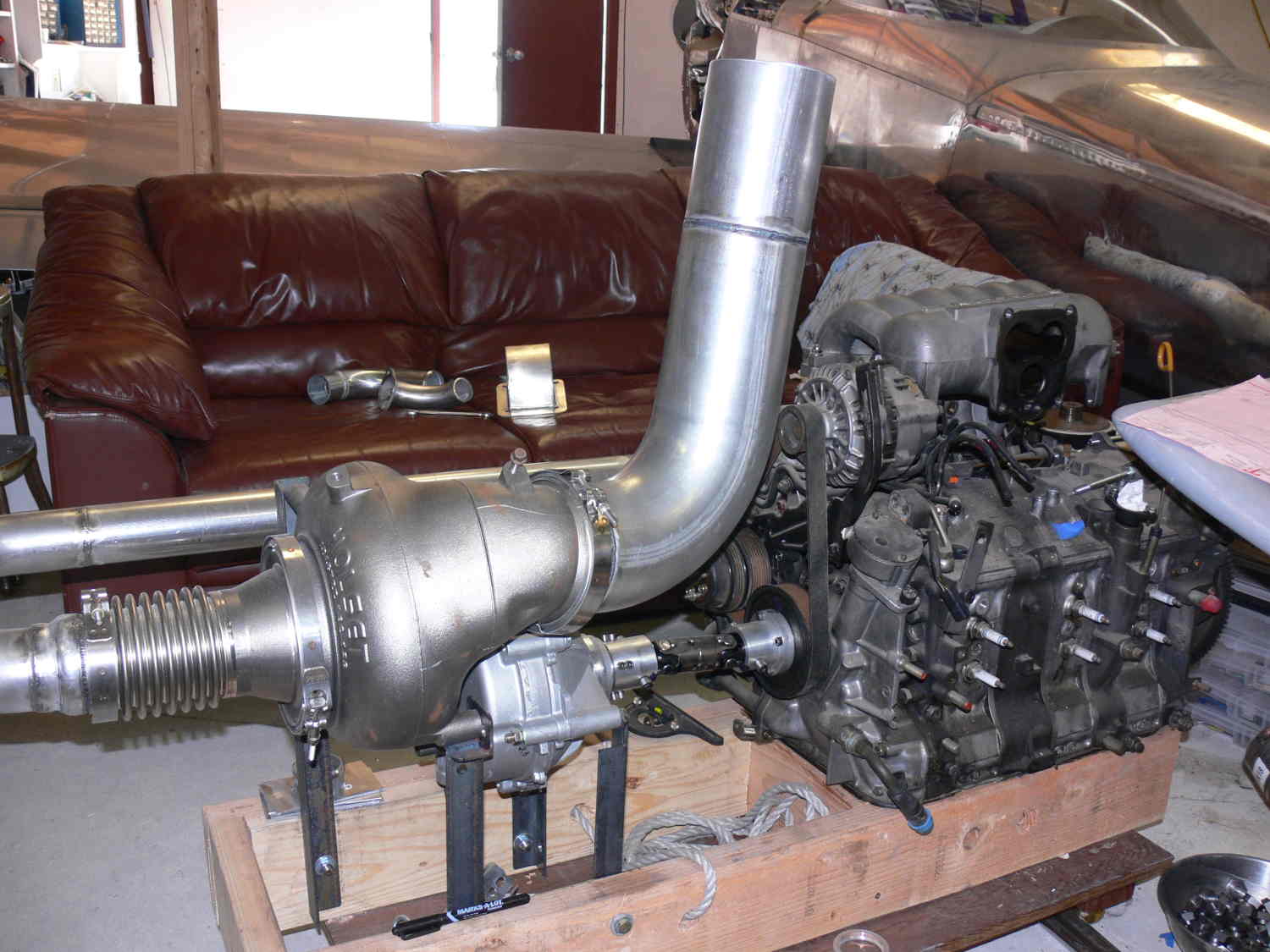
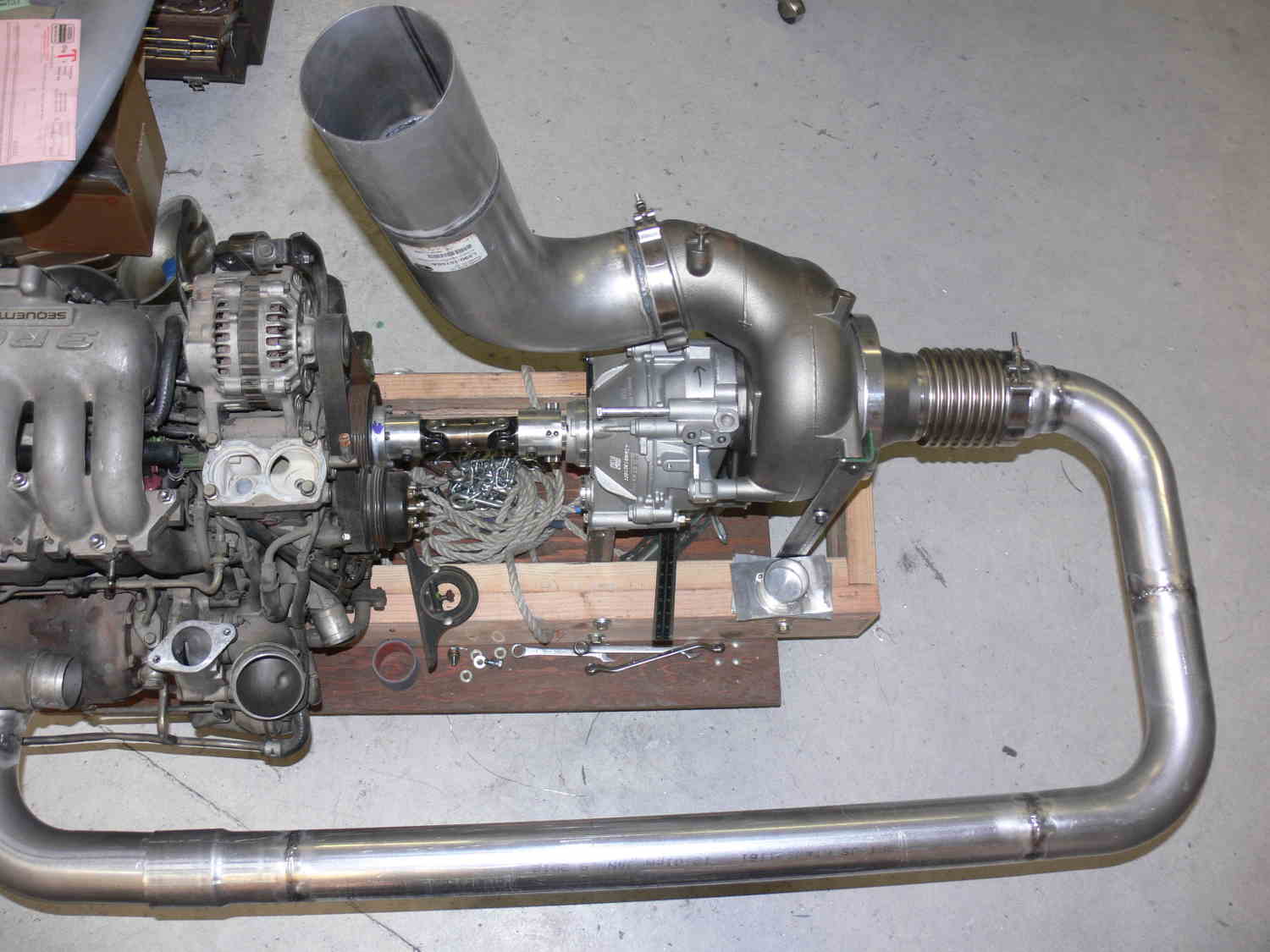
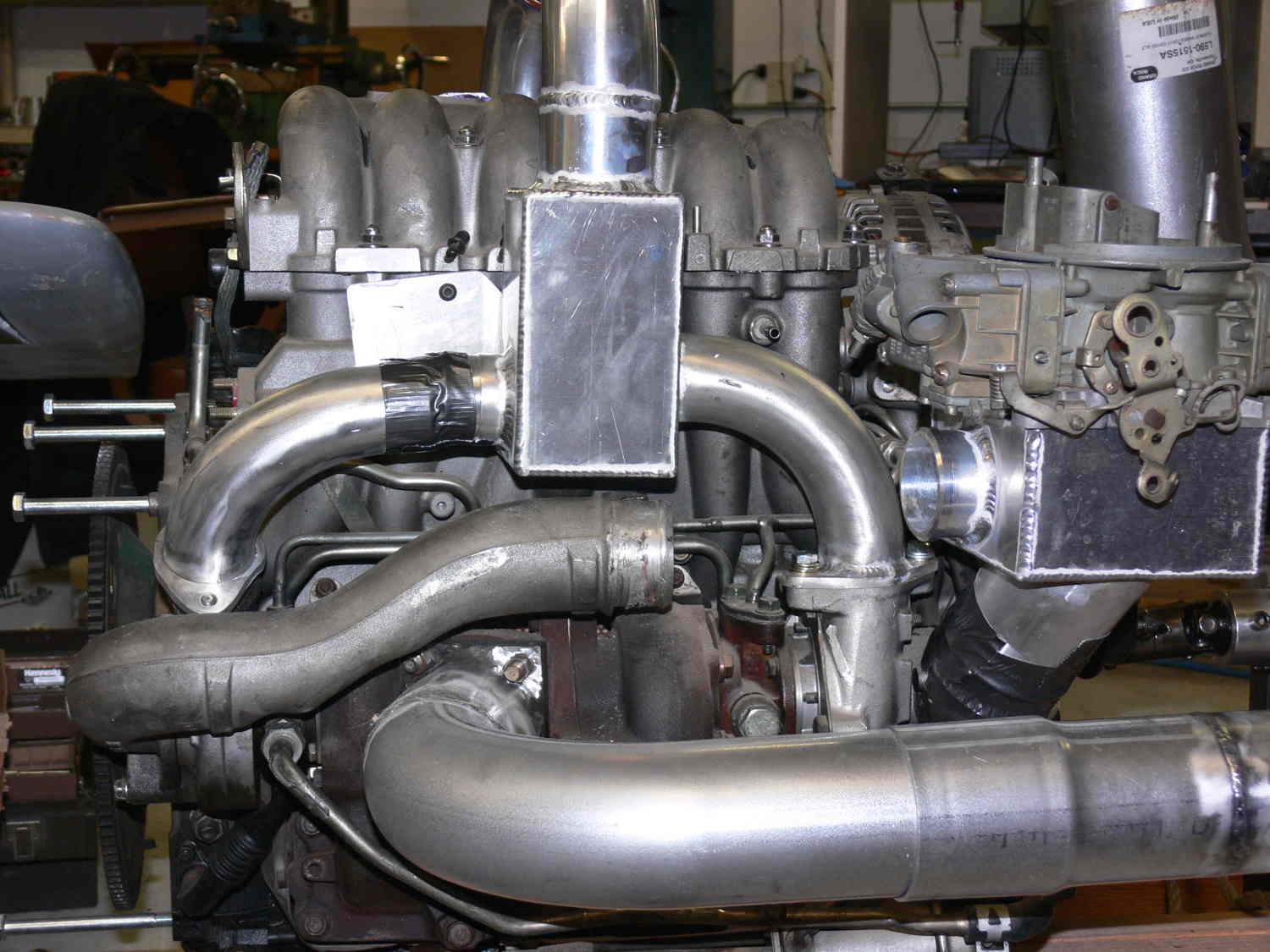
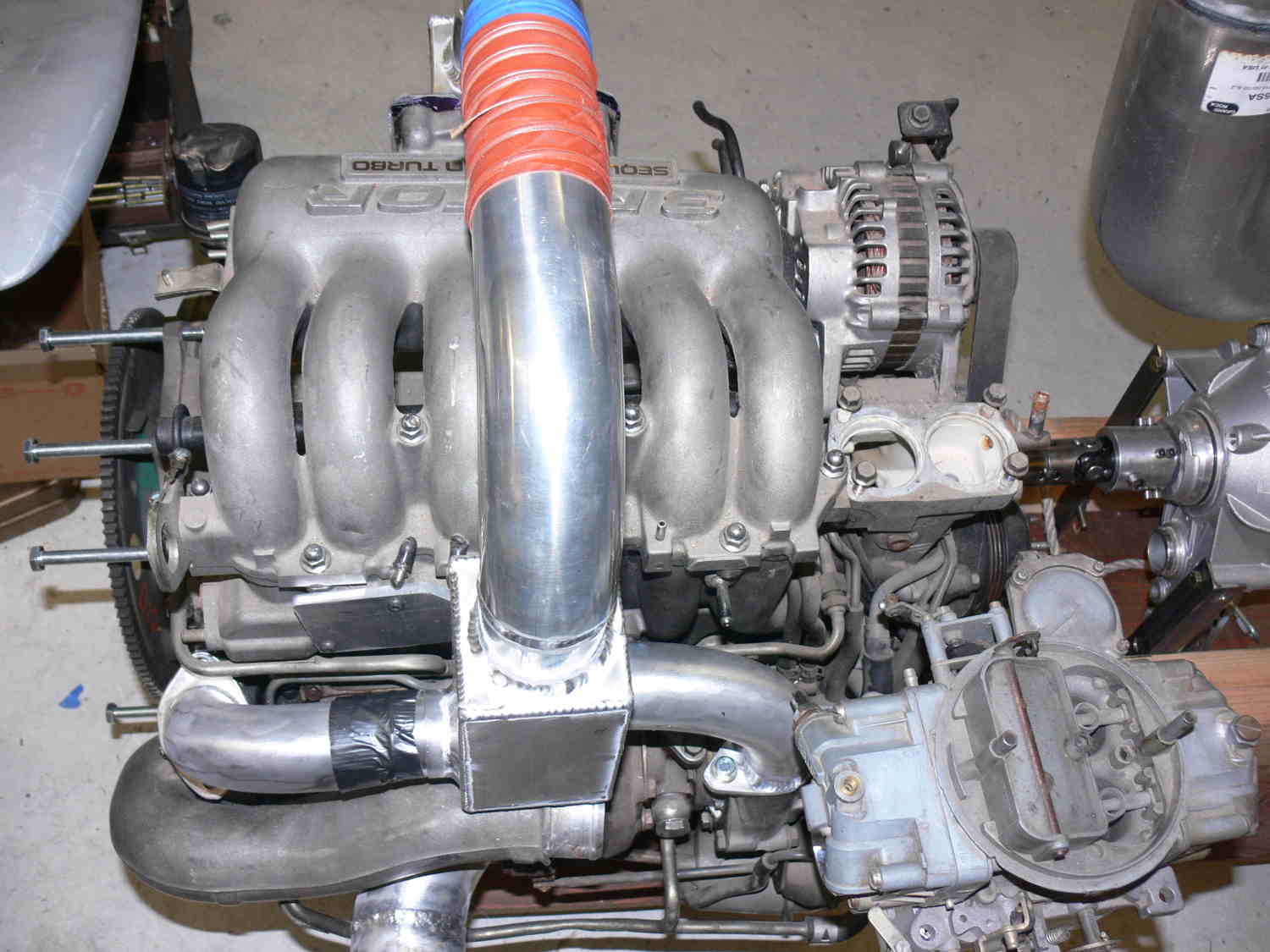
Hey, speaking of turbo compound rotaries, am I the only one wondering
whether we’re going to see one running soon? Seems like you’re pretty
close.
Dave Klingler
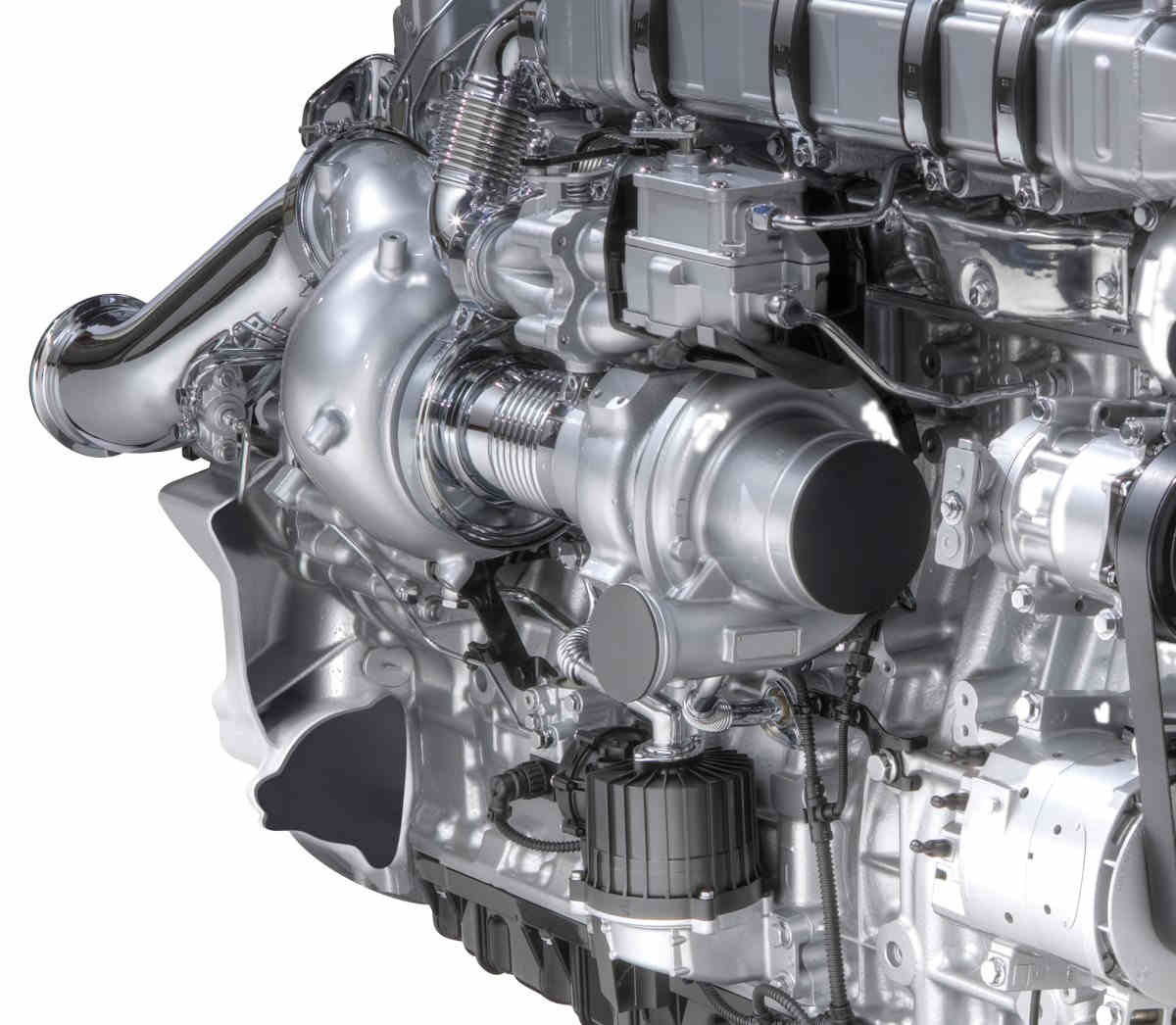
All current Formula 1 engines are electric turbo compound.
What got me started on ignitions was my 3 rotor turbo compound.
I needed six ignitions. When I get the ignition company up and selling
I will get the 3 rotor TC running.
Paul Lamar
The Rotary Engine News Letter. Powered by Linux.
ACRE NL web site.
http://www.rotaryeng.net
You Tube
http://tinyurl.com/beqqxas
Copyright 1998-2015 All world wide rights reserved.