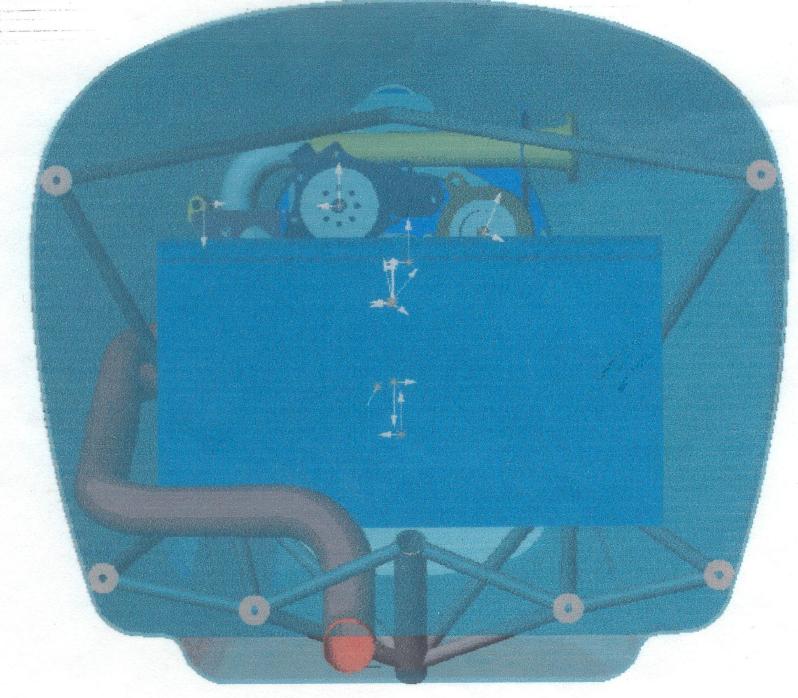
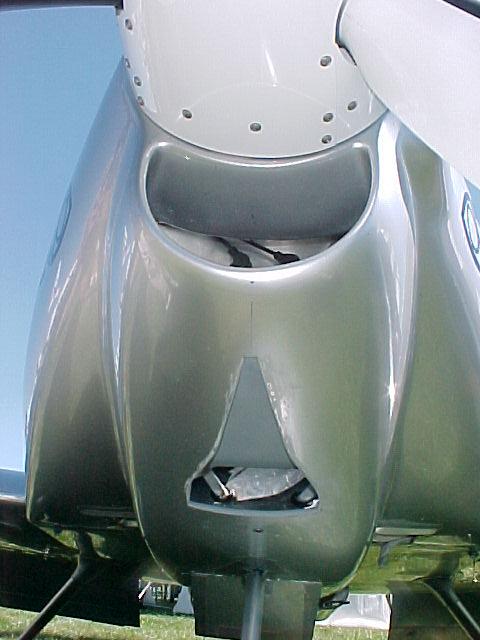
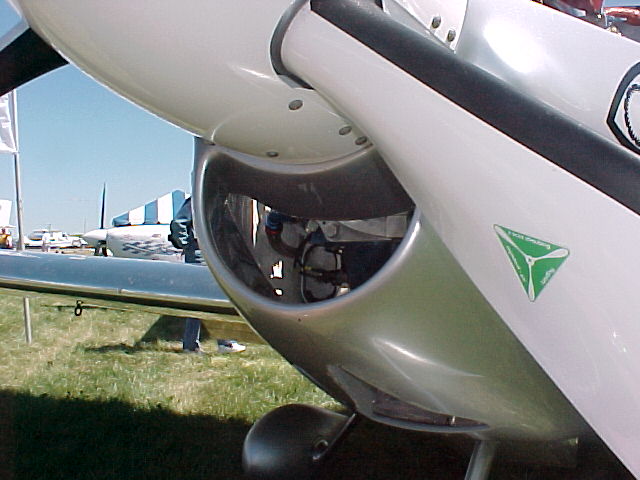
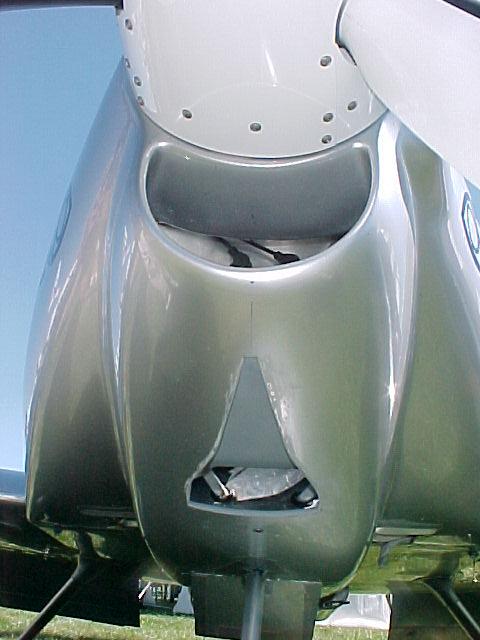
Paul, I finally got my rv8 home and in the shed attached is a
picture. I was wondering on the radiator you mentioned mounting
underneath. Is there a kit available? And the other question I had
was if anyone had ever put an electric fan on the current setup? Just
curious, anyway I'm anxious to get her running and hear how she
sounds.
Thank you, scott
I would run it up at max static RPM on a hot day for 5 minutes and
see what the temperature does. If it does not overheat fly it in the
pattern on a hot day for a couple of go arounds. If it does not
overheat keep it as it is. It is a lot of work to change the cooling
system.
No kit but this is the best rad to use. The tanks need to be removed
and aluminium tanks welded on converting it to a 2 pass design.
Do you have my book How to Cool Your Wankel? It is a good idea to get
the book. You can now buy it with a credit card from the store
below.
People have used electric fans but it does not help much as it take a
lot of air flow to cool the engine.
Paul Lamar
Hey Paul,
Do I understand you to be telling him to set up a two pass system
where the water flows one way through half the core, then the other
way through the other half of the core, with the inlet and outlet on
the same end of the core?
That configuration is less efficient than using the same core in a
single pass configuration. The coolant must flow at twice the
velocity, which it will not due to increased flow resistance at the
higher velocity, to achieve the same cooling efficiency as the same
core in a single pass configuration. The second pass will have a
lower delta T between the cooling air and the water than the first
pass. Half the cooling air that the air plane sucks in will not be
doing much to cool the engine. That configuration will result in a
higher than necessary mass flow rate and thus increase the cooling
drag.
The resultant lower coolant flow rate through the engine will also
reduce the cooling efficiency by reducing the turbulence inside the
engine cooling jacket that helps transfer heat from the metal to the
coolant.
If you are talking counter flow, where the hot water flows through
the downstream core first, then through the upstream core last, in
relation to the cooling air flow which comes in contact with the
cooler side of the radiator first, then I agree with you.
A counter flow cooling system will result in lower cooling drag and
better fuel efficiency for the airplane.
Mark LaPierre
You have a good understanding on this Mark.
True but the plumbing advantages out weigh the reduced efficiency
IMHO. However I don't have any real numbers on that yet. There does
not seem to be much difference as some race cars use the 2 pass
system. The diffuser shape makes a lot more difference. One can
always use a slightly larger frontal area core to make up for it.
Yes I agree on the cross counter flow. Solves both problems but it
is very expensive to build as I have built several.
Paul Lamar.
Paul, just curious if anyone has ever tried to put a cowl flap on each side
with a duct-ed flare towards the radiator ? I would i have plenty of room
on either side of engine to install and run hose and duct. Not sure if this
would work but i'm willing to look at anything to have a head start should
it become necessary.
--
Thank You,
Scott Ingoldsby
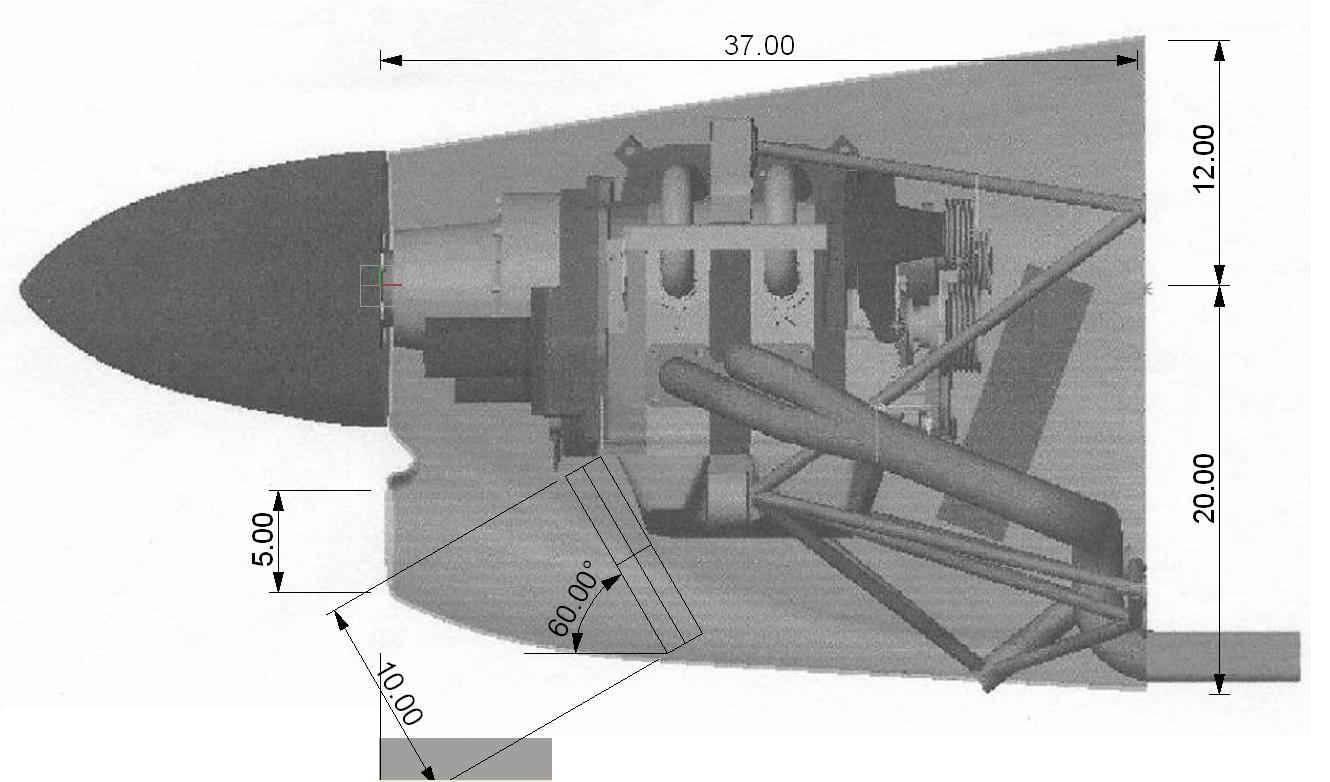
Sure, side mounted rads work great but it means major surgery
on your cowl. The asymmetric MM PSRU adapter plate we have is designed for
side mounted rads on the cool side.
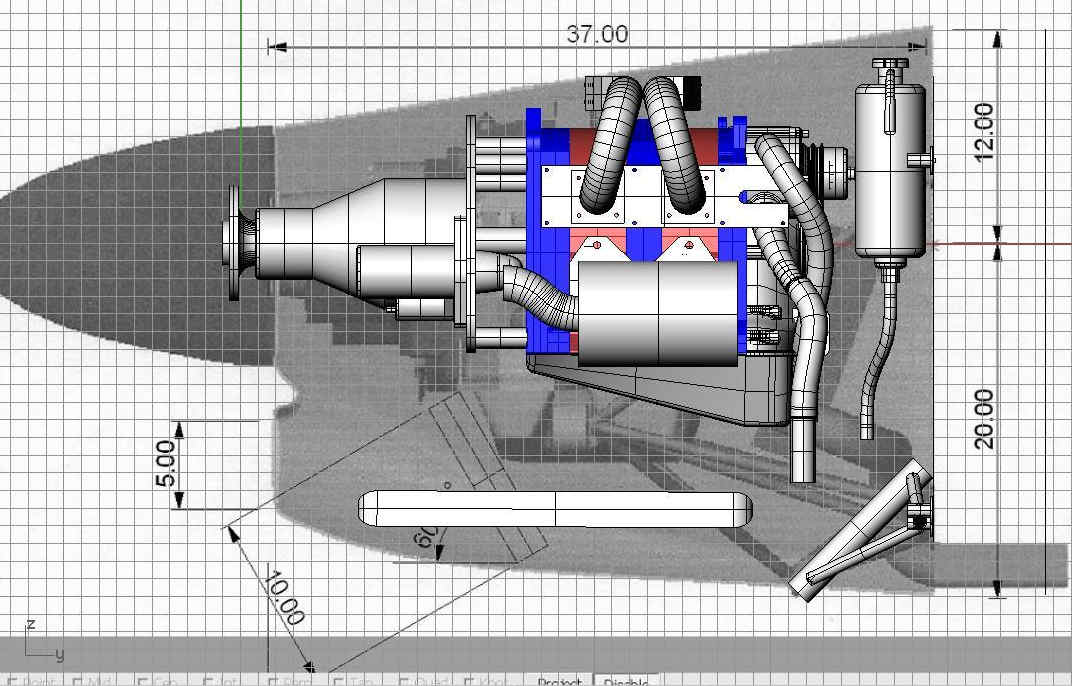
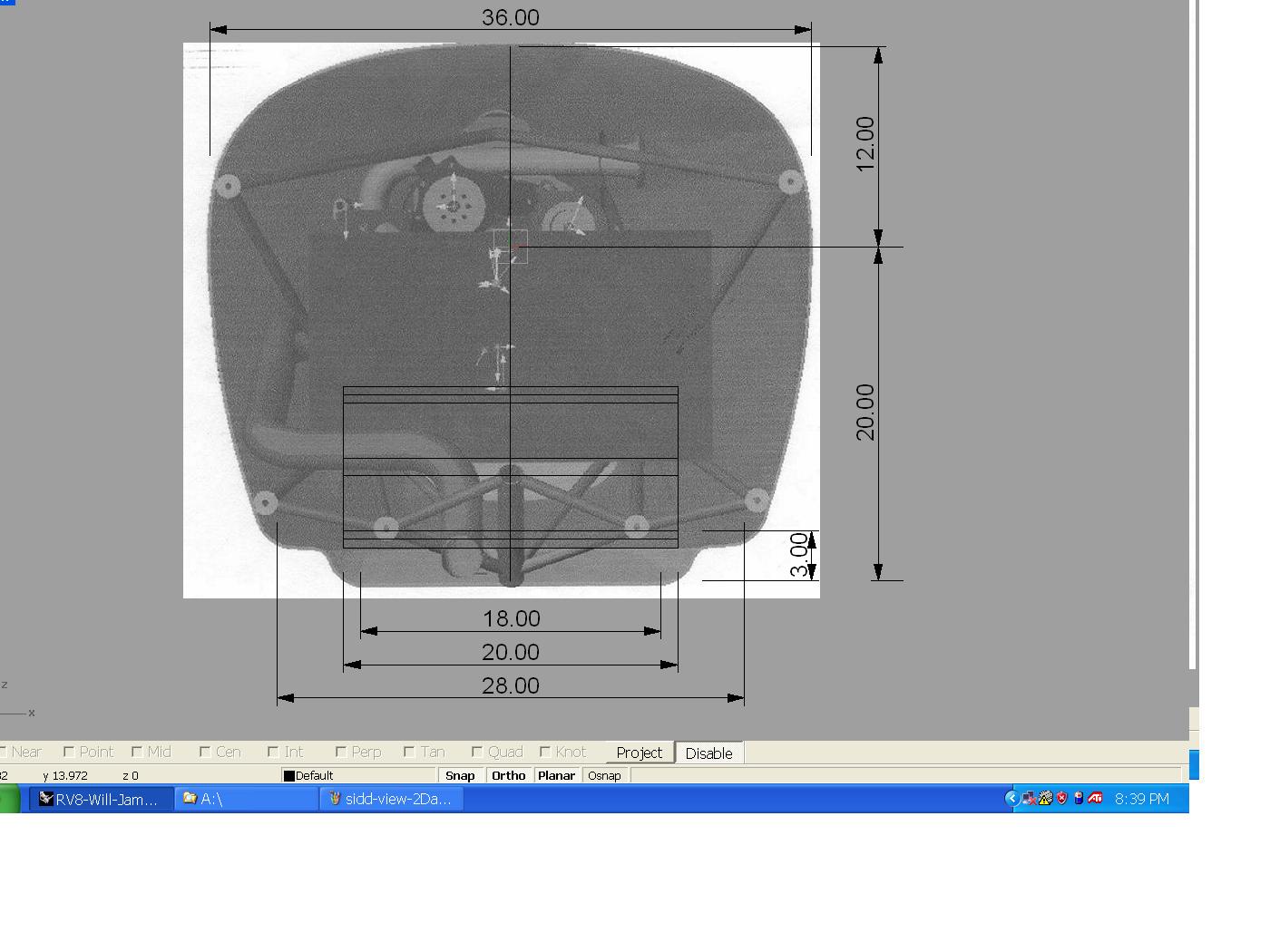
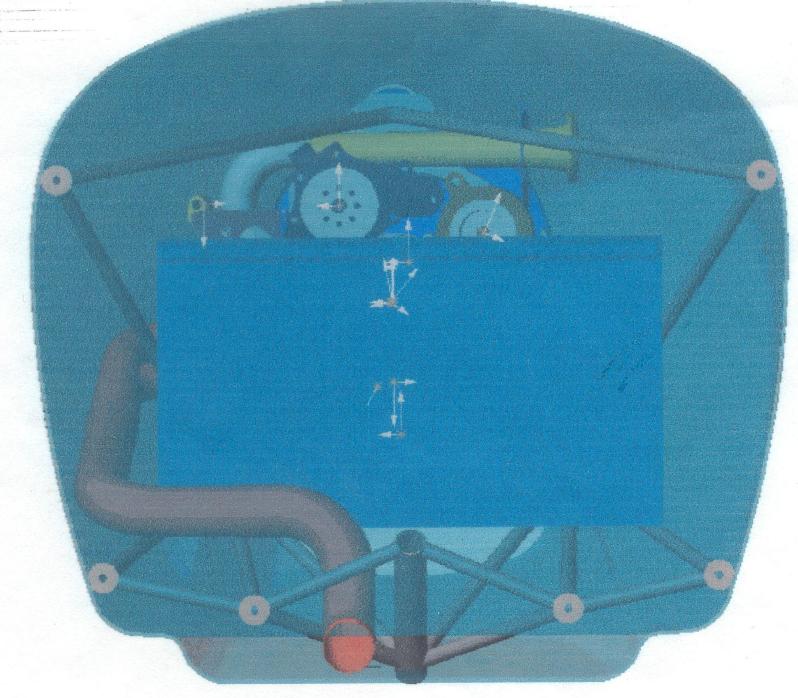
In your case it would be quicker to mount the rad under the engine.
All you need do is glue on some Styrofoam on each side of the bottom
channel on the James Cowl,shape it and cover it with glass. Keep the
existing
air scoop. That will give more room for a 20 inch wide rad.
Paul Lamar
The Rotary Engine News Letter. Powered by Linux.
ACRE NL web site.
http://www.rotaryeng.net
You Tube
http://tinyurl.com/beqqxas
Store
http://www.rotarpower.com/#!
Copyright 1998-2015
All world wide rights reserved.