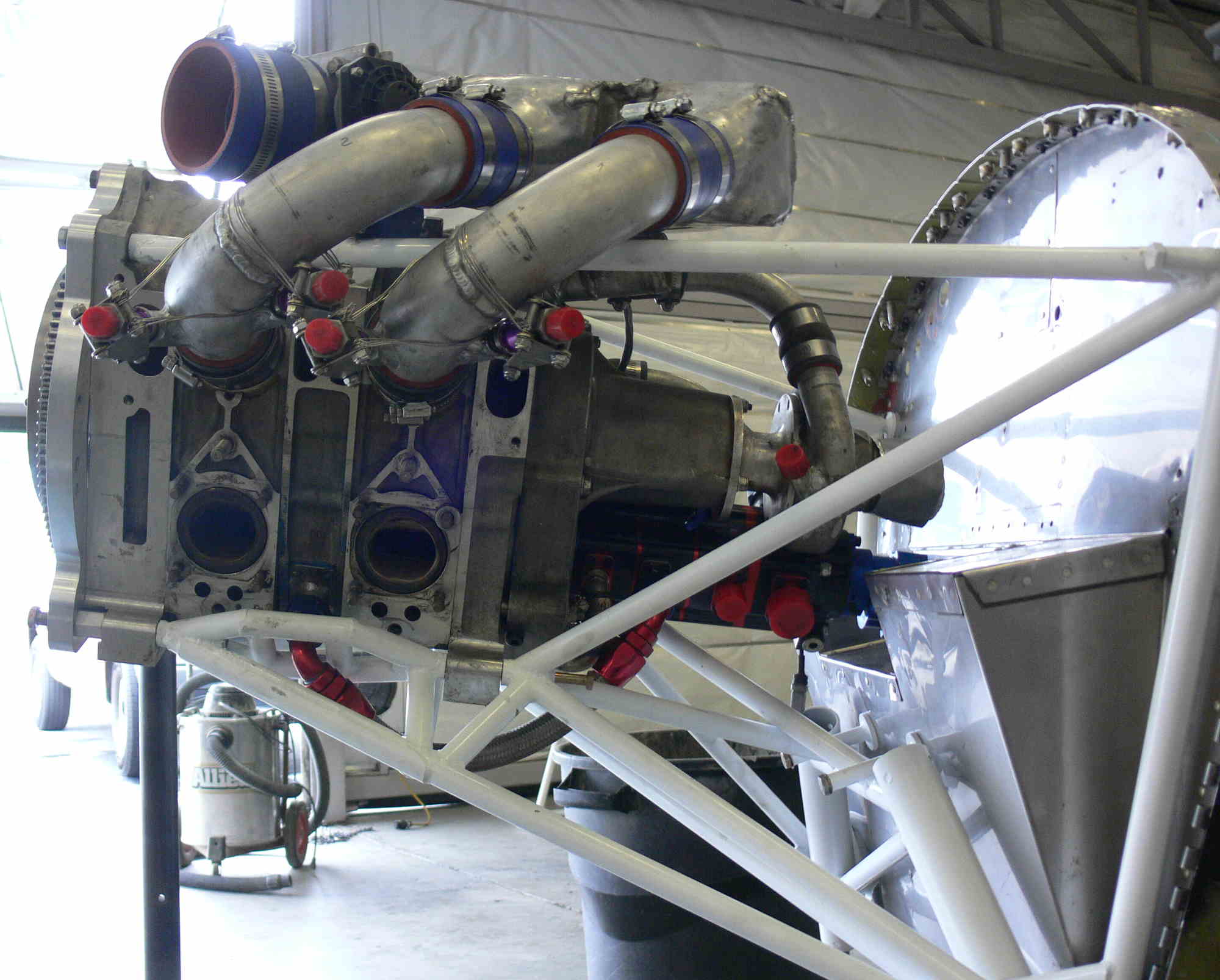
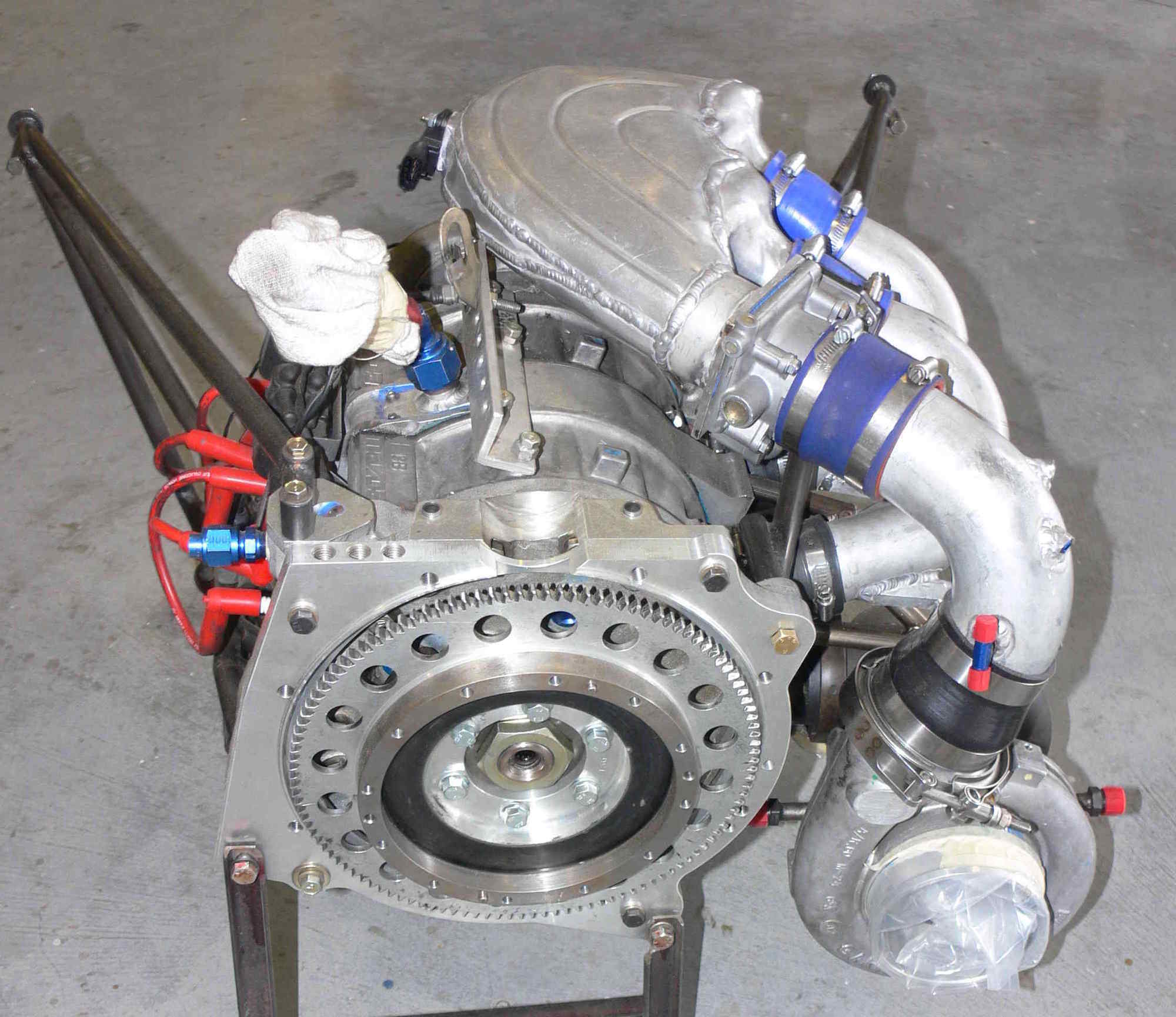
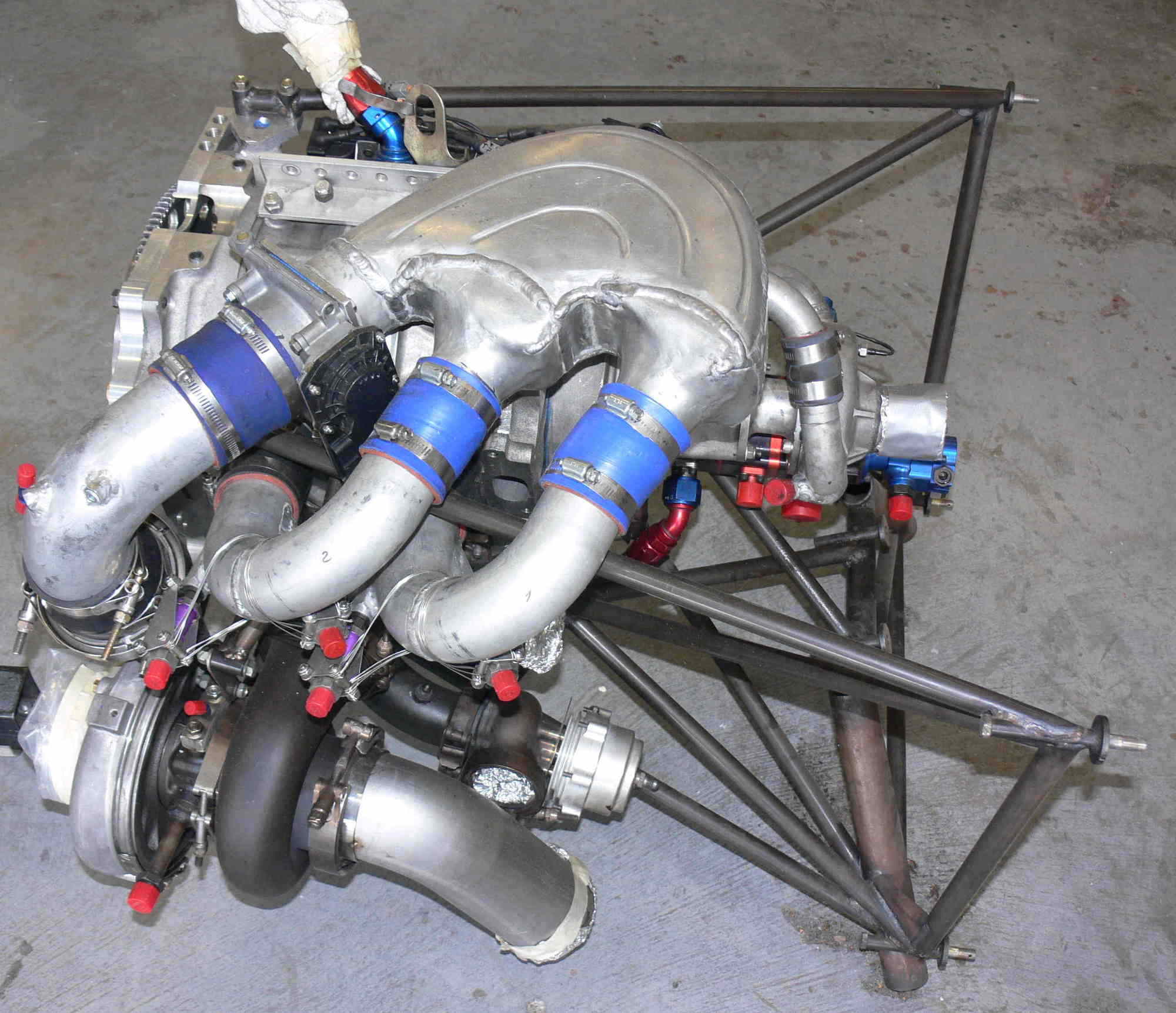
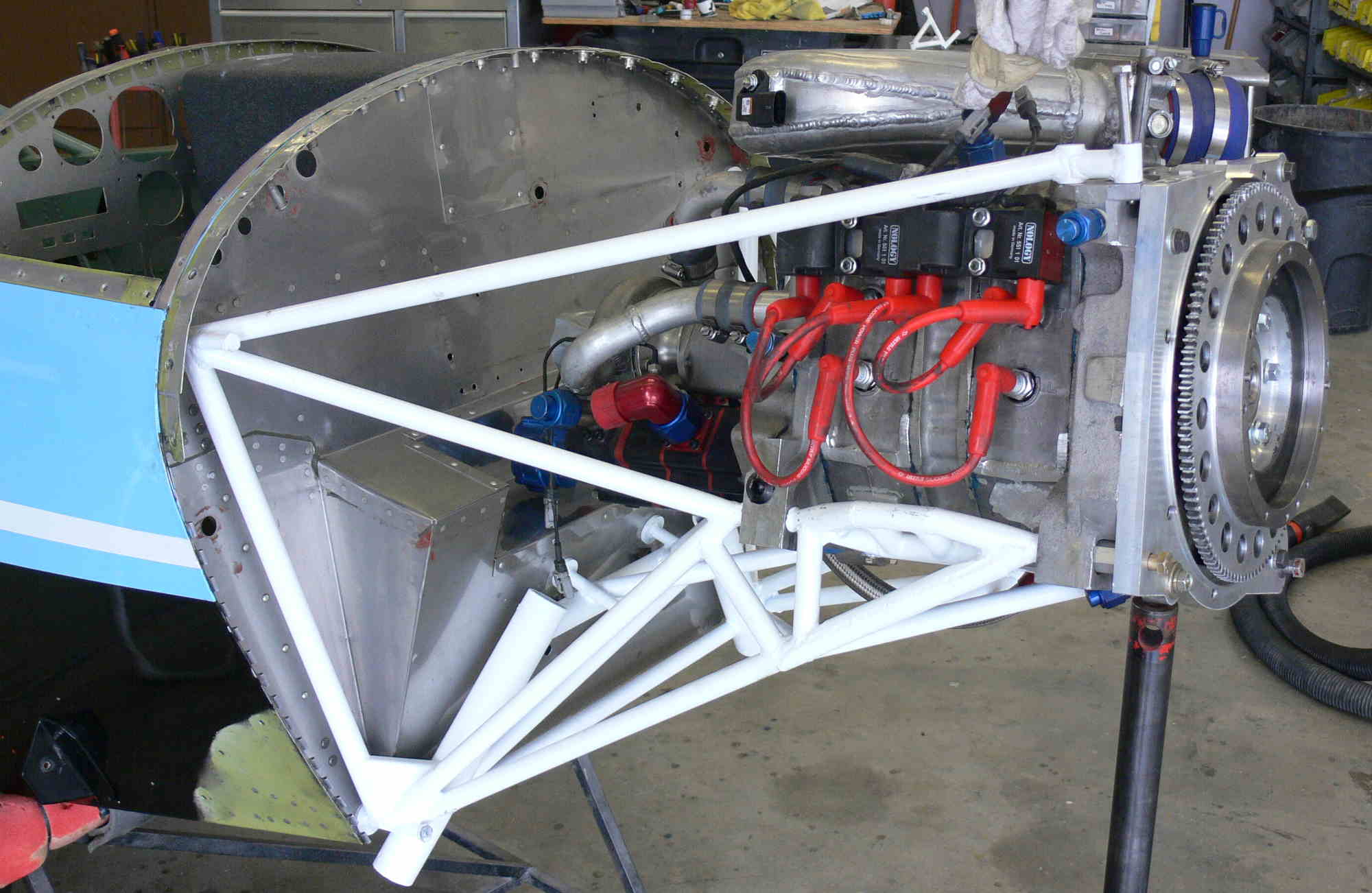
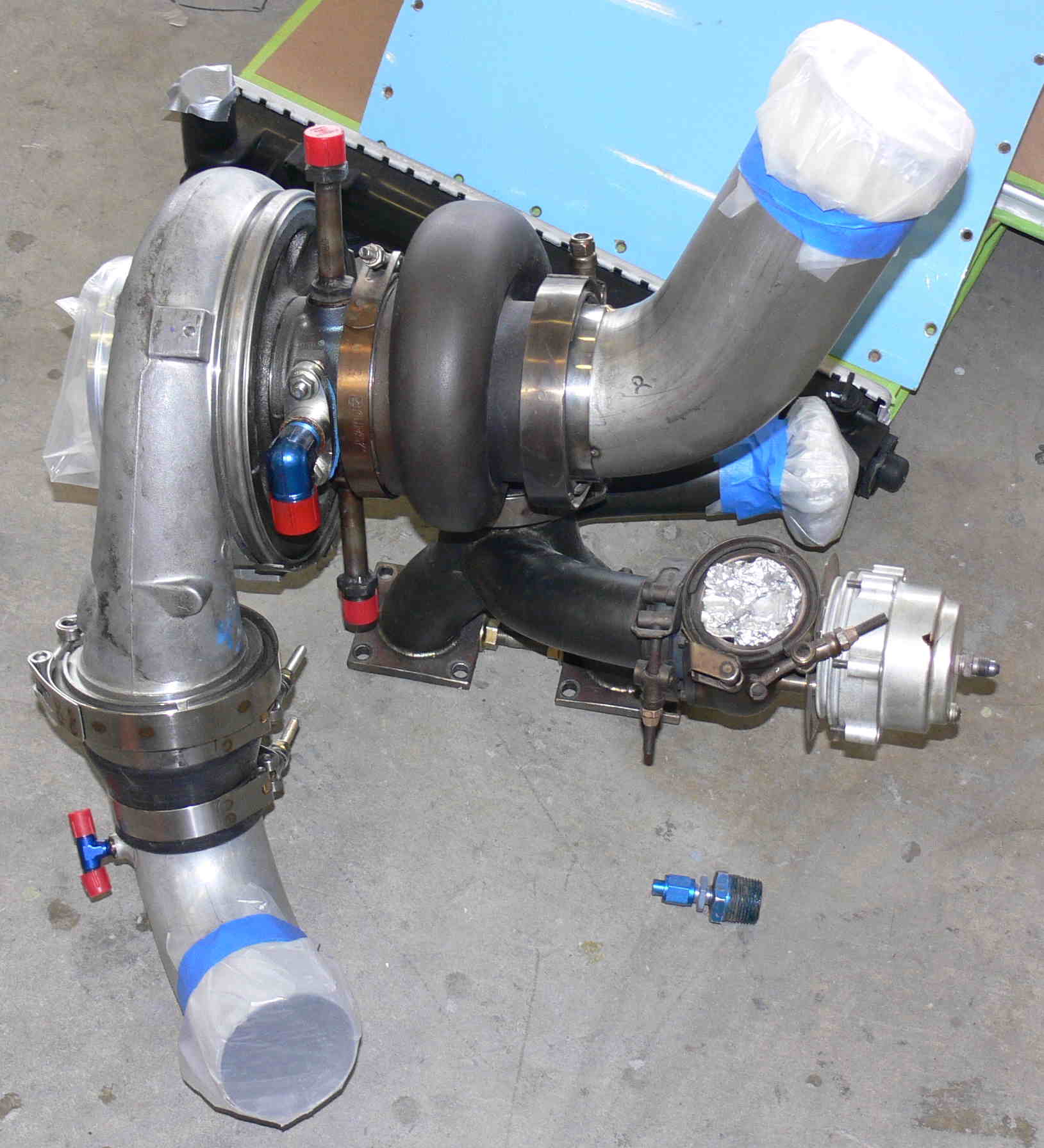
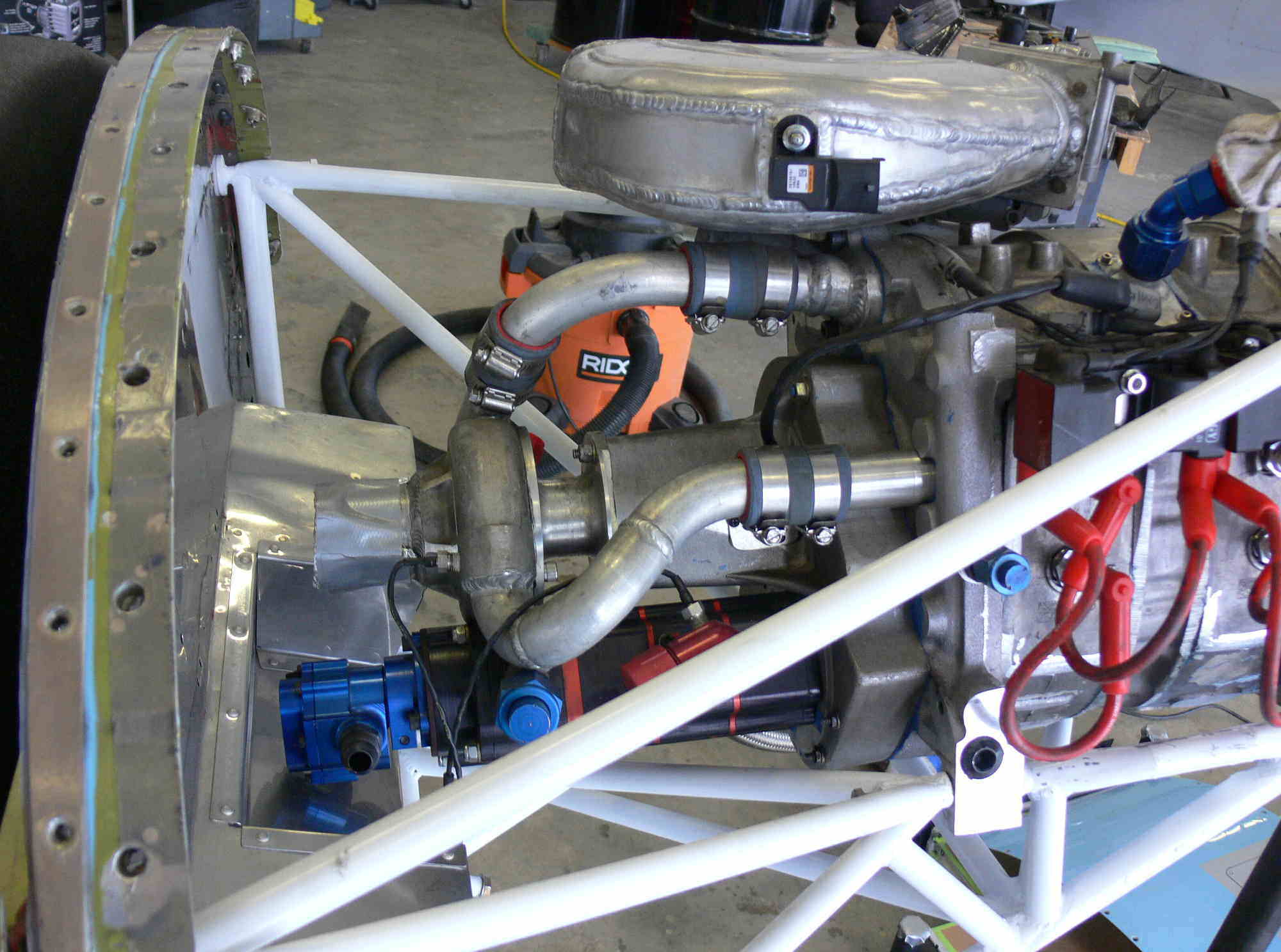
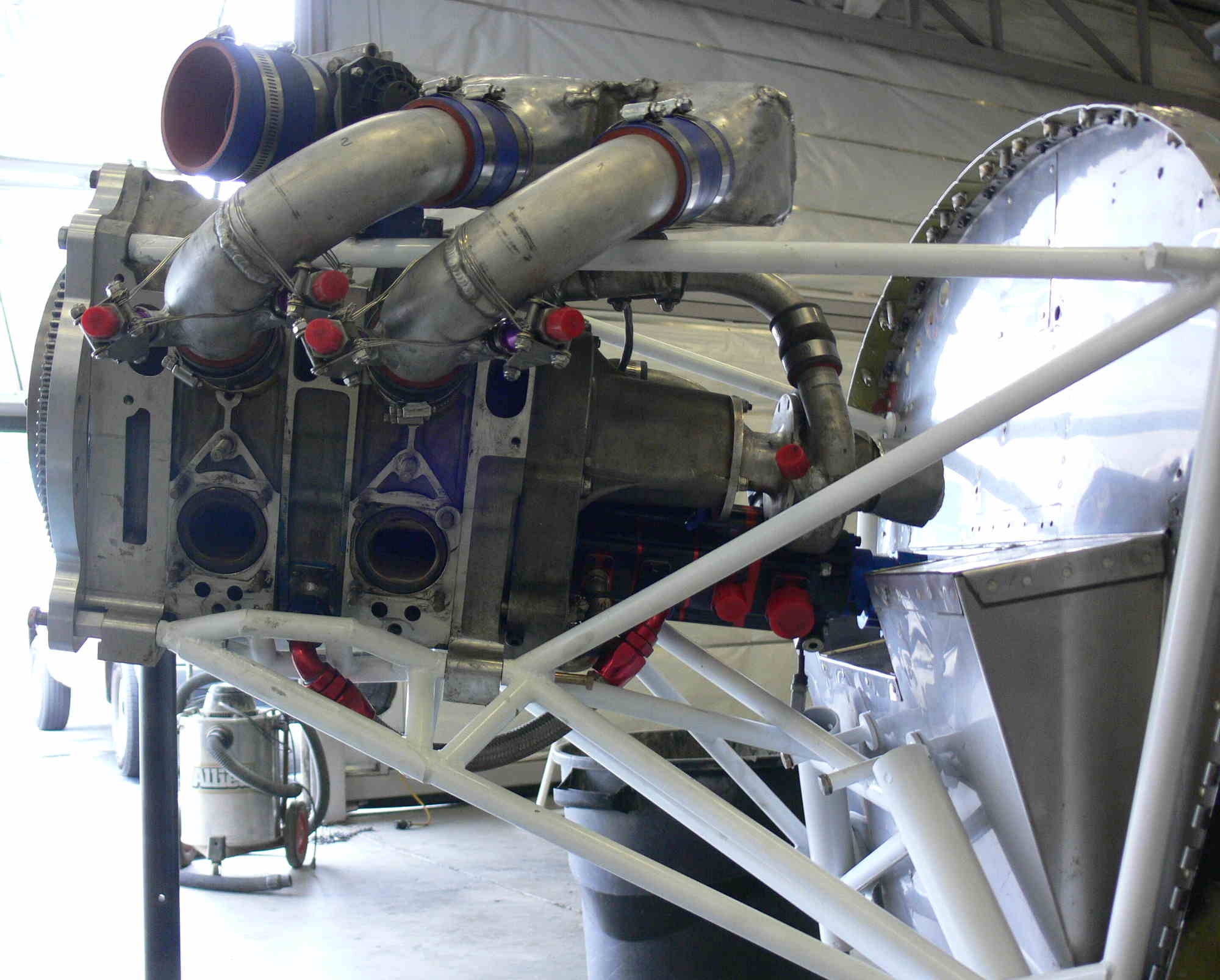
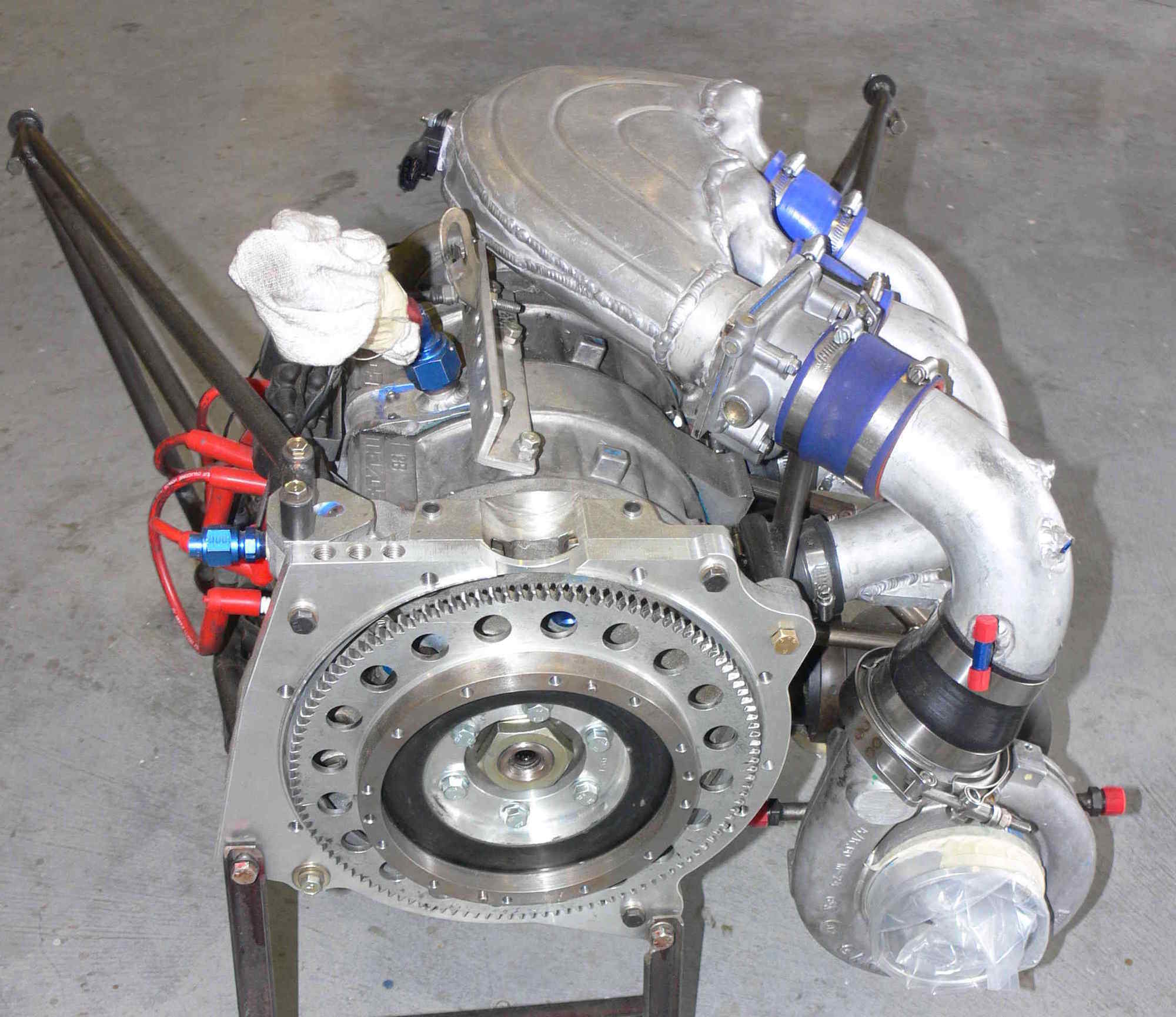
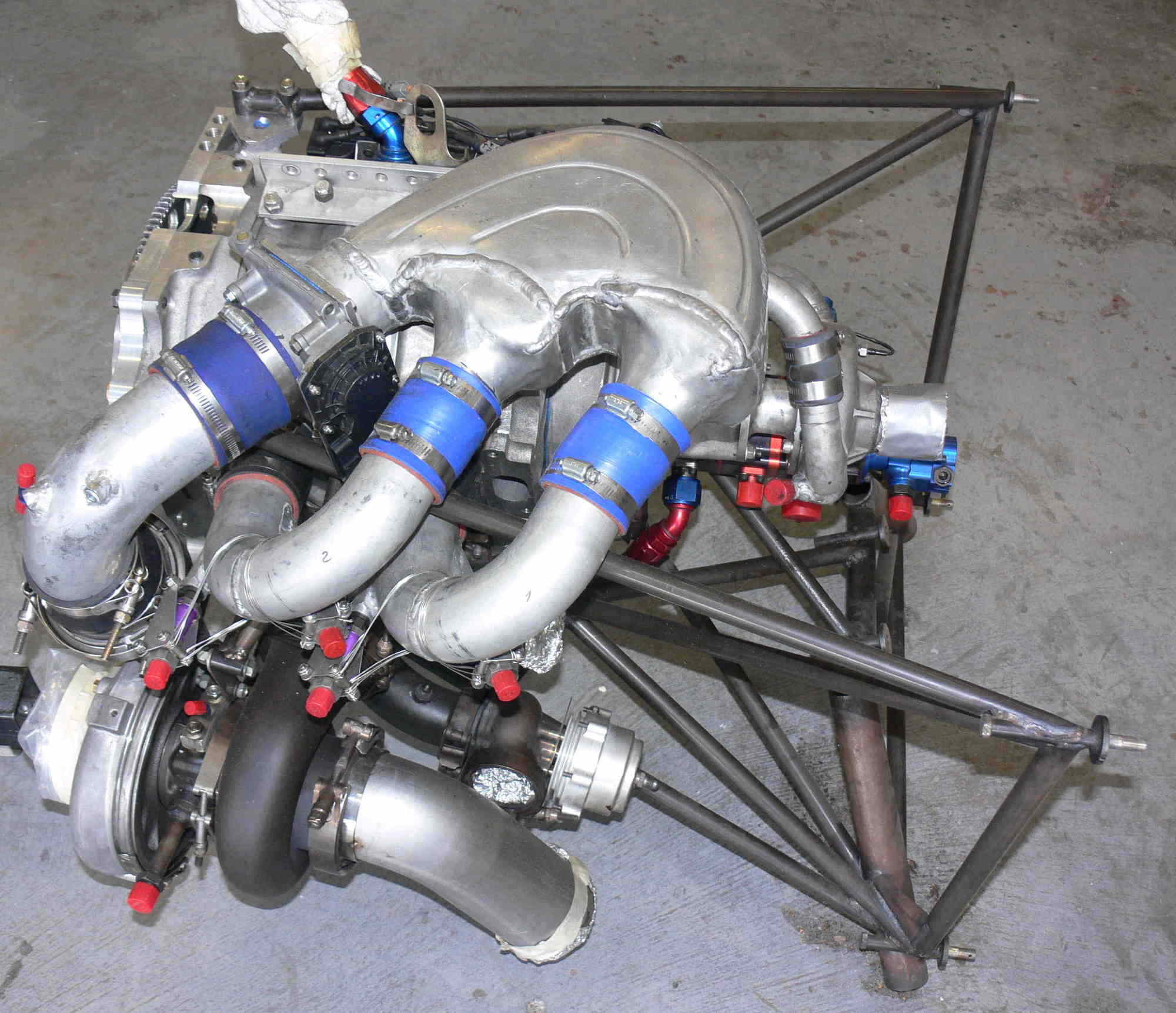
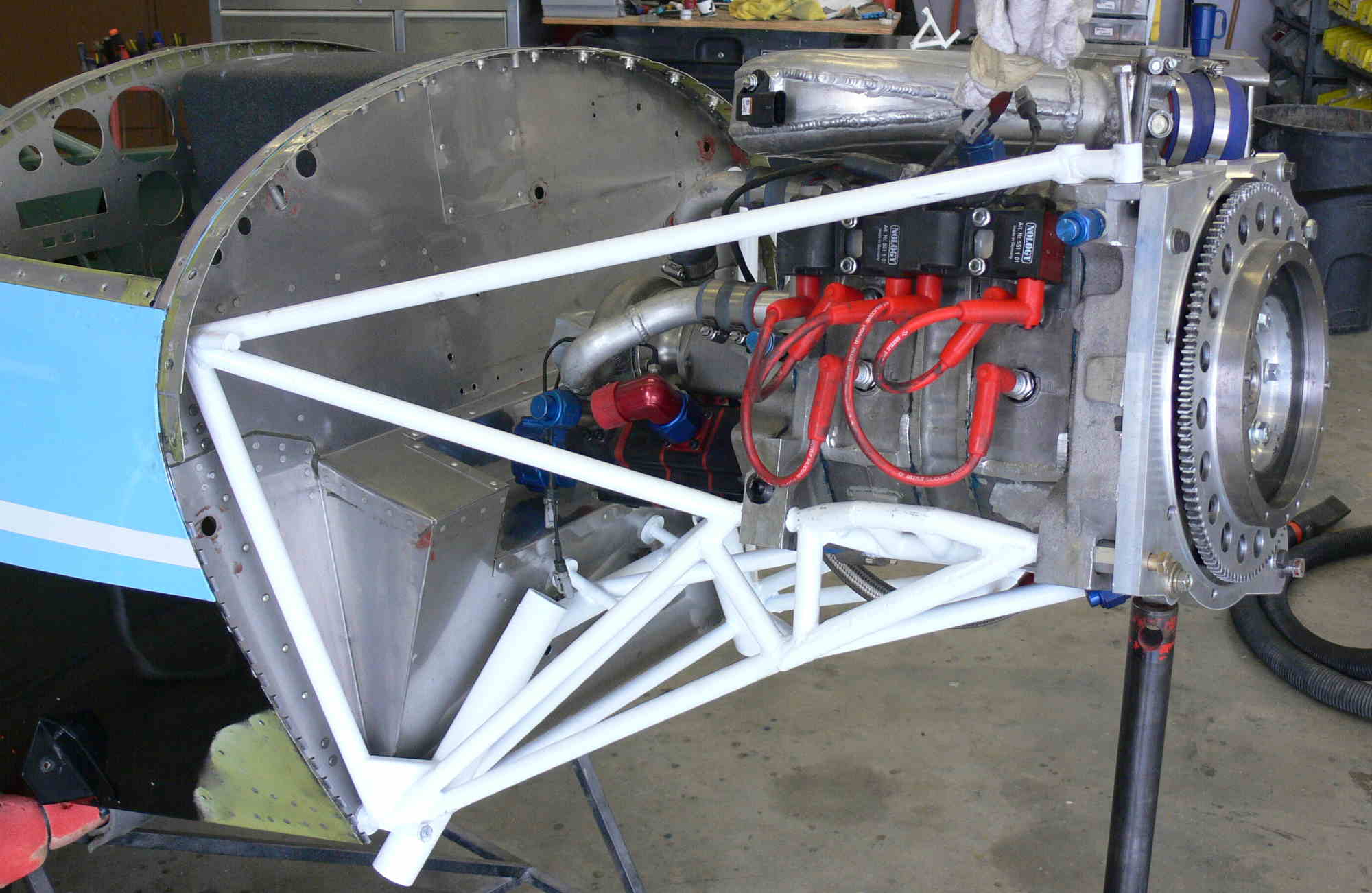
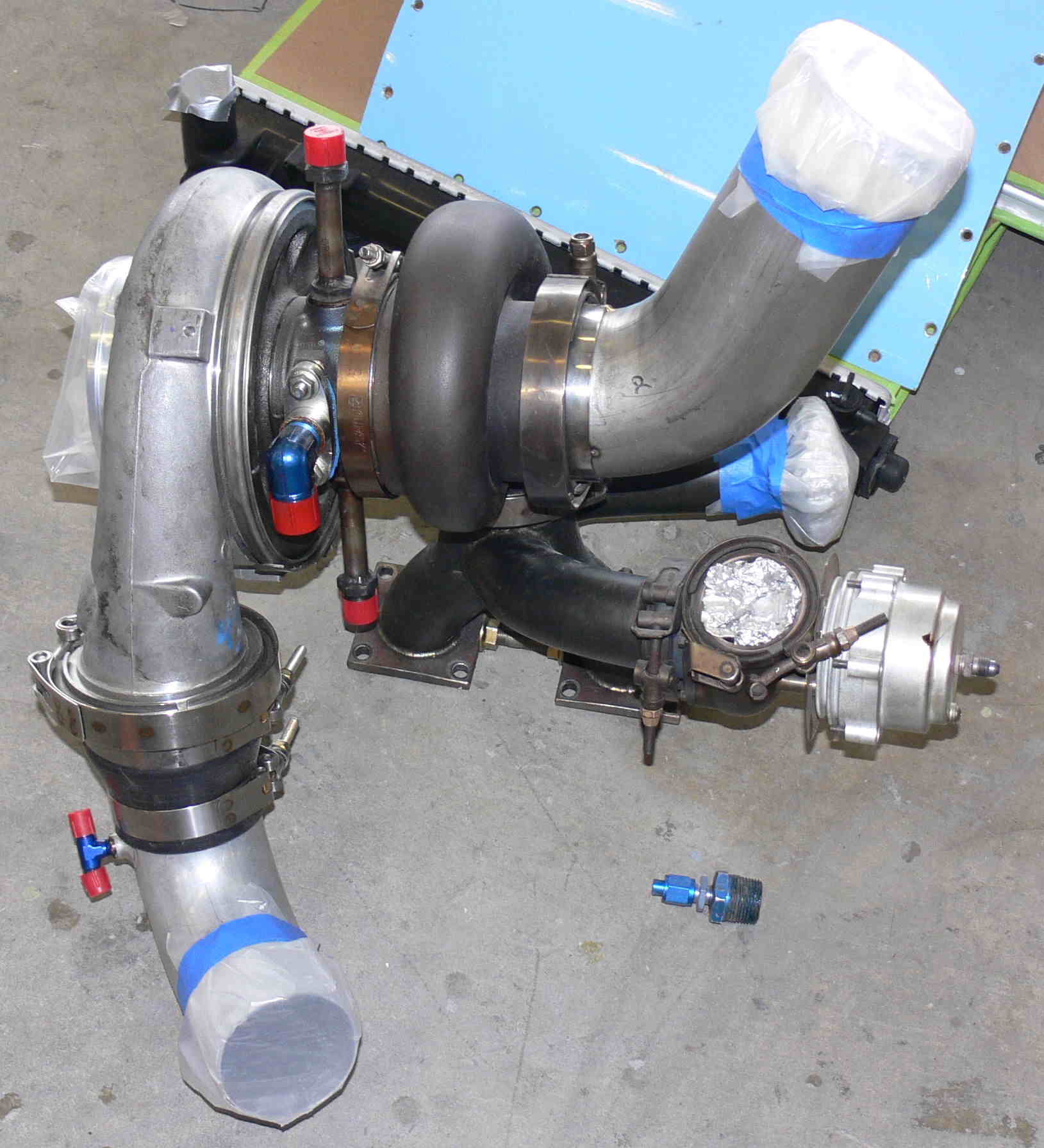
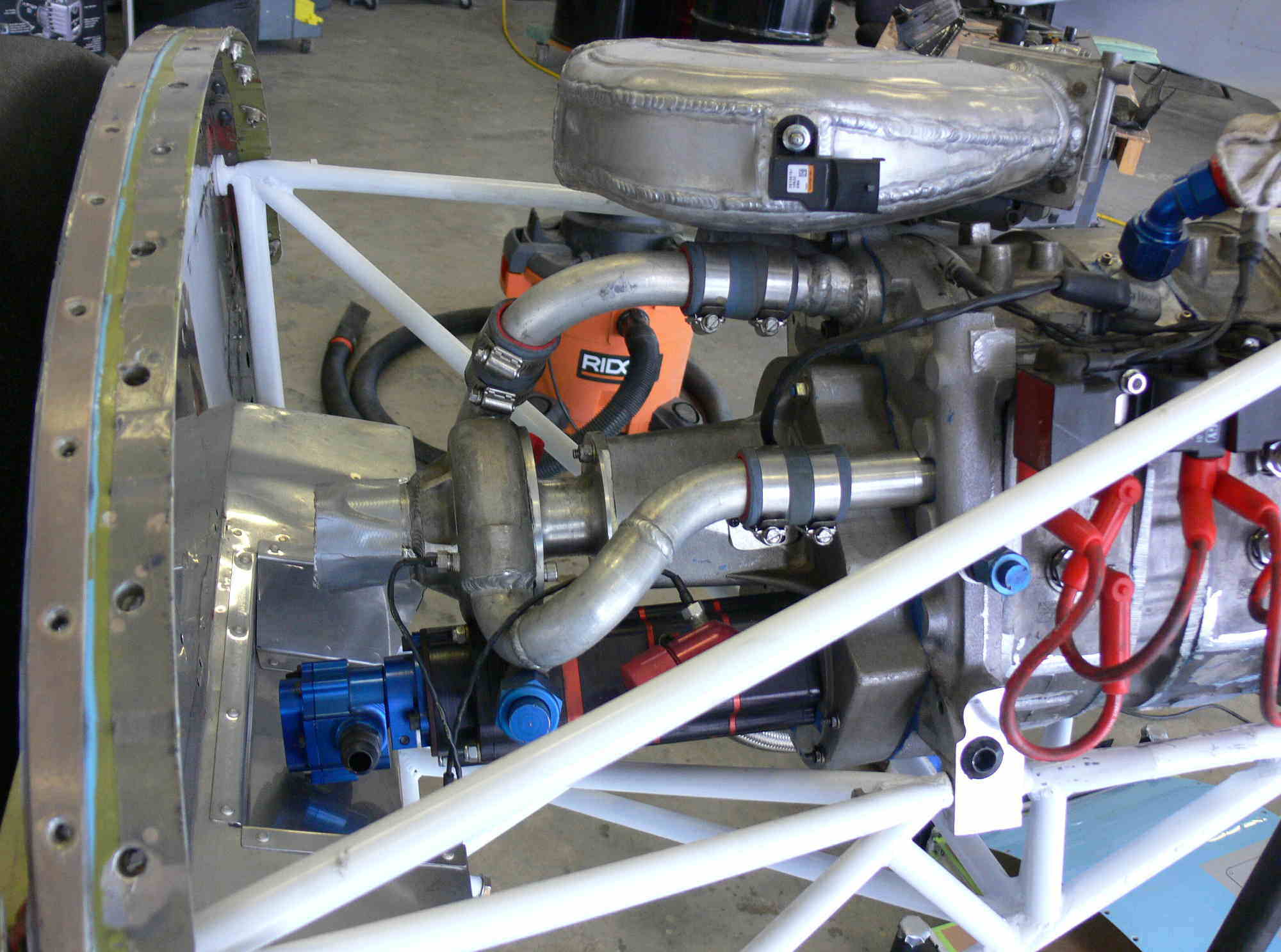
An all aluminium 20B should be about 300 pounds. P-port with turbo
should give an easy 600HP. To get a higher HP capability gear box I
would use the Allison HT 640/HT 650 series planetary with
approximately 3.5:1 ratio. This transmission was designed for use in
5 ton trucks and buses. These transmissions are readily available and
so are spare parts. Probably a lot cheaper than the helicopter PSRU.
The design would mimic the current Ross/Tracy box with dimensions
changed to accommodate the Allison part dimensions. The weight should
be close to the helicopter box and the length should be similar.
Dale Davies
The helicopter box is surprisingly light with magnesium castings at
only 45 pounds..
The drawback is; it is $30,000.
Paul Lamar
Dale, Do you know which planetary of the Allison has the 3.5:1 ratio
? Kelly Troyer
I am always blown away at the HP numbers on the rotary engines. But
out of curiosity, how reliable would an engine like that be for
"normal" use.
Barron
Not very. The TTC engine was only tested on the dyno for two
minutes. Since it was not equipped with thermal couples near the
spark plugs it may overheat in critical areas. There is very little
else about it that would not last at the 650 HP level and that
includes the eccentric shaft, the cast iron rotors and the ceramic
apex seals. The Mazda rotary block and moving parts are extremely
robust, to say the least, compared to any piston engine.
The Bell 47 gear box is also up to lasting
My improvement to the cooling system would be to bring the cool
water into the centre housings near the spark plugs and remove it
from the centre housing on the opposite side. The centre housing
would have a divider at it's centre to achieve this.
That way the cooling water would flow fore and aft around the rotor
housings better equalizing the cooling effect on the front and rear
rotors.
I would also lower the water pump to make sure the intake side of
the pump always had a head of water on it. Some what like this 2009
3D and the P51.
The current stock Mazda scheme was a compromise to accommodate
traditional car installations. in other words; water in and out at the
front of the engine and the shaft of the water pump driving a radiator
fan. Shaft
drive fans are no longer used in most passenger cars.
Paul Lamar
Kelly, It is the first gear or rear planetary that you need. Same
idea as the Ford planetary in use now in the Ross/Tracy design.
Barron, A p-port 3 rotor engine will make an easy 350HP at 6000RPM.
Add a turbo to primarily turbo normalize and 350HP to 400HP will not
stress anything. For higher altitudes, use Paul's design for the
counter cross flow using Dodge truck radiators to ensure
cooling in the thinner air. I would be surprised if it would overheat
keeping full throttle during climb even for extended time unless very
hot days at mountain altitudes.
Dale Davies
I'm curious as to why an all aluminium 20B would be 300lbs, when an all
aluminium 13B is only 109lbs. The 20B is just over a 1/3 more of engine.
Especially if its a "short" 20B, w/the custom thinner 2nd "centre" plate
and shorter e-shaft...
Dan G.
Sorry I did not catch that Dan. Dale was probably giving the
fire wall forward weight. The bare weight of the all aluminium
3 rotor no turbo is probably around 150 pounds roughly.
The time to climb aluminium engine weight of 200 pounds is with turbo
and intake manifold. There is also a dry sump oil system
on it and a larger water pump from a V8 sprint car engine.
No gear box.
Paul Lamar
The Rotary Engine News Letter. Powered by Linux. If you want off the
list PLEASE let me know and I will remove you. ACRE NL web site.
http://www.rotaryeng.net You Tube
http://tinyurl.com/beqqxas
Copyright 1998-2015 All world wide rights reserved.